

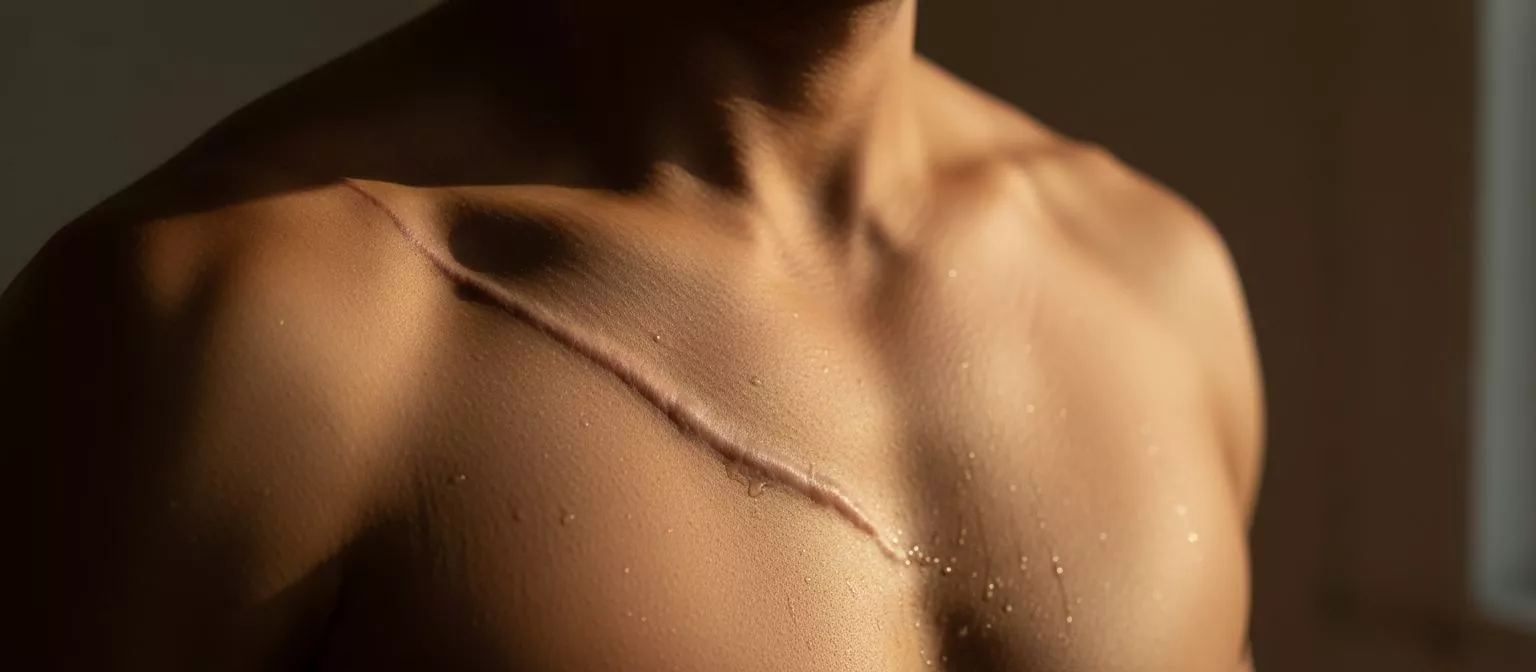
Keloid
Learn about keloid scars: causes, symptoms, and advanced treatment options.
What is a keloid?
A keloid is a type of raised, firm scar that grows where the skin has been injured. Instead of healing flat and fading over time, the healing process in a keloid becomes overly active, producing extra collagen that extends well beyond the original boundary of the wound. For patients preparing for or recovering from heart surgery, understanding this skin condition is an important part of managing the overall healing journey.
While these growths are benign and never cancerous, they can cause physical discomfort and emotional distress. They often look different from the surrounding skin, appearing pink, red, or darker brown, and they take on a shiny, smooth texture. Knowing what to expect helps alleviate the anxiety that often accompanies unexpected changes in your skin after a major operation.
It is completely normal to feel concerned when your body heals in an unexpected way. Recognizing a keloid early allows you and your medical team to explore advanced scar treatment options that can help manage the growth and keep you comfortable during your cardiac recovery.
What causes keloid scars to form?
Keloid scars form when the body's natural wound-healing response goes into overdrive. Normally, cells called fibroblasts produce collagen to repair a surgical incision or injury, and this production stops once the wound is closed. However, in the case of a keloid, the fibroblasts continue to produce collagen long after the tissue has healed, resulting in a dense, overgrown scar.
Genetic predisposition: A family history of keloid scarring is one of the most significant risk factors. If your parents or siblings have experienced these scars, you are more likely to develop them as well.
Wound tension and location: Areas of the body that experience constant movement or tension, such as the chest wall where breathing and arm motion pull at the skin, are highly susceptible to triggering keloid formation after a surgical cut.
What are the symptoms of a keloid?
Recognizing the symptoms of a keloid early can help you seek timely dermatology advice. The most obvious symptom is the visual appearance of a thick, puckered lump of tissue that grows larger than the original surgical incision or wound. The scar tissue may feel rubbery or firm to the touch and can vary in color from light pink to deep brown.
Beyond the visual changes, these scars often cause physical discomfort. Many patients report localized itching, tenderness, or mild pain as the scar tissue expands. If a keloid develops over a joint or across a large area of the chest, it can even restrict mobility and make deep breathing feel tight, which is a particular concern following cardiac surgery.
If you notice these symptoms developing along your sternotomy incision, it is important to bring them to the attention of your surgeon or dermatologist. While the symptoms are not life-threatening, managing them early can improve your physical comfort and prevent the scar from growing larger.
Hypertrophic vs keloid: how do they differ?
Patients often confuse hypertrophic scars with keloids, but understanding the difference is crucial for proper keloid scar management. Both are raised scars caused by excess collagen, but their growth patterns and treatment approaches differ significantly. Knowing which type you have will guide your doctor's recommendations for your care.
- Growth boundary: Hypertrophic scars stay within the original edges of the wound, while keloids extend beyond the wound margins into surrounding healthy skin.
- Regression: Hypertrophic scars often flatten and improve on their own over time, whereas keloids rarely regress without medical intervention.
- Recurrence rate: Keloids have a high tendency to return after surgical removal, making comprehensive treatment planning essential.
Where do keloid scars commonly appear?
Keloids can develop anywhere on the body where the skin sustains an injury, but they show a strong preference for specific areas. They most frequently appear on the chest, shoulders, upper back, and earlobes. These regions are prone to high skin tension or have a higher density of hair follicles and sebaceous glands, which can influence the healing process.
For cardiac surgery patients, the primary concern is the chest area, particularly the sternum. The central chest experiences constant mechanical tension from breathing, coughing, and arm movement. This continuous stress on a fresh surgical incision creates an environment where keloid scars are more likely to develop if a patient is genetically predisposed.
Being aware of these high-risk areas allows you and your healthcare providers to monitor your surgical sites closely. Early detection is a key component of effective keloid prevention.
Keloid on chest: why is this area so prone?
A keloid on the chest is a frequent concern for patients recovering from open-heart surgery. The sternotomy incision runs directly down the center of the chest, an area that is constantly subjected to mechanical forces. Every time you breathe, laugh, or move your arms, the skin and underlying tissues across your chest stretch and pull.
Skin tension dynamics: The constant pulling force across the sternum places the surgical wound under continuous tension. This mechanical stress stimulates the fibroblasts to produce more collagen, increasing the risk of an overgrown scar.
Healing environment: The chest area also has a rich blood supply and distinct skin texture, which can contribute to an exaggerated healing response. If you have a history of abnormal scarring, utilizing silicone scar gel sheets immediately after the incision closes can help flatten the tissue and reduce this risk.
How is a keloid diagnosed by a dermatologist?
Diagnosing a keloid is typically straightforward and does not require invasive testing. A dermatologist or your treating cardiologist can usually identify the condition through a simple visual examination and a review of your medical history. They will look at the shape, size, and color of the scar, and ask about any recent surgeries, injuries, or family history of heavy scarring.
In most cases, the clinical appearance is enough to make a confident keloid diagnosis. The doctor will assess whether the scar tissue has extended beyond the original surgical wound, which is the defining characteristic of a keloid versus a normal hypertrophic scar. They will also evaluate the scar for signs of infection or other healing complications.
In very rare instances where the diagnosis is unclear or if the skin growth behaves atypically, a small biopsy may be performed to rule out other skin conditions. However, for the vast majority of post-surgical scars, a professional visual assessment is all that is needed to begin discussing keloid treatment options.
What are the most effective keloid treatment options?
Finding the right keloid treatment options requires a personalized approach, as different skin types and scar severities respond to different therapies. One of the most common and effective non-surgical treatments is keloid injections. Corticosteroids are injected directly into the scar tissue to reduce inflammation, flatten the raised tissue, and relieve associated itching or pain.
Another standard approach is the use of pressure therapy. By applying continuous pressure to the scar using specialized garments or wraps, the blood flow to the area is reduced, which can help flatten the tissue over time. This method is often used in combination with topical treatments like silicone sheeting for a comprehensive management strategy.
For patients who do not respond to conservative methods, doctors may recommend cryotherapy to freeze the scar tissue or laser therapy to reduce redness and size. When exploring these avenues with your specialist, you might also discuss prescription scar fading creams to help improve the cosmetic appearance of the surrounding skin.
Can keloid surgery prevent scars from returning?
Keloid surgery is a viable option for removing large, troublesome scars, but it comes with a significant caveat. Surgically cutting out a keloid creates a new wound in the exact same location, which carries a high risk of triggering the overactive healing process all over again. In fact, the recurrence rate for keloids after surgery alone can be quite high.
To prevent the scar from returning, surgeons rarely rely on excision alone. If surgical removal is deemed necessary, it is almost always combined with immediate post-operative therapies, such as radiation therapy or a series of corticosteroid injections. These adjuvant therapies target the fibroblasts during the critical initial healing phase, suppressing the overproduction of collagen.
If you are considering keloid removal after a heart surgery, your dermatologist will carefully weigh the risks of recurrence against the benefits of removing the scar. A carefully planned combination of surgical excision and targeted post-op care offers the best chance for a favorable, lasting outcome.
How to approach keloid prevention after heart surgery?
Preventing a keloid from forming in the first place is always easier than treating one. If you know you have a family history of keloids or have developed them from minor injuries in the past, inform your cardiac surgeon before your operation. This allows the surgical team to use meticulous closure techniques and provide specific post-operative wound care instructions.
Proactive keloid prevention involves minimizing tension on the healing incision and keeping the area clean and moisturized. Once the wound has fully closed, your medical team may recommend starting preventative treatments immediately. This might include taping the incision to provide support and applying silicone gel sheets for several hours a day.
Ultimately, healing from heart surgery is a journey that requires patience and attentive care. By understanding what a keloid is, recognizing the early signs, and working closely with your healthcare providers, you can effectively manage your skin healing. Taking proactive steps ensures that both your heart and your skin recover as smoothly as possible, giving you peace of mind as you regain your strength.






