
How to Get a Second Opinion Before Heart Surgery
Getting a second opinion before heart surgery can confirm your diagnosis and reveal safer, less invasive options.
Have you been told you need heart surgery, and does that make you anxious or leave you with a great many worries and questions? After all, it is a complex operation that could be high risk.
While it is important to trust your medical team and their recommendations, there are times when it is wise to seek a second opinion before making a decision. Here are five reasons why you should consider asking for a second opinion before undergoing high-risk heart surgery.

1. Confirming the diagnosis
It is important to make sure your diagnosis is accurate before you undergo heart surgery. Sometimes additional tests may be requested if there is any doubt about the diagnosis or specific recommendations. A second opinion can confirm the diagnosis and give you greater peace of mind before you decide.
It is worth saying that a second opinion may simply confirm your diagnosis and nothing more. Even so, for your own peace of mind and that of your family, we recommend making the important decisions once you are well informed.
2. Exploring treatment options
There are many treatment options for heart conditions. A second opinion can help you explore all of them and choose the best one for your specific case. Sometimes surgery is not the best option, and a second opinion can help you look at the alternatives.
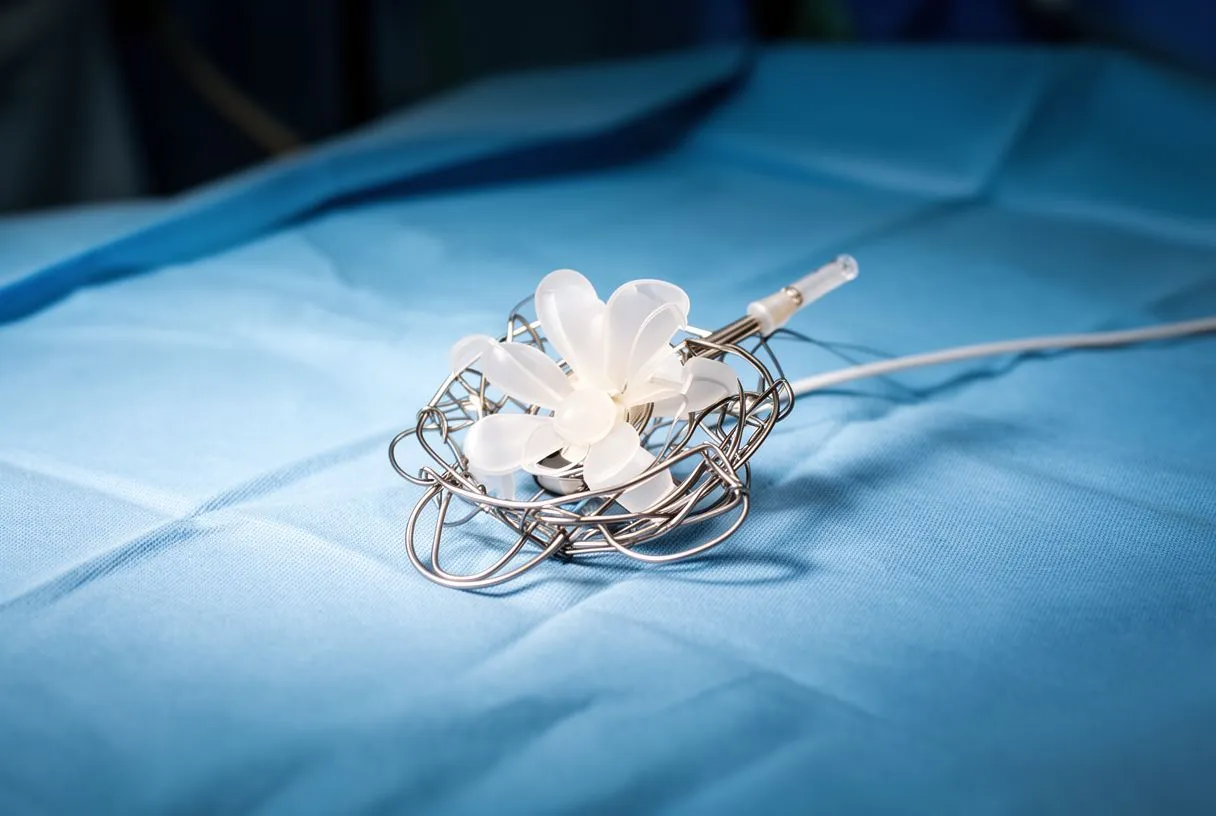
Minimally invasive techniques have now been developed that do not require opening the chest completely. Technological advances also sometimes allow valves to be replaced or repaired with transcatheter techniques, that is, without any surgical incision. It is important to know that not all heart surgeons or cardiologists are familiar with or trained in these techniques, so it matters to have this conversation with suitably qualified medical staff.

3. Confirming that surgery is needed
Even if your diagnosis is accurate and heart surgery is the best option, you may want a second opinion to confirm that the operation is really necessary. A second opinion can give you the peace of mind and confidence you need to make an important decision about your health.
As we have just mentioned, there are more and more treatment options using minimally invasive techniques; however, not all of them are suitable for every patient. All the studies, and each patient, need to be analysed in detail individually, and the pros and cons of every available treatment discussed.
4. Assessing the medical team
A second opinion gives you an opportunity to assess the medical team that will carry out the operation. Some patients prefer to work with surgeons who have experience in a particular type of surgery, or at a specific hospital. A second opinion can help you find a medical team you feel comfortable with and confident in. Building a strong, open doctor–patient relationship based on full trust is extremely important.
5. Reducing the risk of complications
High-risk operations usually carry a greater risk of complications. Various international scores exist to estimate the risk of an operation and give a clear idea of whether a person is at high, moderate or low risk of complications during or after surgery; however, this is only an estimate, not a rule or a medical certainty.
A second opinion can help reduce the risk of complications by making sure a multidisciplinary team is taking every necessary precaution and consideration, and that the best treatment strategy for your specific case is being followed.
More information, more safety
In short, a second opinion can give you peace of mind and confidence before high-risk heart surgery. If you or someone you love is considering heart surgery, do not hesitate to talk to your doctor about getting a second opinion. No doctor should refuse, or be offended, because you ask for one.
Remember that your health matters most and that you have the right to the best possible medical care. If you would like more information, or would like to request a free first video consultation, you can do so on our contact page.