Minimally invasive cardiac surgery
Explore minimally invasive cardiac surgery: benefits, risks, recovery, costs, and qualifications.
Few things have the potential to change the life of a person and their family as much as heart surgery. Simply being told that we have a condition that might need heart surgery can cause a great deal of speculation and anxiety. That is why we need to be well informed before making decisions calmly.
At Cirugía de Corazón we have created this practical guide for patients, families and anyone interested in the details of heart operations, to walk through the process step by step, along with its risks, benefits and alternatives.
My name is Dr Alejandro Molina, and I am a cardiovascular surgeon specialising in minimally invasive procedures. I hope this guide will serve as a reference for you and your family, help you make decisions and make the conversation easier at such a delicate point in your life. Note that this is not an academic article for the medical community, but a gateway into the world of heart surgery in simple, clear language. Learn more about minimally invasive surgery in this video:
What is minimally invasive heart surgery?
To talk about minimally invasive surgery, we first have to talk about heart surgery itself, what we know as “open-heart” surgery. Remember that it is a relatively young specialty, especially compared with others. The first procedures were carried out in the 1950s and 1960s, using a large incision down the middle of the chest and through the sternum to reach the heart. In fact, most procedures in most hospitals are still done today through this incision, known as a sternotomy.
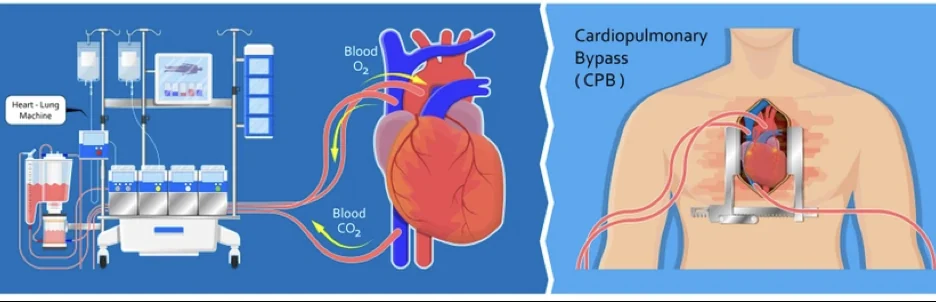
What makes this surgery different from any other kind (hernia, gallbladder, neurosurgery, plastic surgery and so on) is the use of a machine known as cardiopulmonary bypass, which works as an artificial heart and lung. The machine is unique to this type of surgery, is a marvel of modern science and is what allows us to operate safely. Cannulas are connected to the body's main veins and arteries to drain blood to the machine, which oxygenates and pumps it, taking over the circulation of the whole body and delivering oxygen to every tissue and organ while we work on the heart. This lets us “put the heart to sleep”, open it and repair the problem we are dealing with.
Contrary to some popular beliefs, the heart is not taken out of the body to be repaired and then put back into the chest: any repairs or replacements are carried out in situ, with the heart stopped temporarily. Once the planned procedures are done, the heart gradually starts beating again and takes over pumping blood to the whole body, slowly recovering its normal function. The heart-lung machine gradually reduces its contribution to the circulation until it is stopped completely. The cannulas are then removed and the sternum and chest are closed, which ends the open-heart operation. Minimally invasive surgery is a modern technique for performing these same procedures.
What exactly does minimally invasive heart surgery mean?
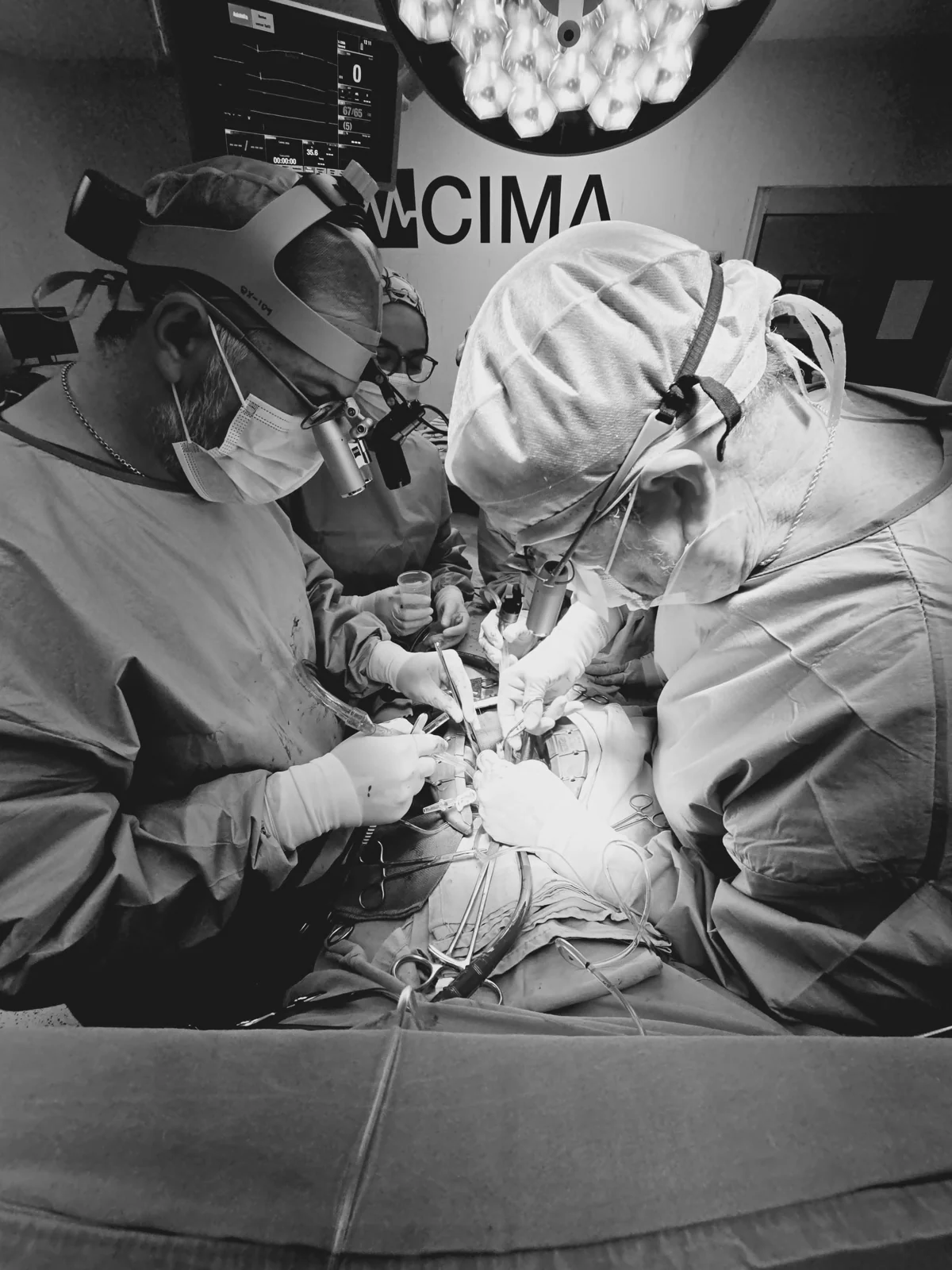
Strictly speaking, minimally invasive heart surgery is heart surgery performed through small incisions, usually 4 to 5 cm, assisted by special cameras and instruments that let us operate on the heart safely and effectively. With minimally invasive surgery we can perform the same procedures usually done as “open-heart” surgery, but through limited incisions that avoid opening the sternum. Depending on the condition being treated, the incision site on the chest is chosen to give the best exposure for a safe procedure.
In minimally invasive operations we usually still use the heart-lung machine, but we connect it to an artery and a vein in the groin, so as to avoid opening the sternum and chest completely and keep the benefits of minimal invasion. Some of the instruments needed are:
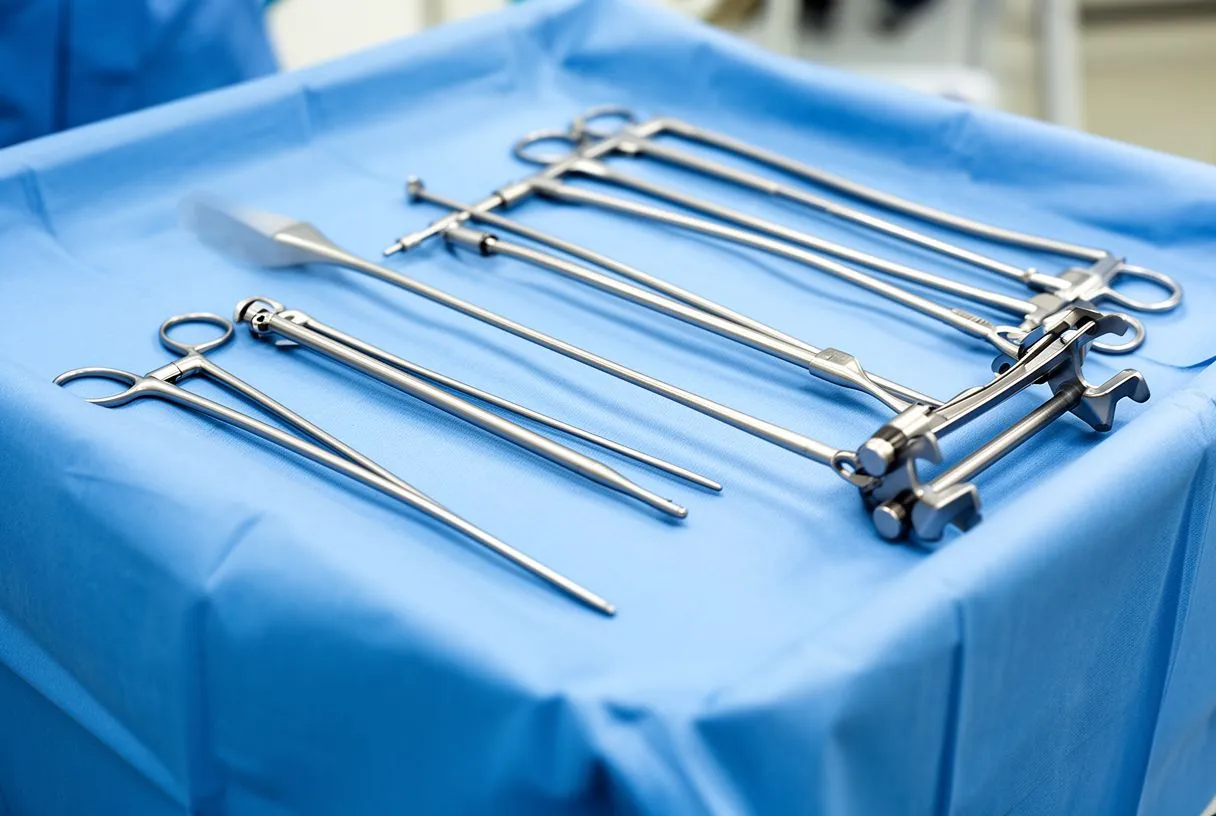
- Long, modified forceps to reach the structures of the heart.
- A 3D camera for the best possible view.
- Special self-retaining retractors for minimally invasive surgery.
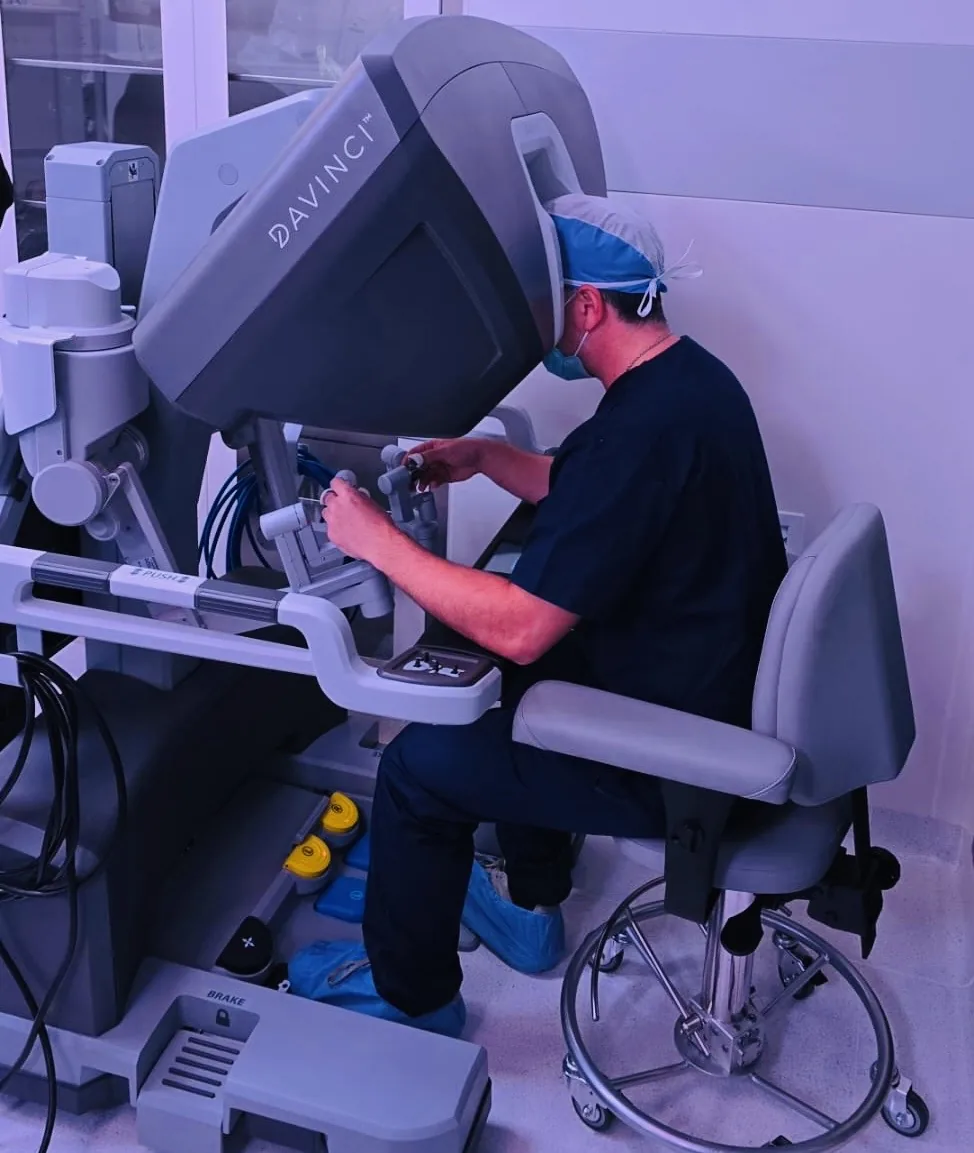
- Robotic arms.
What are the benefits of minimally invasive heart surgery?
According to the American Heart Association, the Mayo Clinic and many publications in the medical literature, minimally invasive surgery should bring the following benefits compared with conventional surgery:
- A faster recovery.
- Less time in intensive care after the procedure.
- Less bleeding.
- Less need for blood transfusions.
- A more cosmetic scar, sometimes barely visible.
By avoiding a large incision through the sternum, we also expect:
- No complications related to the sternum, such as infection, bleeding or failure of the bone to heal.
- No further operations related to the sternum.
- Less pain, an important advantage of these incisions.
- Patients able to move much sooner than after conventional surgery.
- A shorter recovery and a much faster return to daily life.
Which specialists can perform these procedures?
Very few heart or cardiovascular surgeons in Mexico and Latin America have formal training in minimally invasive heart surgery. This training takes years and is done at high-volume, world-class centres in different parts of the world. It is currently estimated that only 5–7% of all heart surgeons worldwide perform minimally invasive procedures, so when choosing a surgeon you should make sure of the following:
- That they have completed several years of formal training in minimally invasive surgery. This training usually comes after qualifying and becoming certified as a conventional heart surgeon; a surgeon may have a great deal of experience in conventional surgery and none in minimally invasive procedures.
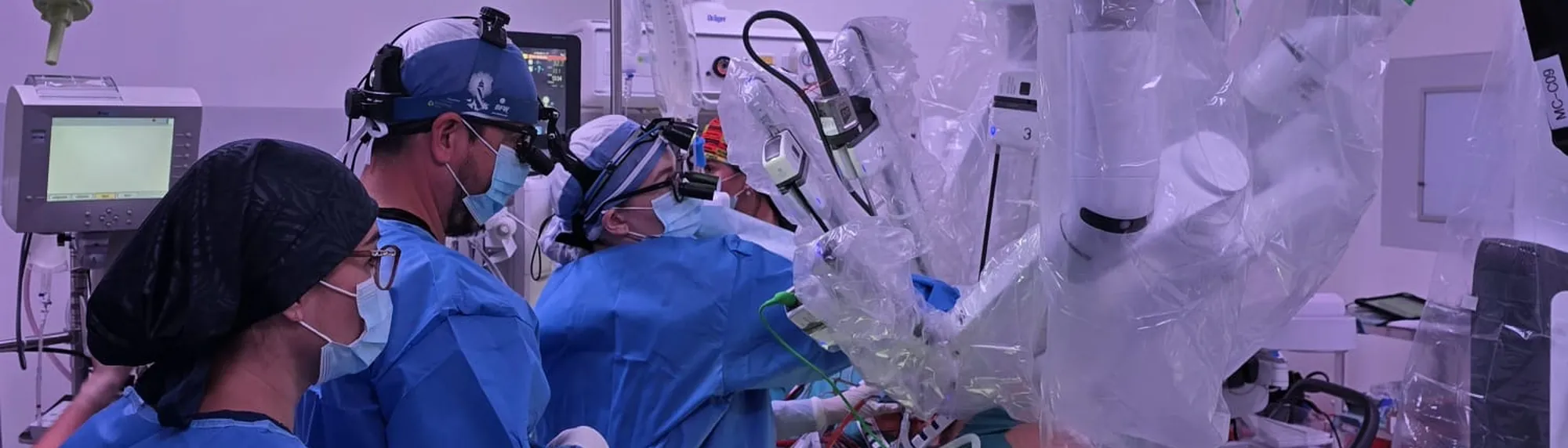
- That the operation is carried out by a highly specialised multidisciplinary team with experience and training in minimally invasive surgery: surgeons, anaesthetists, intensivists, cardiologists and nurses.
- That the hospital has the right infrastructure for minimally invasive procedures, which usually means hybrid operating rooms and top-level intensive care units.
Some questions you can ask your surgeon
- What infrastructure does the hospital need for these procedures?
- Where did the surgeon and their team train in minimally invasive surgery?
- What would happen if the surgeon decided not to follow a minimally invasive plan, and what alternatives are there?
Procedures commonly performed with this technique
The most common operations with this approach involve the heart valves. Remember that there are 4 valves inside the heart: aortic, mitral, tricuspid and pulmonary. Their job is to let blood flow in one direction between the heart's chambers and to separate those chambers. Sometimes, for various reasons, these valves fail or change, either through disease or through degenerative changes such as calcification that lead to structural failure. In these cases there are indications to replace them with various prostheses. We are often able to repair them without replacing them, but this depends on the anatomy of each valve and each patient. The valves that most often need treatment, because they are the most commonly affected, are the aortic and mitral valves.
Other procedures involving the coronary arteries, and certain congenital defects, can also be repaired this way, although they are less common: closing defects in the walls of the heart, and hybrid coronary revascularisation, in which part of the treatment is a coronary bypass and the other part is the placement of one or more stents. This is a fusion of surgery and interventional cardiology. The procedures most often performed through minimally invasive surgery are therefore:
- Aortic valve replacement.
- Aortic valve repair.
- Mitral valve repair (valvuloplasty).
- Mitral valve replacement.
- Tricuspid valve repair.
- Tricuspid valve replacement.
- Repair of septal or wall defects of the heart.
- Replacement of the ascending aorta and aortic root for aneurysms.
- Removal of cardiac and pericardial tumours.
- Hybrid revascularisation or hybrid coronary bypass.
Who is a candidate for this type of operation?
If you have read this far, you or someone close to you are probably asking exactly this question. Don't worry: the first step is to assess whether there really is an indication for heart surgery. Once all the tests have been analysed and the indication confirmed, the next step is to decide whether you are a candidate for a minimally invasive procedure. For this we will look at some imaging studies that show your individual anatomy. Once we have all of them, a group of several specialists will decide whether you are a candidate for minimally invasive surgery.
The final decision about the procedure will always be yours and your loved ones', and it will be made once a level of mutual trust has been established in the doctor–patient relationship. The most common tests are:
Transthoracic and then transoesophageal echocardiogram
This is a test performed through the mouth and oesophagus under light sedation, which lets us see the function and anatomy of the heart and each valve. We can easily assess the affected valve and the problem areas, and begin planning a surgical strategy to repair or replace it. It is done by a cardiologist specialising in imaging, usually takes between 30 minutes and 1 hour, and does not require a hospital stay.
CT angiography of the neck, chest, abdomen and pelvis
This shows the position and size of the various arteries involved in the procedure, as well as the heart itself. It tells us whether there is any contraindication to minimally invasive surgery and gives an excellent picture of the entry sites, angles and incisions to consider. It does not require a hospital stay and usually takes 30 to 60 minutes.
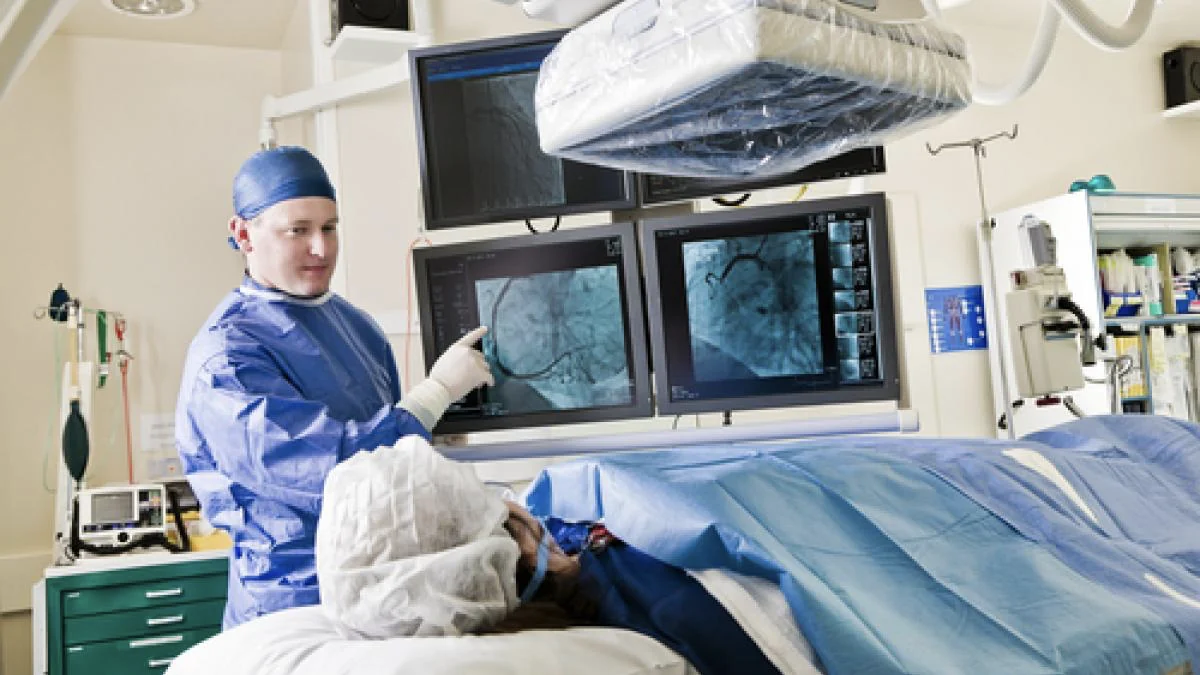
Cardiac catheterisation
Depending on each patient's age and medical history, cardiac catheterisation may be indicated. It is essentially a map of the arteries that shows the state of the coronary arteries and whether any blockages need treatment. It usually takes 1 to 3 hours, may need a hospital stay in some cases, and is done through the arm or the groin under local anaesthetic.
An important point: sometimes there is no time for all these tests. Sometimes surgery is needed as an absolute emergency, with an imminent risk of death. In those cases, the right treatment will most likely be emergency conventional open surgery as soon as possible, and a discussion of minimally invasive surgery may not be appropriate.
What are the risks of this kind of heart surgery?
There will come a time when you need to discuss all the possible risks with your doctor and your family. You should talk openly and clearly, so that you are left with no doubts; that is why your level of trust in your doctor matters so much. This conversation can often be difficult, and it is completely normal to feel anxious or afraid.
Although heart surgery can today be performed with a high degree of safety, there will always be risks. We now have several risk scores that indicate whether a patient is at low, intermediate or high risk of complications around the time of surgery. Even so, these scores cannot predict with 100% accuracy the conditions we will find in the operating room, particular anatomical situations or events during the procedure; they are, however, very useful as a starting point for the discussion with the patient and family. You will discuss the risks with your doctor individually.
Minimally invasive operations aim precisely to reduce the risks and complications of heart surgery. Even so, these are complex procedures inside the heart which, like any other operation, carry inherent risks. In most cases we can keep the risk of major complications below 5%, although this depends on each patient. The relatively common complications of any heart operation (but usually below 5%) are:
- Arrhythmias and disturbances of the heart's electrical conduction: the most common is atrial fibrillation. Conduction blocks may require a temporary or permanent pacemaker, although the risk is low.
- Bleeding: abnormal bleeding after surgery is one of the most common complications of heart surgery, and minimally invasive surgery aims to reduce this risk. Most of the time it can be managed conservatively with medical treatment; in about 3–4% of cases we need to return to the operating room to check for a bleeding point that needs repair.
- Infection: this usually appears a few days after the procedure. It may be a urinary, wound or catheter infection, and is usually picked up early and treated successfully.
- Pneumonia: a more widespread infection in the lungs.
- Kidney failure (usually temporary): kidney function can be affected after heart surgery, and dialysis (an artificial kidney) may or may not be needed to remove toxins and excess fluid during recovery. A great deal depends on how the kidneys were working before surgery.
- Neurological problems: although rare, they can be potentially catastrophic if the damage is severe. They range from temporary disorientation and hallucinations to serious events such as brain haemorrhage or stroke. The risk is low and depends a great deal on the patient's condition and frailty before surgery.
- Death: heart surgery can now be performed safely and with relative confidence, with success rates of 93–99%. Even so, we cannot and should not play down the seriousness of a major operation that involves stopping the heart, opening it and repairing it. There is always a risk of catastrophic complications such as cardiogenic shock, perioperative heart attack or death.
- Conversion to standard surgery: if at any point the surgeon sees something that compromises the quality of the operation, or a complication that endangers the patient's life, they may decide to convert to conventional surgery through a sternotomy in order to save the patient's life or correct an unforeseen situation. The risk of this happening is 2–4%.
The risks and benefits will be discussed carefully with your doctor before any decision is made. The relationship of respect and mutual trust built before surgery will be the foundation for moving forward with the procedures and with any particular situations that arise along the way.
Do I need to donate blood before surgery?
The short answer is yes. Strictly speaking, it will be your family, friends and acquaintances who donate the blood. The request will be something like this:
- 4 to 6 units of packed red cells.
- 1 to 2 platelet apheresis donations, depending on the case.
Each hospital blood bank has its own variations on the donation requirements. Remember that only a few of the potential donors will end up being able to donate, so bear that in mind when asking people you know. Some of the requirements at most blood banks are as follows (or very similar):
- Be over 18 and under 65.
- Weigh more than 50 kg.
- For women: not breastfeeding or pregnant, and at least six months since the last birth.
- No vaccinations in the last 30 days.
- No illness and no medication in the 7 days before donating (people with diabetes must not use insulin; people with controlled high blood pressure can donate).
- No alcohol in the previous 3 days.
- No drug use in the last two weeks.
- No surgery of any kind in the last six months.
- Tattoos, piercings and acupuncture must be more than a year old; piercings in mucous membranes such as the nose, mouth or genitals must be removed three days before donating.
- Fast for at least four hours, drinking plenty of fluids during that time (no coffee or dairy); fruit is allowed.
- Bring official identification to the blood bank (voter card, military ID, passport, driving licence or professional licence).
- Arrive clean, in comfortable clothes and well rested.
Although these conditions apply generally and are the usual rules at most health institutions, when the time comes your donors should check directly with the hospital's blood bank for its local requirements.
What happens after surgery? What is rehabilitation like?
Immediately after the procedure, the patient goes to the cardiovascular intensive care unit, where a team of specialists in postoperative care should be in charge 24 hours a day. It is possible, and sometimes even common, for the patient to be extubated (the tube in the throat connecting them to the ventilator removed) in the operating room, so that they arrive in intensive care already breathing on their own while recovering from the anaesthetic and the procedure. This depends a great deal on the operation and sometimes on how long it took; not all surgeons and teams choose to extubate in the operating room, as it also depends on the preferences of each team and centre.
On arrival in intensive care, the patient will have several drains, tubes and wires all over the body. This is expected and completely normal, and they are removed little by little as the patient progresses. After minimally invasive surgery, the stay in intensive care is usually about 36 hours, although it varies from patient to patient: the aim is for the patient to stay as long as necessary, no more and no less. After intensive care, the patient moves to a step-down unit or even a normal ward room to continue their immediate recovery. The total hospital stay is 4 to 7 days when there are no complications.
Some of the recommendations given to every patient for this period, which are taught before surgery to help recovery, are:
- Breathing exercises: your doctor and the nursing team should teach you to use a device called an incentive spirometer, which helps prepare the lungs for the procedure and, after surgery, helps prevent lung collapse and complications from trapped secretions. It is important to do these exercises.
- Mobilisation: as a general rule, patients who get moving quickly after the procedure tend to recover and be discharged sooner. A specialist physiotherapy team will guide you at every step, from leaving the operating room to going home.
- Eating: it may seem routine, but for someone who has had heart surgery, starting to eat again can be difficult. Lack of appetite, nausea, vomiting, or a bowel that takes several days to get going are common reasons. Even so, it is extremely important to follow the advice of your nutrition team and your doctor: it can be the difference between a smooth recovery and one with complications.
These 3 recommendations can make a big difference to your recovery, and your own willpower may make a significant difference if you follow them.
After hospital, what next?
After traditional open-heart surgery, recovery takes 3 to 3.5 months before returning to everyday life. You cannot drive for 6 weeks because of the sternotomy (which, in practical terms, is like a broken bone), or lift objects heavier than 5 kg for the first month and a half. With minimally invasive surgery, the estimated time to return to a normal life is about 3 weeks, a great advantage over traditional surgery, and there are no restrictions on driving or lifting heavy objects.
What does cardiac rehabilitation mean?
You may have read about it, or someone may already have mentioned it. Before going on, here is a very important point: most of the complications that could have occurred are very probably behind you now, and it is time to focus on your recovery.
Cardiac rehabilitation is a programme tailored to you after heart surgery, a heart attack or other forms of cardiovascular disease. It includes exercise, education for you and your family, and emotional support, and it aims to optimise your heart function and your surroundings for a good physical and mental recovery. It begins in hospital after surgery and continues until heart function is optimised; it may last 3 to 6 months depending on the case. A specialist will draw up with you a rehabilitation plan adapted to your needs and focused on recovering function after the operation you have had. Cardiology societies, both local and international, strongly recommend rehabilitation after any heart procedure to improve the results of the operation.
What are the alternatives to minimally invasive surgery?
Standard surgery through a sternotomy
The first and most obvious option is standard or traditional surgery through an incision down the middle of the chest, that is, a full sternotomy. Remember that this approach allows a complete operation with excellent results, and most surgeons choose it. Although the incision is larger and recovery slower, the vast majority of procedures can be performed through a full sternotomy. It is important to remember that the approach your surgeon is most comfortable and experienced with will also determine the quality of the operation and its results, so talk this through with your doctors. The risks of this option can include more bleeding, a longer recovery and a higher rate of sternal infection.
The endovascular or transcatheter option
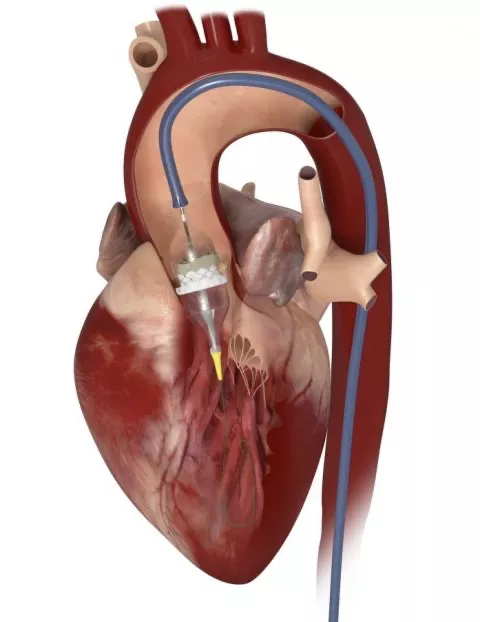
New therapies have advanced as technology and our experience have grown. Endovascular or transcatheter therapies are procedures carried out through a puncture, usually in the groin, using a special catheter that is passed up to the heart to replace a diseased valve without opening the chest or stopping the heart, as we would in open-heart surgery. This technology can treat a range of conditions, although it is important to say that it is not for everyone. The most common transcatheter procedures, which are also considered minimally invasive, are:
- TAVI (transcatheter aortic valve replacement).
- MitraClip (transcatheter mitral valve repair).
- Transcatheter mitral valve replacement.
- Transcatheter tricuspid valve replacement.
It is very important to remember that the treatment alternatives depend on each condition; here we are covering general options related to minimally invasive surgery. For detailed information about the alternatives for a specific condition, look at the information on that condition and talk to your doctor. The risks of these procedures are mainly a higher rate of conduction blocks in the heart, neurological problems (temporary or permanent) and the need for a permanent pacemaker.
Medical treatment
Another alternative, for people who do not want surgery or whose surgery is considered too high-risk, is optimal medical treatment. This approach focuses on treating each patient's symptoms and trying to improve their quality of life. In general it does not cure the disease, although it may control the symptoms with relative effectiveness. If you have already been assessed and advised to consider heart surgery, this option may not be the best one for you; even so, the final decision about which treatment to follow always belongs to the patient and their family. That is why the doctor–patient relationship must be strong and built on mutual trust. Many aspects need to be considered, such as age, general frailty, the severity of the condition and the risk of surgery. The risks of medical treatment without intervention relate to progression of the disease, a decline in quality of life and the risk of complications such as disability or death.
Robotic surgery
This is a variant of minimally invasive surgery, in which the surgeon operates from a console controlling the arms of a robot positioned over the patient. It gives very good results, and its benefits are similar to those of the minimally invasive technique. However, very few surgeons in Mexico and Latin America have been trained in these procedures. It is usually more expensive at first, although major medical insurance policies now cover these operations when they are performed in accredited centres by specialised surgeons.
How much does minimally invasive heart surgery cost?
In very general terms, we can talk about a total price, including all the considerations below, of between 480,000 and 880,000 Mexican pesos (US$20,000 to US$45,000). Prices can be considerably higher depending on several factors. As you can imagine, this is a frequent question in clinic, and the answers vary. It will depend on:
- The hospital where the operation is performed.
- The type of condition (one valve or two, replacement or repair, and so on).
- The materials used during the procedure.
- The time in intensive care (which can be longer if there are complications) and the total hospital stay.
- The number of specialist doctors involved in your treatment.
These prices can vary. Some endovascular procedures such as TAVI (transcatheter aortic valve implantation), for example, currently cost around 900,000 pesos because of the price of the valves on the market. Here we are considering approximate prices for a minimally invasive procedure from admission to going home; they do not include the tests done to reach the diagnosis or consultations with other specialists. Prices obviously vary with each case and could rise considerably, but this gives an overall idea of the price range for these procedures.
Can I use my private medical insurance?
Without doubt, one of the things that can cause you the most stress is the cost and how to pay for it. It is no small matter: these are generally very high costs, so we will go through the process with you. In private hospitals in Mexico, most patients are covered by private medical insurance (if they have it), so you should only end up paying a fraction of the total bill, between 10 and 30% depending on your type of policy and the clauses of your contract. Some people choose to pay 100% “out of pocket”; that of course depends on each person's circumstances. My recommendation is to get to know your policy's cover well and discuss it with your family and possibly your insurance broker, so there are no surprises if you need it.
Insurance companies tend to have several things in common (not necessarily good ones). In the end, they are companies focused on making money, so they are constantly looking for ways to cut their costs; if they find a way to save, even at the expense of your situation or your doctor's, they will. More than once we have come across unpleasant situations in which they refuse to cover certain costs, for patients and doctors alike, hidden behind the “small print” of the policy.
One example is medical fees: every insurance company has a fee schedule, a table that assigns a cost or price to each procedure or test (an operation, a CT scan, an ultrasound). In other words, the company wants to decide how much a doctor should charge for their services. The schedules they use are, for obvious reasons, really low and to some extent ridiculous. In these cases you may meet one of two situations:
- The first, where the doctor adapts to that schedule and decides to charge only what the insurer stipulates.
- The second, where the doctor does not adapt to the insurer's schedule. In this situation it is generally the patient who has to pay the difference between what the insurer has scheduled and the doctor's fees. This will depend on each particular situation.
It is important to know these details so that you are prepared if you find yourself in a similar situation. Remember: when it comes to private medical insurance (all of it), the house never loses.
Results, global trends and alternatives
Centres of excellence that perform minimally invasive heart surgery have shown very good long-term results, with safe, low-risk and successful procedures that have held up over the years under the strictest quality standards. As mentioned, the main benefits that appear to be superior to conventional surgery are:
- Less bleeding and therefore fewer blood transfusions.
- Less pain.
- A faster recovery and a quicker return to normal life than usual.
- No complications related to the sternum.
- A small, more cosmetic scar.
- Generally, less time in intensive care.
What are the trends in minimally invasive surgery?
In the near future, technology will very probably advance, more and more surgeons will be trained in minimally invasive techniques, and innovative procedures will surely appear. We already have several techniques for replacing valves percutaneously, with a procedure similar to catheterisation, without opening or stopping the heart. These are carried out with special catheters through the arteries and veins of the groin in most cases (about 90%).
The global trend seems set to continue in this direction. As experience with these procedures, also considered minimally invasive, keeps growing, and as technology advances and prices become more accessible, we will surely perform more and more of them. Experience is currently greatest with the mitral and aortic valves, but they are now also performed safely and with good results on the pulmonary and tricuspid valves. The future of this young hybrid specialty looks fascinating.
Minimally invasive heart surgery as an alternative
Minimally invasive heart surgery is a reality today. In expert hands and with properly trained teams, these procedures give excellent results and benefits. At Cirugía de Corazón we have tried to answer the questions we are usually asked in clinic, but we know you may still have questions after so much information. That is why we invite you to book a free first video consultation with one of our surgeons to clear up all your doubts.
We know that heart surgery is a serious matter that can cause a great deal of nervousness and anxiety, and how important it is to be well informed in order to make decisions. We consider it vital to stress that there is no substitute for a strong doctor–patient relationship based on empathy, humanity and open communication. You should look for these qualities as the common denominator when making such important decisions.
About the author
Dr Alejandro Molina is a cardiovascular surgeon practising in Guadalajara, Querétaro and Hermosillo. He trained in cardiothoracic surgery at the Universidad de Guadalajara, completed advanced training in cardiac surgery, minimally invasive surgery, robotic surgery and structural interventions at the University of Montreal, and a fellowship in structural cardiology and TAVR at CHU Bordeaux, France. He performed the first robotic mitral valve repair in the Ángeles Health System and the first robotic heart surgery in Guadalajara.
Medical degree: Universidad Autónoma de Guadalajara, Cédula Profesional 5757260 · Cardiothoracic surgery: Universidad de Guadalajara, Cédula de Especialidad 10768871 · Current certification, Consejo Nacional de Cirugía del Tórax, no. 447