

What options exist for replacing a heart valve?
Explore heart valve replacement options like mechanical and biological prostheses.
Mechanical against biological prostheses, TAVR, how the choice is made, how long each lasts, and what happens if one fails.
Have you or a relative been told a diseased heart valve may need replacing, and you are not sure which option is best? Here we go through the different types of prosthesis, the pros and cons of each, and their risks and benefits.
The human heart is an extraordinarily important organ, and any problem with how it works can have consequences that significantly alter your life. One of the most common complications is a damaged or defective heart valve. The bad news is that at present there is no medicine or oral treatment that has any beneficial effect on these conditions, or that treats them effectively, without an intervention. The good news is that in many cases they can be treated with a valve prosthesis.
The heart valves act as doors regulating the flow of blood through the heart. When they are damaged or not working properly, blood cannot flow correctly and the heart is forced to work far harder than it should. There are four valves in the heart, and listed by how frequently they are affected by disease they are the aortic, the mitral, the tricuspid and the pulmonary. The conditions that can affect them vary.
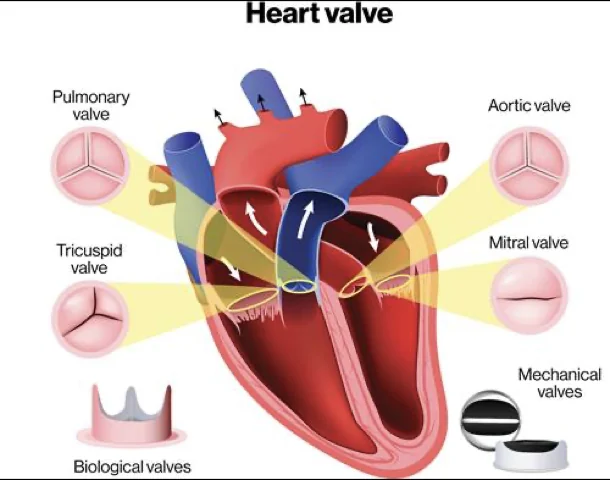
Fortunately there are valve prostheses commonly used to treat this problem. In general terms we can divide them into two types: mechanical prostheses and biological prostheses.
Mechanical prostheses
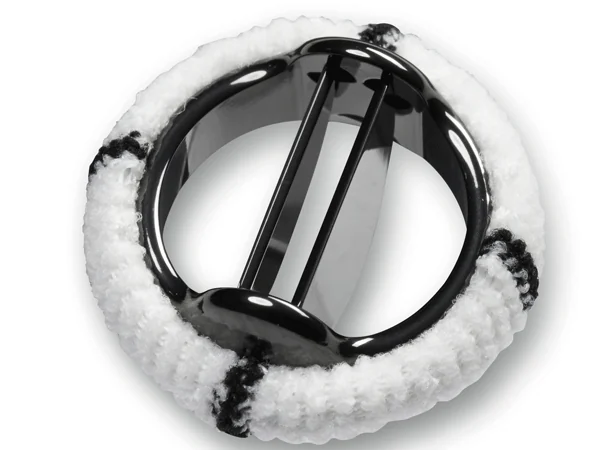
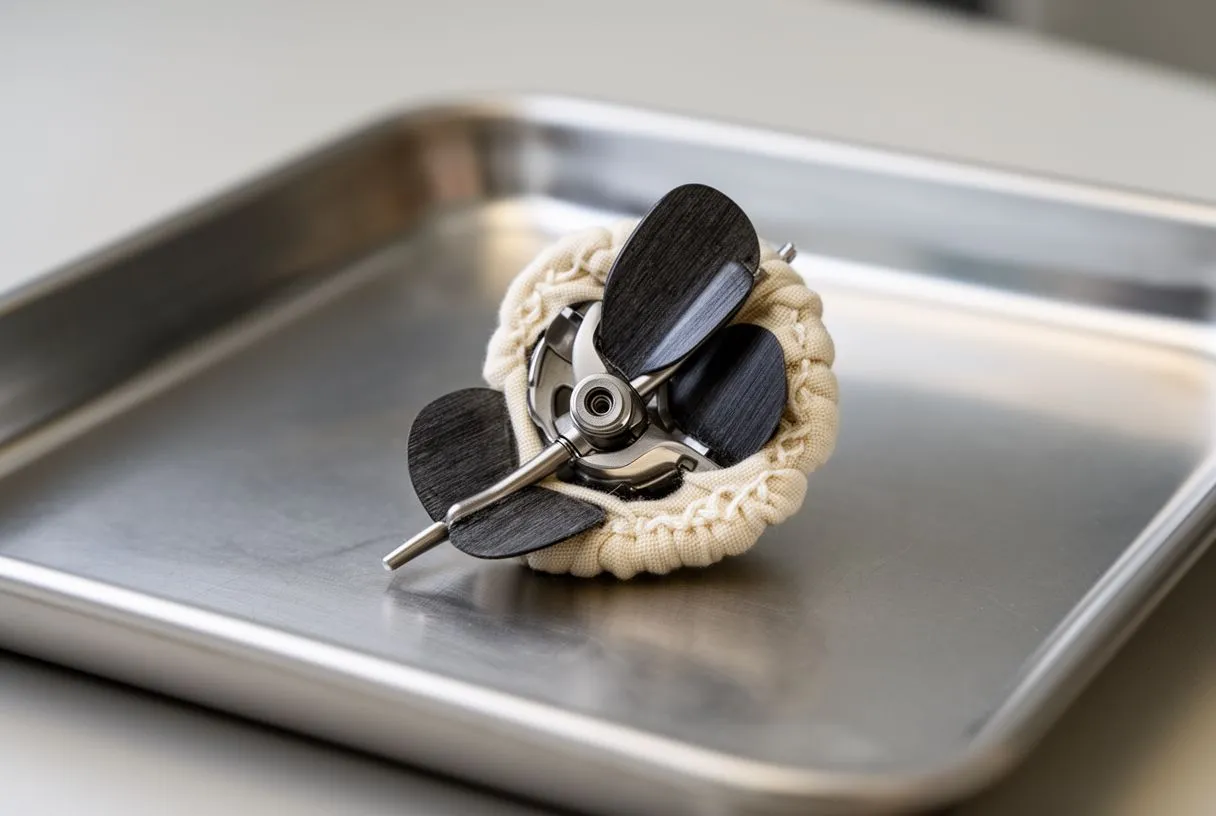
Mechanical prostheses are artificial devices made from materials such as metal, plastic and synthetic tissue. They resemble a natural valve in how they work and fit into the heart in the same way.
Mechanical prostheses are known for their durability and can last the patient's whole life, or at least many years. However, you or your relative will need to take anticoagulant medication to stop blood clotting around the valve. This point matters, because it is medication that has to be taken for life. Forgetting it can cause clots that acutely obstruct the valve and put your life at risk.
Another risk to know about is over-anticoagulation: too high a concentration of the anticoagulant in the blood carries a risk of bleeding of varying degrees, which is not the desired effect either. In practical terms, if you have an appropriate level of anticoagulation in the blood, your life is essentially normal and the valve works beautifully.
Biological prostheses
Biological prostheses, by contrast, are made from animal or human tissue. This type does not require you to take anticoagulant medication, which can be an important advantage.
Biological prostheses are less durable than mechanical ones and generally last between 10 and 15 years — and note that this is only the average reported in the medical literature and can vary significantly — which means patients may need further surgery to replace the prosthesis once it fails. How long it lasts depends on several factors, your age and your medical history among them.
Although biological prostheses are less durable, they have an important advantage in terms of quality of life. Patients who receive one have a lower risk of blood clots and, obviously, a lower risk of bleeding, since they are not taking anticoagulants and therefore do not have to monitor their anticoagulation levels. After the operation these prostheses really require no special management or care on your part, which makes them a highly attractive option.
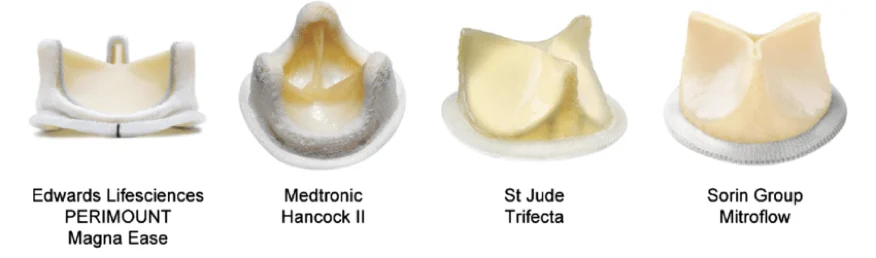
In summary: types of prosthetic valve for valve replacement
Valve replacement is a crucial operation in patients with severe valve disease. There are different types of prosthetic valve, each with advantages and disadvantages. The main categories are:
1. Mechanical valves
- Made from synthetic materials such as pyrolytic carbon.
- Very durable — they can last more than 30 years.
- Require lifelong anticoagulation to prevent thrombosis.
- Example: the St. Jude valve.
2. Biological valves
- Made from porcine tissue or bovine/human pericardium.
- Do not require prolonged anticoagulation.
- Shorter lifespan than mechanical valves — 10–20 years on average.
- Indicated in older patients or those with a contraindication to anticoagulants.
3. Transcatheter aortic valve replacement (TAVR)
- A minimally invasive technique, with no need for open-heart surgery.
- Ideal for patients at high surgical risk.
- Durability still under study, but it appears similar to biological valves.
How is a prosthesis chosen?
In general, the choice of which type of valve prosthesis to use depends on many factors, including the patient's age, their general health, the cause of the valve damage and other factors specific to each case. It is important to talk to your doctor to determine which type is right for your situation.
As a general rule — although in medicine there are no real rules — the younger the patient, the more the inclination tends towards a mechanical prosthesis, particularly if the patient is 50 or under. The final decision will always be yours or your relative's, though. There are very young people, even in their thirties, who have chosen a biological valve for various personal reasons, knowing that in the medium term they will need a repeat intervention because of degeneration or failure of the biological valve.
In another article we discuss the case of a young patient who still wanted to have children and did not under any circumstances want oral anticoagulation, because of the inherent risk during pregnancy, and so opted for a biological valve.
Equally, I can tell you about Mr. Julián, one of my patients, who at 68 chose a mechanical valve because it suited his expectations better and the decision reduced the likelihood of a repeat intervention in future.
There are different brands of valve available on the market, each with its own specific characteristics. Mechanical valve brands include St. Jude Medical, Medtronic and On-X Life Technologies. Biological valve brands include Edwards Lifesciences, St. Jude Medical and Medtronic.
Always discuss all of this with your doctor to determine which type of valve is right for your specific situation, since every patient is different. Your doctor may recommend a specific brand based on your individual needs. Bear in mind that, as with any medical procedure, there are some risks associated with valve prosthesis surgery — infection, bleeding, blood clots, prosthesis failure and other problems. The benefits of the surgery generally outweigh the risks.
In conclusion, valve prostheses are a valuable tool for treating heart valve problems. Mechanical and biological prostheses are the two main options, each with its own advantages and disadvantages. Mechanical prostheses are durable but require you to take anticoagulant medication to prevent dangerous blood clots. Biological prostheses do not require anticoagulants but tend to be less durable and may require further surgery in the future.
What is new, and what alternatives exist?
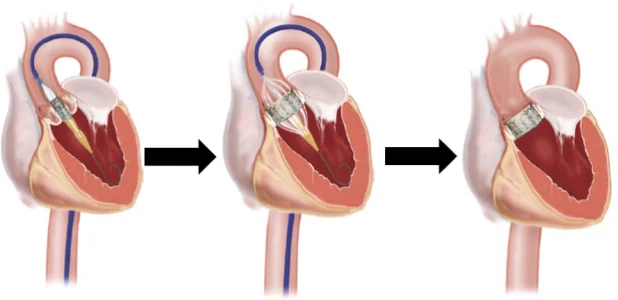
When we talk specifically about diseases of the aortic valve, there is a newer technology you may find very interesting. TAVR, or transcatheter aortic valve replacement, is an innovative procedure that allows the aortic valve to be replaced without open chest surgery. It is performed using a catheter inserted through a small incision in the groin — there are alternative routes such as the neck or the shoulder — and guided to the heart through the blood vessels, specifically through the aorta.
The aortic valve is the main exit door for blood leaving the heart. When it narrows or is damaged it can cause a series of complications that force the heart to work far harder than it should, and can produce symptoms such as difficulty breathing, fatigue, dizziness and fainting. TAVR is a treatment option for patients with severe aortic stenosis, particularly those who are not candidates for conventional aortic valve replacement surgery because of advanced age or underlying health problems, and on many occasions in patients over 65.
The TAVR device consists of an aortic valve prosthesis inserted into a catheter and carried up to the heart. The prosthesis is made from materials such as stainless steel, metal and polymers, and is designed to expand and take the shape of a normal aortic valve once implanted.
The procedure is carried out in a hybrid theatre or catheterisation laboratory under local or general anaesthetic. The cardiac surgeon inserts a catheter through a small incision in the groin and guides it through the blood vessels to the heart. Once the catheter is in place, the aortic valve prosthesis is expanded and positioned at the site of the diseased valve. Once the new valve is confirmed in place, the catheter is withdrawn and the incision closed.
Benefits of TAVR
The benefits of TAVR include a faster recovery and a shorter hospital stay compared with conventional aortic valve replacement surgery. There is also less risk of complications such as bleeding and infection. In addition, TAVR is an option for patients who cannot undergo conventional replacement surgery because of advanced age or underlying health problems.
As with any medical procedure, however, there are some risks associated with TAVR. These include bleeding, infection, heart rhythm problems, stroke and kidney problems. There is also a small risk of the valve prosthesis moving out of position, or of leakage around the new valve. You should always talk to your doctor to determine whether TAVR is the right option for your specific situation.
TAVR is an innovative procedure that allows the aortic valve to be replaced without conventional surgery, and it has revolutionised cardiology in recent years.
TAVR options
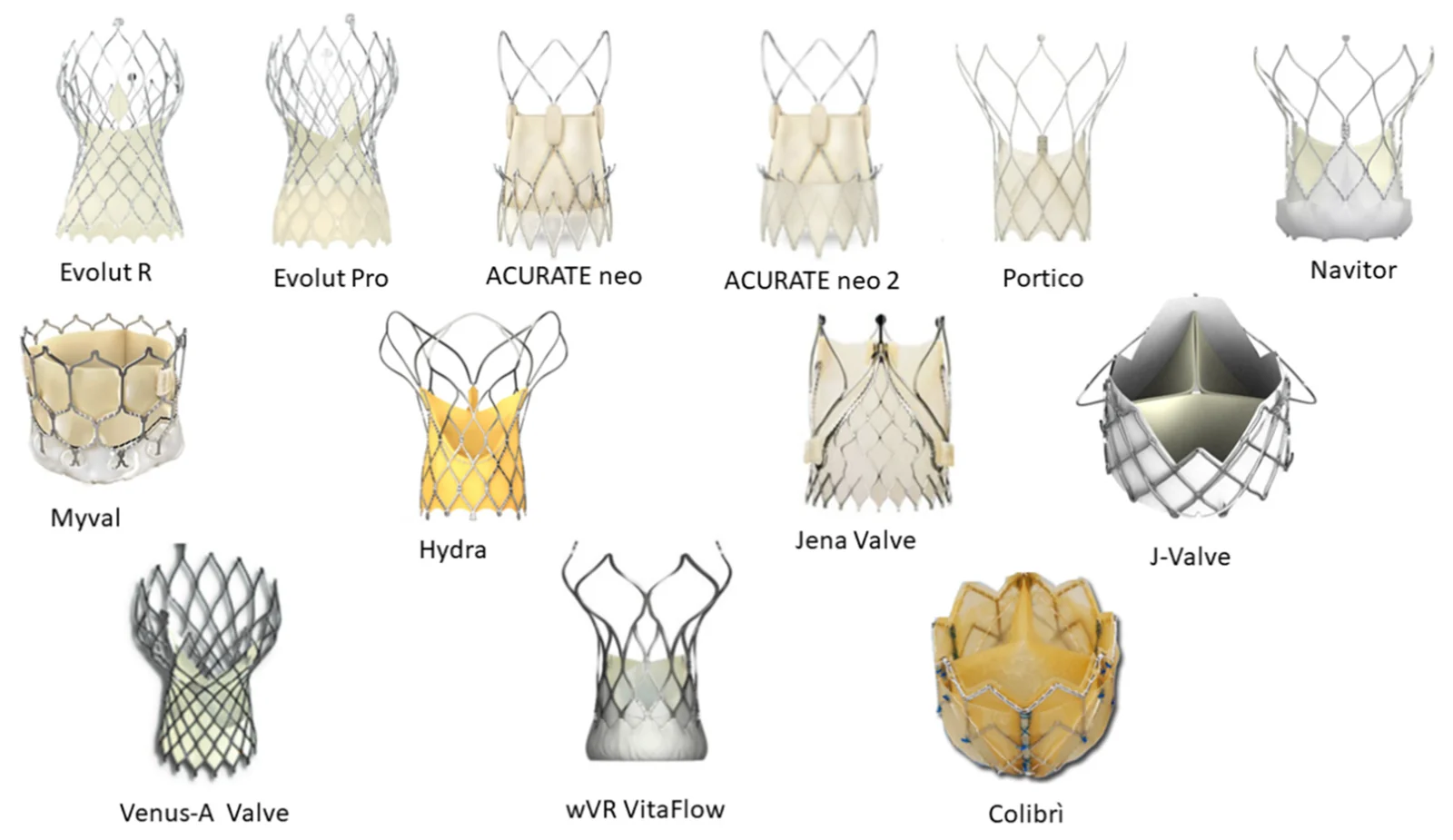
There are several transcatheter aortic valve prostheses available on the market. Some of the most common:
- Edwards SAPIEN. This was the first aortic valve prosthesis approved by the US Food and Drug Administration for use in TAVR. It is made from a combination of metal and biological tissue, and is implanted using a catheter inserted through a small incision in the groin or the chest.
- Medtronic CoreValve / Evolut / Evolut R Pro. Also made from a combination of metal and biological tissue, and implanted using a catheter inserted through a small incision in the groin or the chest. The CoreValve has a distinctive design allowing gradual, controlled expansion of the valve as it is implanted.
- Boston Scientific Lotus. Made from a combination of metal and biological tissue, and implanted through a small incision in the groin or the chest. The Lotus has a design that lets the valve prosthesis seat against the aortic valve annulus before expansion, which helps reduce the risk of leakage around the new valve.
- JenaValve. Made from a combination of metal and biological tissue, and implanted using a catheter inserted through a small incision in the chest. Its design allows the prosthesis to be positioned without the need for additional anchors or sutures. It will be the first approved for cases of severe aortic regurgitation — that is, where the valve is failing even without calcification or narrowing. It has not yet reached Mexico.
- MyVal. A biological valve used in TAVR procedures, developed by Meril Life Sciences and one of the newest options on the market for treating severe aortic stenosis in patients at high surgical risk.
There are further interesting options on their way to Mexico and Latin America that will certainly open the door to more frequent use of this technology. Fascinating years lie ahead in this specialty.
Bear in mind that each transcatheter aortic valve prosthesis has its own characteristics and potential benefits, and determining which is the best option for your specific situation is not always easy. It depends on the experience of the doctor and their team, the patient's anatomy, cost, and several other factors that have to be addressed specifically for each patient. This technology is increasingly being used in the other heart valves, and its use will undoubtedly grow exponentially in the near future.
Key factors to consider when choosing a prosthetic valve
In deciding the type of valve, doctors and patients need to weigh several factors:
- Age and life expectancy. Younger patients usually benefit from mechanical valves because of their durability, while in those over 65 biological valves are preferred.
- The risk of anticoagulation. Mechanical valves require warfarin for life, which increases the risk of bleeding.
- Pre-existing medical conditions. Patients at greater risk of bleeding may benefit from a biological valve.
- Quality of life and patient preference. Some prefer to avoid repeat surgery, while others want to avoid anticoagulant medication.
- Access to future treatment. The development of valve-in-valve techniques has made choosing a biological valve more viable, since in future a new valve could be placed inside the existing one without surgery.
Durability and the best long-term option
- Mechanical valves: 25–30 years, but with the need for anticoagulation. The time can vary with risk factors and adequate anticoagulation, but in general terms these last longest.
- Biological valves: 10–20 years, with progressive deterioration. Placed in people under 60 they tend to last less time — deteriorating on average at around seven years.
- TAVR: studies suggest durability similar to traditional biological valves, although performance beyond 10 years is still being investigated.
What happens if a prosthetic valve fails?
Although valves are designed to last many years, some can deteriorate over time. Biological valves can become stiff or calcified, which affects how they work. In mechanical valves, a potential problem is clot formation if anticoagulation is not adequate. In both cases there are options for resolving the problem, either through further surgery or a less invasive intervention such as TAVR.
- Structural deterioration. More common in biological valves, with calcification and degeneration.
- Valve thrombosis. In mechanical valves, from inadequate anticoagulation.
- Infective endocarditis. Infection of the heart or the valve. A risk with any type of valve.
- Treatment. Depends on the type of valve. It may require repeat surgery, or a procedure such as valve-in-valve in the case of biological valves.
How many valves can be replaced?
One, two, three or even all four heart valves can be replaced if necessary. How many can be replaced depends on the patient's condition and the severity of the valve disease.
- Replacing one valve. The most common case. The aortic and mitral valves are the ones most frequently replaced.
- Replacing two valves. Known as double valve replacement — for example aortic and mitral together. Performed in patients with advanced disease in more than one valve.
- Replacing three valves. Less frequent, usually in severe cases, for example where the tricuspid valve is also affected.
- Replacing all four valves. Very rare, and generally in extreme cases of congenital valve disease, serious infections such as endocarditis, or after advanced rheumatic disease.
With advances in TAVR and valve-in-valve technology, some patients can receive multiple replacements without needing open-heart surgery.
Which valve is most commonly replaced?
The valve most commonly replaced is the aortic valve.
Why is it the most replaced?
- Aortic stenosis, a narrowing of the valve, is one of the most common valve diseases, particularly in older people.
- Aortic regurgitation, where the valve does not close properly, is also a frequent cause of replacement.
- The aortic valve withstands great pressure and blood flow, which makes it more prone to degenerating over time.
Aortic valve replacement can be performed through open-heart surgery, through minimally invasive surgery, or with a less invasive procedure such as TAVR.
Why are biological valves and TAVR increasingly preferred for aortic valve replacement?
In recent years there has been a growing tendency to use biological valves and TAVR procedures, for several reasons:
- Less need for anticoagulation, which reduces bleeding risks.
- Less invasive procedures, with faster recovery.
- Greater availability of repeat-intervention technologies such as valve-in-valve, which allows the working life of a valve to be extended without open surgery.
- An ageing population, which has led to greater interest in options carrying lower surgical risk and a better quality of life.
It is extremely important to stress here that every case is individual. The final decision on the type of valve should be analysed by a group of experts and by you. The fact that TAVR is increasingly used does not mean it is indicated for everyone.
We are also seeing a striking increase in the surgical explant of percutaneous valves, precisely because in many cases this technology has been overused and international recommendations are not being followed. At 75 and over, TAVR should certainly be used as the first option, as the European guidelines indicate, provided the right conditions exist.
Between 65 and 75 each case needs analysing in depth to judge whether a surgical valve or a TAVR is the better choice. Under 60, or even between 60 and 65, a mechanical valve may perform better in the long term.
What now?
I know what is going through your head: "this is far too much information." I understand, and that is why I am writing this. Take a deep breath and don't worry. This is only a quick guide so you can understand the types and options that exist for replacing a diseased valve, and so have a better-informed conversation with your family and the people close to you before making such an important decision.
Remember that you are not alone. There is a multidisciplinary group of specialists ready to look at your case and offer the best option for you or your family. The final decision will always be yours and your loved ones', and it should be taken when you feel ready, well informed, and once you have built a solid and trusting relationship with your doctor.

About the author
Dr Alejandro Molina is a cardiovascular surgeon practising in Guadalajara, Querétaro and Hermosillo. He trained in cardiothoracic surgery at the Universidad de Guadalajara, completed advanced training in cardiac surgery, minimally invasive surgery, robotic surgery and structural interventions at the University of Montreal, and a fellowship in structural cardiology and TAVR at CHU Bordeaux, France. He performed the first robotic mitral valve repair in the Ángeles Health System and the first robotic heart surgery in Guadalajara.
Medical degree: Universidad Autónoma de Guadalajara, Cédula Profesional 5757260 · Cardiothoracic surgery: Universidad de Guadalajara, Cédula de Especialidad 10768871 · Current certification, Consejo Nacional de Cirugía del Tórax, no. 447
Talk to a specialist
Request a free video consultation to clear up your questions and make a better-informed decision.





