Oral anticoagulants: a complete guide for patients and families
Complete guide to oral anticoagulants for patients and families: types, indications, INR monitoring, interactions, warning signs and more.
What they are, when they are indicated, how INR monitoring works, what interferes with them, the warning signs, and what the major trials found.
A complete guide to oral anticoagulants for patients and their families: what they are, when they are indicated, how they are monitored, what interferes with them, and the warning signs that mean going to hospital.
There are many situations in which your doctor may prescribe a medicine known as an oral anticoagulant. If you or a relative have been advised to take one daily, you are in the right place.
There is a great deal of information online about this and it is not always easy to extract what you actually want to know. I understand that, which is why I wrote this article, to go through oral anticoagulants step by step.
What are oral anticoagulants?
Oral anticoagulants are medicines that help prevent blood clots forming. Those clots can block blood vessels, which can lead to serious conditions such as myocardial infarction, stroke and pulmonary embolism, among many other clinical or surgical situations — including after heart valve surgery.
Anticoagulants reduce the blood's capacity to clot, and so lower the risk of these events.
Types of oral anticoagulant
There are two main categories.
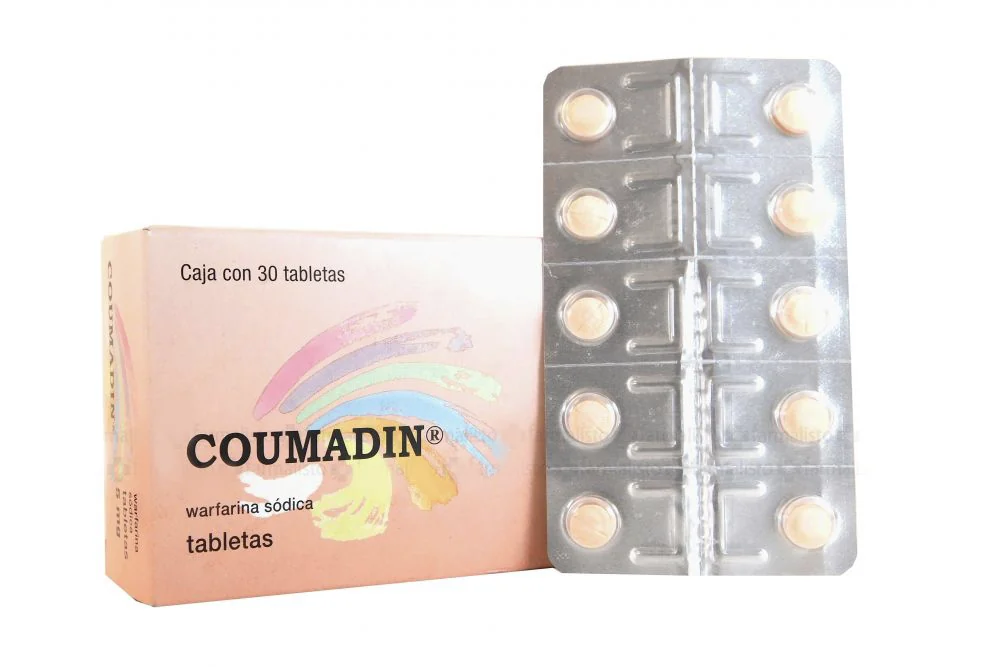
Traditional anticoagulants. Warfarin is one of the oldest and requires regular monitoring of the INR (International Normalized Ratio) to adjust the dose.
Direct oral anticoagulants (DOACs): dabigatran, rivaroxaban, apixaban and edoxaban.
These newer anticoagulants have the advantage of not requiring constant monitoring, and they have fewer food and drug interactions than warfarin.
Indications for oral anticoagulants
Oral anticoagulants are indicated in various medical conditions:
- Atrial fibrillation: to prevent stroke in people with irregular heart rhythms.
- Deep vein thrombosis: to treat and prevent clots forming in the deep veins, which can migrate or embolise to the heart and lungs.
- Pulmonary embolism: to treat and prevent clots in the lungs.
- Heart valve disease: in patients with artificial heart valves after cardiac surgery, or with certain types of valve disease.
Contraindications
Not every patient is suitable for treatment with oral anticoagulants. Some contraindications:
- Active bleeding
- A history of uncontrolled gastric or duodenal ulcers
- Severe liver or kidney disease
- Known allergy to anticoagulants
- Patients at high risk of falls
Common scenarios for oral anticoagulant use
- After cardiac surgery: replacement of diseased valves with mechanical or biological prostheses, or where arrhythmias appear after surgery.
- After orthopaedic surgery: to prevent clots after hip or knee replacement.
- Inherited conditions such as thrombophilia, which increases the risk of blood clots.
- Patients with cancer, who have a greater risk of developing deep vein thrombosis.
- Cardiac arrhythmias such as atrial fibrillation, where there is a greater risk of clots forming inside the heart which can migrate or embolise to the brain or to other parts of the heart.
Care for patients on oral anticoagulation
- Regular monitoring. If you are taking warfarin, periodic INR checks are crucial for adjusting the dose.
- Avoiding injury. Given the risk of bleeding, patients should avoid activities that could cause cuts or falls. In practice this means avoiding physical activities more likely to cause knocks or bruising, such as contact or extreme sports.
- Telling other health professionals. Always notify doctors, dentists and other health professionals that you are taking anticoagulants.
- Appropriate use of other medicines. Avoid medicines that can increase the risk of bleeding, such as certain anti-inflammatories — more on that below.
INR (International Normalized Ratio)
What is it? The INR is a blood test that measures how long blood takes to clot, compared with a normal standard. The value is used to adjust the warfarin dose.
How often is it tested? At the start of treatment the INR should be measured frequently, generally two or three times a week, until a stable therapeutic range is reached. Each person responds differently to anticoagulants, which is to say doses vary from person to person. At the beginning it is a matter of finding the ideal dose so that you can have a therapeutic INR range. After that, tests are done less often.
Once a stable level has been reached and maintained, testing can be reduced to once a month. However, any change in diet, other medication or general health may require more frequent testing.
The therapeutic INR range varies depending on the condition being treated, but is commonly between 2.0 and 3.0 for most indications. Some conditions may require a different range, such as 2.5 to 3.5. In the case of heart valve replacement it will also depend on the type and position of the valve. A mechanical aortic valve prosthesis usually requires an INR of 1.8 to 3, while a mitral valve prosthesis may require higher levels of anticoagulation.
Direct oral anticoagulants (DOACs)
Dabigatran, rivaroxaban, apixaban, edoxaban. These medicines do not require regular INR monitoring as warfarin does. Dosing is fixed and does not need frequent adjustment based on clotting tests.
At the start of treatment no specific monitoring of coagulation is required. Although coagulation levels do not need measuring, doctors may carry out periodic assessments of kidney and liver function, to be sure the medicines are being metabolised properly and to adjust the dose in cases of kidney or liver impairment.
Complementary tests. Kidney and liver function tests are recommended at the start of treatment and at least once a year, or more often if there are changes in the patient's health that could affect either.
In short:
- Warfarin: frequent INR monitoring at the start, two to three times a week, then monthly once stable.
- DOACs: no regular INR monitoring required. Periodic assessment of kidney and liver function, at the start and at least annually.
It is crucial to follow your doctor's specific recommendations for monitoring and to have the tests as directed, to ensure treatment is safe and effective.
Medicines and foods that can interfere with oral anticoagulants
Warfarin
Medicines that increase the effect of warfarin, raising the INR:
- Antibiotics (for example ciprofloxacin, erythromycin)
- Antifungals (for example fluconazole)
- Antiarrhythmics (for example amiodarone)
- Non-steroidal anti-inflammatory drugs (for example ibuprofen, naproxen)
- Proton pump inhibitors (for example omeprazole)
- Antidepressants (for example fluoxetine)
- Statins (for example simvastatin)
Medicines that reduce the effect of warfarin, lowering the INR:
- Barbiturates
- Rifampicin
- Anticonvulsants (for example phenytoin, carbamazepine)
- Vitamin K, often present in vitamin supplements
Direct oral anticoagulants
Medicines that increase the risk of bleeding: NSAIDs, SSRI antidepressants, antiplatelet drugs such as aspirin and clopidogrel, and other anticoagulants.
Medicines that can affect DOAC levels: azole antifungals such as ketoconazole, antivirals such as ritonavir, and antiepileptics such as phenytoin and carbamazepine.
Foods that interfere with anticoagulants
Foods rich in vitamin K matter with warfarin:
- Green leafy vegetables (spinach, kale, broccoli)
- Vegetable oils (soya, canola)
- Some teas (green tea)
- Brussels sprouts
With DOACs, food interactions are fewer than with warfarin. Some DOACs are recommended to be taken with food to improve absorption and reduce gastrointestinal discomfort — rivaroxaban, for example.
What are the warning signs, and when should I go to hospital?
Being on oral anticoagulants requires attention to certain signs and symptoms that can indicate serious complications. Below are the main warning signs that should prompt urgent medical advice or a visit to the emergency department.
Signs of excessive bleeding
- Pink, red or brown colour in the urine.
- A significant amount of visible blood.
- Black, tarry stools.
- Bright red blood in the stools.
- Bleeding that does not stop after 10–15 minutes of applying pressure.
- Frequent or excessive bleeding when brushing your teeth or flossing.
- Large bruises appearing with no apparent cause.
- Bruises that grow rapidly in size.
- Vomiting bright red blood, or material that looks like coffee grounds.
- Menstrual bleeding far heavier than normal.
- Vaginal bleeding outside the menstrual period.
Signs of internal bleeding
- Sharp or constant abdominal pain.
- A sensation of swelling or tenderness to the touch.
- A severe, sudden headache, particularly if it is different from your usual headaches.
- Difficulty speaking or understanding.
- Weakness or numbness on one side of the body.
- Loss of balance or coordination.
- Sudden changes in vision — blurred vision, double vision or loss of vision.
- Dizziness, vertigo or fainting with no obvious cause.
- Chest pain, which may radiate to the arm, jaw or back.
- Breathlessness, or rapid or shallow breathing.
When to go to the emergency department
Go to the emergency department or contact your doctor immediately if you experience any of the following:
- Any sign of excessive bleeding or internal haemorrhage.
- A severe, sudden headache, particularly if it is unusual for you.
- Difficulty speaking, sudden weakness, or loss of vision.
- Chest pain, difficulty breathing, dizziness or fainting.
What alternatives exist to oral anticoagulants?
Although oral anticoagulants are a common option for preventing and treating blood clots, there are alternatives that may be more appropriate in certain cases or for certain patients.
Injectable anticoagulants
Unfractionated heparin. Given intravenously or subcutaneously. It acts quickly, which makes it useful in emergencies, but it requires frequent monitoring of the activated partial thromboplastin time.
Low molecular weight heparin — enoxaparin, dalteparin. Given by subcutaneous injection. It does not require frequent monitoring and has a longer duration of action, but means daily or twice-daily injections and a higher cost.
Fondaparinux. A fixed dose with no need for frequent monitoring, but daily injections and a risk of bleeding.
Antiplatelet drugs
Aspirin. Used to prevent cardiovascular events in high-risk patients. Taken orally and low in cost, but less effective than anticoagulants at preventing deep venous clots, with a risk of gastrointestinal bleeding.
Clopidogrel. Used to prevent thrombotic events in patients with coronary, cerebrovascular or peripheral arterial disease. Taken orally with no need for frequent monitoring, but its effectiveness varies with the patient's genetics and it carries a bleeding risk.
Mechanical devices
Inferior vena cava filters. This is a complex and currently debated area. Used to prevent pulmonary embolism in patients who cannot take anticoagulants, which makes it an option where anticoagulation is contraindicated. The risks are thrombosis at the filter site and mechanical complications.
Left atrial appendage occlusion devices such as the Watchman. Used to prevent stroke in patients with non-valvular atrial fibrillation, and an alternative for patients at high risk of bleeding. It is an invasive procedure with a risk of complications during implantation.
Lifestyle changes and non-drug therapies
Graduated compression. Used to prevent deep vein thrombosis in patients on prolonged bed rest or after surgery. Non-pharmacological and easy to use, but less effective than anticoagulants.
Regular physical activity. Improves circulation and reduces the risk of clots, with no adverse side effects — but not sufficient on its own to prevent clots in high-risk patients.
Can I be allergic to oral anticoagulants?
Yes, it is possible to be allergic to oral anticoagulants, although allergies to these medicines are not common. Allergic reactions vary in severity, from mild to serious, and it is important to recognise the symptoms and seek medical attention if an allergy is suspected.
Skin reactions: rashes, urticaria (raised red welts on the skin), itching.
Respiratory symptoms: difficulty breathing, wheezing, swelling of the tongue, lips or throat (angioedema).
Systemic symptoms: fever, dizziness or fainting, abdominal pain or nausea.
Anaphylaxis: a severe allergic reaction that can include the symptoms above and lead to anaphylactic shock, a medical emergency requiring immediate attention.
What to do if you suspect an allergy
- Stop the medicine. If you have mild symptoms such as a skin rash, stop taking it and contact your doctor immediately.
- Seek immediate medical attention. If you have serious symptoms such as difficulty breathing, swelling of the throat or dizziness, go to the emergency department immediately or call the emergency services.
- Tell your doctor. Report any allergic reaction so the situation can be assessed and an alternative treatment determined.
Diagnosis and management
Your doctor can carry out a clinical assessment and, in some cases, skin or blood tests to confirm an allergy to the medicine.
If an allergy to an oral anticoagulant is confirmed, your doctor may change it for an anticoagulant of a different class. If you are allergic to warfarin, for example, switching to one of the direct oral anticoagulants — dabigatran, rivaroxaban, apixaban or edoxaban — or to an injectable option may be considered.
For allergic reactions, your doctor may prescribe antihistamines, corticosteroids or, in serious cases, epinephrine to treat the reaction.
What are the most important clinical trials on oral anticoagulation?
Oral anticoagulation has been widely studied in numerous clinical trials assessing its effectiveness and safety in various conditions. Some of the most important and their key findings:
Warfarin and traditional oral anticoagulants
WARSS (Warfarin Aspirin Recurrent Stroke Study). Compared the effectiveness of warfarin against aspirin in preventing recurrent stroke in patients who had already had one. There was no significant difference between warfarin and aspirin in preventing recurrence, but warfarin was associated with a greater risk of bleeding.
AFASAK (Atrial Fibrillation, Aspirin, and Anticoagulation Study). Assessed the effectiveness of warfarin compared with aspirin and placebo in preventing stroke in patients with atrial fibrillation. Warfarin was significantly more effective than aspirin and placebo in reducing stroke risk.
Direct oral anticoagulants
RE-LY (Randomized Evaluation of Long-Term Anticoagulation Therapy). Compared dabigatran with warfarin in patients with atrial fibrillation for preventing stroke and systemic embolism. Dabigatran at 150 mg twice daily was more effective than warfarin, with a similar risk of major bleeding.
ROCKET AF. Assessed the effectiveness and safety of rivaroxaban compared with warfarin in patients with atrial fibrillation. Rivaroxaban was non-inferior to warfarin in preventing stroke and systemic embolism, with a comparable risk of major bleeding.
ARISTOTLE (Apixaban for the Prevention of Stroke in Subjects with Atrial Fibrillation). Compared apixaban with warfarin. Apixaban was superior to warfarin in reducing the risk of stroke and systemic embolism, and was associated with a lower risk of major bleeding and of all-cause mortality.
ENGAGE AF-TIMI 48. Assessed the effectiveness and safety of edoxaban compared with warfarin in patients with atrial fibrillation. Edoxaban was non-inferior to warfarin in preventing stroke and systemic embolism, with a significantly lower risk of major bleeding.
Summary of key findings
- Warfarin: solid evidence of effectiveness in preventing stroke and systemic embolism in patients with atrial fibrillation, though with a greater bleeding risk than aspirin in some studies.
- Dabigatran: greater effectiveness than warfarin in preventing stroke, with a similar risk of major bleeding.
- Rivaroxaban: non-inferior to warfarin in preventing thromboembolic events, with a comparable bleeding risk profile.
- Apixaban: superior to warfarin in reducing the risk of stroke and systemic embolism, and associated with a lower risk of major bleeding and mortality.
- Edoxaban: non-inferior to warfarin in preventing thromboembolic events, with a lower risk of major bleeding.
To take home
There are various reasons your doctor may prescribe oral anticoagulation, as covered in this article. It matters that you understand how these medicines work, what their therapeutic levels are, and what risks and interactions exist with certain medicines or foods.
People who take anticoagulants usually do so for long periods, so you and your family should become expert on the subject. Discuss the particular details of your case in depth with your medical team, since not everyone responds or tolerates them the same way. Recognising warning signs and knowing how to act is a fundamental part of this process.
Today oral anticoagulants, both the traditional ones and the newer, have become an important part of the medical arsenal for preventing various complications and protecting patients. The truth is that we can now use them with a great deal of safety, steadily reducing the risks associated with them. The fundamental point is that you know you are not alone in this process. A proper doctor–patient relationship will always be the foundation on which to base the decisions that affect you or your relative.

About the author
Dr Alejandro Molina is a cardiovascular surgeon practising in Guadalajara, Querétaro and Hermosillo. He trained in cardiothoracic surgery at the Universidad de Guadalajara, completed advanced training in cardiac surgery, minimally invasive surgery, robotic surgery and structural interventions at the University of Montreal, and a fellowship in structural cardiology and TAVR at CHU Bordeaux, France. He performed the first robotic mitral valve repair in the Ángeles Health System and the first robotic heart surgery in Guadalajara.
Medical degree: Universidad Autónoma de Guadalajara, Cédula Profesional 5757260 · Cardiothoracic surgery: Universidad de Guadalajara, Cédula de Especialidad 10768871 · Current certification, Consejo Nacional de Cirugía del Tórax, no. 447
Talk to a specialist
Request a free video consultation to clear up your questions and make a better-informed decision.