What Is Open-Heart Surgery? Procedures, Risks and Costs
What is open heart surgery, and when is it needed?
The procedures it covers, who performs it, how long it takes, what it costs in Mexico, the alternatives, and the groups of patients needing special consideration. First, what is open heart surgery, and when is it needed?
What open-heart surgery is, which procedures it covers, who performs it, how long it takes, what it costs in Mexico, and what the alternatives are.
Heart surgery is a highly specialised medical procedure carried out to treat various conditions of the heart that cannot be addressed effectively with medical or less invasive treatments.
It is hard to believe, but this specialty has existed for relatively few years. It was only in the 1960s that the first procedures related to heart surgery began to be performed.
Before that time heart surgery was considered impossible. Over the years, with the development of technology and our own experience, it has become one of the surgical procedures performed most frequently and most safely worldwide.
We have gone from the impossible to the commonplace in a few years — from the first operations to correct obstructions of the coronary arteries, through valve replacement, heart transplantation, and recently even cardiac xenotransplantation, along with new technologies for placing valves through a catheter.
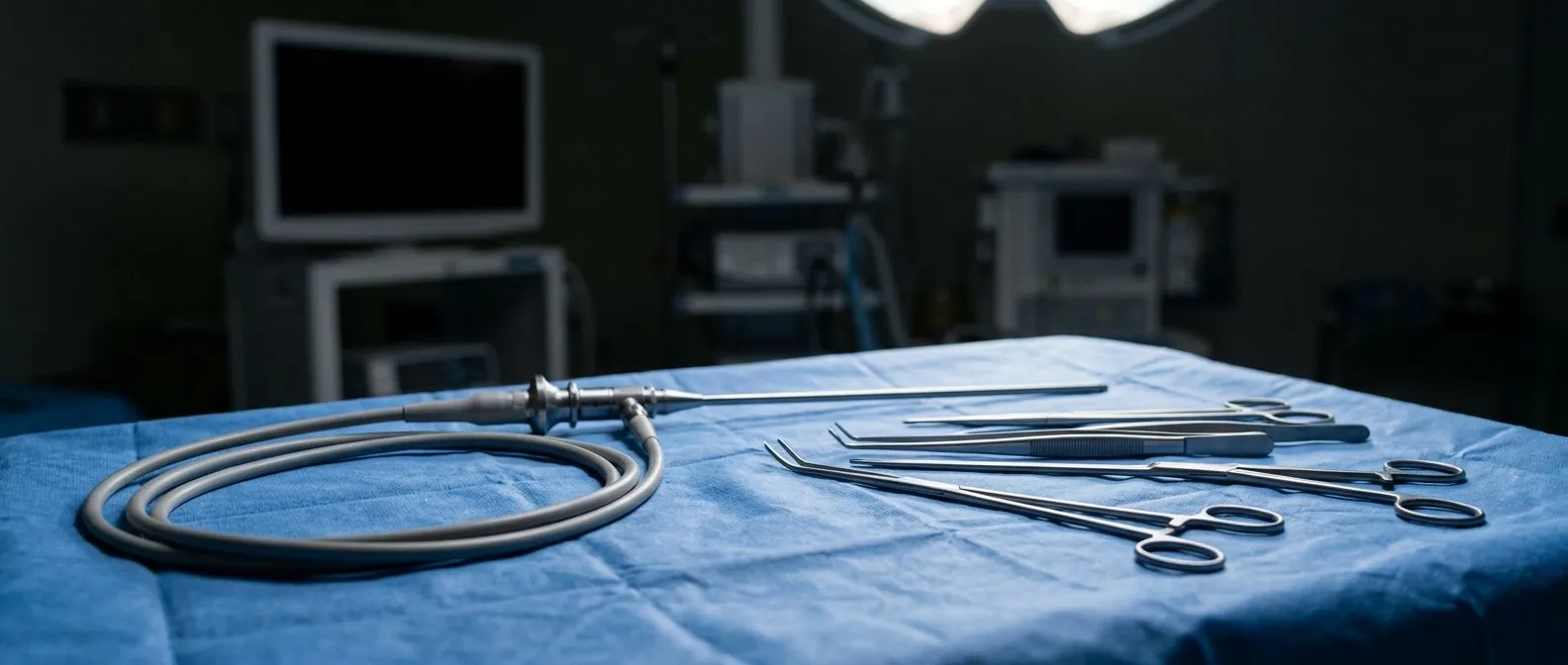
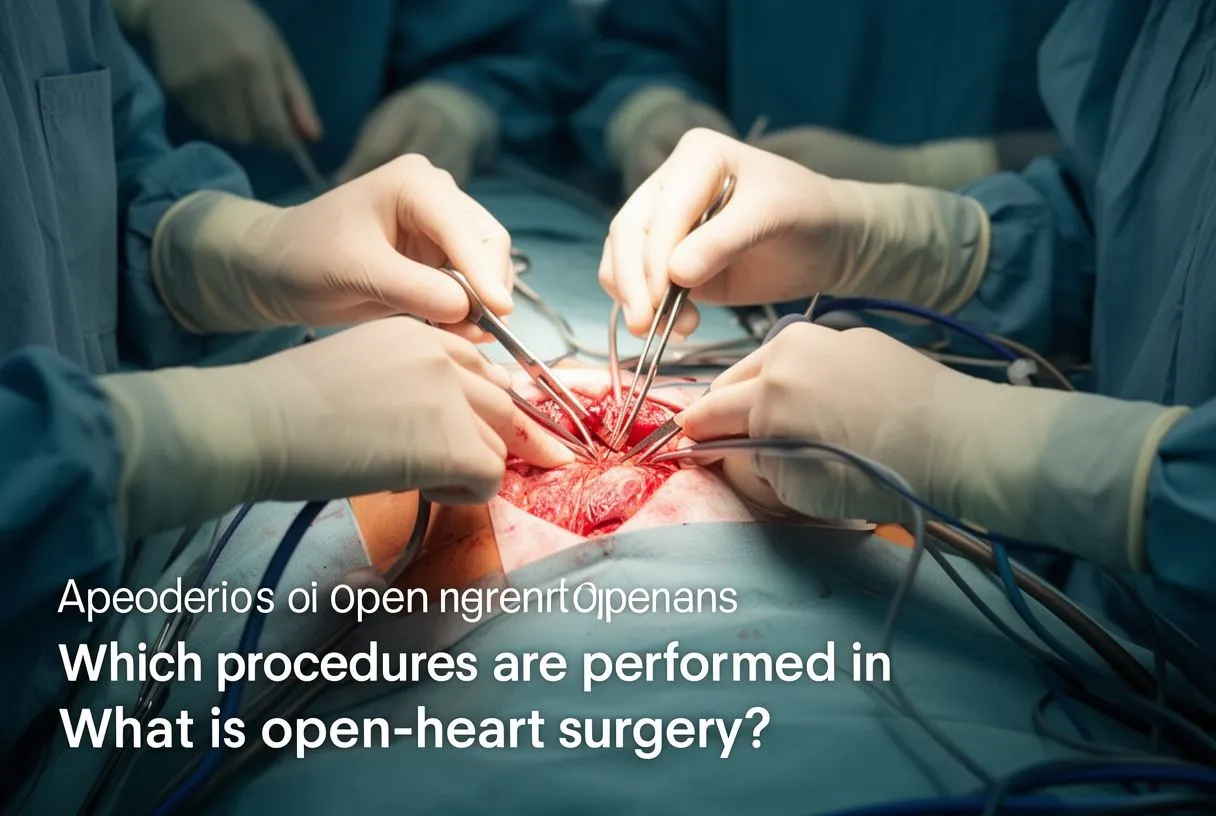
Open-heart surgery involves opening the chest through an incision in the middle of it, known as a sternotomy, to reach the heart and make the necessary corrections or improvements. It is a crucial approach for patients facing serious cardiac problems, and it can bring significant improvements to quality of life and to health in general.
What is open heart surgery, and which procedures does it cover?
Coronary bypass
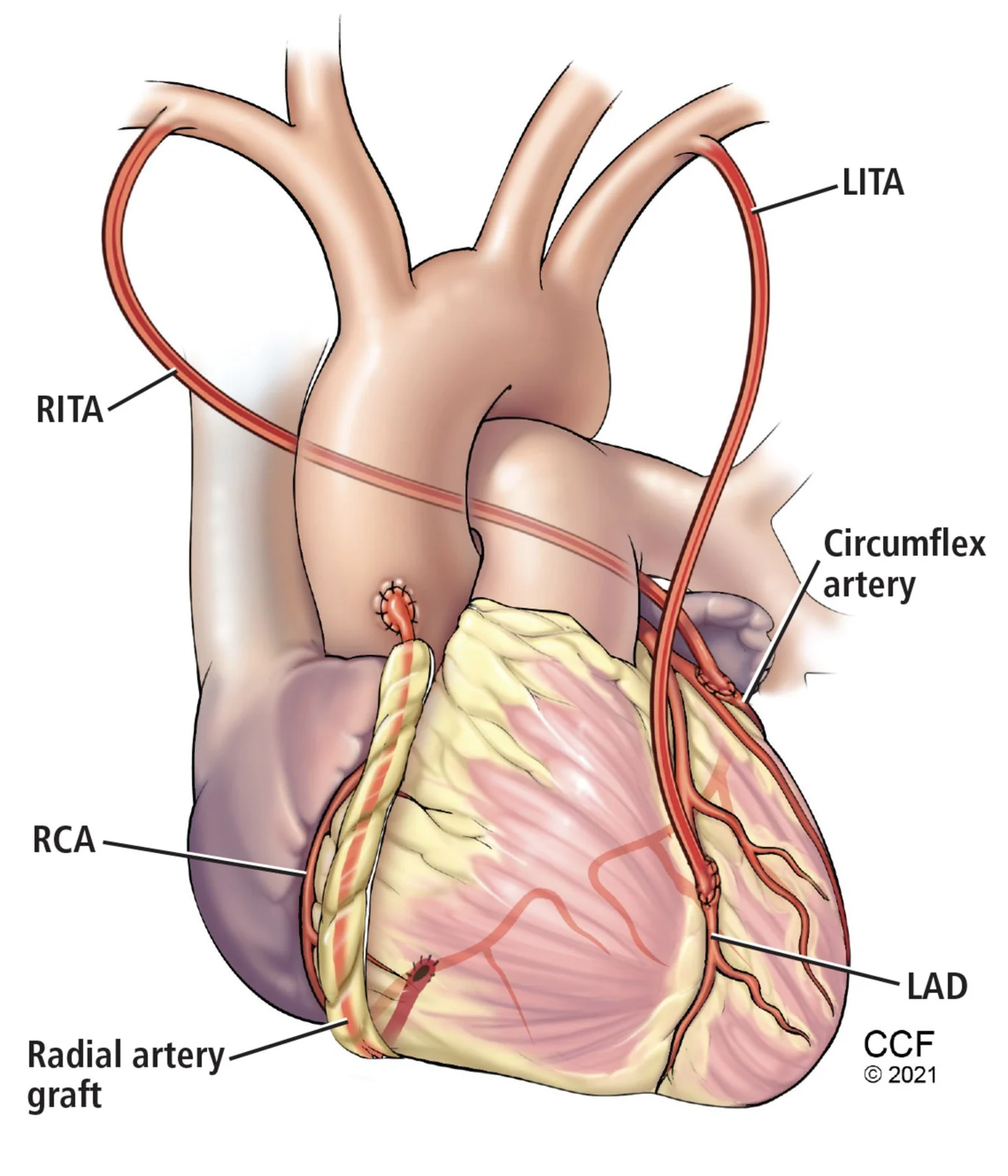
This procedure, known as revascularisation or coronary bypass surgery, is used to treat blocked or narrowed coronary arteries. These arteries are responsible for heart attacks when they become obstructed. Depending on the degree of obstruction they can cause a wide range of symptoms and problems, such as angina.
With this surgery we create one or several alternative routes — bypasses — for blood flow around these arteries, improving the blood supply to the heart and reducing the risk of a future heart attack, restoring the flow of blood and oxygen to the heart muscle.
Valve repair or replacement
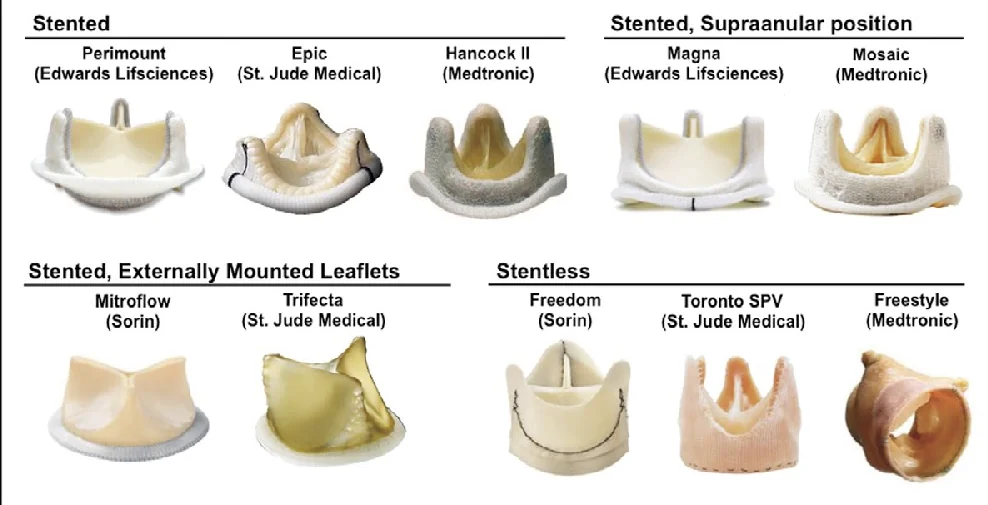
When the heart valves do not work properly because of narrowing, calcification or leakage arising for various reasons, they can be repaired or replaced.
Repair means correcting the defects of the existing valve while maintaining the function of your own valve — the native valve is preserved, using strategies to improve how it works. Replacement means changing it for an artificial or biological one, according to the options available for replacing a heart valve.
Aortic surgery
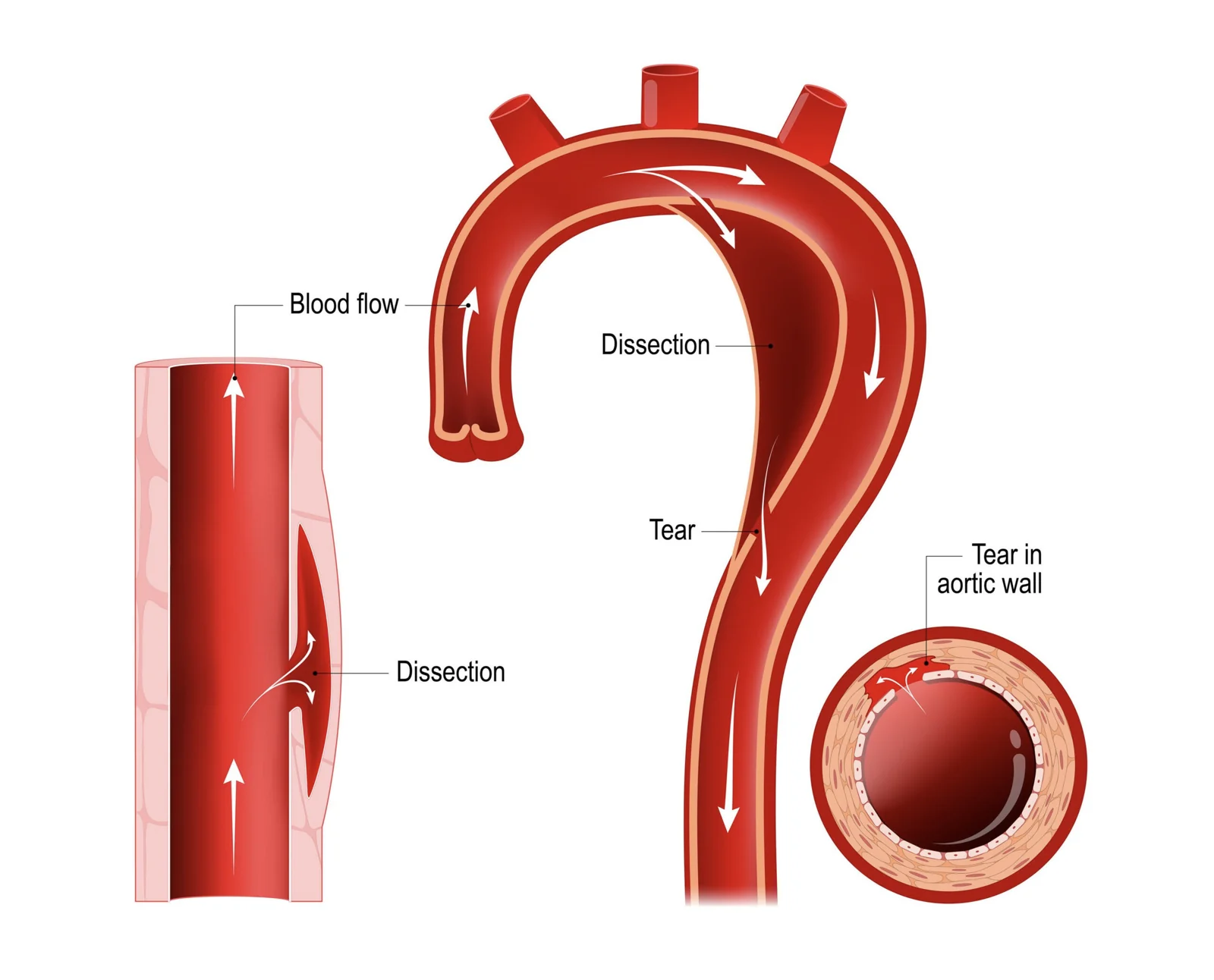
This is performed to correct problems in the aorta, the main artery carrying oxygenated blood from the heart to the rest of the body. It can involve repairing or replacing damaged segments of the aorta.
The most common aortic conditions operated on are:
- Aortic dissection
- Aortic aneurysms
- Intramural haematoma
- Repairs of the whole aortic root and the aortic valve (Bentall, David and Yacoub procedures)
Surgery for cardiac tumours
Tumours of the heart are rare, but their presence should not be underestimated, since some can grow considerably and cause serious disturbances to cardiac function.
Most cardiac tumours are benign, and of these the majority are a type known as cardiac myxoma. There are also malignant tumours of the heart which, while rarer, tend to be extremely aggressive.
Surgical treatment will depend on the location, the size, any effect on the function of the heart, and many other factors you should discuss with your specialist.
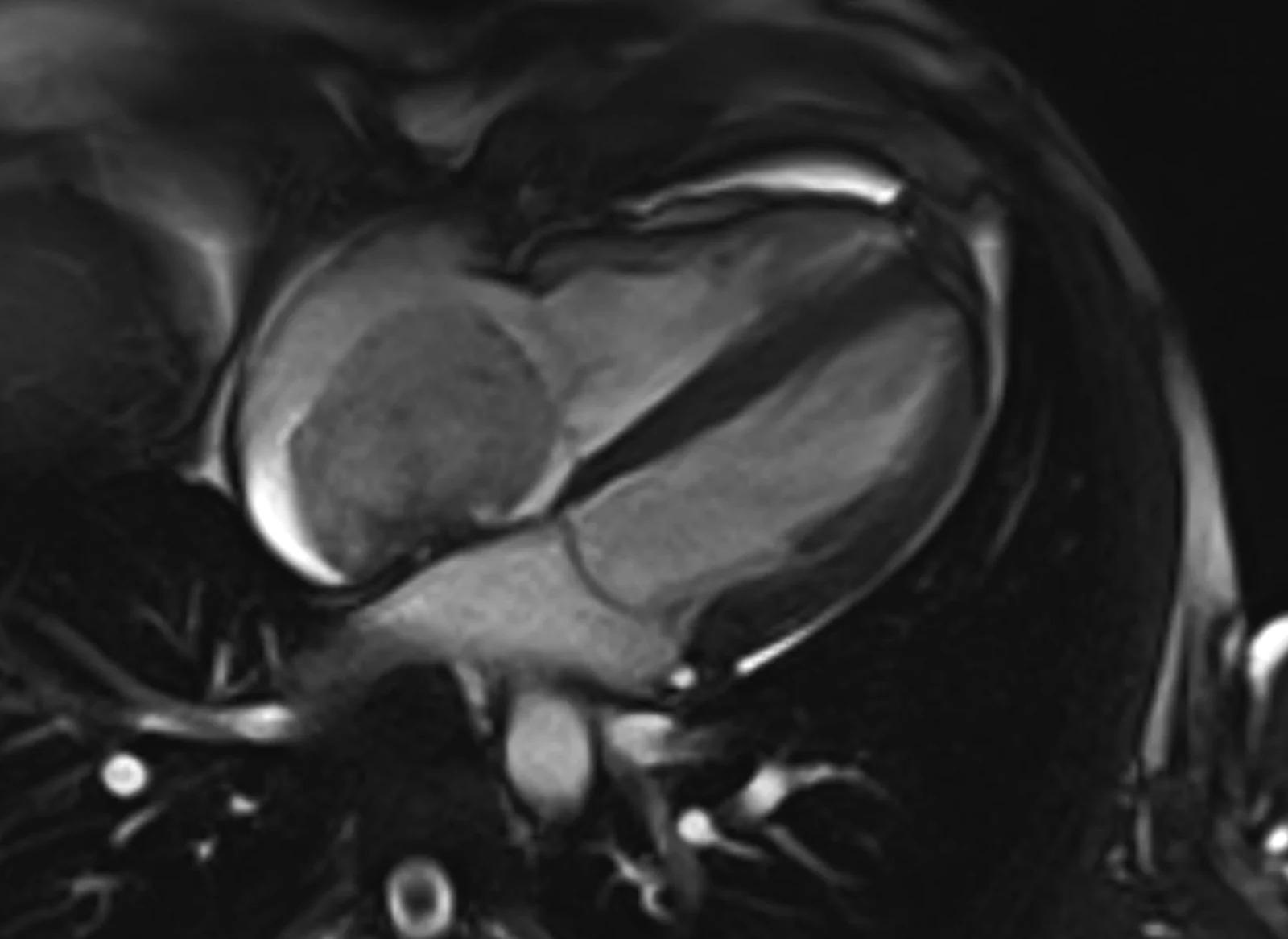
Arrhythmia ablation surgery
There are procedures that can be performed through a catheter or during heart surgery to stop a disturbance of the heart rhythm, known as an arrhythmia.
When these are carried out during open-heart or minimally invasive surgery, it is generally because there was already an indication to operate on the patient for something else — a coronary bypass, a valve replacement, or another procedure we commonly perform — and the decision is taken to treat the arrhythmia at the same time, making use of the operation already indicated.
When we are treating only the arrhythmia, and there is no other indication for open-heart surgery, the procedure is usually performed by catheterisation, without the need for conventional surgery.
Risks and benefits
Like any major surgical procedure, heart surgery carries certain risks, such as infection, excessive bleeding, breathing problems, and disturbances of heart rhythm, kidney function or neurological function.
It is important to mention these before making a decision. Even so, heart surgery is currently performed with a risk of major complications of generally under 5%. Each case must of course be individualised and the risks estimated against each patient's own history.
The benefits can be significant. Surgery can not only save your life or that of someone you love, but improve the heart's capacity to pump blood, relieve symptoms such as pain, difficulty breathing and fatigue, and in general improve your quality of life. You can usually return to an entirely normal life, and life expectancy improves as well.
Who performs heart surgery?
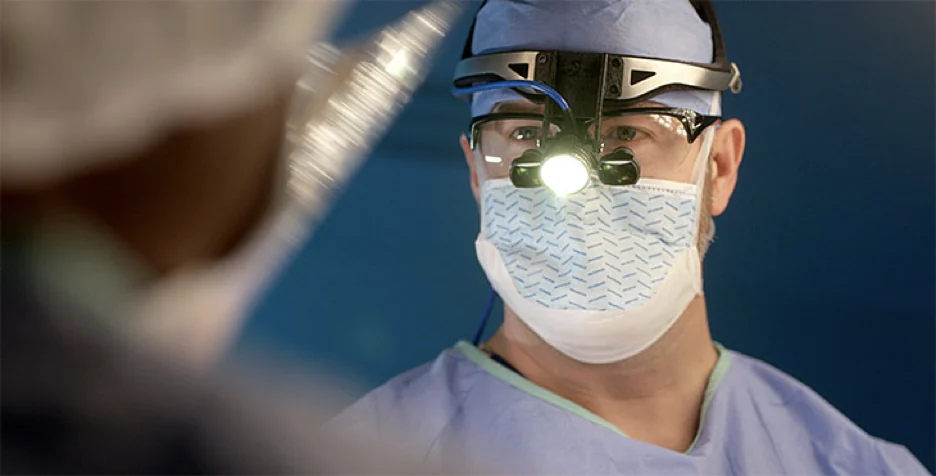
Heart surgery is carried out by highly specialised cardiac surgeons, also known as cardiovascular or cardiothoracic surgeons. They should not be confused with interventional cardiologists, who perform other kinds of diagnostic and therapeutic procedures by cardiac catheterisation.
These professionals have completed years of specific medical and surgical training in cardiovascular surgery — between 14 and 20 years. They are experts in performing complex surgical interventions on the heart and its associated structures.
How long does heart surgery take?
The duration varies with the type of procedure. On average we could say these operations take between four and six hours.
Having said that, it is extremely important to stress that an open-heart operation can take many hours more — up to 10 or 12 hours on occasion, especially if the case is particularly complex and requires several stages.
Cardiopulmonary bypass, the heart–lung machine
During heart surgery a device called cardiopulmonary bypass is used. This machine — or rather, this marvel of modern science — temporarily takes over the function of the heart and lungs by diverting blood out of the body, oxygenating it and returning it.
That allows the surgeon to put the heart "to sleep" and to work inside and outside it while it is stopped. It is essentially an artificial heart and lung, pumping the blood as the heart would and oxygenating it as the lungs would.
It is genuinely remarkable to have this complex machine and to work with it daily. It requires specialists very well trained in its management, and coordinated teamwork.
Once the repairs are complete, your own heart gradually takes over its function again, and the heart–lung machine reduces its contribution until the heart is able to recover its own working.
Who takes part in heart surgery?
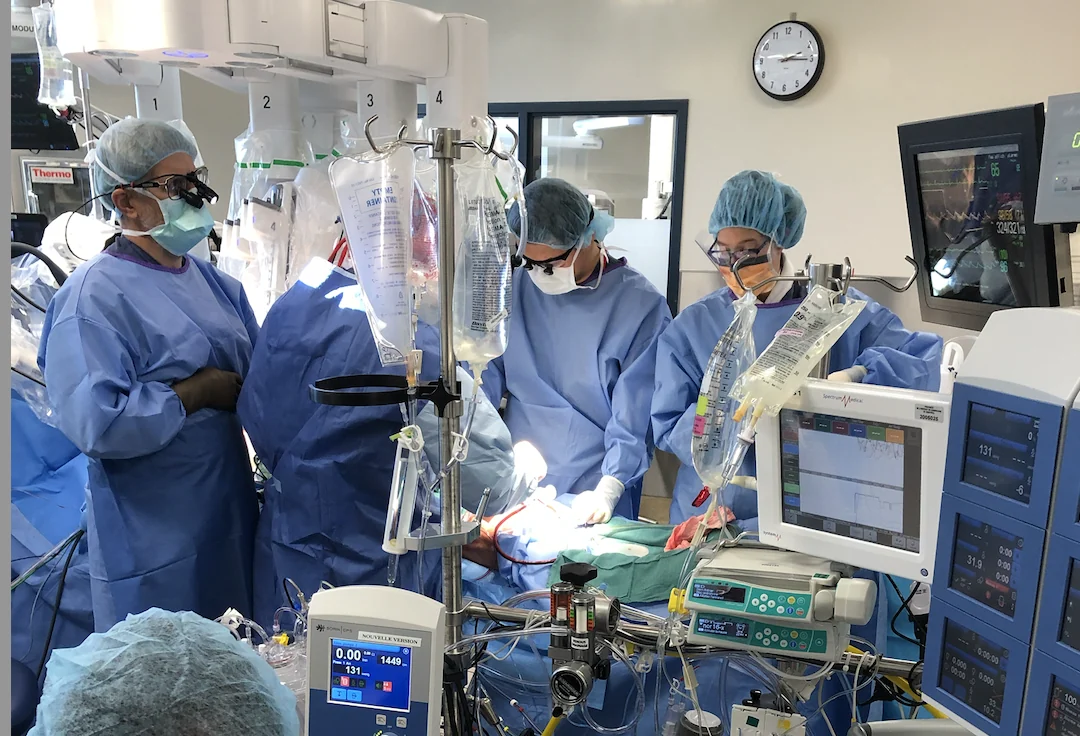
Heart surgery involves the collaboration of a highly trained, multidisciplinary surgical team. That team usually includes cardiac surgeons, anaesthetists, nurses specialising in cardiac surgery, and perfusionists — the people who manage the heart–lung machine.
The combination of their skills and experience is what makes the surgery safe and successful. It is like a symphony, or an orchestra, inside an operating theatre.
When you go into theatre you may see up to ten people working for you. That is completely normal. Don't be alarmed — they are all there to help you.
Cost of heart surgery and length of hospital stay
In Mexico the cost of heart surgery can vary according to the type of procedure, the hospital and other factors.
Prices in the private sector range from 300,000 to more than a million pesos, depending on the complexity of the procedure and the type of material used during surgery.
In general, costs tend to be far more accessible than in the United States, where they could be three to eight times higher.
The length of hospital stay also varies with the procedure and the patient's recovery, but can range from several days up to a week.
The highest costs associated with heart surgery are usually linked to the materials used — valves, catheters, instruments — days in intensive care, and whether or not there are postoperative complications.
In Mexico, major medical insurance may cover a large part of these costs, depending on the policy. There are also options in the public hospital system, such as the general hospitals, IMSS and ISSSTE. That depends on each person, their preference, and the entitlements they hold as an employee of a particular company or business.
Studies before heart surgery
Before undergoing heart surgery, various thorough medical studies will be carried out to assess your cardiac health and determine whether you are a suitable candidate. The most common are:
- Echocardiogram (ultrasound of the heart)
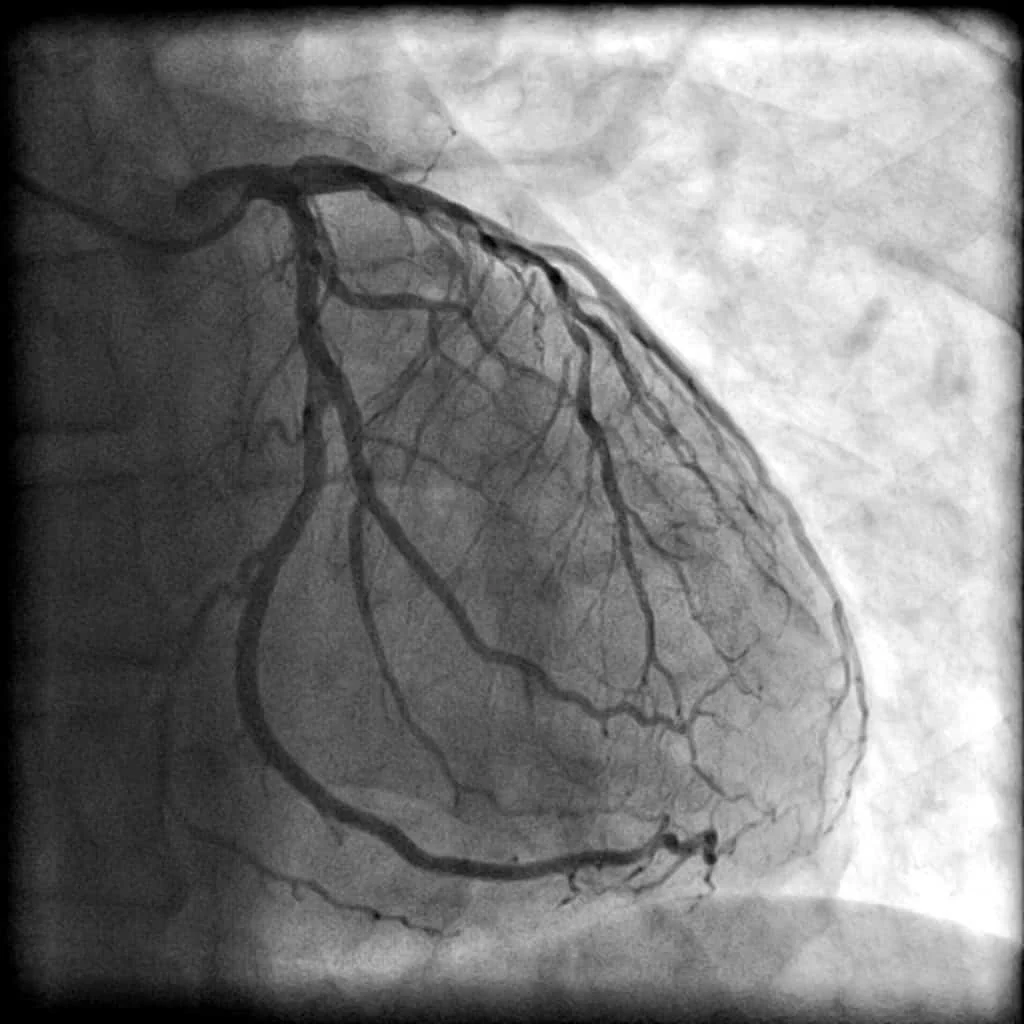
- Cardiac catheterisation
- CT scan
- Blood tests
- MRI
- Stress test
Alternatives to open-heart surgery
In some cases alternatives to heart surgery can be explored. It is important to stress that not every alternative is applicable to every patient. Even so, it is vital to know what the options might be for you or the person you love:
- Minimally invasive cardiac surgery.
- Transcatheter heart valve replacement, without surgery — such as TAVR for the aortic valve, or other devices such as the MitraClip, which allows valves to be repaired without a full open-heart operation.
- Medical treatment, where the risk of surgery is considered too high.
- Cardiac catheterisation.
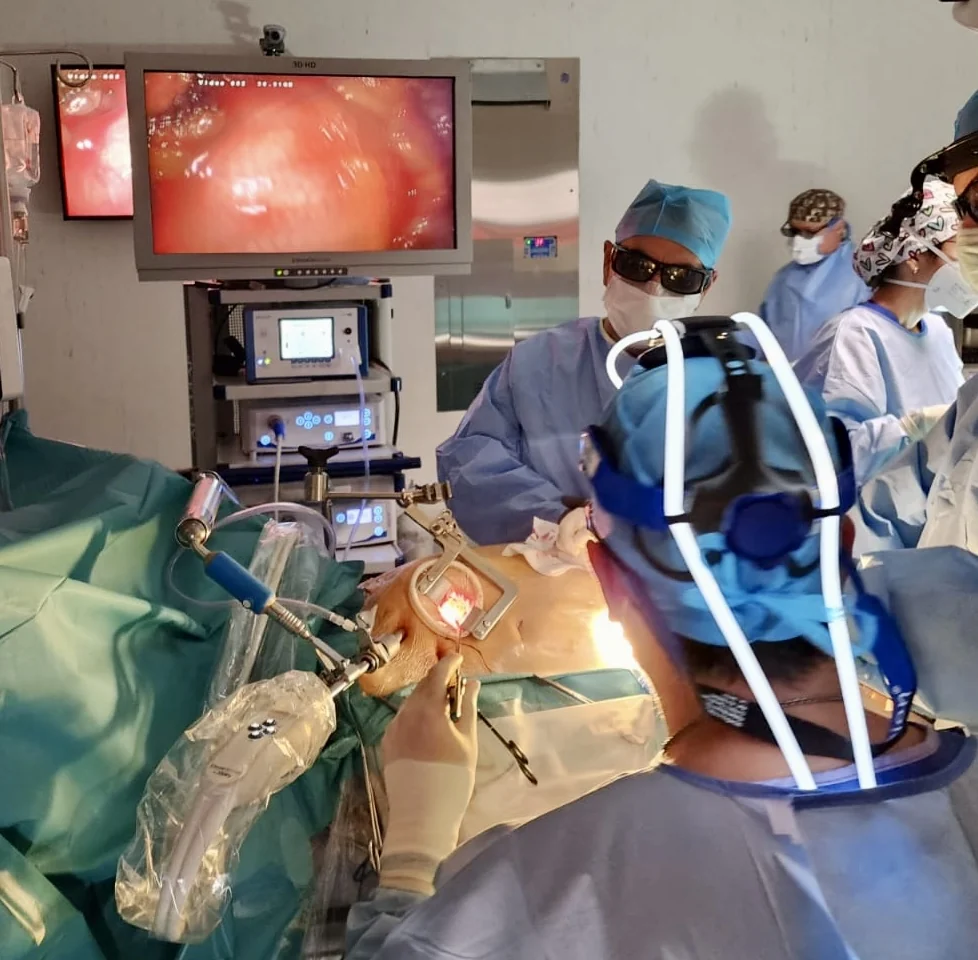
What is involved in open heart surgery, step by step
Many families tell us they feel calmer once they know the sequence. Here is what is done in open-heart surgery, using coronary bypass as the example. Details vary with each operation and each patient.
- Anaesthesia. You are given a general anaesthetic. You are fully asleep and a ventilator breathes for you.
- The sternotomy procedure. The surgeon makes an incision down the middle of the chest. The breastbone is divided to reach the heart.
- The grafts. For a bypass, we prepare the vessels used as new routes. These are usually the internal mammary artery, and often a vein from the leg or an artery from the arm.
- The heart–lung machine. In most cases the patient is connected to cardiopulmonary bypass. The heart is then stopped with a protective solution. Some bypass operations are done with the heart still beating.
- The repair. Each graft is sewn beyond the blockage in the coronary artery. In valve surgery, this is when the valve is repaired or replaced.
- Restarting the heart. The heart starts beating again and the machine is gradually withdrawn.
- Closing. The breastbone is joined with steel wires and the skin is closed. You then go to intensive care.
That is what is involved in open-heart surgery on the day. Recovery takes longer. The sternum heals like a broken bone, usually over six to twelve weeks. During that time we ask you to avoid heavy lifting and pushing. Your surgeon sets the individual plan.
Heart surgery cost in Mexico and cardiac surgery alternatives
When families ask what is involved in open-heart surgery, cost is usually the next question. As described above, the heart surgery cost in Mexico depends on the operation, the hospital, the materials and the days in intensive care. Insurance cover also varies by policy. We give you a quote for your own case at the consultation.
Cost should never be the only reason to choose a treatment. Cardiac surgery alternatives, such as minimally invasive surgery or transcatheter valves, suit some patients and not others. Understanding what is done in open-heart surgery helps you compare the options with your heart team. We operate in Guadalajara, Querétaro and Hermosillo.
The risk of severe complications
It is important to recognise that any surgery, heart surgery included, carries risks of serious complications such as infection, blood clots, breathing problems and, in extremely rare cases, the possibility of death or permanent disability.
The experience of the medical team and advances in technology have significantly reduced these risks, and the team works diligently to minimise them.
Life after heart surgery
Recovery after heart surgery varies with the procedure and with individual circumstances. In general, patients will need time to heal and recover before returning to their normal activities.
It is essential to follow medical instructions before, during and after surgery, to attend follow-up appointments, and to adopt a healthy way of living to ensure a successful and lasting recovery. We cover this in detail in our guide to life after heart surgery.
Valve replacement options
When a damaged heart valve needs replacing, it helps to know what options exist. In general terms there are two main types available: mechanical and biological.
Mechanical valves are durable but may require the use of anticoagulants for life to prevent blood clots. Biological valves are more similar to natural valves and do not always require anticoagulants, but may need replacing in future.
Special considerations for young women
Young women of reproductive age facing the possibility of heart surgery should discuss carefully with their medical team the possible effects of surgery on their health, particularly in terms of fertility and long-term cardiovascular health.

Women who require a heart valve replacement during their reproductive years deserve particular attention, since there is the possibility of needing oral anticoagulants — medicines which, if taken during pregnancy, can cause severe complications relating to bleeding and miscarriage.
Doctors will work together with these patients to reach informed decisions that address both their medical and their personal needs.
Patient groups needing special consideration
In heart surgery we make every effort to individualise each case, and to build a proper doctor–patient relationship, before any decision is taken.
Our multidisciplinary team, known as the Heart Team — cardiologists, surgeons, anaesthetists, electrophysiologists, nurses, cardiac rehabilitation specialists and several others — takes every case put before it with absolute seriousness and professionalism. Recommendations about the management and treatment of each person are reached by consensus among a group of experts. The final decision about treatment always rests with you and your family.
Even so, some groups of patients deserve particular consideration because of how their case presents:
- Patients who had COVID-19 infections in the last two years
- Patients requiring heart surgery over the age of 80
- Women of reproductive age
- Patients from abroad considering coming to Mexico for surgery with us
- Congenital conditions, present from birth
- Patients considered at prohibitive — that is, too high — risk for open-heart surgery

Trust and the doctor–patient relationship
In the context of heart surgery, trust and a solid relationship between the patient and their medical team are fundamental.
Patients should feel free to ask questions, express concerns and fully understand the risks and benefits associated with surgery. Open and honest communication with the medical team contributes to informed decisions and to the best possible results.
Heart surgery is an essential medical intervention for addressing serious cardiac conditions that do not respond adequately to other treatments. Despite the associated risks, the potential benefits in terms of quality of life and health are significant. Close collaboration between patient and medical team, based on trust and open communication, is fundamental to a safe and successful experience.
The challenges you face when it comes to heart surgery are enormous, but remember that you are not alone.
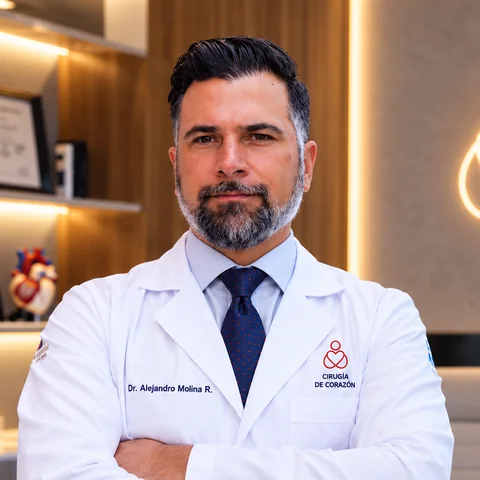
About the author
Dr Alejandro Molina is a cardiovascular surgeon practising in Guadalajara, Querétaro and Hermosillo. He trained in cardiothoracic surgery at the Universidad de Guadalajara, completed advanced training in cardiac surgery, minimally invasive surgery, robotic surgery and structural interventions at the University of Montreal, and a fellowship in structural cardiology and TAVR at CHU Bordeaux, France. He performed the first robotic mitral valve repair in the Ángeles Health System and the first robotic heart surgery in Guadalajara.
Medical degree: Universidad Autónoma de Guadalajara, Cédula Profesional 5757260 · Cardiothoracic surgery: Universidad de Guadalajara, Cédula de Especialidad 10768871 · Current certification, Consejo Nacional de Cirugía del Tórax, no. 447
Talk to a specialist
Request a free video consultation to clear up your questions and make a better-informed decision.