

What is a heart attack?
Learn what a heart attack is, what happens in the heart, how to recognise symptoms, and the treatment options.
What happens in the heart, how to recognise it, why time is muscle, how risk is assessed, and the treatment options.
A heart attack is a medical emergency. Here is what happens in the heart, how to recognise it, why time matters so much, and what treatment options exist.
We all know someone who has had a heart attack, or at least have heard of an acquaintance or distant relative who has faced one. A heart attack, it has to be said, is something that frightens people a great deal. That is why it matters to be well informed and to know exactly what we are dealing with.
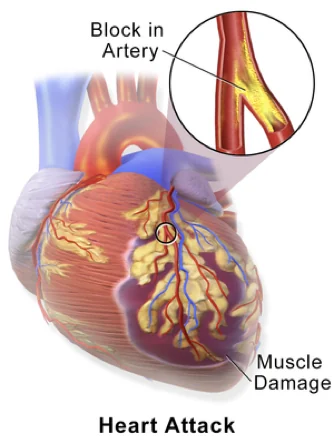
A heart attack, also known as acute myocardial infarction, is a medical emergency that occurs when blood flow to part of the heart is suddenly blocked. This stops oxygen reaching the cells of the heart muscle, which can cause irreversible damage if it is not treated in time. Understanding this condition is fundamental to preventing it and to acting quickly in an emergency.
Cardiovascular disease is the leading cause of death worldwide, in both men and women.
What happens in the heart during a heart attack?
The heart needs a constant supply of blood rich in oxygen and nutrients to work properly. That supply comes through the coronary arteries. When one of them becomes blocked, generally because of a build-up of fatty plaque known as atherosclerosis, a clot forms that interrupts the blood flow.
This deprives the heart's cells of oxygen and nutrients, causing the death of the affected cardiac tissue if it is not treated immediately.
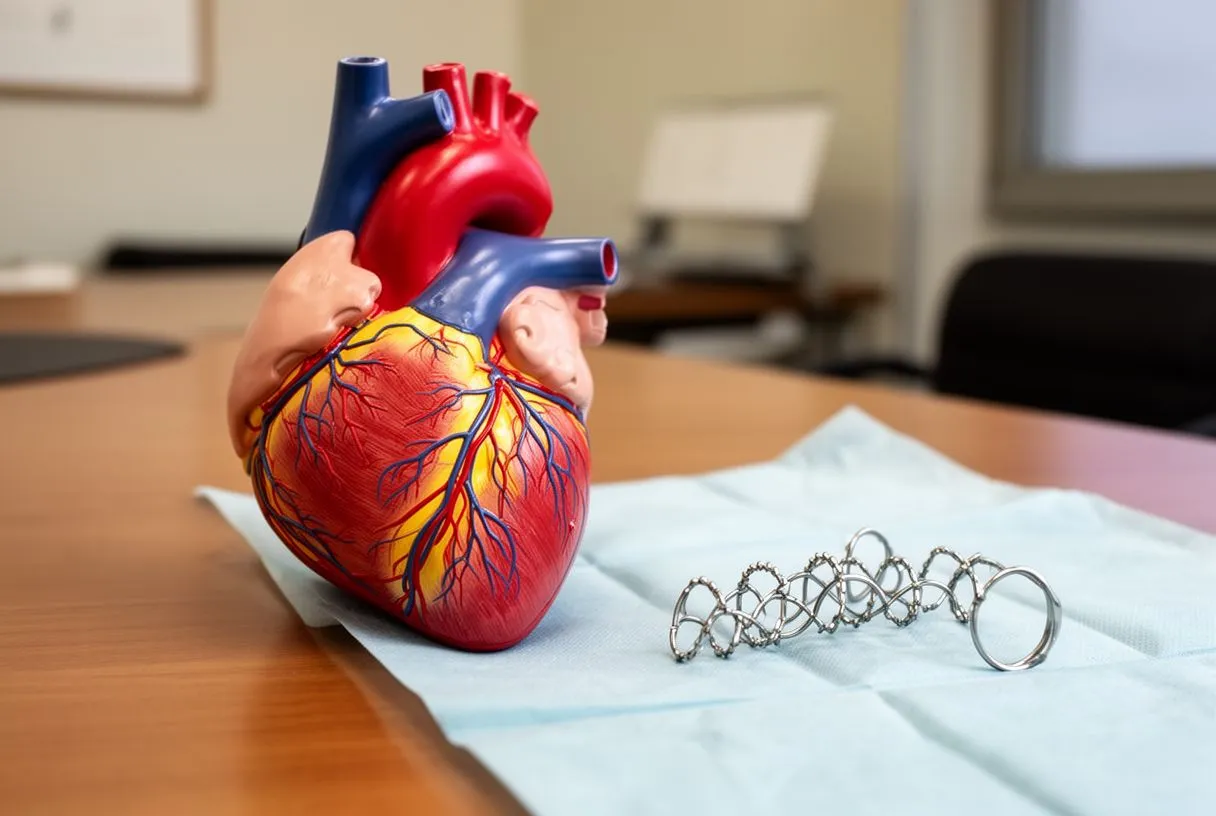
Risk factors for a heart attack
Some factors increase the likelihood of having a heart attack.
Factors you cannot change: older age, a family history of cardiovascular disease, and sex — men are at greater risk than women before the menopause.
Factors you can change:
- High blood pressure
- High cholesterol
- Diabetes
- Smoking
- A sedentary way of life
- Chronic stress
- Obesity
- An unhealthy diet, high in saturated fat, salt and refined sugars
Why does time matter so much in a heart attack?
There is a key phrase in cardiology: time is muscle. The longer that passes without blood flow being restored, the greater the damage to the heart. Acting quickly when symptoms appear can save lives. Those symptoms include:
- Chest pain, which may radiate to the arm, the jaw or the back
- Shortness of breath
- Nausea or vomiting
- Excessive sweating
- Dizziness or loss of consciousness
If you or someone near you has these symptoms, seek medical help immediately by calling the emergency services.
Why do the coronary arteries become blocked?
The coronary arteries can become obstructed through a process called atherosclerosis, in which plaques of fat, cholesterol, calcium and other substances build up in the walls of the blood vessels. This build-up reduces blood flow to the heart and can lead to a heart attack.
Atherosclerosis is the most common cause. It develops slowly over years, driven by factors such as raised LDL ("bad") cholesterol depositing in the arteries, chronic inflammation damaging the arterial walls, high blood pressure weakening and hardening the arteries, and smoking, which promotes inflammation and plaque formation.
Plaque rupture and clotting. When an atherosclerotic plaque ruptures, the body responds by forming a blood clot at the site of the injury. If the clot blocks the artery completely, an acute myocardial infarction occurs.
Coronary spasm happens when a coronary artery contracts temporarily, reducing blood flow to the heart. It can be caused by intense emotional stress, drug use such as cocaine, extreme cold, or disturbances in the function of the vascular endothelium.
Conditions that accelerate narrowing and so increase the risk: diabetes, which damages the blood vessels; obesity and metabolic syndrome, which promote inflammation and insulin resistance; a sedentary way of life, which affects heart health and circulation; and a diet high in saturated fat and sugars, which contributes to plaque formation.
Are cardiac arrest and heart attack the same thing?
Cardiac arrest refers to the sudden interruption of the heart's activity, which stops blood flowing to the brain and other vital organs. It is a medical emergency requiring immediate resuscitation with CPR and defibrillation. When we speak of cardiac arrest we are generally referring to a sudden disturbance in the heart's electrical activity — a severe arrhythmia or a block in the electrical conduction.
It is important to stress that a myocardial infarction can trigger a cardiac arrest if the damage to the heart muscle is severe, but not every heart attack leads to one. Remember that a heart attack is caused by an obstruction in one or more coronary arteries, the vessels responsible for carrying oxygen and nutrients to the heart muscle. The larger the infarction, the greater the risk that the heart will arrest.
How can I find out my risk of having a heart attack?
If you want to know your risk, there are several tests and studies that can help assess your cardiovascular health, from blood tests to advanced imaging. The most important:
1. Clinical assessment and risk factors. Before any test, your doctor can assess your medical history, family history, habits and risk factors such as high blood pressure, high cholesterol, diabetes, smoking and obesity.
2. Blood tests
- Lipid profile: measures total cholesterol, LDL ("bad"), HDL ("good") and triglycerides.
- Glucose and glycated haemoglobin (HbA1c): assess the risk of diabetes, an important factor in cardiovascular disease.
- High-sensitivity C-reactive protein: indicates inflammation in the body, associated with greater cardiovascular risk.
- Lipoprotein(a) and apolipoprotein B: genetic factors that can increase the risk of coronary disease.
3. Electrocardiogram. Records the electrical activity of the heart and can detect signs of cardiac damage, arrhythmias or disturbances in blood flow.
4. Stress test. Also called ergometry, this assesses how the heart responds to exercise and can reveal signs of blockage in the coronary arteries.

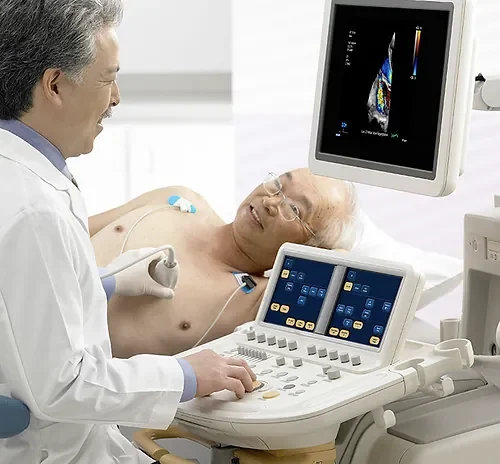
5. Echocardiogram. An ultrasound of the heart that allows its structure and function to be assessed. It can detect problems with the heart's pumping or with the valves.
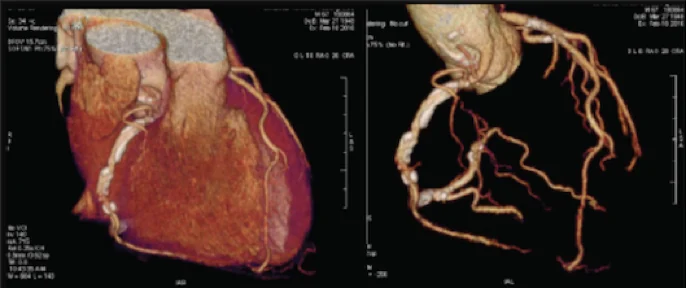
6. Coronary calcium scan. This measures the amount of calcium accumulated in the coronary arteries, which indicates the presence of atherosclerosis. It is useful for predicting the risk of a heart attack in people without symptoms.
7. Coronary CT angiography. A CT scan with contrast that allows the coronary arteries to be visualised and possible blockages detected.
8. Endothelial function testing. Assesses how the blood vessels respond to certain stimuli and can detect early problems in the circulation.
9. Cardiac catheterisation (coronary angiography). The most precise method for detecting blockages in the coronary arteries. It is used in people with symptoms suggestive of heart disease.
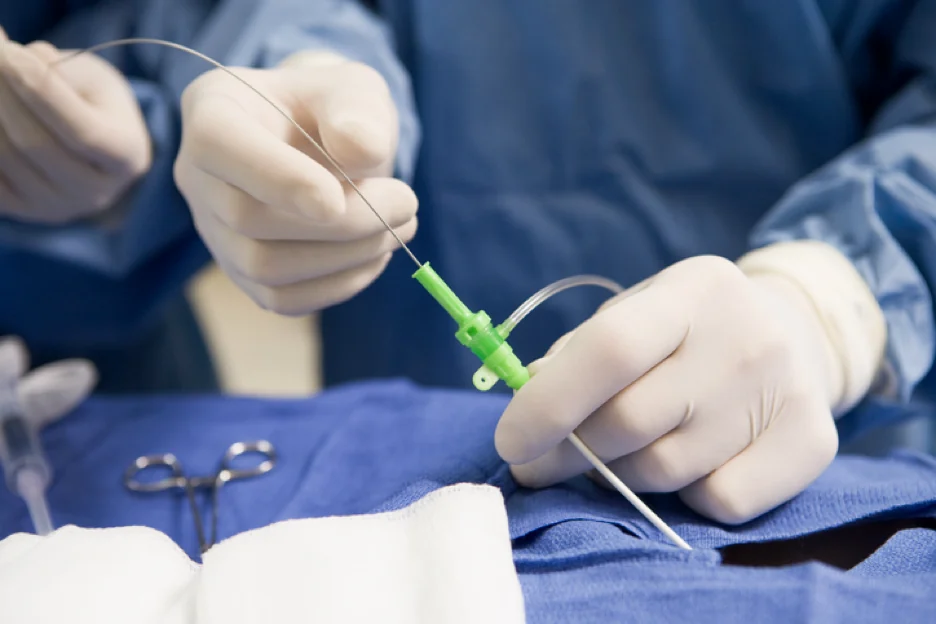
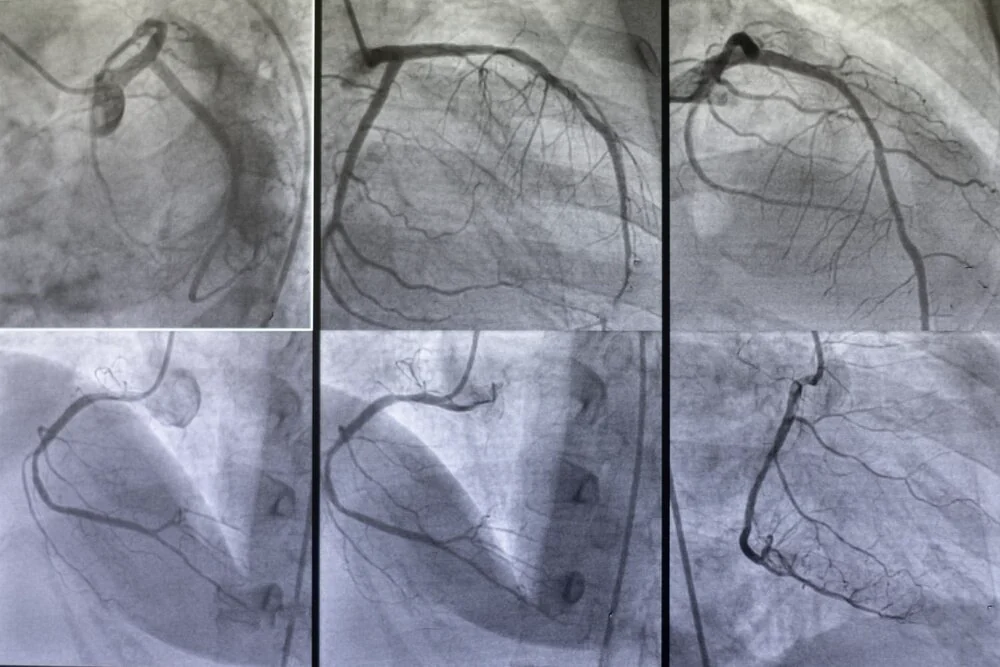
If you have risk factors or questions about your cardiovascular health, the best step is to see your doctor, who can help determine which tests are most appropriate for you.
Why has there been so much recent interest in apolipoprotein B?
The growing interest in apolipoprotein B (ApoB) in cardiovascular medicine comes from its ability to predict the risk of heart disease more precisely than traditional LDL cholesterol.
What is apolipoprotein B? ApoB is a protein present in the lipoprotein particles that carry cholesterol in the blood — LDL ("bad" cholesterol), lipoprotein(a) and VLDL. Each LDL particle contains a single molecule of ApoB, which means measuring ApoB gives us the total number of atherogenic particles in the blood, not just the amount of cholesterol they carry.
Why is it more precise than LDL cholesterol? Traditionally LDL-C has been the main marker of cardiovascular risk. But LDL-C does not measure how many LDL particles there are; it measures the amount of cholesterol inside them. Some people can have a "normal" LDL-C level but a raised number of small, dense LDL particles, which increases the risk of atherosclerosis and therefore of heart attack or stroke.
What recent studies say. Several studies have shown that ApoB is a stronger predictor of cardiovascular risk than LDL-C. A high ApoB level indicates a greater number of LDL particles and therefore a greater risk of accumulation in the arteries. Studies such as INTERHEART and AMORIS have shown that raised ApoB levels are associated with a greater risk of heart attack, even when LDL-C appears to be in a normal range. The most recent guidelines from the European Society of Cardiology and the American Heart Association suggest using ApoB as an additional risk marker.
Who should have ApoB measured? It is not a routine test for everyone, but it is particularly useful in people with a family history of early cardiovascular disease, diabetes or metabolic syndrome, "normal" LDL cholesterol alongside other risk factors, or raised triglycerides and abdominal obesity.
How can ApoB levels be reduced? The same habits that reduce LDL-C also reduce ApoB: a diet low in saturated fat and ultra-processed food, regular exercise, and medication such as statins or PCSK9 inhibitors in high-risk cases.
In conclusion, the increased interest in ApoB comes from it being a better indicator of the real number of particles that can obstruct the arteries, offering a more precise assessment of cardiovascular risk.
The main symptoms of a heart attack
An acute myocardial infarction can present in different ways, but the most common symptoms include:
- Chest pain or discomfort. A sensation of tightness, weight or burning in the centre or left side of the chest, which may last several minutes or come and go.
- Pain radiating outwards. It can spread to the left arm, the jaw, the neck, the back or even the abdomen.
- Shortness of breath. This can occur with the pain or without it, particularly in older people or those with diabetes.
- Excessive sweating. Cold, clammy sweat with no apparent cause.
- Nausea or vomiting. More frequent in women or people with diabetes.
- Dizziness or fainting. This can be due to a fall in blood pressure.
- A sense of anxiety or impending death. Many people describe an intense feeling that "something serious is happening".
Variants of myocardial infarction
A heart attack does not always present with the typical symptoms. There are variants that can be harder to recognise.
1. Silent infarction (rare). Causes no chest pain, or the symptoms are very mild. More frequent in people with diabetes and in older adults. It may be detected later on an electrocardiogram or an imaging test.
2. Atypical infarction. Occurs with unusual symptoms such as pain in the upper abdomen, extreme fatigue or a sensation of indigestion. More common in women, older people and those with diabetes.
3. ST-elevation myocardial infarction (STEMI). The most serious form, caused by total obstruction of a coronary artery. It is detected on an electrocardiogram and requires immediate treatment with angioplasty or thrombolysis.
4. Non-ST-elevation myocardial infarction (NSTEMI). Occurs where there is partial obstruction of a coronary artery. It does not always produce obvious changes on the electrocardiogram, but is confirmed with blood tests measuring troponins.
5. Secondary myocardial infarction. Not caused directly by an obstruction in the arteries, but by an excessive demand for oxygen in the heart — for example in patients with severe anaemia, respiratory failure or sepsis.
What should I do if I think I am having a heart attack, or someone near me is?
If you suspect that you or someone you love is having a heart attack, act immediately. Call the emergency services without delay, since early treatment can save lives. While waiting for help, stay as calm as possible and avoid any exertion.
If the person is conscious and not allergic to aspirin, they can chew a 160–325 mg aspirin to help reduce clot formation. If the person loses consciousness and stops breathing, begin cardiopulmonary resuscitation if you are trained to do so. Never ignore the symptoms or wait for them to disappear on their own.
What happens on arriving at the emergency department?
Once in the emergency department, the medical team will act quickly to confirm the diagnosis and begin treatment. First, an electrocardiogram will be performed to assess the electrical activity of the heart and detect signs of infarction.
Blood samples will also be taken to measure troponin levels, proteins that indicate damage to the heart muscle.
In some cases imaging studies such as echocardiograms or angiography may be carried out to identify the degree and location of the obstruction. Based on these results, the team will decide the best treatment to restore blood flow, whether with medication, percutaneous coronary intervention with a stent, or coronary bypass surgery.
Treatment options: PCI or CABG
Treatment of a heart attack aims to restore blood flow as quickly as possible. There are two main strategies, involving interventional cardiologists and cardiac surgeons.
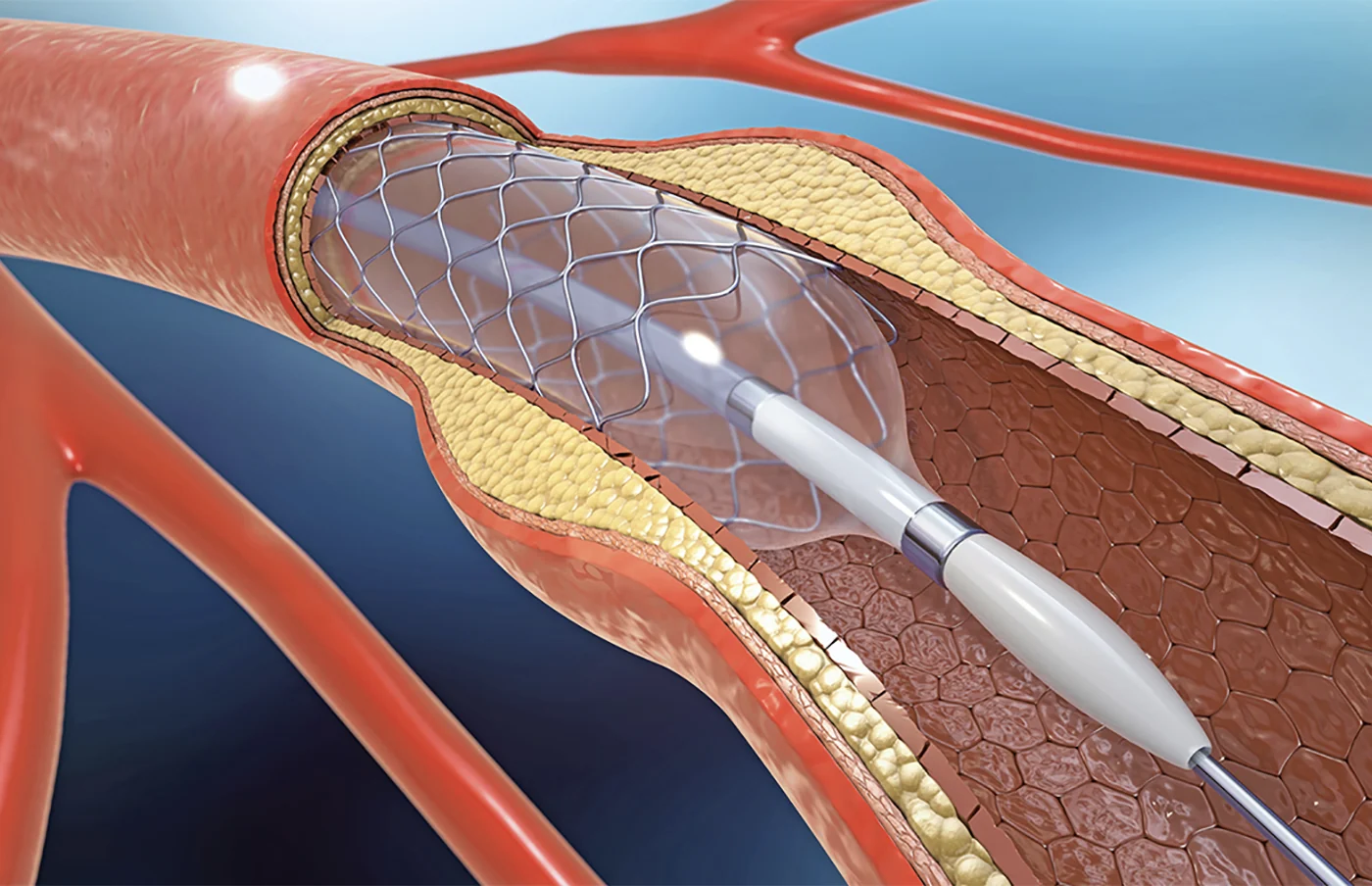
Percutaneous coronary intervention (PCI). A catheter with a balloon is introduced into the blocked artery to expand it and, in most cases, a stent is placed to hold it open. This is done through a procedure known as cardiac catheterisation.
Coronary bypass surgery (CABG). New blood pathways are created using vessels from elsewhere in the body to divert blood around the blocked artery. This is carried out through what is usually known as open-heart surgery.
Which is better?
The medical literature indicates that PCI is more effective for patients with acute infarction and fewer affected arteries, and has a faster recovery. CABG is more advisable in patients with extensive coronary disease or diabetes, since it improves long-term survival and reduces the need for further procedures.
The decision is complex. It is discussed by the multidisciplinary team of several doctors known as the Heart Team. The final recommendation is discussed with the patient, and the final decision on which procedure to choose always rests with the patient, their family and their doctors. We compare the two in depth in our guide to coronary bypass versus stent.

What happens after a heart attack?
Surviving a heart attack is only the first step. In the medium and long term it is crucial to make changes to your way of living and follow medical treatment to prevent another event. This includes:
- Cardiac rehabilitation: supervised exercise programmes, health education and emotional support.
- Medication: statins for cholesterol, beta blockers, antiplatelet drugs and blood pressure medication.
- Controlling risk factors: stopping smoking, adopting a balanced diet and managing stress.
What do the clinical studies say when comparing treatments?
The most prominent meta-analyses comparing percutaneous coronary intervention and coronary bypass surgery have provided valuable information on which is the better treatment option, according to the characteristics of the patient and the complexity of the coronary disease.
Multivessel or left main disease. The studies indicate that CABG offers a long-term survival advantage compared with PCI in patients with multivessel disease or with involvement of the left main coronary artery.
Patients with diabetes. CABG has been shown to be more beneficial than PCI in diabetic patients, with lower mortality and a reduction in the need for repeat procedures.
Less complex lesions. For patients with less complex coronary lesions, PCI can be a suitable option, particularly when second-generation drug-eluting stents are used.
It is worth stressing that although PCI offers a faster recovery and is less invasive, CABG provides better long-term results in terms of survival and a reduction in adverse cardiac events in patients with more complex coronary disease.
The choice between them should be based on an individual assessment, considering the extent of the disease, the presence of other conditions such as diabetes, and the specific characteristics of the coronary lesions. The final decision should be taken by a multidisciplinary medical team, in collaboration with the patient, to select the most appropriate revascularisation strategy for the individual circumstances.
What proportion of people survive a heart attack?
Survival after a myocardial infarction varies with multiple factors, such as how quickly treatment is received, the severity of the infarction and the presence of pre-existing conditions.
1. Survival in hospital and immediate treatment
- If a person receives medical attention within the first hour — the "golden hour" — the survival rate can be 90% or more.
- In hospitals with access to percutaneous coronary intervention, mortality from heart attack can be reduced to under 5–10%.
2. Overall survival after a heart attack
- In countries with advanced health systems, around 90% of people who reach hospital survive the acute episode.
- However, roughly 10–20% of patients may die in the first year after the infarction, mainly from complications such as heart failure or further cardiac events.
- At five years, the survival rate is approximately 50–75%, depending on the control of risk factors and access to appropriate treatment.
3. Heart attack and sudden death
- Around 15–30% of people who have a heart attack die before reaching hospital, particularly if the infarction causes a cardiac arrest.
- Cardiopulmonary resuscitation and the use of defibrillators can significantly increase survival in these cases.
4. Factors influencing survival
- Time to treatment: the faster blood flow is restored, the better the outlook.
- Type of infarction: ST-elevation infarctions are usually more serious than non-ST-elevation ones.
- Prior state of health: diabetes, high blood pressure and chronic kidney disease increase the risk of death.
- Lifestyle changes: stopping smoking, controlling cholesterol and exercising improve the chances of long-term survival.
Most people who receive timely treatment survive a heart attack, but the risk of later complications remains, which makes good medical follow-up and healthy habits crucial.
A final thought
Heart attack is one of the leading causes of death in the world, which is why recognising it in time matters so much. Science has advanced enormously, and today there is a very real chance of surviving a heart attack if it is treated promptly.
It is one of the conditions studied with the greatest scrutiny over the last 50 years. Even so, its proper assessment and treatment can be a challenge; it has to involve several specialists, and above all those with experience and who have earned your trust.
If you or someone you love has had a heart attack, remember that recovery and a healthy life are possible with the right care.
Remember that you are not alone. Lean on the experts, and on whoever has earned your trust.

About the author
Dr Alejandro Molina is a cardiovascular surgeon practising in Guadalajara, Querétaro and Hermosillo. He trained in cardiothoracic surgery at the Universidad de Guadalajara, completed advanced training in cardiac surgery, minimally invasive surgery, robotic surgery and structural interventions at the University of Montreal, and a fellowship in structural cardiology and TAVR at CHU Bordeaux, France. He performed the first robotic mitral valve repair in the Ángeles Health System and the first robotic heart surgery in Guadalajara.
Medical degree: Universidad Autónoma de Guadalajara, Cédula Profesional 5757260 · Cardiothoracic surgery: Universidad de Guadalajara, Cédula de Especialidad 10768871 · Current certification, Consejo Nacional de Cirugía del Tórax, no. 447
Talk to a specialist
Request a free video consultation to clear up your questions and make a better-informed decision.





