

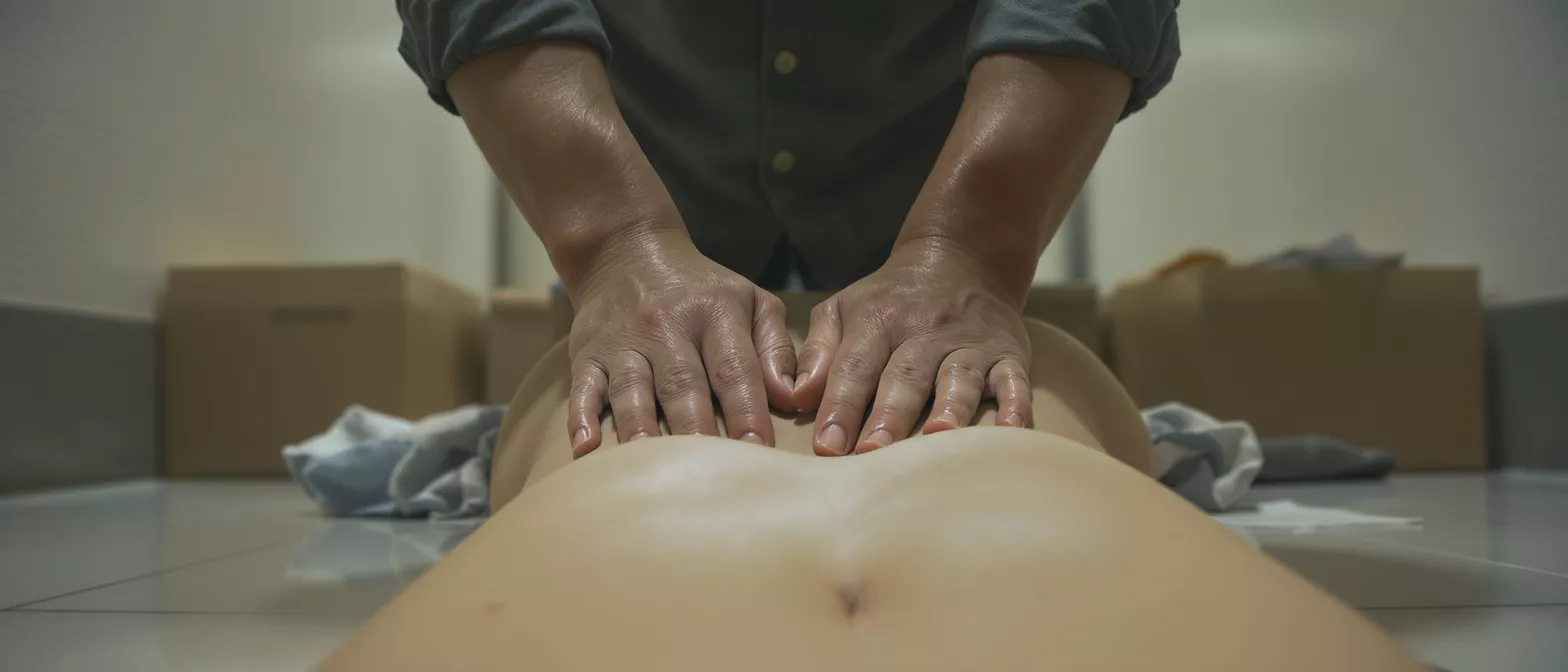
Cardiopulmonary Resuscitation
Master cardiopulmonary resuscitation with our guide to CPR steps, chest compressions, and emergency response during cardiac surgery recovery.
What is Cardiopulmonary Resuscitation
Cardiopulmonary resuscitation is a critical, life-saving emergency procedure performed when someone's heart stops beating. It combines chest compressions and, in some cases, rescue breathing to manually preserve brain function and maintain blood circulation until advanced medical help arrives. For patients recovering from heart surgery, understanding this intervention is vital.
Defining the core objective of basic life support: The primary goal is to keep oxygen-rich blood flowing to the brain and other vital organs. When the heart ceases to pump effectively, tissue damage can begin within minutes. By acting quickly, a bystander buys the patient precious time.
Knowing how to respond in a cardiac emergency empowers families. Whether a patient is recovering from a valve replacement or a coronary bypass, the home environment requires preparedness. Learning the proper techniques ensures that if a sudden cardiac arrest occurs, loved ones can intervene effectively.
Why CPR Matters for Cardiac Surgery Patients
Patients who have undergone cardiac surgery often have compromised heart function during their recovery period. While surgical interventions repair structural issues, the heart muscle remains vulnerable to arrhythmias and sudden arrest, especially in the early postoperative phase. This elevated risk makes emergency preparedness crucial.
Recognizing the unique risks of a healing heart: Surgical trauma, inflammation, and electrical remodeling can destabilize the heart's rhythm. Families must understand that a mended heart is still a healing heart. Close monitoring during recovery helps catch warning signs early, but sudden events require immediate manual intervention.
Preparedness reduces panic. Knowing what to do if a post-surgical loved one collapses turns a terrifying situation into a manageable emergency.
How CPR Steps Work in an Emergency
Executing CPR steps correctly relies on a simple, repeatable sequence. The standard approach begins with checking the scene for safety, followed by assessing the patient's responsiveness and breathing. If the patient is unresponsive and not breathing normally, the chain of survival begins immediately.
Executing the first critical moments of CPR: You must call for emergency medical services right away, or direct someone else to do so. Dispatchers can provide real-time guidance over the phone. Once help is en route, position the patient flat on their back on a firm surface to begin compressions.
The mechanics rely on physical leverage. Placing the heel of one hand in the center of the chest, with the other hand interlocked on top, allows you to push hard and fast. Let the chest recoil completely between compressions so the heart can refill with blood, ensuring maximum circulatory benefit.
Best CPR Techniques for Chest Compressions
Effective chest compressions are the cornerstone of high-quality cardiopulmonary resuscitation. The technique requires proper hand placement, full upper-body engagement, and a consistent rhythm. Leaning over the patient and using your body weight, rather than just your arms, prevents fatigue and improves compression depth.
Maintaining proper posture and force: Keep your arms straight and your shoulders directly above your hands. This vertical alignment transfers maximum force downward. Avoid bending your elbows, which drastically reduces the effectiveness of the compressions and tires you out quickly.
For families managing recovery, investing in basic life support skills provides peace of mind. You might also consider keeping a automated external defibrillator for home safety in an accessible location. AEDs are designed for laypeople and provide clear, spoken instructions to guide you through the crisis.
Hands Only CPR vs Rescue Breathing CPR
Bystanders often hesitate to perform CPR due to concerns about rescue breaths. Hands only CPR eliminates this barrier by focusing solely on continuous chest compressions. Medical guidelines widely recommend this method for untrained responders witnessing a sudden adult cardiac arrest.
Deciding between hands only and traditional CPR: In traditional CPR, rescuers alternate between thirty compressions and two rescue breaths. This is still preferred for pediatric emergencies and drowning incidents where oxygen depletion caused the arrest. However, for adult cardiac events, the blood already contains enough oxygen to sustain organs if compressions are continuous.
- Hands Only CPR: Best for untrained bystanders and adult sudden cardiac arrest.
- Traditional CPR: Recommended for trained rescuers, children, and respiratory-related arrests.
- Immediate Action: Both methods require fast response times to maximize survival chances.
CPR Compression Depth and Rate Explained
The efficacy of CPR depends heavily on pushing at the right depth and speed. Guidelines specify a compression depth of at least two inches for adults, but not exceeding 2.4 inches. Going too shallow fails to circulate blood, while going too deep risks injuring internal organs.
Mastering the tempo of chest compressions: The recommended rate is 100 to 120 compressions per minute. A common trick to maintain this rhythm is pushing to the beat of the song "Stayin' Alive." This tempo ensures blood moves steadily without exhausting the rescuer too rapidly.
For postoperative cardiac surgery patients, the mechanics remain the same despite their recent chest incisions. The primary objective is keeping them alive. Medical professionals will take over upon arrival, but bystander action remains the most critical factor in bridging the gap to definitive care.
CPR for Adults with Cardiac Conditions
Adults with preexisting cardiac conditions face higher risks of arrhythmias and heart failure. Because their cardiovascular systems are already compromised, prompt intervention is even more crucial. CPR for adults must be swift, aggressive, and unyielding until emergency responders arrive.
Adapting CPR for patients with severe heart disease: The physical technique remains identical, but awareness of surgical scars is important. Do not let recent surgical incisions deter you from pushing hard. Cracking the sternum is a recognized risk, but saving a life always outweighs skeletal damage.
Understanding these realities helps families act without hesitation. During recovery, keeping proper tools on hand, such as a portable pulse oximeter for home monitoring, helps track blood oxygen levels before an emergency strikes. However, if sudden collapse occurs, drop the monitoring and begin immediate compressions.
Are CPR Guidelines Safe for Postoperative Patients
Families often worry if performing CPR on a postoperative heart surgery patient could damage the surgical repairs. While it is true that forceful compressions can cause sternal fractures, the risk is an acceptable trade-off for death. The priority in any cardiac arrest is restoring circulation.
Weighing surgical damage against survival: Heart tissue and grafts are remarkably resilient. The sutures and wires used to close the chest are designed to withstand physical stress. Even if damage occurs, surgeons can repair it later, but they cannot reverse brain death from prolonged oxygen deprivation.
Medical professionals universally agree that CPR should never be withheld due to fear of hurting a surgical patient. When the heart stops, the patient is clinically dead. Bystander action is their only chance, making the safety of the procedure secondary to its immediate necessity.
Basic Life Support CPR Training for Families
Knowledge is the most valuable tool in a medical emergency. Basic life support CPR training teaches families how to recognize cardiac arrest early, activate emergency services, and perform high-quality compressions. These short courses build muscle memory that replaces panic with purposeful action.
Building confidence through professional instruction: Certified instructors guide participants through realistic scenarios using mannequins. This hands-on practice ensures the technique is correct and effective. We strongly recommend that any family member caring for a recovering heart patient gets certified locally.
Training also covers the operation of automated external defibrillators. These devices analyze heart rhythms and deliver shocks if necessary. Understanding how an AED complements manual compressions makes families a crucial link in the chain of survival for vulnerable patients.
CPR Emergency Response and Recovery Position
Once spontaneous circulation returns, the emergency is not over. Placing the patient in the recovery position helps maintain a clear airway. This side-lying posture allows fluids to drain from the mouth, significantly reducing the risk of aspiration while waiting for paramedics.
Stabilizing the patient post-collapse: If the patient begins breathing normally but remains unconscious, gently roll them onto their side. Bend the top leg and arm to support the body, preventing them from rolling onto their stomach. Monitor their breathing continuously until help arrives.
- Immediate Action: Always call emergency services before starting compressions if possible.
- Airway Management: Use the recovery position only if the patient is breathing adequately.
- Continuous Monitoring: Never leave the patient alone, and be prepared to resume compressions if breathing stops.
In summary, understanding cardiopulmonary resuscitation equips families with the ability to save a loved one's life during a sudden cardiac event. For those recovering from heart surgery, this knowledge is not just helpful, it is a critical safeguard. By learning the proper steps, maintaining compression depth, and acting without hesitation, anyone can become a vital link in the chain of survival.






