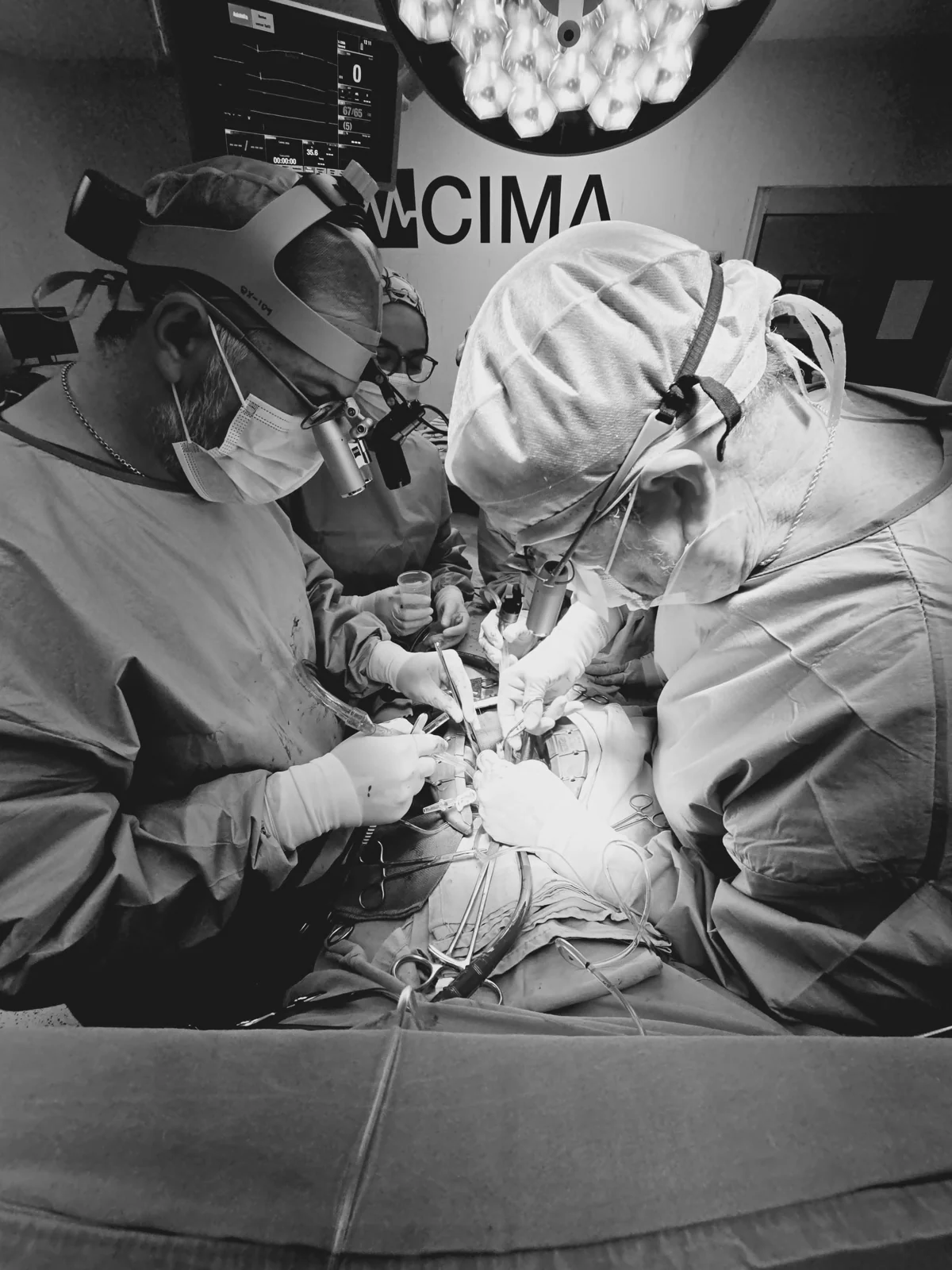
TAVR Guide: Transcatheter Aortic Valve Replacement
This TAVR guide explains transcatheter aortic valve replacement, who qualifies, what happens during the procedure, and the benefits and risks.
A complete guide for patients and their families to the procedure, who it is for, what it involves, and its benefits and risks. Use this TAVR guide to prepare for your consultation.
We developed this guide to help anyone who has been diagnosed with an aortic valve condition that may be suitable for this procedure.
Our aim is that you can understand its characteristics in detail, and more besides, so that you are able to make informed decisions about your own health.
If you are reading this, you or someone you love has probably been diagnosed with aortic stenosis or some other disease of the aortic valve, and you are trying to learn more about TAVR as a procedure that may be of benefit compared with open-heart surgery.
We know how difficult it can be to find genuinely reliable information written by a medical specialist that is at the same time understandable to people without medical training. That is why we developed this guide: to help you understand how TAVR became an innovative, safe option that has changed the lives of many patients.
I am Dr Alejandro Molina, a cardiovascular surgeon specialising in minimally invasive surgical procedures. As with all the content we develop for this site, I want to be clear that we are not producing teaching or academic material, but trying to be a bridge between this kind of knowledge and the wider community facing these conditions.
Once you have read this guide in full you will have a much clearer understanding of:
- What a TAVR is
- Who a TAVR is for, and how to know whether it is for you
- What the procedure involves
- What the benefits and the risks are
And don't worry: if you still have questions, you can always book a video consultation with one of our specialists to get information specific to your case.
What transcatheter aortic valve replacement (TAVR) is
The good news you should know is that few advances in the last decade have revolutionised a medical specialty as much as transcatheter aortic valve replacement (TAVR) has revolutionised cardiology.
Procedures that only a few years ago would have been considered unthinkable or impossible have become part of our routine practice in operating theatres around the world. The evolution of the technology, together with the experience gained, has produced a wave of transformation in clinical practice.
We understand that the idea of undergoing a medical procedure can be intimidating and cause anxiety. We want you to know that TAVR is an innovative and safe option for treating aortic stenosis, and that it has changed the lives of many patients.
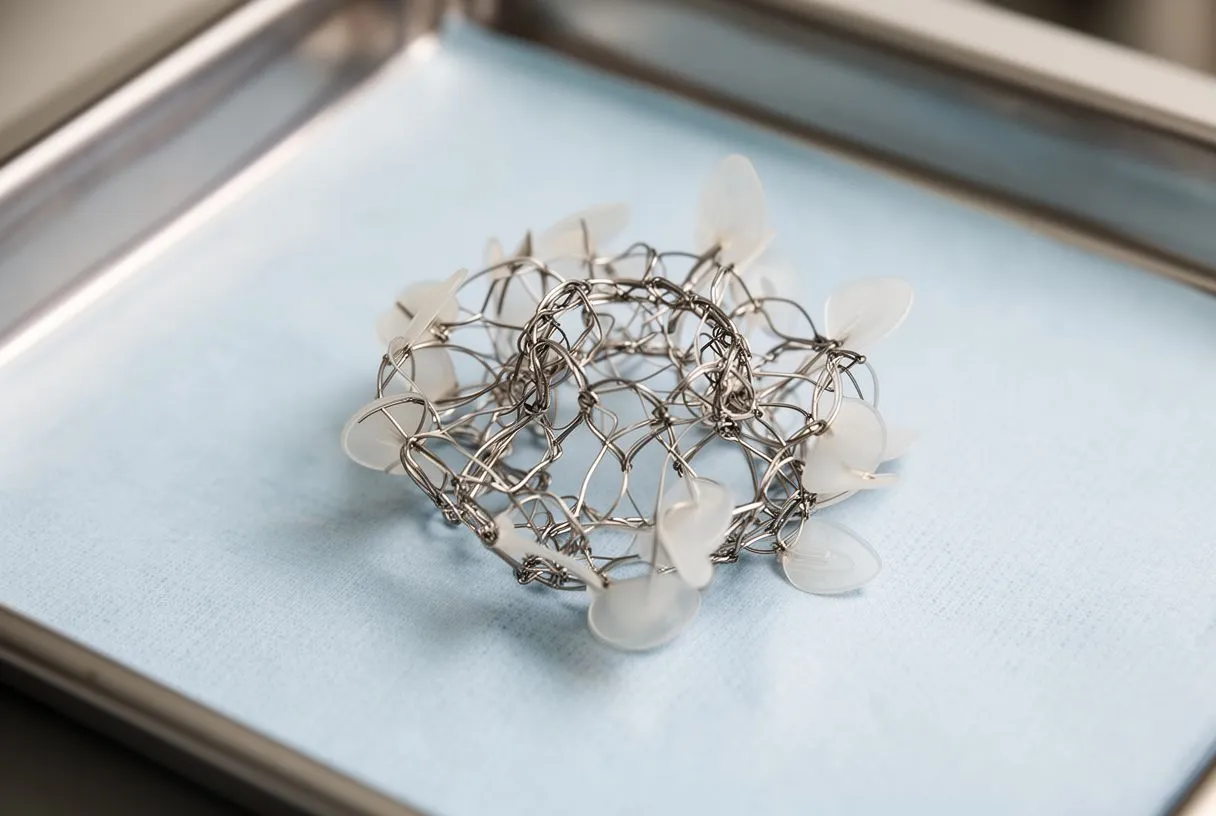
TAVR guide: what exactly is TAVR?
It refers to the implantation or replacement of the aortic valve percutaneously, or by catheter — TAVR stands for Transcatheter Aortic Valve Replacement. In practical terms, it is the replacement of a diseased heart valve without needing to open the chest or perform traditional open-heart surgery.
TAVR is a minimally invasive procedure used to treat aortic stenosis, a condition in which the aortic valve narrows and restricts the flow of blood from the heart to the rest of the body.
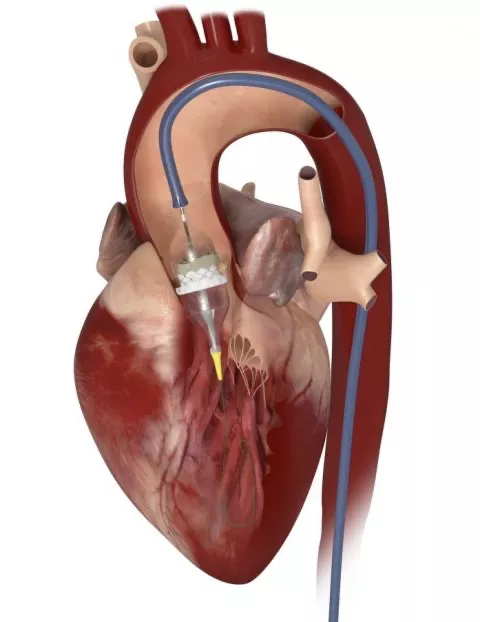
How is a TAVR performed?
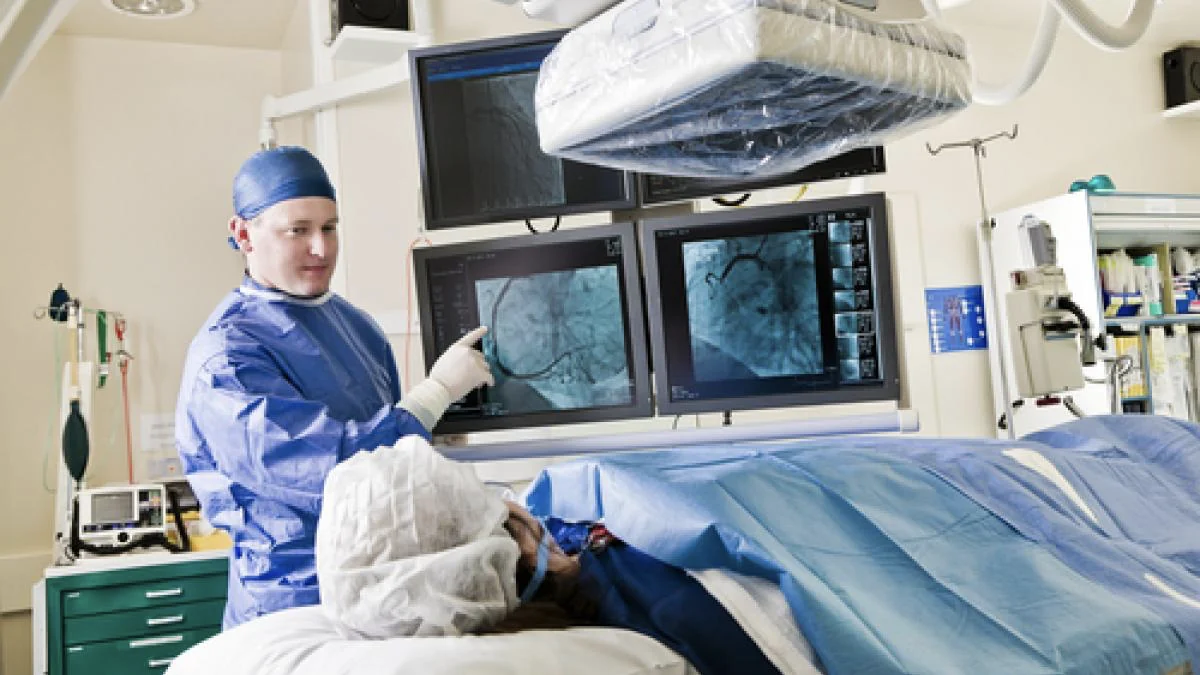
The procedure is carried out in a catheterisation laboratory or a hybrid theatre. It requires hospital admission and, although it is not surgery as we traditionally understand it, it is still considered a surgical procedure.
In most cases, roughly 90–95%, it is performed through a needle puncture in the groin. In many cases this is done under local anaesthetic with sedation, with specific exceptions.
Through a special catheter we advance the device from the groin, through the aorta — the largest and most important artery in the body — until we reach the diseased aortic valve in the heart. Once the correct position has been confirmed, we inflate or release the biological prosthesis, which is to say the new valve, in its final position.
It is interesting and important to mention that the native valve, the diseased valve, is not actually removed. The new prosthesis, the TAVR, is expanded inside it, holding it open and pressed against the wall of the aorta. From that moment onwards, the valve doing the work is the TAVR.
In this way the diseased valve is effectively replaced with one that functions properly.
How long does the procedure take?
The procedure in the catheterisation laboratory usually takes between one and two hours, although this depends on a number of anatomical and haemodynamic factors during the intervention.
Once it is finished you will go to intensive care for monitoring and immediate management after the TAVR, where a team of experts will take charge around the clock. Time in intensive care is generally between 24 and 36 hours, but it depends on how each person progresses.
Total time in hospital averages two to four days, though again we should not generalise. We have to be careful and treat each person individually at every stage of this procedure.
Which routes exist, and where can a TAVR be placed?
Transfemoral TAVR: the most common access route, performed through an incision in the groin.
Transcarotid TAVR: the access route is one of the carotid arteries in the neck. It requires general anaesthetic and a small incision of roughly 3–4 cm.
Transapical TAVR: performed through an incision in the chest, accessing the heart directly through the wall of the left ventricle.
Transaortic TAVR: the least common access route, performed through an incision in the chest and reaching the aortic valve directly through the aorta. This route is essentially reserved for patients in whom no other suitable route can be found.
Subclavian TAVR: performed through an incision in the arm, reaching the aortic valve through the subclavian artery.
The route most used worldwide today is the femoral route, through the groin. Approximately 90–95% of TAVR procedures are performed this way, because it has demonstrated its effectiveness and safety.
The other routes are generally reserved for cases where the femoral route is not optimal, either because the blood vessels are heavily calcified, very small or tortuous. In those cases an alternative route such as the carotid or subclavian is usually chosen.
These alternative routes are also safe but present additional challenges. The decision is generally taken by the multidisciplinary team after analysing each case individually. Before the procedure we already have a very good idea of which approach will be used.
How do I know whether I am a candidate for TAVR?
As with any heart surgery, the first thing we have to assess is whether there is genuinely an indication for heart surgery at all. To do that we carry out imaging studies that let us establish your individual anatomy.
The most common studies are:
- Transthoracic and then transoesophageal echocardiogram: a study performed through the mouth under light sedation that lets us see the function and anatomy of the heart and of each valve. It is carried out by a cardiologist specialising in imaging. It usually takes between 30 minutes and an hour and does not require hospital admission.
- Pre-TAVR CT angiography: performed from the neck through the chest, abdomen and pelvis. It allows us to take various measurements of the aortic valve and of the aorta along its whole course, so we can assess and choose the best access route and the type and size of prosthesis to implant, and establish whether there is any contraindication to the procedure. It does not require admission and usually takes 30–60 minutes.
- Cardiac catheterisation: because of the age at which a TAVR is normally indicated, usually above 65, a cardiac catheterisation is indicated — it is recommended before heart surgery after the age of 40. It is essentially a map of the arteries, which lets us determine the state of the coronary arteries and judge whether they need any intervention if there are blockages. The procedure usually takes one to three hours and may require admission in some cases.
- Other studies: electrocardiogram, blood tests, and in some cases a stress test, lung function tests and other studies that may be indicated.
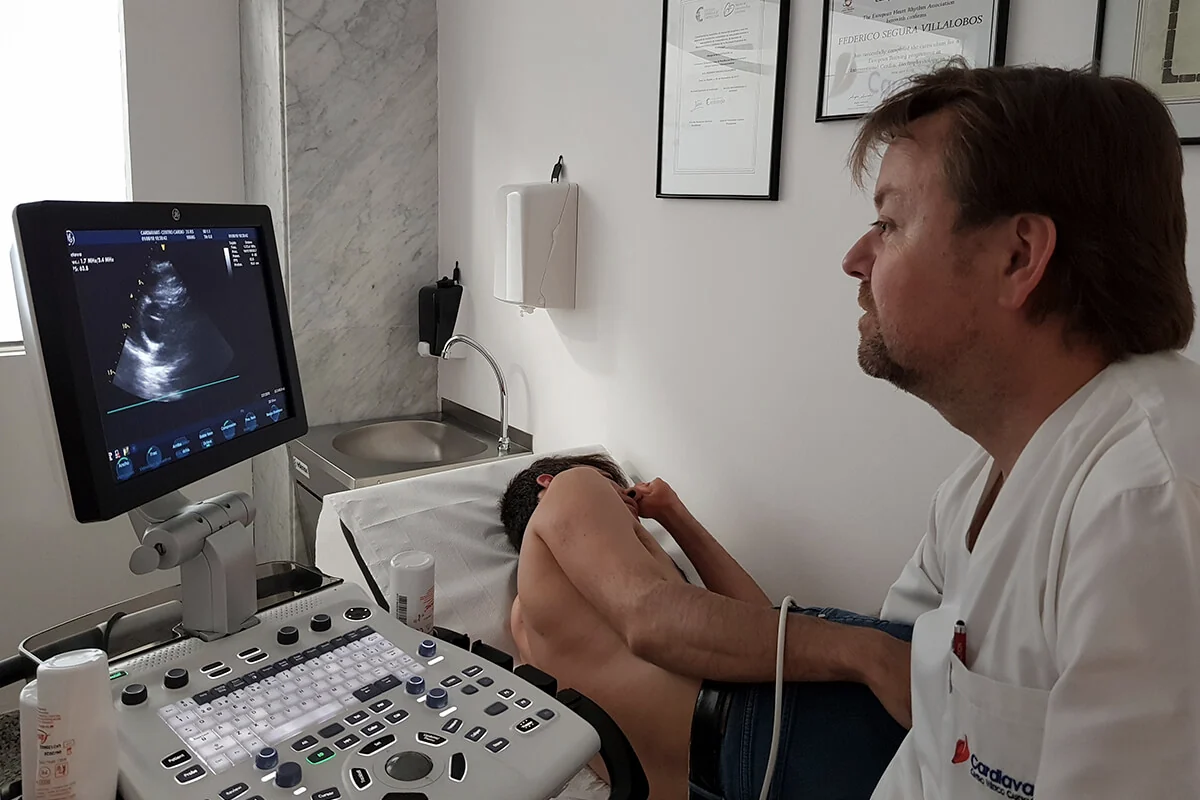
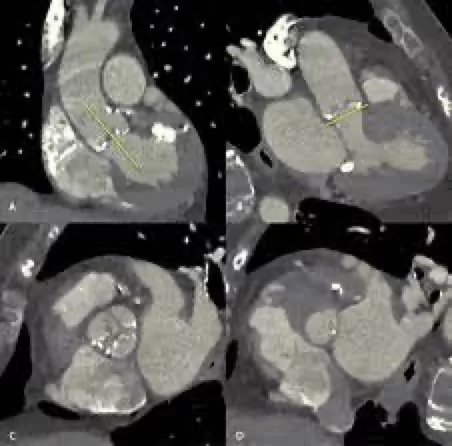
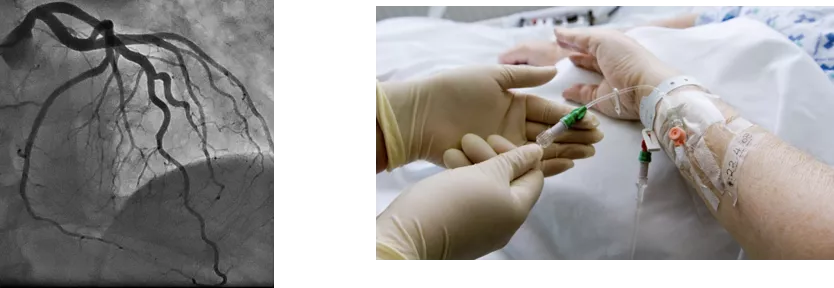
Once we have all the indicated imaging studies, a group of several specialists will determine whether you are a candidate for a TAVR procedure.
The final decision about the procedure will always be yours and your loved ones'. It is taken once a level of mutual trust has been established in the doctor–patient relationship.
For that reason it is important to do this in a setting of real confidence in your specialist surgeon, where you feel sure you are in good hands.
Remember that even though your heart surgeon is responsible for guiding you through this process and carrying out the procedure, it is advisable that you have enough understanding of the steps involved and the associated risks to make a fully informed decision.
Considerations and benefits
Because this is relatively new technology, the indications for implanting this type of valve have been modified and reshaped as experience has grown worldwide.
It must be said that this does not mean the procedure is experimental, far from it. TAVR is a therapy that has demonstrated its effectiveness for several years now.
The point is that the technology has advanced enormously, and as more years pass we will certainly see further advances and more centres able to perform these procedures. At present the various studies and recommendation guidelines from the recognised international and national cardiology and cardiac surgery societies, together with our own experience, indicate the following:
- A TAVR is indicated in patients aged 75 or over who have an indication to replace the aortic valve and who have no contraindication to TAVR.
- A TAVR should be considered in patients aged 65 to 75 who have no contraindication to the procedure, provided that doctor and patient discuss at length the benefits of a TAVR against a traditional or surgical aortic valve replacement, which may or may not be minimally invasive surgery.
In patients under 65, surgical replacement of the aortic valve with conventional or minimally invasive surgery is generally indicated. The benefits, characteristics and preferences should be discussed directly with your surgeon.
What are the benefits of a TAVR?
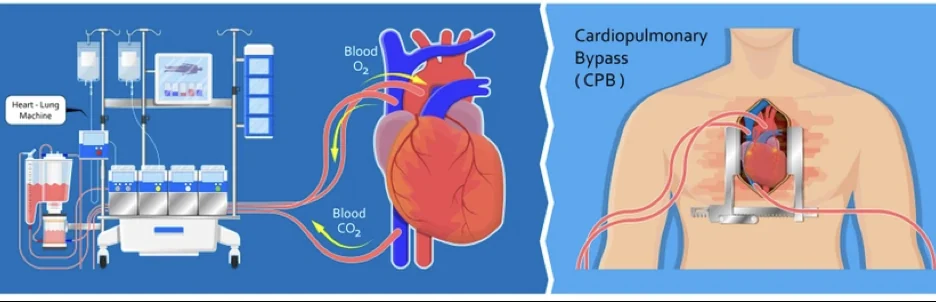
The most important benefit of this new technology is that it avoids conventional surgery: the operation performed through an incision in the chest and a sternotomy, which requires connecting the heart to an artificial heart–lung machine — what we call cardiopulmonary bypass — and stopping the heart in order to work inside it.
With that we obviously avoid any complication linked to traditional surgery. As mentioned above, recovery time tends to be faster.
Compared with conventional open-heart surgery, which normally requires a recovery of anywhere from four weeks to three months to return to normal life, TAVR in most cases lets you return to your usual life within days.
Let me give you the example of Mr. Alberto, aged 74. He had a severe problem with his aortic valve and a very limited quality of life — he was practically unable to do any physical activity. After an initial assessment by the team known as the Heart Team, we opted to replace the valve with a TAVR.
He was in hospital for 48 hours in total, and within a few days he was already doing things he had not been able to do for years. A few weeks later he left on a long holiday with his whole family, and told us he felt better than he had in a long time.
Without question, the return to normal family and working life tends to be less complicated, and that is one of the important benefits of TAVR.
Ultimately what we are trying to achieve is precisely to improve quality of life. In the case of a TAVR, the procedure is performed with the heart beating and without connecting the patient to the heart–lung machine, except in extraordinary high-risk cases. The aim is to replace the diseased valve with a prosthesis in a safe and effective intervention.
In many cases we can even do it under local anaesthetic — where we remove sensation only from one area of the body — with sedation, the equivalent of being deeply asleep and relaxed. That means there is no need for general anaesthesia, where you are completely asleep, anaesthetised with drugs and connected to a ventilator, as is the case with conventional surgery.
When we use a strategy of local anaesthetic and sedation you should not feel pain, and most patients remember little or nothing of the procedure, with the added benefit that recovery tends to be faster.
What are the risks of this procedure?
Interventions of this kind are designed precisely to reduce risk, but there will always be certain risks involved, and although they tend to be few it is important to discuss them.
There are various scales and formulas for calculating each patient's risk individually. We do this routinely before any procedure.
Today we have several risk scales to guide us on whether a patient is considered at low, medium or high risk of complications during or after surgery.
Even so, these scales cannot predict with complete accuracy the conditions we will meet in theatre, particular anatomical situations, or events during the procedure. They remain very useful as a starting point for the discussion with the patient and their family. You will discuss the risks with your doctor individually.
The situations we encounter most often are:
- Blocks in the electrical conduction of the heart. This risk remains common: a block in the heart's electrical conduction at the moment the new aortic valve is released, sometimes requiring a permanent pacemaker to counteract it. In most cases a permanent pacemaker is not necessary. The risk ranges between 8–30% depending on the centre, the experience of the team and the type of valve used.
- Bleeding at the groin puncture site. This kind of bleeding is generally not serious and can be dealt with on the spot. In rare cases repair of an artery or blood vessel may be needed. This complication tends to occur in fewer than 6% of cases.
- Neurological problems. These are related to calcium from the native valve embolising to the brain at the moment the valve is released. It may be transient and disappear completely, or in rarer cases it may be a permanent complication — a cognitive problem or a significant physical limitation.
- Other very rare but serious complications. Migration of the prosthesis into the aorta, obstruction of the coronary arteries, or cardiogenic shock requiring support with cardiopulmonary bypass or ECMO. Occasionally emergency heart surgery may be needed.
Before making a decision, all the available treatment options should be discussed thoroughly and the risks and benefits of each weighed up. We insist that the final decision should always be yours and your loved ones'.
What to expect after a TAVR
After a TAVR it is common to experience certain temporary changes and symptoms while the body adjusts to the new valve. Here are some things to watch for afterwards:
- Pain and discomfort. You may well have pain and discomfort in the area where the incision was made and in the chest. Your clinician will give you painkillers to help relieve these symptoms.
- Fatigue. You may feel tired after the TAVR, but most people recover within a few weeks.
- Changes in activity. Your doctor will probably recommend a liquid diet and limited activity after the TAVR, with a gradual increase in activity as you feel stronger.
- Medical follow-up. It is important to arrange regular appointments with your cardiovascular surgeon to monitor your recovery and make sure the valve is working properly.
- Longer-term effects. Some patients may experience longer-term effects such as atrial fibrillation, heart failure or problems with the implanted valve. It is important to discuss any concern with your doctor.
There are certain recommendations you should follow after a TAVR. Practically speaking, you should follow your surgeon's instructions, eat a healthy diet without going to extremes, take your medication and do some physical activity.
Don't worry: you will have the opportunity to discuss postoperative care in detail and at length. Fortunately there tends to be little of it. Your life should be normal.
How much does a TAVR cost, and which valves are available in Mexico?
It is a frequent question, and the answers vary. It will depend on several factors:
- The hospital where it is performed.
- The type of condition — whether it is one valve or two, replacement versus repair, and so on.
- The materials used during the procedure.
- Time in intensive care, which may be longer if there are complications, as well as the total length of the hospital stay.
- The number of specialists taking part in your treatment.
In Mexico costs generally range between US$30,000 and US$50,000, or roughly 600,000 to 1,200,000 Mexican pesos. On occasion it can be considerably more depending on where it is done and by whom.
We use the US dollar as the reference because a large proportion of TAVR valves are manufactured in that country, so their prices depend heavily on the market and on import considerations.
In general, a TAVR can cost between US$40,000 and US$175,000 or more in the United States.
It is important to bear in mind that the costs associated with a TAVR can include not only the intervention itself but also the costs of preparation beforehand and of postoperative care, such as tests, medication and hospital stays.
In most cases patients are covered by private medical insurance (if they have it), so fortunately they end up paying only a fraction of the total bill, somewhere between 10 and 18% (it varies a great deal), depending on the type of policy and the clauses of the contract: deductible, co-insurance and exclusions.
My recommendation is that you understand your policy's cover well and discuss it with your family and possibly with your insurance broker, so there are no surprises if you need it.
Insurance companies look for ways to save money, even at the expense of your particular situation. More than once we have come across unpleasant situations in which they refuse to cover certain costs, hidden behind the “small print” of the policy.
One example is medical fees. Every insurance company has a fee schedule, a table that assigns a cost or price to a procedure or study — an operation, a CT scan, an ultrasound.
Put another way, the company wants to decide how much a doctor should charge for their services. The schedules they use are, for obvious reasons, really low and to some extent ridiculous. In practice you may meet one of two situations:
- The first, where the doctor adapts or adjusts to that schedule and decides to charge only what the insurer stipulates.
- The second, where the doctor does not adapt or adjust to the insurer's schedule. In this situation it is generally the patient who has to pay the difference between what the insurer has scheduled and the doctor's fees. This will depend on each particular situation.
It is important to know these details so that, if you find yourself in a similar situation, you are prepared. Ask your insurer in writing what is covered before the procedure. Remember: when it comes to private medical insurance (all of it), the house never loses.
Which TAVR valves are available in Mexico?
In Mexico, several types of TAVR are currently available, including devices such as:
- Edwards SAPIEN 3 Transcatheter Heart Valve: this device is used to replace the stenotic aortic valve.
- Medtronic CoreValve Evolut / Evolut R / Evolut PRO: this device is also used to replace the stenotic aortic valve.
- MyVal, from Meril Life: a newer option in Mexico. The first cases began at the end of 2024 and the start of 2025.
- Boston Scientific ACURATE neo/TF: this device is an option for replacing the stenotic aortic valve.
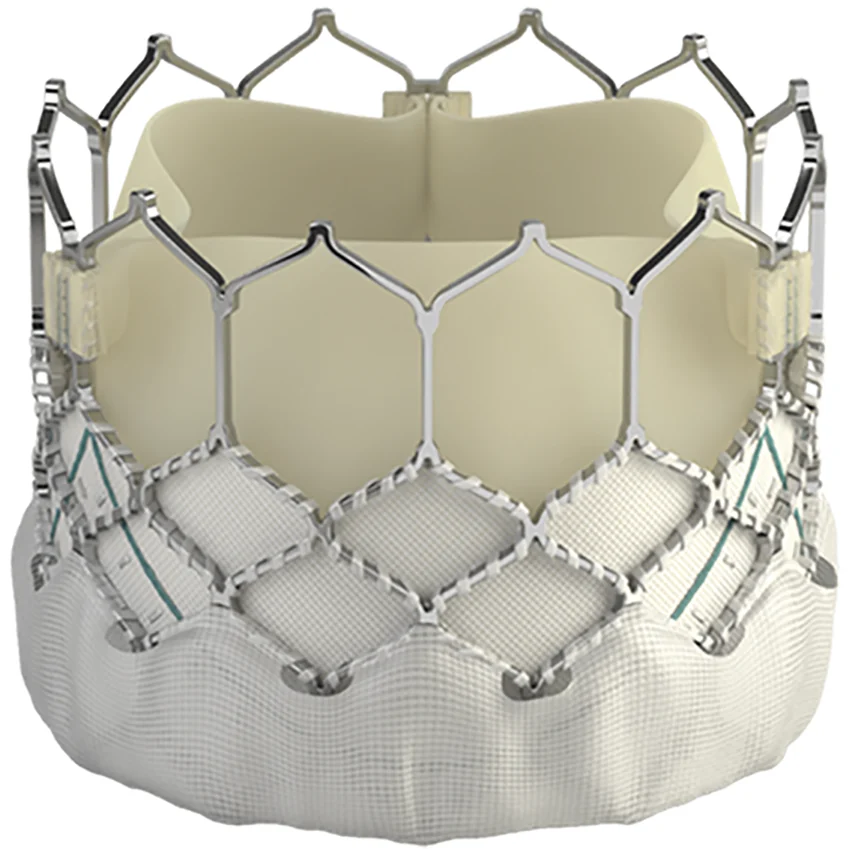
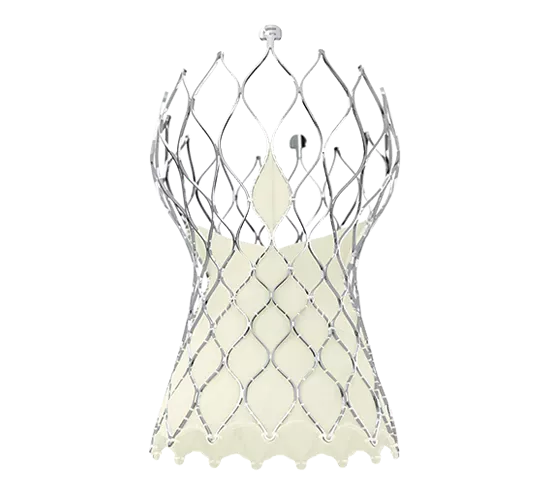
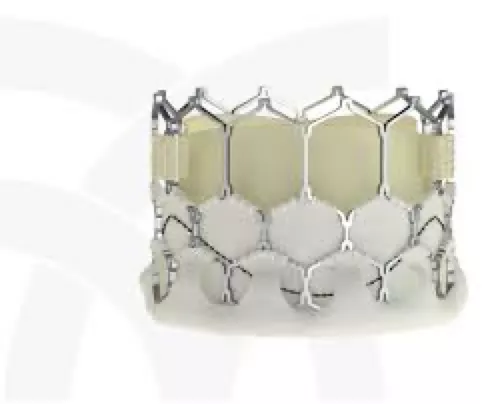
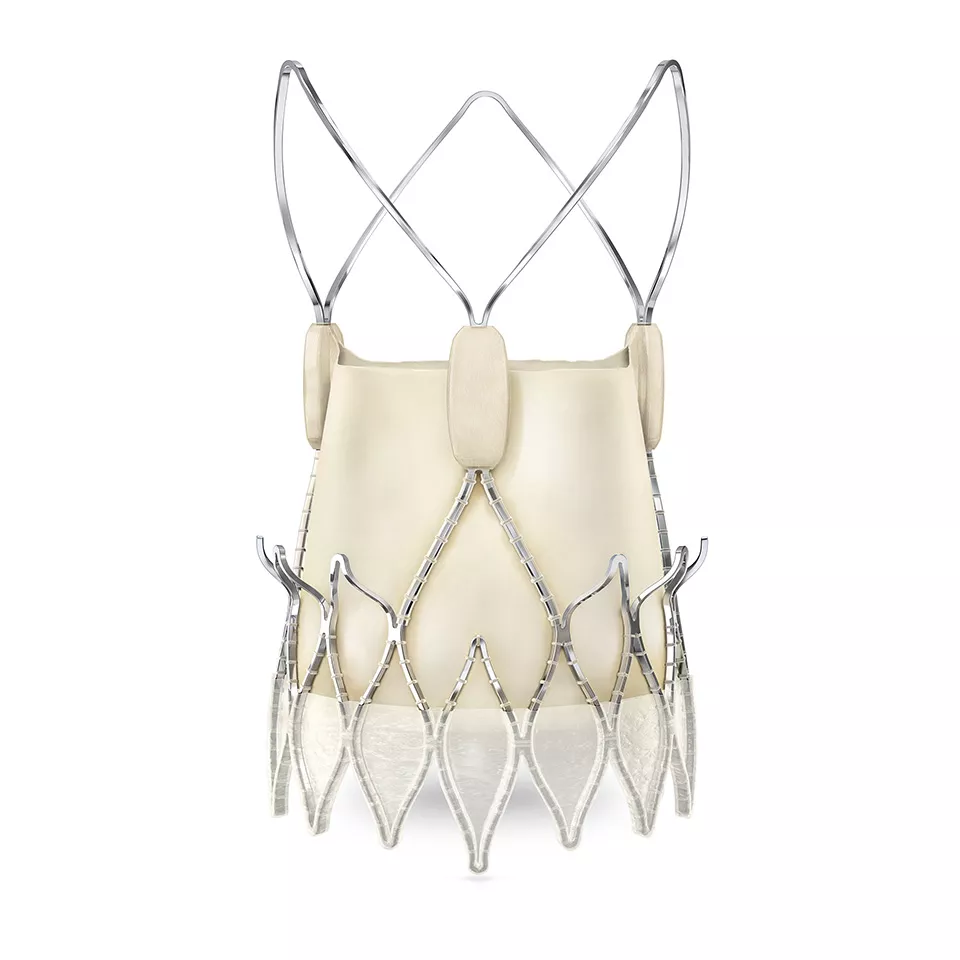
All of these valves are of animal origin, that is to say biological, either porcine or bovine. The information described here may change as the technology advances and, above all, as more TAVR devices become available in Mexico.
Is there any advantage of one valve brand over another?
Each TAVR brand has its own characteristics and advantages. It is important to bear in mind that clinical results vary between the different TAVR brands, and that what is suitable for one patient may not be suitable for another.
Some of the advantages reported for certain TAVR brands include greater ease of implantation, a lower incidence of complications such as leaks and blocks in the heart's electrical conduction, and a better quality of life for the patient.
However, it is important that patients and their families discuss with their clinician the specific advantages and disadvantages of each TAVR brand, and how these might affect their individual situation.
Ultimately the decision about which TAVR brand is most suitable for a particular patient should be based on a thorough assessment of their state of health, their medical history and their clinician's recommendations.
What is rehabilitation like after a TAVR?
Rehabilitation after a TAVR can vary depending on the patient's age, general health and the state of the aortic valve before the intervention.
In general, patients can expect a recovery period of several weeks after a TAVR, during which it is important to follow the care and physical activity guidance recommended by their clinician.
During the recovery period, patients will probably need to limit physical activity and avoid certain activities, such as lifting heavy objects or strenuous effort.
Even so, patients may be able to return to many of their everyday activities after a week or two.
In general, rehabilitation after a TAVR includes exercises to strengthen the heart and muscles, along with a gradual resumption of physical activity and a healthy, balanced diet.
Patients should also monitor their blood pressure and heart rate regularly. A formal cardiac rehabilitation programme is recommended after the procedure.
What does a cardiac rehabilitation programme involve?
It refers to a programme adapted individually for each patient after cardiac surgery, after a heart attack or after other forms of cardiovascular disease.
The programme includes exercise, education for the patient and family, and emotional support. All of it is aimed at optimising cardiovascular function and the patient's environment in order to achieve a proper physical and mental recovery.
The cardiac rehabilitation programme begins in hospital after surgery and continues until cardiovascular function is optimised. It can last from three to six months depending on the case.
This can be done outside the hospital, in a specialised practice or clinic with all the necessary medical and technical equipment. The purpose throughout is to improve your health and your quality of life after the operation.
An expert in the field will design a rehabilitation plan with you, adapted to your needs and aimed at recovering function according to the operation you have had.
Cardiology societies, both local and international, strongly recommend a rehabilitation programme after a cardiac intervention in order to improve the results of the operation.
Scientific results and closing thoughts
TAVR has proved to be an effective and safe option for treating severe aortic stenosis in patients who are not suitable for conventional aortic valve replacement surgery. The scientific results for TAVR include:
- Improved quality of life: many patients report a significant improvement in their quality of life after a TAVR, including a reduction in heart failure symptoms and a greater ability to carry out everyday activities.
- Reduced incidence of complications: TAVR has proved to be a safe option for treating aortic stenosis, with a significantly lower complication rate than conventional aortic valve replacement surgery in some studies.
- Improved cardiac function: TAVR has been shown to improve cardiac function and reduce the incidence of heart failure in patients with severe aortic stenosis.
- Reduced hospitalisation: patients who receive a TAVR often have a shorter hospital stay and a faster recovery than those who undergo conventional aortic valve replacement surgery.
Our view as minimally invasive specialists
TAVR is a revolutionary option for treating aortic stenosis, and it has changed the lives of many patients.
With a significantly high success rate and a significantly low complication rate, TAVR has proved to be an effective and safe option for patients who are not suitable for conventional aortic valve replacement surgery.
In addition, patients who receive a TAVR often experience a significant improvement in their quality of life, including a reduction in heart failure symptoms and a greater ability to carry out everyday activities.
TAVR shows what medical progress is capable of when it comes to improving people's lives, and it is an inspiring example of how research and innovation can make a real difference.
If after reading this guide you still have questions and would like to talk to a specialist about your case, don't hesitate to book a free video consultation with us.

About the author
Dr Alejandro Molina is a cardiovascular surgeon practising in Guadalajara, Querétaro and Hermosillo. He trained in cardiothoracic surgery at the Universidad de Guadalajara, completed advanced training in cardiac surgery, minimally invasive surgery, robotic surgery and structural interventions at the University of Montreal, and a fellowship in structural cardiology and TAVR at CHU Bordeaux, France. He performed the first robotic mitral valve repair in the Ángeles Health System and the first robotic heart surgery in Guadalajara.
Medical degree: Universidad Autónoma de Guadalajara, Cédula Profesional 5757260 · Cardiothoracic surgery: Universidad de Guadalajara, Cédula de Especialidad 10768871 · Current certification, Consejo Nacional de Cirugía del Tórax, no. 447
Talk to a specialist
Request a free video consultation to clear up your questions and make a better-informed decision.