

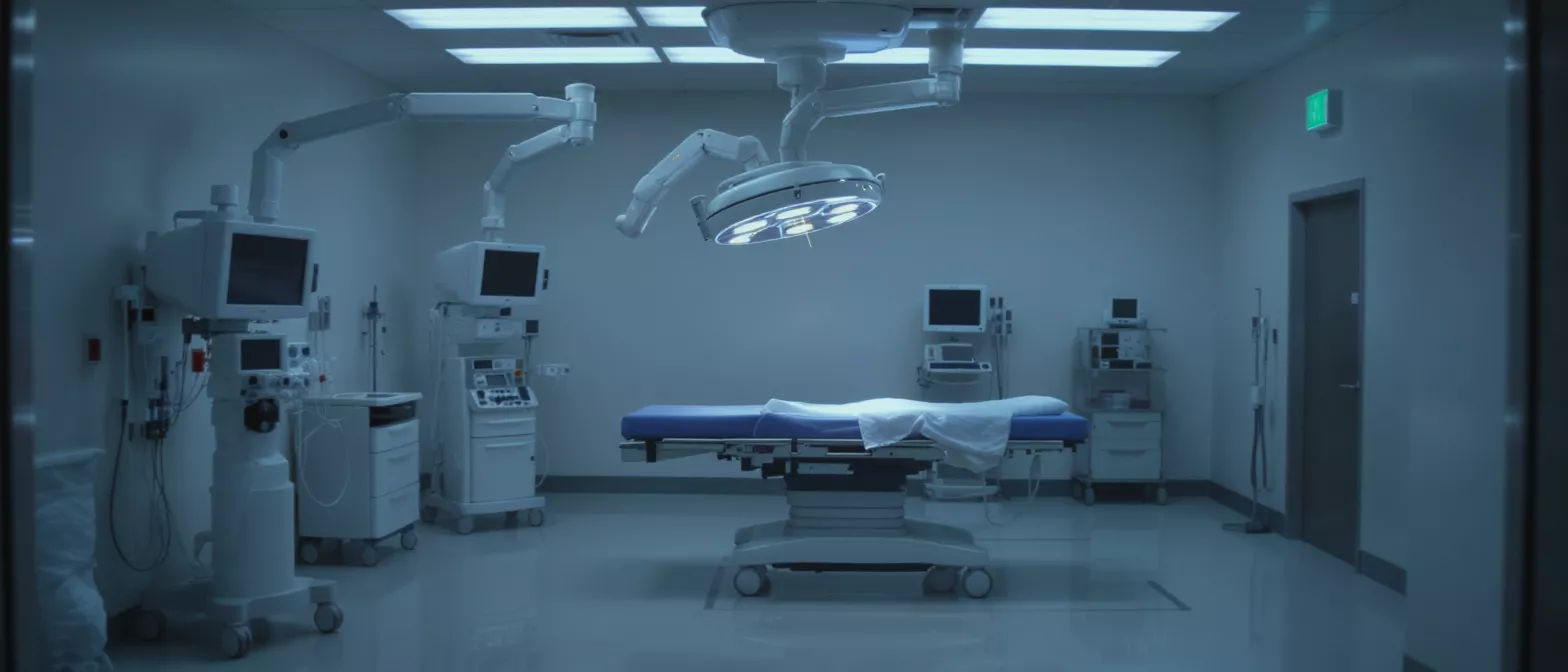
Catheterisation Laboratory
Learn how a catheterisation laboratory diagnoses and treats heart conditions, what to expect during procedures, and why cath labs matter.
What is a catheterisation laboratory?
A catheterisation laboratory is a specialised room in a hospital where doctors perform minimally invasive procedures to diagnose and treat heart conditions. Instead of opening the chest with a large incision, cardiologists reach the heart through a small tube called a catheter, usually guided from the groin or wrist. This room is often simply called a cath lab, and it is one of the most important areas in modern cardiac care. Understanding its purpose helps patients and families feel more confident before a scheduled procedure.
These laboratories are filled with high-resolution imaging equipment that allows the medical team to see the heart and blood vessels in real time. The environment is designed to be completely sterile, much like an operating room, to prevent any risk of infection. Patients are typically awake but lightly sedated, meaning the approach is far less daunting than traditional open-heart surgery. The team includes cardiologists, nurses, and technologists all trained specifically for these delicate procedures.
For anyone facing heart issues, knowing what happens inside this room demystifies the experience. The goal is always to gather precise information about the heart’s structure and function, or to fix blockages right then and there. It represents a bridge between diagnosis and treatment, often providing immediate answers that a regular electrocardiogram or physical exam cannot.
How does cardiac catheterisation work?
Understanding the procedure: Cardiac catheterisation works by threading a thin, flexible tube through the body’s arterial system directly to the heart. The doctor makes a tiny needle puncture in the skin, usually at the radial artery in the wrist or the femoral artery in the groin. Once the tube is in place, a special contrast dye is injected to make the blood vessels show up clearly on the X-ray monitors.
Visualising the heart: As the dye moves through the coronary arteries, the X-ray machine captures rapid images. This process, known as fluoroscopy, lets the cardiologist watch blood flow in real time to spot any narrowings or blockages. If a severe blockage is found, the doctor can often treat it immediately by inflating a small balloon and placing a stent to hold the artery open, restoring healthy circulation.
The entire journey is mapped out with extreme precision to ensure the catheter reaches the correct chamber of the heart or the specific coronary artery that needs attention. Patients usually feel only mild pressure at the insertion site, not pain in the chest, because the inner walls of the blood vessels do not have pain receptors. The medical team monitors vital signs constantly to keep the patient comfortable and safe throughout the process.
What to expect in a heart cath lab
Walking into a heart cath lab for the first time can feel overwhelming, but knowing the routine helps ease anxiety. The room is kept cool to protect the sensitive electronic imaging equipment, so patients are given warm blankets for comfort. Large monitors hang from the ceiling, and a specialised moving table sits in the centre of the room to position the patient perfectly beneath the X-ray camera.
Preparation phase: Before the procedure begins, a nurse carefully cleanses the insertion site with an antiseptic solution and places sterile drapes over the body. The cardiologist administers a local anaesthetic to numb the skin, which might cause a brief sting. Once the area is numb, patients should only feel gentle pressure as the catheter is guided into place.
Throughout the study, the staff explains each step so there are no surprises. Patients might be asked to take a deep breath or hold still for a few seconds while an image is captured. The atmosphere is highly controlled, with the team communicating clearly and calmly to ensure the patient remains relaxed and informed from start to finish.
Coronary angiography and cath lab procedures
Coronary angiography is the most common procedure performed in this setting, and it serves as the gold standard for evaluating heart health. By injecting contrast dye into the coronary arteries, doctors can see exactly where cholesterol plaques have built up and restricted blood flow. This map of the heart’s blood supply is essential for deciding whether a patient needs medication, a stent, or bypass surgery.
Diagnostic versus interventional: Some visits are purely diagnostic, meaning the doctor is just taking pictures to confirm a diagnosis. Others are interventional, where the team actively treats a problem during the same session. If an angiogram reveals a dangerous narrowing, the cardiologist can perform an angioplasty to widen the vessel and implant a tiny wire mesh tube to keep it propped open.
- Coronary angiography: Uses X-ray imaging and contrast dye to locate blockages in the arteries supplying the heart muscle.
- Angioplasty and stenting: Uses a tiny balloon to open a narrowed artery, often leaving a stent to maintain blood flow.
- Right heart catheterisation: Measures pressures inside the heart chambers to evaluate heart failure or pulmonary hypertension.
Why the cath lab matters for heart patients
The cath lab matters because it provides definitive answers that non-invasive tests sometimes cannot. While echocardiograms and stress tests are highly useful, they rely on indirect clues. The cath lab allows a cardiologist to see the actual anatomy of the heart, measuring pressures and visualising blockages directly. This level of precision is crucial when a patient has unexplained chest pain or abnormal stress test results.
Rapid intervention: In emergencies, such as a heart attack, the cath lab becomes a life-saving environment. Instead of waiting to see if clot-busting drugs work, an interventional cardiologist can physically open the blocked artery within minutes of the patient arriving. This rapid response, known as primary angioplasty, saves heart muscle and dramatically improves long-term survival.
For scheduled patients, the value lies in peace of mind and targeted treatment. Knowing exactly what is happening inside the heart allows the medical team to tailor a care plan to the individual’s specific anatomy. It transforms uncertainty into an actionable roadmap for recovery and long-term heart health.
Types of cardiac diagnostics in the cath lab
Beyond looking at the arteries, these specialised labs offer a range of diagnostic evaluations. Doctors can assess how well the heart muscle pumps blood, check the function of the heart valves, and look for structural defects that might have been present since birth. Each test provides a different piece of the puzzle, helping the cardiology team build a complete picture of cardiovascular health.
Haemodynamic assessments: By measuring pressures inside the heart chambers and the main lung artery, doctors can evaluate how hard the heart is working. This is especially useful for diagnosing heart failure or determining the severity of valve disorders like mitral stenosis. The data gathered here directly guides the decision to repair or replace a faulty valve.
These diagnostics are minimally invasive and usually require only a few hours in the hospital. The precision of the imaging allows for early detection of problems before they become dangerous. Finding a minor blockage or a small structural issue early means it can be managed effectively with medication or a simple intervention, preventing more serious complications down the road.
Cath lab equipment and interventional cardiology
The success of interventional cardiology relies heavily on the sophisticated equipment found in the catheterisation laboratory. High-definition flat-panel detectors replace older image intensifiers, delivering crystal-clear pictures with lower radiation doses. Advanced software helps measure the exact size of blood vessels and blockages, ensuring that stents are placed with millimetre accuracy.
Imaging technology: The most crucial piece of hardware is the C-arm, an X-ray unit that arcs over the patient to capture images from multiple angles without moving the table. Combined with contrast dye, this system provides a continuous, real-time view of the beating heart. If a patient needs specialised imaging, the lab might also use intravascular ultrasound catheters to look at the artery walls from the inside out.
The entire setup is designed for speed and safety. Monitors display the patient's heart rhythm, blood pressure, and oxygen levels constantly. This integration of imaging and physiological monitoring allows the cardiologist to work with complete confidence, knowing that the team can react instantly to any changes in the patient's condition during the procedure.
Are catheterisation lab procedures safe?
Yes, procedures performed in a cath lab are widely considered safe and have been performed millions of times worldwide. Because they avoid large incisions and general anaesthesia, the risk of major complications is very low. Most patients go home the same day or after a brief overnight observation, depending on the complexity of the intervention.
Risk management: While risks do exist, they are typically minor and easily managed. The most common issues are mild bruising or tenderness at the insertion site in the wrist or groin. The medical team takes extensive precautions, including sterile techniques and continuous monitoring, to prevent infections and ensure the patient remains stable throughout the study.
Patients with severe allergies to contrast dye or those with advanced kidney disease require special consideration, but alternative imaging methods or pre-medication protocols can usually be arranged. The cardiologist will always review a patient's full medical history to ensure that the benefits of the procedure far outweigh any potential risks. Open communication with the care team is the best way to ensure a safe and smooth experience.
Recovery after cardiac catheterisation
Recovery from cardiac catheterisation is generally quick and straightforward. Immediately after the procedure, the catheter is removed and firm pressure is applied to the insertion site to stop any bleeding. If the wrist was used, a specialised compression band is applied; if the groin was used, the patient might need to lie flat for a few hours to ensure proper healing.
Post-procedure care: Patients are moved to a recovery area where nurses closely monitor the pulse and blood pressure in the affected limb. It is normal to feel some mild soreness for a day or two, but severe pain is rare. Strenuous activity and heavy lifting should be avoided for a short period to allow the small puncture in the artery to seal completely.
Before going home, the cardiologist often meets with the patient to discuss the initial findings of the study. A more detailed follow-up appointment is usually scheduled to review the results comprehensively and adjust medications if necessary. Following the doctor’s instructions regarding hydration and activity ensures a smooth return to daily life without complications.
Catheterisation laboratory services in Guadalajara
Access to high-quality cardiac care is vital, and Guadalajara offers excellent facilities equipped for these advanced procedures. A modern cardiac catheterisation lab combines experienced interventional cardiologists with cutting-edge imaging technology to provide top-tier diagnostics and treatments. Patients in the region can access comprehensive cardiac care without needing to travel far from home.
Local expertise: The cardiology teams here are trained in the latest minimally invasive techniques, ensuring that patients receive care based on international best practices. From routine coronary angiograms to emergency interventions for heart attacks, the focus is always on patient safety and optimal outcomes. The integration of these services within a broader cardiac surgery program means patients have a seamless path if they need more advanced surgical treatments.
Choosing the right facility is about finding a team that communicates clearly and makes you feel safe. At Cirugía de Corazón, we prioritise patient education and compassionate care. Understanding what happens in a cath lab is the first step, and having a dedicated team to guide you through the process makes the journey to better heart health much less stressful.






