What Is Coronary Bypass Surgery? Procedure, Recovery, and Risks
Discover how bypass surgery works: the procedure, recovery timeline, risks, and success rates.
What is bypass surgery?
Bypass surgery, formally known as coronary artery bypass grafting, is a major cardiovascular procedure designed to improve blood flow to the heart muscle. When the coronary arteries become narrowed or blocked by plaque buildup—a condition known as atherosclerosis—the heart is deprived of adequate oxygen. This restriction can lead to severe chest pain, known as angina, or a heart attack. The surgical procedure reroutes, or bypasses, the blocked artery by using a healthy blood vessel taken from another part of the body to create a new pathway for blood to reach the heart.
Understanding the critical role of the heart's circulation helps patients grasp why this intervention is so vital. The heart requires a constant supply of oxygen-rich blood to pump effectively, and when its own supply lines are compromised, the entire body's cardiovascular system suffers. A surgeon performing advanced circulatory support garments often compares the process to a traffic detour: when a main road is completely blocked by construction, traffic is rerouted onto a clear side road. Similarly, CABG procedure builds a biological bridge around the obstructed arterial segment. Extensive clinical research, accessible via PubMed, demonstrates that restoring this blood flow significantly reduces cardiac mortality in patients with severe multi-vessel disease.
How does coronary bypass surgery work?
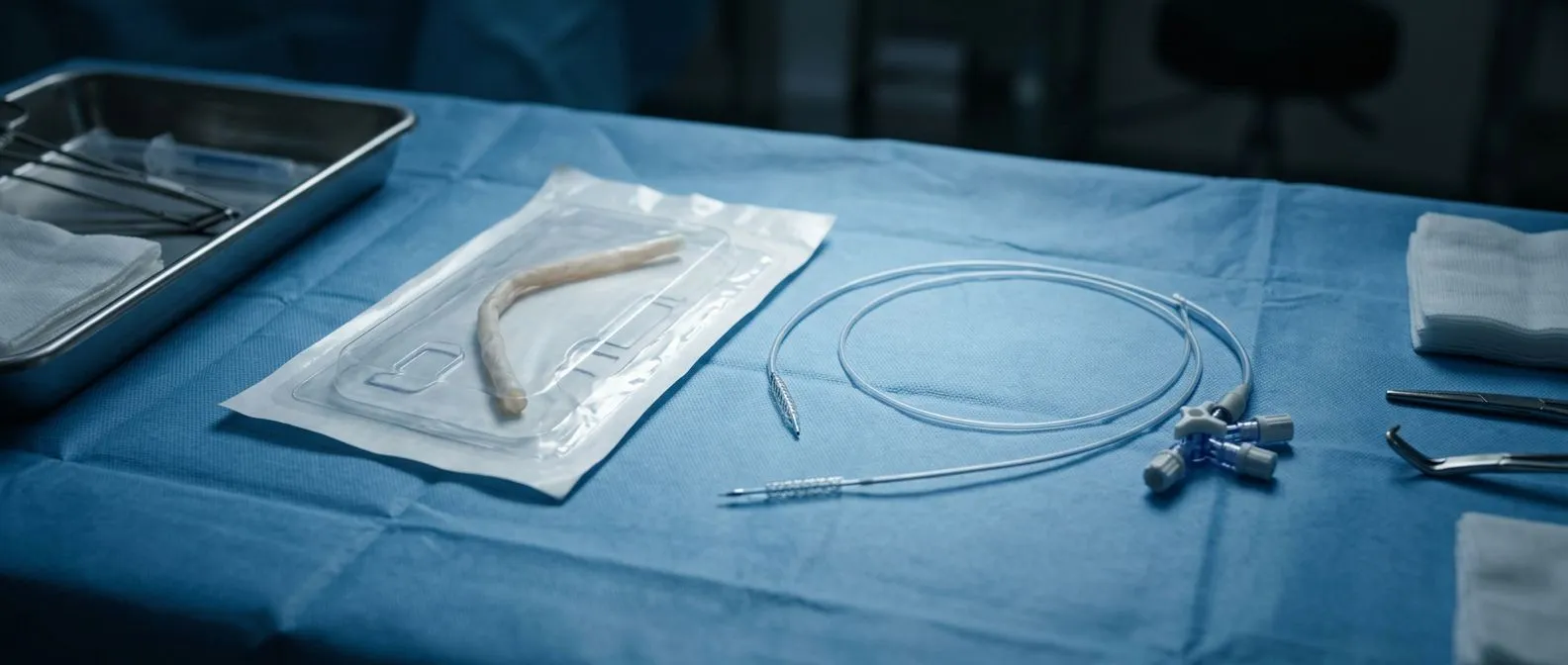
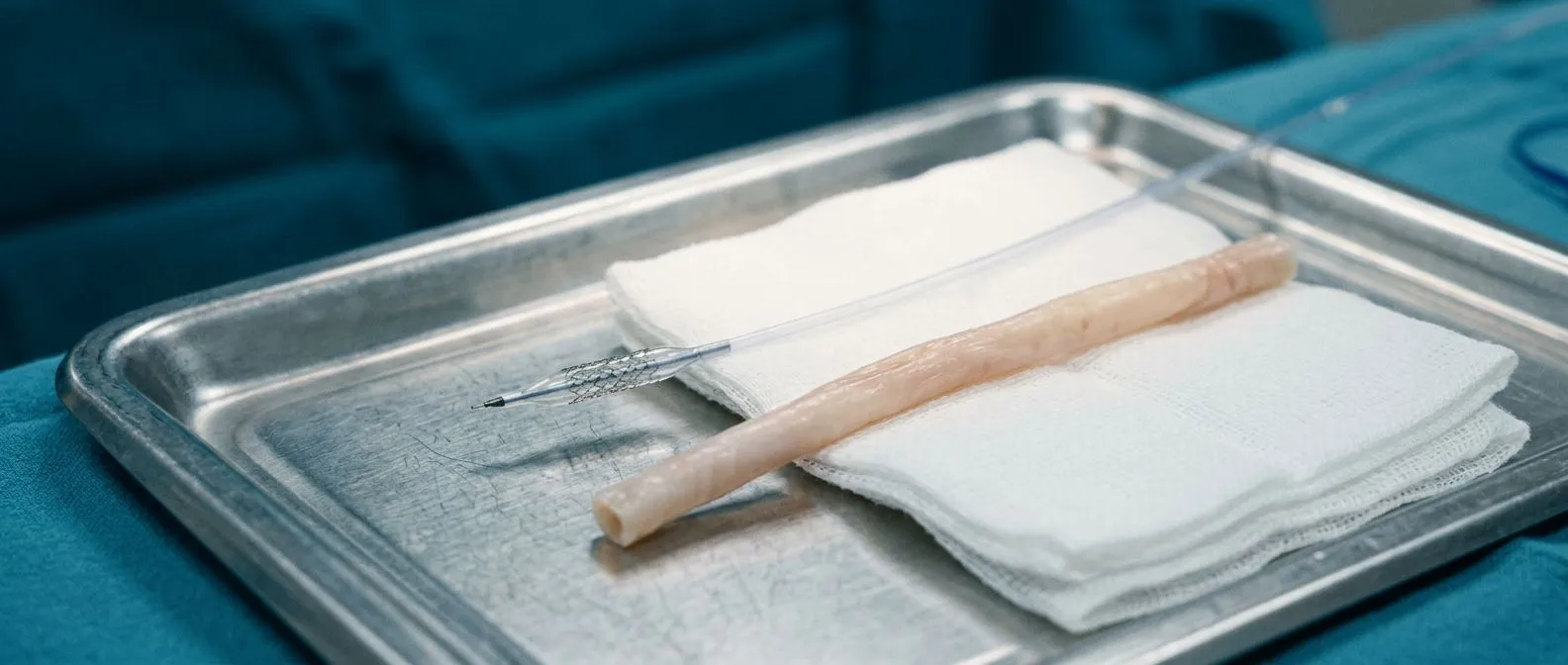
The mechanics of heart bypass surgery rely on creating a durable, new route for blood delivery. Surgeons typically harvest a healthy artery or vein from the patient's chest, leg, or arm. The internal mammary artery, located in the chest, is highly preferred because it has shown excellent long-term patency rates compared to saphenous veins harvested from the legs. Once the conduit is prepared, one end is attached to the aorta, the largest artery in the body, or remains connected to its natural origin in the chest.
The distal end of the harvested vessel is then precisely grafted onto the coronary artery just beyond the point of the severe blockage. This meticulous anastomosis allows blood to flow freely from the Abdominal Aorta or thoracic aorta, through the graft, and directly into the oxygen-starved heart muscle. Patients recovering from this extensive trauma often benefit from post-surgical abdominal compression binders to support the torso and reduce early recovery discomfort. The newly established pathway immediately restores hemodynamic flow, alleviating symptoms like exertional chest pain and shortness of breath.
The biological integration of the graft is a crucial phase. Over time, the grafted vessel adapts to its new role, accommodating the pulsatile flow of arterial blood. Studies evaluating how systemic inflammation affects vascular grafts, such as the landmark paper on Gut flora metabolism of phosphatidylcholine promotes cardiovascular disease, highlight the importance of addressing underlying metabolic factors to keep these bypasses open. Proper functioning of the bypass depends on the patient's overall vascular health and careful management of lipids and blood pressure.
Types of heart bypass surgery procedures
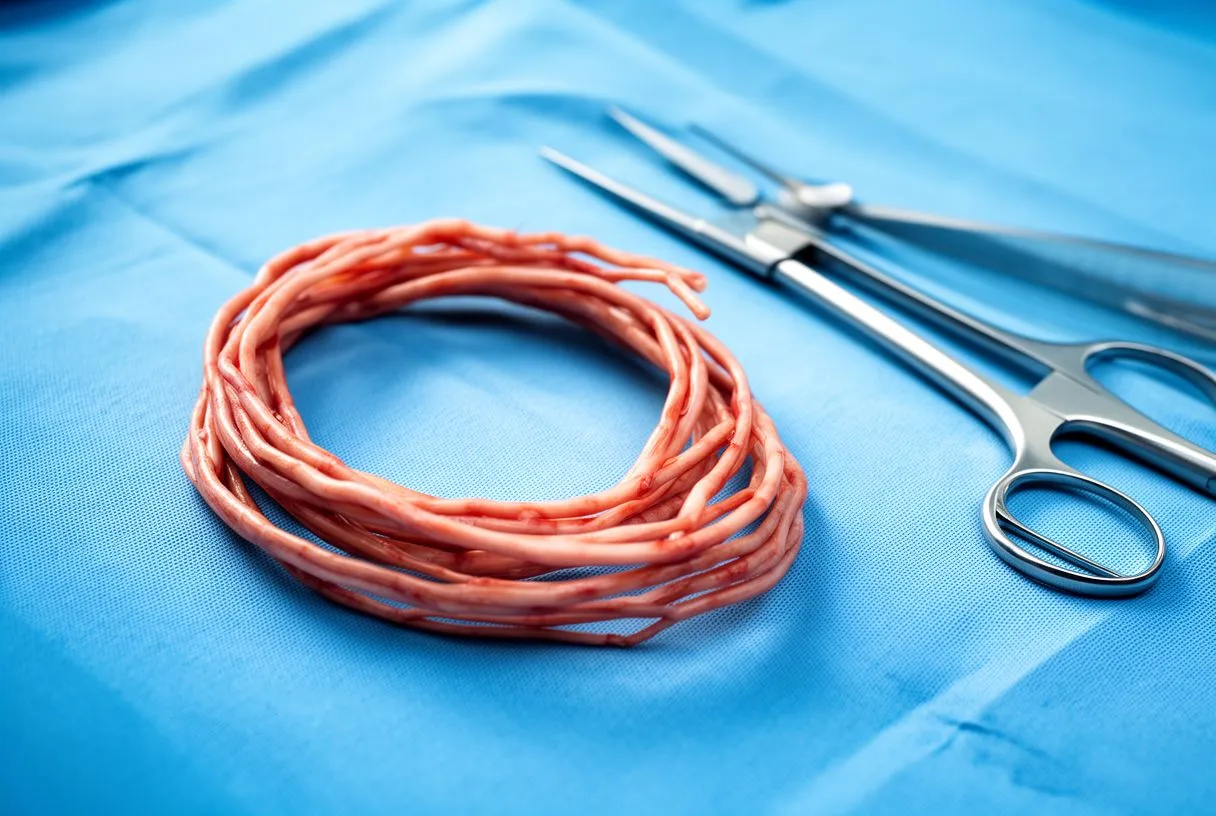
The terminology surrounding bypass procedures often refers to the number of arteries bypassed during a single operation. Single, double, triple, and quadruple bypasses: when a patient has multiple blockages in different coronary arteries, the surgeon will perform multiple grafts to restore blood flow to all affected areas. Triple bypass surgery indicates that three separate coronary arteries have been bypassed, while a double bypass surgery means two vessels were grafted. The specific number is dictated entirely by the patient's angiogram results and the extent of their coronary disease.
Beyond the number of grafts, the surgical technique is a critical differentiator. The most traditional approach involves a full median sternotomy, where the surgeon opens the chest through the sternum and utilizes a heart-lung machine. This machine temporarily takes over the function of the heart and lungs, allowing the organ to be completely still while the delicate suturing is performed. This technique, known as on-pump surgery, provides a motionless surgical field but involves significant physiological stress.
Conversely, off-pump bypass surgery, or beating-heart surgery, is performed without stopping the heart. Surgeons use specialized stabilization devices to hold a small section of the heart still while the graft is attached, allowing the remainder of the organ to continue beating naturally. This approach can reduce certain complications associated with the heart-lung machine, such as an increased risk of Acute Kidney Injury. Surgeons utilizing a 3D Endoscopic Camera can also perform minimally invasive direct coronary artery bypass, utilizing smaller incisions rather than fully opening the chest cavity.
Best candidates for coronary artery bypass grafting
Determining who requires CABG is a complex clinical decision. Severe multi-vessel disease: patients who have significant blockages in the left main coronary artery or in all three major coronary arteries are the primary candidates for bypass surgery. When the left main artery is severely narrowed, it is considered a critical condition because a blockage here can compromise a large portion of the heart's blood supply. In these cases, surgical intervention is highly prioritized over percutaneous coronary interventions like stents.
Patients who have previously undergone stent placement but experienced restenosis—or a re-narrowing of the artery—are also prime candidates. If diabetes is present alongside complex multi-vessel disease, coronary bypass is often preferred over stenting due to superior long-term survival rates. Diabetic patients often present with diffuse, calcified plaques that respond poorly to balloon angioplasty or stent deployment. The metabolic burden of diabetes accelerates atherosclerosis, making a definitive mechanical bypass more resilient than localized stent therapies.
Individuals experiencing Acute Aortic Syndrome or severe, refractory Angina that cannot be managed with medication alone may require emergency surgical intervention. Furthermore, patients with a weakened heart muscle, or low ejection fraction, benefit significantly from the revascularization that bypass provides. The goal is to restore perfusion to hibernating myocardium—heart muscle that is alive but not functioning optimally due to poor blood supply—improving the heart's overall pumping capacity and preventing the progression toward Acute Respiratory Distress Syndrome or severe systemic heart failure.
Bypass surgery procedure step by step
The day of the operation is meticulously orchestrated. Preparation and anesthesia: once the patient enters the operating room, an Anaesthetist administers general anesthesia, ensuring complete unconsciousness and lack of pain throughout the procedure. A breathing tube is inserted to assist with respiration, and lines are placed to monitor vital signs continuously. The patient's chest is then sterilized with surgical-grade antiseptic to prevent infection.
The surgeon begins by making the primary incision down the center of the chest, dividing the sternum to access the heart. Simultaneously, another surgical team often works to harvest the healthy blood vessels needed for the grafts. The great saphenous vein from the leg or the radial artery from the arm is commonly removed using endoscopic techniques. If the procedure is an on-pump operation, the patient is connected to the cardiopulmonary bypass machine, and the heart is stopped using a specialized cold preservation solution to induce cardioplegia.
With the heart still and protected, the surgeon meticulously attaches the harvested vessels to the coronary arteries just beyond the blockages. This phase requires extreme precision and magnification, as the coronary arteries are often only a few millimeters in diameter. Once all necessary grafts are in place, the heart is allowed to resume beating, and the patient is weaned off the heart-lung machine. The sternum is wired back together, and the layers of chest tissue are closed with dissolvable sutures. Immediate post-operative monitoring occurs in the intensive care unit, where the patient is closely observed for hemodynamic stability.
Bypass surgery recovery timeline and expectations
Heart bypass surgery recovery time varies, but it follows a generally predictable arc. The first 24 to 48 hours are spent in the intensive care unit, where medical staff monitor for any signs of bleeding, arrhythmias, or compromised graft function. Once the breathing tube is removed and the patient is stable, they are transferred to a step-down unit. During this early phase, medical-grade recovery wedges are often utilized to keep the torso elevated, promoting optimal lung expansion and reducing pleural effusion.
The hospital stay typically lasts five to seven days. Cardiac rehabilitation: begins almost immediately, with nurses encouraging the patient to sit up, stand, and walk short distances within a day or two of leaving the ICU. This early mobility is crucial for preventing blood clots and pneumonia. Pain management is a priority, as poorly controlled pain limits a patient's willingness to participate in essential early ambulation.
Full recovery requires significant dedication at home. Most patients can return to light activities within four to six weeks, though complete healing of the sternum takes six to eight weeks. Patients must avoid heavy lifting and driving during this initial phase to protect the chest incision. Cardiovascular outcomes are heavily influenced by addressing systemic risk factors, a concept emphasized in the Global, regional, and national comparative risk assessment of 84 behavioural, environmental and occupational, and metabolic risks study, which details how modifying metabolic risks drastically improves surgical survival.
Post bypass surgery care and lifestyle changes
Long-term success relies entirely on post bypass surgery care and aggressive lifestyle modification. The surgical procedure addresses the mechanical blockages, but it does not cure the underlying disease of atherosclerosis. Without lifestyle changes, the newly placed grafts will eventually succumb to the same plaque buildup. Dietary adjustments are paramount, focusing on a heart-healthy regimen low in saturated fats, trans fats, and refined sugars.
Medical management is a lifelong commitment following CABG. Patients are routinely prescribed an ACE Inhibitor to manage blood pressure and reduce cardiac workload, along with statins to lower cholesterol and stabilize existing plaques. Anticoagulants or antiplatelet agents, sometimes historically studied in trials like AFASAK, are often used to prevent graft thrombosis. Routine use of medications like Amiodarone may be necessary if the patient develops post-operative atrial fibrillation. Addressing secondary conditions like Anaemia is also vital to ensure optimal oxygen delivery to the healing myocardium.
- Exercise Routine: Aerobic Training is the cornerstone of secondary prevention. Supervised cardiac rehab helps patients safely increase their exertion tolerance and rebuild cardiovascular endurance without overtaxing the healing heart.
- Medication Adherence: Taking prescribed blood thinners, beta-blockers, and cholesterol medications exactly as directed prevents graft closure and stabilizes vascular endothelium.
- Dietary Shifts: Adopting a Mediterranean or DASH diet limits dietary cholesterol and sodium, directly targeting the root cause of arterial plaque formation.
Bypass surgery risks and potential complications
While coronary bypass surgery is a highly refined and common procedure, it remains a major open-heart surgery with inherent risks. Bleeding and infection: excessive bleeding during or after the operation is a primary concern, occasionally requiring blood transfusions. Infection at the sternal incision site can occur, and in severe cases, may lead to mediastinitis, a life-threatening infection of the chest cavity. Meticulous surgical technique and strict sterile protocols minimize these occurrences, but they remain recognized complications.
Neurological complications are also a known risk. The use of the heart-lung machine can sometimes dislodge micro-emboli into the bloodstream, potentially causing a stroke or temporary neurocognitive decline. Patients may experience memory loss or difficulty concentrating in the weeks following the procedure. The risk of stroke is higher in elderly patients or those with pre-existing vascular disease, such as an Abdominal Aortic Aneurysm. Arrhythmias: atrial fibrillation is the most common post-operative arrhythmia, affecting a significant percentage of bypass patients and requiring temporary or permanent intervention.
Organ dysfunction represents another tier of potential complications. The physiological stress of surgery and the use of bypass circuits can impair renal function, sometimes leading to Acute Kidney Injury. Signs of poor peripheral perfusion, such as an Absent Pulse in the lower extremities, are carefully monitored to ensure adequate cardiac output. Bloating or Abdominal Distension can occur as part of systemic inflammatory response syndrome, requiring careful fluid management. Ultimately, these complications can impact All-cause Mortality rates, underscoring the necessity of having a highly specialized surgical team.
Bypass surgery success rate and survival outcomes
The bypass surgery survival rate is remarkably high, reflecting decades of surgical refinement and perioperative care improvements. The immediate operative mortality is exceptionally low, often less than two percent for elective procedures in low-risk patients. The grafts themselves have varying long-term patency rates; arterial grafts remain open at higher rates over a decade compared to venous grafts. This longevity is why surgeons prioritize using the internal mammary artery whenever clinically feasible.
Survival outcomes depend heavily on the patient's adherence to post-operative medical regimens. The long-term success is measured not just by the patency of the grafts, but by the reduction of major adverse cardiac events. Patients who successfully quit smoking, control diabetes, and manage hypertension enjoy significantly higher survival rates over ten years compared to those who do not modify their risk factors. The structural integrity of the vessel walls, particularly the Adventitia, plays a role in long-term graft stability.
This technological integration reduces surgical trauma and contributes to faster recovery. When evaluating long-term health, managing systemic metabolic burdens is key. The physiological impact of untreated risk factors can be profound; in severe cases, the systemic stress from untreated cardiovascular disease can parallel the severity of a condition requiring interventions from an Aerobic Training regimen to avoid overt heart failure.

Bypass surgery alternatives and cost considerations
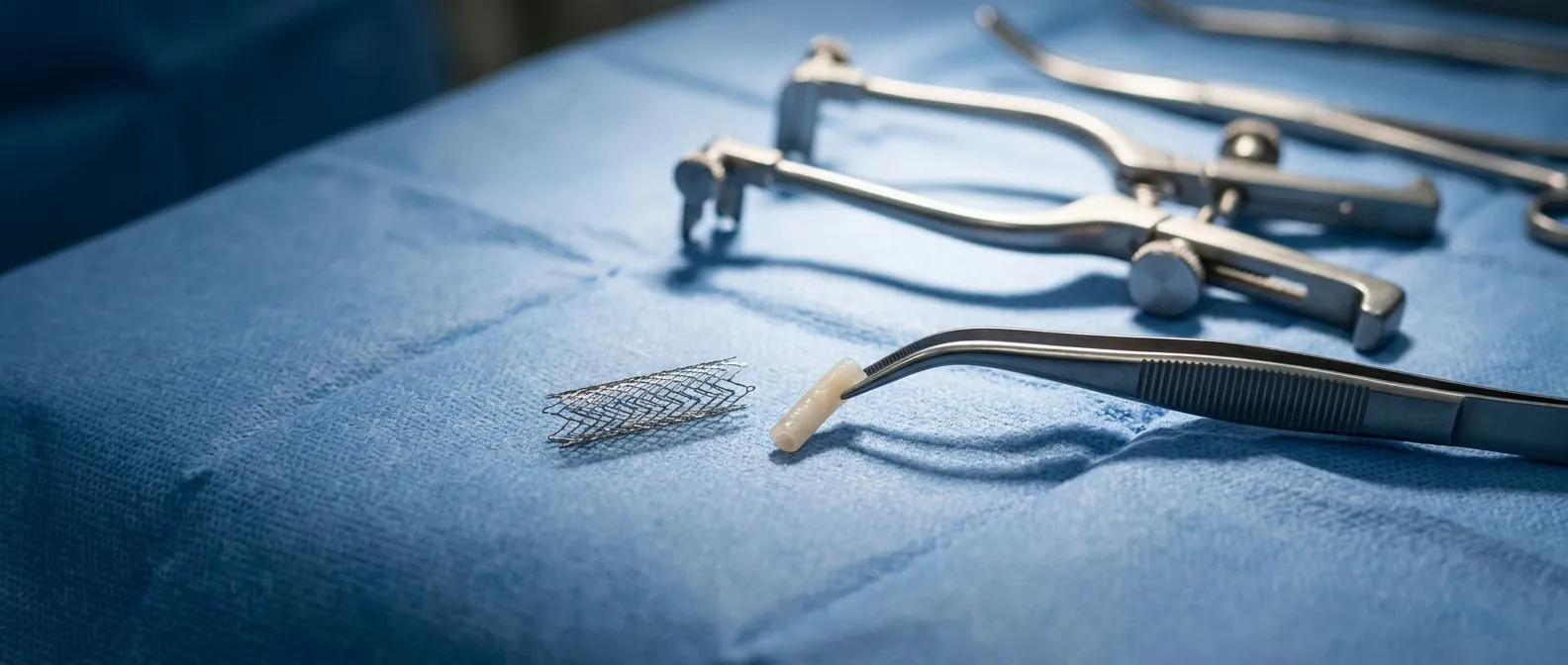
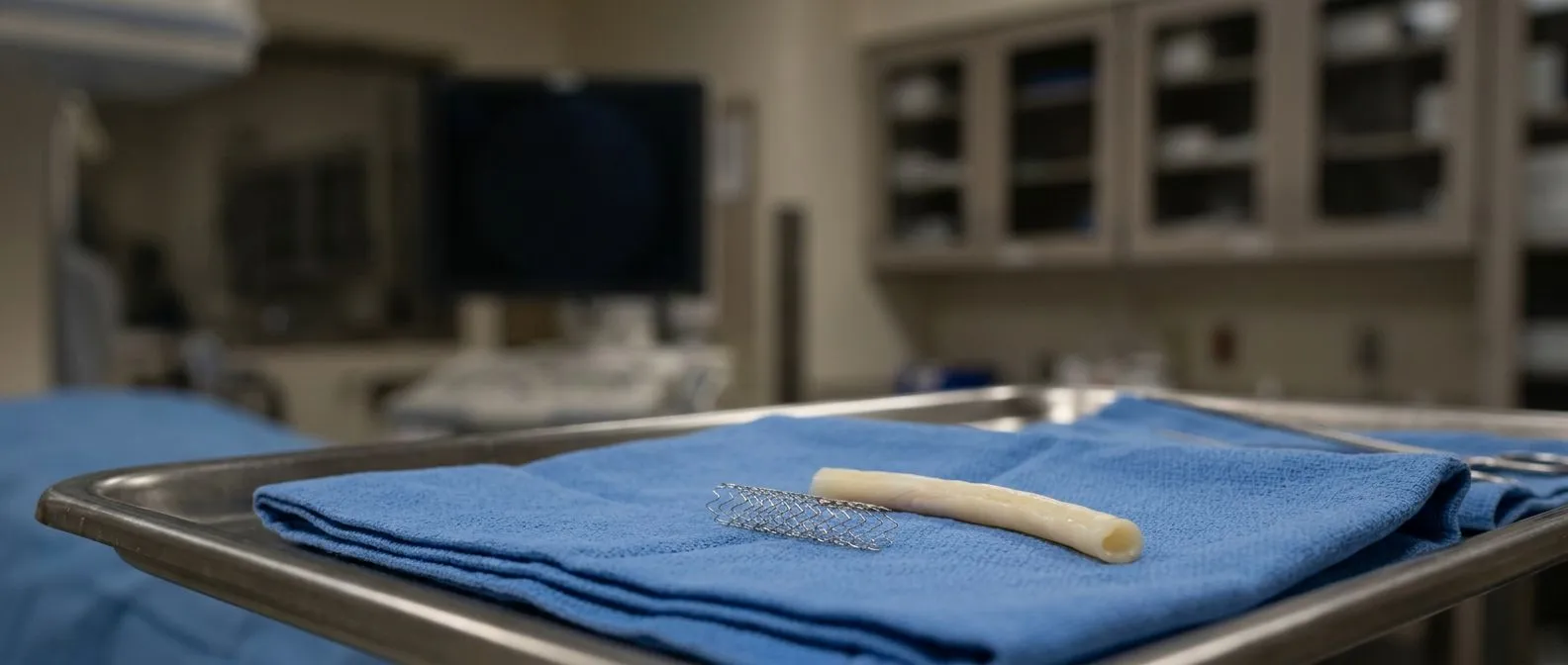
When evaluating treatment options for severe coronary artery disease, understanding the coronary bypass surgery cost and comparing it to alternatives is essential. Stenting versus surgery: percutaneous coronary intervention (PCI), commonly known as stenting, is a less invasive alternative. During PCI, a catheter is threaded through an artery in the groin or wrist, and a tiny mesh tube is deployed to prop open the blockage. Stents, usually coated with antiproliferative drugs to reduce restenosis, are generally preferred for single or double vessel disease.
However, for patients with complex, multi-vessel disease, especially those with diabetes, coronary bypass surgery demonstrates superior long-term survival and a significantly lower need for repeat revascularization. While the initial cost of CABG is higher than that of stenting due to the extended hospital stay and operating room resources, the long-term financial burden can be lower because of reduced need for repeat procedures and fewer major cardiac events. The decision is rarely based on cost alone; it relies heavily on the anatomical complexity of the disease.
Medications alone are rarely sufficient for severe blockages, though they are critical for managing stable angina. Some patients with localized blockages and mild symptoms may be managed with optimal medical therapy, relying on beta-blockers, nitrates, and antiplatelet drugs. However, when symptoms become debilitating or imaging shows critical anatomical compromise, relying solely on medication is no longer a viable strategy. Surgical intervention remains the definitive mechanical solution to restore life-sustaining blood flow to the heart muscle.
About the author
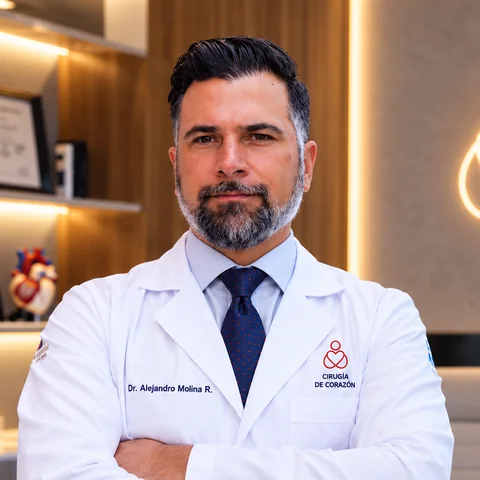
Dr Alejandro Molina is a cardiovascular surgeon practising in Guadalajara, Querétaro and Hermosillo. He trained in cardiothoracic surgery at the Universidad de Guadalajara, completed advanced training in cardiac surgery, minimally invasive surgery, robotic surgery and structural interventions at the University of Montreal, and a fellowship in structural cardiology and TAVR at CHU Bordeaux, France. He performed the first robotic mitral valve repair in the Ángeles Health System and the first robotic heart surgery in Guadalajara.
447