

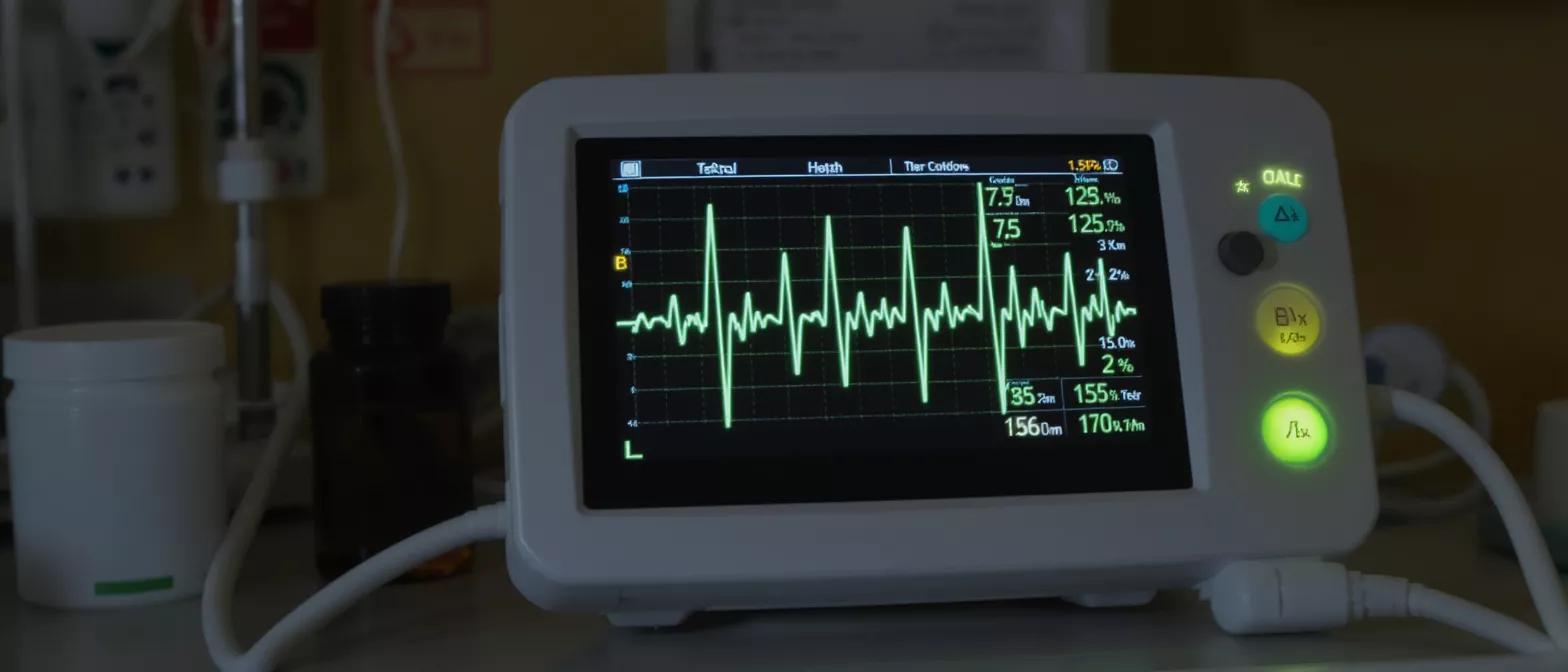
Arrhythmia
Learn about arrhythmia, its causes, symptoms, diagnosis, and treatment options at Cirugía de Corazón in Guadalajara.
What Is Arrhythmia?
An arrhythmia is an irregular heartbeat that occurs when the electrical signals coordinating your heartbeats fail to function correctly. For a patient preparing for cardiac surgery or monitoring a heart condition, hearing this word can be frightening, but understanding the mechanics helps remove the fear. Your heart relies on a precise, natural pacemaker—the sinus node—to send electrical impulses that tell the muscle when to contract and pump blood.
When these electrical pathways are delayed, blocked, or misfire, the rhythm changes. You might feel like your heart is fluttering, beating too fast, or skipping a beat entirely. Normal sinus rhythm versus arrhythmia: a normal resting heart maintains a steady, predictable pace of 60 to 100 beats per minute, but a heart rhythm disorder disrupts this baseline, making the heartbeat chaotic, excessively slow, or dangerously rapid.
It is important to know that an irregular heartbeat is a symptom or a condition, not a disease itself. Many cases are benign and require only monitoring, while others need medical intervention to prevent complications like stroke or heart failure. A heart rhythm specialist focuses on identifying exactly where the electrical misfire originates so the care plan can be tailored to you.
How Cardiac Arrhythmia Affects the Heart
To grasp how cardiac arrhythmia impacts your body, it helps to visualize the heart as a complex muscular pump with an intricate electrical wiring system. The upper chambers, called the atria, receive blood returning from the body and lungs. The lower chambers, the ventricles, pump that blood back out to nourish your organs. Every heartbeat relies on a synchronized cascade of electrical signals flowing from the top of the heart downward.
When an irregular heartbeat occurs, this synchronized timing is disrupted. Impact on blood flow and oxygen delivery: if the ventricles beat too fast, they do not have enough time to fill completely between contractions, meaning less blood is pushed out to the brain and body. This is why severe episodes can cause dizziness, profound fatigue, or even fainting spells.
For cardiac surgery patients, understanding this mechanical impact is vital. Structural issues in the heart—such as leaky valves or blocked arteries—can stretch or damage the heart muscle, physically altering the electrical pathways. Correcting the underlying structural problem during surgery often resolves or significantly reduces the accompanying rhythm disorder.
What Causes Arrhythmia and Irregular Heartbeat?
Identifying arrhythmia causes is a critical step in determining the right treatment path. The triggers vary widely, ranging from lifestyle factors to underlying structural damage within the cardiac tissue. A specialist will look at your full medical history to pinpoint what might be throwing your heart's electrical system off balance.
Common triggers include high blood pressure, coronary artery disease, electrolyte imbalances, and the aftermath of a previous heart attack. Overactive thyroid glands, excessive caffeine intake, and certain medications can also disrupt normal pacing. By understanding the root cause, we can determine if the issue requires surgical correction or careful medical management.
At Cirugía de Corazón, we evaluate structural arrhythmia risk factors that point to surgical solutions. For instance, severe valve disease often changes the shape and stress of the atria, leading to atrial fibrillation. We encourage proactive consultations, and exploring a specialist cardiac surgery evaluation can provide clarity when structural issues drive the condition.
Common Arrhythmia Symptoms to Watch For
Recognizing arrhythmia symptoms early can prevent mild irregularities from becoming severe cardiac events. Many patients describe a distinct sensation in their chest that alerts them something is off. You might feel a fluttering, a forceful thud against your ribs, or a heart that suddenly races while you are resting on the couch.
Symptoms often extend beyond the chest. When to seek immediate medical attention: if an irregular heartbeat is accompanied by shortness of breath, chest pain, severe dizziness, or sudden fainting, you must seek urgent care. These signs indicate that your brain and vital organs are not receiving adequate blood flow.
Sometimes, a heart rhythm disorder is entirely silent and only discovered during a routine physical exam. Even if you feel fine, a doctor detecting an abnormal pulse should prompt further investigation. Tracking when your palpitations occur—such as during exercise, moments of high stress, or after eating—can provide invaluable diagnostic clues for your care team.
Types of Heart Rhythm Disorders
Cardiologists classify the types of arrhythmia based on their origin and their effect on heart rate. Understanding these categories helps patients know whether their condition is urgent or manageable. A primary distinction is made between rhythms that are too fast and those that are too slow.
Supraventricular versus ventricular arrhythmia: supraventricular rhythms begin in the atria and are often less immediately life-threatening but can cause significant discomfort. Ventricular rhythms originate in the lower pumping chambers and require urgent medical management because they can severely compromise blood circulation.
- Atrial Fibrillation (AFib): The most common type, characterized by rapid, irregular quivering of the upper chambers, which significantly increases stroke risk.
- Bradycardia: A condition where the heart beats too slowly, often below 60 beats per minute, causing fatigue and dizziness due to inadequate blood flow.
- Ventricular Tachycardia: A fast, abnormal rhythm starting in the ventricles that requires immediate medical attention and careful monitoring.
Some patients require long-term symptom support alongside surgical planning.
How Arrhythmia Diagnosis Works
Accurate arrhythmia diagnosis requires precise monitoring tools to capture the heart's electrical activity. Because irregular heartbeats often come and go, a single in-office reading may not be enough. Specific diagnostic tests are used to record the exact moments your rhythm changes.
An electrocardiogram (ECG) is the standard first step, recording the timing and strength of your electrical signals. For intermittent symptoms, you may wear a Holter monitor for a day or two to capture continuous data. Advanced imaging for structural causes: echocardiograms and stress tests show the muscle and valves in motion, revealing whether structural disease is driving the electrical misfire.
For complex cases, an electrophysiology study provides deeper insight. During this procedure, thin wires are guided into the heart to map the exact location of faulty electrical pathways. This highly detailed map dictates whether you need medication, an ablation, or structural surgical repair.
Arrhythmia Treatment Options
Arrhythmia treatment options are highly personalized, depending on the type, severity, and underlying cause of your condition. The goal is to restore a normal heart rate, prevent blood clots, and address any structural disease contributing to the misfiring. Treatment ranges from conservative lifestyle adjustments to advanced surgical interventions.
Medications are often the first line of defense to control the heart rate or reset the rhythm. If medications are insufficient, catheter ablation can precisely destroy the tiny areas of heart tissue generating the abnormal signals. When structural issues like valve disease are the root cause, surgical correction becomes necessary.
For surgical candidates needing immediate, reliable heart rhythm stabilization during a hospital stay, a cardiac event recording monitor may be utilized to ensure postoperative electrical stability. Finding arrhythmia treatment that combines structural repair with electrical management offers the best long-term outcomes for complex cardiac patients.
Are Arrhythmia Treatments Safe?
Patients facing surgery frequently ask, are arrhythmia treatments safe? The answer is generally yes, though all medical procedures carry some level of risk. The safety of any treatment depends entirely on a thorough evaluation of your overall health, the specific type of rhythm disorder, and the expertise of the medical team guiding your care.
Understanding procedural risks: catheter ablation, for example, is minimally invasive but carries small risks of bleeding, infection, or damaging the heart's normal electrical pathways. Medications can cause side effects or interact with other prescriptions, requiring careful monitoring and dose adjustments.
Conversely, leaving a severe heart rhythm disorder untreated poses a much higher danger than the treatments themselves. Untreated atrial fibrillation drastically increases the risk of stroke, while unchecked ventricular arrhythmias can lead to sudden cardiac arrest. At Cirugía de Corazón, Dr Alejandro Molina and our multidisciplinary team weigh these risks carefully, ensuring that the benefits of restoring a healthy heartbeat far outweigh the procedural risks.
Arrhythmia Prevention and Risk Factors
Effective arrhythmia prevention begins with managing the environmental and biological factors that stress the heart. While you cannot change risk factors like aging or family genetics, you can significantly influence lifestyle habits that contribute to an irregular heartbeat. Proactive management is the most powerful tool available to any patient.
Lifestyle adjustments for a stable rhythm: maintaining healthy blood pressure, controlling cholesterol, and managing weight reduce the physical strain on your cardiac muscle. Limiting alcohol and caffeine, quitting smoking, and managing chronic stress also play profound roles in keeping the electrical system calm and functioning smoothly.
- Regular cardiovascular exercise: Strengthens the heart muscle under the guidance of your physician.
- Balanced electrolyte intake: Ensures proper potassium and magnesium levels for stable electrical signaling.
- Consistent sleep hygiene: Reduces nighttime stress on the cardiovascular system, preventing morning palpitations.
For patients already diagnosed with structural heart disease, prevention focuses on strict adherence to prescribed therapies and regular cardiology check-ins. Addressing sleep apnea is also crucial, as the drops in oxygen during the night are a major hidden driver of atrial fibrillation.
Living With Heart Arrhythmia
A diagnosis of a heart arrhythmia changes your life, but it does not mean you have to stop living it. Many patients successfully manage their condition and return to their normal routines, work, and hobbies. The key is developing a strong partnership with your cardiac care team and listening closely to your body's signals.
Post-treatment quality of life: modern interventions are highly successful at controlling symptoms. Once your underlying structural issues are addressed and your care plan is established, you will likely notice a dramatic improvement in your energy levels. It is vital to maintain realistic expectations and recognize that complete elimination of all palpitations is not always possible, but significant symptom reduction is the standard goal.
Ultimately, living with an irregular heartbeat requires a balance of medical compliance and personal awareness. By understanding your triggers, attending your follow-up appointments, and maintaining a heart-healthy lifestyle, you take control of your cardiac health. Our team at Cirugía de Corazón is dedicated to walking this path with you, ensuring you receive the highest standard of compassionate, expert care every step of the way.






