

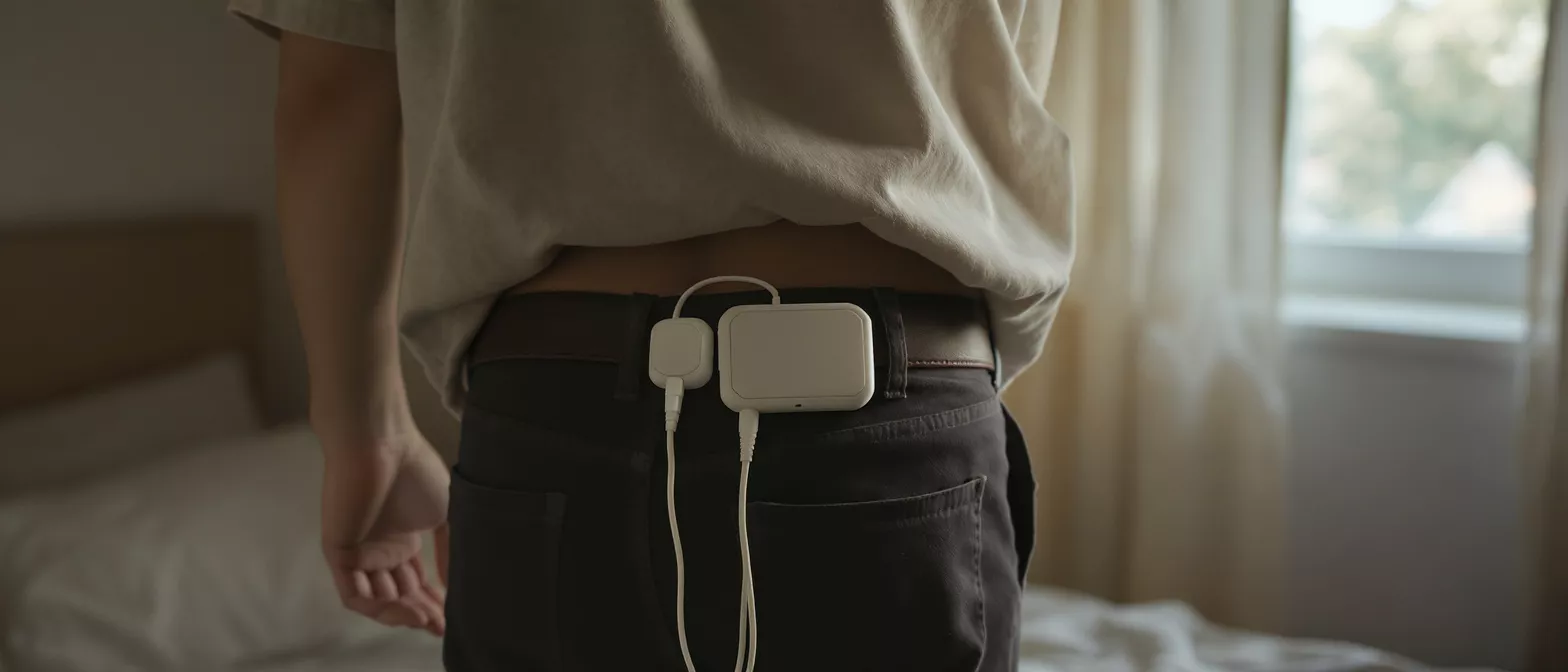
Holter Monitor
Discover how a holter monitor records your heart rhythm continuously for 24-48 hours.
What is a Holter Monitor?
A holter monitor is a small, wearable medical device designed to continuously record your heart's electrical activity over an extended period, typically 24 to 48 hours. For patients recovering from or preparing for cardiac surgery, understanding what this device does can relieve much of the anxiety associated with heart monitoring. Unlike a quick in-office test, this portable heart monitor captures every heartbeat, providing your cardiologist with a detailed picture of your heart's behavior during daily life.
Defining the portable heart monitor: The device consists of a small recording unit—often worn clipped to a belt or carried in a pocket—connected via thin wires to sticky sensors called electrodes placed on your chest. It silently and painlessly tracks your heart's rhythm, seeking out irregularities that might not appear during a brief resting electrocardiogram. By capturing this continuous data, your medical team can correlate physical symptoms or sensations with actual electrical events in the heart.
Why continuous tracking matters for cardiac patients: Heart rhythm issues frequently come and go, making them notoriously difficult to catch in a standard 12-lead ECG taken at a clinic. For a post-surgical patient, continuous ECG monitoring ensures that any transient arrhythmias, silent ischemia, or recovery complications are accurately recorded. This comprehensive view is essential for confirming that your heart is healing properly and functioning safely under everyday conditions.
How does ambulatory ECG monitoring work?
Ambulatory ECG monitoring operates on the same fundamental principles as a standard electrocardiogram but is engineered for mobility and extended use. The holter monitor device relies on a network of adhesive electrodes attached to specific anatomical points on the chest wall to detect the heart's electrical signals. These signals travel through the lead wires into the digital recorder, which translates the electrical impulses into a continuous graphical readout of your heart rhythm.
Capturing continuous electrical data: Once the electrodes are securely in place, the device constantly samples your heart's electrical activity, recording thousands of beats over the monitoring period. Patients are typically asked to maintain a simple diary or press an event button on the device when they experience specific symptoms like palpitations, dizziness, or chest discomfort. This synchronization allows the physician to directly compare your physical sensations with the precise electrical activity occurring in your heart at that exact moment.
Data storage and transmission process: Modern units store this vast amount of ECG data on internal memory cards or utilize wireless technology to stream information directly to a monitoring center. After the monitoring period concludes, a technician removes the device and downloads the data for sophisticated computer analysis. The software highlights anomalies, and a cardiologist reviews the full report to ensure no critical detail is missed.
Holter monitor vs ECG: key differences?
Patients frequently ask how a holter monitor differs from a standard ECG performed in a clinic. A traditional electrocardiogram is a snapshot in time, recording your heart's electrical activity for only about ten seconds. While highly effective for identifying acute, ongoing issues like a heart attack, this brief window often misses intermittent arrhythmias that might only occur a few times a day or during specific activities like sleep.
- Duration of monitoring: A resting ECG records for seconds, whereas continuous ECG monitoring captures data for 24 to 48 hours or longer.
- Context of activity: A standard ECG is taken while lying still; a holter records while you eat, sleep, walk, and experience stress.
- Detection capability: A 12-lead ECG is ideal for immediate structural or acute damage, while ambulatory tracking excels at finding transient or exercise-induced heart rhythm monitor irregularities.
Choosing between the two is not about one being superior to the other; they serve different diagnostic purposes. A post-surgical patient might have a completely normal resting ECG but still experience unexplained palpitations at night. In such cases, extending the observation window with continuous monitoring becomes crucial for catching the underlying issue and ensuring a safe recovery.
Why is a portable heart monitor used?
Cardiologists recommend a portable heart monitor to bridge the gap between how your heart behaves in a clinical setting and how it functions in the real world. Following cardiac surgery, your body is under significant stress as it heals, and the cardiovascular system must adapt to these changes. Continuous tracking provides reassurance that the surgical repairs are holding and that the heart's electrical pathways are stable.
Post-surgical arrhythmia surveillance: It is quite common for patients to experience temporary rhythm disturbances, such as atrial fibrillation, in the weeks following heart surgery. Using a heart palpitation monitor helps the medical team determine if these irregularities are resolving on their own or require medical intervention. If an arrhythmia is detected, your doctor might recommend a cardiac monitoring device to keep a closer eye on your recovery trajectory.
Evaluating medication efficacy: For patients prescribed anti-arrhythmic drugs or beta-blockers after surgery, continuous tracking is the most reliable way to assess if the medication is working. It demonstrates whether the prescribed dosage is successfully suppressing abnormal rhythms or if the heart is still experiencing breakthrough episodes. This objective data allows your physician to fine-tune your treatment plan with confidence.
Holter monitor for arrhythmia detection
Arrhythmias, or irregular heartbeats, are a primary concern for any cardiac surgeon or cardiologist overseeing postoperative care. A holter monitor for arrhythmia is specifically designed to detect these electrical misfires, which can range from harmless premature atrial contractions to more serious conditions. Because these rhythms are intermittent, wearing the device for an extended period dramatically increases the likelihood of capturing the exact moment the heart goes out of sync.
Identifying silent atrial fibrillation: Atrial fibrillation, or AFib, is a rapid, disorganized rhythm originating in the upper chambers of the heart. Sometimes patients feel a fluttering sensation, but often, AFib is entirely asymptomatic. The continuous data gathered by the monitor allows doctors to catch silent AFib, preventing potential complications like stroke by initiating appropriate blood thinners or rhythm control therapies.
Detecting premature ventricular contractions: Premature ventricular contractions, or PVCs, are extra heartbeats originating in the lower chambers that many patients feel as a skipped beat. While often benign, a high burden of PVCs following surgery can indicate underlying irritation or electrolyte imbalances. The monitoring device quantifies exactly how many of these extra beats occur, guiding the clinical team on whether treatment is necessary or if simple observation is the best path forward.
What to expect during a cardiac Holter test?
Undergoing a cardiac Holter test is entirely painless and non-invasive, making it a very safe procedure for recovering patients. A technician will gently clean your skin with alcohol and may lightly abrade the area to ensure excellent adhesion for the sticky electrodes. Wearing the unit itself requires minimal effort, though you will need to adjust to the sensation of having sensors and wires securely taped to your chest.
The fitting process explained: The technician will strategically place the electrodes over specific bony areas of your chest to minimize interference from muscle movement. Once the sensors are connected to the unit, they will verify the signal on a small screen to ensure the device is recording properly. The entire fitting appointment usually takes less than thirty minutes, after which you can return to your normal daily routine.
Maintaining the patient diary: You will be given a logbook to record your activities, medications, and any symptoms you experience during the testing period. It is crucial to note the exact time you feel palpitations, dizziness, or chest pain. To optimize recovery and track cardiovascular health during this period, patients may consider wearing a heart rhythm monitor watch to cross-reference their physical symptoms with the diary entries.
Can you shower with a wearable heart monitor?
One of the most common logistical questions patients ask is whether they can get the device wet. With traditional holter monitoring devices, the answer is generally no. The recording unit and traditional electrodes are not waterproof, meaning showers and bathing must be carefully managed using sponge baths to keep the sensors completely dry and securely attached to the skin.
Managing hygiene during the test: Patients are advised to take a thorough sponge bath during the monitoring period, avoiding direct water spray on the chest area. It is important to keep the unit dry, which might mean wrapping it in a plastic bag if you are in a humid environment or if you are perspiring heavily. Ensuring the electrodes stay firmly stuck to the skin is critical, as a loose sensor creates gaps in the recorded data.
Waterproof tracking alternatives: While traditional wired monitors are sensitive to water, some modern wireless patches offer water resistance for brief showers, though swimming remains prohibited. If you have specific needs regarding hygiene or occupational water exposure, you should discuss them with your cardiologist before the fitting appointment. When specialized postoperative care is required, finding a reliable holter monitor near me ensures access to the newest, most patient-friendly devices available.
How long do Holter monitor results take?
Once the monitoring period is complete and the device is returned to the clinic, the recorded data must be processed, analyzed, and interpreted. Patients are often eager to know the outcome, but it is important to understand that analyzing thousands of heartbeats takes time. The computerized analysis provides an initial scan, but a human expert must carefully review the findings to rule out false positives.
The scanning and interpretation timeline: Typically, it takes about 24 to 48 hours for a cardiac technician to scan the data and prepare a comprehensive report. Once the scan is complete, the cardiologist must review the report, correlate it with your symptom diary, and finalize their clinical recommendations. In most practices, patients can expect to receive their holter monitor results within two to four business days after returning the device.
What the report reveals to your doctor: The final report provides critical metrics, including your average heart rate, maximum and minimum heart rates, and the total frequency of any arrhythmias detected. It highlights episodes of irregular rhythms and correlates them with the times you logged symptoms. This detailed summary allows your surgeon or cardiologist to make informed decisions about your ongoing treatment, medication adjustments, or the need for further intervention.
Are Holter monitoring devices safe?
Patients preparing for or recovering from heart surgery often have heightened anxiety about medical procedures and equipment. It is deeply reassuring to know that a holter monitoring device is completely safe and non-invasive. The device is purely diagnostic; it only records information and does not deliver any electrical shocks or energy into your body. It is impossible for the monitor to interfere with your heart's natural electrical system or to alter your heart rate.
- Non-invasive technology: The monitor simply listens to the heart's electrical signals through external skin sensors without emitting radiation.
- Battery-operated safety: The unit runs on small, low-voltage batteries, ensuring there is no risk of electrical shock to the patient.
- Allergy management: While rare, some patients may experience mild skin irritation from the adhesive on the electrodes, which resolves quickly after removal.
The most significant risk associated with the device is minor skin irritation from the adhesive pads, which typically clears up within a day. Because the device is lightweight and designed for continuous wear, it does not restrict your breathing or movement. Your cardiology team is highly experienced in applying and removing the sensors gently, ensuring maximum comfort and safety for every patient.
Holter monitor near me: next steps?
Understanding how continuous heart tracking fits into your overall surgical recovery is the first step toward peace of mind. If your cardiologist recommends ambulatory heart monitoring, it means they are taking a proactive approach to ensure your heart is healing perfectly. Following the simple guidelines for wearing the device will help produce the highest quality data, supporting accurate clinical decisions regarding your health.
Preparing for your appointment: When you go to the clinic for your fitting, wear loose, comfortable clothing that allows easy access to your chest. It is helpful to shower thoroughly before the appointment, as you will not be able to submerge the sensors in water once they are applied. Avoid applying lotions or oils to your chest area, as these create a barrier that prevents the electrodes from adhering properly to your skin.
In conclusion, a continuous heart monitor is a vital, painless tool that provides your medical team with a window into your heart's daily function. By working together with your clinicians, accurately logging your symptoms, and following wear instructions, you actively participate in safeguarding your cardiovascular recovery and long-term health.






