

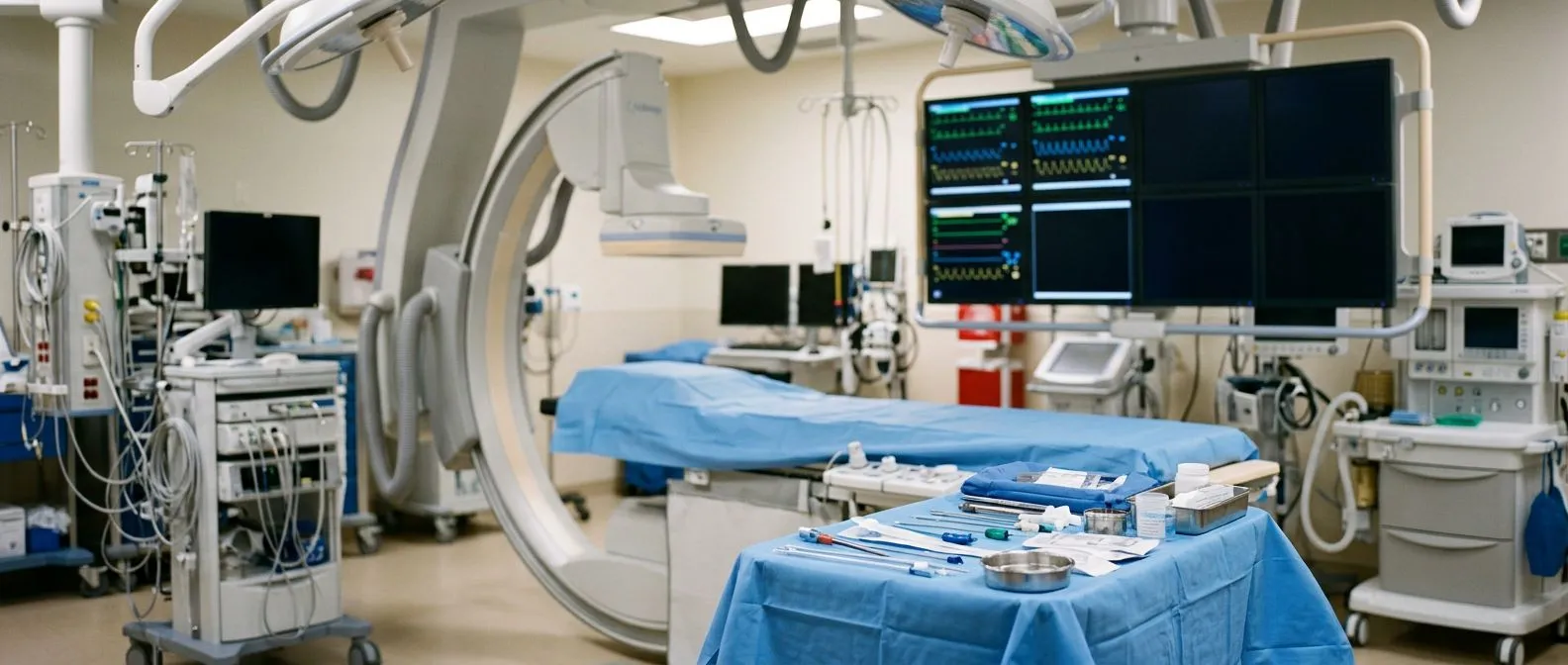
Arrhythmia Treatment: Medicines, Ablation and Devices
Arrhythmia treatment options explained by Guadalajara heart specialists.
When the heart's electrical system misfires, the rhythm it produces can race, stumble, or slow to a crawl — and the diagnosis behind that sensation is an arrhythmia, a heart rhythm disorder that affects millions of people. Understanding your arrhythmia treatment options is the first step toward regaining control: some rhythms settle with medicine alone, others respond to a catheter procedure, and some call for an implanted device. This guide walks through every option in plain language, so you can arrive at a consultation already knowing the right questions to ask.
What Is a Heart Arrhythmia and What Causes It?
Your heartbeat is driven by an electrical signal that starts in the sinus node, a small group of cells in the right upper chamber. That signal travels along fixed pathways, telling the atria and then the ventricles to contract in sequence. When the signal starts in the wrong place, travels the wrong route, or fires too fast or too slow, the result is cardiac dysrhythmia — the medical term for the same phenomenon most people call an irregular heartbeat treatment problem.
Why does the electrical system go wrong? The most common drivers are coronary artery disease, heart valve disease, a previous heart attack that left scar tissue, high blood pressure, thyroid problems, sleep apnea, and excess alcohol or caffeine. Sometimes there is no clear cause at all, particularly in otherwise healthy younger people. Age itself matters: the heart's wiring degrades gradually over the decades.
What does it feel like? Patients describe fluttering, skipped beats, a pounding in the chest, sudden fatigue, or brief dizziness. Some rhythms cause no symptoms whatsoever and are found on an electrocardiogram taken for another reason. In our practice, we take the time to explain in plain words what the studies actually show before any recommendation is made, because an ECG reading means little if you don't understand what it is telling you.
What Are the Types of Arrhythmia?
Doctors group rhythm disorders by where they start and whether they make the heart too fast (tachycardia), too slow (bradycardia), or simply erratic. Knowing which type you have determines which arrhythmia treatment options apply to you, so this classification is worth understanding.
- Atrial fibrillation (AFib): the upper chambers quiver instead of squeezing, causing an irregular, often rapid pulse. It is the most common rhythm disorder seen in adult cardiology.
- Atrial flutter: a closely related problem where the atria beat very fast but in an organised pattern — many patients call this a heart flutter and seek heart flutter treatment options for it.
- Ventricular tachycardia and ventricular fibrillation: fast rhythms starting in the lower pumping chambers. Ventricular arrhythmia treatment is urgent because these rhythms can lead to cardiac arrest.
- Bradycardia and heart block: signals travel too slowly or are blocked altogether, leaving the heart unable to keep up with daily activity.
Does the type change the danger level? Broadly, yes. Atrial rhythm problems mainly threaten health through stroke risk and years of strain on the heart. Ventricular rhythm problems can be life-threatening within minutes. Supraventricular tachycardia — a fast rhythm starting above the ventricles — is usually alarming but rarely dangerous, and it is often the most curable of all.
What Are the Risks of Untreated Atrial Fibrillation?
The stroke risk is the central issue. When the left atrium quivers instead of contracting, blood can pool in a small pouch called the left atrial appendage. Stagnant blood forms clots, and a clot that travels to the brain causes an ischemic stroke. The Centers for Disease Control and Prevention identifies atrial fibrillation as a major contributor to stroke in the United States, and the risk rises sharply with age, diabetes, high blood pressure, and prior stroke.
Untreated AFib also weakens the heart over time. Months of a fast, irregular rate can lead to tachycardia-induced cardiomyopathy — a stretched, weakened pumping chamber that may recover once the rate is controlled. Some patients also develop heart failure symptoms: breathlessness on modest activity, swelling of the ankles, and waking at night short of air.
The silent form is the most treacherous. Roughly a third of people with atrial fibrillation feel nothing, which is why the first sign is sometimes a stroke. This is a common pattern: patients who thought their palpitations were "just stress" are found to have a heart already remodeled by years of uncontrolled rhythm. Screening decisions deserve the same seriousness as treatment decisions.
When Should You Go to the ER for AFib?
Go immediately for certain warning signs. Chest pain or pressure, fainting, sudden weakness or numbness on one side of the body, slurred speech, or severe breathlessness at rest all mean you should call emergency services now. A heart rate sustained above roughly 120–150 beats per minute with symptoms, or a pulse that becomes dangerously slow with dizziness, also warrants urgent assessment.
Some episodes can wait for a clinic visit. If you have a known arrhythmia, a documented plan from your cardiologist, and an episode that settles within an hour or two with mild symptoms, a scheduled appointment is usually appropriate. Keep a written record of when episodes start, how long they last, and what your pulse feels like — this history often shapes treatment more than any single tracing.
A useful first step is to clarify which symptoms can be managed on a planned basis and which ones require emergency care. Making that boundary explicit early prevents both dangerous delays and unnecessary trips to the emergency department.
How Do Heart Monitors Detect an Irregular Heartbeat?
A heart monitor is simply a recorder for your heart's electrical activity. A standard electrocardiogram captures about ten seconds, which is useless if the rhythm problem comes and goes. Extended monitors bridge that gap: a Holter monitor records continuously for 24 to 48 hours, an event recorder is worn for two to four weeks, and patch monitors can track the rhythm for up to two weeks while you go about normal life.
What is an implantable loop recorder? When episodes are rare — fainting once every few months, for example — a small device the size of a stick of gum can be placed just under the skin of the chest. This heart rhythm monitor implant records automatically when it detects an abnormal rhythm and can be activated by the patient, streaming data to your cardiologist remotely for up to several years. It is the diagnostic tool of choice for unexplained syncope.
The choice of monitoring strategy should follow international practice guidelines, and your cardiologist should be explicit about which studies are still needed so that no unnecessary ones are ordered. A monitor is only useful if the data it captures will change the decision ahead of you.
What Medication Choices Exist Among Arrhythmia Treatment Options?
Medicines remain the starting point for most people exploring arrhythmia treatment options. They work in two distinct ways, and many patients need one of each.
Rate control slows the heart down without trying to fix the rhythm. Beta blockers such as metoprolol, calcium channel blockers such as diltiazem, and digoxin all keep a fibrillating heart from beating too fast. For many patients with atrial fibrillation, good rate control plus anticoagulation is a complete, lifelong strategy — this is one of the best-established atrial fibrillation treatment options in cardiology.
Rhythm control tries to restore and hold normal sinus rhythm. Antiarrhythmic drugs such as amiodarone, flecainide, sotalol, and dronedarone can convert an episode or prevent recurrences. They are more effective than rate control at maintaining normal rhythm, but they carry their own risks — amiodarone, for instance, can affect the thyroid, lungs, and liver over years. What about blood thinners? Anticoagulants such as apixaban, rivaroxaban, or warfarin do not treat the rhythm itself; they lower stroke risk, and they are indicated based on a scored assessment of your individual risk factors, not on how often you feel symptoms.
How Does Catheter Ablation Treatment Work?
Catheter ablation treatment fixes the problem at its source. Thin flexible catheters are threaded from a vein in the groin up into the heart, where they map the electrical signals in detail and then deliver precisely targeted energy — usually heat (radiofrequency) or extreme cold (cryoablation) — to destroy the small patches of tissue that start or sustain the abnormal rhythm. The destroyed tissue forms a scar that blocks the faulty electrical pathway.
Catheter ablation vs medication: which wins? For atrial fibrillation, ablation has repeatedly shown better rhythm control than drugs, particularly in patients whose episodes persist despite at least one antiarrhythmic medicine, and in younger patients with paroxysmal (intermittent) AFib. For supraventricular tachycardia and atrial flutter, ablation is so effective and so low-risk that it is often offered as first-line treatment rather than a fallback. For ventricular tachycardia, ablation reduces the frequency of shocks in patients with implanted defibrillators. Research published in Mathematics has modeled how arrhythmias become anchored around scar tissue after a heart attack, which explains in physical terms why ablation targets the scar border so deliberately — the scar itself creates the electrical traps that ablation is designed to break.
Candidates for ablation are best assessed against guideline criteria, with the alternatives presented alongside it. Some patients genuinely do better with medicine; the final decision is always the patient's, and we encourage a second opinion whenever one would help.
What Is Surgical Ablation and Who Needs It?
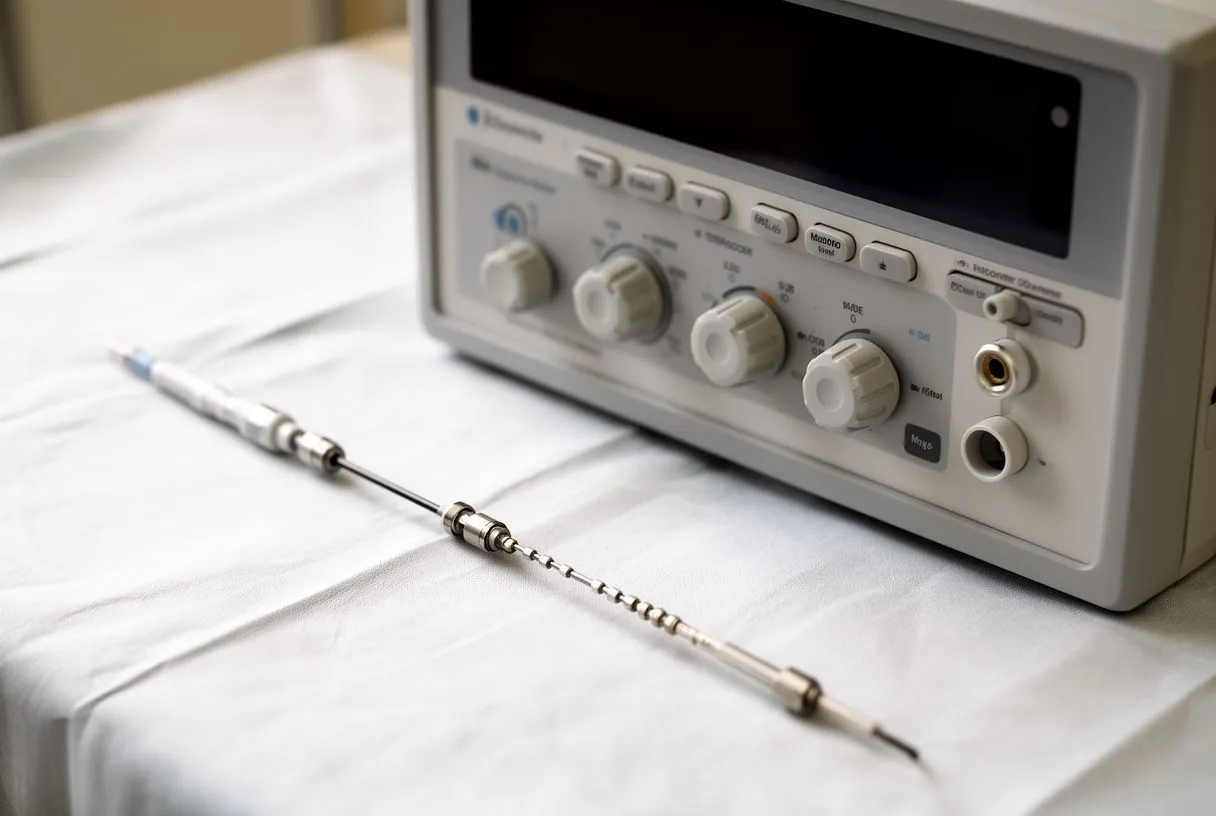
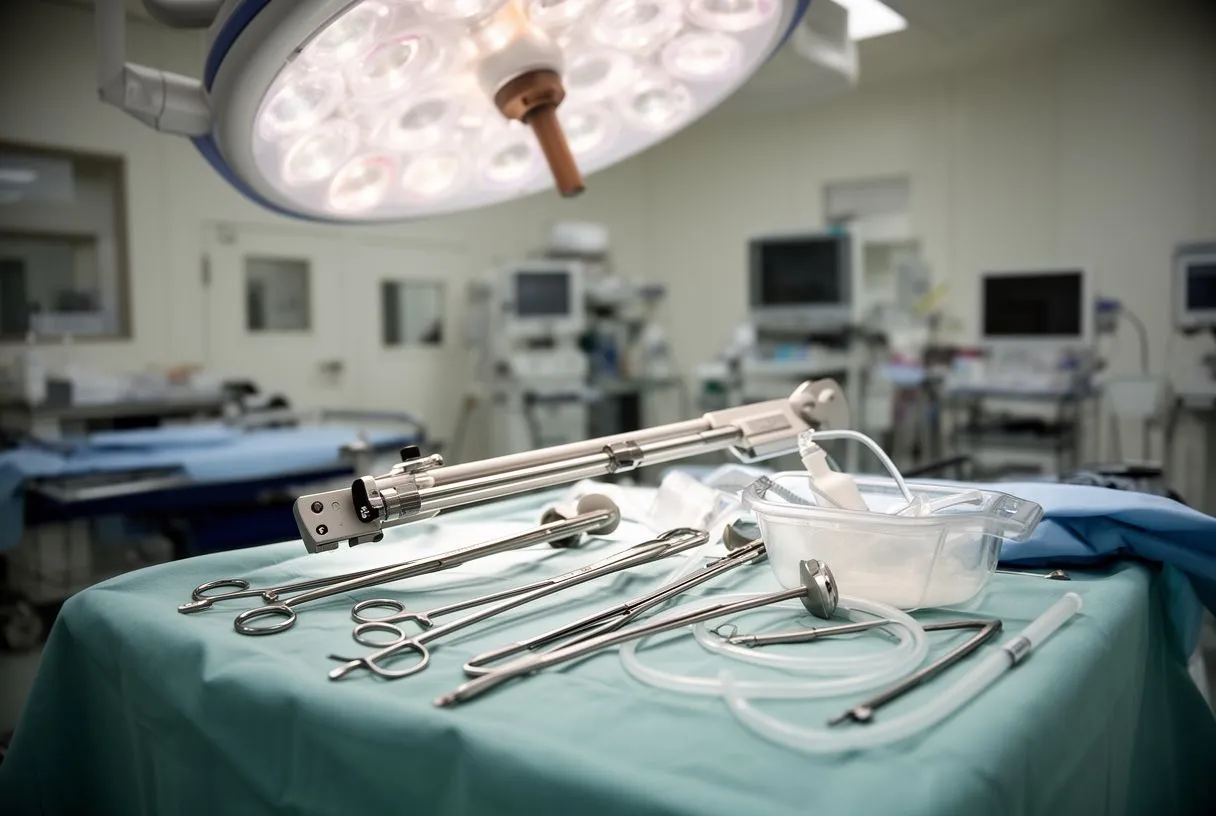
Surgical ablation brings the same principle into the operating room. Instead of catheters inside the veins, the surgeon applies energy directly to the outside or inside of the beating heart to create lines of scar that interrupt the abnormal circuits — the classic version performed during mitral valve surgery is called the Cox-Maze procedure. It is most often combined with another operation the patient needs anyway, such as valve repair or coronary bypass.
When is the surgical route the right choice? When the patient is already undergoing open-heart surgery for another reason, adding an ablation costs little additional recovery time and can permanently eliminate atrial fibrillation. It is also considered when catheter ablation has failed, or when the anatomy — a very large left atrium, for example — makes catheter success unlikely.
Ventricular arrhythmias after heart surgery are a special case. Rhythms arising from scar left by a previous bypass operation can be incessant and difficult to control with drugs alone; published experience in Journal of Arrhythmia and Rhythm Management reviews catheter ablation of incessant monomorphic ventricular tachycardia after coronary bypass surgery, showing that targeted ablation can stabilize patients whose rhythm could not be controlled medically. Our own work spans conventional, minimally invasive, robotic and transcatheter procedures, and we recommend the less invasive route only where the evidence supports it for that specific patient.
Pacemakers and ICDs for Arrhythmia: Who Needs a Device?
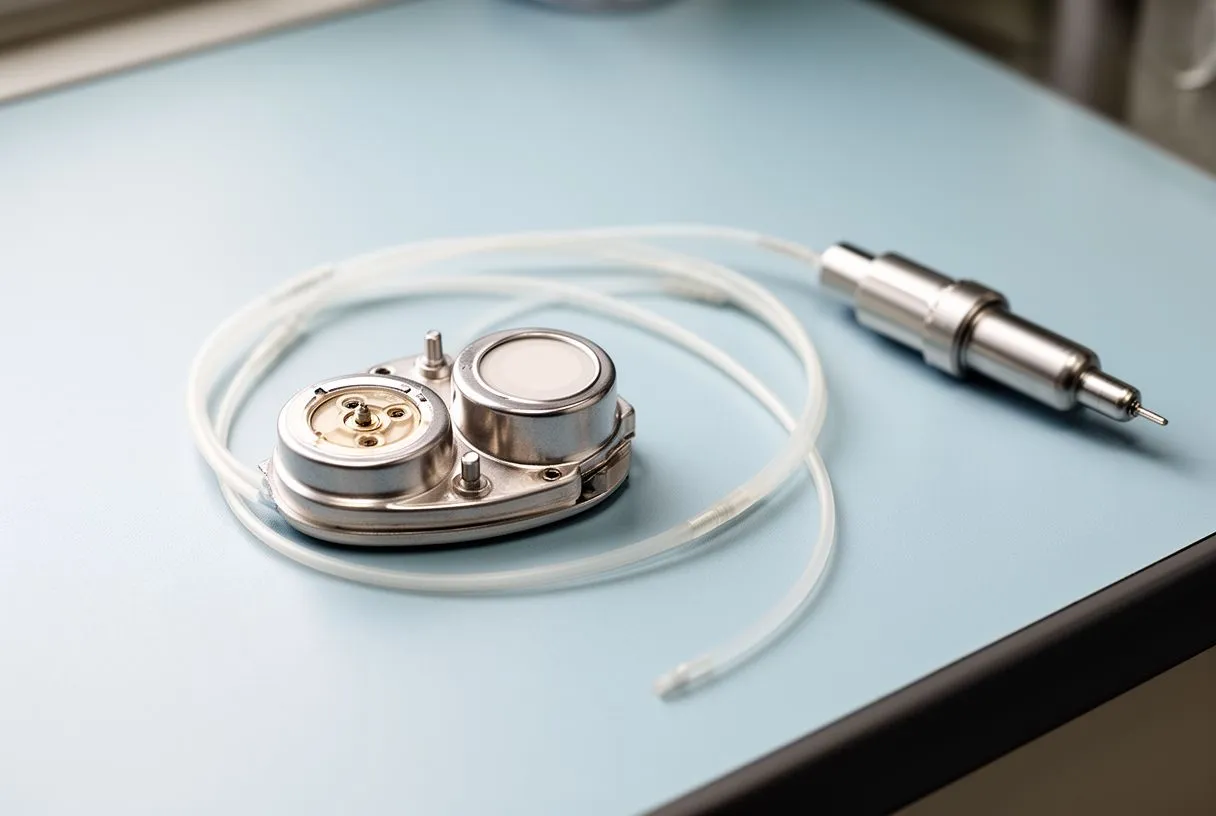
A pacemaker treats rhythms that are too slow. A pacemaker for arrhythmia is implanted under the skin near the collarbone, with leads that sit in the heart chambers and deliver a tiny electrical pulse whenever the heart's own signal fails to arrive. Modern devices monitor your natural rhythm continuously and pace only when needed. Indications include symptomatic bradycardia, heart block, and — importantly — patients whose ablation or medication for fast rhythms leaves them with slow heart rates.
An ICD treats rhythms that could kill you. ICD implantation arrhythmia therapy means a defibrillator, a slightly larger device that can detect ventricular fibrillation or dangerous ventricular tachycardia and deliver a corrective shock within seconds. It is offered to survivors of cardiac arrest and to patients whose heart muscle is severely weakened and whose arrhythmia risk is judged high enough to justify it. Many ICDs also pace, and newer leadless models sit entirely inside the right ventricle without chest leads.
What is a conduction system pacemaker? The newest pacemakers pace the heart's own conduction pathways — the His bundle or left bundle branch — rather than the chamber muscle directly, preserving a more natural contraction pattern and lowering the long-term risk of pacing-induced heart failure. Device selection is one of the areas where a genuine multidisciplinary review matters most, and a clear recommendation should always come with its alternatives.
Can Heart Arrhythmia Be Cured, and What Does Recovery Look Like?
Some arrhythmias genuinely can be cured. Supraventricular tachycardia and atrial flutter are cured by catheter ablation in the large majority of patients. Many cases of atrial fibrillation go into long-term remission after ablation, especially early in the disease and when contributing factors — sleep apnea, alcohol, weight, blood pressure — are actively managed. Scar-related ventricular tachycardia is usually controlled rather than cured, and slow rhythms managed by a pacemaker are suppressed rather than eliminated, but both allow a full, normal life.
Recovery is faster than most patients expect. After a non surgical arrhythmia treatment such as catheter ablation, most people go home the same day or the next morning, with groin-site care for a few days and light activity for about a week; full normal activity typically resumes within two weeks. Any arrhythmia treatment recovery after device implantation is similar — a few days of arm-swing restriction on the implant side, a wound check at one to two weeks, and remote follow-up thereafter. Open surgical ablation carries the recovery profile of the accompanying heart operation, usually six to twelve weeks.
What does treatment cost? Arrhythmia treatment cost varies widely by country, hospital, and whether a device is involved, and it is a fair question to ask directly at any consultation.
Dr Molina trained in cardiothoracic surgery at the Universidad de Guadalajara, in cardiac, minimally invasive, robotic and structural surgery at the University of Montreal, and in structural cardiology and TAVR at CHU Bordeaux, and he performed the first robotic mitral valve repair in the Ángeles Health System and the first robotic heart surgery in Guadalajara. If you have been told you need an arrhythmia treatment or you simply cannot get a straight answer about your options, bring your studies to a consultation with a qualified cardiac team.






