Cardiac Lymphoma: Symptoms and Treatment
Cardiac lymphoma treatment starts with early symptom recognition.
Cardiac lymphoma treatment almost always begins with a surprise: a tumor found on an echocardiogram done for something else entirely. Most people have never heard of lymphoma in the heart, and that is understandable — it is rare. But rare does not mean untreatable, and it certainly does not mean hopeless. This guide walks you through what this cancer is, how it shows up, how doctors confirm it, and what the realistic options are. If you or a family member has just been told there is a mass in the heart, take a breath. There is a clear path forward, and it starts with understanding.
What Is Cardiac Lymphoma?
Cardiac lymphoma is a cancer of lymphocytes, the white blood cells that are part of your immune system. Lymphoma normally appears in lymph nodes, but in cardiac lymphoma it forms a tumor inside or around the heart — in the heart muscle itself, in a heart chamber, or in the pericardium, the thin sac that wraps around the heart. It is a form of heart cancer, though "heart cancer" as a phrase can cover other rare tumors too.
Why it is so rare. The heart muscle cells essentially stop dividing after childhood, which is why primary cancers that start in the heart are among the rarest tumors doctors see. When cancer does reach the heart, it is far more often a spread from a cancer elsewhere in the body — what doctors call secondary involvement. True cardiac lymphoma is uncommon enough that a general cardiologist may see only a handful of cases in a career.
Who it affects. It is diagnosed more often in people with weakened immune systems, including transplant patients and those with advanced HIV, but it also occurs in people with no immune problem at all, and it tends to appear in middle-aged and older adults. Men are affected more often than women. None of these risk factors means you did something wrong — this is a disease of biology, not behavior.
What Are the Common Symptoms of Cardiac Lymphoma?
The symptoms of cardiac lymphoma are frustratingly ordinary. They mimic far more common conditions — heart failure, arrhythmias, pericarditis — which is exactly why diagnosis is often delayed. Knowing the patterns helps you ask the right questions sooner.
Heart failure symptoms. A growing tumor takes up space inside a heart chamber or stiffens the heart muscle. The result is breathlessness when climbing stairs or lying flat, swelling of the ankles and legs, and fatigue that rest does not fix. If these appear quickly, over weeks rather than years, that speed itself is a warning sign worth investigating.
Rhythm and conduction problems. The heart's electrical wiring runs through the muscle, and a tumor can interrupt it. Some patients feel a slow or irregular pulse, dizzy spells, or fainting episodes. Cardiac lymphoma presenting as a dangerously slow heartbeat — a bradyarrhythmia — is one of the more described patterns in the medical literature, and sometimes a pacemaker is placed before anyone realizes the underlying cause is a tumor.
Chest pain and fluid. Fluid can build up in the pericardial sac, causing chest pressure or aching that changes with position. This fluid, called a pericardial effusion, is one of the most common findings associated with lymphoma around the heart. Occasionally the fluid builds fast enough to squeeze the heart — cardiac tamponade — which is an emergency. Fever, night sweats, and unexplained weight loss are systemic lymphoma signs that may accompany the heart symptoms.

What Is Primary Cardiac Lymphoma and How Is It Different?
Doctors split cardiac lymphoma into two categories, and the difference shapes every decision that follows.
Primary cardiac lymphoma. This means the tumor starts in the heart and exists only there, or almost only there, at the time of diagnosis. Primary cardiac lymphoma is exceptionally rare, and the diagnosis is usually made only after a biopsy confirms that the tumor tissue is lymphoma and that no mass exists elsewhere in the body.
Secondary cardiac involvement. Far more often, lymphoma starts in lymph nodes or other organs and spreads to the heart during advanced disease. The heart is involved as part of a body-wide illness. The treatment strategy differs: here doctors treat the whole disease, and the heart findings are one piece of a larger staging picture. Autopsy series from before effective chemotherapy existed showed cardiac involvement was more common than living patients' diagnoses suggested — the heart is involved more than we historically detected.
Why the distinction matters for you. If the tumor is truly primary, the heart itself becomes the central battleground, and treatment is aimed squarely at it. If it is secondary, your oncology team treats the systemic disease while your cardiology team protects heart function. Either way, both experts need to be at the same table.
How Is Intracardiac Lymphoma Diagnosed?
No blood test or scan can confirm lymphoma inside the heart on its own. The diagnosis rests on seeing the mass and then sampling it.
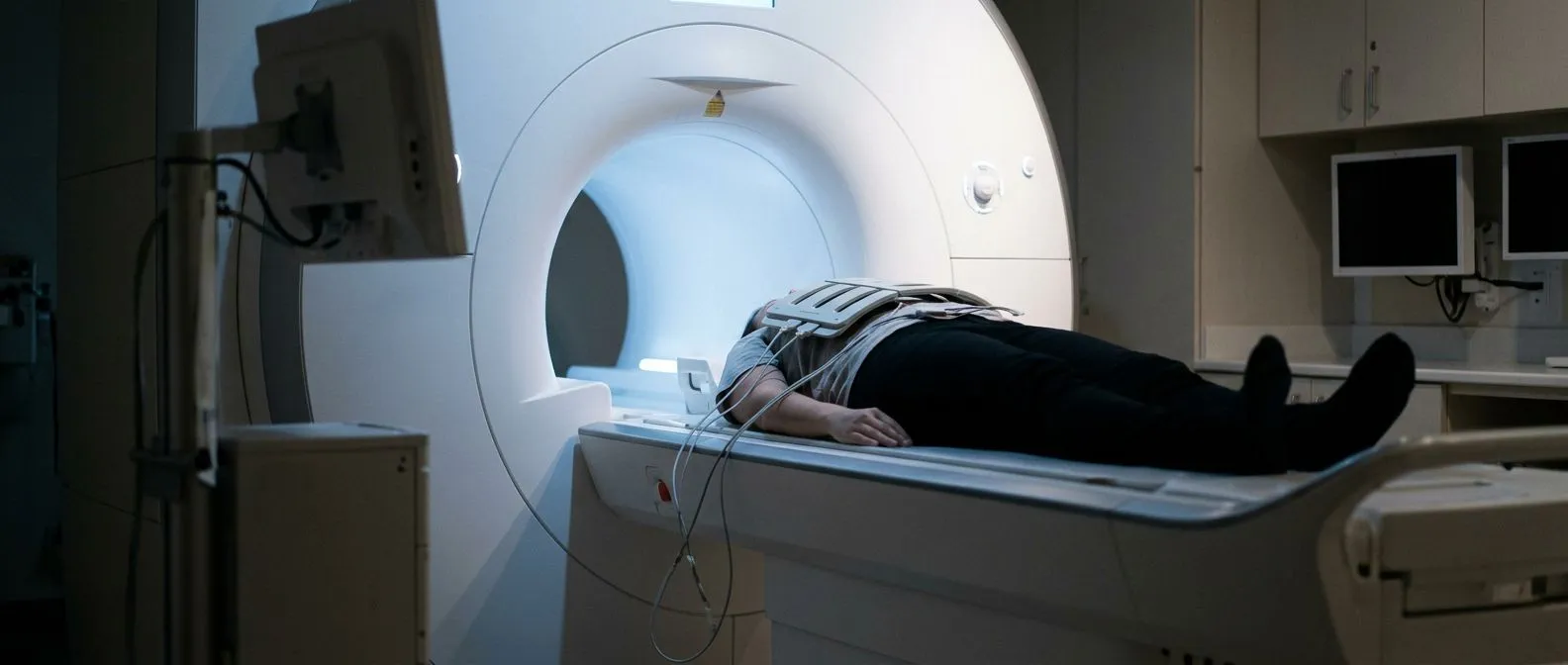
Echocardiogram first. An echocardiogram — an ultrasound of the heart — is almost always the first test. It shows the mass, its size, which chamber it occupies, and whether it blocks blood flow or the heart valves. It is painless, widely available, and often the test that raises the first red flag. A cardiac mass evaluation usually continues with a CT scan or a cardiac MRI lymphoma protocol, which shows the tumor's extent into surrounding tissue with far greater detail.
The biopsy is the answer. Imaging can suggest lymphoma, but only tissue proves it. A biopsy may be taken through a catheter threaded from a vein into the heart, or the mass may be sampled during a small surgical procedure. Sometimes pericardial fluid is drained and examined, and that fluid alone can contain diagnostic cells. Pathologists examine the tissue under a microscope and run special stains to identify the exact lymphoma type.
Staging completes the picture. Once lymphoma is confirmed, PET-CT scanning and a bone marrow biopsy establish whether the disease exists anywhere else. At our practice, every case with a suspected cardiac mass is reviewed by the multidisciplinary team against international practice guidelines before any recommendation is given, because the imaging alone can mislead — a mass that looks like lymphoma occasionally turns out to be a thrombus or another kind of tumor entirely.

What Is Diffuse Large B-Cell Lymphoma?
When doctors biopsy a cardiac lymphoma, the most frequent answer under the microscope is diffuse large B-cell lymphoma — usually abbreviated DLBCL. Understanding this word helps you follow every conversation that follows.
What the name means. "B-cell" refers to the type of immune cell that turned cancerous; B-cells are the antibody factories of the immune system. "Diffuse large" describes the look: the cancerous cells are large and spread in a diffuse pattern rather than forming neat structures. DLBCL is the most common aggressive lymphoma in adults overall, and it behaves the same way in the heart as elsewhere — it grows fast, but it also responds quickly to the right chemotherapy.
What about T-cell lymphoma? T-cells are the other major immune cell family — the cells that coordinate and kill. T-cell lymphomas are a separate, less common family of diseases with their own treatment regimens. If your biopsy report names a T-cell lymphoma, your oncologist will explain the specific subtype, because treatment is tailored to it.
What this means for treatment planning. The exact subtype determines the drug combination, the number of cycles, and whether newer targeted drugs are added. This is why the biopsy report is not paperwork — it is the blueprint for your entire cardiac lymphoma treatment plan.
How Does Cardiac Lymphoma Chemotherapy Work?
The cornerstone of cardiac lymphoma chemotherapy is the same combination used for DLBCL anywhere in the body: an immunochemotherapy regimen built around a drug called rituximab plus chemotherapy agents, a combination often abbreviated R-CHOP. Rituximab is a laboratory-made antibody that locks onto the CD20 protein on the surface of the cancerous B-cells and flags them for destruction.
Why chemotherapy leads, not surgery. Lymphoma cells are exquisitely sensitive to these drugs, and the tumor often shrinks substantially within the first cycles. Because the disease is usually diffuse rather than a single removable lump, cutting it out rarely removes all of it. Drug treatment reaches every cancerous cell, including microscopic ones imaging cannot see.
Monitoring the heart during treatment. Some chemotherapy agents can weaken the heart muscle, so an oncology team checks heart function with repeated echocardiograms during treatment. In our consultation we take the time to explain what the studies actually show, in plain words, so patients understand both what the treatment is doing to the tumor and what it is doing to the heart.
Immunotherapy and newer options. For lymphoma that does not respond or returns, options now include CAR T-cell therapy — a treatment where your own immune cells are reprogrammed in a laboratory to attack the lymphoma — and other targeted agents. These are real, established options for relapsed DLBCL, and a lymphoma specialist can tell you whether you qualify.
Is Heart Surgery Ever Needed for a Cardiac Tumor?
Patient-facing summaries of cardiac tumor treatment options often assume surgery is the answer. For lymphoma, it usually is not — but there are important exceptions.
Emergency surgery does happen. If a tumor obstructs a heart valve or a chamber so severely that the patient is in shock, or if pericardial fluid is compressing the heart, urgent intervention is needed to keep the patient alive and stable. Draining compressive pericardial fluid is a common emergency procedure. Sometimes a debulking operation is done simply to relieve obstruction so chemotherapy can begin safely.
Surgery is rarely curative here. Unlike some other heart tumors, lymphoma is a whole-body disease at the cellular level even when the mass looks localized. Removing it does not remove the disease, so oncologists lead and surgeons support.
Our role as surgeons. We perform conventional, minimally invasive, robotic and transcatheter procedures, and we recommend the less invasive route only where the evidence supports it for that patient. For cardiac lymphoma, our most valuable contribution is often diagnostic: safely obtaining tissue, relieving obstruction, or protecting the heart while oncology treats the disease. The cardiac surgeon's judgment about when to operate — and when not to — matters as much as the operation itself.

What Is the Survival Rate for Cardiac Lymphoma?
This is the question families ask first and doctors answer most carefully. The honest answer has two halves.
The sobering baseline. Published series of primary cardiac lymphoma report lower survival rates than DLBCL in more typical locations. The reasons are structural: the diagnosis is often late, the tumor sits in a place where it can cause fatal rhythm or obstruction problems before treatment starts, and the disease is so rare that large trials do not exist. Survival statistics for lymphoma cancer in general — many DLBCL patients are cured — should not be applied blindly to the heart-specific numbers.
Reasons for genuine hope. Outcomes have improved as diagnosis has become faster and regimens more effective. Long-term survivors of primary cardiac lymphoma, including disease-free survivors years after diagnosis, are documented in the medical literature. Patients diagnosed earlier, with tumors that respond completely to immunochemotherapy, do far better than older series suggest.
What the numbers cannot tell you. Statistics describe groups, not individuals. Your prognosis depends on your age, overall fitness, the tumor's exact behavior, how quickly it was found, and how your heart tolerates treatment. No responsible physician can read a survival table and tell you your personal future — but your team can tell you which factors in your case are favorable, and that conversation is worth having early. Regarding the broader question of whether lymphoma is one of the deadliest cancers: overall, lymphomas as a group are more treatable than many common cancers, though heart involvement raises the difficulty significantly.
What Happens When Lymphoma Surrounds the Heart?
Pericardial lymphoma treatment deserves its own section because the pericardium — the sac around the heart — is one of the most commonly affected areas, and it creates its own problems.
Fluid that interferes. Lymphoma involving the pericardium produces fluid buildup. A small effusion may cause nothing; a large one causes chest fullness, breathlessness, and low blood pressure. Treatment has two tracks: chemotherapy shrinks the lymphoma causing the fluid, and in the meantime a pericardiocentesis — draining the fluid with a needle under imaging guidance — relieves the pressure, sometimes urgently. A drain may be left temporarily to prevent reaccumulation.
Thickening and constriction. In some cases the pericardium becomes stiff and scarred, squeezing the heart with every beat. If chemotherapy does not resolve this, a surgical pericardectomy — removing part of the sac — may be considered, though it is a major decision in a patient already undergoing cancer treatment.
Watch for the cough. Families often ask whether lymphoma can cause a cough with phlegm. Lymphoma can cause cough, usually a dry cough from chest lymph nodes or fluid pressing on airways; phlegm-producing cough more often signals infection, which matters because chemotherapy lowers immune defenses. Any new productive cough during treatment deserves a prompt call to your team — infections in this setting can become serious quickly, so do not wait it out.
When Should You Seek a Second Opinion for a Heart Tumor?
A cardiac mass diagnosis is exactly the situation where a second opinion heart tumor review is not optional etiquette — it is good medicine.
Why second opinions change things. Cardiac lymphoma is rare enough that not every center has seen it. A team that has reviewed these cases before may read the imaging differently, suggest a different biopsy route, or coordinate cardiology and oncology in ways that shorten the time to treatment. Time matters with aggressive lymphoma.
What a good second opinion looks like. It should include:
- Review of your actual images and biopsy slides, not just your paperwork — a fresh read by specialists in cardiac imaging and lymphoma pathology.
- A genuinely multidisciplinary discussion where a cardiac surgeon, an imaging specialist, and oncology input converge before any recommendation.
- Clear alternatives, including the option of doing nothing invasive yet — and honest answers about what each path offers.
How we work with second opinions. We encourage second opinions and treat seeking one as a normal part of deciding about heart surgery. Every case is reviewed by our multidisciplinary team against international practice guidelines before a recommendation is given; the patient receives a clear proposal with the alternatives, and the final decision is always theirs. The first contact is a free video consultation: we get to know the patient, talk through the condition, and say which studies are still needed so no unnecessary ones are ordered. A face-to-face visit at our consulting rooms in Guadalajara, Querétaro or Hermosillo follows when the patient decides to go ahead.
Where to start if you have a report in hand. Gather your echocardiogram report, CT or MRI images, biopsy report if you have one, and a list of your symptoms with dates. Bring them to a consultation with a cardiac team experienced in cardiac masses. Cardiac lymphoma treatment succeeds when the diagnosis is fast, the team is coordinated, and the patient understands every step — and all three of those things are within your reach. Ask questions, insist on a team that communicates, and never let a rare diagnosis hurry you past the point of understanding your own options.