Cardiac Sarcoma: Diagnosis and Treatment
Cardiac sarcoma treatment starts with expert diagnosis.
Hearing the words "mass in your heart" is frightening, and if you or someone you love is facing that possibility, you deserve clear answers. A cardiac sarcoma is a rare cancer that starts inside the heart itself, and although it is uncommon, real cardiac sarcoma treatment options exist — from surgical removal to chemotherapy and radiation. This guide walks you through what these tumors are, how doctors find them, and what the treatment journey actually looks like, so you can approach the decisions ahead with information instead of fear.
What Is a Cardiac Sarcoma?
A cardiac sarcoma is a malignant tumor that arises from the heart's own connective tissue — the muscle, vessels, or protective lining of the heart. The word sarcoma refers to cancers of soft tissue or bone, and when one begins in the heart, it is called a primary cardiac sarcoma because the heart is where it started. This is important, because tumors that spread to the heart from elsewhere in the body are far more common but are treated differently.
Primary cardiac sarcomas are genuinely rare. Cancers of any kind that begin in the heart account for a tiny fraction of all tumors, and among malignant heart tumors, sarcomas are the most frequent type in adults. They most often appear in the right side of the heart, particularly the right atrium, and they tend to grow quickly and invade surrounding structures — which is why early recognition matters so much.
Why the heart rarely develops cancer: Heart muscle cells essentially stop dividing after childhood, and cells that do not divide rarely become cancerous. That protective feature is good news, but it also means that when a heart cancer does appear, it is an unusual diagnosis that deserves evaluation by a team with specific experience in cardiac tumors.
Cardiac Sarcoma Early Symptoms to Watch For
The challenge with cardiac sarcoma early symptoms is that they mimic far more common conditions. A tumor growing inside the heart can block blood flow, interfere with valves, or shed small pieces into the circulation, and each of these produces a different picture. Many patients are first told they have asthma, anemia, or an unexplained fever before anyone thinks to image the heart.
Symptoms caused by obstruction: When the tumor blocks blood flowing through a chamber or valve, patients may experience breathlessness, fainting or near-fainting spells (especially with exertion), swelling of the legs or abdomen, or a feeling of fullness in the chest. If the tumor involves a valve, doctors may hear a new murmur — an abnormal whooshing sound during the heartbeat.
Systemic symptoms: Because sarcomas are cancers, they can cause symptoms that affect the whole body: unexplained weight loss, persistent fatigue, low-grade fevers, joint aches, and sometimes small painful bumps under the skin if tumor fragments travel to distant sites. These fragments, called emboli, can also travel to the brain and cause stroke-like symptoms, sometimes before the heart tumor itself is found.
How Is a Heart Mass Diagnosed?
Most cardiac tumors are discovered by accident. A patient undergoes an echocardiogram — an ultrasound of the heart — for something unrelated, such as a murmur or shortness of breath, and the images reveal a mass. Sometimes the first clue comes during a workup for a stroke or an unexplained embolic event, when the search for a source leads back to the heart.
The first test is almost always echocardiography: This painless, radiation-free scan shows the heart's chambers and valves in motion and can identify a mass, its location, and whether it is obstructing blood flow. If something suspicious appears, the next step is more detailed imaging — usually cardiac MRI — to characterize what the mass is made of and how far it extends.
In our practice, when an outside echocardiogram shows a cardiac mass, the first thing we do is review the images ourselves rather than relying on the written report. The exact size, attachment point, and movement of the mass with each heartbeat often determine the entire treatment plan, and two reports of "cardiac mass" can describe very different problems.
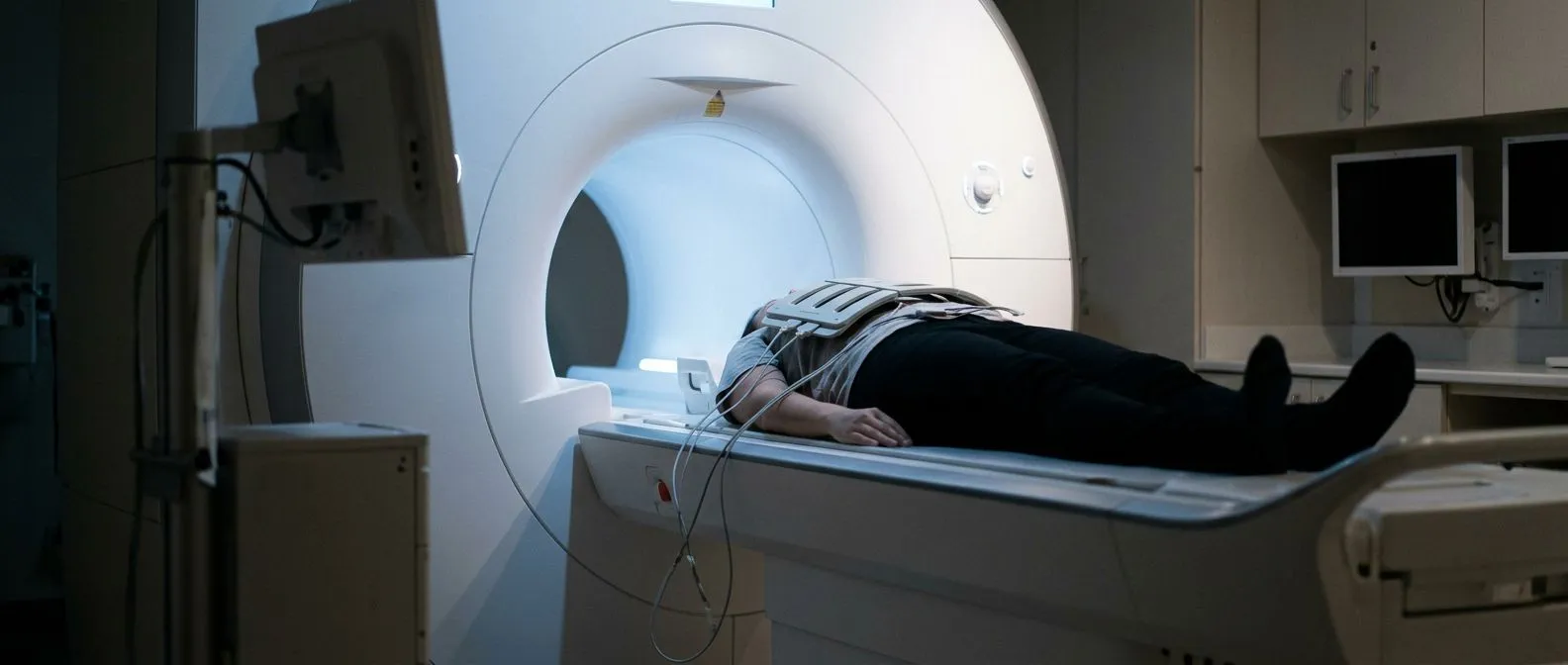
Cardiac Tumor MRI Diagnosis and Imaging
Cardiac tumor MRI diagnosis is the gold standard for characterizing a heart mass. Magnetic resonance imaging uses a magnetic field rather than radiation, and with contrast injected into a vein it can show the tumor's tissue composition, its blood supply, whether it invades the heart muscle, and whether it extends into the large vessels around the heart.
What MRI tells the team: Different tumor types look different on MRI. A benign myxoma — the most common heart tumor — has a characteristic appearance and attachment, while a sarcoma typically shows invasive growth, areas of dead tissue at its center, and enhancement with contrast. MRI also maps the tumor's relationship to the valves, the coronary arteries, and the pericardium, the sac around the heart. That map is what a surgeon uses to plan an operation.
Additional imaging may include a CT scan of the chest, abdomen, and pelvis to check whether cancer has spread elsewhere, and a PET scan in some cases. This staging process — determining how far the disease has gone — is as important as finding the tumor itself, because it separates patients who benefit from surgery from those better served by systemic treatment first.
Heart Mass Biopsy Procedure: What It Involves
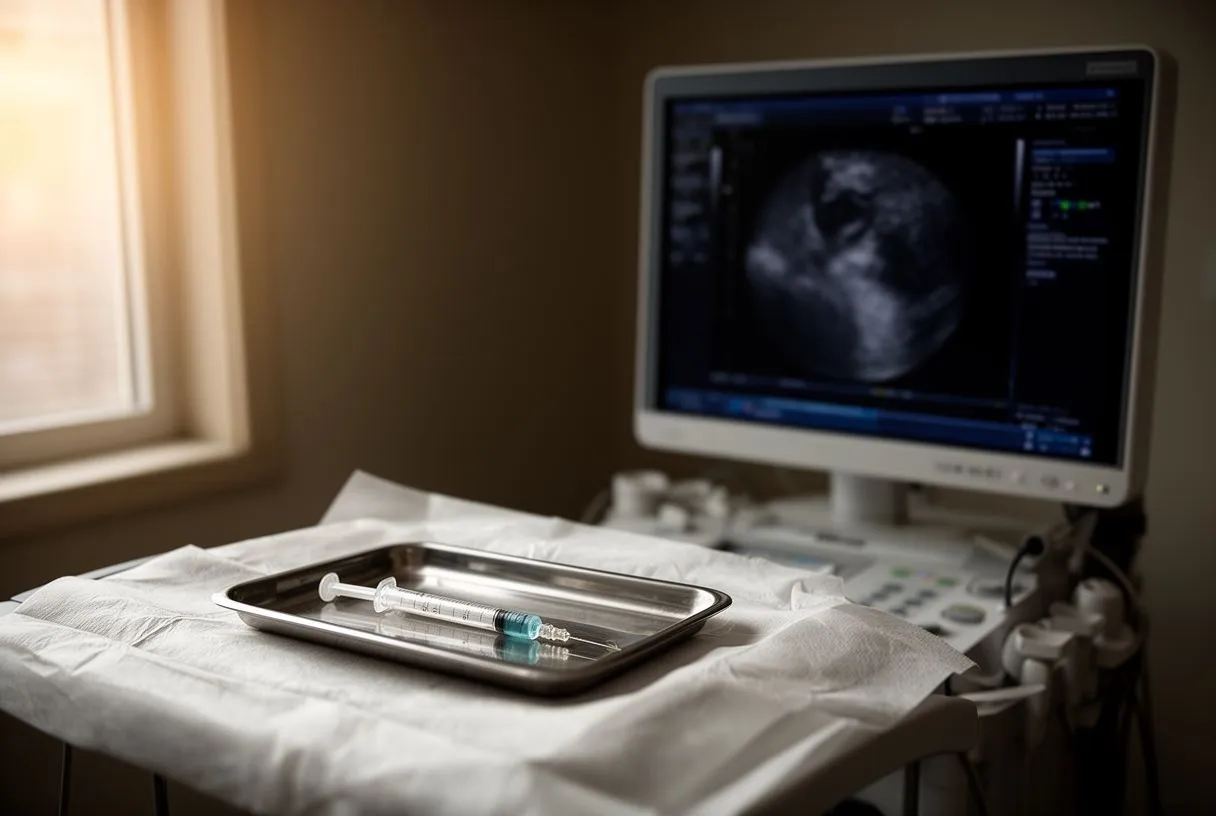
Imaging can suggest what a mass is, but only a biopsy — taking a small sample of tissue and examining it under a microscope — can confirm the diagnosis. Knowing the exact tumor type before treatment is essential, because a sarcoma, a lymphoma, and a benign clot all demand completely different approaches.
How the sample is taken: The least invasive method is a catheter biopsy. A thin, flexible tube is guided through a vein into the heart, and tiny snippets of tissue are collected from inside the mass. When the mass is not safely reachable this way, a surgical biopsy during a small open operation may be needed. The heart mass biopsy procedure carries risks — bleeding, abnormal heart rhythms, and the theoretical spread of tumor cells — so it is performed selectively, by experienced hands, only when the result will change the plan.
When biopsy may be skipped: In some situations, the imaging appearance is so characteristic and the surgical plan so clear that the team proceeds directly to removal, with the pathology examined after the operation. Our team reviews every case against international practice guidelines before recommending either route, and the patient receives a clear proposal with the alternatives laid out.
What Are the Treatment Options for Heart Tumors?
Heart tumor treatment options depend on three questions: Is the tumor benign or malignant? Has it spread beyond the heart? And is the patient well enough for major surgery? Benign tumors such as myxomas are almost always cured by complete surgical removal. Malignant tumors like sarcomas usually need a combination of treatments, and this is where heart cancer treatment in Mexico and internationally follows the same multidisciplinary model used at major cancer centers.
- Surgical removal: the mainstay when the tumor is localized and can be completely excised with clear margins.
- Chemotherapy: used for sarcomas, either before surgery to shrink the tumor, after surgery to reduce recurrence risk, or as the primary treatment when surgery is not possible.
- Radiation therapy: sometimes added after surgery when complete removal was not achieved, or used to control symptoms.
- Clinical trials: targeted therapies and immunotherapies are being studied for sarcomas, and enrolling in a trial can give access to treatments not yet widely available.
For a patient with cardiac sarcoma, treatment is rarely a single decision but a sequence: stabilize any urgent problem (such as obstruction), establish the diagnosis, then move through surgery and systemic therapy in the order that gives the best chance. The sequence matters, and it should be set by a team that treats these cases together rather than one specialist at a time.
Cardiac Tumor Surgical Removal
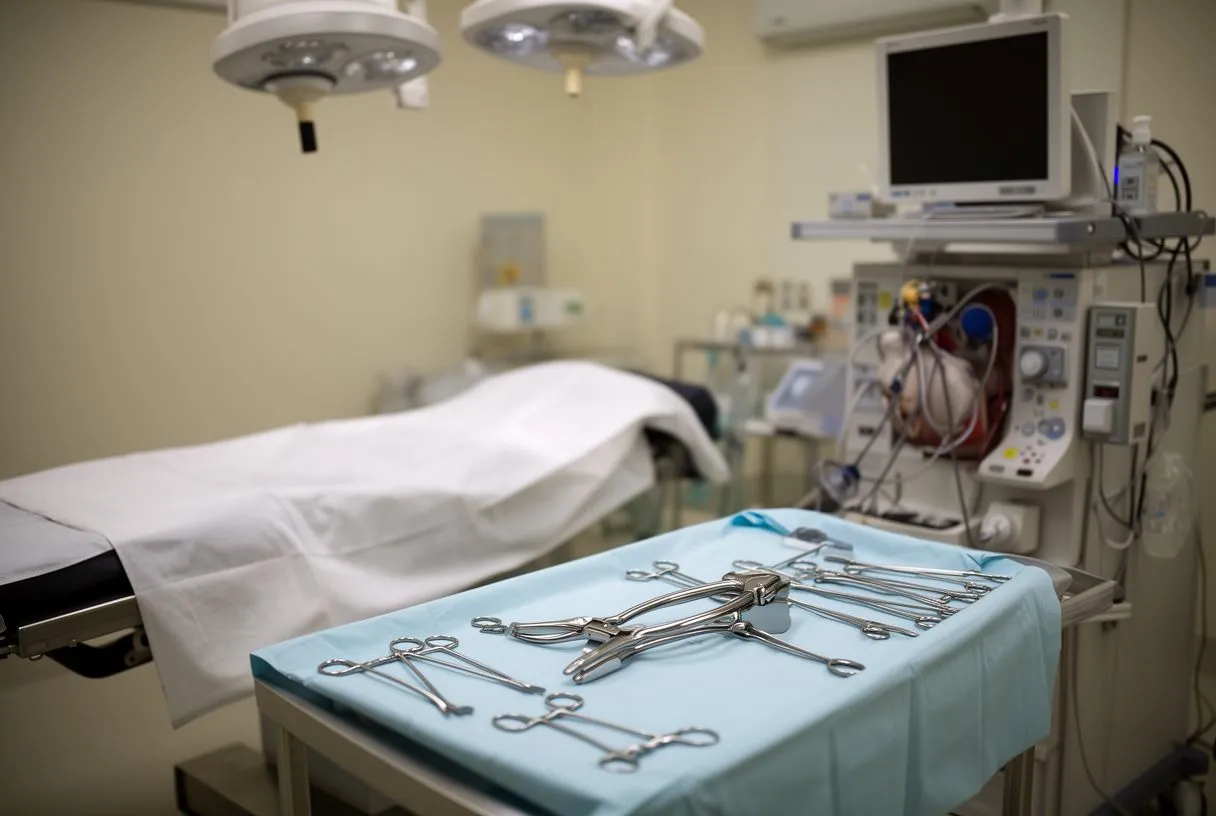
Cardiac tumor surgical removal is performed on a heart-lung machine, which takes over circulation while the surgeon works on a still, bloodless field. The approach and the extent of removal depend on where the tumor sits and what it invades. A tumor confined to a chamber may be removed with a cuff of healthy tissue; one involving a valve may require valve repair or replacement during the same operation; one invading the great vessels may require reconstruction of those vessels, often with grafts.
Minimally invasive options: When the tumor's location and size allow, removal can be done through a small incision between the ribs rather than a full breastbone division, with faster recovery and less pain. Robotic surgery takes this further, using instrument arms controlled from a console for very precise work inside the heart.
In our practice we perform conventional, minimally invasive, robotic and transcatheter procedures, and we recommend the less invasive route only where the evidence supports it for that specific patient and tumor. Dr Molina performed the first robotic mitral valve repair in the Ángeles Health System and the first robotic heart surgery in Guadalajara, and that experience with minimally invasive technique carries directly into how we select patients for limited-incision tumor surgery.
Recovery after surgery: Most patients spend one to two days in intensive care and about a week in hospital. Recovery at home takes four to eight weeks depending on the approach and whether additional treatment follows. If chemotherapy or radiation is planned after surgery, that usually begins within a few weeks once the incision has healed.
Is Chemotherapy Used to Treat Heart Cancer?
Yes — chemotherapy is a central part of cardiac sarcoma treatment in most cases. Sarcomas are cancers, and because primary cardiac sarcoma is often found after it has grown large or spread, surgery alone frequently cannot control it. Chemotherapy medicines circulate through the bloodstream and attack cancer cells wherever they are, including cells too small to see on any scan.
How it is used in sequence: Neoadjuvant chemotherapy is given before surgery to shrink the tumor and make complete removal possible. Adjuvant chemotherapy follows surgery to reduce the chance of the disease returning. When surgery is not an option — because the tumor involves critical structures or the patient cannot tolerate an operation — chemotherapy becomes the primary treatment, sometimes combined with radiation.
What treatment feels like: Chemotherapy for sarcoma is typically given in cycles, with treatment days followed by rest weeks to let healthy cells recover. Side effects commonly include fatigue, nausea, lowered blood counts, and hair thinning, and modern anti-nausea medicines have made cycles far more tolerable than most patients expect. Your oncology team will explain the specific regimen, its goals, and its side effects before anything starts.
Cardiac Sarcoma Prognosis and Survival
It is honest to say that cardiac sarcoma prognosis is serious, and any specialist who tells you otherwise is not being straight with you. Because these tumors are rare and often discovered late, published experience shows that outcomes depend heavily on two factors: whether the tumor can be completely removed with clear margins, and whether it has spread beyond the heart at the time of diagnosis. Patients diagnosed early, with localized disease and complete surgical removal, do substantially better than those whose disease is already advanced.
What drives a better outcome: Complete surgical resection with clean margins is the single strongest predictor. Other favorable factors include lower-grade tumors (meaning slower-growing under the microscope), right-sided versus some more invasive locations, younger age, and good overall health going into treatment. Reported cardiac sarcoma survival rate figures in the medical literature span a wide range for exactly these reasons — an average number tells you little about your individual case.
There is also genuine scientific progress in this field. Research into how tumors behave at the molecular and genetic level — for example, large-scale work mapping the epigenetic signatures, or DNA methylation patterns, of human tissues and tumors — is slowly giving oncologists new ways to classify and target these cancers. Where standard options are limited, asking about clinical trials is not grasping at straws; it is a legitimate part of modern sarcoma care, and the American College of Cardiology ACC provides guidance resources that help patients and physicians navigate rare cardiac conditions.

Getting a Cardiac Sarcoma Second Opinion
Because cardiac sarcoma is rare, most general cardiologists and even many cardiac surgeons will treat only a handful of these cases in a career. That is precisely why a cardiac sarcoma second opinion is worth pursuing — not because your first doctor did anything wrong, but because experience with rare tumors changes decisions about whether to operate, what to remove, and in what order to give systemic therapy.
What a good second opinion looks like: It should involve more than reading a report. It should include a review of the actual imaging, a discussion of whether the tumor is operable, a clear statement of the alternatives, and an honest conversation about risks and expected outcomes. It should also leave the final decision with you.
We encourage second opinions and treat seeking one as a normal part of deciding about heart surgery. Our first contact is a free video consultation: we get to know the patient, talk through the condition, review the studies you already have, and tell you plainly which additional studies are still needed so no unnecessary ones are ordered. If you decide to go ahead, a face-to-face visit at our consulting rooms in Guadalajara, Querétaro or Hermosillo follows.
In the consultation we take the time to explain what the studies actually show, in plain words, and to answer every question before any decision is made. A diagnosis this serious deserves that kind of unhurried conversation.
Living With the Diagnosis: What Comes Next
Building your support team: Facing a rare cardiac cancer involves more than surgeons and oncologists. Practical planning — who will accompany you to treatment, how work and family obligations will shift, where you will stay if treatment happens away from home — reduces stress measurably and helps you focus on the medical decisions that matter.
Questions worth writing down: Bring a list to every appointment. Useful ones include: What type and grade of sarcoma is it? Has it spread anywhere else? Can it be completely removed? What is the full sequence of treatments you propose, and why that order? What results have you had with cases like mine? A team that welcomes these questions is the team you want.
Cardiac sarcoma is rare and serious, but it is not a diagnosis without options: complete surgical removal, chemotherapy, radiation and clinical trials each play a role, and the best results come from a multidisciplinary team that reviews your case as a whole. If you or a family member has been told there is a mass in the heart, do not wait and do not self-diagnose — book a consultation with a qualified cardiac team, bring your imaging, and ask every question you have. The right team will take the time to explain everything and let you make the final decision with clarity.