

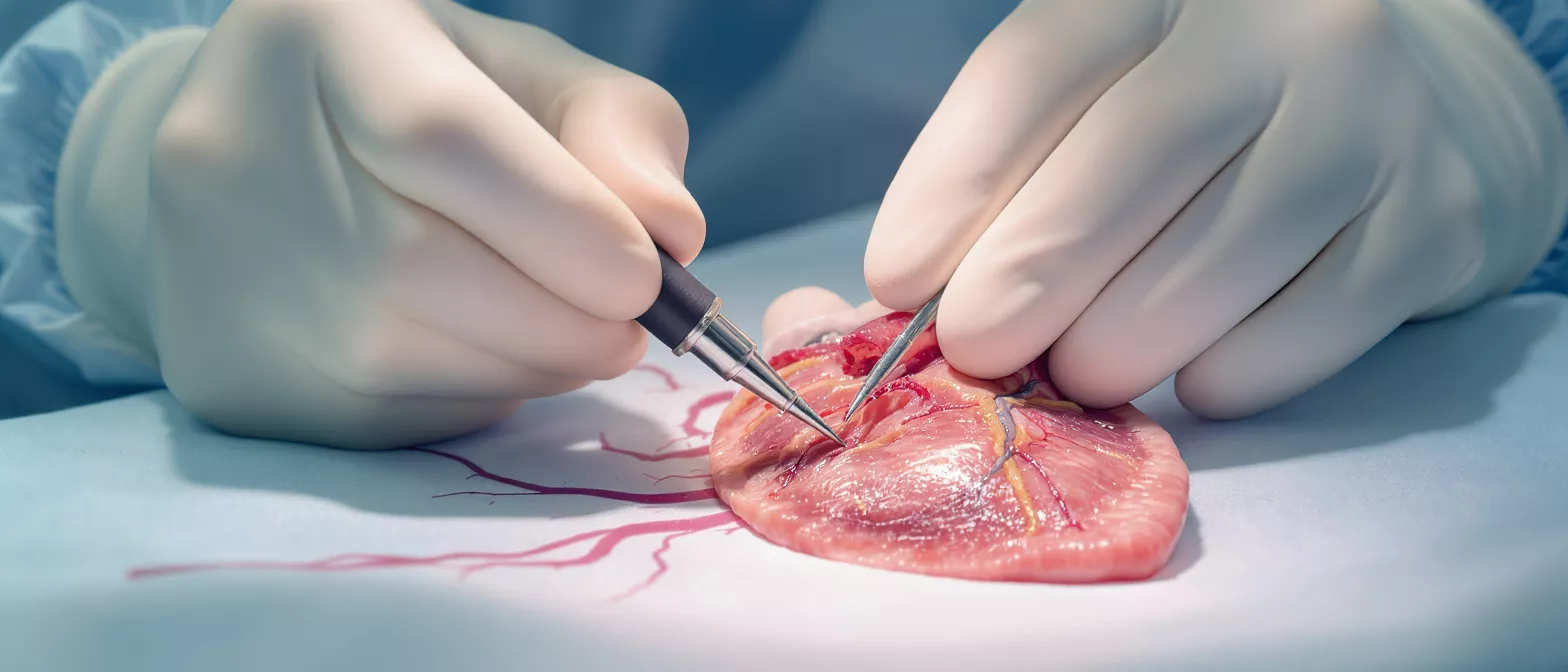
Surgical Ablation
Learn how surgical ablation treats atrial fibrillation and restores normal rhythm.
What is Surgical Ablation?
When a heart beats irregularly, the synchronized electrical signals that maintain a steady rhythm have become disorganized. Understanding the root electrical misfires: Surgical ablation is a highly specialized medical procedure designed to correct these faulty electrical pathways in the heart muscle. By targeting the specific areas where abnormal signals originate or travel, the intervention effectively blocks them, forcing the electrical current to follow a corrected route. It is a targeted approach to restoring a normal heartbeat.
Patients facing heart surgery often feel overwhelmed by medical terminology, but the concept of ablation is straightforward. Think of the heart's electrical system as a complex transit network; when a short circuit occurs, ablation acts as a roadblock that stops the chaotic traffic, redirecting it along the proper pathways. This helps the heart pump efficiently and reduces the strain caused by erratic rhythms. Cardiac surgeons utilize this technique to significantly improve a patient's quality of life.
The procedure is typically recommended when less invasive measures, such as medication or catheter-based interventions, have not successfully controlled the arrhythmia. It is often performed concurrently with other necessary heart surgeries, such as valve repair or coronary artery bypass, providing a comprehensive solution to multiple cardiac issues at once. This dual-purpose approach maximizes the benefits of a single surgical session.
How Surgical Ablation Works
To understand the mechanism, it helps to visualize the heart's internal anatomy. Creating strategic scar tissue: During surgical ablation, the surgeon uses controlled energy—such as radiofrequency (heat) or cryotherapy (extreme cold)—to create precise lesions or tiny scars on the heart tissue. Because scar tissue cannot conduct electricity, these lesions act as permanent barriers that block abnormal electrical signals from disrupting the heart's natural pacemaker.
The surgeon meticulously maps the heart's surface to identify the exact locations where these rogue signals are firing. Once identified, the energy-delivering device is applied to the tissue, carefully destroying only the problematic cells without harming the surrounding healthy muscle. This precision ensures that the heart's structural integrity remains intact while the electrical malfunction is permanently resolved.
This targeted disruption effectively quarantines the arrhythmia. By cordoning off the misfiring tissue, the heart is forced to rely on its natural electrical node, re-establishing a steady and predictable rhythm. The controlled scars essentially act as an insulating maze that guides the electrical impulse safely from the top to the bottom of the heart.
Types of Surgical Ablation Procedures
There are a few different approaches a surgeon might take depending on the patient's specific condition and surgical history. Choosing the right surgical method: The primary types include the full Maze procedure, the modified Maze procedure, and pulmonary vein isolation. Each technique aims to restore normal rhythm but differs in the extent of the incisions and the tools utilized to create the blocking scars.
The traditional Maze procedure involves creating a pattern of scars across both upper chambers of the heart, resembling a maze. Modified versions use energy sources like radiofrequency or microwave to replicate these lesions without making actual surgical cuts, thereby reducing operating time. Pulmonary vein isolation focuses specifically on the veins that bring blood back to the heart, a common source of irregular signals.
- Full Maze Procedure: Comprehensive scar pattern across both atria, often used for complex or long-standing arrhythmias.
- Cryoablation: Uses extreme cold to freeze the problematic tissue, minimizing damage to surrounding healthy areas.
- Radiofrequency Ablation: Uses heat energy to create precise lesions quickly and efficiently.
Atrial Fibrillation Surgical Treatment
Atrial fibrillation is the most common type of heart arrhythmia, characterized by a rapid and irregular heartbeat that can lead to blood clots, stroke, and heart failure. Targeting AFib at the source: Surgical ablation has proven to be a highly effective atrial fibrillation treatment, especially for patients who have not responded well to medications or less invasive catheter procedures.
When AFib originates in the left atrium near the pulmonary veins, a surgeon can directly isolate these areas during a concomitant cardiac operation. Addressing atrial fibrillation during valve surgery is particularly beneficial, as it eliminates the need for a separate procedure down the line. Patients often experience a marked improvement in their energy levels and a significant reduction in their risk of stroke.
Choosing atrial fibrillation surgical ablation solutions provides a definitive intervention for a condition that can otherwise be difficult to manage chronically. By physically severing the ability of the pulmonary veins to send chaotic signals to the rest of the heart, surgeons can often return the patient to a normal sinus rhythm before they even leave the operating room.
Surgical Ablation vs Catheter Ablation
Patients often wonder why a surgeon would recommend an open-heart approach when catheter ablation is less invasive. Comparing the two approaches: Catheter ablation involves threading a thin wire through a vein in the leg up to the heart, using energy to destroy the problematic tissue from the inside. Surgical ablation, on the other hand, allows the surgeon to directly visualize the heart and create more durable, transmural lesions that go completely through the heart wall.
While catheter ablation is an excellent option for many, its success rate can vary, and some patients require multiple procedures. Surgical ablation is typically reserved for cases where catheter methods have failed, or when the patient is already undergoing another cardiac surgery. The direct visualization offered by a surgical approach allows for a more comprehensive and permanent block of the rogue electrical pathways.
Ultimately, the choice between surgical ablation vs catheter ablation depends on the severity of the arrhythmia, the patient's overall heart health, and whether they need additional surgical interventions. Consulting with an experienced cardiac surgeon helps clarify which path offers the best chance for a long-term cure.
Who Needs Cardiac Ablation Surgery?
Not everyone with an irregular heartbeat requires surgical intervention. Identifying the right candidates: Cardiac ablation surgery is generally recommended for patients who suffer from persistent or permanent atrial fibrillation that has not responded to antiarrhythmic medications. It is also highly indicated for patients who are already scheduled for open-heart surgery to repair or replace a faulty heart valve or undergo bypass surgery.
When an arrhythmia severely impacts a patient's daily life, causing debilitating fatigue, shortness of breath, or dizziness, a more aggressive intervention may be necessary. Furthermore, patients who have a high risk of stroke due to their irregular rhythm may benefit greatly from the surgical Maze approach, as it restores normal blood flow and reduces the pooling of blood that leads to clot formation.
A thorough evaluation by a cardiac electrophysiologist and a cardiothoracic surgeon is essential to determine candidacy. They will review the patient's medical history, the specific nature of their arrhythmia, and the structural health of their heart to recommend the most appropriate course of action. The goal is always to provide the safest and most effective path to a normal rhythm.
Maze Procedure Heart Surgery Explained
The Maze procedure is the most well-known form of surgical ablation, often considered the gold standard for treating persistent atrial fibrillation. The surgical "maze" concept: The surgeon creates a intricate pattern of scar tissue across the atria. Because electrical signals cannot pass through scar tissue, they are forced to travel along the specific pathways laid out by the surgeon, much like a mouse navigating a maze toward the exit.
This carefully designed routing ensures that the electrical impulse travels cleanly from the sinoatrial node (the heart's natural pacemaker) to the atrioventricular node, without being interrupted by the chaotic short-circuits of AFib. Originally performed with a scalpel, modern maze heart surgery utilizes advanced energy sources to create these scars, significantly reducing the time the patient spends on the heart-lung machine.
Patients exploring advanced arrhythmia surgical treatment options will find the Maze procedure highly effective. Because the scars take time to fully form and mature, patients may still experience some irregular beats in the weeks following the operation, but the long-term success rate for maintaining a normal sinus rhythm is excellent.
Surgical Ablation Risks and Considerations
Like any major medical procedure, surgical ablation carries certain risks that patients must understand before giving consent. Potential complications to discuss: Because it is often performed alongside other open-heart procedures, the risks are similar to those of conventional cardiac surgery. These can include bleeding, infection, blood clots, and adverse reactions to anesthesia.
Specific to ablation, there is a small risk that the energy used to create the scars could damage surrounding healthy tissue, or that the lesions do not block the signals completely, requiring a subsequent catheter ablation. There is also a rare possibility of damage to the phrenic nerve, which controls the diaphragm, or the creation of a fistula between the heart and esophagus if the back wall of the heart is treated too aggressively.
However, in the hands of an experienced surgeon, these risks are remarkably low. The surgical team takes extensive precautions, including continuous monitoring of the heart's electrical activity and utilizing precise energy-delivery systems, to ensure the safest possible outcome. Patients should have a frank, open discussion with their surgeon about their personal risk profile compared to the dangers of leaving the arrhythmia untreated.
Post-Ablation Recovery Time and Expectations
Recovery from surgical ablation is closely tied to the recovery of any concomitant procedures, such as valve replacement or bypass surgery. The healing timeline: Immediately after the surgery, the patient will spend several days in the intensive care unit for close monitoring, followed by a few days in a regular hospital ward. Post-ablation recovery time generally spans four to six weeks before the patient can return to normal daily activities.
During the first few weeks, it is completely normal to experience some fatigue, minor chest discomfort, and intermittent irregular heartbeats. This occurs because the heart tissue is still healing and the scars are maturing. Patients are usually prescribed medications to manage pain, prevent blood clots, and help control the heart rate during this transitional period.
The medical team will monitor the heart's rhythm closely, adjusting medications as the heart settles into its new, stable pattern. Patience is vital, as the full benefits of the ablation may not be realized until the tissue has completely healed, which can take up to three months.
Cardiac Ablation Success Rate and Long-Term Outlook
For many patients, surgical ablation offers a permanent cure for their arrhythmia. Measuring long-term success: The cardiac ablation success rate for the surgical Maze procedure is notably high, particularly for patients who undergo the operation alongside other valve repairs. Studies consistently show that a significant majority of patients maintain a normal sinus rhythm long after the surgery, free from the burden of daily antiarrhythmic medications.
Restoring a normal heart rhythm dramatically improves the heart's pumping efficiency, reduces the risk of stroke, and alleviates the chronic fatigue associated with atrial fibrillation. Patients often report a vastly improved quality of life, returning to activities and exercises they had previously abandoned due to their heart condition. The long-term outlook is exceptionally positive when patients commit to heart-healthy lifestyle changes following their operation.
Ultimately, surgical ablation is a powerful tool in modern cardiac care, offering a definitive solution for complex heart rhythm disorders. By working closely with a dedicated surgical team, patients can navigate the journey from erratic heartbeats to a steady, healthy rhythm, securing a more active and vibrant future.






