Atrial Fibrillation Treatment: Medicines, Ablation, Surgery
Atrial fibrillation treatment explained: medications, catheter ablation, and maze surgery options.
If you or someone close to you has been told the heart is beating out of rhythm, understanding atrial fibrillation treatment becomes the most useful next step. Atrial fibrillation, often shortened to AFib, is the most common treated heart rhythm problem in adults. It is manageable, and knowing the options for treating atrial fibrillation — from afib medications to cardiac ablation — puts you in control of the decision. This guide walks through how the condition works, what the main treatments are, and what recovery actually looks like, so you can bring better questions to your cardiac team.
What Is Atrial Fibrillation Treatment and Why Does It Matter?
What exactly is going wrong? Atrial fibrillation begins in the atria, the two upper chambers of the heart. Instead of firing in a coordinated pattern, their electrical signals become chaotic, and the chambers quiver rather than squeeze. The result is an irregular, often fast heartbeat that reduces the heart's efficiency. This matters for two reasons: the heart may struggle to pump enough blood, and blood can pool in the upper chambers, where clots may form.
What are the goals of atrial fibrillation management? Doctors pursue three things at once. First, control the heart rate so the lower chambers do not race. Second, restore and hold a normal rhythm where possible. Third, prevent stroke by keeping clots from forming. Every heart rhythm treatment plan combines these goals in different proportions depending on your symptoms, how long the arrhythmia has been present, and the structure of your heart. There is no single right answer — there is the right answer for your situation.
In our practice, every case of atrial fibrillation is reviewed by the multidisciplinary team against international practice guidelines before a recommendation is made. The patient receives a clear proposal with the alternatives, and the final decision is always theirs. That shared review matters, because the trade-off between medication, ablation, and surgery is rarely obvious on the surface.
What Causes Atrial Fibrillation and Who Is at Risk?
Which conditions drive it? Age is the strongest factor — the condition becomes far more common after 65 — but it rarely acts alone. High blood pressure, coronary artery disease, valve disease, thyroid overactivity, sleep apnea, obesity, and heavy alcohol use all raise the risk. A blocked artery can contribute indirectly: when the heart muscle is short of oxygen or the heart is strained by ischemia, the electrical system becomes more irritable and arrhythmias become more likely. Some patients also carry a structural substrate, such as an atrial septal defect, a hole between the upper chambers that can disturb heart rhythm over time.
Can it appear without warning? Yes. Some people discover atrial fibrillation by accident on a routine electrocardiogram or a smartwatch reading, having felt almost nothing. Others feel it immediately as a pounding, fluttering chest. This silent presentation is one reason unchecked high blood pressure and undiagnosed sleep apnea are worth treating early — they quietly remodel the heart in ways that invite arrhythmia later. Reducing weight, treating apnea, and moderating alcohol are all interventions with real evidence behind them, not lifestyle platitudes.
The practical takeaway is that atrial fibrillation is usually the visible end of a longer process. When your cardiologist orders tests, they are trying to find the underlying driver, because treating the driver — the valve, the artery, the thyroid, the sleep — is often what makes the rhythm treatment durable.
What Are the Symptoms of Afib to Watch For?
How does it feel? The classic sensations are a racing or fluttering heartbeat, palpitations that come and go, and a pulse that feels uneven when you check it at the wrist. Many patients describe fatigue that seems out of proportion to their activity, shortness of breath climbing stairs, or mild dizziness. Afib symptoms are easy to miss because they are vague and can be blamed on age, stress, or being out of shape. That is precisely why an irregular pulse picked up on a home device deserves a proper evaluation rather than a shrug.
Can afib cause weakness in the legs? It can. When the heart is not pumping efficiently, less blood reaches the muscles during activity, and patients often report heavy, tired legs or early exhaustion on walks that used to be easy. Persistent weakness, especially alongside breathlessness, is a signal worth reporting. It is also one of the symptoms patients most commonly dismiss, which delays diagnosis.
When is it an emergency? Chest pain, fainting, sudden severe shortness of breath, or any sign of stroke — a drooping face, slurred speech, weakness on one side — require immediate emergency care. Atrial fibrillation itself is usually not an emergency, but its complications are. Learning the difference between "I should mention this at my next appointment" and "we need to go to the hospital now" is one of the most valuable things a patient and family can do.
What Afib Medications Are Used First?
For most patients, afib medications are the first step. These drugs fall into three families, each with a different job, and most patients end up taking at least two of them. Medicines do not fix the underlying electrical problem, but they control it very effectively and are the foundation of long-term atrial fibrillation management.
- Anticoagulants: blood thinners such as apixaban, rivaroxaban, or warfarin that prevent the clots responsible for stroke. Aspirin alone is no longer considered adequate protection for most patients with afib.
- Rate control drugs: beta-blockers and calcium channel blockers that keep the heartbeat from racing, easing fatigue and breathlessness even while the rhythm stays irregular.
- Rhythm control drugs: antiarrhythmics such as amiodarone or flecainide that try to hold the heart in a normal rhythm. These often need to be started under monitoring, because their effects on the heart's electrical system are powerful.
Do blood thinners carry risks? Yes, and they deserve honest discussion. The main risk is bleeding — nosebleeds, easy bruising, and a rarer but serious risk of bleeding in the brain or gut. Doctors use scoring tools to balance your stroke risk against your bleeding risk, and the calculus shifts with age, kidney function, and fall risk. For patients who cannot tolerate anticoagulants, sealing off the left atrial appendage — the small pouch in the left upper chamber where most clots form — is an established alternative, whether through left atrial appendage closure devices or surgical removal.
Drugs remain the backbone of care for many people and can be managed safely for decades. But when symptoms persist despite well-adjusted medication, or when the side effects become unacceptable, the conversation moves to procedures.
How Does Catheter Ablation for Afib Work?
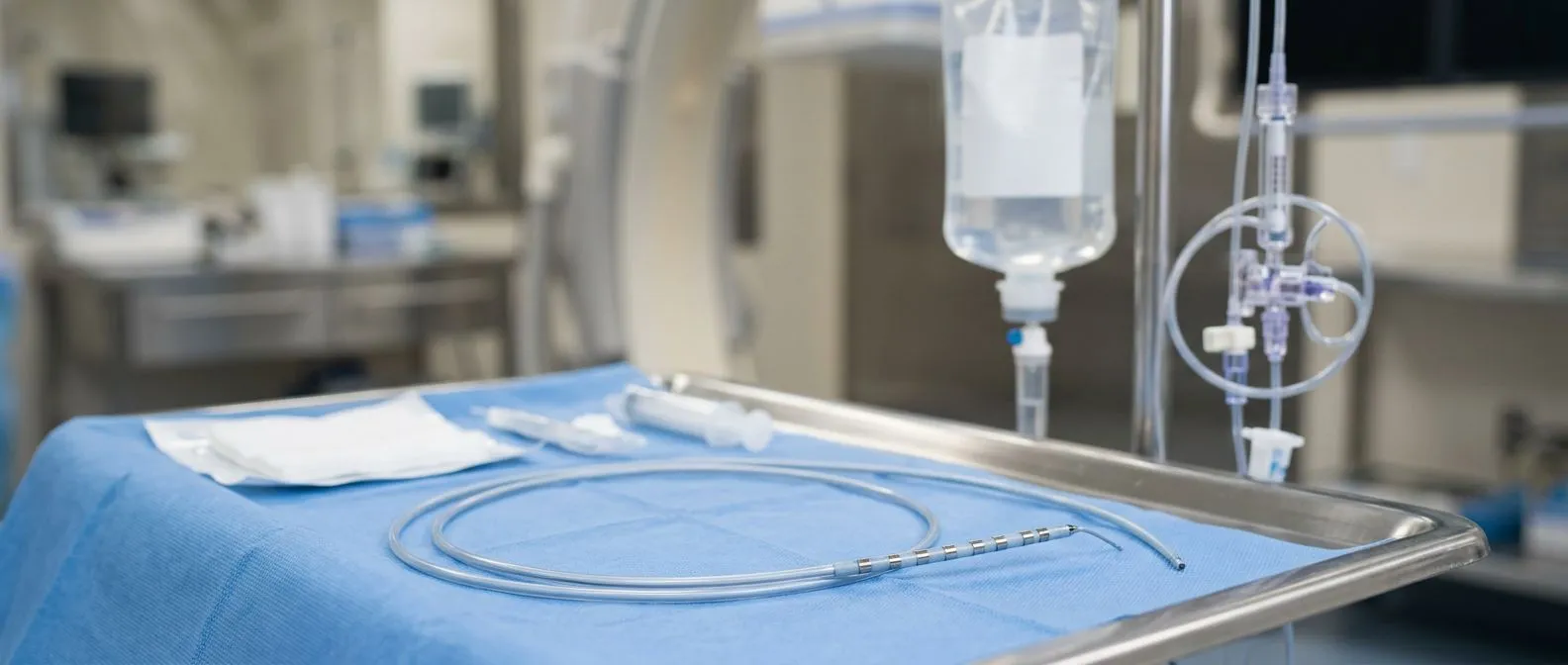
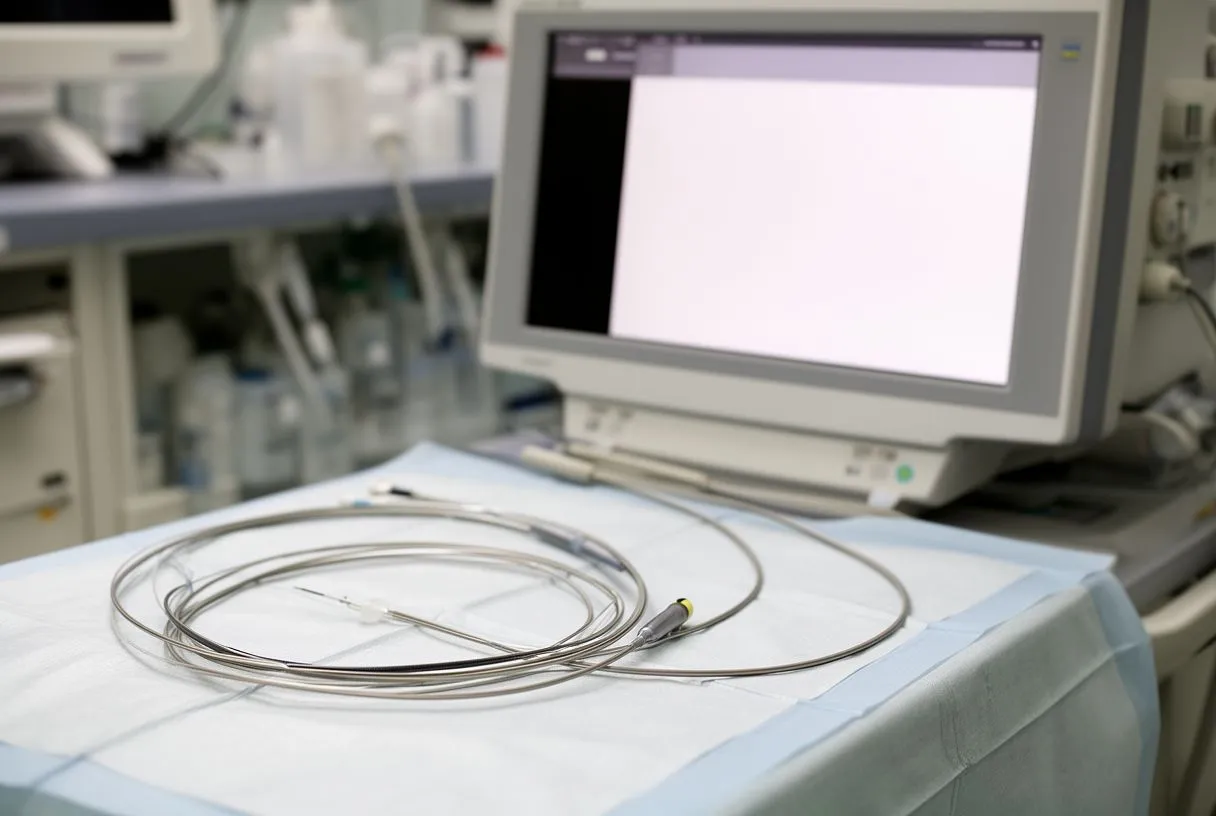
What happens during the procedure? Catheter ablation for atrial fibrillation is a minimally invasive procedure in which a specialist threads long, thin tubes called catheters through a vein, usually in the groin, up into the heart. Once the catheters reach the atria, the doctor maps the electrical signals and identifies the areas firing chaotically — most often around the pulmonary veins, the vessels returning blood from the lungs. Energy is then applied to create small, precise scars that block those abnormal signals. Energy sources today include radiofrequency heat, cryoablation with freezing, and increasingly, pulsed electric fields, a newer technique designed to affect heart tissue selectively while sparing nearby structures such as the esophagus.
Current expert consensus statements — including the 2024 joint European Heart Rhythm Association and Heart Rhythm Society consensus on catheter and surgical ablation of atrial fibrillation — guide which patients benefit most and how procedures should be performed. Studies of new technologies, such as the trial of a large-area focal pulsed-field ablation system for persistent atrial fibrillation registered on ClinicalTrials.gov, are actively refining these techniques. The direction of travel in cardiac ablation is clear: more precise energy delivery, shorter procedures, and better durability.
Who is a good candidate? Ablation tends to work best in patients whose atrial fibrillation is intermittent rather than constant, whose hearts are not yet badly enlarged, and whose symptoms genuinely affect daily life despite medication. Ablation can substantially reduce or even eliminate episodes, but it is not always a permanent cure — abnormal signals can find new pathways, and some patients need a second procedure. Success also depends on treating what caused the arrhythmia in the first place.
In our consultations we take the time to explain, in plain words, what the studies actually show for your specific pattern of atrial fibrillation, and to answer every question before any decision is made. Our team performs conventional, minimally invasive, robotic and transcatheter procedures, and we recommend the less invasive route only where the evidence supports it for that patient.
When Is Afib Surgery or Maze Procedure Afib Needed?
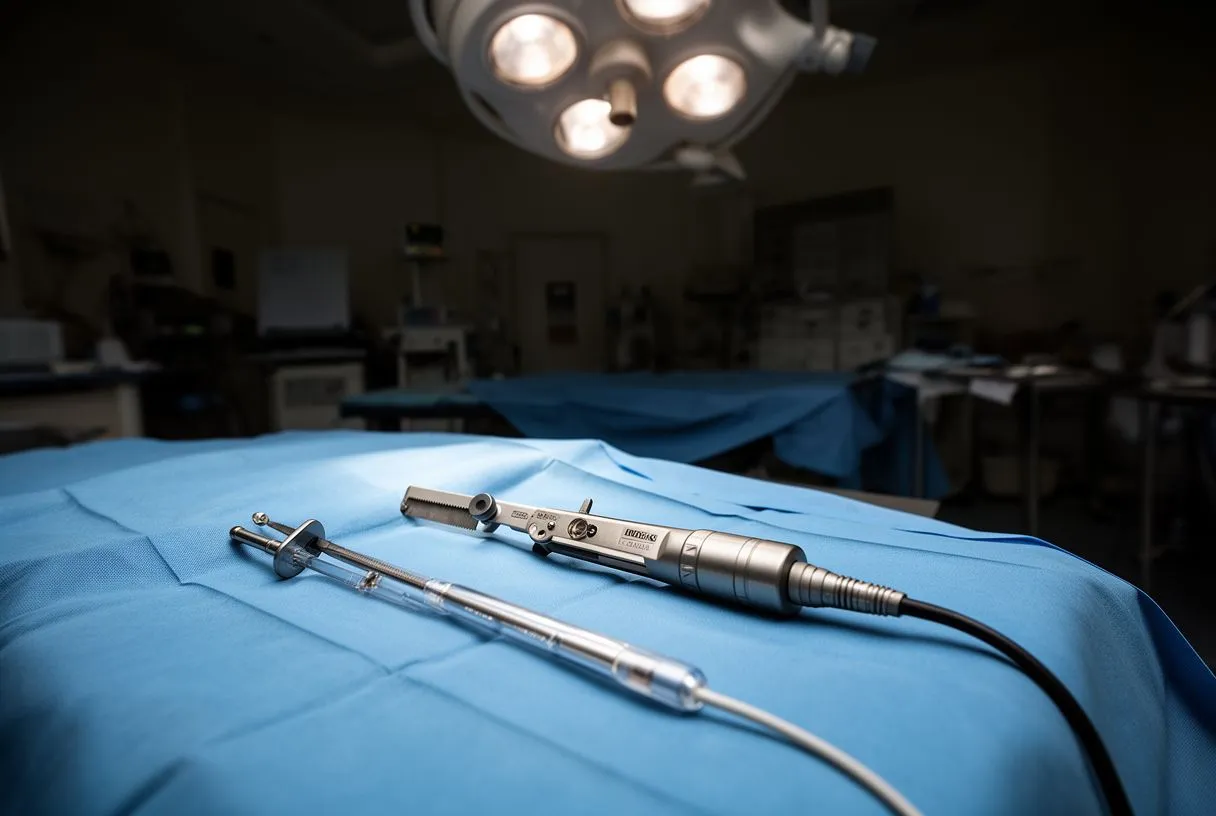
When does afib require open-heart surgery? For most patients it does not. But when a patient needs heart surgery for another reason — a leaking or narrowed mitral valve, blocked coronary arteries, aortic disease — the surgeon can perform a maze procedure for afib during the same operation. The maze procedure creates a carefully designed pattern of scar tissue across the atria, done directly on the exposed heart rather than through catheters. Because the scar pattern is more complete than what catheters can achieve, surgical ablation has the highest success rates of any atrial fibrillation treatment, and it comes at the cost of only one operation and one recovery.
What about minimally invasive and hybrid options? Afib heart surgery has evolved well beyond the traditional open approach. Minimally invasive surgical ablation can be performed through small incisions between the ribs, sometimes using robotic assistance, without opening the chest. Hybrid procedures combine surgical ablation of the outside of the heart with catheter ablation of the inside in a single strategy, and are used for more persistent or long-standing cases. In some combined operations the team may also perform left atrial appendage closure or removal to reduce stroke risk further.
Dr Molina performed the first robotic mitral valve repair in the Ángeles Health System and the first robotic heart surgery in Guadalajara, and our team reviews every case together to decide whether a surgical, hybrid, or catheter-based approach offers the lowest risk for that patient's situation. If you already know you need valve surgery and you also have atrial fibrillation, asking about combined ablation at the same time is one of the most worthwhile questions you can bring to your surgeon.
Can You Live With Afib Without Medication?
Is it possible? Yes, in specific circumstances — and no, in most. Some people with very occasional, brief episodes that are triggered by alcohol or sleep deprivation can have the trigger removed and do well without ongoing drugs. Patients who have had a successful ablation may come off rate-control drugs and sometimes even anticoagulants, depending on their underlying stroke risk. But for patients with ongoing atrial fibrillation, enlarged hearts, or elevated stroke risk, going without blood thinners is genuinely dangerous, because the first sign of trouble may be a stroke.
What are natural remedies for atrial fibrillation? There is no supplement that treats atrial fibrillation, and some over-the-counter products can interact dangerously with heart medications. The evidence-backed "natural" measures are behavioral: weight loss, treating sleep apnea, limiting alcohol, exercising moderately, and controlling blood pressure and diabetes. These measures genuinely reduce episode burden and improve outcomes — but they work alongside medical treatment, not instead of it. Before starting any supplement or stopping any medication, talk it through with your cardiologist.
How long can a person live with atrial fibrillation? Many people live with atrial fibrillation for decades — some patients live with it for 20 years or more and remain active and well. The condition itself is not usually what shortens life; it is the complications that go untreated. When the rhythm and the stroke risk are both managed, the outlook is far better. The key is not avoiding the diagnosis but acting on it early, while the heart's structure is still healthy and the treatment options are widest.
How to Prepare for Atrial Fibrillation Procedures
What tests are done beforehand? Preparation for an ablation or surgical procedure starts with a thorough picture of your heart. You will typically undergo an echocardiogram, a painless ultrasound that shows how well the heart pumps and whether the valves are working properly. Some patients receive a transesophageal echocardiogram, in which an ultrasound probe is passed down the throat, to rule out clots in the atria before the procedure. Blood tests check kidney function, thyroid, and clotting, and the team reviews every medication you take, because some must be adjusted or paused before the intervention.
- Imaging: echocardiograms and CT scans map the chambers, the pulmonary veins, and any clots.
- Medication review: anticoagulants and antiarrhythmics are adjusted to balance bleeding and stroke risk.
- Logistics: fasting instructions, someone to drive you home, and a plan for the first night.
What should you ask your team before agreeing? Come with a list, and expect real answers. Useful questions include how many of these procedures your team performs, what the expected success rate is for your pattern of afib, what the main risks are for your situation, and whether there are alternatives that might suit you better. We encourage second opinions and treat seeking one as a normal, healthy part of deciding about heart surgery — a good team welcomes the question rather than resisting it.
What about travel planning? For international patients, preparation extends beyond the medical. The first contact with our team is a free video consultation: we get to know the patient, talk through the condition, and say which studies are still needed so no unnecessary ones are ordered — a face-to-face visit follows when the patient decides to go ahead. Gathering your records — echo reports, ECGs, Holter results, and current medication lists — before you travel keeps the in-person evaluation efficient.
What Is Recovery Like After Atrial Fibrillation Ablation?
What happens in the first days? After catheter ablation, most patients spend one night in the hospital for observation. You will lie flat for several hours so the catheter entry site in the groin heals properly, and the team monitors your heart rhythm continuously. It is common to feel chest discomfort or mild fatigue for one to two weeks — the heart tissue is healing, and inflammation after ablation is normal. Some patients notice extra beats or brief palpitations in the first weeks; this does not mean the procedure failed, and it usually settles as the tissue heals.
Once home, recovery from an ablation is straightforward for most people. Light activities and short walks can usually begin within a few days, and most patients return to desk work within a week. Strenuous exercise, heavy lifting, and swimming are typically postponed for several weeks, and your team will tell you exactly when. Blood thinners are usually continued after the procedure, because the healing tissue and the underlying stroke risk still need protection.
How does recovery differ after surgery? After a maze procedure combined with open-heart surgery, the recovery timeline is naturally longer — weeks in the hospital, then weeks of cardiac rehabilitation with gradual, supervised exercise. Rehabilitation is not a luxury; it is part of the treatment, and patients who complete it recover function more reliably. Follow-up appointments check the heart rhythm with ECGs or wearable monitors, and medications are adjusted as the heart settles. After treatment, structured follow-up and review of rhythm data help catch small issues early rather than at the next crisis.
Afib Treatment: Planning Your Care in Mexico
Why do patients choose Mexico for atrial fibrillation specialists? The advantage is not only financial — it is the time and attention you receive, and a care plan built around your reality rather than a generic protocol.
We are a multidisciplinary team of cardiac surgeons led by Dr Alejandro Molina, with consulting rooms in Guadalajara, Querétaro and Hermosillo, and our work covers valve disease, coronary disease, the aorta and structural heart conditions. Dr Molina trained in cardiothoracic surgery at the Universidad de Guadalajara, in cardiac, minimally invasive, robotic and structural surgery at the University of Montreal, and in structural cardiology and TAVR at CHU Bordeaux, and the team has also trained at Jena, Bad Berka and Buffalo. That background matters when a patient's afib is intertwined with a valve problem or coronary disease and needs a combined plan rather than a single-procedure answer.
How do you take the next step? If you or a loved one is navigating atrial fibrillation, you do not have to decide alone. Start by discussing your symptoms and history with a qualified cardiac team — a free video consultation is a reasonable, low-pressure way to begin. In that first consultation we take the time to explain what the studies actually show, in plain words, and to answer every question before any decision is made. Whether your situation can be managed with medication or calls for a procedural intervention, the goal is the same: a steady heart, a protected brain, and a life you can live fully.