Intra-Aortic Balloon Pump in Cardiogenic Shock
Intra-aortic balloon pump shock treatment helps a failing heart recover.
When a heart suddenly cannot pump enough blood to the body, doctors sometimes turn to a mechanical device called an intra-aortic balloon pump. If you or a family member has been told about intra-aortic balloon pump shock treatment, you may feel overwhelmed by unfamiliar machines, catheters and acronyms. This guide explains, in plain language, what the device does, when it is used, what placement involves, and what recovery realistically looks like. Our aim is that you finish reading able to ask your cardiac team sharper, calmer questions.
What Is Intra-Aortic Balloon Pump Shock?
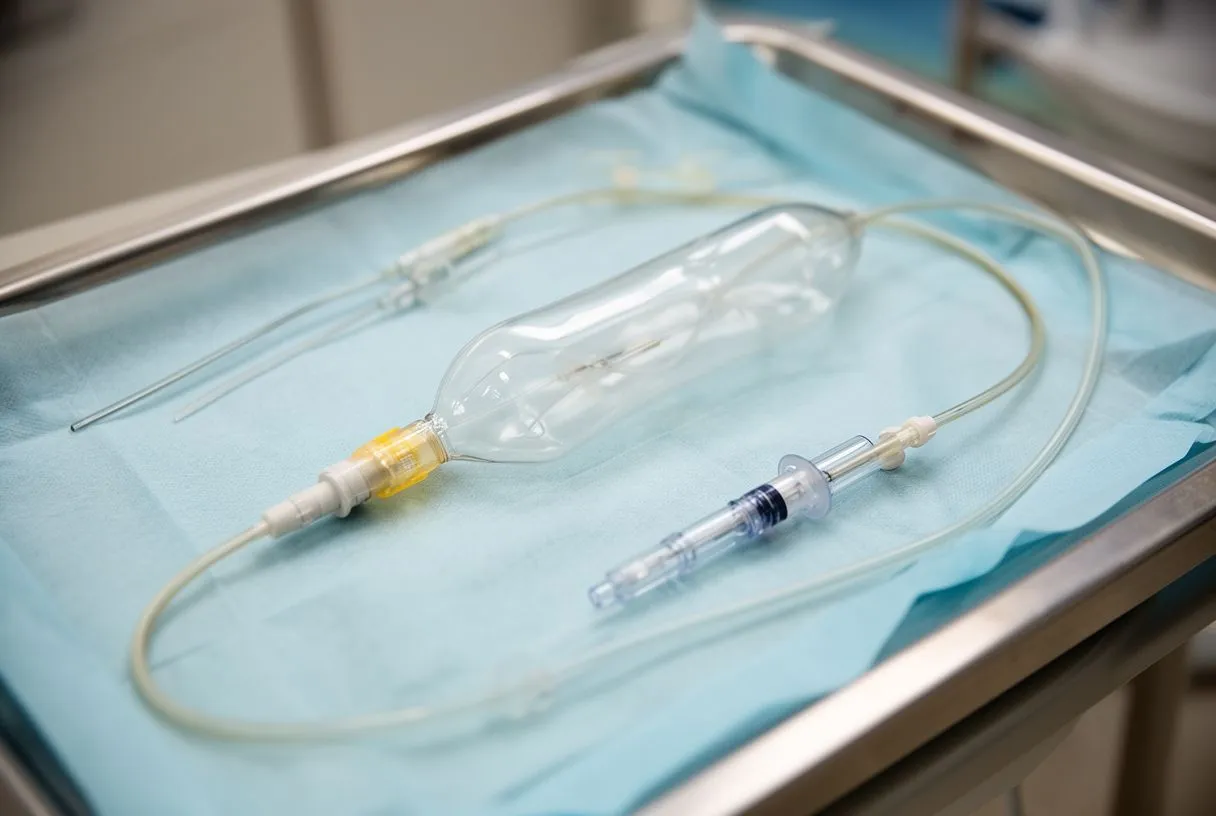
What is intra-aortic balloon pump shock? The phrase actually combines two ideas. Shock here does not mean an emotional jolt; it is a medical state in which the body's organs are not receiving enough blood flow. An intra-aortic balloon pump is a thin catheter with a small balloon on its tip, placed inside the aorta — the main artery leaving the heart — to help a failing heart maintain that flow. Intra-aortic balloon pump cardiogenic shock refers to using this device when the heart's own pumping strength has collapsed, most often after a major heart attack.
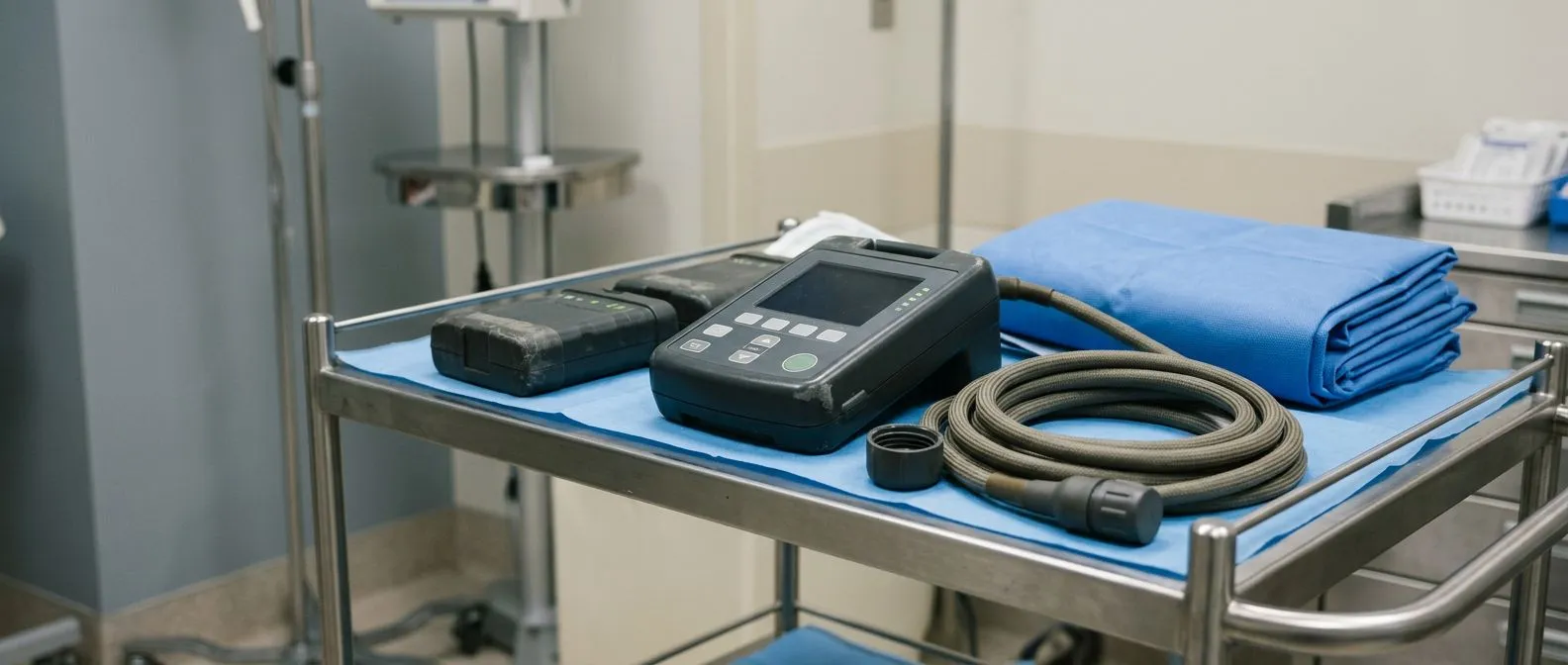
The device in one sentence. The balloon sits in the descending aorta, below the arteries that supply the head and arms. It inflates and deflates in rhythm with the heartbeat, and that rhythmic action lightens the load on the heart while improving blood delivery to the coronary arteries and the rest of the body. It is temporary support, usually measured in hours to days, not a permanent implant.
A long track record. Counterpulsation — the principle behind the balloon pump — has been studied in cardiac medicine for more than sixty years, and decades of that research have been reported in journals such as The Lancet. Understanding the device well matters because, as you will see below, modern trials have reshaped how doctors view its role in the most severe situations.
How Does an Intra-Aortic Balloon Pump Work?
The counterpulsation principle. To answer "how does an intra-aortic balloon pump work," picture the cardiac cycle. The heart relaxes between beats, and during that relaxation the coronary arteries fill with blood. The balloon is timed to inflate precisely during relaxation — called diastole — which pushes blood backward toward the heart and improves flow into the coronary arteries. It then deflates just before the heart contracts, which creates a low-pressure space in the aorta that the heart can eject into with less effort.
IABP timing cycles explained simply. The console driving the balloon reads the patient's own heartbeat, usually from an arterial line and the ECG. Modern systems trigger automatically off the ECG waveform and adjust inflation and deflation to each beat. If the timing drifts — because of an irregular rhythm or a sensor problem — the nurses and perfusionists caring for the device correct it, because poor timing reduces the benefit and can even worsen the load on the heart.
Intra-aortic balloon pump hemodynamic effects. The net result is measurable: the heart's workload drops, coronary blood flow rises, and the organs receive better perfusion. Doctors track these effects with blood pressure, urine output, mental status and laboratory markers of organ function. The device does not repair the underlying problem — it buys the heart time to recover or time for a definitive procedure.
What Is Cardiogenic Shock and Why Does the Heart Need Help?
Cardiogenic shock is a cardiovascular emergency. In cardiogenic shock, the heart muscle is so weakened — usually by a large heart attack, sometimes by a valve crisis or advanced cardiomyopathy — that blood pressure falls and organs begin to fail. Kidneys slow down, the brain becomes foggy, and the hands and feet turn cold and mottled. Without treatment, the mortality is high, which is why these patients go to intensive care and often directly to the cardiac catheterization laboratory.
Why medication alone is sometimes not enough. Drugs that strengthen the heartbeat, called inotropes, can raise blood pressure, but they also make the heart work harder and consume more oxygen. In the sickest patients that trade-off is not acceptable, and mechanical support fills the gap. This is exactly the situation an intra-aortic balloon pump was designed for: stabilize circulation now, treat the cause next.
Seeing it from the family side. For many families, the hardest part is not understanding the device but the speed at which everything happens. When a patient is in cardiogenic shock, the usual priority order is: restore blood flow to the heart muscle first, support the circulation while that is done, and only then discuss longer-term decisions.
Intra-Aortic Balloon Pump Indications: Who Needs One?
The main intra-aortic balloon pump indications. Doctors reach for the balloon pump in a defined set of circumstances. The most common are listed below.
- Cardiogenic shock after a heart attack: to stabilize circulation while the blocked coronary artery is opened, usually with Balloon Angioplasty and a stent.
- High-risk coronary procedures: support during complex angioplasty in patients whose hearts cannot tolerate even brief interruptions — one area where combining support devices has been actively studied, as documented in research on organoprotective effects of ECMO and balloon pump support in high-risk intervention (Reanimatology).
- Bridge to definitive treatment: a temporary bridge while the team prepares valve surgery or other definitive care, including cases of severe Aortic Insufficiency or acute valve failure.
- Weaning from cardiopulmonary bypass: when a heart struggles to take over circulation after open-heart surgery and the surgical team needs to come off On-pump Bypass gradually.
IABP for heart failure decompensation. In advanced heart failure flare-ups, the pump can temporarily improve perfusion while medications are adjusted or a more durable support strategy is decided. It is not a long-term heart-failure treatment; it is a bridge measured in days.
Intra-aortic balloon pump contraindications. Not every patient is a candidate. The device cannot be used safely when the aorta itself is damaged or diseased at the insertion level — for example a suspected Aortic dissection: a true cardiovascular emergency, a significant Aortic Rupture, or a moderate to severe abdominal aortic aneurysm in the path of the catheter. Severe peripheral artery disease that blocks catheter passage, significant Aortic Insufficiency (the balloon worsens blood leaking backward through the valve), and uncontrolled sepsis are other standard reasons to decline or remove the device.
Where Is the Intra-Aortic Balloon Pump Insertion Site?
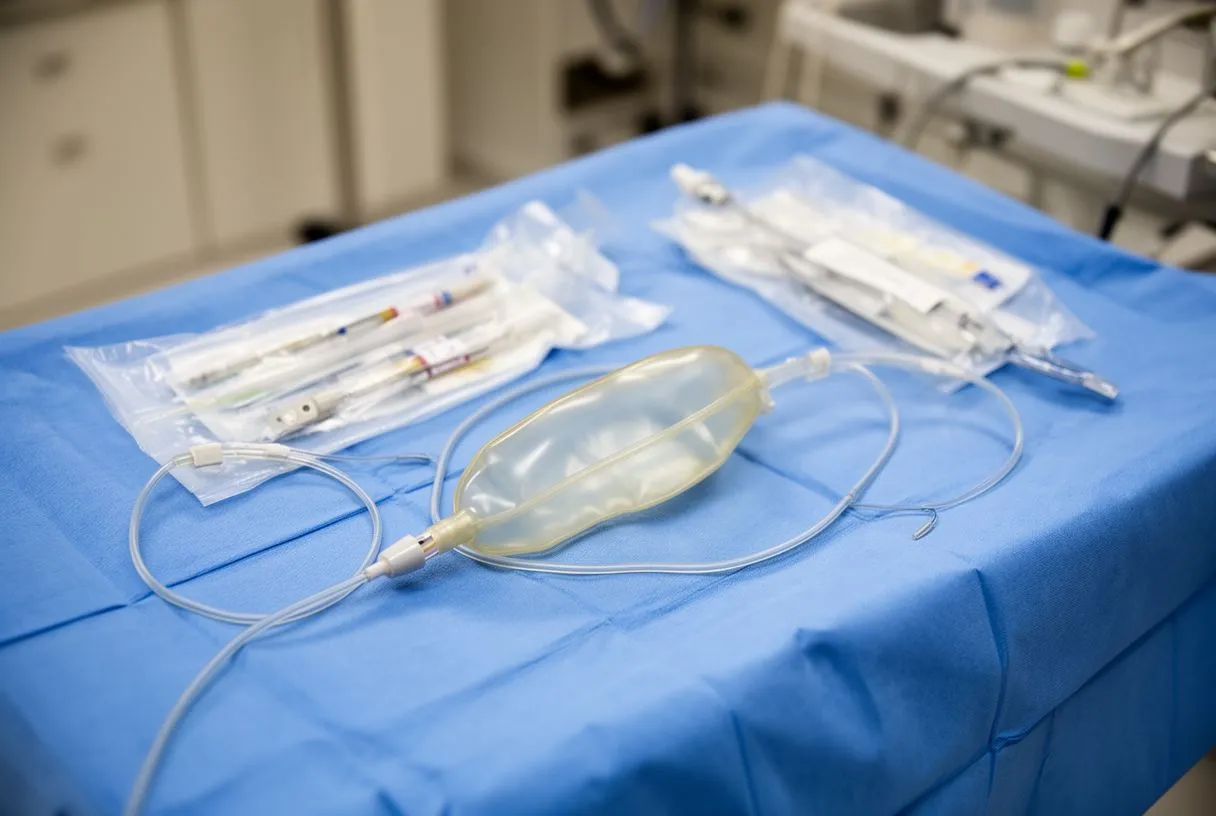
The standard access route. The usual intra-aortic balloon pump insertion site is the femoral artery at the groin, the same large artery used for most cardiac catheterizations. Under sterile conditions and local anesthesia, the team introduces a sheath — a short plastic tube — into the artery and advances the catheter up the aorta under X-ray guidance until the balloon tip sits just below the arteries to the head and left arm. The correct position is confirmed with imaging before the balloon is ever inflated.
When the groin is not usable. If severe artery disease or a previous bypass blocks the femoral route, alternative access sites exist. The axillary artery near the shoulder, or the subclavian artery below the collarbone, can be used, and in surgical settings the balloon can be placed directly into the aorta through the chest. These alternatives carry their own trade-offs, and the choice depends on each patient's anatomy.
What the patient experiences. Placement is usually done in the catheterization laboratory or at the bedside in intensive care. Most patients receive local anesthesia and sedation; the procedure itself typically takes a short time, and the leg where the catheter enters must stay relatively still afterward. Before any intervention, the team should explain what the studies actually show, in plain words, and answer every question — and during insertion, the catheter position and the pulses in the leg are checked repeatedly, not just once.
IABP Shock Treatment in the ICU: What Families Should Know
IABP shock treatment around the clock. Once the balloon is running, care does not pause. The device console alarms if timing slips, if the balloon fails to inflate, or if blood clots form around the catheter. Patients receive anticoagulation — medication that thins the blood — to prevent clots on the device surface, and blood counts and clotting values are monitored closely.
Intra-aortic balloon pump nursing care in practice. Dedicated critical-care nurses check the insertion site for bleeding, verify the pulses in the leg and foot at regular intervals, keep the catheter's position verified on imaging, and watch for the dark discoloration that can signal limb ischemia. They also manage the anticoagulation, the positioning limits, and the weaning trials described below. Good nursing care is one of the strongest predictors of an uncomplicated balloon pump experience.
Monitoring the heart's own progress. While the pump supports circulation, the team watches whether the underlying heart is recovering: blood pressure rising on less medication, urine output improving, laboratory markers of organ injury trending down. Those signals tell the team when it is safe to start reducing support — or when the opposite is true and a different strategy is needed.
Intra-Aortic Balloon Pump vs Impella: Which Device for Which Patient?
Two different philosophies of support. The comparison of intra-aortic balloon pump vs Impella comes up constantly in critical cardiac care. The balloon pump improves the heart's situation indirectly through counterpulsation. The Impella is a small pump that sits across the aortic valve and physically pulls blood from the heart's left ventricle and pushes it into the aorta, providing direct forward flow that is stronger than counterpulsation alone.
Trade-offs in plain terms. The balloon pump is simpler, cheaper, easier to insert and has a very long safety record, but its hemodynamic boost is modest. The Impella provides more support, but requires a larger artery, carries a higher rate of vascular and blood-related complications, and costs considerably more. Guidelines and randomized trials have moved toward Impella in selected cases of profound shock, while the balloon pump remains valuable in less severe situations, as a bridge during procedures, and where Impella access is not feasible.
There is no universally "better" device. The right choice depends on how sick the heart is, the state of the arteries, the planned next procedure and the resources of the hospital. Because our team treats both coronary and structural heart disease, we review every case against international practice guidelines before recommending one form of support over another, and we present the alternatives clearly so the final decision rests with the patient and family.
Intra-Aortic Balloon Pump Weaning: How Does Support End?
The gradual step-down. Intra-aortic balloon pump weaning is done in stages, not switched off abruptly. The team reduces the ratio of balloon inflation to heartbeats — for example from inflating on every beat, to every second beat, to every third — while monitoring blood pressure, heart function by echocardiogram and the body's response. If the patient stays stable at the lower settings for a defined period, the balloon is stopped and removed.
Removal and closing the artery. Removing the catheter is usually done at the bedside. The sheath comes out, and pressure is applied to the groin artery, or a closure device is used, until bleeding stops. The patient then rests with the leg straight for several hours. Most people describe the removal itself as far less dramatic than the placement.
When weaning fails. If the heart cannot maintain circulation as support is reduced, the team must decide between re-increasing support, moving to a stronger device, or proceeding urgently to definitive surgery. That is why the timing of weaning is a medical judgment, not a schedule. The weaning plan is usually agreed by the surgeon, cardiologist and intensivist together before the first reduction in support is attempted.

Intra-Aortic Balloon Pump Complications: Are They Safe?
The honest picture of intra-aortic balloon pump complications. The device is generally well tolerated, but it is not risk-free. The most frequent problems are vascular: bleeding or bruising at the groin, injury to the femoral artery, and reduced blood flow to the leg on the insertion side. Because patients need blood thinning, bleeding can also occur elsewhere. Infection at the insertion site is possible during prolonged use.
What about survival benefit? This is a question patients deserve answered honestly. Large randomized trials in cardiogenic shock have not shown that adding a balloon pump to standard treatment reduces mortality when the blocked artery is opened promptly — a finding that surprised the cardiology world and reshaped guidelines. The device's role has therefore narrowed from routine use in every shock patient to more selective use: procedural support, less severe shock, or specific rescue situations. Discussing this openly is part of informed consent.
How risk is minimized. Careful patient selection, ultrasound-guided artery access, correct balloon positioning, vigilant nursing surveillance and early removal when no longer needed all lower the complication rate considerably. Our team recommends the less invasive route only where the evidence supports it for that specific patient — and the same principle applies to mechanical support: we weigh what the device adds against what it risks, case by case.
Intra-Aortic Balloon Pump Cost and Choosing Your Cardiac Team
Understanding intra-aortic balloon pump cost. For international patients, costs are best discussed as part of the whole episode of care, because the balloon pump is almost never an isolated charge: it sits inside treatment for a heart attack, a valve emergency or advanced heart failure, together with the catheterization, surgery or hospital stay that drives the total. Factors that influence the figure include the hospital's intensive care daily rate, how many days support is needed, and whether other devices or procedures accompany it. Any responsible team should give you a written, itemized estimate before you commit.
Travel and logistics for patients from abroad. Patients traveling to Mexico for cardiac care should plan for a hospital stay long enough to cover the acute event plus initial recovery, a companion who can help with translation and daily logistics, and clear arrangements for follow-up either in person or remotely with their local doctors. Ask the team in advance which documents, prior studies and imaging you should bring, so tests are not repeated unnecessarily.
Questions worth asking any team. Whether your care happens with us or elsewhere, bring these questions to the consultation.
- Why this device, and why now? Ask what specifically makes the balloon pump — or an alternative like Impella — the right form of support for this situation.
- What is the plan after the pump? Ask what happens if the heart does not recover on schedule: which surgery, which valve strategy, which timeline.
- May I get a second opinion? A confident team welcomes one; we encourage second opinions and treat them as a normal part of deciding about heart surgery.
The first contact with our team, led by Dr Alejandro Molina, is a free video consultation: we get to know the patient, talk through the condition, and say exactly which studies are still needed so no unnecessary ones are ordered; a face-to-face visit in Guadalajara, Querétaro or Hermosillo follows when the patient decides to go ahead. Dr Molina trained in cardiothoracic surgery at the Universidad de Guadalajara, in cardiac, minimally invasive, robotic and structural surgery at the University of Montreal, and in structural cardiology and TAVR at CHU Bordeaux, and the team also trained at Jena, Bad Berka and Buffalo. If you have been told you may need mechanical support or surgery for a heart condition, the most useful next step is not to search for the best cardiologist in Guadalajara for intra-aortic balloon support on your own — it is to sit down with a qualified cardiac team, review your studies together, and make the decision with full information.
In summary, the intra-aortic balloon pump is a well-established, temporary form of mechanical support that helps a failing heart by inflating and deflating inside the aorta in rhythm with each beat. It remains a useful tool in selected situations — procedural support, less severe shock, and bridging to definitive treatment — even as newer devices have taken over the most severe cases. Whatever your situation, bring your questions, ask for the evidence behind each recommendation, and make the decision together with a cardiac team you trust.