Dialysis After Heart Surgery: Temporary or Permanent
Dialysis after heart surgery is often temporary.
Dialysis after heart surgery is one of the most common worries patients bring to our consulting rooms. When someone learns they need a valve repair or a bypass, they rarely expect a conversation about their kidneys. Yet the heart and kidneys work as a pair, and any major cardiac operation places a real, temporary strain on both. The good news, backed by published research, is that in most cases dialysis after heart surgery is a bridge, not a destination. This guide walks you through why it happens, how long it usually lasts, and how doctors decide whether kidney support is temporary or permanent.
What Is Dialysis and Why the Kidneys Matter After Heart Surgery?
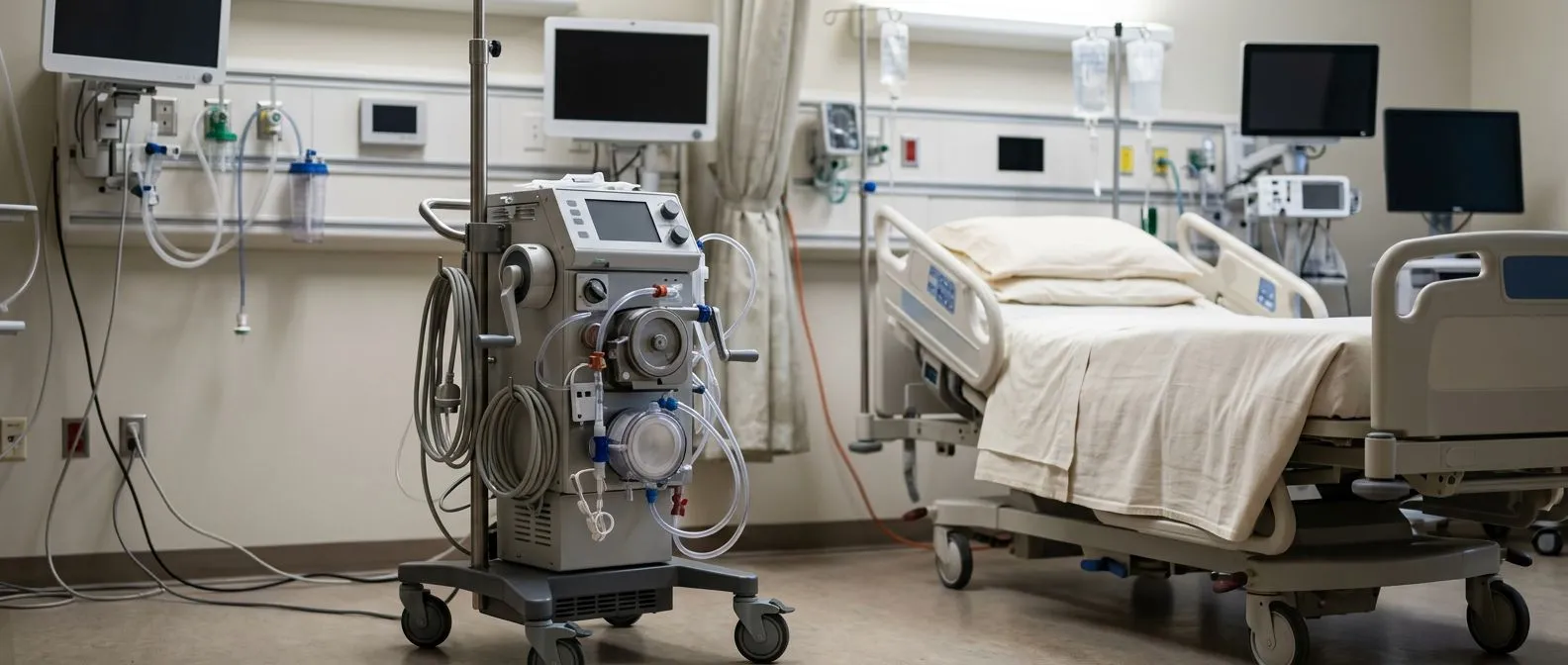
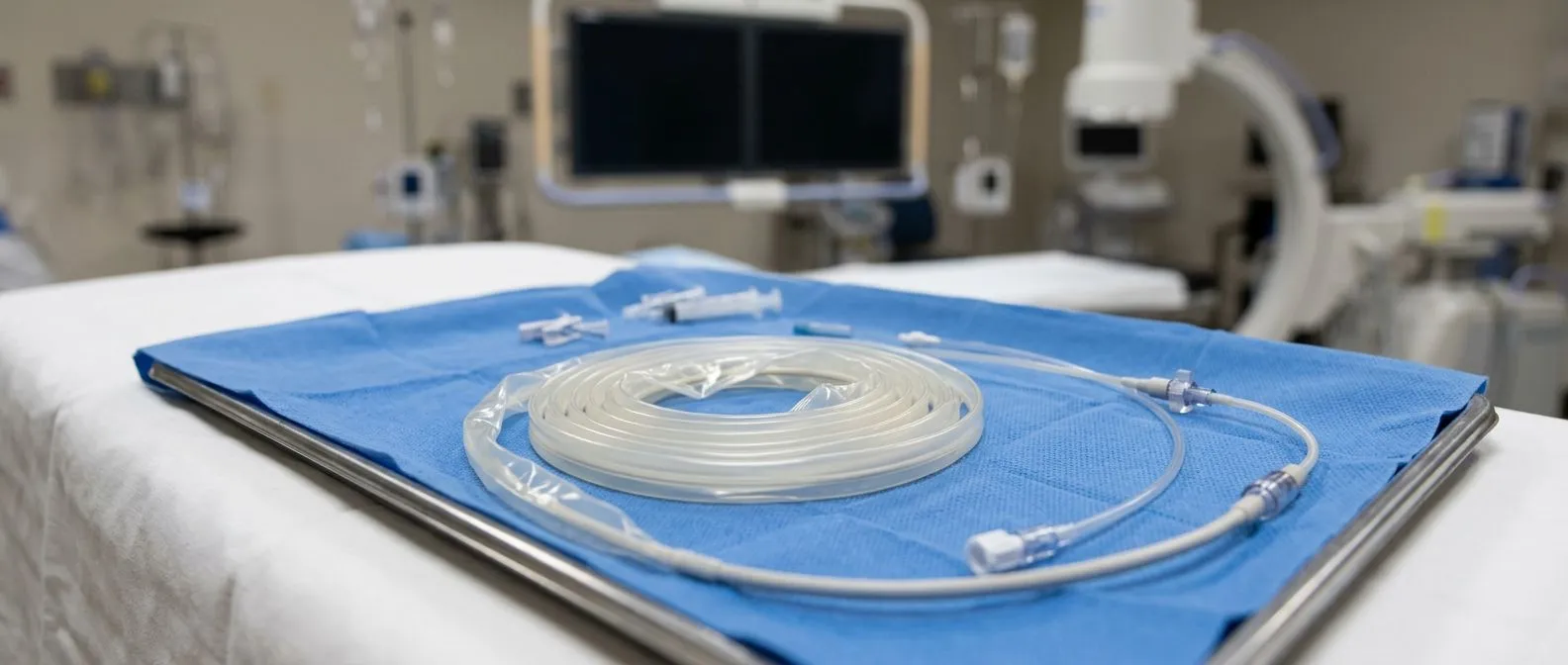
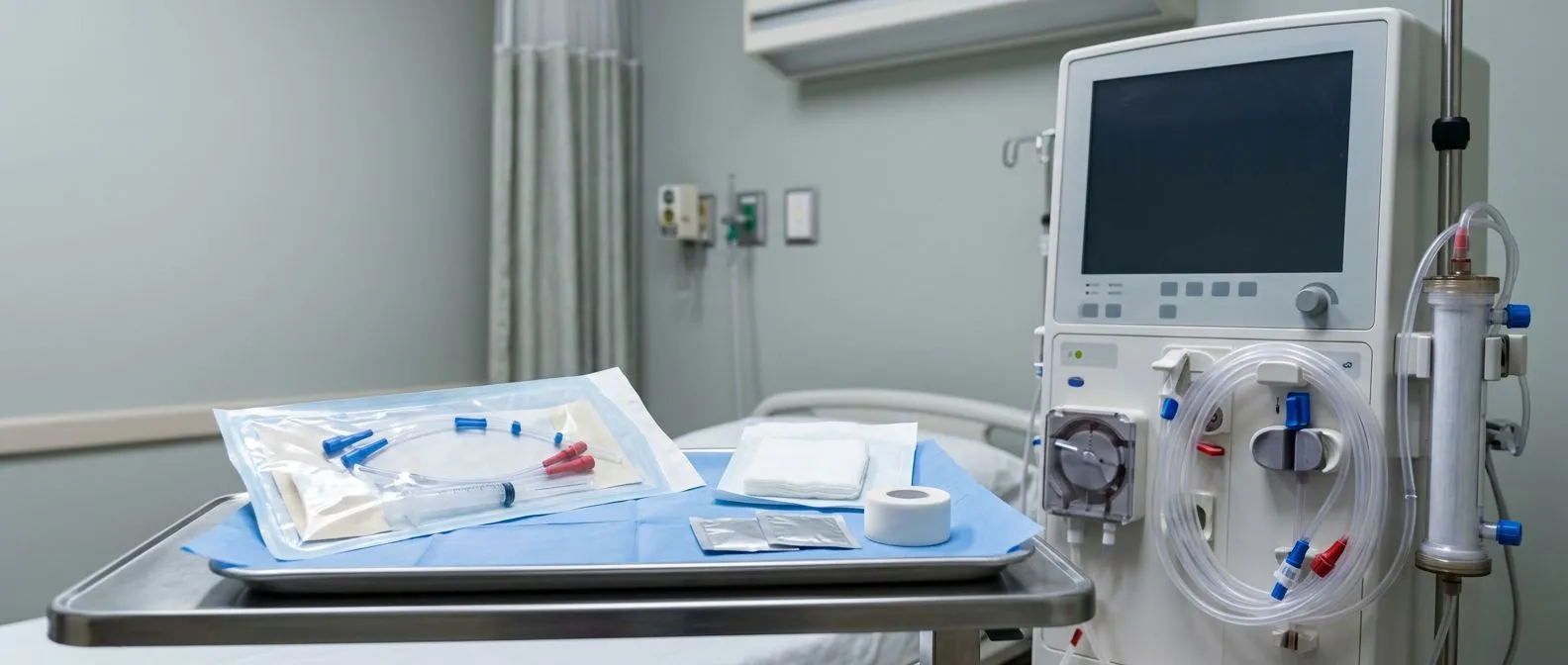
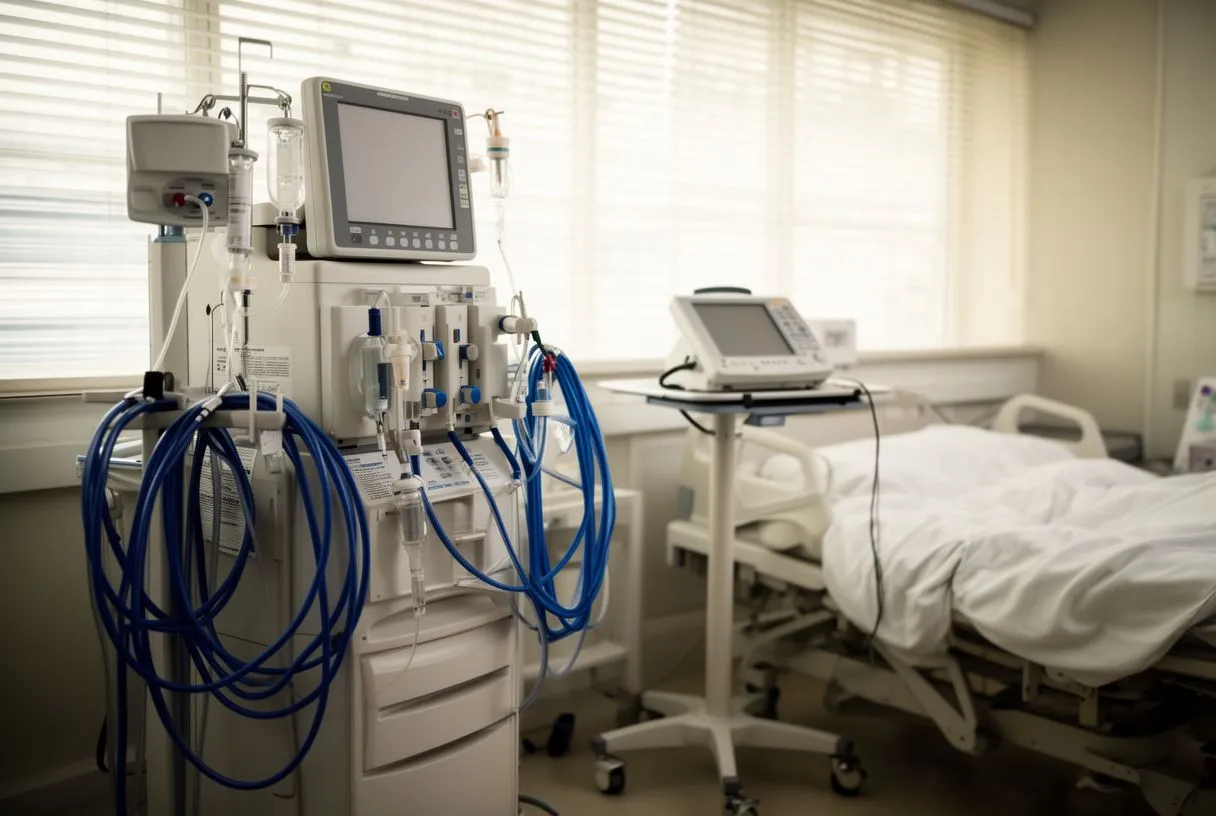
What dialysis actually does. Dialysis is a treatment that takes over the kidneys' main job when they cannot do it themselves. A machine filters excess water, salts and waste products from the blood, much as healthy kidneys would. There are two main forms: hemodialysis, where blood passes through an external filter and returns cleaned, and peritoneal dialysis, where the lining of the abdomen acts as the filter. After cardiac surgery, hemodialysis is the form used almost exclusively, usually through a small temporary catheter placed in a large vein in the neck or groin.
Why the heart and kidneys are a team. The kidneys filter about a quarter of all the blood the heart pumps each minute. They depend on steady blood pressure and good circulation to work. When the heart is under strain, from heart failure, severe valve disease or a major operation, the kidneys feel it first. This is why cardiologists and cardiac surgeons always check kidney function before and after any operation, and why a cardiologist ordering tests for chest pain will often include blood work for the kidneys.
What "temporary" versus "permanent" means. Temporary dialysis supports the kidneys for days or weeks while they recover from an injury. Permanent dialysis means the kidneys have lost so much function that the machine becomes a long-term, often lifelong treatment. The National Heart, Lung, and Blood Institute describes the close two-way relationship between heart and kidney disease: damage in one organ worsens the other. The critical question for any patient waking up after heart surgery is not "will I need dialysis?" but "for how long?"
Why Do Kidneys Struggle After Open Heart Surgery?
Changes in blood flow during the operation. During open heart surgery, the heart-lung machine takes over circulation. Although it keeps the patient alive and stable, blood flow patterns differ from the body's natural pulse, and blood pressure can dip at moments. The kidneys are sensitive to these changes. The longer the time on the machine, the greater the stress on the kidneys, which is one reason surgical teams work to keep that time as short as safely possible.
Inflammation and the body's response. The heart-lung machine exposes blood to artificial surfaces, which triggers a mild inflammatory response throughout the body. Small blood vessels in the kidneys can narrow in response. Add to this the natural stress hormones released during and after surgery, and the kidneys may temporarily produce less urine. This does not mean they are permanently damaged; in many cases it is a reversible slowdown.
Existing kidney disease raises the risk. Patients who already have chronic kidney disease, diabetes, or long-standing heart failure face a higher chance of needing dialysis after cardiac surgery. Age matters too, as do certain medications taken before surgery. This is why a careful pre-operative workup, including kidney blood tests and urine studies, is standard practice. In our consultations we review every study in plain words, and we check kidney function before recommending any cardiac procedure, because the pre-operative picture shapes the plan and the risk we can honestly quote.
What Is Acute Kidney Injury After Cardiac Surgery?
Defining the injury. Acute kidney injury, often shortened to AKI, is a sudden drop in kidney function over hours or days. It is not the same as chronic kidney disease, which develops over years. AKI is common after major operations: research on postoperative acute kidney injury shows that it occurs in a meaningful share of cardiac surgery patients and that most cases resolve. Doctors detect it through rising creatinine levels in blood tests and by falling urine output.
How doctors grade it. AKI is classified in stages, from mild to severe, based on creatinine rise and urine output. Mild stages usually need only monitoring and careful fluid management. Severe stages, where the kidneys essentially pause, are where dialysis enters the picture. Reviews of contemporary transcatheter approaches to valve disease note that kidney outcomes remain a key consideration even in minimally invasive and transcatheter procedures, which generally spare the kidneys more than open surgery.
Why it matters even when it resolves. There is a subtlety worth knowing: patients who experience an episode of AKI, even one that fully recovers, carry a somewhat higher long-term risk of kidney problems later. This is not a reason to fear surgery, but it is a reason to protect the kidneys seriously afterward, with blood pressure control, good hydration and regular follow-up blood tests. It is also a reason to be candid about your kidney history before any heart procedure.
When Is Dialysis Needed After Heart Surgery?
The signs doctors watch for. Intensive care teams monitor kidney function continuously after heart surgery. Dialysis is considered when the kidneys cannot keep up with the body's needs. The usual triggers are clear and measurable:
- Fluid overload: the body holds onto water that the lungs or other organs cannot tolerate, sometimes making breathing difficult.
- Waste buildup: potassium or acid levels in the blood rise to dangerous levels despite medication.
- Severe reduction in urine output: the kidneys produce very little urine despite fluids and supportive drugs.
- Signs kidneys are failing after heart surgery that affect other organs: confusion, chest fluid, or dangerous heart rhythm changes traceable to kidney dysfunction.
Timing matters. Research on timeliness of hemodialysis after surgery shows that starting dialysis at the right moment, neither too early nor too late, improves outcomes. Teams weigh fluid balance, lab values and the patient's overall trajectory before deciding. In our practice, we prepare patients for this possibility honestly: every case is reviewed by the multidisciplinary team against international guidelines before any recommendation, and we explain the realistic chance of needing kidney support and what that would mean in the specific hospital where the operation would take place.
How dialysis starts in the hospital. Most often, a nephrologist, a kidney specialist, joins the care team. A temporary catheter is placed, usually at the bedside or with light sedation, and dialysis sessions begin, typically every day or every other day at first. Many patients are asleep, sedated or only dimly aware of these sessions, which last a few hours each.
How Long Does Dialysis Last After Bypass Surgery?
The typical course. For most patients who need dialysis after coronary artery bypass or valve surgery, kidney support lasts from a few days to a few weeks. The kidneys often recover gradually as the body moves past the surgical stress, inflammation settles and blood pressure stabilizes. The care team tests kidney function regularly, and when the kidneys start producing good urine again and waste levels fall, dialysis sessions are spaced out and then stopped.
Weaning off dialysis. The process is usually gradual. Sessions may be shortened, the number of days between sessions stretched, and urine output watched closely. When the kidneys can handle the body's fluid and waste load on their own, the temporary catheter is removed. The final removal of that catheter is often the moment families remember as the real turning point of the hospital stay.
Factors that stretch the timeline. Some patients need longer support. Recovery of renal function after prolonged dialysis can take weeks or even months, and studies following patients on dialysis for a year or more show that some still regain kidney function even after that time. Pre-existing kidney disease, older age, longer operations, and complications such as low blood pressure episodes all lengthen the recovery. When kidney function after heart surgery is slow to return, patience and careful monitoring matter more than anything else.
Is Dialysis After Heart Surgery Permanent?
For most patients, no. This is the question behind the search "is dialysis after heart surgery permanent," and the honest answer is that in the majority of cases, dialysis after heart surgery is temporary. Most patients who start dialysis in the days after cardiac surgery recover enough kidney function to stop within weeks. Studies of dialysis after cardiac surgery consistently report that a substantial share of patients who begin kidney support are free of dialysis by the time they leave hospital, and more regain independence in the following months.
When it does become permanent. A minority of patients have kidneys that were already severely damaged before surgery, or suffer a major injury during it, and never recover adequate function. In those cases, the kidney team will discuss long-term dialysis, usually three sessions a week, or in some cases a kidney transplant evaluation. A person who needed dialysis before the operation, or had advanced chronic kidney disease, is the one most likely to remain on dialysis after heart surgery, and this is discussed openly before any operation.
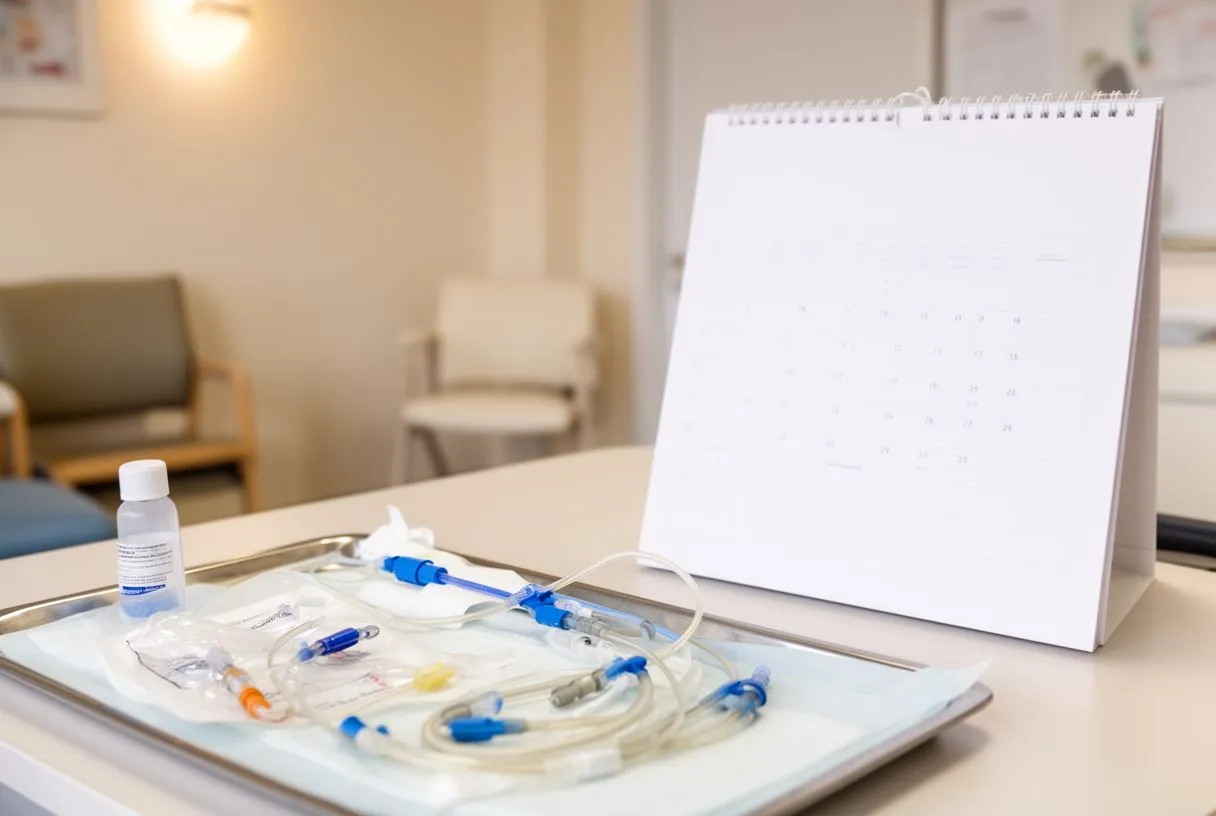
The decision is never made in a single day. Doctors do not declare kidneys permanent after one or two weeks of dialysis. The usual practice is to observe recovery over four to six weeks or longer, tracking trends rather than single numbers. Decisions about long-term dialysis, or about dialysis access such as a permanent connection between an artery and a vein, come only after that observation period. If you are ever told dialysis is becoming permanent, asking "what are we seeing in the trend?" is a fair and important question.
What Are the Common Side Effects of Kidney Dialysis?
During the sessions. Common side effects of kidney dialysis include drops in blood pressure during treatment, which can cause dizziness, nausea or cramps. Patients may feel tired after a session, and the temporary catheter site needs care to prevent infection. In the hospital setting after heart surgery, the team adjusts fluid removal speeds to minimize these effects, which are usually manageable rather than dangerous.
Over the days and weeks. Between sessions, patients often report fatigue, a metallic taste in the mouth, and reduced appetite. Muscle cramps, particularly at night, are common. Itching can occur when waste products are not fully cleared. All of these are treatable or at least manageable, and they tend to improve as kidney function returns. If dialysis is life-changing, most patients say the change is most noticeable in the first weeks, and energy returns as the kidneys recover.
Adjusting takes time. A frequent question is how long it takes to adjust to dialysis. In hospital, patients often sleep through much of it. After discharge, adapting to a routine, whether temporary or ongoing, typically takes several weeks to a few months. Support from family, the nephrology team and, where relevant, a renal dietitian makes the adjustment far smoother. Patients who understand the process in advance tend to adjust faster and with less anxiety.
How Can Kidneys Recover After Heart Surgery Dialysis?
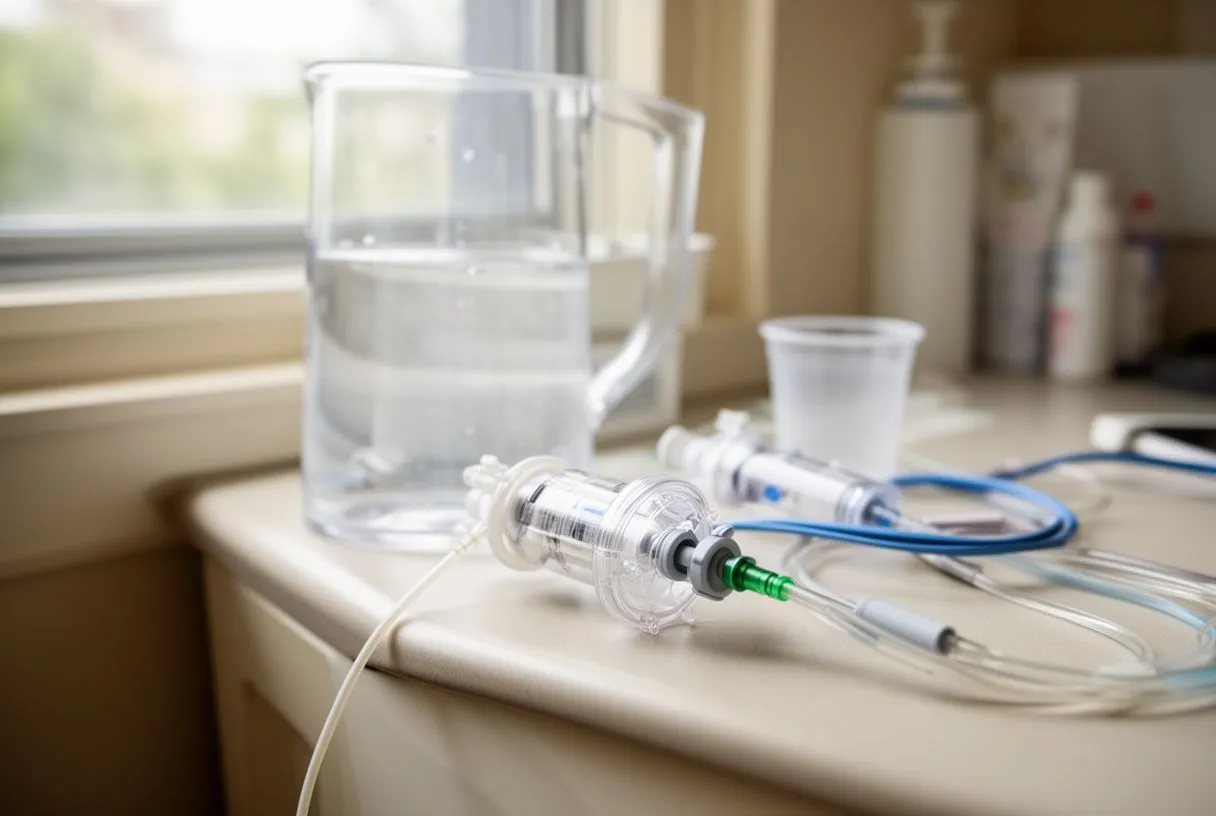
What recovery looks like. The kidneys have remarkable healing capacity when the injury is temporary. Recovery can kidneys recover after heart surgery dialysis shows in rising urine output first, then in improving creatinine levels on blood tests. The healing happens gradually, and the medical team's job during this time is to support it, avoiding further injury from medications or low blood pressure.
What patients can do to support recovery. Patients and families can play an active role in helping the kidneys heal:
- Follow the fluid plan: stick to the daily fluid limits the team sets, which protect the recovering kidneys.
- Review medications: ask about pain relievers and other drugs that can stress the kidneys, and take only what is prescribed.
- Protect blood pressure: keep blood pressure well controlled and attend every follow-up blood test.
- Eat as advised: the renal dietitian's guidance on salt, potassium and protein is part of the treatment, not a suggestion.
Watching the long term. Even after a full recovery, the episode of kidney injury deserves a place in the medical record. The team should continue to check kidney function at follow-up visits for at least the first year. Some recent progress in caring for chronic kidney disease patients, including better protective medications and earlier detection, gives reason for genuine optimism, and a recovered kidney patient can do much to stay healthy by simply staying engaged with their follow-up care.
What Is Life Expectancy on Dialysis After Heart Surgery?
What the numbers mean, and what they do not. Questions about dialysis after heart surgery life expectancy are natural and deserve honest answers. Average life expectancy figures for people on dialysis come from large groups of dialysis patients of all ages and health conditions, many with advanced disease unrelated to surgery. They are not predictions for any individual, and they are especially poor guides for someone whose kidneys are recovering after heart surgery. A patient whose dialysis was temporary, and whose kidneys recovered, does not carry a dialysis prognosis at all.
What actually shapes the outlook. For patients who do remain on dialysis after cardiac surgery, the factors that matter most are heart function after the operation, other conditions such as diabetes, age, and how well the dialysis and follow-up care are maintained. People also ask about life expectancy with stage 3b kidney disease, an intermediate stage where kidney function is moderately reduced. For those patients, careful management of blood pressure, diabetes and heart disease can preserve function for years, and surgery decisions are made with that longer picture in mind.
Where real answers come from. No article can predict an individual's outcome. The people best placed to estimate it are the cardiologist, the surgeon and the nephrologist who know the specific patient, their heart function, their kidney numbers and their overall health. When patients ask us about prognosis, we give them the honest range based on their own test results and explain which factors they can influence, because our team reviews every case together before giving anyone a number.
How to Help Someone With Kidney Failure After Heart Surgery?
During the hospital stay. Families often ask how to help someone with kidney failure during recovery. In hospital, the most valuable contributions are simple: attending the family meetings where the team explains the plan, keeping track of questions between visits, and helping the patient feel that dialysis is a planned treatment rather than an emergency. Recovery from kidney failure after heart surgery is a process, and families who understand the timeline cope far better than those left in the dark.
After discharge. At home, support means driving to dialysis or follow-up appointments, watching the fluid and diet plan together, and noticing warning signs: swelling in the legs, sudden weight gain, reduced urine output, shortness of breath or unusual fatigue. Any of these deserves a call to the medical team the same day. Family members should also know that Temporary Accommodation near the hospital is sometimes arranged for patients traveling for treatment, and that planning this in advance removes one major source of stress.
Getting the right team around you. Recovery goes best when cardiac surgery and kidney specialists work together. If you or a family member are facing heart surgery and worried about the kidneys, ask direct questions before the operation: what is my current kidney function, what is my realistic risk of needing dialysis, and what happens if I do? A team that welcomes those questions and answers them in plain language is the team you want. If your case involves a Temporary Pacing Wires discussion after valve procedures or other post-operative details, a good team will explain those too without rushing you.
One final point about deciding where to have surgery. Transcatheter procedures such as TAVR, done through a catheter rather than open surgery, generally place less stress on the kidneys, and research into prophylactic pacemaker strategies after transcatheter aortic valve replacement, such as studies of permanent pacemaker implantation in patients with right bundle branch block, shows how much of the post-procedure course can now be anticipated in advance. The right approach for you depends on your valve, your anatomy and your kidney function, and that judgment belongs to a team, not a website. Our multidisciplinary team, led by Dr Alejandro Molina, reviews each patient together and, in the first free video consultation, explains which studies are truly needed and which route offers the lowest risk for your situation; the final decision is always yours, and we encourage a second opinion as a normal part of the process. If you are considering heart surgery and want a clear, honest conversation about your kidneys and your heart, book a consultation with a qualified cardiac team rather than navigating this alone.