Critical Care Support After Heart Surgery
Critical care after heart surgery in Guadalajara: what happens in the ICU, how you are monitored, how pain is managed, and what families should know.
Critical care support for heart surgery is the round-the-clock medical care that protects you during the most delicate hours of recovery — the period between leaving the operating room and being well enough to heal on a regular ward. If you or a family member is preparing for valve repair, a bypass operation, a TAVR procedure or another cardiac intervention, understanding this phase removes much of the fear around it. The Intensive Care Unit (ICU) is not a place where things have gone wrong; it is the place specifically built to watch every heartbeat, breath and blood value while your body recovers from a major operation. This guide walks you through what happens hour by hour, what the monitors mean, what your family should expect, and how each stage of post cardiac surgery care is planned before the operation even begins.
What Does Critical Care Entail After Heart Surgery?
The purpose of intensive care. Critical care is the highest level of hospital care available — continuous monitoring, dedicated nursing, and immediate access to life-support technology for patients whose condition is serious or who have just undergone major surgery. After heart surgery, this level of care is standard, not exceptional. Your heart has just been operated on, your body has been through anaesthesia and often a heart-lung machine, and the first hours are when fluid shifts, rhythm changes and bleeding risks are most likely to appear. Critical care exists to catch those changes in minutes rather than hours.
Who provides it. A cardiac ICU is staffed by intensive care physicians, cardiac surgeons, specialised critical care nurses, physiotherapists and perfusionists who managed the heart-lung machine during your operation. This is why recovering from open heart surgery care is organised so differently from a general ward: the nurse-to-patient ratio is far lower, often one nurse for one or two patients. The Lancet has documented that critical illness places an enormous burden on health systems worldwide, and cardiac surgery patients represent one of the largest groups who pass through intensive care each year.
Care that starts before surgery. Critical care planning ideally begins well before surgery. Every case is reviewed by the multidisciplinary team against international practice guidelines before a recommendation is given, and that review includes how the patient will be looked after in the ICU afterwards. The patient receives a clear proposal with the alternatives, and the final decision is always theirs.
What Happens in the First 24 Hours of Heart Surgery ICU Recovery?
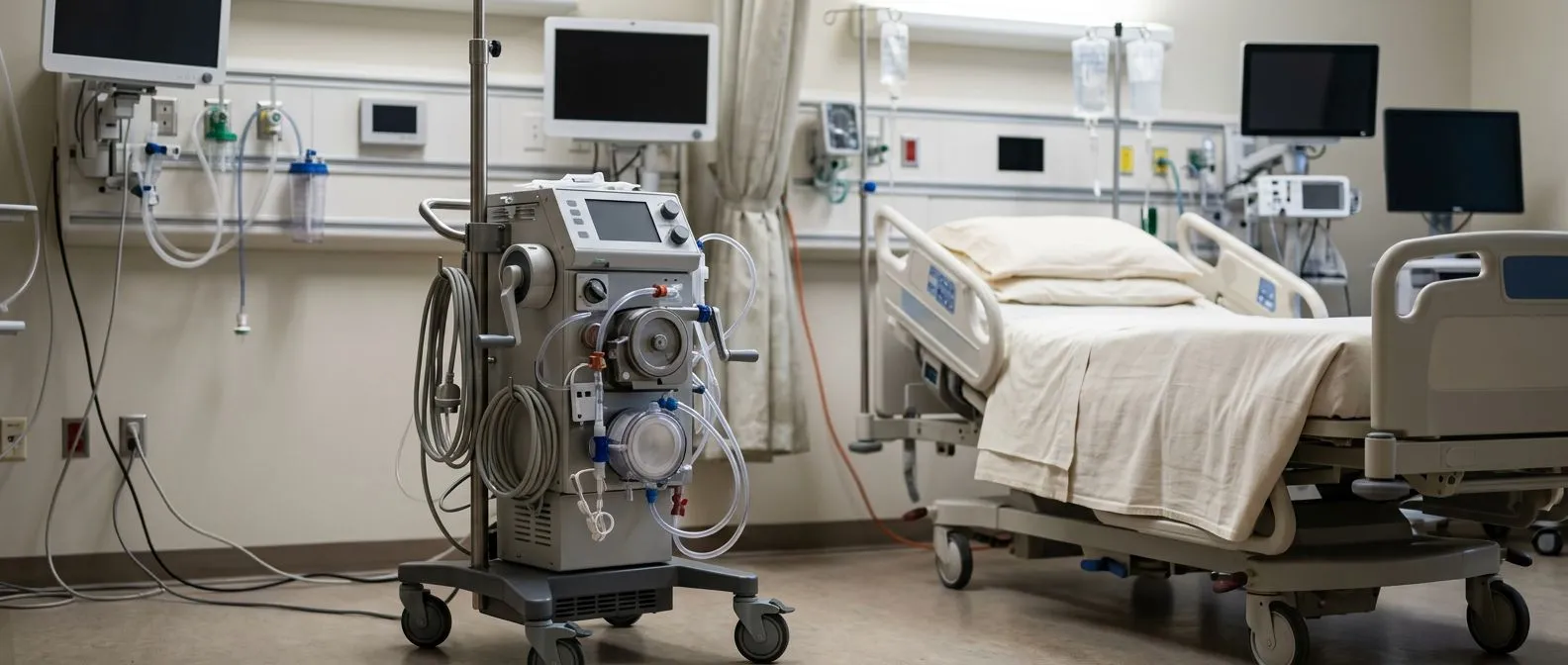
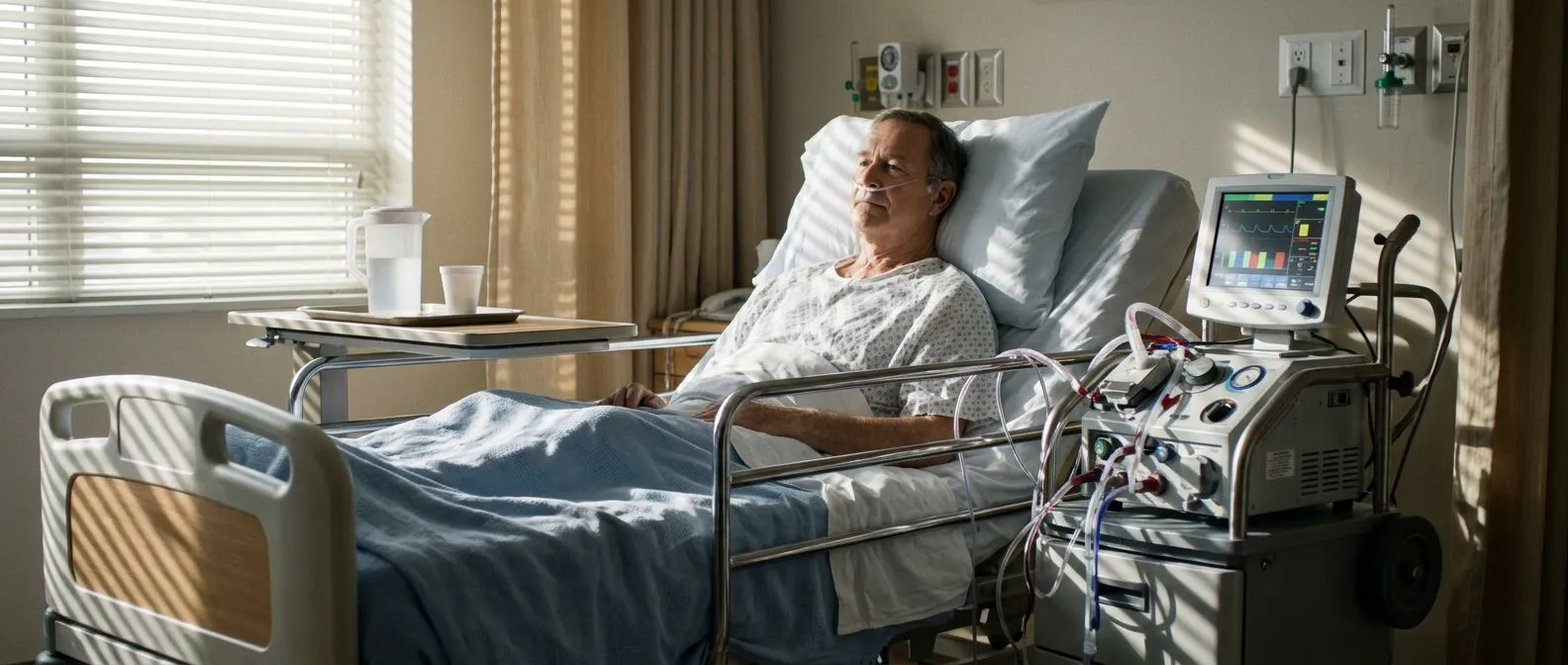
Arrival from the operating room. You will be brought into the ICU still asleep, with a breathing tube in place, several intravenous lines, chest drainage tubes and monitoring wires attached. This can look alarming to visiting family, but every tube has a defined job and most are removed within the first day or two. The heart surgery recovery room expectations at this stage are simple: rest, warmth, sedation as needed, and very close observation while the effects of anaesthesia wear off.
The first night. Nurses check your blood pressure, heart rhythm, urine output, chest drainage and oxygen levels continuously, usually recording a full set of observations every hour. Family blood may be drawn to check haemoglobin, electrolytes and clotting. If your heart needs temporary help maintaining steady output, the team can use Mechanical Circulatory Support — devices that assist the heart's pumping work while it recovers — though most patients never need this.
Waking up. Most patients wake within a few hours of arrival, and once breathing is strong enough and the sedation has cleared, the breathing tube is removed — often the same night or the following morning. That moment, when you can speak and see your family properly again, is usually the emotional turning point of the first 24 hours.
How Does Cardiac Critical Care Monitoring Work?
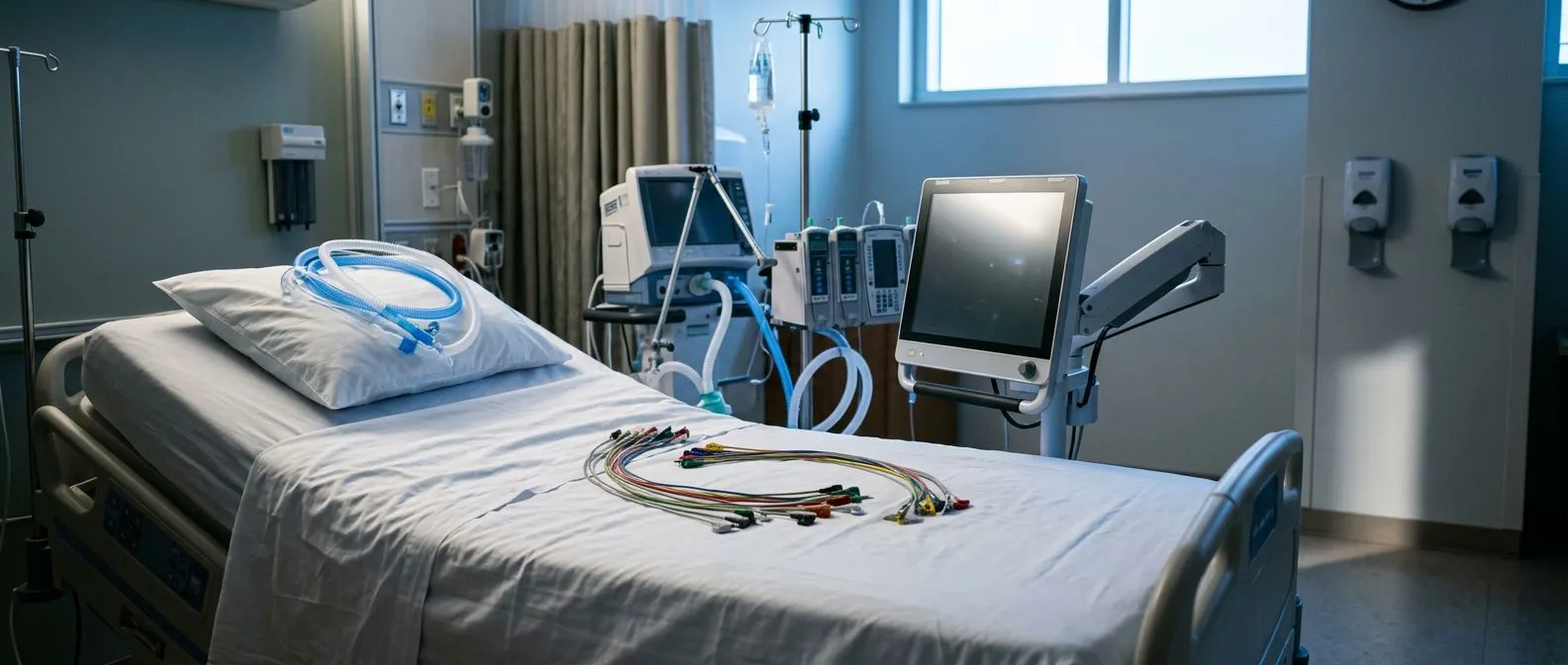
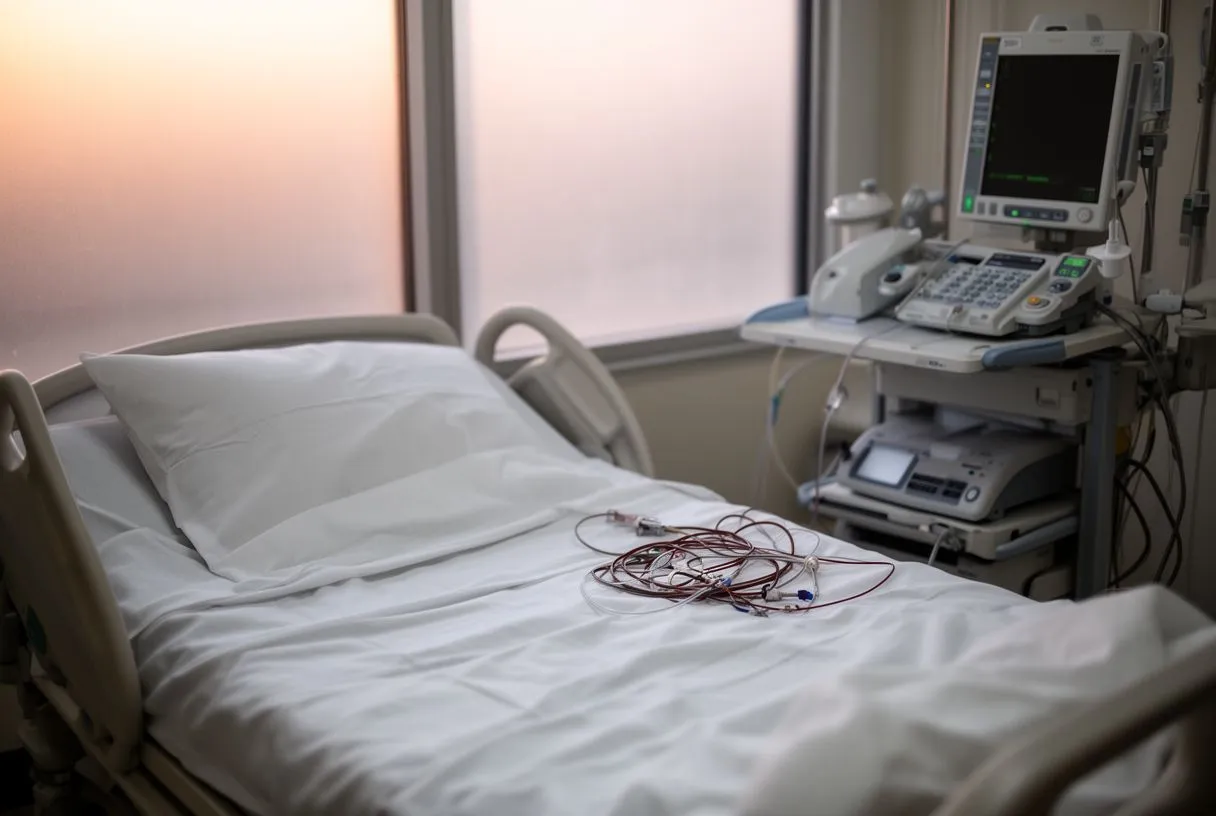
Continuous observation. Cardiac critical care monitoring means your heart is watched through several channels at once. Electrodes on your chest feed an electrocardiogram (ECG) that displays every beat, alerting the team instantly to rhythm disturbances. An arterial line — a thin catheter in a wrist artery — gives a beat-by-beat blood pressure reading without repeated needle sticks, and also allows blood samples to be taken easily.
What the numbers mean. The team watches oxygen saturation, central venous pressure (which reflects how much fluid the heart is handling), urine output as a sign of kidney perfusion, and temperature. Cardiac telemetry monitoring post surgery continues even after you leave the ICU, when small wireless monitors track your rhythm as you begin walking the ward. Each value has a normal range, and alarms are set precisely so the team is alerted to true changes, not to every ordinary variation.
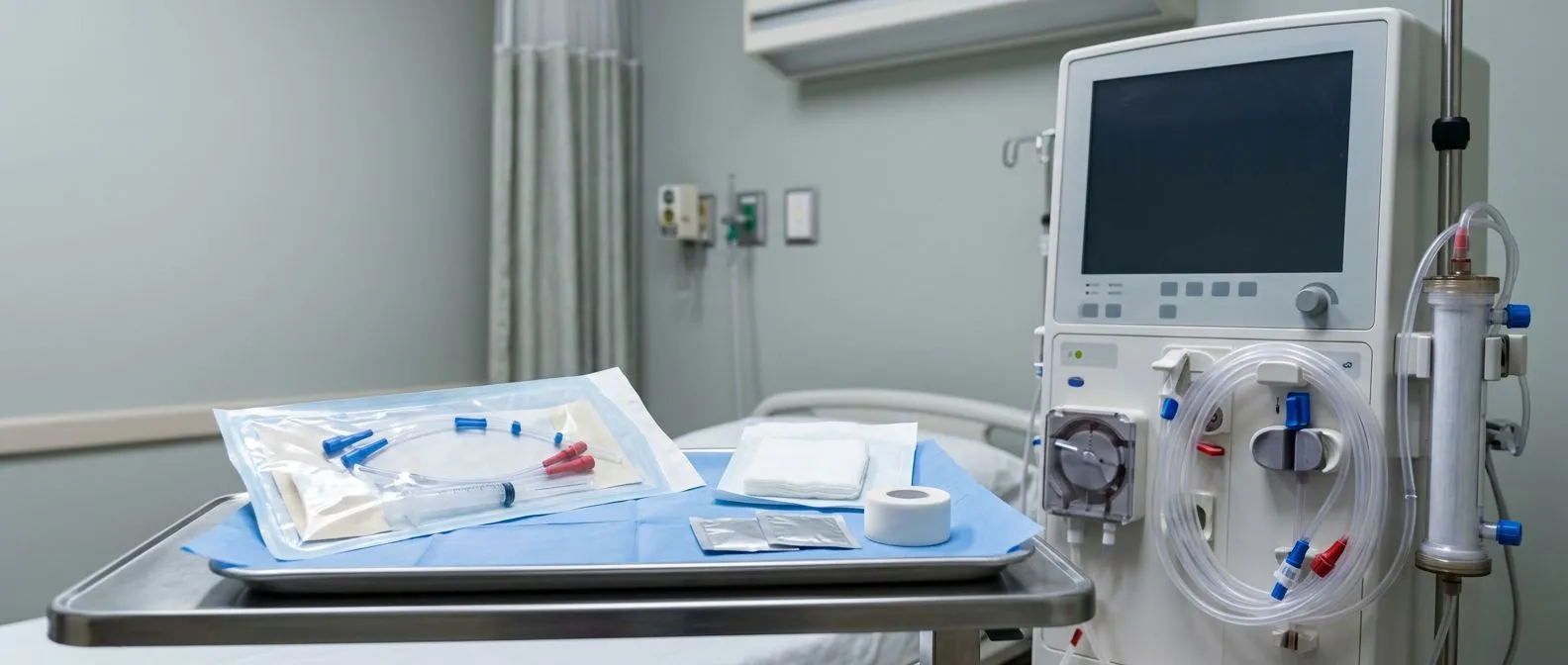
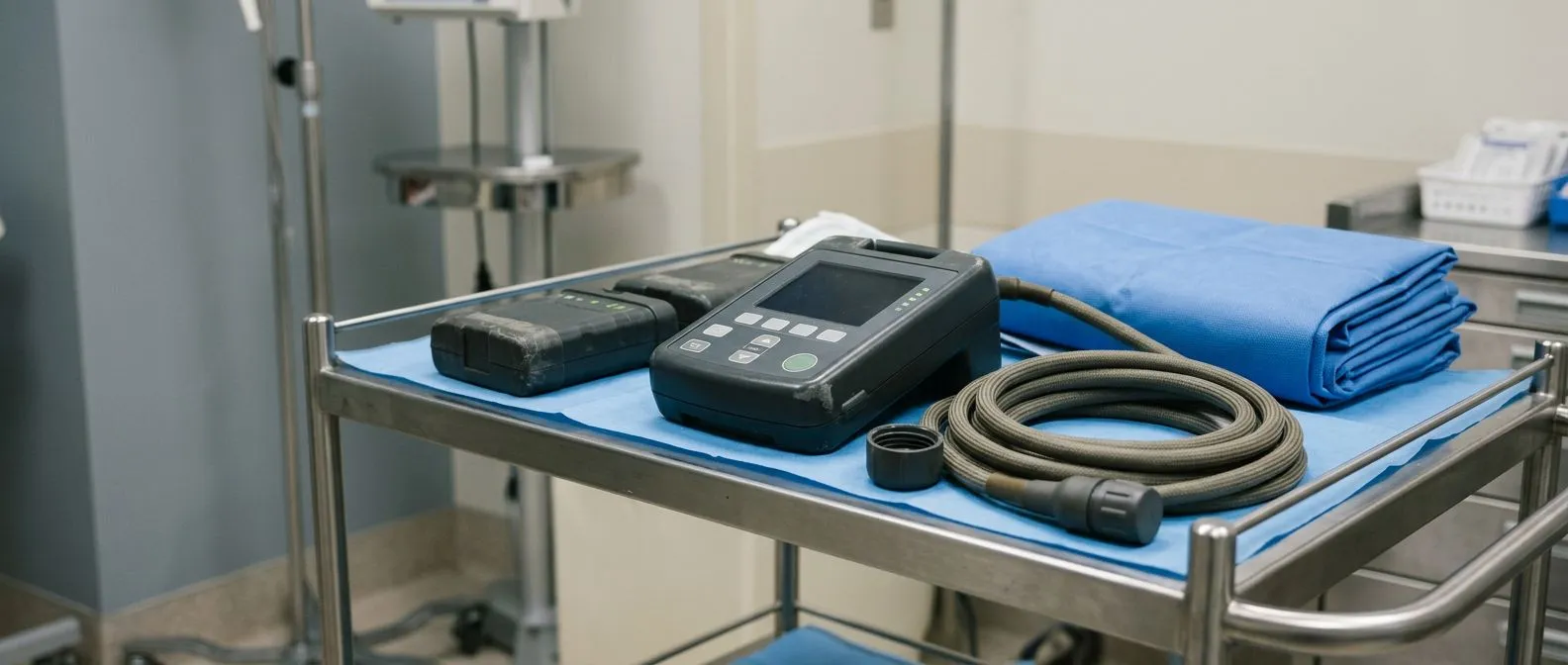
Testing on the spot. Point-of-care INR Testing at the bedside can measure how quickly your blood clots within minutes rather than sending samples to a distant laboratory. This matters enormously after cardiac surgery, when anticoagulation must be adjusted precisely. In our consultations we take the time to explain what the studies actually show, in plain words, and patients are often surprised how much of ICU care is simply meticulous, repeated measurement.
Why Do You Need Breathing Assistance After Heart Surgery?
The ventilator's role. After heart surgery breathing assistance is routine and temporary. During the operation you are fully asleep, and a ventilator breathes for you. On arrival in the ICU the machine continues this work while the anaesthetic drugs wear off and your own breathing muscles wake up. The tube sits in the windpipe and does not hurt while in place, though you may feel pressure and be unable to speak — writing on a pad or lip-reading with the nurse is normal.
Why it cannot be removed too early. The tube is removed only when you are awake enough to protect your own airway, breathe strongly enough to keep your blood oxygenated, and cough effectively. Removing it early risks fluid entering the lungs; leaving it longer than necessary causes discomfort. Experienced ICU teams judge this balance daily, and most cardiac surgery patients are off the ventilator within hours.
After extubation. Once the tube is out, you will likely wear an oxygen mask or nasal prongs for a day or two. Chest physiotherapy and breathing exercises — often with a simple handheld device called an incentive spirometer — help expand the lungs fully and prevent pneumonia, one of the most preventable post heart surgery complications. Coughing may hurt at the breastbone incision; holding a small pillow against the chest while coughing makes it manageable.
How Is Heart Surgery Pain Management in the ICU Handled?
Realistic expectations of pain. Heart surgery pain management in the ICU aims for comfort, not numbness. The sternum — the breastbone opened during the operation — causes the main discomfort, described by most patients as deep bruising or stiffness rather than sharp pain. Managing pain well is not just kindness: patients who are comfortable breathe more deeply, cough more effectively, get out of bed sooner and recover faster.
The medicines used. In the first hours, pain relief is usually given intravenously, often through a pump the patient can trigger within safe limits. This is gradually replaced by oral painkillers as you move to the ward. Anti-nausea medication is given alongside so that early eating and drinking are not spoiled by sickness. Medical News Today notes in its coverage of post-surgical recovery that multimodal pain control — combining several classes of medication at lower doses — reduces side effects compared with relying on one strong drug alone.
Speaking up matters. If pain is stopping you from sleeping, breathing deeply or walking, tell the nurse immediately — pain that is poorly controlled can be adjusted, and unreported pain cannot. Telling the team honestly how the first nights felt helps them adjust your pain plan.
What Is PICS Syndrome After Intensive Care?
Defining PICS. PICS stands for post-intensive care syndrome — a recognised collection of problems that can follow any stay in intensive care, not only cardiac surgery. It includes physical weakness from days in bed, difficulty with memory or concentration, and low mood, anxiety or symptoms of post-traumatic stress. Not everyone experiences PICS, and its severity varies widely, but knowing it exists helps patients and families recognise it and treat it early rather than dismissing it as "just getting old" or "just tiredness".
Why it happens. Several forces combine: prolonged bed rest weakens muscles rapidly; heavy sedation and mechanical ventilation can affect memory; and the strange, brightly lit, alarm-filled environment of an ICU can leave emotional echoes. Shorter ICU stays and modern sedation practices have reduced these risks considerably, which is why getting you out of bed and onto a chair within the first day or two is now standard postoperative cardiac care protocols worldwide.
Reducing the risk. Early mobilisation, good sleep habits, family presence and honest information all lower the chance and the severity of PICS. Psychological Support during recovery — talking to a professional about the fears that surface after a major cardiac event — is legitimate medical care, not a luxury. If weeks after discharge you find yourself unusually anxious, tearful or unable to concentrate, raise it with your cardiac team; these symptoms are common and treatable.
What Are the 7 Cs of Critical Care?
A framework for quality. The 7 Cs are a widely taught checklist describing what excellent critical care should contain. Different institutions phrase them slightly differently, but the core ideas recur across critical care education, including the Fundamental Critical Care Support courses used to train ICU teams internationally.
- Care: attentive, continuous, competent clinical care delivered around the clock.
- Communication: honest, frequent updates between the team, the patient and the family — no surprises.
- Compassion: treating the person, not only the numbers on the monitor.
- Consistency: following proven protocols so care does not depend on who happens to be on shift.
- Coordination: surgeons, intensivists, nurses and therapists working from one shared plan.
- Competence: the right skills, up to date, applied at the right moment.
- Comfort: managing pain, anxiety and dignity alongside every technical task.
Why it matters to you. When you are choosing where to have heart surgery, these are the questions worth asking: who will look after me in the ICU, how will my family be kept informed, and what protocols guide the first 48 hours? A hospital that can answer plainly is a hospital you can trust. Wherever you are treated, ask these questions at any hospital before making a decision.
What Does the Heart Surgery Recovery Timeline Look Like?
From ICU to step-down. You leave the ICU when your heart rhythm is stable, you are breathing unaided, drains and most lines are out, and you need monitoring rather than rescue — typically after one to three days, depending on the operation and your health beforehand. You then move to a step-down unit or cardiac ward, where heart surgery step down unit care means observation every few hours instead of every hour, plus the start of cardiac rehabilitation after critical care: supervised walking, breathing exercises and graded activity.
Early days on the ward. Expect to sit in a chair the day after surgery and walk short distances within two to three days. Wound Care begins here — keeping the breastbone incision clean and dry, watching for redness or discharge, and learning sternal precautions such as not pushing or lifting heavy objects while the bone heals, which takes roughly six to eight weeks.
Going home and beyond. Most patients go home within five to seven days of open heart surgery, sometimes sooner after minimally invasive or catheter-based procedures. Full recovery — energy, concentration, return to normal activity — usually unfolds over six to twelve weeks, with cardiac rehabilitation programmes continuing for months. Recovery is not a straight line; a good day followed by a tired day is normal.
What Should Families Know? A Heart Surgery Family Guide to the ICU
What you will see. A heart surgery family guide to the ICU should be honest about the first impression: your loved one will look surrounded by equipment, may be drowsy or briefly still asleep, and the room will be bright and noisy. None of this signals a problem — it signals monitoring. Ask the nurse to explain each line and monitor; good ICU teams do this gladly, and it transforms the experience for relatives.
Visiting and communication. Ask about visiting hours and whether brief visits are possible on the first day — policies vary between hospitals and many ICUs now allow early family presence because it genuinely helps patients. Designate one family member as the point of contact for updates, which reduces the burden on both the team and the family's phone group.
Practical matters. Bring a list of your loved one's current medications, their medical history, and any questions written down. In our practice, the first contact is a free video consultation, and we extend the same clarity to families: we get to know the patient, talk through the condition and the plan, and answer the questions relatives are often too shy to ask in a corridor. Families who understand the plan worry less and support recovery better.
How Do You Choose the Right Team for Critical Care Support for Heart Surgery?
The questions to ask. Choosing where to have heart surgery is a decision about the whole journey, not only the operating room. Ask which hospital the team operates in, what its ICU is accredited for cardiac patients, who manages your care there day to day, and how the surgical and intensive care teams communicate. Ask what percentage of the team's procedures are performed minimally invasively or via TAVR versus conventional surgery — and why they recommend one over another for you specifically.
Training and experience you can verify. Dr Molina trained in cardiothoracic surgery at the Universidad de Guadalajara, in cardiac, minimally invasive, robotic and structural surgery at the University of Montreal, and in structural cardiology and TAVR at CHU Bordeaux; the team has also trained at Jena, Bad Berka and Buffalo. He performed the first robotic mitral valve repair in the Ángeles Health System and the first robotic heart surgery in Guadalajara. Experience of that kind matters most in the hours around surgery — when an operation goes smoothly, intensive care heart surgery Guadalajara patients spend less time in the ICU and recover faster.
Second opinions are normal. We encourage second opinions and treat seeking one as a normal part of deciding about heart surgery — a good team will welcome it, never resent it. Intensive care heart surgery Guadalajara patients deserve care where the recommendation is justified against international guidelines and the alternatives are explained honestly. Palliative Care considerations, though rarely needed after planned cardiac surgery, form part of thorough planning for patients with advanced disease, and a good team raises difficult topics early and gently.
Critical care support for heart surgery is best understood as a safety net woven around you before you ever need it: a monitored room, a specialised team, a step-by-step plan from the breathing tube to the first walk home. The ICU is the most watched, most protected place in the hospital — precisely the place you want to be in the hours after a major cardiac operation. If you are weighing up valve surgery, bypass surgery or a transcatheter procedure, do not decide alone. Book a consultation with a qualified cardiac team, bring your questions and your family, and ask exactly how your recovery — including your care in the ICU — will be planned. Our team in Guadalajara, Querétaro and Hermosillo offers a free first video consultation for exactly that purpose, and the final decision about your heart always remains yours.