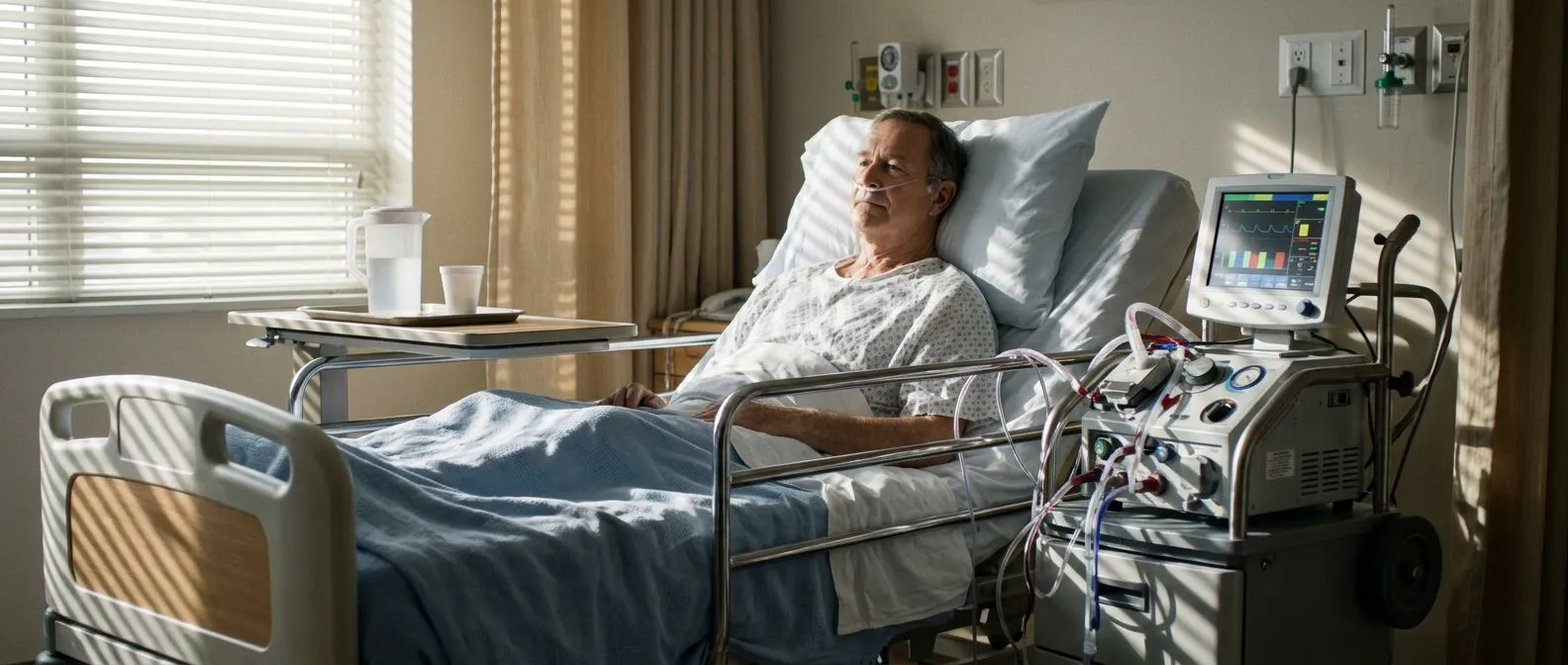
Awake ECMO Life Support: Staying Conscious on the Circuit
Awake ECMO life support lets patients stay conscious, walk, and eat while on the circuit.
The first sentence a family usually hears about awake ECMO life support is also the most surprising one: the machine that is doing the work of the lungs — and sometimes the heart — does not require the patient to be asleep. This matters enormously. For decades, extracorporeal membrane oxygenation (ECMO) was inseparable from deep sedation and a breathing tube. Today, a growing body of experience shows that many patients can stay conscious on the circuit: talking with their families, eating, sitting in a chair, and in carefully selected cases, walking. This guide explains what awake ECMO actually involves, who qualifies, what recovery looks like, and what questions you should bring to a cardiac team before deciding anything.
What Is Awake ECMO Life Support?
ECMO stands for extracorporeal membrane oxygenation — a machine that draws blood out of the body, passes it through an artificial membrane that adds oxygen and removes carbon dioxide, and returns it to the circulation. It is a Mechanical Circulatory Support technology: it buys the lungs or the heart time to rest and recover, or time for a longer-term decision such as a transplant or a durable device to be made.
Awake ECMO life support means the same circuit, run without intubation and without continuous deep sedation. The patient breathes on their own — often with lighter forms of oxygen support — while the machine carries much of the gas-exchange load. The term conscious ECMO therapy is sometimes used interchangeably, and both describe the same principle: the patient is awake, cooperative and able to participate in their own care.
During the COVID-19 pandemic, this approach was tested on a large scale, and published analyses of lessons learned from awake ECMO in COVID-related acute respiratory failure helped establish it as a legitimate strategy rather than an experiment. Our team, led by Dr Alejandro Molina, reviews every case against international practice guidelines before any recommendation is made — and where a conscious approach is feasible, we explain exactly what it would involve, because we believe the patient should understand the options before the decision is ever ours to suggest.
How ECMO Circuits Work Without a Breathing Tube
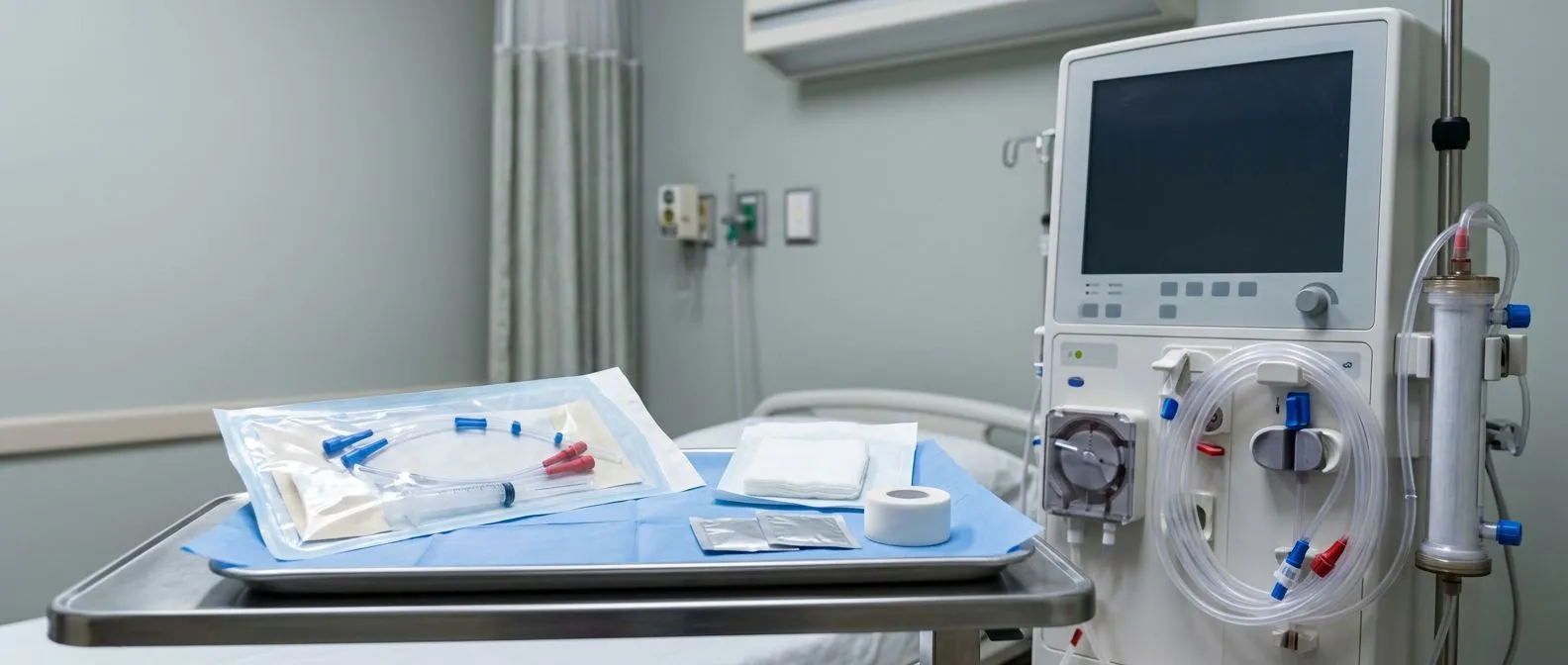
To understand why a patient can be awake at all, it helps to know what the circuit actually does. Two cannulas — large, flexible tubes — are placed in large veins (and sometimes an artery). Blood leaves the body through one cannula, passes a pump and the oxygenator membrane, and returns through the other. Because the machine performs the gas exchange directly in the blood, the patient's own lungs can rest without needing to be "taken over" by a ventilator.
No tube, no sedation is the practical consequence. A conventional ventilated patient needs sedatives to tolerate the breathing tube, and those sedatives suppress consciousness, muscle activity and coughing. Remove the tube and the sedatives, and the patient regains their voice, their appetite and their ability to move. The circuit itself does not care whether the patient is asleep or awake — it is only moving blood.
What the patient still needs is oxygen support tuned to their own breathing. Most awake patients receive oxygen by mask or nasal prongs, and some use non-invasive ventilation at night. The medical team monitors blood gases closely, because the balance between what the patient's lungs can do and what the circuit must do shifts day by day as the lungs recover.
Is a Patient Awake on ECMO?
Yes — and this is one of the most common questions families ask. A patient on awake ECMO life support is fully conscious: they can speak, eat, use a phone, and see visitors without the fog of sedation. Many report that being awake changed the entire experience of their hospitalization, because they understood what was happening and could participate in it.
Airway protection is the key safety question. Awake ECMO is only offered when the medical team is confident the patient can protect their own airway — meaning they can cough effectively, swallow safely, and maintain their own breathing pattern. If a patient deteriorates and can no longer do this, the team can intubate and sedate them promptly; being awake is a strategy, not a commitment.
It is a last-resort therapy in most cases. ECMO as a whole is generally reserved for severe heart or lung failure that has not responded to conventional treatment, and the awake variant follows the same logic: it is used when the alternative would be a breathing tube and deep sedation in a patient who might avoid it. In our consultations, we take the time to explain in plain words what the studies actually show about who benefits from an awake approach, because families deserve to know that this is a carefully selected strategy, not a default.
Can ECMO Be Used to Treat Respiratory Failure?
Yes — respiratory failure is the classic indication. When lungs damaged by severe pneumonia, acute respiratory distress syndrome (ARDS), or a flare of underlying lung disease cannot deliver enough oxygen or clear enough carbon dioxide, ECMO can take over that job temporarily. The patient's lungs are not replaced; they are rested, given time to heal while the artificial membrane keeps oxygen levels safe.
Awake ECMO for lung recovery has a particular logic. A sedated, intubated patient cannot participate in physical therapy, cannot cough effectively on demand, and loses conditioning rapidly. An awake patient on an ECMO circuit for respiratory failure can begin gentle rehabilitation within days, which is one reason the conscious approach has attracted so much interest among intensive-care teams.
The heart can also be supported. In cardiogenic shock — when the heart is too weak to pump adequately — a different circuit configuration supports the circulation, and in bridge-to-decision situations a conscious patient may be far better positioned for the next step, whether that is recovery, a durable device, or transplantation. Because our practice covers valve disease, coronary disease, the aorta and structural heart conditions, we frequently care for patients whose lung failure is secondary to heart disease, and the team evaluates both organs together before recommending any support strategy.
Veno-Venous vs Veno-Arterial ECMO: Which Circuit for Which Patient?
The configuration of the circuit determines what it supports. In Veno-venous ECMO, blood is drained from a vein and returned to a vein. The machine does the lung's work — oxygenating blood and removing carbon dioxide — but the heart still has to pump that blood around the body. This is the configuration used for pure respiratory failure, and it is the one most associated with the awake approach.
Veno-arterial ECMO supports both heart and lungs. Blood is drained from a vein and returned to an artery, so the machine directly assists the circulation, taking load off a failing heart. Because veno-arterial support is usually deployed in unstable, critically ill patients, those patients are almost always sedated; an awake strategy is less common here, though selected stable patients on longer runs have been managed this way.
- Veno-venous: supports the lungs only; the patient's own heart does the pumping; the classic setting for an awake, mobile patient with severe respiratory failure.
- Veno-arterial: supports heart and lungs; typically for cardiogenic shock or combined failure; usually requires deeper monitoring and sedation, at least initially.
- Choice depends on the problem: the team decides which configuration fits after assessing which organ is failing, how severely, and how stable the patient is.
For an anxious family trying to follow along in the intensive care unit, the simplest rule of thumb is this: if the main problem is breathing, the conversation will usually be about veno-venous support — and that is the conversation in which being awake is most likely to come up.
Who Qualifies? Awake ECMO Candidacy Criteria
Awake ECMO candidacy criteria revolve around one central question: can this patient safely protect their own airway and participate in care? That translates into a cluster of practical requirements. The patient must be conscious and cooperative, able to cough and clear secretions, stable enough not to need emergency intubation, and free of conditions that make sedation unavoidable — for example, severe agitation or certain neurological problems.
Timing matters as much as fitness. Awake ECMO is often started before the patient crashes — at the point where the lungs are failing but the patient has not yet needed a breathing tube, or after planned extubation early in the run. Attempting to wake a deeply sedated, ventilated patient later in the course is much harder than never sedating them in the first place.
Body habitus, secretions and motivation all play a role. Teams weigh factors such as obesity (which makes spontaneous breathing harder), the volume of airway secretions, delirium risk, and — importantly — the patient's own willingness and psychological readiness. Being awake on a life-support machine is demanding; a patient who understands and wants it tends to do better with it. We encourage patients and families to seek second opinions as a normal part of deciding about heart and lung support, and we review every candidate with the full multidisciplinary team before proposing a plan, so that what we recommend is what the evidence supports for that specific person.
The Awake ECMO Patient Experience, Day by Day
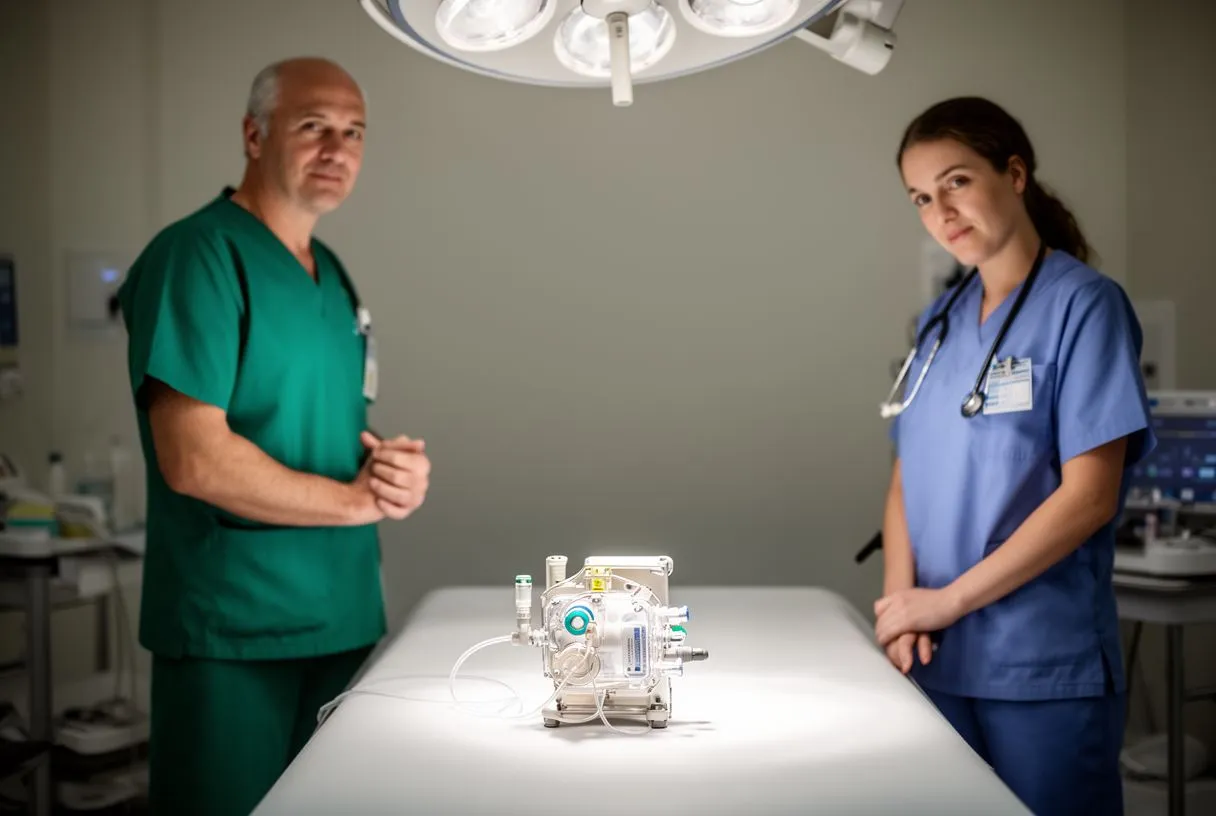
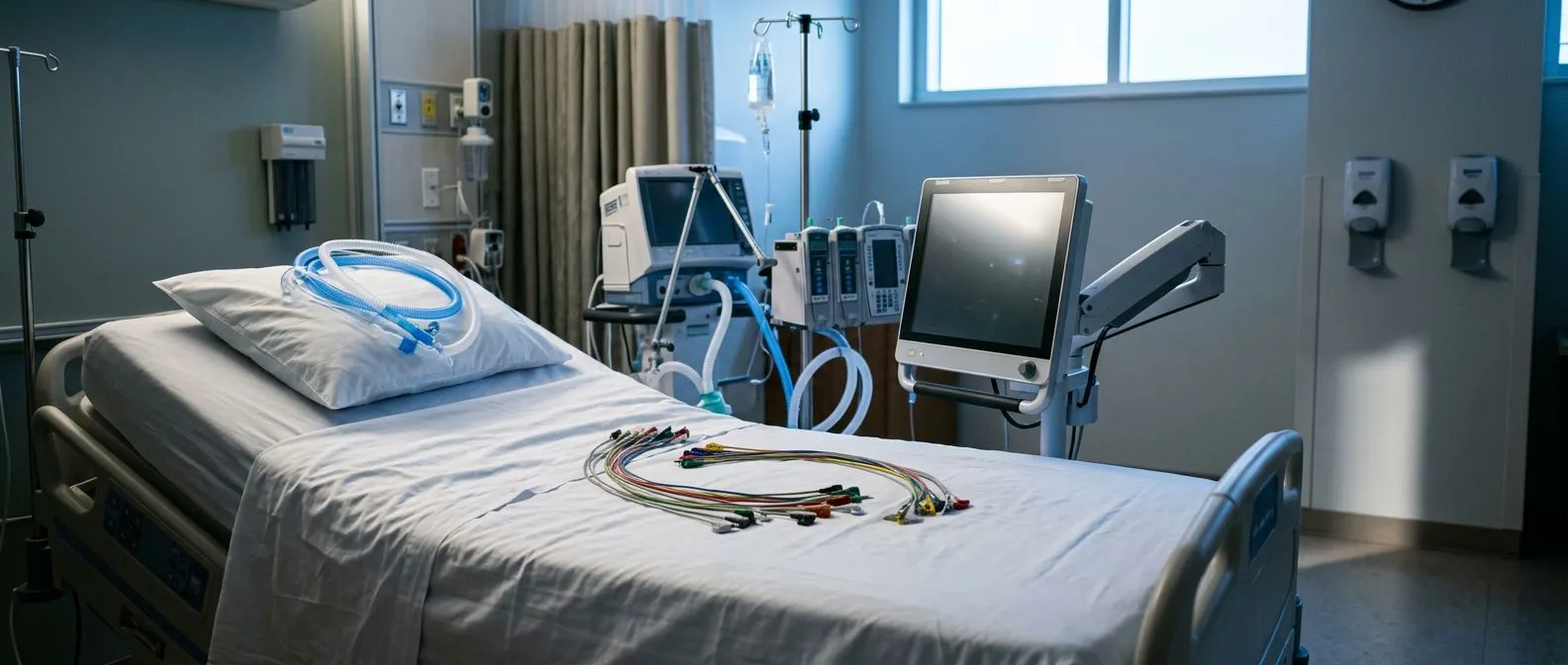
The awake ECMO patient experience usually begins in an intensive care or high-dependency unit, with the cannulation procedure itself performed under local or regional anesthesia with light sedation. Patients are typically awake shortly afterward. The cannulas are secured and dressed; most patients are aware of them but not in constant pain. The machine — a console roughly the size of a small refrigerator cart — sits beside the bed, quietly cycling blood.
The first days are about adjustment. Patients describe a learning period: discovering they can speak, that they can drink and eat, that the strange sensation of breathing through a machine is not painful. Nurses and physiotherapists work closely with the patient on breathing exercises and early sitting. Family presence matters enormously — an awake patient can hold a conversation, which changes the emotional temperature of the whole unit.
Day-to-day life has structure. A typical day includes blood tests, anticoagulation checks (the circuit requires blood thinners to prevent clots), wound care at the cannula sites, physiotherapy, and progressively more time out of bed. Many patients move from bed to chair within the first days, and mobile patients progress further as stability allows.
- Voice and communication: no tube means the patient can talk to staff and family directly — the single most appreciated difference patients report.
- Eating and drinking: a protected airway and stable condition usually allow normal meals, which supports nutrition and morale.
- Sleep and comfort: patients sleep at night without sedative infusions, though cannula positions and machine alarms take some getting used to.
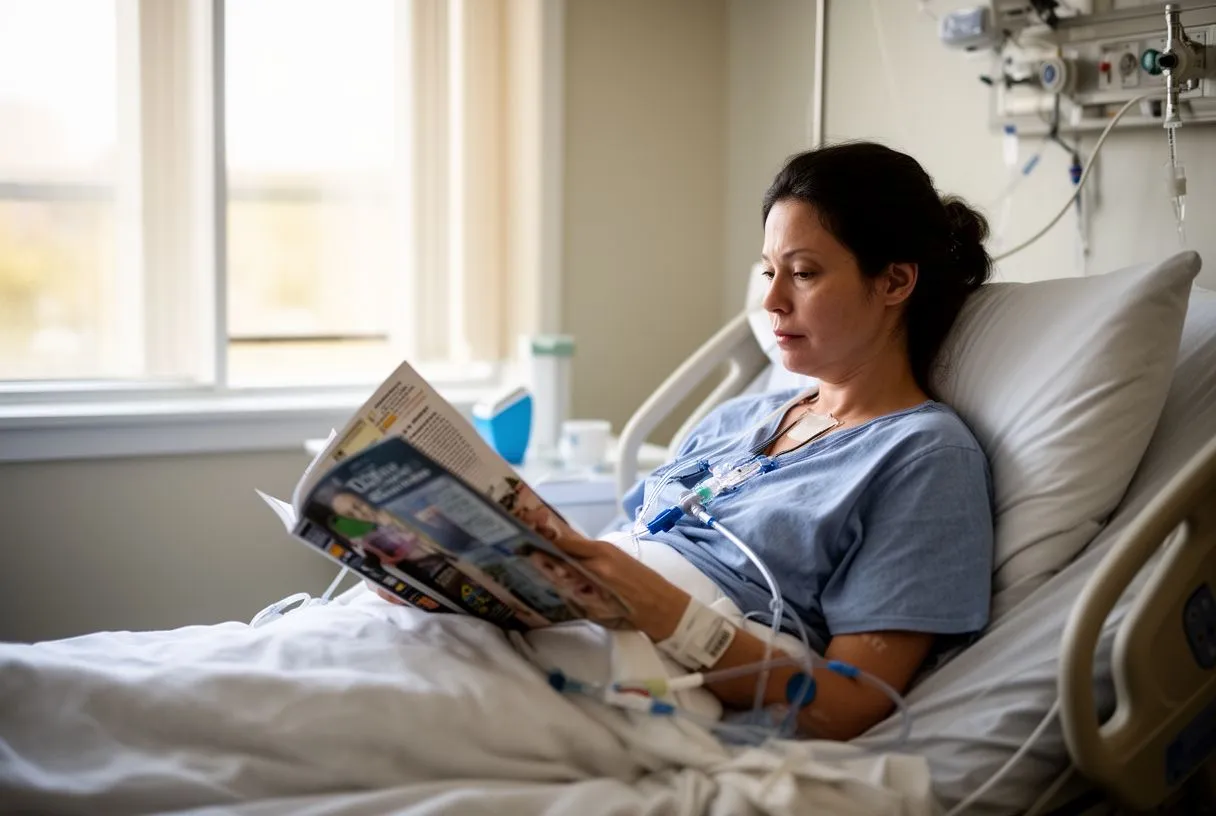
Awake ECMO Rehabilitation: Why Walking on the Circuit Matters
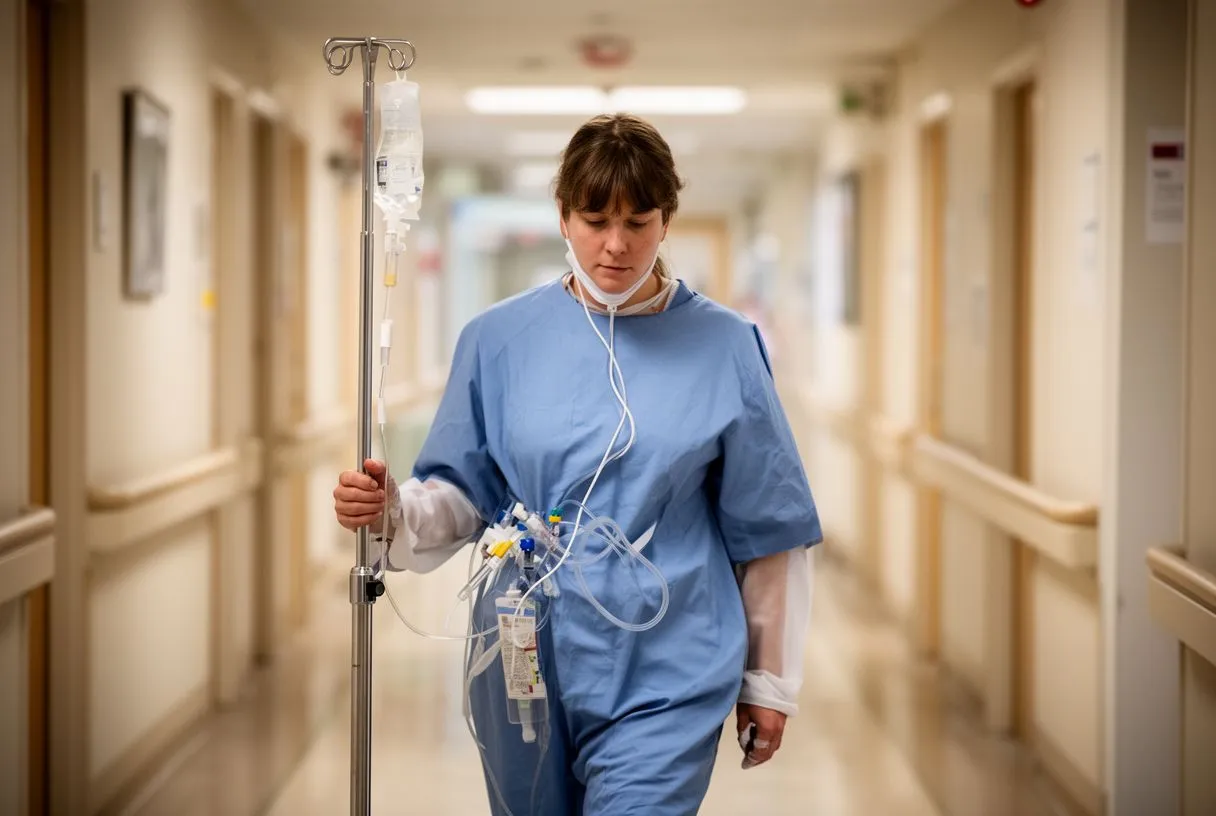
An awake ECMO walking protocol is one of the most striking developments in intensive care medicine in recent years. Patients who would once have lain paralyzed and ventilated for weeks have instead sat up, stood, and walked — with the cannulas secured, the circuit on a portable trolley, and physiotherapists and perfusionists walking alongside. This is not bravado; it is deliberate rehabilitation designed to prevent the muscle wasting that prolonged critical illness causes.
Rehabilitation is progressive and closely monitored. It typically moves through stages: bed exercises and sitting, then standing at the bedside, then corridor walking, each step gated by the team's assessment of oxygen levels, circuit stability, cannula sites and the patient's own exertion tolerance. The aim is not athletic achievement; it is preserving strength so that the patient's recovery does not start from zero once the circuit comes off.
Physical therapy during ECMO appears feasible and safe in selected patients, and the research base for this is growing; an overview of the evidence is available from the National Institutes of Health. Rehabilitation is often planned from the first week of support, because early movement can make a real difference when the time comes to come off the circuit.
Awake ECMO Recovery and Quality of Life
Awake ECMO recovery has two phases that families should keep clearly separate: time on the circuit, and life after decannulation (removal of the cannulas). On the circuit, the goal is stability and rehabilitation while the underlying problem — lung injury, heart failure, a waiting-list decision — resolves or reaches a treatment crossroads. Support typically runs for days to weeks depending on the reason.
Decannulation is usually done at the bedside once the lungs or heart can carry the load again, with careful closure of the cannulation sites and a monitored recovery period. What follows is convalescence that is very real: weeks to months of rebuilding fitness, and follow-up of the underlying condition. Long-term quality of life after ECMO is an active research area, and the honest answer is that outcomes vary widely with the underlying illness — but being awake during support is associated with a better starting point for rehabilitation.
The burden of critical illness is enormous globally. Severe respiratory and cardiovascular disease accounts for a substantial share of the world's burden of disability and lost healthy years, according to the Global Burden of Disease Study 2015 — which is precisely why advanced support technologies and the strategies around them, including conscious ECMO, continue to develop. When we sit with families in Guadalajara, Querétaro or Hermosillo to talk about recovery, we are always candid that the machine buys time; what determines the outcome is the underlying condition and the decisions made around it.
What to Ask Your Cardiac Team About Conscious ECMO Therapy
Awake ECMO sits at the intersection of intensive care and heart-lung medicine, so the questions worth asking are practical ones. If you or a loved one is being evaluated for support, these are the conversations that clarify everything:
- Which configuration, and why? Ask whether the plan is veno-venous or veno-arterial support, and what each would mean for whether you could be awake.
- What are my candidacy criteria? Ask specifically whether an awake approach is being considered, what it depends on, and what would cause a switch to sedation.
- What is the plan for the underlying disease? ECMO is a bridge; ask what it bridges to — recovery, a procedure, a device, or a longer-term decision.
- What rehabilitation is planned? Ask when physiotherapy starts and how mobile you could be.
Choosing where to have this conversation matters too. A team that offers advanced therapies should also be willing to explain them without pressure. The first contact with our team is a free video consultation: we get to know the patient, talk through the condition, and identify which studies are genuinely still needed so that no unnecessary ones are ordered — and if you decide to proceed, a face-to-face visit at one of our consulting rooms follows. The final decision about any treatment is always the patient's, and a good team treats it that way.
Awake ECMO life support represents a genuinely humane shift in critical care: the recognition that a person needing a machine to breathe does not need to be asleep while doing it. For the right patient — conscious, cooperative, and supported by an experienced team — it preserves voice, movement and dignity during one of the hardest chapters of an illness. If you are facing severe heart or lung failure and want to understand whether a conscious approach could fit your situation, the most useful next step is a conversation with a qualified cardiac team that can review your specific studies. We invite you to book a consultation with us; we will explain what the evidence shows, lay out the alternatives, and the decision will remain yours.