Extracorporeal Membrane Oxygenation: Life on ECMO
Extracorporeal membrane oxygenation life on ECMO explained: how it works, what patients experience, survival rates, and recovery.
When a heart or lung suddenly fails, the body runs out of time. Extracorporeal membrane oxygenation — ECMO for short — is a machine that takes over the work of the heart and lungs long enough for them to rest, heal, or reach another treatment. This guide explains, in plain language, what life on extracorporeal membrane oxygenation looks like: how the circuit works, who needs it, what patients and families experience, and what recovery honestly involves.
What Is Extracorporeal Membrane Oxygenation (ECMO)?
The short answer. ECMO is a form of life support. Blood is drawn out of the body through large tubes, passed through an artificial membrane that removes carbon dioxide and adds oxygen — the job the lungs normally do — and then pumped back in. In some configurations it also supports circulation, doing part of the heart's work. The word "extracorporeal" simply means outside the body.
Is ECMO considered life support? Yes, unequivocally. It is one of the most advanced forms of life support available in intensive care, reserved for patients whose heart or lungs cannot sustain life even with a ventilator and medications. It is also a bridge, not a cure: it buys time while the underlying problem is treated, while the organs recover, or while a transplant becomes possible. The concept of temporary Extracorporeal Circulation dates back decades to heart-lung machines used in open surgery; modern ECMO is essentially that technology, refined and made durable enough to run for days or weeks at the bedside.
Because ECMO is complex and resource-intensive, hospitals use it selectively. It requires a trained perfusion and critical care team, around-the-clock monitoring, and a clear plan for what comes next. As a multidisciplinary cardiac team, we review every potential ECMO case together against international practice guidelines before recommending it, and we explain the alternatives so the decision is always the patient's and family's.
How Does Extracorporeal Membrane Oxygenation Work?
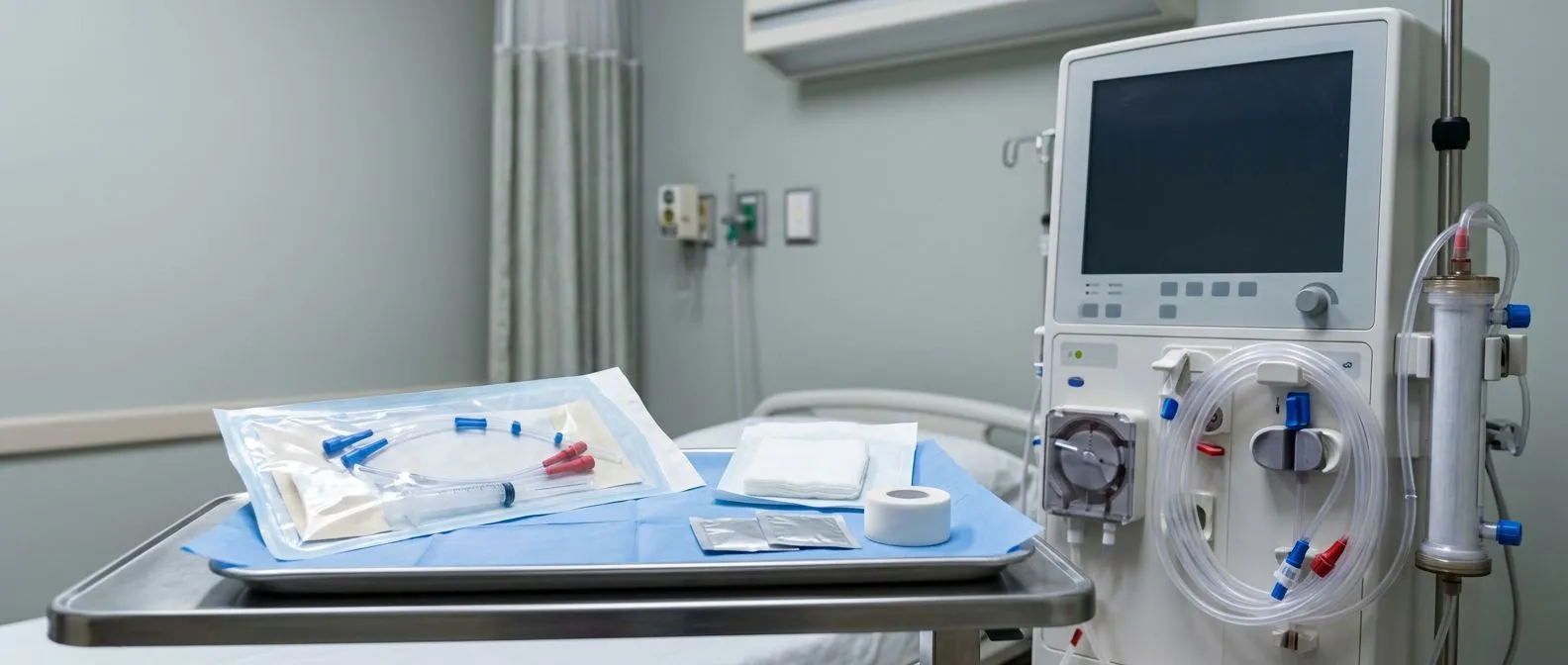
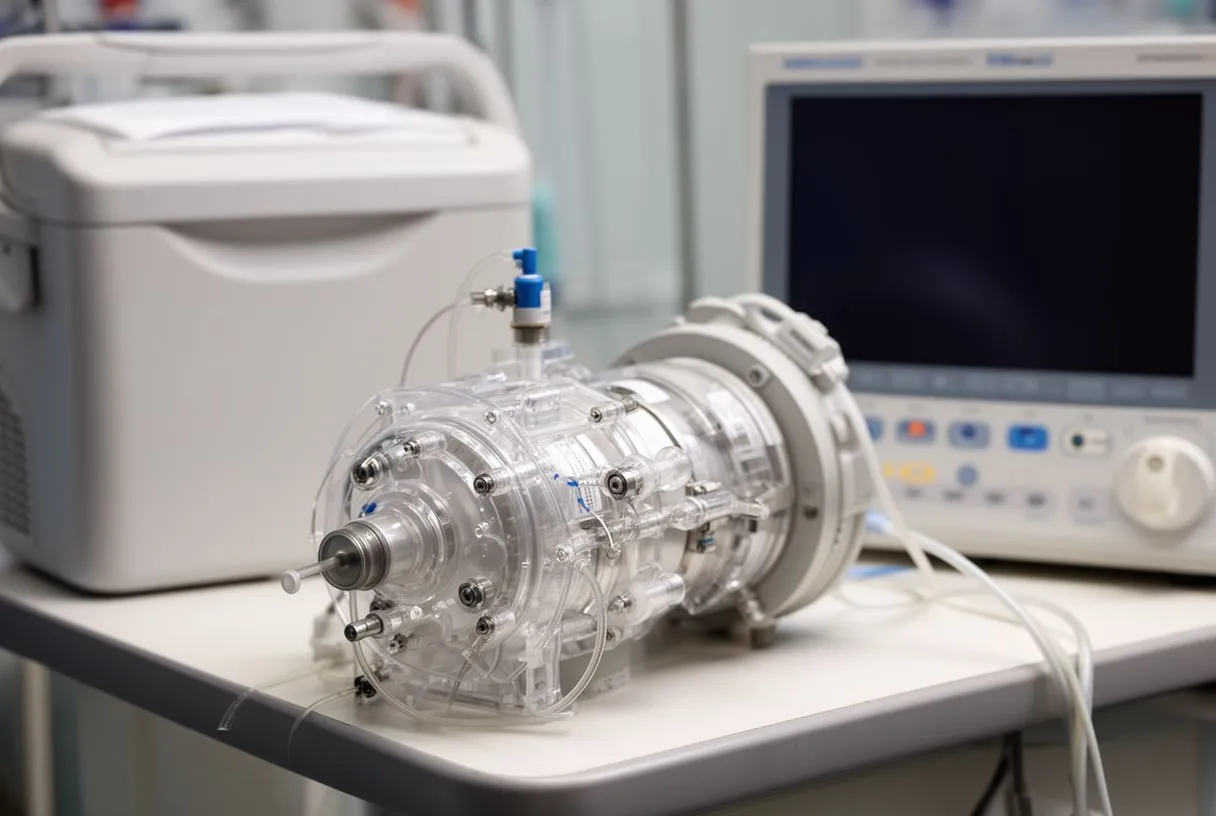
The circuit, step by step. Blood leaves the body through a cannula — a large, soft plastic tube — placed in a major vein, and sometimes a major artery. A pump moves it to the oxygenator, often called the "artificial lung" or "membrane." Inside, thousands of tiny hollow fibres create an enormous surface area. Oxygen diffuses in; carbon dioxide, which blood carries away from the tissues, diffuses out. The warmed, oxygen-rich blood then returns to the body through another cannula.
What the machine does and does not do. In its lung-support form, ECMO oxygenates the blood and lets the damaged lungs rest, often allowing ventilator settings to be lowered, which protects the lungs from further injury. In its heart-support form, the pump also moves blood forward, reducing strain on a failing heart. What ECMO does not do is fix the disease itself — it is scaffolding while the body heals or while surgeons, cardiologists, or a transplant team treat the cause.
Monitoring while on ECMO. The team continuously checks blood oxygen levels, clotting parameters (because blood outside the body tends to clot, patients receive anticoagulation), circuit pressures, and organ function. Small adjustments happen constantly. Families often describe the bedside as busy but reassuringly watchful — alarms are frequent and usually minor, and nurses respond to each one.
Who Needs Extracorporeal Membrane Oxygenation?
Severe heart failure. Candidates include patients after a massive heart attack, those who cannot be weaned from the heart-lung machine after open-heart surgery, patients with severe inflammation of the heart muscle (myocarditis), and those awaiting transplant. ECMO can also stabilise a patient during a high-risk procedure; research on high-risk coronary interventions shows that combining mechanical support strategies can have organ-protective effects in patients with acute coronary syndrome (see the study at Reanimatology Reviews).
Severe lung failure. Adults with severe pneumonia, influenza complications, COVID-19-related lung injury, or acute respiratory distress syndrome (ARDS) may qualify when a ventilator alone cannot keep oxygen levels safe. Pulmonary embolism — large clots in the lung arteries — and some traumas are other indications.
Children and newborns. Pediatric and neonatal ECMO is well established for conditions such as congenital diaphragmatic hernia, meconium aspiration, and congenital heart disease, with decades of registry experience behind it.
- Heart indications: massive heart attack, myocarditis, post-cardiotomy failure, bridge to transplant or to a durable pump.
- Lung indications: severe ARDS, severe pneumonia, pulmonary embolism, awaiting lung transplant.
- Special situations: newborn and paediatric respiratory failure, trauma with lung injury, resuscitation in select cardiac arrests.
VA ECMO vs VV ECMO: Which Life Support Is Used?
Veno-venous ECMO (VV ECMO). In Veno-venous ECMO, blood is taken from a vein and returned to a vein. The machine supports the lungs only; the heart keeps doing its own work. This is the configuration used for isolated severe lung failure. It is, generally speaking, the simpler of the two to manage.
Veno-arterial ECMO (VA ECMO). In Veno-arterial ECMO, blood is drawn from a vein and returned to an artery, so the pump directly supports circulation as well as oxygenation. It is chosen when the heart itself is failing — after a massive infarct, after cardiac surgery, in profound shock. Because it takes load off the heart, it can also be used as a bridge to recovery or to a transplant evaluation.
How the choice is made. The deciding factor is which organ is failing. Failing lungs alone point to VV; failing heart — alone or with the lungs — points to VA. The team also weighs the patient's overall condition, other organ function, and the goals of care. We always present the chosen configuration and its trade-offs clearly, along with what we expect it to buy in terms of time and what the alternatives are.
ECMO Cannulation Procedure: What to Expect
How the tubes are placed. Cannulation means inserting the large cannulas into the blood vessels. For most VV ECMO, this is done through the neck veins (internal jugular) and/or a leg vein (femoral), often under ultrasound guidance. VA ECMO usually adds a femoral or subclavian artery for return. It can be done at the bedside under local anaesthesia with sedation, or in the operating room if the patient is already in surgery.
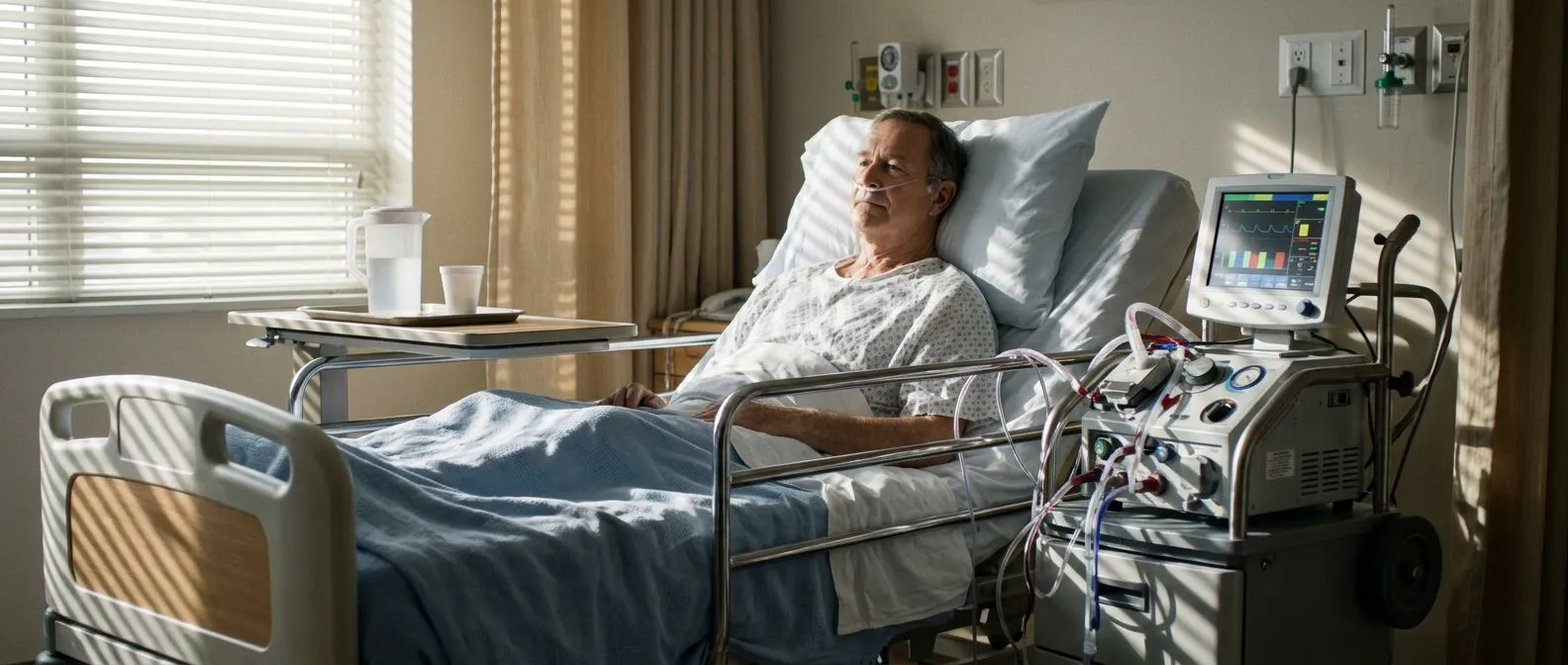
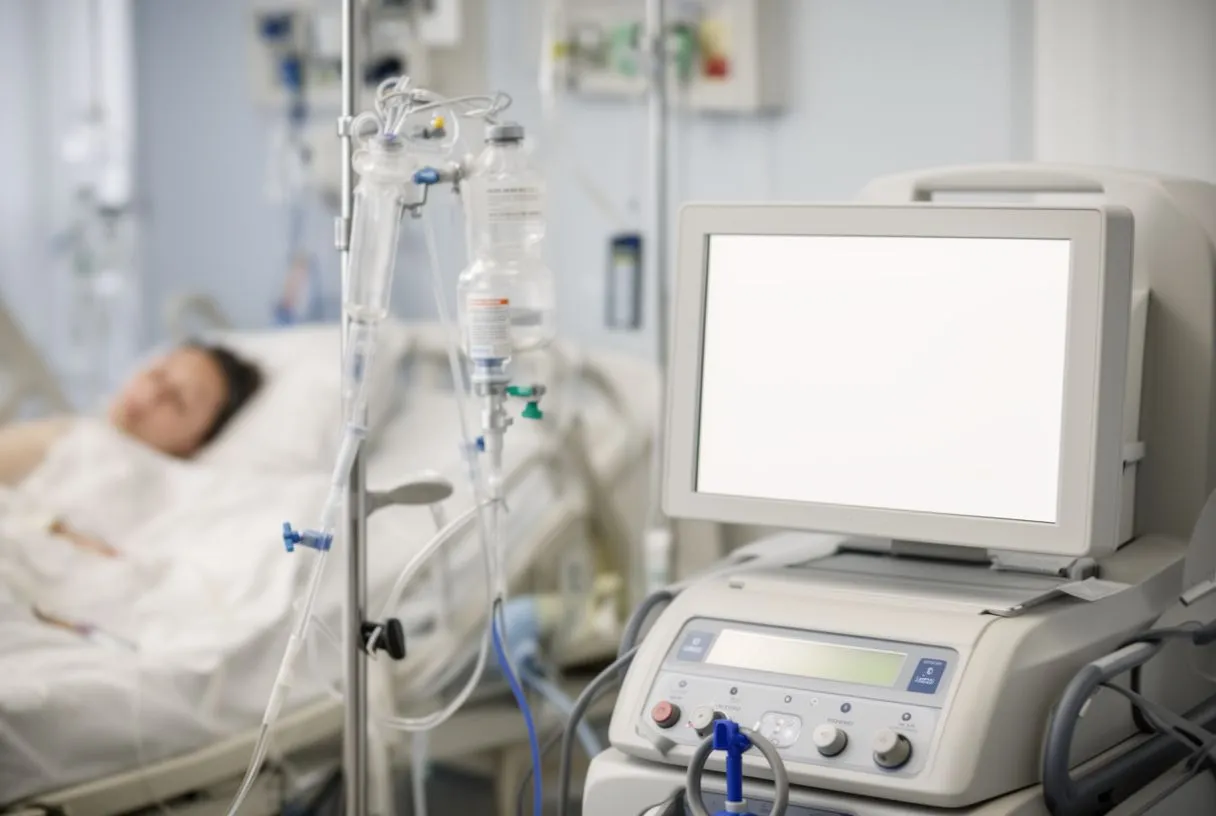
What it feels like and what families see. For the patient, sedation usually means little memory of the procedure. Families see the cannulas secured at the neck and groin, connected to colour-coded tubing running to the console. The circuit is carefully taped and padded to prevent kinking. Patients are typically cared for in an intensive care unit with a dedicated, specially trained team.
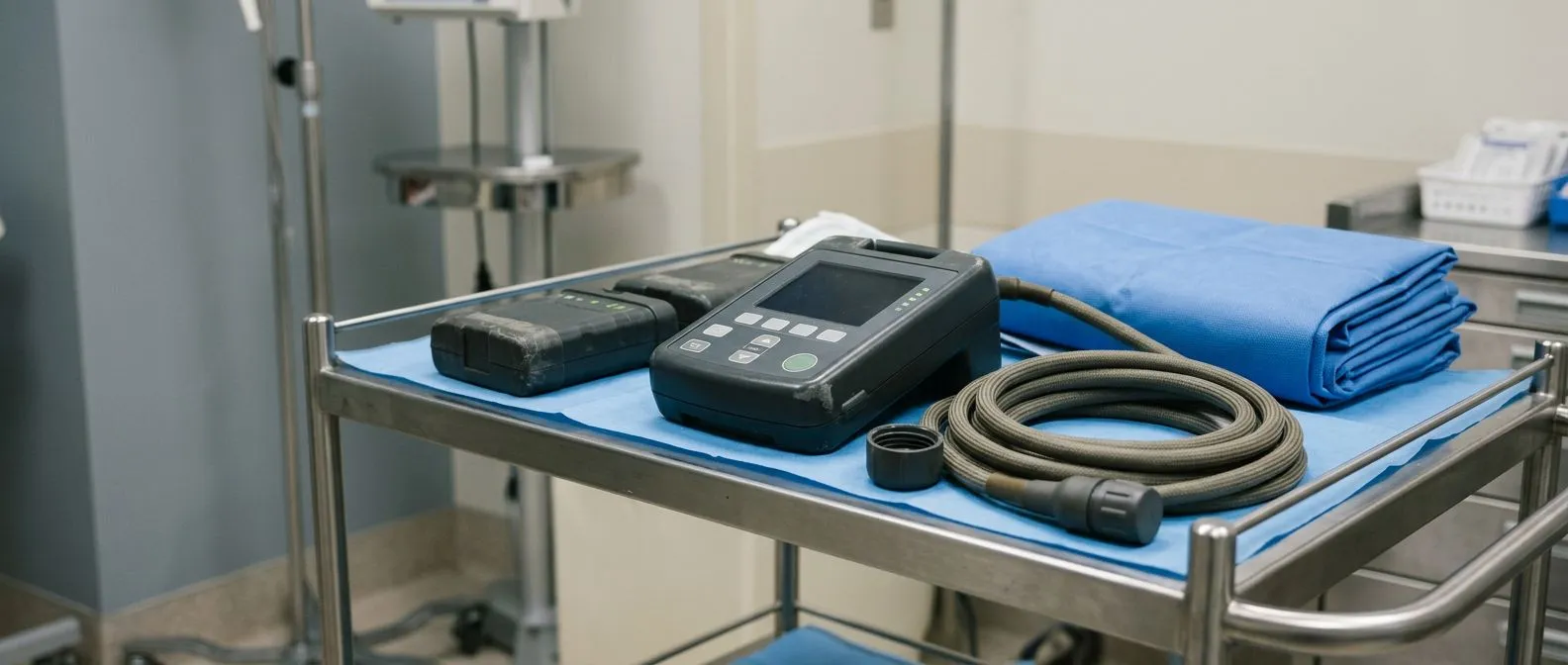
After placement. The team confirms the circuit's function with blood samples and imaging, checks the cannula positions, and begins anticoagulation. Ideally, the team that places the ECMO cannulas stays involved in the rest of the patient's care, so continuity from insertion through weaning is not broken. Where a patient needs ECMO support before transfer, portable ECMO systems now allow some teams to stabilise and transport patients between hospitals — sometimes called mobile ECMO emergency support.
Do Patients on ECMO Still Breathe?
Usually yes — and that is deliberate. Most patients on ECMO remain on a ventilator, but at gentler settings than they would otherwise need. The lungs are kept partly active to prevent collapse and stiffness. In some awake patients — a growing practice known as Awake ECMO — the person may breathe on their own with little or no ventilator support, wearing a mask, talking, and even doing light physiotherapy while the machine does the lung's work. This is used mainly in selected VV cases.
What families notice. A patient on VV ECMO for lung failure may look calm, with a tube in the neck and chest electrodes, breathing quietly on the ventilator. A patient on VA ECMO for heart failure may look similar, with the machine visibly circulating blood. The patient does not "breathe the machine's air" — the oxygen enters the blood directly inside the oxygenator.
Consciousness and interaction. Levels of sedation vary. Some patients, particularly on VV ECMO, are awake enough to talk with family and follow the team's instructions; others, especially early after VA cannulation or surgery, remain deeply sedated. Both are normal, and the team adjusts sedation daily based on the patient's condition.
Is Being on ECMO Painful?
The honest answer. ECMO itself is not painful once the cannulas are in place — the machine does its work silently inside the tubing. Discomfort usually comes from the surrounding situation: the cannula sites can be sore, lying still for long periods causes stiffness, the tube in the throat (in ventilated patients) is uncomfortable, and procedures such as blood draws add up. Pain and sedation management is a core part of ECMO care, and teams use standard scoring to keep patients comfortable.
Sedation and awareness. Patients who are sedated feel nothing; patients who are awake on ECMO typically report soreness at the insertion sites rather than pain from the circuit itself. If a patient is awake and able to speak, the team will ask directly and adjust. Families can help by telling nurses what the patient communicated before sedation or after waking.
For families watching. It can be distressing to see a loved one connected to a large machine. Knowing that the discomfort is managed, and that the machine is doing something the body temporarily cannot, helps many families stay steady through the wait.
ECMO Survival Rate and Life Expectancy
What registries show. Survival depends strongly on why the patient is on ECMO and how sick they were going in. The Extracorporeal Life Support Organization (ELSO), which maintains the largest international registry, reports that a substantial proportion of adult respiratory and cardiac ECMO patients survive to hospital discharge — but the range is wide, and no honest clinician can quote one number for an individual patient. What matters more is the underlying cause, whether other organs are healthy, and how quickly ECMO is started when it is truly needed.
"How long can you live on ECMO?" Modern circuits can run for days to weeks. Most adult runs last between one and three weeks. Prolonged support raises the risk of complications, so the team reassesses daily whether the goals are being met. There is no fixed maximum, but there is always a plan: wean, bridge to a durable device, bridge to transplant, or — when recovery is not happening and the goals of care change — a managed, dignified transition to comfort care.
Life after survival. Patients who survive ECMO and leave hospital generally return to meaningful lives. Quality of Life measures after critical illness, including after ECMO, have been studied extensively; large global burden-of-disease work such as the analysis at The Lancet underlines how much long-term functional outcomes matter, not just survival. Many long-term ECMO survivors report good function, though rehabilitation after weeks in intensive care takes months.
ECMO Complications and Quality of Life
Clotting and bleeding. Because blood contacts artificial surfaces, patients receive heparin or another anticoagulant. That creates a balance: too little anticoagulation and clots form in the circuit; too much and bleeding occurs, including at the cannulation site or in the brain. The team measures clotting several times a day and adjusts the dose continuously.
Other recognised complications. These include infection around the cannulas, limb ischaemia (reduced blood flow to a leg or arm below the cannula, sometimes managed with an extra small tube called a distal perfusion cannula), stroke in a small percentage of patients, and circuit problems such as clots or oxygenator failure requiring component change. Kidney function is watched closely, as many critically ill patients need temporary dialysis.
Quality of life afterwards. Survivors of prolonged critical illness often describe weakness, mild memory difficulties, and fatigue that improve over six to twelve months of rehabilitation. Most regain independence. Long-term follow-up after ECMO has improved markedly, and dedicated recovery clinics now track these patients after discharge. In our consultation rooms in Guadalajara, Querétaro and Hermosillo, we take the time to explain what recovery realistically looks like in the months after a critical illness, in plain words, so patients and families can plan for it rather than be surprised by it.
ECMO Bridge to Recovery or Transplant
Bridge to recovery. The ideal outcome. When the underlying problem — a severe infection, a temporary inflammation of the heart muscle, a correctable surgical complication — resolves, the team gradually reduces ECMO flow over hours or days to see whether the heart and lungs can take over. If they can, the cannulas are removed and the patient continues standard intensive care. Many postpartum and viral myocarditis patients follow exactly this path.
Bridge to transplant or a durable device. When the heart will not recover, ECMO can keep a patient stable while a longer-term solution is arranged: a heart transplant, or a durable ventricular assist device (a surgically implanted pump). ECMO is deliberately a short-term tool; prolonged runs carry rising risk, so the team moves to the durable strategy as quickly as possible.
Bridge to decision. Sometimes, after days of support, the picture becomes clear only gradually. "Bridge to decision" describes exactly this: ECMO buys time for the team and family to see whether recovery is happening, whether transplant candidacy is realistic, or whether the goals of care should change. This honest staging often helps families — knowing there is a defined review point reduces the feeling of being suspended without a plan.
Cost, Travel and Choosing an ECMO Centre
What ECMO involves for patients travelling for care. ECMO is only offered at centres with intensive care capacity, perfusion services and a 24-hour team. For international patients considering cardiac surgery in Mexico, the practical questions are: does the hospital have ECMO capability as a safety net; what does the intensive care stay cost per day; how long is the expected stay; and what happens if complications occur. Costs vary widely by hospital and case, and no one can quote a fixed price in advance for a critical-care stay — families should ask for a detailed estimate and what it includes.
Questions worth asking any centre.
- Volume and experience: how many ECMO runs per year, and what are the centre's outcomes?
- The plan: what is the intended strategy — recovery, transplant, or a durable device?
- Backup capability: is ECMO available during planned surgery if the heart cannot be weaned from bypass?
- Communication: who is the single point of contact for the family during the ICU stay?
Second opinions are normal. We encourage every patient considering major heart surgery — with us or anywhere — to seek a second opinion, and we treat it as a routine part of deciding, not a betrayal. A good team welcomes it. If you would like to talk through your case, the first step is a free video consultation: we get to know you, review what your studies show, and tell you which additional tests are genuinely needed — so you order no unnecessary ones. A face-to-face visit follows only when you decide to go ahead.
Living After ECMO: Recovery and Follow-Up
The first weeks after decannulation. Once the cannulas are out, the insertion sites heal within days to weeks, usually with simple dressings. Patients coming off a long ICU stay face the bigger task: regaining strength. Physical therapy starts early, often while still on the ventilator, and continues for weeks. Weakness, hoarseness (from the breathing tube), and difficulty concentrating are common and improve with time.
The months that follow. Most survivors describe a slow, steady return to normal life over three to six months, with fatigue the last thing to go. Cardiac rehabilitation programmes — supervised, gradual exercise — measurably improve outcomes and confidence. Follow-up with a cardiologist and, where relevant, the surgical team continues for years. Rehabilitation works best when it is adjusted at each stage to what the heart is actually doing rather than to a generic timetable.
The emotional side. Surviving ECMO is a profound experience for both the patient and the family. Anxiety, low mood, and post-intensive-care syndrome are recognised and treatable. Asking for psychological support is part of good medical care, not an extra.
When to Seek Help and Talking to a Heart Team
Recognising the emergency. ECMO enters the conversation when standard treatment is failing: severe shortness of breath that does not respond to oxygen or a ventilator, profound shock after a heart attack, collapse after cardiac surgery. If you or a family member is in this situation, the decision is made by the intensive care and cardiac teams in real time — the role of this article is to help you understand what is being proposed and why.
Preparing for the conversation. Bring your questions in writing. Useful ones: what is the goal of ECMO for this patient, how long is it expected to last, what happens if the heart or lungs do not recover, what are the main risks, and who will communicate with us daily. A team that answers these plainly is a team you can trust.
Talking to our team. If you are facing heart surgery, advanced heart failure, or the possibility of advanced support such as extracorporeal membrane oxygenation, you do not have to decide alone. Our multidisciplinary team of cardiac surgeons, led by Dr Alejandro Molina and covering conventional, minimally invasive, robotic and transcatheter procedures, reviews every case before making any recommendation, and the final decision is always yours. Book a consultation and let us explain, in plain words, what your heart is doing and what your real options are.

In summary. Life on extracorporeal membrane oxygenation is intensive but purposeful: a machine temporarily takes over the work of failing heart or lungs while a clear plan unfolds — recovery, transplant, or a considered change in goals. Survival depends mainly on the cause and the speed of the right decisions, and most survivors regain good function with rehabilitation. If ECMO has been mentioned for you or someone you love, ask your cardiac team to explain the strategy, the risks and the alternatives — and remember that a second opinion is always a reasonable, respected step.