

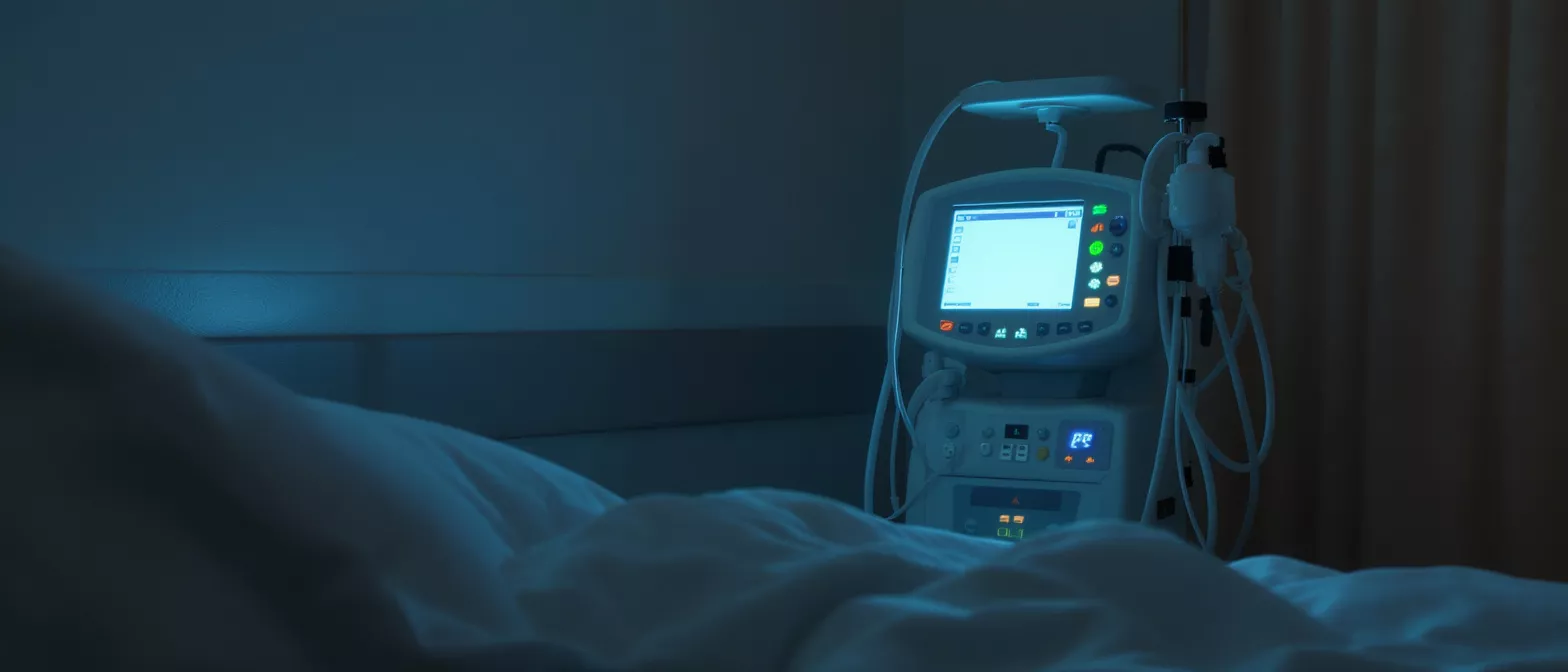
Extracorporeal Membrane Oxygenation
Discover how extracorporeal membrane oxygenation (ECMO) supports heart and lung function.
What is extracorporeal membrane oxygenation?
Extracorporeal membrane oxygenation, commonly referred to as ECMO, is an advanced form of life support that provides temporary assistance to patients whose heart and lungs are unable to function adequately on their own. The term "extracorporeal" means outside the body, and that is precisely where the critical work of this system takes place. By circulating blood through an external machine, the system adds oxygen and removes carbon dioxide before returning the blood to the patient.
Why ECMO matters for cardiac patients: For individuals facing severe heart failure or recovering from complex cardiac surgery, the heart may need time to heal and regain its native pumping strength. This technology steps in to do the heavy lifting, ensuring that vital organs continue to receive oxygen-rich blood while the heart rests. It is not a cure itself, but rather a bridge that keeps the body alive while the underlying condition is treated or resolves.
If you or a loved one is facing heart surgery, understanding this therapy can ease much of the anxiety surrounding the intensive care unit. Knowing that a highly specialized team can step in to support circulation provides a layer of safety and reassurance during critical moments.
How does the ECMO procedure work?
The procedure begins with a specialized perfusionist or surgeon carefully inserting large tubes, called cannulas, into the patient's major blood vessels. These tubes act as pathways, carrying dark, deoxygenated blood out of the body and into a sophisticated pump. The pump continuously moves the blood through a membrane oxygenator, which functions as an artificial lung.
Inside the ECMO heart lung machine: Within this artificial lung, a thin membrane allows oxygen to pass into the blood while simultaneously removing carbon dioxide. The blood is warmed to body temperature and then safely returned to the patient through a second cannula, fully oxygenated and ready to nourish tissues. A specialized team monitors the entire circuit continuously to ensure perfect flow rates and anticoagulation levels.
Throughout the duration of support, the patient remains in the intensive care unit under continuous surveillance. Because the blood is moving through tubes outside the body, anticoagulation medications are given to prevent clotting within the circuit. This requires precise balancing by the medical team to ensure the blood flows smoothly without increasing the risk of bleeding elsewhere.
ECMO vs ventilator: whats the difference?
Understanding the distinction between these two interventions helps families grasp the level of support their loved one is receiving. A mechanical ventilator pushes oxygen-rich air into the lungs through a breathing tube. It relies entirely on the patient's lungs to absorb that oxygen and transfer it into the blood, which the heart then pumps throughout the body.
When a ventilator is not enough: If the lungs are too diseased or injured to exchange gas, or if the heart is too weak to pump blood effectively, a ventilator reaches its limits. This is where external circulation steps in. Unlike a ventilator that only pushes air into the lungs, the membrane oxygenator directly oxygenates the blood outside the body. This is why doctors might seek a high-flow oxygenation support system when traditional breathing assistance fails.
- Ventilator support: Pushes air into the lungs; relies on native lung function and heart pumping.
- ECMO support: Directly oxygenates blood outside the body; bypasses the heart and lungs entirely.
- Combined approach: Sometimes used together, but with lower ventilator settings to prevent further lung injury.
Who needs ECMO cardiac support?
Patients requiring this intervention usually face acute, life-threatening cardiac conditions where conventional treatments have failed. This includes massive heart attacks, severe heart failure, or the inability of the heart to maintain blood pressure after surgery. It can also be a lifesaving bridge for patients waiting for a heart transplant or those recovering from severe inflammation of the heart muscle.
Post-surgical heart recovery: After complex cardiac operations, the heart can sometimes be stunned or too weak to function independently. In these cases, the surgical team may use temporary mechanical circulatory support to maintain blood flow while the cardiac tissue heals. This rest period is vital, as it gives the heart a chance to recover without the stress of pumping against systemic blood pressure.
Facing the prospect of a loved one needing this level of support is frightening. However, the deployment of this technology represents the highest level of intensive care, bringing advanced perfusion capabilities to critically ill patients. It allows time for medications to work, surgical swelling to decrease, or for a donor organ to become available.
ECMO for lung support and respiratory failure
While frequently associated with cardiac surgery, this technology is equally vital for severe respiratory failure. Conditions such as acute respiratory distress syndrome (ARDS), severe pneumonia, or massive pulmonary embolisms can prevent the lungs from oxygenating blood. When high ventilator settings fail to achieve safe oxygen levels, external oxygenation becomes the next line of defense.
Bypassing damaged lung tissue: The machine effectively rests the lungs, allowing doctors to lower ventilator settings to safer levels. This prevents further damage to the delicate lung tissue that high pressure and high oxygen levels can cause. Patients with respiratory failure often rely on a specialized extracorporeal life support circuit to survive the acute phase of their illness.
By taking over the work of gas exchange, the system gives the lungs time to heal from severe infection or inflammation. The medical team can then focus on treating the underlying cause, whether that involves antibiotics, steroids, or surgical removal of a blood clot.
Venoarterial vs venovenous ECMO types
There are two primary configurations, chosen based on whether the patient needs cardiac support, respiratory support, or both. The first type, venoarterial (VA), drains venous blood and returns it to the arterial system. This provides both oxygenation and circulatory support, making it the standard choice for cardiac failure or when both heart and lungs are failing.
The venovenous (VV) approach: The second type, venovenous, drains and returns blood into the venous system. VV provides excellent gas exchange but does not help with blood pressure or cardiac pumping. It is used exclusively for severe lung failure where the heart is still pumping strongly. The cannulation strategy is carefully selected based on the precise clinical picture.
The distinction between VA and VV is a critical decision made by the cardiac surgeon and intensivist. They evaluate hemodynamics, lung function, and the underlying diagnosis to determine which route will best support the patient's specific physiological needs. Understanding this helps clarify why two patients with similar machines might have vastly different setups.
What are the indications for extracorporeal life support?
The indications for initiating this therapy are strictly reserved for situations of imminent danger where mortality is high without intervention. Cardiac indications include refractory cardiogenic shock, failure to separate from cardiopulmonary bypass after surgery, and malignant arrhythmias unresponsive to standard treatment. The goal is always to provide a bridge to recovery, transplantation, or a ventricular assist device.
Assessing the right candidate: Not every patient is a candidate. The medical team evaluates whether the underlying condition is reversible or if the patient is a suitable transplant candidate. Contraindications often include severe irreversible brain injury, advanced chronic organ failure, or conditions where further aggressive treatment is deemed futile. Cardiogenic shock is one of the most frequent acute scenarios prompting this intervention.
When a patient meets the criteria, the rapid deployment of this technology can be the difference between life and death. It is a complex decision involving surgeons, cardiologists, and intensivists weighing the risks of major intervention against the certainty of losing the patient without it.
ECMO complications and risks for heart patients
While this therapy is life-saving, it is an invasive procedure carrying significant risks that require constant management. The most common complication is bleeding, largely due to the necessary use of blood thinners to prevent clotting in the circuit. Patients may experience bleeding at insertion sites or even more severe internal bleeding.
Managing vascular and neurological risks: Because large blood vessels are accessed, there is a risk of vascular injury, stroke, or limb ischemia, particularly when the femoral artery in the leg is used. The team closely monitors limb perfusion and may place a special distal perfusion catheter to ensure the leg receives adequate blood flow. Neurological events, while rare, are possible and require diligent vigilance. Recognizing signs of low cardiac output syndrome and other postpericardiotomy syndrome complications is a core part of the daily ward round.
- Bleeding: Managed by carefully titrating anticoagulation and monitoring blood counts hourly.
- Stroke risk: Mitigated by precise blood flow management and minimizing air entry into the circuit.
- Limb ischemia: Prevented by using specialized cannulation techniques and distal perfusion catheters.
ECMO recovery time and what to expect
The duration of support varies widely depending on the underlying condition. Some patients need it for only a few days to allow the heart to recover from a massive heart attack, while others remain on it for weeks awaiting a suitable donor heart for transplantation. Weaning is a gradual process carefully orchestrated by the medical team.
The process of decannulation: As the heart or lungs begin to recover, the team slowly reduces the flow on the machine, allowing the native organs to take over incrementally. Once it is clear the patient can maintain safe oxygenation and blood pressure independently, the tubes are removed in a procedure called decannulation. This milestone is a significant victory in the intensive care journey.
Recovery does not end at decannulation. Patients typically face a long road of rehabilitation, having spent prolonged periods bedridden in the ICU. Weakness, fatigue, and the psychological toll of critical illness require comprehensive cardiac rehabilitation to help patients regain their strength and independence.
Understanding ECMO candidates and long-term outcomes
The deployment of extracorporeal membrane oxygenation is a testament to modern medicine's ability to support the failing body. For patients undergoing cardiac surgery, knowing this technology exists provides immense peace of mind. It serves as a critical safety net when the heart needs time to heal, offering a lifeline during the most precarious moments of recovery.
Hope through advanced perfusion: The long-term outcomes for patients who survive to hospital discharge are often encouraging, with many returning to functional lives. The journey is arduous, but the survival rates justify the risks for those who meet the criteria. Continued advancements in circuit technology, anticoagulation protocols, and patient selection continue to improve these outcomes year over year.
If your loved one requires this intervention, the best approach is to maintain open communication with the surgical and critical care teams. Ask questions about the daily goals, the weaning plan, and how you can support the recovery process. Healing takes time, but this advanced support provides the necessary bridge to get there.






