

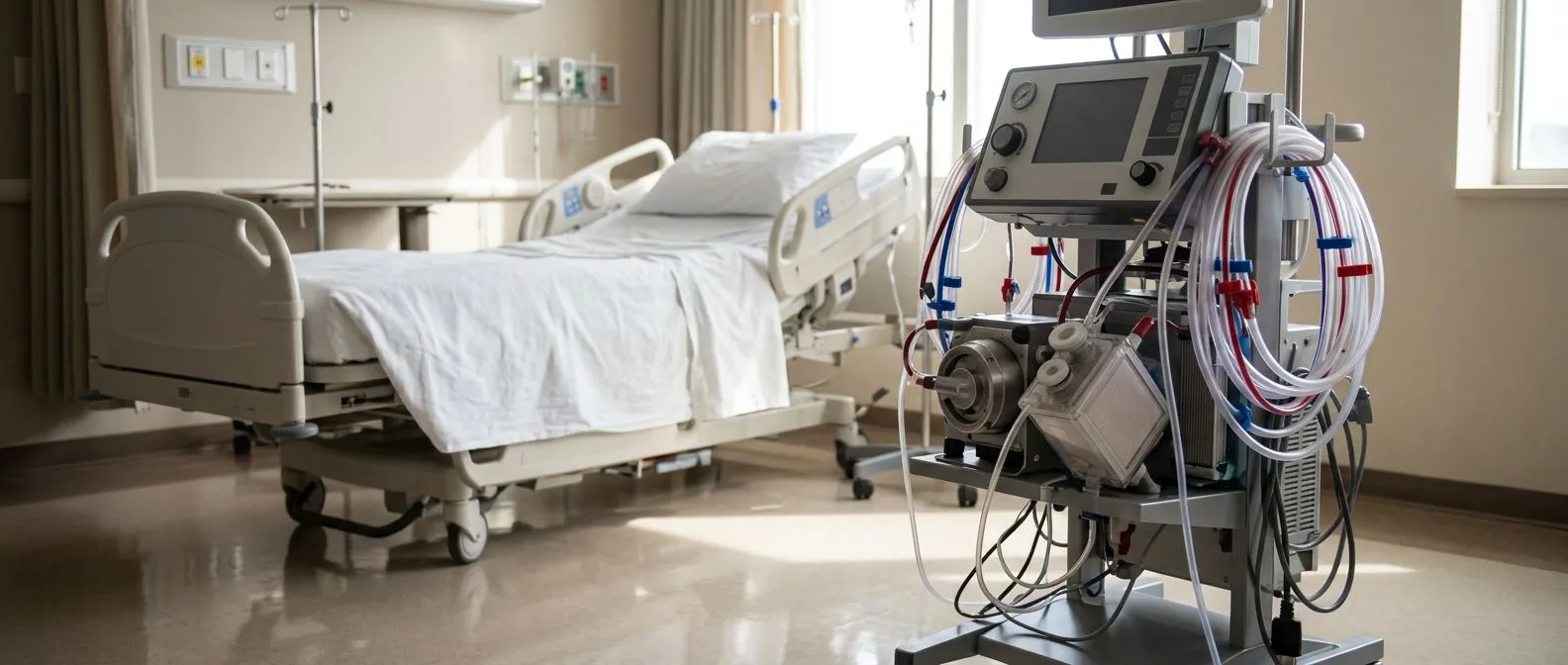
ECMO for Heart Failure: How Long Patients Stay On It
ECMO heart failure support: learn how long patients stay on the machine, what affects duration, and when recovery begins.
Can you imagine an artificial heart-lung that could keep you alive when your own heart or lungs are failing? It sounds like science fiction, doesn't it? As the title of this article suggests, the days of science fiction are behind us. Today we are left with just the science.
Extracorporeal membrane oxygenation, commonly known as ECMO, is an advanced life-support technique used in critical situations when the lungs or the heart cannot work adequately on their own. It has saved countless lives since it was first developed and remains an essential tool in modern medicine.
What is ECMO?
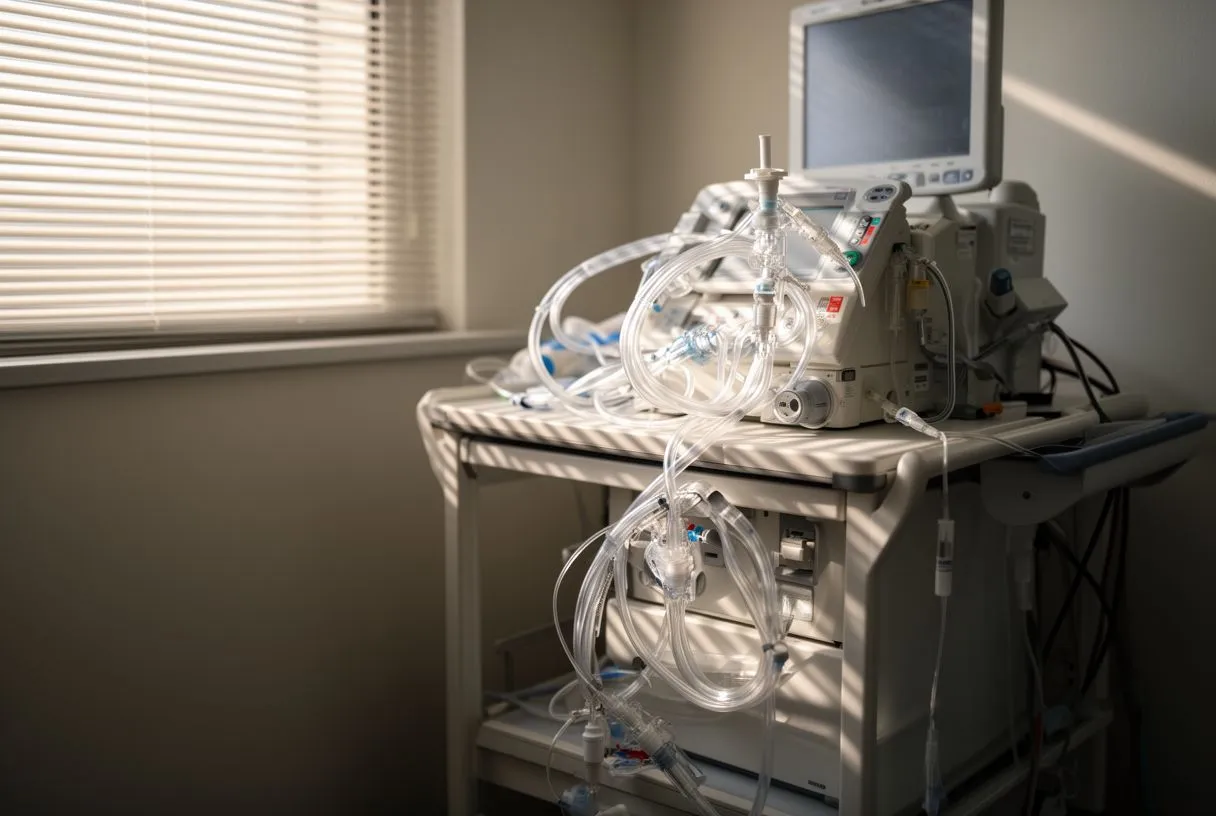
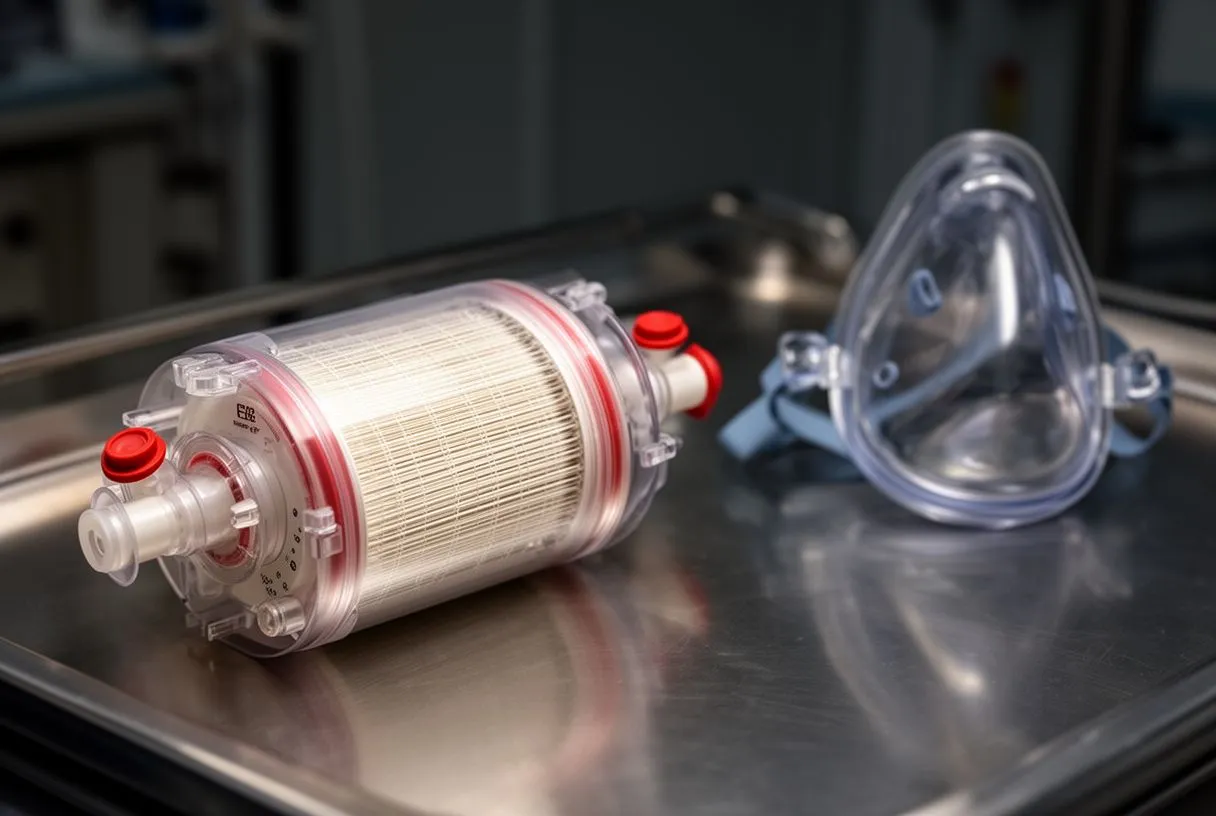
ECMO is a life-support procedure that provides oxygenation outside the body and circulatory support for patients with severe respiratory or heart failure. It is an adaptation of the machine we use in heart surgery, but for longer-term use. The ECMO system drains blood out of the body, adds oxygen and removes carbon dioxide through a membrane, or artificial lung, and then returns the blood to the patient. There are two main types of ECMO:
- Veno-venous (VV) ECMO: used mainly for respiratory or lung support. Blood is drawn from a central vein and, once oxygenated, returned to a different central vein.
- Veno-arterial (VA) ECMO: provides both heart and lung support. Blood is drawn from a vein and returned to an artery, which helps maintain both oxygenation and blood flow to the organs.
The background and history of ECMO
The history of ECMO goes back to the 1950s, with the first developments in extracorporeal oxygenation during the early era of open-heart surgery. ECMO as we know it today began to take shape in the 1970s. Dr Robert Bartlett and his team at the University of Michigan carried out some of the first successful uses of ECMO in newborns with severe respiratory distress syndrome. Since then, the technology and techniques have advanced significantly, and its use has extended to children and adults.
Indications for ECMO
Veno-venous (VV) ECMO
VV ECMO is mainly indicated in patients with severe respiratory failure that does not respond to conventional mechanical ventilation. Indications include:
- Acute respiratory distress syndrome (ARDS).
- Severe pneumonia.
- Aspiration pneumonitis.
- Pulmonary hypertension.
- Recovery after complex chest surgery.
- Sepsis.
- Others.
Veno-arterial (VA) ECMO
VA ECMO is used when both heart and lung support are needed. Common indications include:
- Fulminant myocarditis.
- Cardiogenic shock.
- Acute heart failure that does not respond to other treatments.
- Resuscitated cardiac arrest.
- A bridge to heart transplant or to a ventricular assist device.
- Shock after heart surgery.
- Severe hypothermia.
- Drug poisoning.
- Sepsis or endocarditis.
- Many other situations in which the heart needs circulatory support.
Who can prescribe these therapies?
ECMO should be indicated and managed by a specialised multidisciplinary team, usually including intensivists, heart surgeons, respiratory physicians, perfusionists and specialist critical-care nurses. The decision to start ECMO is based on a careful assessment of the patient's clinical condition and outlook, and it should take place in medical centres with the experience and resources to manage this complex intervention.
The cost of ECMO
ECMO treatment can be extremely expensive, because of the complexity of the procedure, the specialised equipment and the intensive care it requires. Costs vary with the length of treatment, any complications and the country where it is carried out. In the United States, for example, the total cost can range from $100,000 to $300,000 or more, depending on these factors.
How long can someone stay on ECMO?
How long a person can stay connected to ECMO varies considerably with their underlying condition and how they respond to treatment. In general, ECMO is designed as a temporary life-support measure until the patient's organs recover, or until a definitive treatment, such as an organ transplant, can be carried out.
Average duration of ECMO
- Veno-venous (VV) ECMO: used mainly for respiratory support, it may run for an average of 1 to 3 weeks, although this really depends on each case. Some patients need support for longer, 4 to 6 weeks or more, depending on the severity of the lung disease and the body's ability to recover.
- Veno-arterial (VA) ECMO: used for both heart and lung support, it is usually needed for a shorter period, generally from a few days up to 2 weeks. In some critical cases, however, support may need to continue for longer.
Factors that affect the duration
- The underlying condition: patients with conditions expected to improve over time, such as severe pneumonia or ARDS, may need ECMO for a relatively short time; more chronic or severe conditions may need longer support.
- Response to treatment: how quickly the patient responds to other treatments and begins to recover organ function affects how long ECMO is needed.
- Complications: infections, bleeding or technical problems with the ECMO circuit can prolong treatment.
- Treatment goals: when ECMO is used as a bridge to a definitive treatment, such as a lung or heart transplant, the time on ECMO depends on the availability of a donor organ and on the patient being ready for transplant.
The longest recorded times
Although there is no absolute limit, there are documented cases of patients who have been on ECMO for extremely long periods, some for more than 365 days. These are exceptional cases, however, and require continuous assessment to make sure the treatment remains beneficial and does not do more harm than good.
Ethical and clinical considerations
Keeping a patient on ECMO for long periods raises both ethical and clinical challenges. Medical teams must constantly assess the patient's quality of life, the chance of recovery and the risks of continuing treatment. The decision to continue or stop ECMO support is usually taken together with the patient's family and the multidisciplinary team, based on a detailed assessment of the patient's condition and long-term outlook.
Can someone be on ECMO and be awake?
Yes, a person can be connected to ECMO and remain conscious, although this depends on several factors, including the underlying condition, the type of ECMO used and the policies and practices of the hospital providing the treatment.
What makes it possible to stay awake on ECMO
- Type of ECMO: patients on VV ECMO are more often awake, because this support focuses on oxygenation and does not directly affect the circulation in the way VA ECMO does. Patients on VA ECMO can be awake, but it is less common because of the more invasive and critical nature of heart support; these patients are usually sicker and often need deep sedation.
- The patient's clinical condition: the severity of the illness, and the need for sedation to manage mechanical ventilation or to prevent movements that could compromise the circuit, affect whether a patient stays conscious.
- Hospital protocols: some centres have specific protocols for keeping ECMO patients conscious and awake whenever it is safe and beneficial, with strategies to minimise sedation and encourage early mobilisation.
The benefits of staying awake
- Less muscle wasting: being awake lets patients take part in physiotherapy and early mobilisation, which helps prevent muscle weakness and wasting.
- Better mental health: it can reduce the risk of delirium and other psychological complications associated with prolonged sedation in intensive care.
- Communication and involvement in care: awake patients can talk to their care team and take an active part in decisions about their care.
Challenges and considerations
- Managing pain and anxiety: awake patients on ECMO can experience significant pain and anxiety, which need careful management with medication and psychological support.
- Risk from movement: any involuntary movement can compromise the circuit, so strict monitoring and sometimes gentle physical restraints are needed.
- Clinical complications: the severity of the underlying condition may require deep sedation to manage the ventilator or other treatments.
Success stories and innovative practice
Some ECMO centres of excellence have developed specific programmes to keep patients awake and engaged while on ECMO:
- Early mobilisation programmes: physiotherapy exercises, assisted walking and even stationary bikes adapted for patients on ECMO.
- Multidisciplinary teams: intensivists, physiotherapists, specialist critical-care nurses and psychologists working together to provide holistic care.
Some examples of hospital practice:
- University of Michigan Hospital: a pioneer in keeping patients awake and mobile during ECMO, reporting better results in terms of functional recovery.
- European centres: some hospitals in Europe have developed protocols to minimise sedation and maximise patients' interaction with their surroundings.
- Centres in Mexico: in our current practice, we have established protocols to offer ECMO to awake patients, with excellent results.
In short, while it is possible and sometimes beneficial to keep ECMO patients awake, this must be managed carefully by an experienced medical team to ensure the patient's safety and wellbeing.
Can I have a normal life after ECMO?
Whether you can lead a normal life after ECMO depends on several factors, including the underlying condition that made it necessary, how long the treatment lasted, and whether there were complications during or after it. These are some key considerations about recovery and quality of life:
Factors that affect recovery
- The underlying condition: the reason ECMO was needed plays a crucial role. Patients with acute conditions that resolve completely, such as severe pneumonia or ARDS, may have a better chance of returning to a normal life than those with chronic diseases or severe organ damage.
- Time on ECMO: longer treatment can be associated with a greater chance of complications such as infection, damage to blood vessels or bleeding.
- Complications during ECMO: infections, bleeding or neurological problems can affect recovery and long-term quality of life.
- Rehabilitation: access to comprehensive rehabilitation and proper medical follow-up after treatment are essential for a successful recovery; this can include physiotherapy, occupational therapy and psychological support.
Possible outcomes and quality of life
- Full recovery: many patients recover completely and return to their normal activities, including work, exercise and social life. This is more likely when the underlying illness was treated successfully and there were no major complications.
- Partial recovery: some patients have long-term after-effects that require lifestyle adjustments, such as physical limitations, a need for supplemental oxygen or ongoing therapy for neurological or psychological problems.
- Need for ongoing care: some patients need continuing care because of severe organ damage, muscle weakness or persistent neurological problems, especially after a very severe illness or significant complications.
Support and rehabilitation
- Rehabilitation programmes: taking part in post-ECMO rehabilitation is crucial for regaining strength, improving lung and heart function and addressing any neurological or psychological problems.
- Medical follow-up: regular follow-up with specialists, including cardiologists, respiratory physicians and physiotherapists, is essential to monitor recovery and manage any complications.
- Psychological support: going through a critical illness and ECMO treatment can be traumatic; psychological support and therapy can help with anxiety, post-traumatic stress and other emotional problems.
Examples of recovery
There are many examples of patients who have been through ECMO and returned to an active, healthy life: athletes, professionals and people from all walks of life who resumed their usual activities after a suitable recovery period. There are accounts of patients who have gone on to run marathons, return to demanding jobs and enjoy a full life after recovering from ECMO, thanks to a multidisciplinary approach to their treatment and rehabilitation.
In short, many patients can lead a normal life after ECMO, especially with the right support and comprehensive rehabilitation. The key is continuous medical follow-up, access to rehabilitation and emotional support. Although the road to recovery can be challenging, with the right care it is possible to return to a full, active life.
Final thoughts
ECMO on its own does not save lives: ECMO buys us time in clinical situations where there is not much time left. It is an intervention that can save lives, but it is not without risk; complications can include bleeding, infections and problems related to anticoagulation. That is why the decision to use ECMO must follow a rigorous assessment, and it must be carried out in specialised centres.
In conclusion, ECMO is a vital tool in modern medicine for patients with severe heart or respiratory failure. Its evolution reflects continuing advances in medical technology and critical care, offering a chance of survival to people in the most desperate situations. Only centres and multidisciplinary teams with extensive training and experience can offer this kind of advanced therapy. Success depends on teamwork, with patients and their loved ones taking an active part alongside their doctors and nurses.






