

Mechanical Ventilation
Discover how mechanical ventilation supports cardiac surgery and ICU recovery, including ventilator types, settings, weaning protocols, and complications.
What is Mechanical Ventilation?
Mechanical ventilation is a life-saving medical intervention that uses a specialized machine to help a patient breathe when they are unable to do so entirely on their own. If you or a loved one is preparing for cardiac surgery, understanding this term can alleviate much of the fear surrounding the intensive care unit (ICU). It is a standard, highly monitored part of the recovery process after complex heart procedures.
Why this machine matters to heart patients: Your heart and lungs work together as a closely linked team. After surgery, the heart needs time to heal without the added strain of heavy breathing. By taking over the physical work of breathing, the ventilator reduces the oxygen demand on the body, allowing the cardiac muscle to focus on recovery.
The machine acts as a temporary set of bellows, pushing a precise mixture of oxygen and air into the lungs through a tube. This ensures that vital organs receive a steady, reliable supply of oxygen while the body navigates the immediate post-operative period.
How Mechanical Ventilation Supports Cardiac Surgery
During cardiac surgery, the patient is placed under deep general anesthesia. At this point, the medications used to keep the patient asleep also suppress the natural drive to breathe. The anesthesiology team uses mechanical ventilation to take over respiratory function completely, ensuring safe oxygen levels while the surgical team repairs the heart.
The role of ventilator support after heart surgery: The support does not end when the surgery concludes. In the ICU, the breathing tube remains in place for a few hours to allow the patient to wake up slowly from anesthesia. This gradual awakening prevents sudden spikes in blood pressure or heart rate that could stress the freshly repaired cardiac tissues.
By controlling the pressure and volume of each breath, the medical team can optimize blood flow and reduce the workload on the heart. This precise control is essential in the delicate hours immediately following an operation, where stability is the primary goal.
Why Mechanical Ventilation is Used in the ICU
In the cardiac intensive care unit, stability is everything. Mechanical ventilation provides a controlled environment where critical care teams can manage oxygenation and carbon dioxide removal with pinpoint accuracy. It is a protective measure as much as a supportive one.
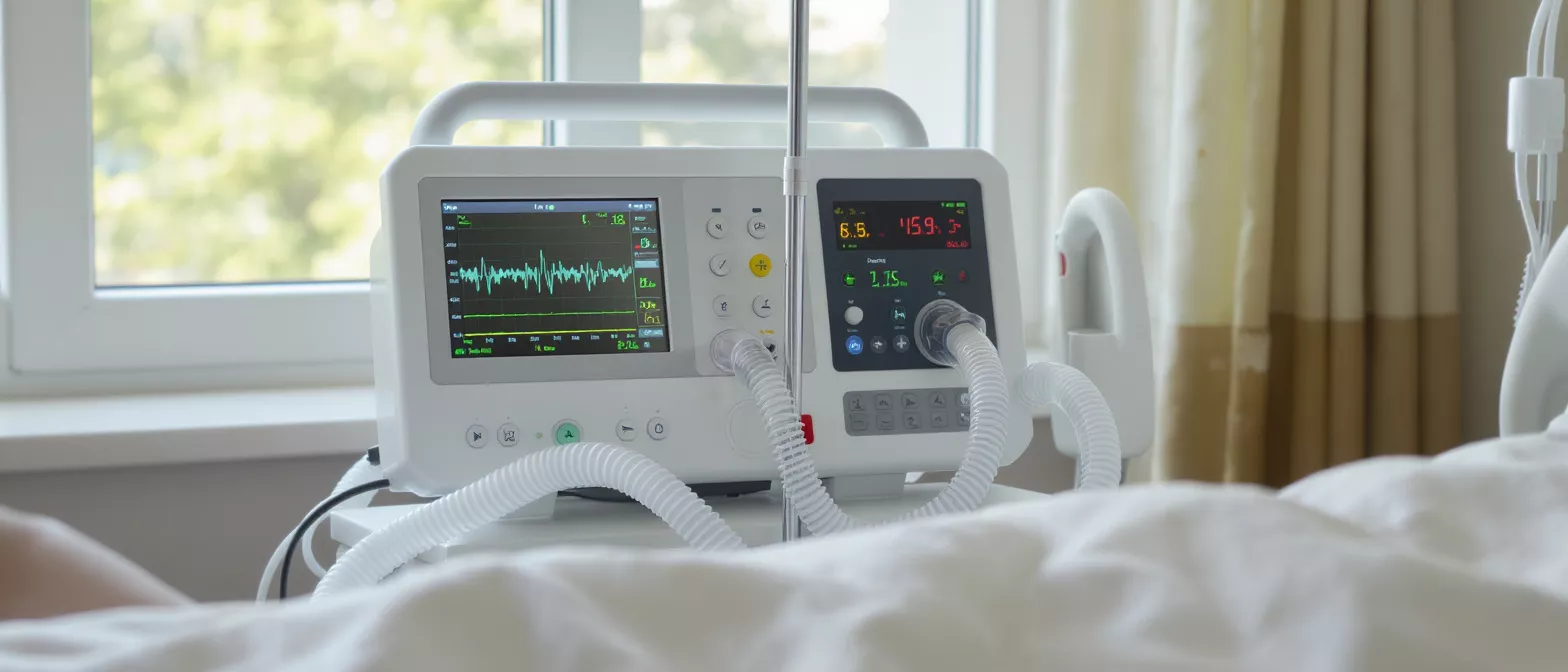
Managing post-operative ventilation: The intensive care team closely watches monitors that display the patient's vital signs, blood oxygen levels, and the specific settings of the ventilator. This continuous observation allows them to make micro-adjustments that keep the patient in a state of physiological calm.
When a patient arrives from the operating room, their body is handling the aftermath of major trauma. Providing full respiratory support lets the body direct its energy toward healing surgical incisions and restoring normal cardiac rhythms, rather than fighting for every breath.
How Does a Ventilator Work for Heart Patients?
A ventilator works by delivering a carefully measured mixture of gases into the lungs via an endotracheal tube inserted through the mouth or nose. The machine regulates the volume of air, the pressure at which it is delivered, and the number of breaths per minute. For heart patients, these settings are chosen to complement cardiac function.
How mechanical breathing support functions: Positive pressure ventilation gently pushes air into the lungs, which can actually help improve blood flow back to the heart in certain scenarios. The machine creates a highly controlled environment that the body’s natural breathing mechanics cannot achieve immediately after surgery.
Attached to the machine are several monitors and alarms that track every cycle of breath. While the alarms can sound frequently, they are highly sensitive and often trigger for minor adjustments or routine procedures like coughing, ensuring the patient is never left unmonitored.
Types of Mechanical Ventilation for Cardiac Patients
There are different approaches to respiratory support, and the medical team selects the most appropriate method based on the patient's condition and the phase of their recovery. The most common distinction in a post-operative cardiac setting is between invasive and non-invasive techniques.
Invasive vs. non-invasive ventilation cardiac care: Invasive mechanical ventilation involves a breathing tube and is used during and immediately after surgery. Once the tube is removed, if a patient still needs a little help, non-invasive ventilation through a tight-fitting mask might be used temporarily.
- Invasive Ventilation: Delivers breaths directly through a tube in the trachea, used for full respiratory control in the immediate post-op phase.
- Non-Invasive Ventilation (NIV): Uses a mask over the nose and mouth to provide pressure support without a tube, often used during weaning.
- Pressure vs. Volume Control: The ventilator can be set to deliver a specific volume of air or a specific pressure, chosen based on the patient's lung compliance and cardiac status.
Understanding these different ventilation modes in cardiology helps families realize that the approach is highly customized. The medical team continuously adapts the type of support as the patient’s strength and stability improve.
Ventilator Settings in Cardiology Explained
The dials and numbers on a ventilator screen may look intimidating to family members, but they represent straightforward physiological targets. The medical team adjusts these settings based on continuous blood gas analyses and the patient's overall clinical picture.
What ICU ventilator cardiac surgery settings mean: Key measurements include the Fraction of Inspired Oxygen (FiO2), which tells the team the exact percentage of oxygen the patient is receiving. Normal room air is 21% oxygen, but the machine can deliver up to 100% if needed.
Other critical parameters include Positive End-Expiratory Pressure (PEEP), which keeps the tiny air sacs in the lungs from collapsing between breaths, and the respiratory rate. The nursing staff manages these ventilator settings in cardiology to perfectly balance oxygen delivery with heart function.
Mechanical Ventilation Recovery and Weaning Protocol
Weaning is the gradual process of taking a patient off the ventilator. This is a highly anticipated milestone in mechanical ventilation recovery, signaling that the heart and lungs are strong enough to work independently again. The process is methodical and closely supervised.
How a ventilator weaning protocol works: Before removing the tube, the care team performs a spontaneous breathing trial. They reduce the machine's support to see if the patient can sustain their own breathing effort without their heart rate or oxygen levels dropping.
If the trial is successful, the breathing tube is gently removed, a process called extubation. If the patient struggles, the team provides more time for rest and recovery before trying again, ensuring safety always comes first.
Potential Mechanical Ventilation Complications
While mechanical ventilation is a cornerstone of modern cardiac intensive care, it is not without risks. The medical team takes extensive precautions to prevent complications, as the presence of a breathing tube bypasses some of the body's natural defenses.
Understanding mechanical ventilation complications: The most common concern is the risk of ventilator-associated pneumonia (VAP), which can occur if bacteria enter the lungs through the tube. To prevent this, nurses meticulously elevate the head of the bed, practice strict oral hygiene, and monitor closely for any signs of infection.
- Infection Prevention: Rigorous hygiene and head-of-bed elevation protocols are maintained to protect the airway.
- Lung Protection: Ventilator settings are carefully managed to prevent pressure-induced lung damage, a condition known as barotrauma.
- Sedation Management: Medications are continually adjusted to ensure comfort while minimizing prolonged sedation, which can delay recovery.
By understanding the risks, families can appreciate the immense effort the intensive care unit places on infection control and safety protocols. Every intervention is weighed against the benefits of providing critical respiratory support.
Visiting a Loved One on a Ventilator in the ICU
Walking into the ICU and seeing a loved one connected to a ventilator can be an overwhelming experience. The room is filled with monitors, tubes, and rhythmic sounds, but it is important to remember that this environment is designed for healing and precise observation.
What to expect during ICU ventilator management for heart patients: Because the breathing tube passes through the vocal cords, the patient will not be able to speak. They may appear to be asleep due to the sedation medications used to keep them comfortable and prevent accidental tube removal.
Families are encouraged to talk to their loved ones, hold their hand, and provide a calm presence. Even under sedation, familiar voices can be comforting and beneficial for the patient's overall well-being and orientation as they begin to wake up.
Life After Mechanical Ventilation
Once the breathing tube is successfully removed, the next phase of recovery begins. The transition from mechanical ventilation to independent breathing is a major triumph, but it still requires active participation from the patient and support from the care team.
Post-operative ventilation and ongoing respiratory care: Patients may experience a sore throat or a weak voice for a few days after extubation, which is entirely normal. The nursing staff will encourage the use of an incentive spirometer, a simple breathing device that helps the lungs expand fully and clears out any lingering mucus.
Over the following days, gentle mobilization and breathing exercises will rebuild respiratory strength. To help ease the transition from hospital to home and ensure the heart and lungs continue to recover in a supportive environment, families often explore adjustable cardiac recovery recliners for optimal resting posture. If any respiratory issues arise during at-home recovery, cardiologists may recommend home pulse oximetry monitors to keep a close eye on oxygen levels. Ultimately, engaging in post-cardiac surgery respiratory wellness programs ensures a safe and complete return to daily life.
The journey through cardiac surgery is demanding, but mechanical ventilation is simply a temporary bridge on the path back to health. With expert care and time, the body heals, breathing becomes effortless again, and strength steadily returns.






