


The Intensivist After Heart Surgery: ICU Care Explained
Intensivist ICU heart surgery care explained: what critical care specialists do in the first 48–72 hours, monitoring equipment, recovery timeline.
If you or someone you love is preparing for heart surgery, one of the biggest unknowns is the ICU. Who exactly is watching over the patient overnight? The answer, in most well-run hospitals, is an intensivist in the ICU after heart surgery — a specialist whose entire job is critical care. This guide walks you through what these doctors do, the equipment you will see at the bedside, how long recovery typically takes, and what families can realistically expect during those first demanding days.
What Is an Intensivist and What Does an Intensivist Do?
An intensivist is a physician who has completed specialist training in critical care medicine — the branch of medicine devoted to patients with life-threatening conditions. In the post heart surgery intensive care setting, this doctor directs the care of every patient in the Intensive Care Unit, a hospital area reserved for people who need continuous monitoring and organ support. The intensivist does not replace your surgeon; instead, they manage everything that happens between operations.
Day-to-day responsibilities. The intensivist interprets ventilator settings, adjusts medications that support blood pressure and heart output, manages pain and sedation, watches kidney function, and decides when it is safe to begin reducing support. They coordinate nurses, respiratory therapists, pharmacists, and physiotherapists so that care moves in one direction. When complications appear — bleeding, arrhythmias, low cardiac output — they are usually the first to detect and stabilize them.
Why the specialty exists. Research has repeatedly shown that ICUs led by dedicated critical care physicians have lower complication rates, and Stanford Health Care is among the institutions that structure cardiac intensive care around this model. In plain terms: the first hours after open-heart surgery are the most physiologically demanding of the whole hospital stay, and having a doctor whose full attention is on that window makes a measurable difference.
Intensivist vs Surgeon: Who Leads Your Care After Heart Surgery?
Many families assume the heart surgeon runs everything after the operation. Understanding the intensivist vs surgeon division of labor helps you know whom to ask what.
The surgeon's territory. Your cardiac surgeon is responsible for the operation itself, the surgical wound, and any decision to return to the operating room — for example, if chest drainage suggests ongoing bleeding. The surgeon typically checks the patient at least daily and remains involved in major decisions throughout the admission.
The intensivist's territory. Between those surgical visits, the intensivist in the ICU after heart surgery manages the hour-to-hour physiology: ventilation, circulation, fluid balance, sedation, and early mobilization. If the heart is working poorly at 3 a.m., it is the intensivist who adjusts support immediately and calls the surgeon if the problem looks surgical.
How the two work together. Our team reviews every case against international practice guidelines before a recommendation is given; after surgery, the surgeon and the ICU team should exchange information directly rather than through notes alone. Ideally, each patient's postoperative plan is agreed with the ICU physicians before they leave the operating room. For you as a family, the practical takeaway is simple — surgical questions go to the surgeon, everything else to the ICU team, and both should give consistent answers.
What Happens in the First 48–72 Hours of Cardiac Surgery ICU Recovery?
The first two to three days are the densest part of any cardiac surgery ICU recovery. Knowing the sequence in advance makes it far less frightening when you visit.
Arrival from the operating room. Most patients arrive sedated and connected to a mechanical ventilator, with drainage tubes around the heart, a urinary catheter, and several intravenous lines. The intensivist performs an immediate assessment — heart rhythm, blood pressure, oxygen levels, and drain output — and sets targets for the night.
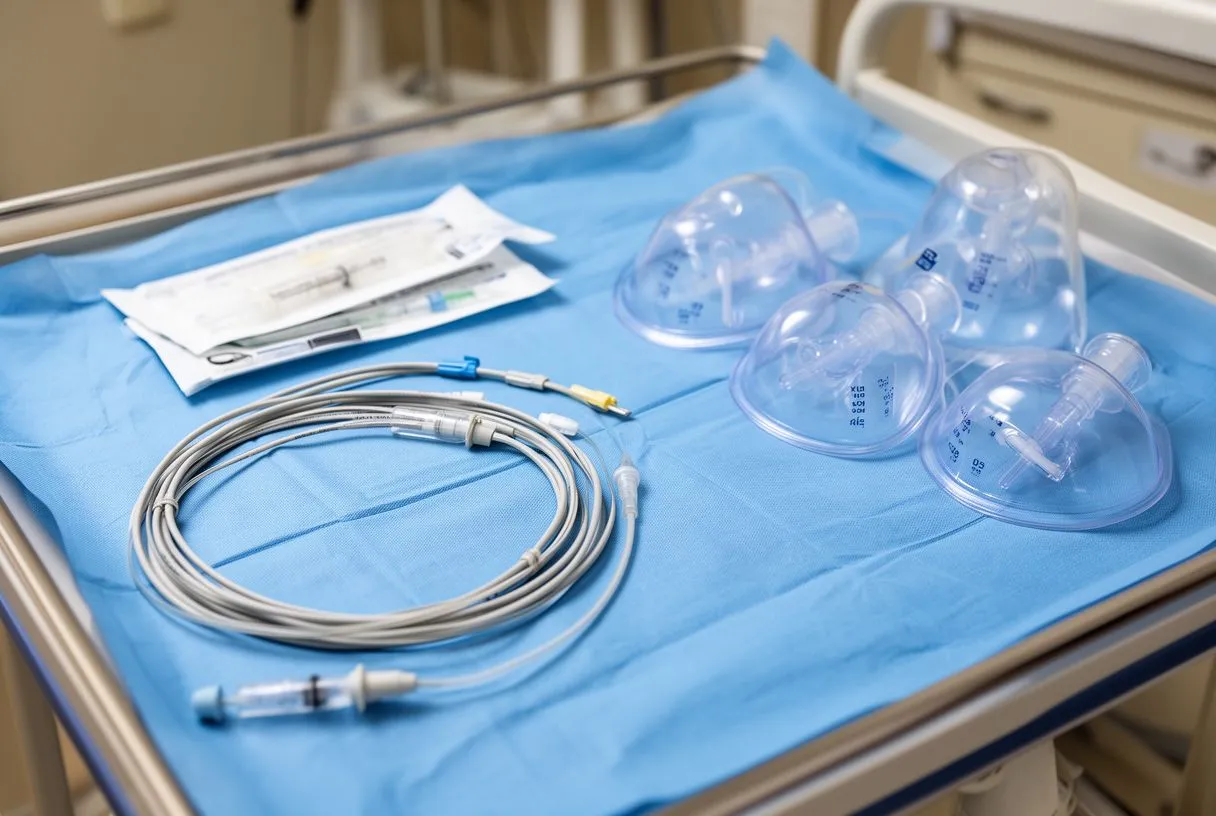
Hemodynamic monitoring. This phrase simply means watching how well the heart is pumping. In cardiac ICUs this is done with an arterial line (a thin catheter in an artery that reads blood pressure beat by beat) and sometimes a catheter near the heart that measures filling pressures and cardiac output. Hemodynamic monitoring cardiac surgery teams rely on lets doctors fine-tune fluids and medications within minutes rather than hours, which is precisely why the first days are spent in the ICU at all.
Early milestones. Within the first day, the breathing tube usually comes out once the patient is awake enough to protect their own airway. Drain tubes are removed when output drops, and the patient typically sits up and takes first steps with a physiotherapist by day two or three. When we review a postoperative plan, we pay particular attention to these first 72 hours, because the trajectory of drain output, urine production and blood pressure in that window tells us a great deal about how smoothly the rest of the stay will go.
How Long Is a Heart Surgery ICU Stay?
One of the first questions families ask is about heart surgery ICU stay length. The honest answer is that it varies with the operation and the patient, but there are useful patterns.
Typical durations. After straightforward coronary bypass or valve surgery, most patients spend one to three days in the ICU before moving to a less monitored ward. Older patients, emergency operations, or those with complications may stay longer — sometimes a week or more. The goal is always the shortest safe stay, not the fastest one.
What delays discharge from the ICU. A few common reasons a stay extends:
- Ongoing drainage: chest tubes must show minimal bleeding before removal.
- Breathing support: some patients need the ventilator longer, especially after longer operations.
- Kidney recovery: temporary kidney slowing is common and usually reversible.
- Rhythm problems: new atrial fibrillation is frequent after valve and bypass surgery and is managed with medication.
Planning realistically. When we counsel patients about scheduling — especially those travelling from abroad — we describe the ICU stay, the ward stay, and the window when flying is reasonable as one timeline rather than three separate promises. A written recovery plan with these milestones helps families arrange accommodation and flights around realistic dates.
What Cardiac ICU Monitoring Equipment Will You See?
Walking into an ICU room for the first time can be overwhelming. Most of what you see is cardiac ICU monitoring equipment whose purpose is easy to explain.
The bedside monitor. The screen showing wavy lines displays the electrocardiogram (heart rhythm), oxygen saturation, and breathing rate. Alarms sound frequently; most are adjustments, not emergencies, and the nurse can explain any that worry you.
Lines, tubes and drains. The ventilator breathes for the patient until they wake fully. Chest drains remove fluid and blood from around the heart. Pacing wires — thin temporary wires on the heart's surface — can kick-start the rhythm if it pauses. Intravenous pumps deliver precise doses of blood-pressure support, sedation, and pain medication.
Laboratory and point-of-care testing. Alongside blood samples drawn at intervals, many cardiac ICUs use Point-of-care INR Testing, a bedside test that shows how fast the blood clots within minutes. This matters enormously after heart surgery, when the team must balance preventing clots against preventing bleeding. A postoperative plan should specify which bedside tests are repeated and how often, so the ICU team and the surgical team are always reading from the same page.
What Procedures Do Intensivists Perform?
People often picture intensivists as purely oversight doctors, but they are hands-on. The answer to "what procedures do intensivists perform" includes several skills directly relevant to cardiac patients.
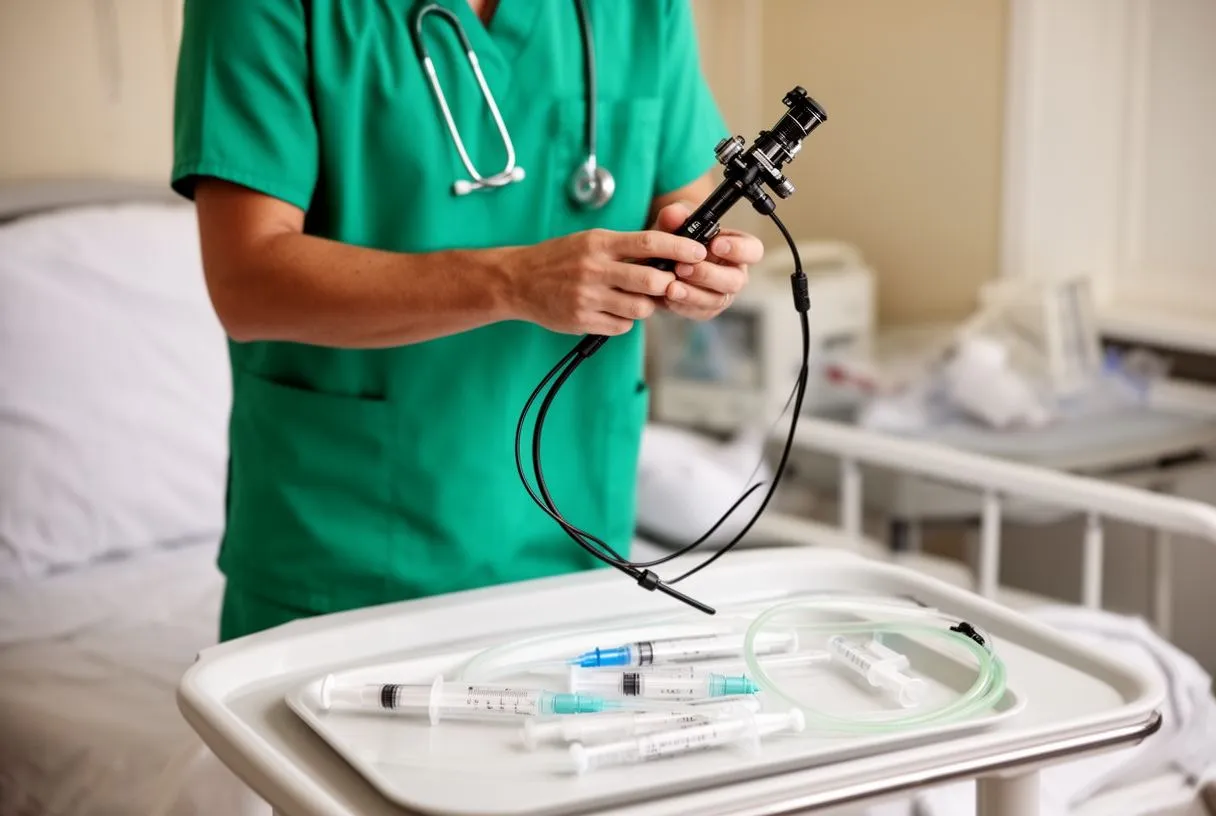
Procedures at the bedside. Intensivists place central lines (large intravenous catheters in the neck or groin), insert arterial lines, perform intubation and extubation, manage chest drains, and perform bronchoscopy when lung secretions block breathing. They also run transesophageal echocardiography — an ultrasound probe passed into the esophagus that gives moving images of the heart without surgery.
Recognizing when the problem is surgical. Perhaps their most important skill is judgment: knowing when a patient's deterioration is medical (fixable with medication) versus surgical (needs the operating room). Trauma cases illustrate this vividly — blunt chest injury can rupture valve structures, such as the tricuspid valve chordae reported after a motorbike accident, and the intensivist is the doctor who first spots the failing right heart and escalates to the surgical team.
Coordination with the surgical team. Our work covers valve disease, coronary disease, the aorta and structural heart conditions, and we operate with conventional, minimally invasive, robotic and transcatheter techniques. Because patients may return to the operating room for anything from bleeding to a failing valve, a direct line between the surgical team and the ICU physicians matters, so that escalation decisions are made by the people who know the operation best. For patients, this means the ICU doctor is not working in isolation — the surgical team stays engaged until discharge.
Is an Intensivist the Same as a Pulmonologist or Your Regular Physician?
These titles are commonly confused, so it is worth untangling them directly.
Intensivist vs pulmonologist. A pulmonologist is a lung specialist. Many intensivists are also pulmonologists — the dual training is common in some countries — but the roles differ: pulmonology treats lung diseases in clinic and on wards, while critical care manages all failing organ systems together. A heart-surgery patient may never have a lung condition yet still need an intensivist, because the issue is circulation, sedation, or kidney function rather than the lungs alone.
Intensivist vs your regular physician. Your family physician or cardiologist knows your history and manages your long-term care, but they are not trained to run a ventilator, titrate multiple blood-pressure drugs simultaneously, or perform central line placement. The postoperative cardiac care guidelines followed by modern hospitals reflect this: acutely ill surgical patients are managed by critical care physicians, while your cardiologist resumes care after discharge.
The junior members of the team. Families sometimes ask who the other doctors in white coats are. In training hospitals, the newest qualified doctor — the intern — is technically the "lowest rank" physician, followed by residents and fellows, all of them supervised by attending physicians like the intensivist and surgeon. Every decision of consequence is made or approved by the attending, so you should never hesitate to ask for one directly.
ICU Delirium After Heart Surgery: What Families Should Know
ICU delirium heart surgery teams see frequently is a temporary state of confusion that can appear in the days after open-heart surgery — and it is one of the most distressing things families witness.
What it looks like. A normally calm, clear-minded person may suddenly not know where they are, pull at lines, see people who are not there, or swing between agitation and drowsiness through the day. This is not dementia and not permanent brain damage in most cases; it is a reversible brain response to anesthesia, sleep disruption, sedation, and the strange sensory environment of the ICU.
What reduces it. Critical care teams work deliberately to prevent delirium: minimizing sedation, getting the patient out of bed early, restoring day-night light cycles, removing noise at night, and involving family in conversation and orientation. We tell every family before surgery that their presence, their voice and familiar photos at the bedside are genuinely part of the treatment — not a courtesy, but something the ICU team will actively encourage.
What families can do. Speak to the patient by name, remind them of the date and why they are in hospital, bring glasses and hearing aids from home, and visit within the unit's hours. Can families stay overnight in the ICU? Policies vary by hospital — many allow extended or overnight visits for critically ill patients, and some pediatric cardiac ICUs actively encourage a parent to stay at all times — so ask the unit directly rather than assuming the door is closed.
What Are the 7 Cs of Critical Care?
Some intensive care educators summarize the discipline through the "7 Cs" — a framework worth knowing because it shows what excellent ICU care looks like from the patient's side.
The commonly cited elements are: communication (honest, frequent updates to families), compassion (care that treats the patient as a person), comfort (pain and anxiety control), calm (a controlled environment that aids healing), competence (evidence-based technical skill), consistency (the same plan carried through shifts), and collaboration (surgeon, intensivist, nurses and therapists working as one team). No hospital states these as regulation, but you can use them as a checklist: if updates are unclear, ask; if pain is uncontrolled, say so.
Where Palliative Care fits. Palliative Care is sometimes misunderstood as "giving up." In reality, palliative specialists work alongside ICU teams to manage symptoms and align treatment with what the patient values — including, for many heart patients, conversations about goals of care well before any crisis. Mentioning this is not pessimism; it is part of what competent critical care includes.
Using the framework. When we talk with patients and their families about what to expect after surgery, we encourage them to judge the ICU by exactly these standards — clear communication, a calm plan, and a team that explains itself — and to raise their voice when any of those are missing.
From ICU to Step-Down: Your Open Heart Surgery Recovery Timeline
Discharge from the ICU is a milestone, not the finish line. Mapping the full open heart surgery recovery timeline — including the cardiac surgery step down unit — helps families plan the weeks ahead.
The step-down unit. After ICU, most patients move to a step-down (sometimes called telemetry) ward, where heart rhythm is still monitored continuously but nurses cover more patients and the patient manages more of their own care. This is where Wound Care begins in earnest: daily inspection of the chest incision, dressing changes, and teaching the patient to watch for redness, discharge or widening — signs that need reporting, not panic.
The weeks after discharge. A realistic outline for uncomplicated bypass or valve surgery looks like this: walking daily from the first week; driving again around four to six weeks once the sternum is healing and medications are stable; return to desk work often around six to eight weeks; and gradual return to heavier activity over roughly three months with cardiac rehabilitation guidance. Heart valve surgery intensive care needs mirror bypass in most respects, though some valve operations — particularly TAVR, a transcatheter aortic valve replacement delivered through a catheter — involve markedly shorter ICU stays because there is no open chest. Bicuspid aortic valve patients deserve a specific note: a comparative analysis in Open Heart found that bicuspid valve disease is not protective against coronary artery disease, so these patients need the same careful coronary assessment before and after valve treatment as anyone else.
When to seek help after discharge. Fever above 38°C, new or worsening breathlessness, chest pain different from surgical soreness, a rapidly swelling or draining wound, or a heartbeat that suddenly feels irregular all warrant a call to the surgical team the same day. Follow-up after discharge usually happens at defined intervals — early in the first weeks, then less often — precisely so that a small problem is caught while it is still small.
Understanding the role of an intensivist in the ICU after heart surgery turns the most intimidating part of the hospital journey into something predictable: a specialist physician dedicated to your first days of recovery, supported by monitored equipment, clear protocols, and a surgical team that never fully hands you over. The technology is impressive, but the outcome depends above all on communication — between intensivist and surgeon, and between the care team and your family. Every patient's situation is different, and this article is general information, not personal medical advice. Discuss your own circumstances with a qualified cardiac team, ask what your ICU stay and recovery are likely to look like, and book a consultation rather than self-diagnosing — at our consulting rooms in Guadalajara, Querétaro and Hermosillo, the first contact is a free video consultation, and we welcome second opinions as a normal part of making a decision this important.






