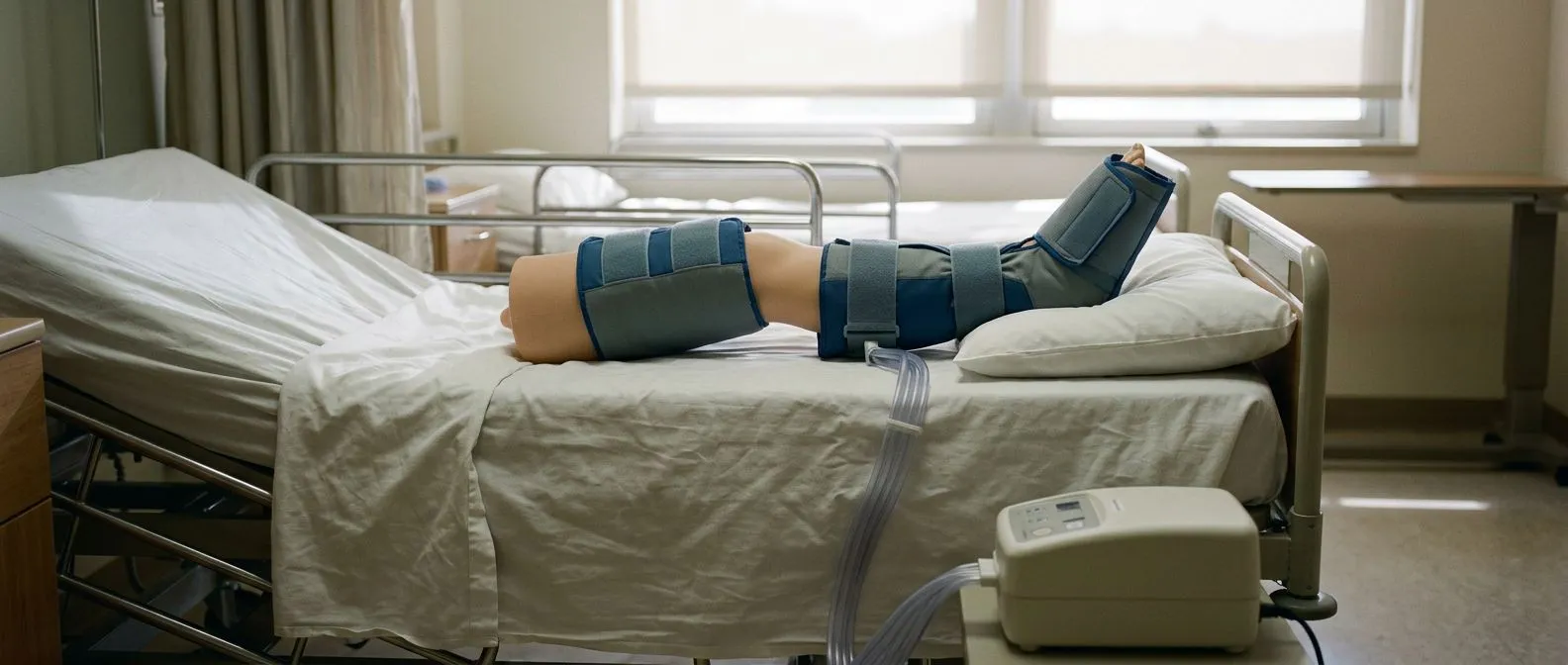
The ICU After Heart Surgery: What Families Can Expect
ICU after heart surgery: learn what families see, how long patients stay, visiting rules, and signs of recovery.
The experience of the icu after heart surgery can be daunting for families waiting to see their loved one. Walking through the doors of the intensive care unit introduces you to a world of beeping monitors, complex equipment, and highly specialized medical staff. At Cirugía de Corazón, we know that this transition is one of the most stressful moments for a family. Our goal is to bridge the gap between complex cardiology and clear, calm explanation. This guide will walk you through what happens during these critical first days, ensuring you feel informed and prepared to support your loved one’s recovery journey.
What is the ICU After Heart Surgery Like for Families?
Walking into the intensive care unit for the first time can feel overwhelming. The environment is filled with monitors, gentle alarms, and specialized equipment designed to support your loved one during the most critical phase of healing. The team at Cirugía de Corazón understands that this transition is daunting, and our goal is to bridge the gap between complex cardiology and calm, clear explanation for you.
Depending on the specific procedure, whether the surgeon operated on the ascending aorta (the first segment of the body's main artery) or repaired the atrium (the upper chamber of the heart that receives blood from the body), the level of immediate support varies. Every clinical term you hear has a specific purpose. We define these terms as we go, ensuring you understand what is happening without medical jargon obscuring the reality of the recovery.
- High-Tech Environment: Monitors and ventilators support vital functions.
- Specialized Staff: One-on-one nursing ensures constant vigilance.
- Rest and Healing: Controlled conditions minimize stress on the heart.
You are not just a bystander; you are a crucial part of the recovery team. Your presence, calm voice, and advocacy help ground the patient. Knowing what the numbers on the screens mean and what the tubes are for transforms fear into informed support, which is the lowest-risk approach to navigating this stressful period.
How Long Do Patients Stay in the Cardiac ICU?
Typical timelines for cardiac intensive care: Most patients spend one to two days in the specialized cardiac intensive care unit before transitioning to a regular hospital room. This period is dedicated to close monitoring as the heart regains its strength and stability. The timeline can extend if the patient has pre-existing conditions or if the surgical approach was particularly complex.
Recovery here is not just about waiting; it involves active management. Medications are carefully adjusted to support heart function and manage fluid levels. For instance, if a patient has severe heart failure, clinical guidelines often dictate specific medication regimens. Research such as The Effect of Spironolactone on Morbidity and Mortality in Patients with Severe Heart Failure highlights how crucial these early medication adjustments are to long-term outcomes.
The medical team will continually assess readiness for transfer based on stable blood pressure, the removal of breathing support, and the absence of dangerous heart rhythms. When these milestones are met, the team will discuss moving your loved one to a step-down unit, where the environment is quieter and the focus shifts to walking and eating.
Understanding Monitoring Lines and Equipment in the Cardiac ICU
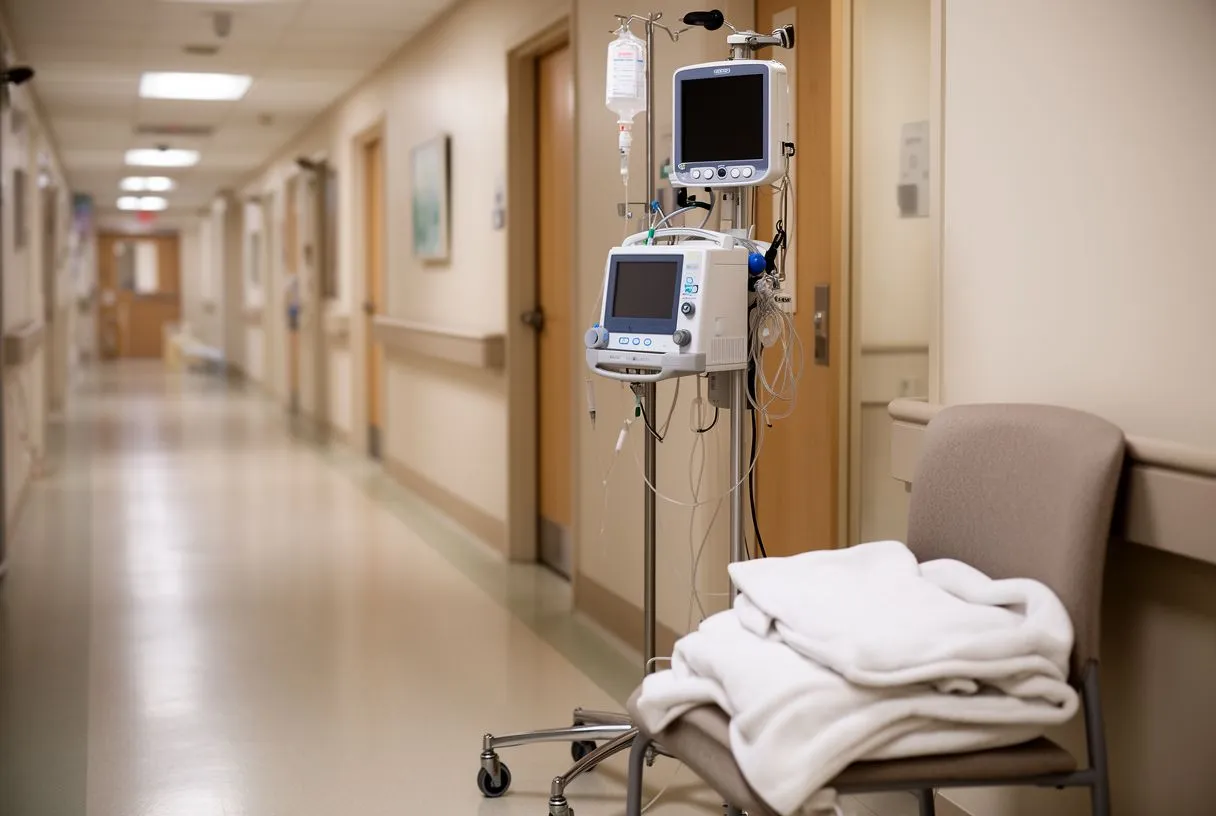
Decoding the beeps and lines: When you first visit, you will notice several tubes and wires connected to your loved one. An arterial line (a thin catheter placed in an artery to measure blood pressure continuously) provides real-time data, which is more accurate than a standard blood pressure cuff. You might also see an arterial cannula (a larger tube used during surgery to divert blood to the heart-lung machine), though this is usually removed before you arrive in the room.
Imaging and structural assessments also guide the early hours. The team may use an echocardiogram to check how well the heart is pumping. The measurements taken are guided by standards like those found in the Recommendations for Cardiac Chamber Quantification by Echocardiography in Adults, ensuring that the heart's size and function are accurately evaluated before moving forward with recovery.
All of these tools exist to provide a safety net. The monitors track oxygen levels, heart rhythm, and vital signs, allowing nurses to respond instantly to any changes. Remember that alarms often sound simply because a patient moved or coughed; nurses are trained to interpret these signals and will act quickly if a true emergency arises.
Managing Pain and Discomfort During Heart Surgery Recovery ICU
Pain management is a priority in the intensive care unit. The goal is to keep the patient comfortable enough to breathe deeply and participate in early movement, which prevents complications like pneumonia. Medications are administered continuously through an IV, and the doses are adjusted frequently based on the patient's feedback.
Recognizing unspoken discomfort: Sometimes, patients cannot articulate their pain immediately, especially if they are drowsy. The nursing staff relies on physical signs and auscultation (listening to the internal sounds of the body, usually with a stethoscope) to ensure the lungs are clear and the heart is functioning without strain. If you notice your loved one grimacing or restless, alert the nurse so they can assess the need for additional relief.
While discomfort is expected, especially around the chest incision, severe pain should be managed with medication. We never claim recovery is painless, but modern protocols ensure that pain is controlled to a tolerable level. Clear communication with the care team about what the patient is feeling is the best way to maintain this balance.
What to Expect After Open Heart Surgery: First 24 Hours
The initial day is characterized by deep sleep and gradual awakening. The anesthesia used during the operation takes time to wear off completely, and the breathing tube remains in place until the patient can breathe independently. This tube can be alarming to see, but it is a routine part of protecting the airway immediately after the procedure.
Surgical milestones in the first day: During coronary bypass surgery, the surgeon may have bypassed blockages caused by an atheromatous plaque (a fatty deposit in the artery wall). If the surgery addressed a heart attack, the team will be watching closely for signs of an atypical infarction (a heart attack with unusual symptoms), ensuring that blood flow to the heart muscle remains stable. These clinical realities dictate the intensity of the monitoring.
As the sedation wears off, the nurses will help the patient do simple exercises, like wiggling their toes or taking shallow breaths. You may see a chest tube draining fluid from the surgical site; this is normal and prevents blood from collecting around the heart. The volume of this fluid decreases steadily as the first day progresses.
Visiting Rules and Family Support in the Cardiac ICU
Navigating visiting hours and protocols: Intensive care units have specific visiting hours to protect patients from infection and to allow the medical staff to perform necessary procedures without interruption. Typically, visits are limited to immediate family, and the duration is kept short to ensure the patient gets adequate rest. Hand hygiene is mandatory before entering the room.
When you visit, your role is to provide emotional support, not medical care. Simply holding a hand, speaking softly, and reminding your loved one of the progress they are making can be incredibly grounding. The clinical team handles the physical recovery, including the management of any autologous blood (the patient's own blood collected during surgery and re-infused) that might be administered to restore volume.
If you feel overwhelmed, it is okay to step out. The waiting room is a space where families can decompress and share their experiences. According to Verywell Health, managing your own stress is essential to being a strong support system for a loved one in the hospital.

Signs of Improvement and Complications After Bypass Surgery
Tracking recovery progress: Positive signs include waking up easily, following simple commands, and breathing without distress once the ventilator is removed. The heart rate should stabilize, and blood pressure should normalize without heavy medication support. These markers indicate that the heart is taking over its workload effectively.
However, the team remains vigilant for complications. Atrial flutter (a rapid, abnormal heart rhythm originating in the upper chambers) is a common postoperative issue that is usually managed with medication. Patients are routinely given aspirin (a common blood thinner) to prevent clots from forming on newly placed grafts or valves, reducing the risk of further blockages. If an arterial graft (a blood vessel used to bypass a blockage) was used, the team will monitor it closely for patency.
If you notice sudden changes, like extreme paleness, unresponsiveness, or unusual bleeding from the incision site, notify the staff immediately. The clinical team is trained to handle these emergencies rapidly. Understanding that complications can happen, but are actively monitored, helps families process the reality of cardiac surgery without unnecessary panic.
Breathing Tubes and Ventilators in the ICU
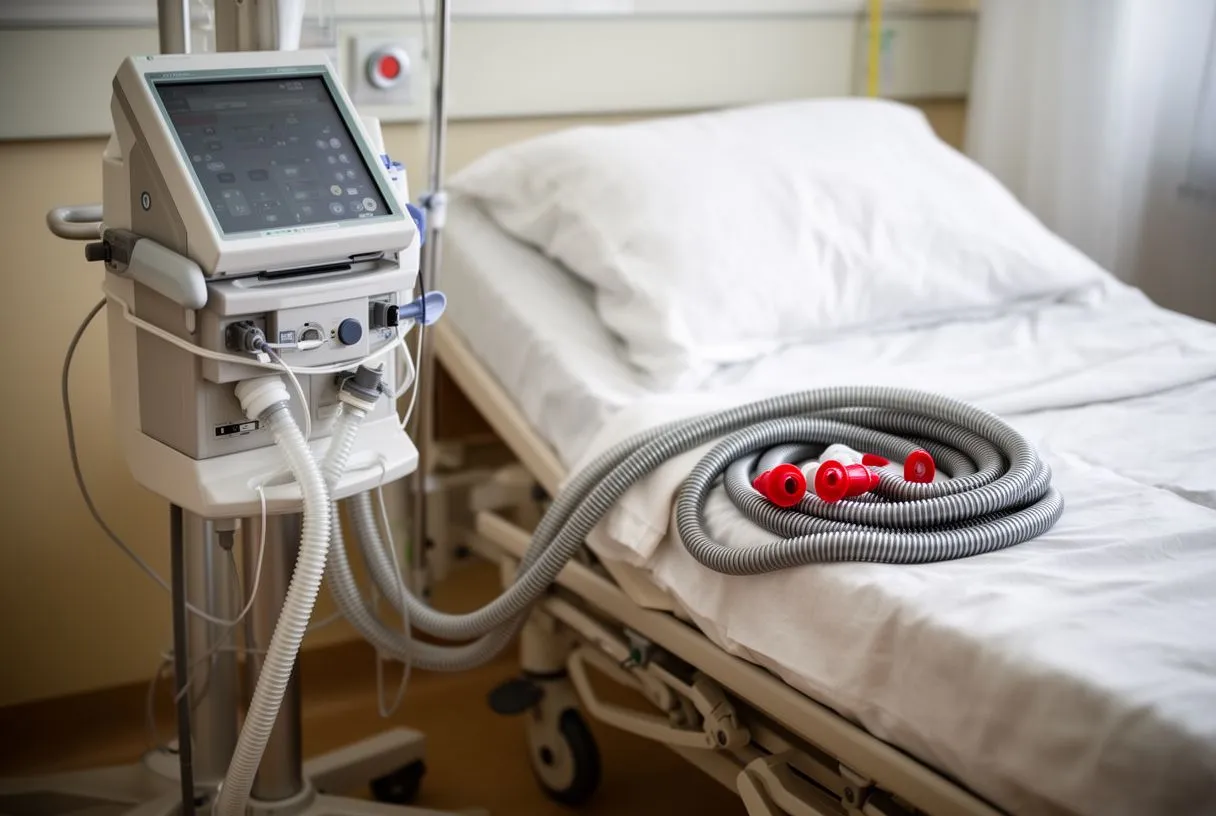
The ventilator is perhaps the most intimidating piece of equipment for families. It breathes for the patient while they recover from the heavy sedation of surgery. The tube passes through the vocal cords, meaning the patient cannot speak while it is in place, which can be distressing to witness.
Weaning off respiratory support: The process of removing the ventilator, known as extubation, happens as soon as the patient is awake enough to breathe independently. In complex cases, if lung function is severely compromised, the team might consider advanced support like Awake ECMO (extracorporeal membrane oxygenation used while the patient is conscious), though this is rare for standard recoveries. An Automated External Defibrillator (a portable device used to restart the heart) is always kept nearby in the unit for immediate access if a dangerous rhythm occurs.
- Ventilator Support: Breaths for the patient during initial sedation.
- Communication: Patients cannot speak while intubated.
- Safety Net: Defibrillators are always on standby in the unit.
Once the tube is removed, the patient will likely have a sore throat and a weak voice. The respiratory therapists will guide them through deep breathing exercises using a spirometer to expand their lungs and clear out any lingering anesthesia. Your encouragement during these exercises is vital, as coughing can be painful but is necessary for recovery.
Transitioning From the ICU to the Regular Ward
Moving out of the intensive care unit is a major milestone. It means the heart is stable, the major monitoring lines have been removed, and the patient no longer requires one-on-one nursing. The atmosphere in the regular ward is much calmer, with more space for family to visit and stay.
Adjusting to a new routine: In the regular ward, the focus shifts to physical rehabilitation. Whether the patient had a previous balloon angioplasty (a procedure to widen narrowed arteries), a balloon aortic valvuloplasty (a procedure to open a narrowed heart valve with a balloon), or a newly placed balloon-expandable valve (a prosthetic valve opened with a balloon during placement), the heart muscle needs time to adapt to its new workload. Physical therapists will assist the patient in sitting up, standing, and eventually walking short distances.
This transition can sometimes feel abrupt because the constant supervision of the ICU is gone. However, the ward nurses are still closely tracking vital signs and incision healing. This is the phase where the hard work of rebuilding strength begins, setting the foundation for going home.
How Families Can Prepare for Cardiac ICU Recovery
Practical steps for family readiness: Preparation involves both emotional and logistical planning. Discuss with the surgical team beforehand what to expect, especially if an autograft (tissue moved from one part of the patient's body to another, like a valve replacement) was used. Knowing the specific surgical approach helps you understand the unique aspects of your loved one's recovery timeline.
Families can also prepare by understanding the patient's broader cardiovascular health. For example, knowing their levels of apolipoprotein B (a protein linked to LDL cholesterol) or understanding the implications of clinical trials like ARISTOTLE (a major study on blood thinners for atrial fibrillation) can provide context for the medications prescribed during recovery. If the patient complains of arm pain (a potential sign of angina or a side effect of positioning during surgery), knowing what is normal helps you communicate effectively with the doctors.
Ultimately, your role is to be a calm, informed presence. Avoid self-diagnosing or making medical decisions based on what you read online. Instead, use your knowledge to ask informed questions. We encourage you to discuss your specific situation with our qualified cardiac team at Cirugía de Corazón and to book a consultation to ensure you have a personalized plan for your loved one's care.