Over-Anticoagulation: High INR Signs and What to Do
Over-anticoagulation high INR warning signs and immediate steps explained by heart surgery experts.
If you or a loved one takes warfarin after a mechanical valve replacement or another cardiac procedure, you already know the delicate balance it requires. Warfarin thins the blood just enough to prevent dangerous clots, but too much of it leads to over-anticoagulation high INR, a state where the blood becomes too thin and bleeding becomes a real risk. This guide walks you through what a high INR means, the warning signs to watch for, what to do when the number climbs, and when an emergency visit is genuinely needed. Our aim is simple: help you understand the situation well enough to act calmly and early, and to know when to call your cardiac team.
What Is Over-Anticoagulation and What Does a High INR Mean?
Anticoagulation is the medical word for keeping the blood from clotting too easily. Patients with mechanical heart valves, atrial fibrillation, or certain clotting disorders need this protection for life, and warfarin has been the standard medication for decades. The drug works by blocking vitamin K, which the liver needs to produce several clotting factors.
Doctors measure how thin your blood has become with a test called the INR, short for International Normalized Ratio. An INR of 1.0 is normal for someone not taking blood thinners. Most patients with mechanical valves are asked to stay within a target range, commonly 2.0 to 3.0, though your own team may set a different goal depending on your valve and your history.
Over-anticoagulation means the INR has climbed above your target range. The higher the number, the longer your blood takes to clot, and the greater the chance of bleeding, sometimes from places you would never expect, like gums, the nose, or the digestive tract. The opposite problem, under- anticoagulation, carries its own danger: clot formation on the valve. That is why the balance matters so much, and why understanding both ends of the range protects you better than focusing on either one alone.
What Causes High INR on Warfarin?
New medications and antibiotics. Warfarin interacts with a long list of drugs. Some antibiotics, antifungal medicines, pain relievers such as aspirin or ibuprofen, and even some heart rhythm medications can push the INR upward. Whenever a new medicine is prescribed to you, the prescribing doctor should know you take warfarin. The same applies to herbal products; St. John's Wort, ginkgo, and high-dose fish oil are frequent culprits.
Illness and liver changes. Fever, vomiting, diarrhea, or any illness that reduces what you eat and drink can raise the INR, because warfarin becomes more concentrated in the body. The liver also breaks down warfarin, so conditions that strain the liver, including alcohol use, can make the drug stronger than expected.
Dose changes and missed monitoring. Sometimes the cause is simpler: a dose taken twice by mistake, a pharmacy substitution with a different-strength tablet, or a gap in INR testing that lets a slow drift go unnoticed. Each of these is preventable with a clear monitoring routine. In our own consultations we take the time to explain what the studies actually show, in plain words, and to review every medication and supplement the patient brings with them.
Over-Anticoagulation High INR Symptoms: Early Warning Signs
The difficult truth about over-anticoagulation high INR symptoms is that many people feel nothing at all. The first sign is often the lab number itself, not a bodily sensation. That is why regular testing matters even when you feel completely well, and why an unexpected lab result deserves attention rather than dismissal.
Still, the body does send signals as the INR climbs. These are the early ones worth learning:
- Bleeding gums when you brush, or blood on your toothbrush more often than usual.
- Nosebleeds that start without a knock or injury and take longer than a few minutes to stop.
- Unusual bruises that appear larger, darker, or on areas that were never bumped.
- Longer bleeding from small cuts, or bleeding that seems to restart after it had stopped.
None of these alone means a crisis is underway, but together they suggest the dose is too high for your body today. Write down what you notice and when, and report it to your anticoagulation clinic or cardiology team. A note like "nosebleed Tuesday, bruise on my arm Thursday" gives your doctor far more useful information than a vague memory a week later.
Signs of Too Much Blood Thinner: When Bleeding Risk Becomes Real
Urgent warning signs. The signs of too much blood thinner move from nuisance to emergency when bleeding comes from inside the body. WebMD lists dark or tarry stools, blood in the urine, coughing or vomiting blood, and severe headache or dizziness among the signs that require immediate medical attention. These symptoms can indicate bleeding in the stomach, intestines, urinary tract, or brain, and each one needs evaluation the same day, often within hours.
Why internal bleeding hides. Internal bleeding does not look dramatic at first. A stomach bleed may announce itself only as black, sticky stools that resemble tar, because blood is partially digested on the way out. A brain bleed may begin as a headache that feels different from any previous one, or as sudden confusion and weakness on one side. In a patient whose blood is not clotting normally, small bleeds like these can grow.
What we check. If you take warfarin and notice any of these signs, contact your treating doctor the same day for an INR test rather than waiting for the next scheduled appointment. Every case at our clinics in Guadalajara, Querétaro and Hermosillo is reviewed by the multidisciplinary team, so a decision about reducing the dose or reversing anticoagulation is never made by one person alone. The final decision always rests with the patient, once the options are clearly explained.
INR Above 4: What to Do First
Seeing a lab result of INR above 4 is unsettling, and many patients ask us what to do while they wait for guidance. The answer depends on whether you are bleeding and how high the number is. If your INR is between 4 and 5 with no bleeding at all, the usual approach is a dose hold: you skip one or more warfarin doses, and the number is rechecked in a day or two. Never adjust the dose on your own; the change must come from your prescribing team.
If the INR sits between 5 and 9 without bleeding, your doctor may still hold doses, or may add a single low dose of oral vitamin K to bring the number down faster. Above 9 without bleeding, or at any level with active bleeding, treatment becomes more urgent and often happens in a hospital or anticoagulation clinic rather than at home.
While you wait for instructions, protect yourself: avoid contact sports, sharp knives, and anything that could cause a fall. Keep taking any other medications your team has confirmed are safe, and do not double up or stop warfarin without a direct instruction. Write down the exact INR value, the date of the test, and the doses you have taken over the past week; this short list saves your care team real time.
How to Lower INR Quickly: Treatment Options Explained
Holding doses. The gentlest way to lower INR is simply to pause warfarin for one to several days. The drug has a half-life of roughly 36 hours, so the effect fades gradually. This works well for mildly elevated values without bleeding, and it avoids overshooting into under- anticoagulation, which would put a mechanical valve patient at clot risk.
Vitamin K by mouth. For faster correction, doctors use small doses of oral vitamin K, often 1 to 2.5 mg. This usually brings the INR down within 24 hours. The dose is deliberately small, because reversing too far, too fast, can cause clots, especially on a mechanical valve. This is one reason "just take a vitamin K pill" is not sound advice without a doctor's direction.
Reversal agents in hospital. When bleeding is active or the INR is dangerously high, hospitals use intravenous vitamin K and a clotting-factor product called 4-factor prothrombin complex concentrate, which works within minutes. Some centers still use fresh frozen plasma. These options are part of the elevated INR management protocol used in emergency settings, and they require IV access and monitoring, which is why they are not home treatments.
I want to be clear about one thing we emphasize with every patient: warfarin overdose symptoms rarely announce themselves in a way that lets you manage them alone, and the safe path runs through a professional who can see the number and the patient in the same room, or at least on a video screen.
Vitamin K for High INR: When It Helps and When It Does Not
Patients often ask about vitamin K for high INR, both the supplement form and the question of how to reverse high INR naturally through food. Here is the honest picture. Vitamin K does reverse warfarin's effect, which is exactly why doctors prescribe it in controlled doses. But the same biology means that large, sudden swings in dietary vitamin K can destabilize a well-managed INR.
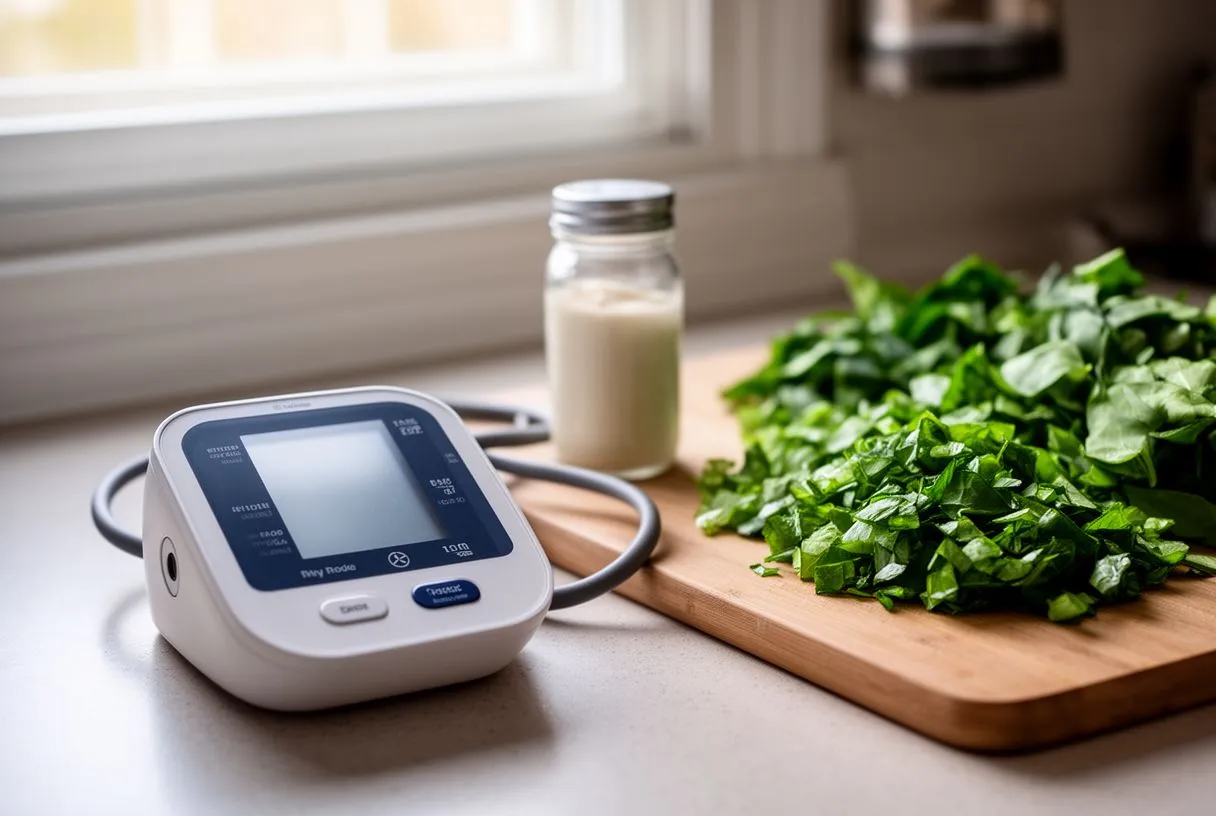
The goal is not to avoid vitamin K foods like leafy greens. Spinach, kale, broccoli, and Brussels sprouts are healthy, and warfarin is dosed around them. The goal is consistency: roughly the same amount of these foods week to week, so your dose does not have to chase your diet. A huge kale smoothie one week and no greens the next is a recipe for unstable INR readings.
As for "natural" reversal on your own, there is no home remedy that safely and predictably brings an INR down. The liver takes time, the drug takes time, and guessing can cost you the protection your valve depends on. If you are tempted by an online tip you have read, bring it to your cardiac team instead. We encourage second opinions and treat seeking one as a normal part of deciding about heart surgery, and that same openness applies to questions about daily management.
INR Monitoring After Heart Surgery: Goals and Testing
INR monitoring after heart surgery follows a rhythm that changes over time. In the first weeks after a mechanical valve replacement, testing is frequent, often twice weekly, while the dose is being tuned and other new medications settle in. Once the INR holds steady in range for several consecutive checks, the interval stretches to weekly, then every two weeks, and for very stable patients, monthly.
The target INR goal depends on the valve. Modern mechanical aortic valves in the aortic position typically aim for 2.0 to 3.0, while mechanical mitral valves, which carry a higher clot risk, usually aim for 2.5 to 3.5. Your surgeon sets your individual goal, and it is written on your discharge documents for a reason: every clinician who ever treats you will need it.
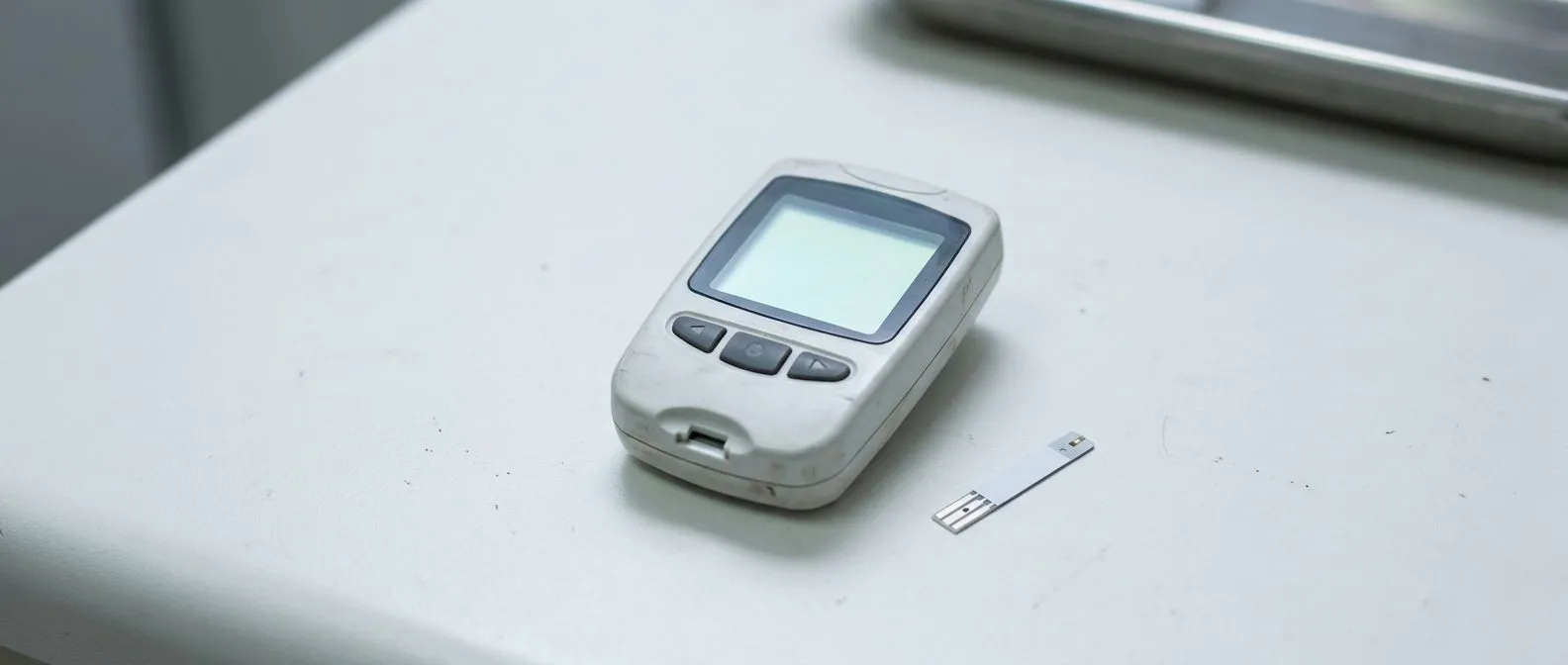
Point-of-care INR Testing. Finger-stick devices used at clinics and at home can deliver an INR result in about a minute, and for many stable patients this is how monitoring happens between lab draws. Self-testing at home. Patients trained on a home device can check more often, catch drifts earlier, and report results to their clinic by phone or app, which research has shown to be safe for selected, well-trained patients. In our consultations we walk each patient through which testing option fits their situation, and we say plainly which studies are still needed so no unnecessary ones are ordered.
Warfarin Diet and INR Control: Everyday Habits That Matter
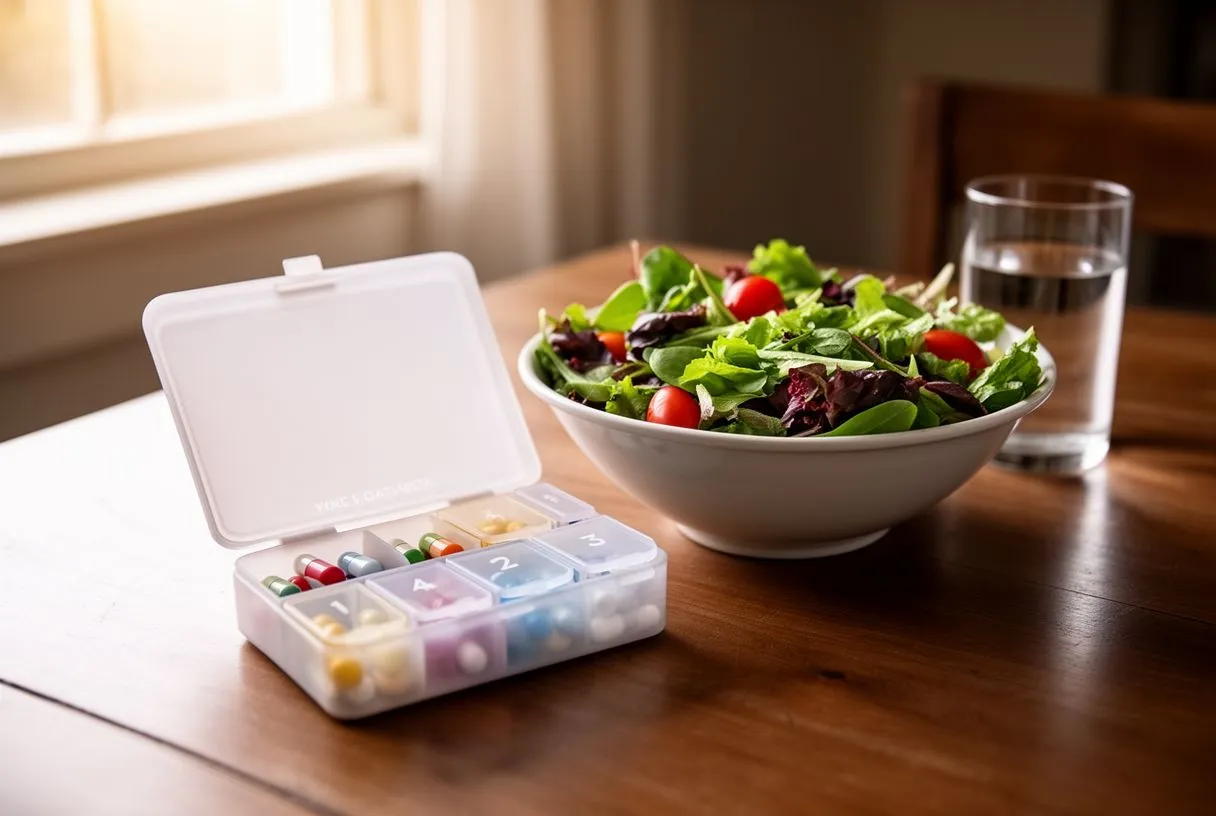
Warfarin diet and INR control come down to a few habits that, once learned, run on their own. Consistency is the heart of it, as we covered above, but a few other factors quietly move the INR too.
Alcohol is the big one. More than one or two drinks in a day can raise the INR, and heavy drinking strains the liver and makes warfarin effect unpredictable. An occasional glass of wine with a meal is usually tolerable for stable patients, but binge drinking is genuinely dangerous. Illness matters too: a stomach bug, a fever, or a week of poor eating can push the INR up even with the dose unchanged.
Here is a short checklist worth keeping on the refrigerator:
- Same foods, same schedule: keep vitamin K foods steady rather than eliminating them.
- New medicine? Call first: check with your team before starting any antibiotic, pain reliever, or herbal product.
- Never skip a test: if you feel ill, test early instead of waiting for the scheduled date.
- Tell every doctor: dentists, surgeons, and pharmacists all need to know you take warfarin.
One more habit pays off: keep a simple log of every INR result, the date, and the dose you were taking. Patterns that are invisible day to day become obvious on paper over three months, and that log makes dose conversations with your team faster and more precise.
When to Go to the ER for High INR
Deciding when to go to the ER for high INR comes down to one question: is there bleeding? If the answer is yes, anywhere, from anywhere, an emergency visit is the right call. This includes vomiting blood or material that looks like coffee grounds, coughing blood, black or tarry stools, visible blood in urine, a nosebleed lasting more than 20 minutes despite pressure, any bleeding from a fall or head injury, and a severe or sudden headache with confusion, vision changes, or weakness.
If there is no bleeding, the urgency drops but does not vanish. An INR above 5, or any number you cannot reach your clinic about within a day, deserves prompt professional review. An INR above 10 with no bleeding is still treated seriously, usually with a hospital-grade reversal plan, because the margin for error has narrowed.
Bring your medication list and your most recent INR results with you, and say the exact words "I take warfarin and my INR is elevated" when you arrive. Those words change how triage nurses and emergency doctors handle you from the first minute, because they know your blood will not clot on its own schedule.
Our multidisciplinary team, led by Dr Alejandro Molina, reviews every case against international practice guidelines before a recommendation is given, and we perform conventional, minimally invasive, robotic and transcatheter procedures, recommending the less invasive route only where the evidence supports it for that specific patient. Dr Molina trained in cardiothoracic surgery at the Universidad de Guadalajara, in cardiac, minimally invasive, robotic and structural surgery at the University of Montreal, and in structural cardiology and TAVR at CHU Bordeaux, so the INR goals we set for mechanical valve patients reflect current international practice, not habit.
Over-anticoagulation high INR is manageable when you catch it early, and that catching is mostly a matter of steady testing and honest attention to small warning signs. Know your target range, keep your log, question every new medication, and treat any unusual bleeding as a reason to call, not a reason to wait. If your INR results have been drifting, if you have questions about your warfarin plan, or if you are preparing for valve surgery and want a clear, unhurried explanation of what anticoagulation will mean for your life afterwards, we invite you to start with a free video consultation with our team. A conversation with a qualified cardiac team will always tell you more than a search page, and your situation deserves nothing less.