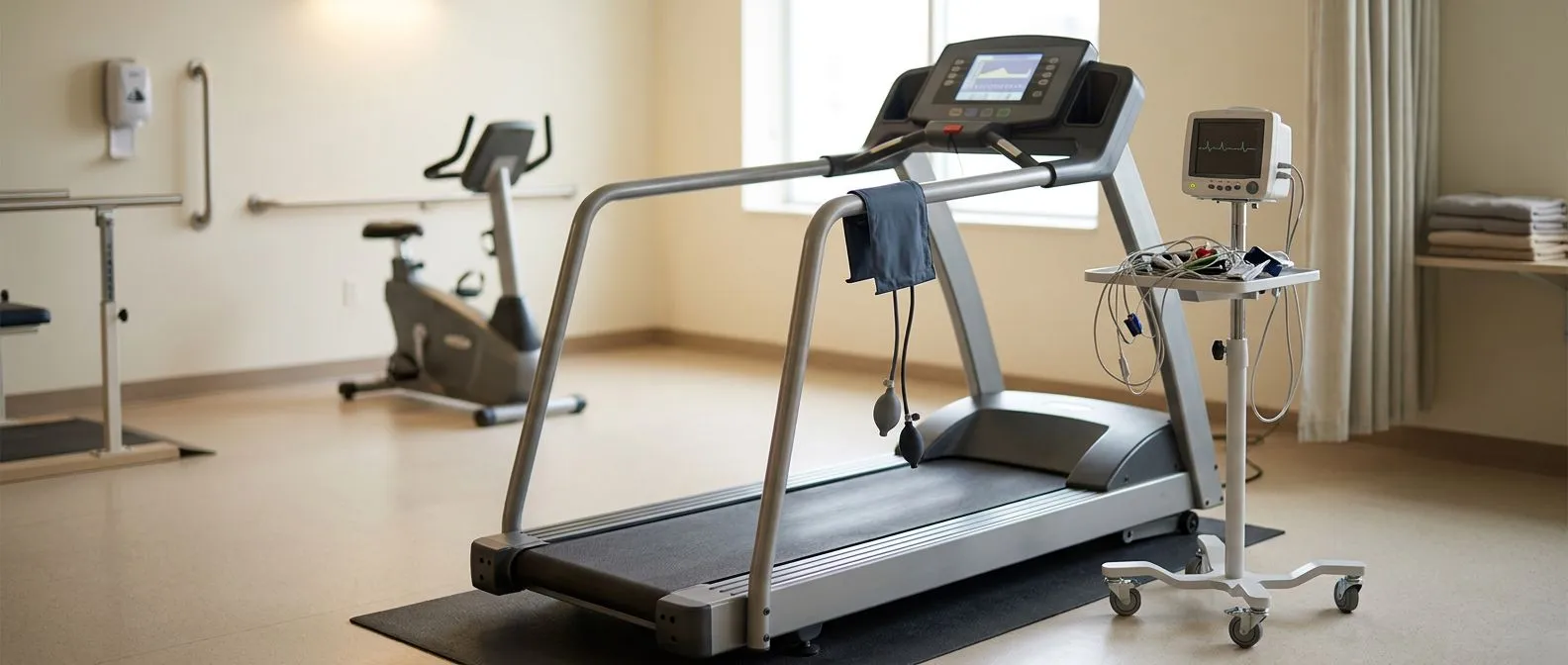
Phase I Cardiac Rehabilitation: In Hospital
Phase I cardiac rehabilitation starts in hospital after heart surgery.
Phase I cardiac rehabilitation is the first stage of structured recovery after a heart event or heart surgery, and it begins while you are still in hospital. It is the period when you move from bed rest to gentle, monitored activity, usually within one to three days of your procedure. If you or a family member are facing bypass surgery, valve repair, or another cardiac intervention, knowing what these first days involve can take away much of the fear of the unknown. This guide walks through what happens during hospital cardiac rehab, who supervises it, what the exercises feel like, and how you and your family can prepare for the next stage of recovery.
What Is Phase I Cardiac Rehabilitation?
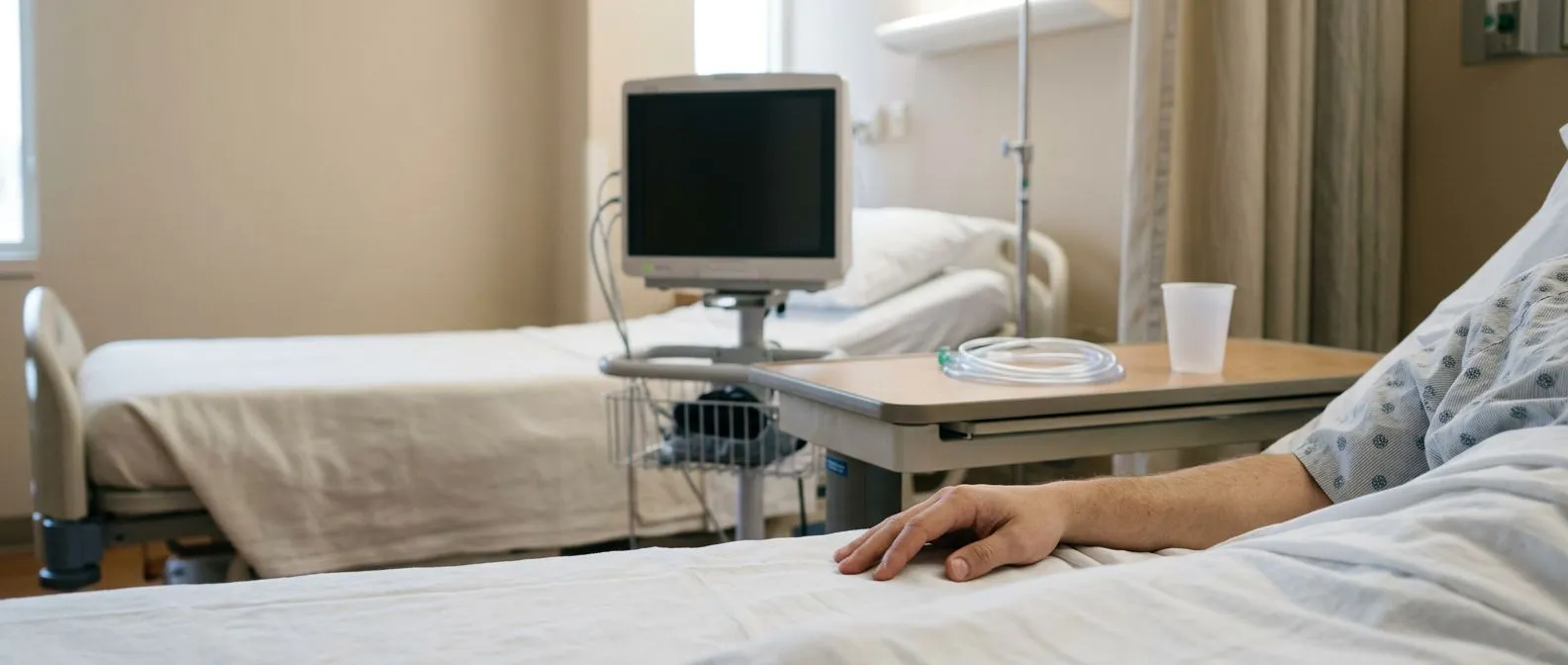
Phase I cardiac rehabilitation, sometimes called the acute or inpatient phase, is the medically supervised recovery programme that starts in hospital immediately after your heart event or operation. Its purpose is simple: to safely get you out of bed, restore basic mobility, and prevent the complications that come from lying still — blood clots, chest infections, muscle loss, and stiffness. It is not exercise training in the way most people imagine it. At this stage, a "session" may be nothing more demanding than sitting on the edge of the bed, standing, and taking a short walk down the corridor.
Why movement starts so early: decades of clinical experience and systematic reviews of hospital safety, including research on in-hospital adverse events published in Quality & Safety in Health Care, show that immobility itself is a risk. Prolonged bed rest after cardiac surgery is associated with lung congestion, deep vein thrombosis (clots in the leg veins), and a slower return to independence. Early, carefully dosed activity counteracts all of this.
Who runs it: phase I is delivered by a team — physiotherapists, nurses, and in many hospitals the cardiac surgeons and cardiologists who performed your procedure. As a multidisciplinary team of cardiac surgeons led by Dr Alejandro Molina, with consulting rooms in Guadalajara, Querétaro and Hermosillo, we review every case against international practice guidelines before the operation, and the rehabilitation plan should match the surgery you actually had.
When Does Phase I Cardiac Rehabilitation Start After Surgery?
The usual timeline: for most patients, phase 1 cardiac rehab begins within 24 to 48 hours of surgery. After open-heart surgery through the breastbone, day one typically means sitting upright in bed or in a chair for short periods and doing breathing exercises. By day two or three, you are walking short distances with help. After a less invasive procedure such as TAVR (transcatheter aortic valve replacement, where a new aortic valve is delivered through a tube in the groin rather than through an open chest), the timeline can be shorter still, and some patients walk on the same day or the day after.
What your care team checks first: before that first session, the physiotherapist looks at your heart rhythm on the monitor, your blood pressure, your oxygen level, your pain, and any drains or lines still in place. Nothing begins until these are stable. In our practice, the first contact is a free video consultation in which we talk through the condition and explain what the studies show and which studies are still needed.
Individual variation is normal: two patients who had identical bypass operations may progress at different speeds. Age, previous fitness, complications during surgery, and simply how you feel on the day all matter. A slower start does not mean something has gone wrong; it means the team is adjusting the plan to you.
What Happens in the First Phase Cardiac Rehab Session?
The first session of inpatient cardiac rehabilitation is deliberately modest, and knowing its shape helps you approach it without anxiety.
- Positioning and breathing: you will be helped to sit up, and taught deep-breathing and coughing exercises — often with a simple device called an incentive spirometer — to keep your lungs clear after the anaesthetic.
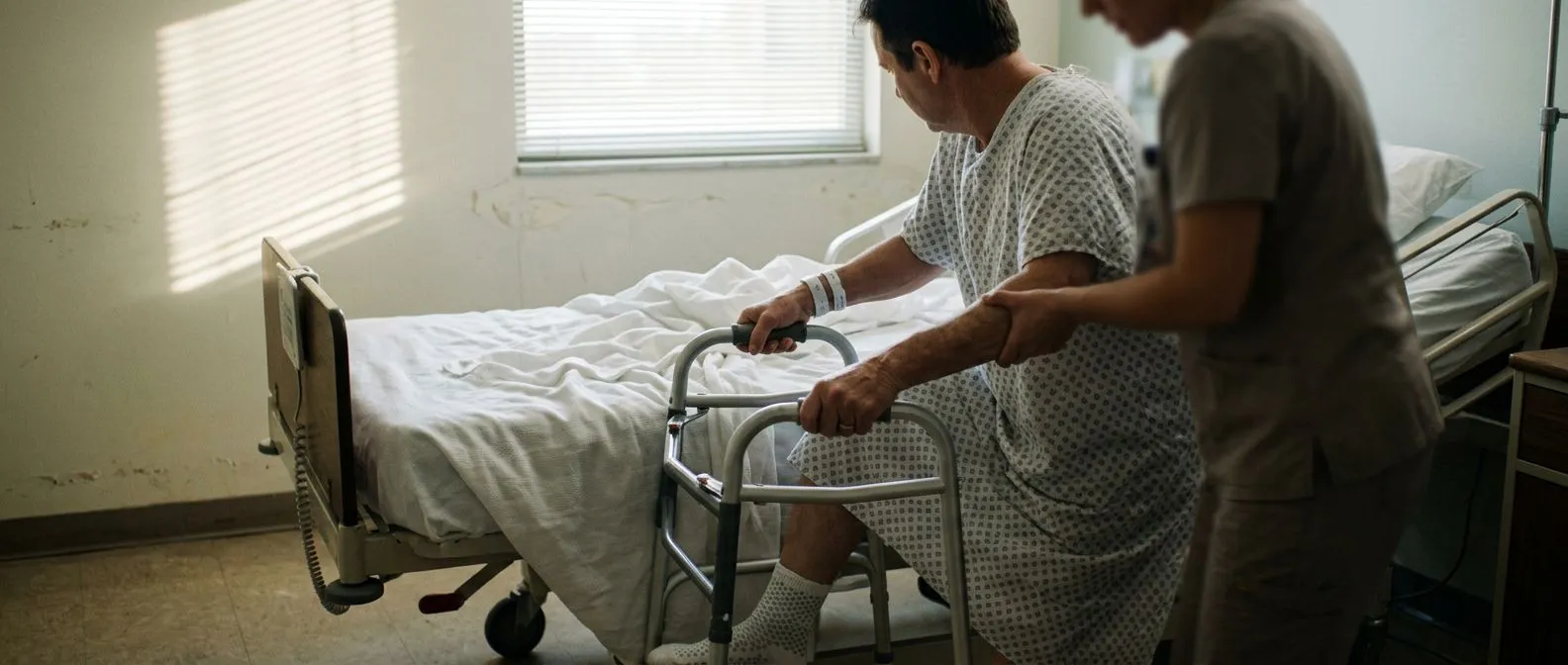
- First standing and steps: with one or two people supporting you, you will stand beside the bed and take a few steps, or sit in a bedside chair for 15 to 30 minutes.
- Ankle and leg exercises: simple ankle circles and leg movements done in bed keep blood moving in your legs and reduce clot risk.
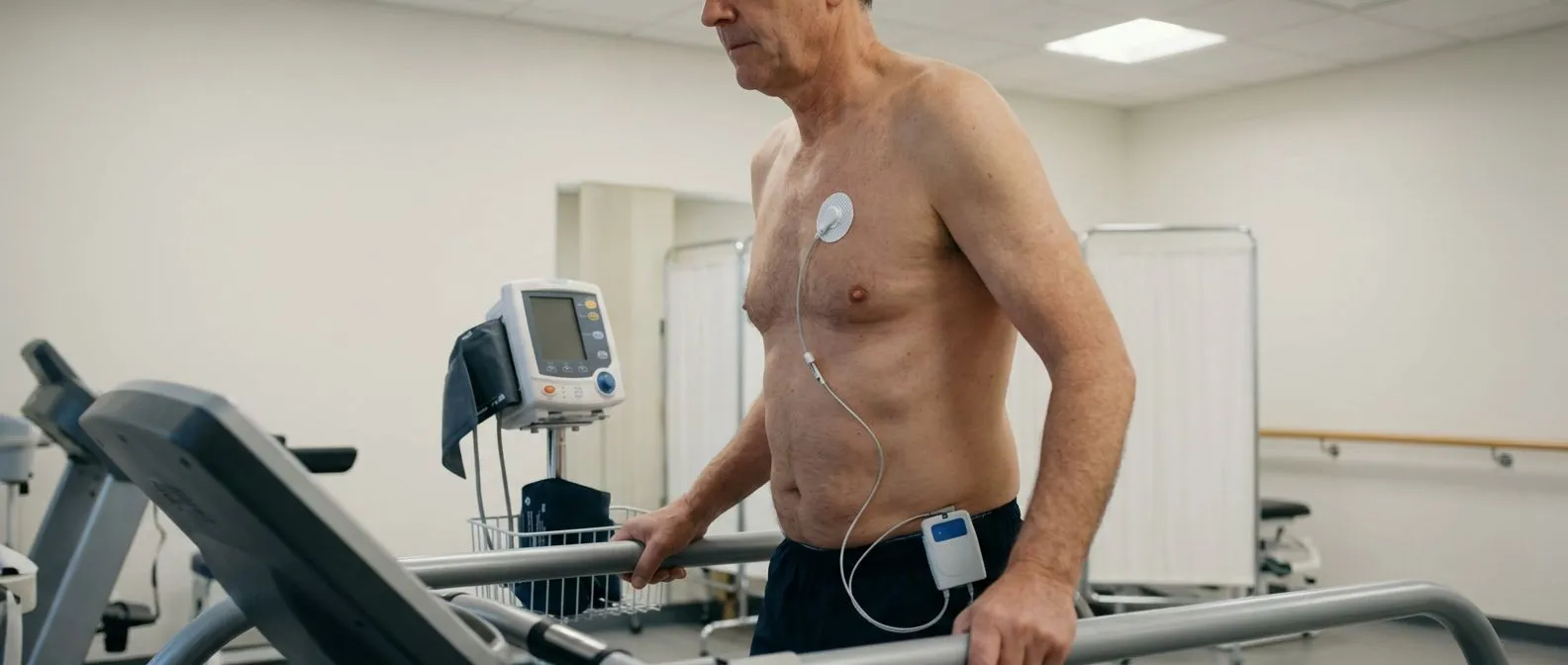
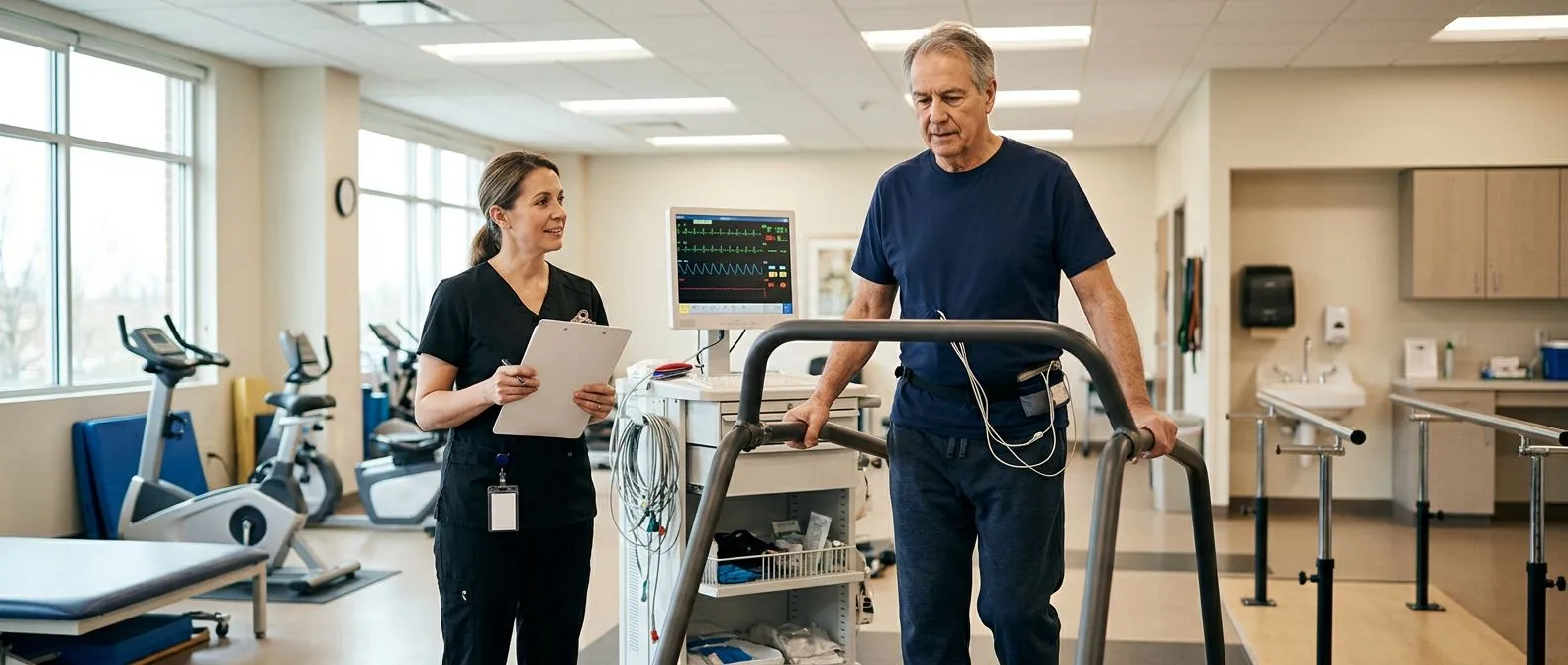
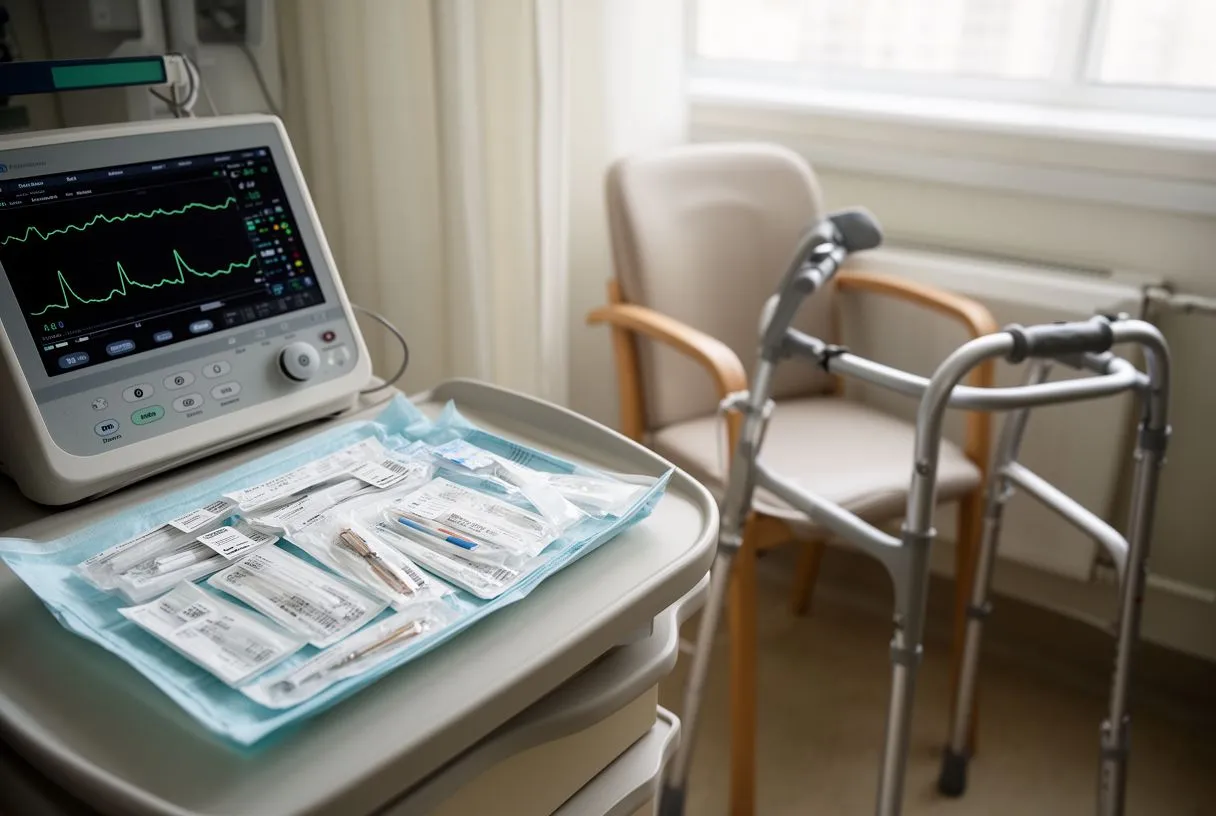
- Monitoring throughout: your heart rate, blood pressure, and oxygen saturation are checked before, during, and after. If the numbers behave, the activity continues; if not, the team stops and tries again later.
Most patients are surprised by how tired even standing makes them feel — and equally surprised by how quickly that changes. By the end of a typical hospital stay, a patient who could not sit up on day one is often walking several times a day along the ward corridor.
What Does Cardiac Rehab After Bypass Surgery Involve?
Cardiac rehab after bypass surgery (coronary artery bypass grafting, or CABG — an operation that uses a healthy blood vessel taken from your leg, arm, or chest to route blood around a blocked coronary artery) follows the same early-mobilisation principles, but with a few specific concerns.
Protecting the breastbone: if your surgery was done through the sternum (breastbone), the bone needs six to eight weeks to heal. During phase I you will be taught sternal precautions: no pushing, pulling, or lifting with your arms; no driving; and a technique for getting in and out of bed called the "log roll", where you move as one unit, keeping the chest still. These restrictions feel tedious but they prevent serious complications.
Leg wound care: if a vein was harvested from your leg, that wound often hurts more than the chest in the first days. Walking actually helps it heal, and the physiotherapist will show you how to manage it.
Progression targets: a common benchmark before discharge is walking a corridor distance — sometimes measured in metres, sometimes in laps — without excessive breathlessness or chest pain. As a team that performs conventional, minimally invasive, robotic and transcatheter procedures, we recommend the less invasive route only where the evidence supports it for that patient; when bypass is done through a smaller incision, the sternal precautions may differ, and the rehabilitation plan is adjusted accordingly.
Is Inpatient Cardiac Rehabilitation Safe?
This is one of the most common worries we hear, and the honest answer is that hospital-based cardiac rehabilitation is among the most closely supervised activity a person ever does.
Continuous monitoring: you are on a cardiac monitor during the session, and the physiotherapist watches your rhythm, blood pressure, and symptoms in real time. The activity is dosed to a level well below anything that would strain the healing heart — usually a walking pace at which you can still talk.
The intensity is deliberately low: phase I exercise is typically kept at a light exertion level, often rated around 2–3 on a 10-point effort scale. The goal is circulation and confidence, not fitness. Serious events during supervised phase I activity are rare precisely because the thresholds for stopping are so conservative.
What stops a session: the team will pause or end a session if you develop chest pain, unusual breathlessness, dizziness, an abnormal heart rhythm, or a significant drop or spike in blood pressure. This is not a failure — it is the system working, and the activity is usually retried once you are settled.
Which Cardiac Rehabilitation Steps and Milestones Should You Expect?
Thinking of phase I as a staircase helps. Each step is small, but together they add up to walking out of the hospital on your own feet.
- Day 1–2: sit up, breathe deeply, stand at the bedside, take a few steps with support.
- Day 3–4: walk to the door and back, sit out of bed for most of the day, climb two or three stairs with supervision.
- Day 5–7: walk further corridors, begin independent transfers (bed to chair, on and off the toilet), practise stairs if your home has them.
- Before discharge: consistent walking without monitoring alarms, stable wounds, pain controlled with oral medication, and a clear written plan for the weeks ahead.
Not every patient reaches every milestone in this order, and some patients — especially older adults or those who spent time in intensive care — move more slowly through the same steps. The sequence matters more than the speed. Cardiac rehabilitation protocol decisions at this stage are made by the bedside team daily, based on how you actually respond rather than on a fixed calendar.
Phase I vs Phase II Cardiac Rehab: What Changes After Discharge?
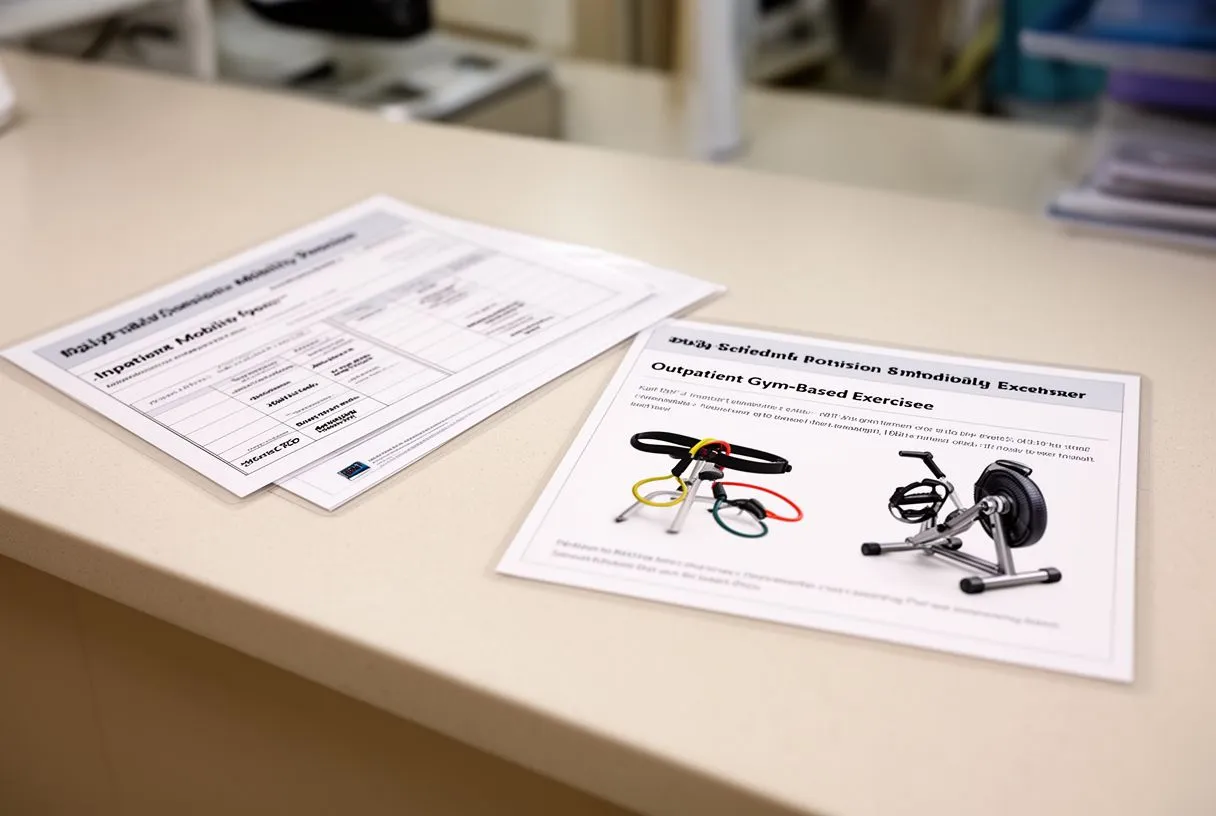
Phase I rehabilitation ends the day you leave hospital. Phase II rehabilitation begins shortly afterwards — traditionally as supervised, outpatient group sessions in a clinic or hospital gym, typically two or three times a week for several weeks, where your exertion is still monitored while you gradually build fitness. Phase III rehabilitation then continues the longer-term work of maintaining habits, either in a group or independently at home.
The key difference is where the responsibility sits. In phase I, the hospital team controls the dose of everything: activity, monitoring, medication, even when you sleep. In phase II, that control begins to shift toward you, guided by professionals. The better your phase I, the smoother that handover tends to be — which is why early mobilisation is not just about the hospital days, but about setting up the entire recovery.
Which Warning Signs During Early Cardiac Recovery Mean Stop?
Knowing your own warning signs makes you an active participant in phase I rather than a passenger. Report any of the following during or after activity:
- Chest pain or pressure — new, different from surgical wound pain, or persistent.
- Breathlessness out of proportion to the effort — walking three metres should not leave you gasping.
- Sudden sweating, nausea, or feeling faint during a session.
- New swelling, pain, or redness in one leg, which can signal a clot.
- Palpitations — a racing, pounding, or irregular heartbeat that is new for you.
None of these symptoms mean you have done damage by moving. They mean the session should stop and the team should reassess. Patients who speak up early about a symptom usually have it resolved without setback, while those who push through in silence sometimes turn a small issue into a bigger one. If something feels wrong at home after discharge, contact your surgical team or emergency services rather than waiting to see if it passes.
How Can Family Help During Hospital Cardiac Rehab?
Be present at sessions when invited: many units welcome a family member during walking practice. Your job is encouragement, not instruction — and it also means you will hear the physiotherapist's advice directly, which matters enormously when you get home. Family members often become the at-home coach during phase II, so absorbing the guidance now pays off later.
Handle the practical things: ask about sternal precautions and write them down; learn the log-roll technique yourself so you can help at home; note which medications were started or changed. Post heart surgery rehab continues long after discharge, and the families who understand the plan are the ones whose patients recover with fewer anxious phone calls.
Watch for tiredness, not weakness: in the first week your relative may be irritable, tearful, or unusually quiet. Low mood after cardiac surgery is common and usually temporary. Gentle, patient support helps more than constant cheering.
How Do You Prepare for the Next Step Before Discharge?
Leave with a written plan: before you go home, you should have — in writing — your medication list with doses, your activity targets for the first two weeks, your sternal precautions if applicable, your follow-up appointment dates, and the warning signs that require a call. Hospital based cardiac rehabilitation teams usually arrange this as a checklist; if yours does not, ask.
Ask about outpatient phase II referral: not every hospital automatically enrols you, and referral varies by country and insurance. Ask explicitly whether you have been referred, where, and when the first session will be. If formal phase II is not available where you live, ask what a safe home programme looks like and when your first follow-up will check your progress.
Use the second-opportunity to ask everything: we encourage second opinions and treat seeking one as a normal part of deciding about heart surgery — and the same openness applies to recovery. No question about your rehabilitation is too small. If you are still deciding where to have your surgery, or you have questions about your recovery plan, you can book a free video consultation with our team; we will get to know your situation, explain the options in plain words, and let the final decision stay where it belongs — with you.
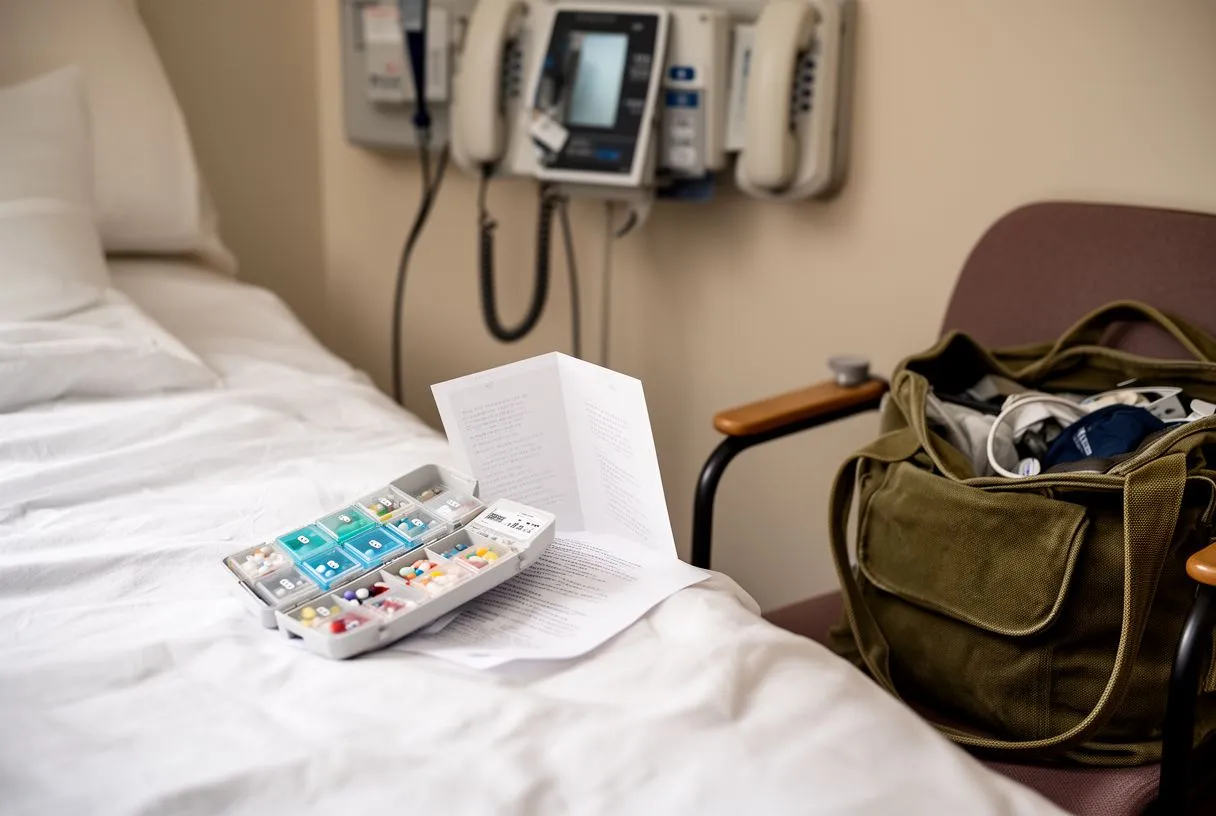
The essential things to remember about phase I cardiac rehabilitation are these: it starts within a day or two of surgery, it is gentle and closely monitored, its goal is safe mobility rather than fitness, and it sets the trajectory for everything that follows. Recovery from heart surgery is a staged process, not a single event — and the first, most frightening stage is also the one with the most people watching over you. Bring your questions, bring your family, and take each step as it comes.