

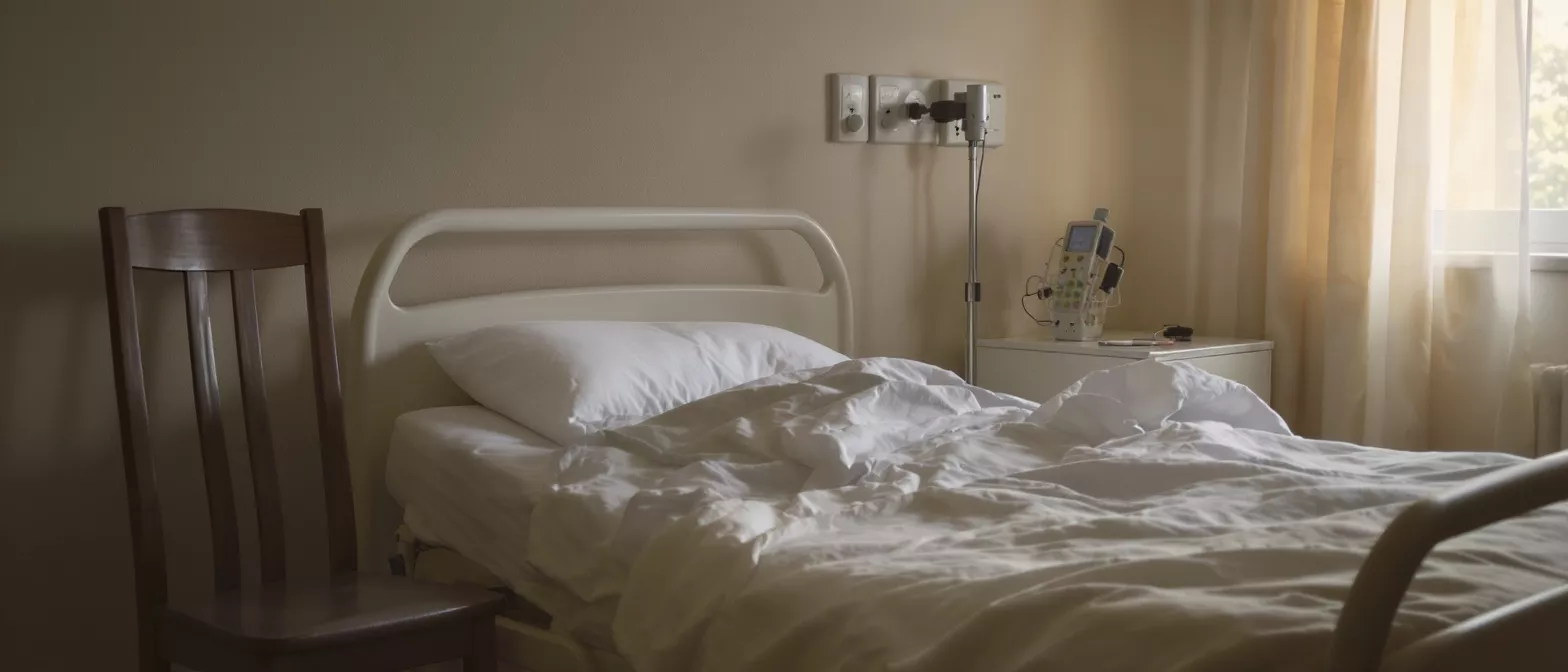
Phase I Rehabilitation
Learn how Phase I rehabilitation supports early recovery after heart surgery with supervised inpatient care.
What is Phase I Rehabilitation?
When you or a loved one has just undergone heart surgery, the thought of moving around can feel daunting. Phase I rehabilitation is the very first step in your cardiac recovery journey, beginning while you are still in the hospital. It is a carefully supervised, early cardiac rehabilitation program designed to help you safely regain mobility after a major cardiac procedure. The goal is not to push you, but to guide you safely back to movement under the watchful eye of medical professionals.
Understanding the clinical definition: In medical terms, phase I rehabilitation refers to the inpatient portion of cardiac rehabilitation. It starts almost immediately after you wake from anesthesia and are stabilized. The clinical team assesses your heart rate, blood pressure, and overall tolerance to movement, ensuring every step you take is safe. This phase ends when you are discharged from the hospital.
Setting realistic patient expectations: It is natural to feel weak after surgery. This phase is not about exercise in the traditional sense; it is about functional recovery. You will start with simple tasks like sitting up in bed, moving to a chair, and eventually taking short walks in the hallway. Every movement is a building block toward restoring your independence.
Why cardiac rehabilitation matters after surgery
After any surgery, prolonged bed rest can lead to muscle weakness, blood clots, and lung complications. Cardiac rehabilitation matters because it counteracts these risks immediately. By starting phase I rehabilitation early, you help your body maintain muscle tone, prevent joint stiffness, and promote better blood flow, which is critical for healing your surgical incisions. It is a proactive approach to post-surgery heart recovery that reduces the likelihood of setbacks.
Preventing respiratory complications: One of the most critical aspects of this early phase is lung function. The medical staff will guide you through breathing exercises to keep your lungs clear. This is vital because the breathing tube used during surgery can leave your lungs needing assistance to fully re-expand, preventing pneumonia.
Building patient confidence: The psychological impact of heart surgery is significant. Many patients feel anxious about moving or fear that activity will harm their mending heart. Guided, supervised movement provides immense emotional reassurance. By demonstrating that safe movement is possible and beneficial, phase 1 cardiac rehab helps replace fear with confidence.
What happens during phase i rehabilitation
The day-to-day experience of phase I rehabilitation is highly structured yet tailored to your daily progress. A typical session involves a physical therapist or a specialized nurse helping you transition from resting in bed to sitting, standing, and walking. They will monitor your vital signs before, during, and after any activity to ensure your heart is tolerating the effort well.
Education on wound care and body mechanics: A major component of what happens during these sessions is education. Therapists teach you how to log roll out of bed to protect your chest incision and how to safely support your chest when coughing. You will also learn the signs of overexertion and when to ask for rest.
Daily progression tracking: Your care team will keep a detailed log of your activity tolerance. If walking 50 meters makes you dizzy, they will scale back the activity. If you do well, they will safely increase your distance. This daily tracking ensures your heart surgery rehab is always calibrated to your current physical state.
When does phase 1 cardiac rehab begin?
The timeline for starting phase 1 cardiac rehab is much sooner than most patients expect. Often, it begins within 24 hours of your surgery, sometimes referred to as fast-track recovery. As soon as the intensive care team confirms your heart is stable and your breathing is manageable, the rehabilitation process starts. You will be asked to do simple ankle pumps and light leg movements while still in the ICU to promote circulation.
Transitioning from ICU to the ward: Once you are transferred to a standard hospital room, the intensity of your rehabilitation increases slightly. You will progress from passive movements to active assisted movements, and eventually to independent walking. The timing is always dictated by your medical stability and your surgeon's specific protocols.
Preparing for discharge: The end of phase 1 cardiac rehab occurs when you can safely walk short distances, manage your daily hygiene with minimal assistance, and navigate stairs if you have them at home. The team will evaluate your progress to ensure you have the physical capability to safely return to your home environment.
How does heart surgery recovery progress
Understanding how heart surgery recovery progresses can ease much of the anxiety associated with the days immediately following your operation. Recovery is not a straight line, but rather a series of carefully managed milestones. In the first few days, your body is dealing with the immediate trauma of surgery.
Week one milestones: By the end of your first week, which usually coincides with the end of phase I rehabilitation, you should be able to walk the halls of the hospital ward independently or with minimal supervision. You will likely feel fatigued, but this is normal as your body expends immense energy healing internal tissues.
Managing fluid and energy levels: As your recovery progresses, the medical team will also monitor your fluid intake and output. The heart needs to readjust to handling blood flow without the extra support of bypass machines. Your early cardiac rehabilitation sessions will be scheduled around your medication times and rest periods to maximize your energy.
What are the phase 1 rehab guidelines
The phase 1 rehab guidelines are straightforward safety protocols designed to protect your surgical site and prevent cardiovascular strain. You will be instructed to avoid pulling, pushing, or lifting anything heavier than a few pounds. The guidelines also emphasize the importance of pain management; you must stay ahead of your pain so you can take deep breaths and participate in movement.
Intensity and exertion limits: Therapists use a specific scale to measure how hard you feel you are working. The goal is to keep your exertion light to moderate. You should always be able to hold a conversation while walking. If you find yourself short of breath, the guidelines dictate that you stop and rest immediately.
- Breathing exercises: Use the incentive spirometer hourly to keep your lungs expanded and clear.
- Progressive walking: Increase walking distance by small increments daily, always with staff supervision.
- Sternal precautions: Avoid arm exertion and do not twist your torso to protect the chest bone incision.
The guidelines also include strict instructions on monitoring your own body. You will be taught to watch for signs like dizziness, irregular heartbeats, or excessive sweating, and to report them to the nursing staff immediately. Adhering to these rules ensures your safety.
Are early cardiac rehabilitation protocols safe
It is completely normal to wonder if moving around so soon after a major operation is safe. The answer is yes, early cardiac rehabilitation protocols are highly safe when supervised by a trained clinical team. The movements you do in phase I are very gentle and are always scaled to your medical condition. The risks of remaining completely immobile in bed far outweigh the risks of carefully supervised, light activity.
Continuous medical supervision: You are never left alone to figure it out. Physical therapists and nurses are trained to recognize the subtle signs of distress or fatigue. Your heart rhythm is continuously monitored, and your blood pressure is checked at regular intervals. If there is any sign that your heart is working too hard, the session is immediately modified or halted.
Individualized safety plans: Safety in inpatient cardiac rehabilitation comes from individualized care. Your specific surgical procedure, age, and pre-existing health conditions dictate your specific rehab plan. What is safe for a 50-year-old who had a valve repair may not be the same as for a 75-year-old recovering from a bypass, ensuring your program is built uniquely for you.
What to expect from inpatient cardiac rehabilitation
When you are admitted for heart surgery, knowing what to expect from inpatient cardiac rehabilitation can remove the fear of the unknown. Expect to be visited by a physical therapist usually once or twice a day. They will review your chart, ask about your pain levels, and set a small, achievable goal for that specific session. The atmosphere is encouraging, but highly focused on clinical safety.
The role of the rehabilitation team: The rehab team works closely with your surgeons and cardiologists. They are the bridge between the acute surgical care you received and your return to daily life. They will adjust your activity level based on your lab results, your oxygen needs, and your overall fatigue.
Transitioning your care home: Before you leave the hospital, the team will provide you with instructions on how to continue your early movements at home. They will explain the transition to phase II rehabilitation, which is the outpatient program you will join a few weeks after discharge. This continuity ensures your post-surgery heart recovery does not stall when you leave the hospital.
How to prepare for rehabilitation after cardiac surgery
Preparation for phase I rehabilitation actually begins before your surgery even happens. Being in the best possible physical shape before your operation makes your postoperative recovery significantly smoother. If you have time, engage in light walking and follow your doctor's pre-operative instructions carefully. Mentally preparing yourself to move soon after waking up is just as important as physical preparation.
Mental and emotional readiness: Understanding that you will be asked to move soon after surgery helps reduce the shock of it. Talk to your surgeon about what the first 48 hours will look like. Knowing the timeline helps you mentally brace for the early mobilization, making you an active participant in your recovery rather than a passive patient.
Organizing your hospital bag: Pack loose, comfortable clothing that will not press against your incisions. Slip-on shoes are essential, as bending to tie laces will be difficult and restricted. Having these items ready makes the transition from hospital gowns to your own clothes during phase I rehabilitation much easier, promoting a sense of normalcy.
Understanding the cardiac rehab phases
Phase I rehabilitation is just the beginning of a comprehensive journey. Understanding the cardiac rehab phases helps you see how your early hospital stay connects to your long-term health. There are typically three or four phases, starting with your acute inpatient care and moving through outpatient monitored exercise, and eventually to independent maintenance. This structured continuum ensures your heart continues to strengthen safely.
The transition to outpatient care: Once you are discharged, you will rest at home for a few weeks. Then, you will enter phase II, which is a medically supervised outpatient program. The foundation built during your phase 1 rehab guidelines directly impacts how well you perform in these later, more intensive stages.
- Phase I (Inpatient): Hospital-based, focused on safety, mobility, and discharge preparation.
- Phase II (Outpatient): Monitored clinic-based exercise occurring weeks after discharge.
- Phase III/IV (Maintenance): Long-term, independent, or minimally supervised lifestyle management.
In summary, phase I rehabilitation is the critical, highly supervised first step in reclaiming your health after a cardiac event or surgery. By focusing on safe, gentle movements and vital education, this inpatient phase prevents complications and builds the confidence needed to continue your journey to full recovery. Trust your medical team, follow your guidelines, and take it one step at a time.






