Cardiac Rehabilitation After Surgery: Phases and Benefits
Cardiac rehabilitation after surgery helps you recover faster with medically supervised exercise and lifestyle support.
Cardiac rehabilitation is a comprehensive programme designed to help people with heart disease improve their quality of life and reduce the risk of future cardiovascular problems. It combines supervised exercise, education on healthy lifestyles and emotional support for patients and their families.
Who is cardiac rehabilitation for?
The programme is indicated for people who have had cardiovascular disease, such as:
- Myocardial infarction (heart attack).
- Coronary artery bypass surgery.
- Angioplasty with stent placement.
- Heart failure.
- Heart valve disease.
- Heart transplant.
- Any type of heart surgery or procedure.
It is also an option for people with high risk factors, such as high blood pressure, diabetes, obesity or a sedentary lifestyle, who want to improve their cardiovascular health.
What should I know before starting a cardiac rehabilitation programme?
Before you start a cardiac rehabilitation programme, it is important to take the following into account:
- See your doctor: a cardiologist or rehabilitation specialist will assess your health and decide whether you are a candidate for the programme.
- Tests beforehand: you may need tests such as an electrocardiogram, an echocardiogram, an exercise test and blood tests to measure your cardiovascular fitness.
- Know your own limits: every patient has different needs and abilities; the programme should be personalised to your level of fitness.
- Commitment to treatment: cardiac rehabilitation is a gradual process that takes consistency and discipline to deliver long-term benefits.
- Family and emotional support: having the backing of family and loved ones can make it easier to stick with the programme and improve motivation.
- Suitable clothing and equipment: wear comfortable clothes and suitable sports shoes, and follow the team's advice on drinking and eating before each session.
What does cardiac rehabilitation involve?
The cardiac rehabilitation programme is made up of several phases:
1. In-hospital phase (phase I): starting in hospital
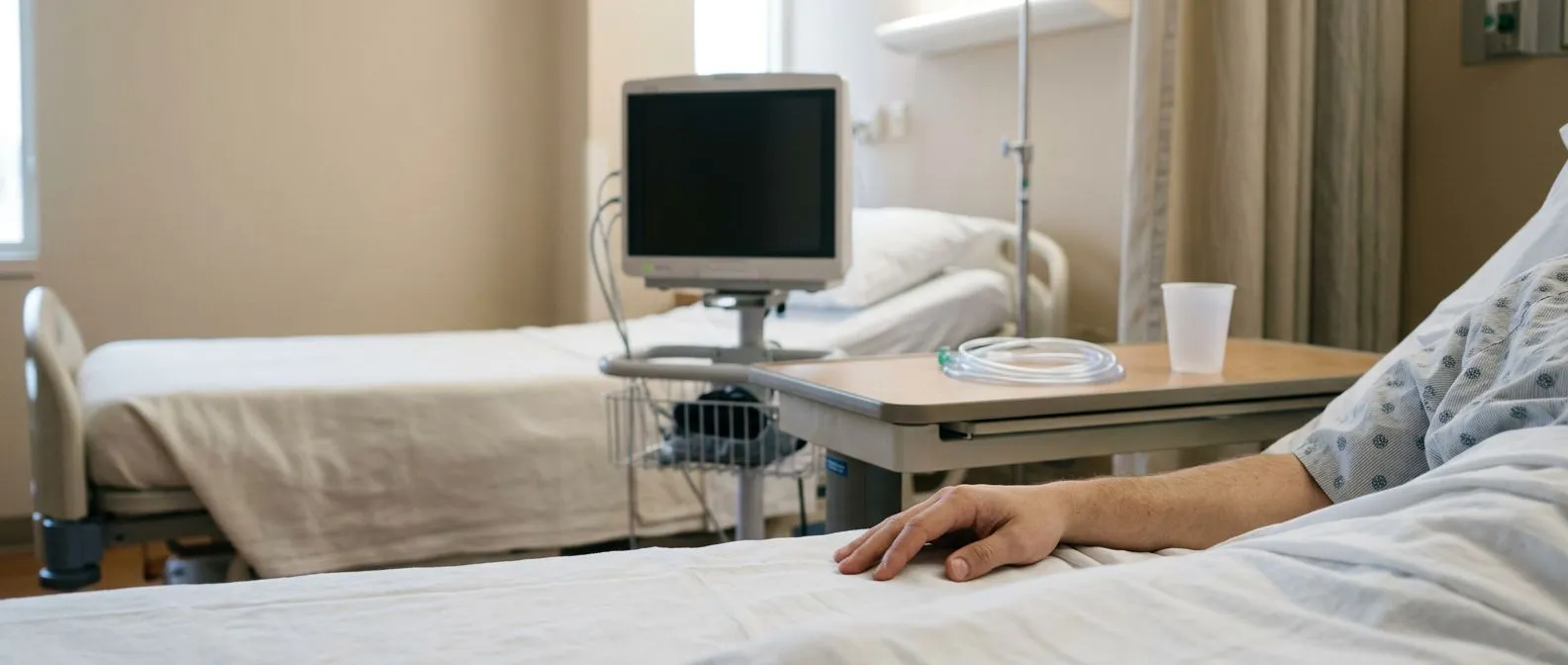
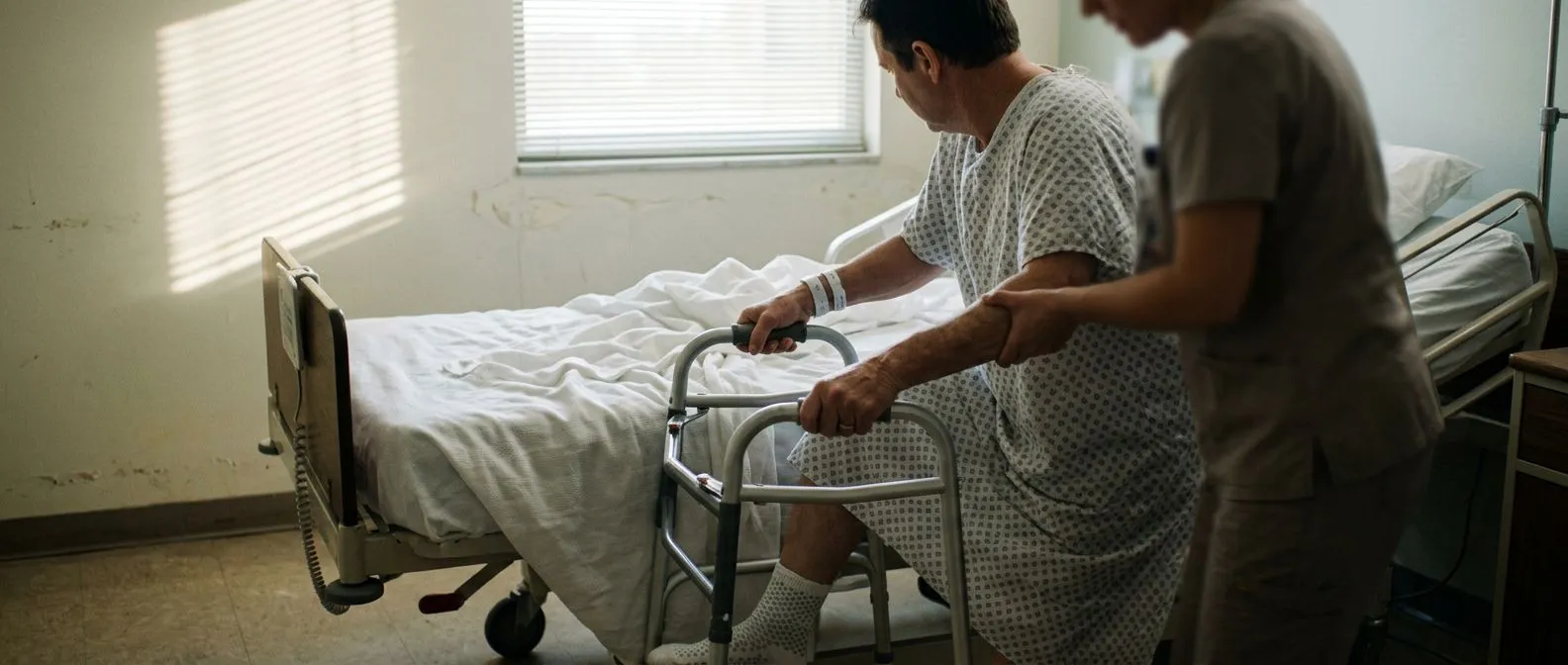
It begins after a cardiac event (such as a heart attack, surgery or decompensated heart failure) while the patient is still in hospital.
- Initial assessment: the medical history is reviewed and risk factors are identified.
- Early mobilisation: gentle exercises (such as sitting up in bed or walking short distances).
- Basic education: the importance of lifestyle changes and medication is explained.
2. Supervised outpatient phase (phase II): guided recovery
This takes place after discharge and lasts 3 to 6 months, with sessions 2 to 3 times a week at a specialist centre.
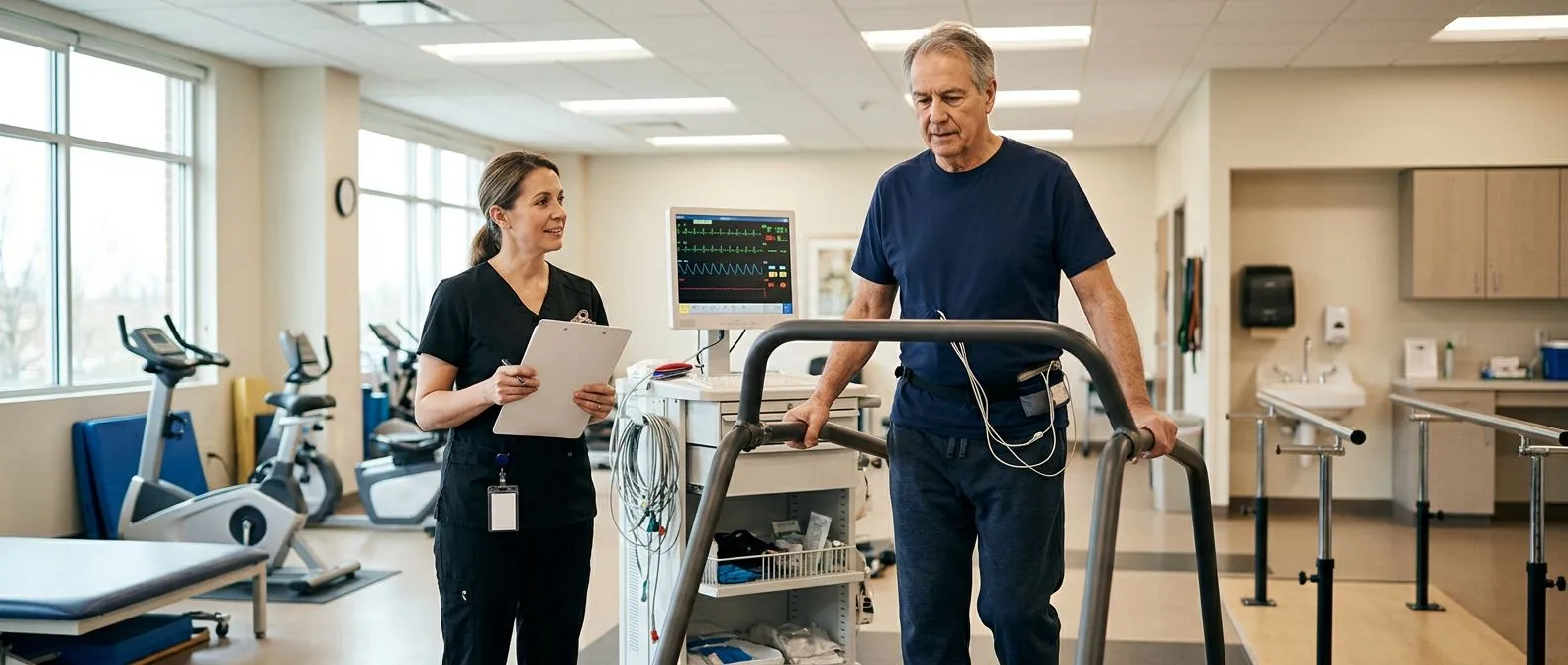
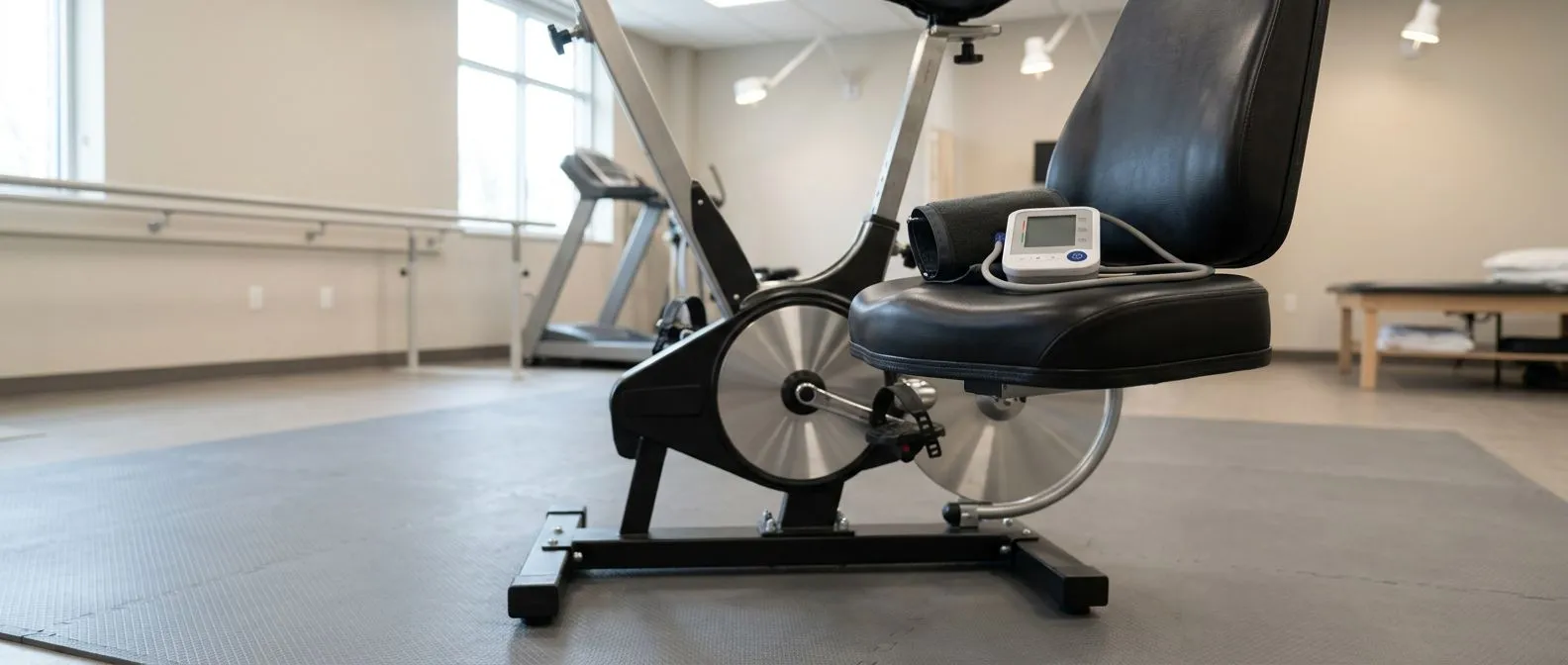
- Supervised exercise: walking, a stationary bike and resistance exercises tailored to each patient.
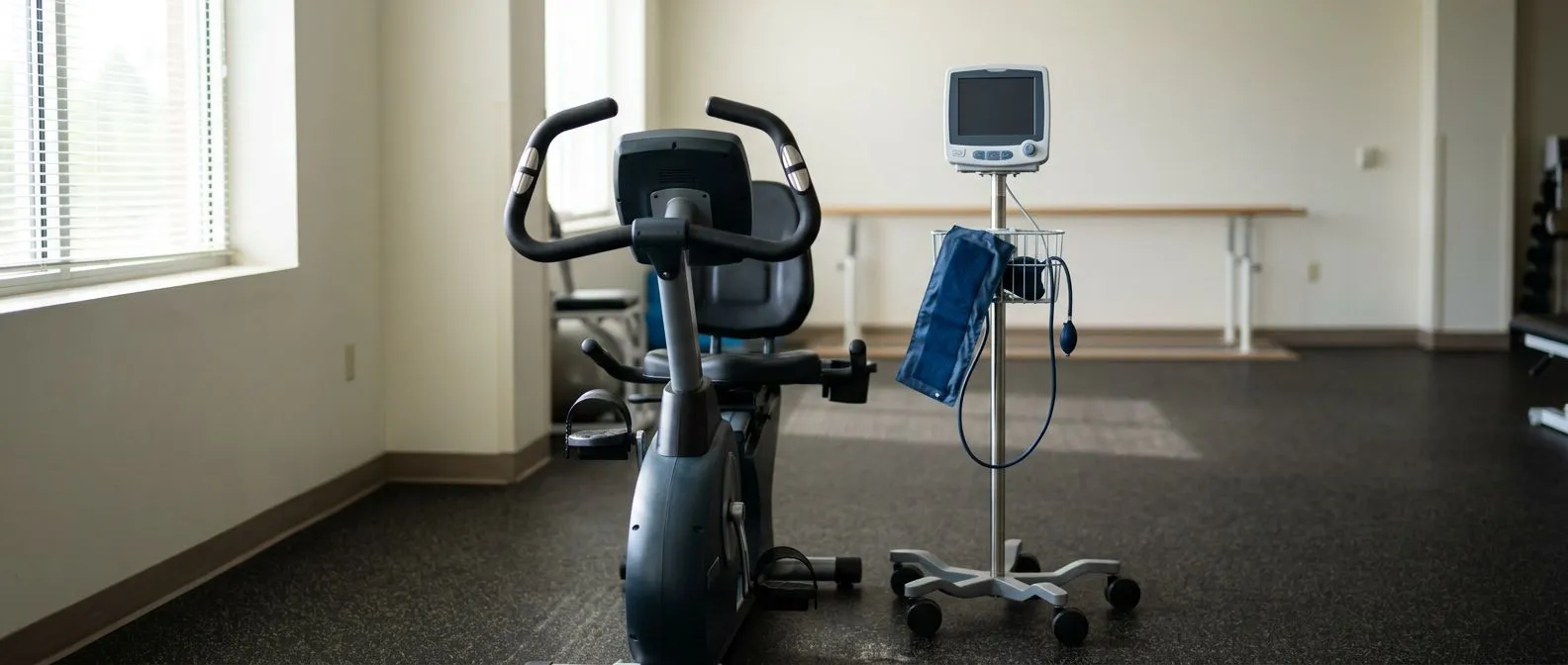
- Medical checks and monitoring: vital signs are checked and the programme is adjusted as you progress.
- Nutritional advice: healthy eating habits are taught.
- Stress management and emotional support: relaxation techniques and psychological support are included.
3. Maintenance phase (phase III): a healthy lifestyle for the long term
The focus is on the patient continuing the habits they have learned, on their own.
- Regular exercise: keeping up a safe routine of physical activity.
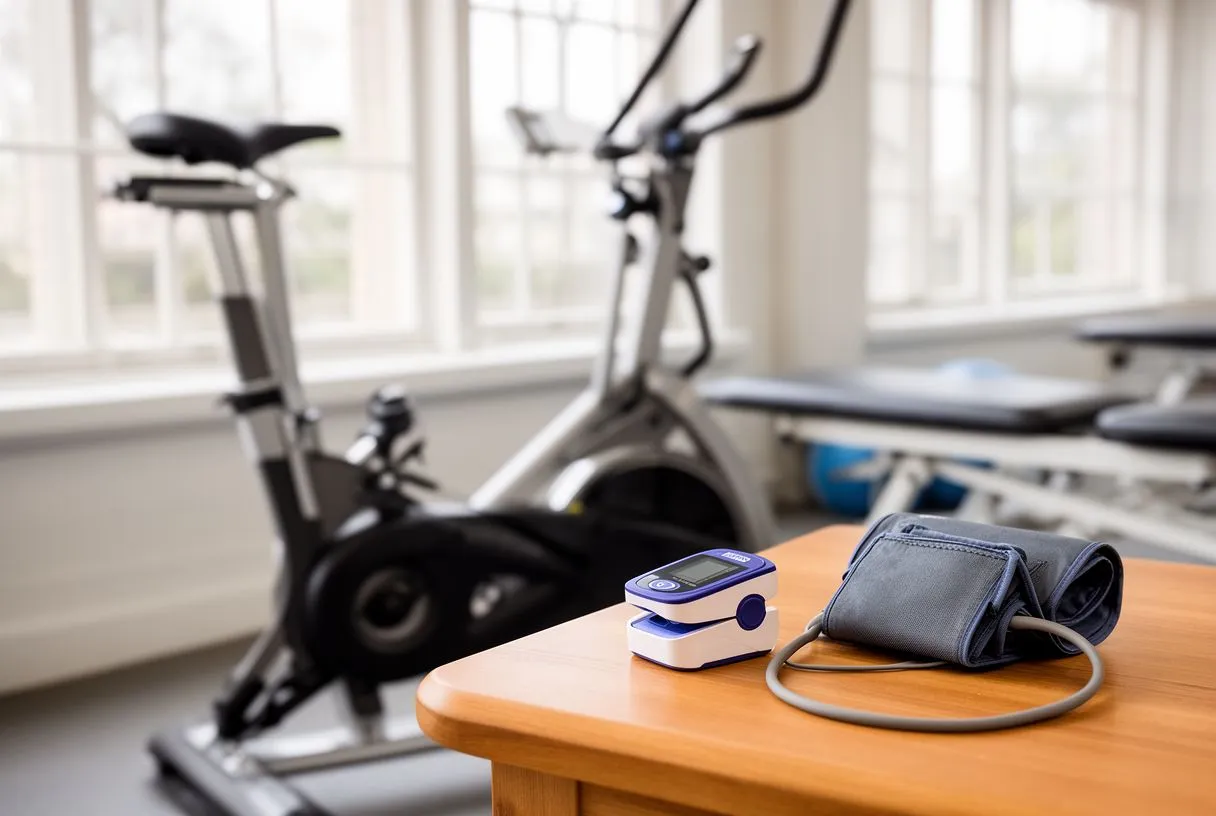
- Self-monitoring: checking blood pressure, cholesterol and weight.
- Regular medical follow-up: appointments with cardiologists and rehabilitation specialists.

What tests and activities are involved in cardiac rehabilitation?
During the programme, various tests and activities are used to assess the patient's progress and make sure recovery is safe and effective:
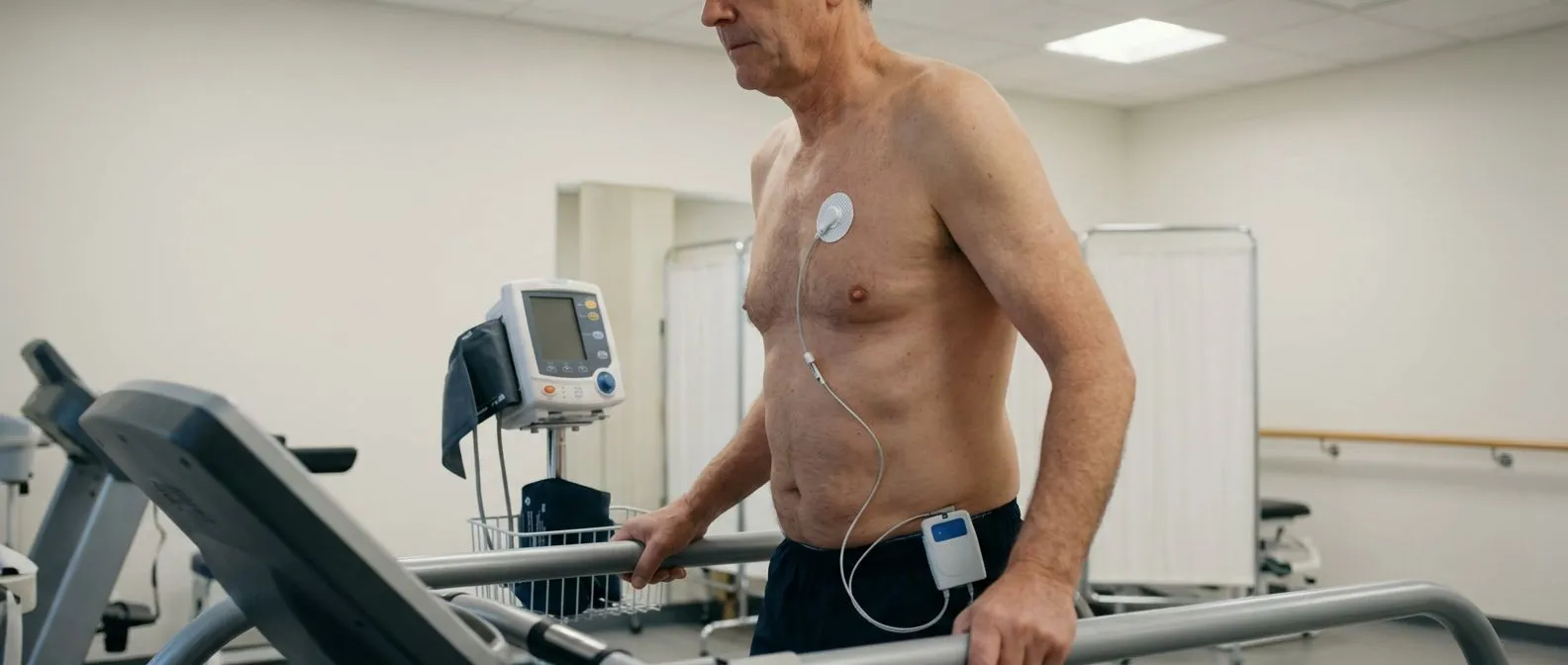
- Exercise test: done on a treadmill or stationary bike to measure aerobic capacity and how the heart responds to exercise.
- ECG and blood pressure monitoring: the heart's electrical activity and blood pressure are recorded before, during and after exercise.
- Aerobic training: walking, stationary cycling or water exercise for 30 to 45 minutes, 3 to 5 times a week.
- Strength and resistance exercises: elastic bands, light weights or resistance machines to improve muscle strength, in sessions 2 to 3 times a week.
- Flexibility and balance exercises: stretching routines and techniques such as yoga or tai chi to improve mobility and reduce the risk of falls.
- Breathing and relaxation training: diaphragmatic breathing techniques to improve oxygenation and reduce stress.
- Educational workshops: classes on healthy eating, stress control and managing chronic conditions.
Each of these tests and activities is tailored to the patient's condition and specific needs, so that recovery is safe and effective.
How are the results of cardiac rehabilitation assessed?
Various tools and medical tests are used to measure how effective cardiac rehabilitation has been:
- Exercise tests: assess the patient's functional capacity and exercise tolerance.
- ECG and heart rate monitoring: detect changes in the heart's activity during rehabilitation.
- Blood pressure and cholesterol measurements: key indicators of cardiovascular health.
- Quality-of-life assessments: questionnaires and interviews measure the programme's impact on the patient's wellbeing.
- Tracking hospital admissions and cardiovascular events: measures the reduction in admissions and complications.
- Weight and body composition: changes in fat and muscle mass are monitored.
- Psychological assessment: measures the reduction in anxiety and depression, which are common in heart patients.
The physiology of cardiac rehabilitation
Cardiac rehabilitation works because the heart, like other muscles in the body, can be strengthened with the right exercise. When you are physically active, your heart learns to pump blood more efficiently, which reduces its workload and improves your stamina. Exercise also helps blood vessels become more flexible, which makes blood flow easier and lowers blood pressure.
At the cellular level, regular physical activity boosts energy production in the heart and muscles, which means better physical performance in daily life. These changes not only improve the patient's fitness but also reduce the risk of future cardiac events.
Clinical studies on cardiac rehabilitation
Numerous clinical studies have shown the benefits of cardiac rehabilitation for patients' health and survival. Some of the most relevant are:
- “Cardiac Rehabilitation and Survival” (Lancet, 2004): showed that cardiac rehabilitation reduces mortality in patients with coronary disease by 20–30%.
- Cochrane Library meta-analysis (2016): analysed more than 63 clinical trials and concluded that cardiac rehabilitation lowers the risk of hospital admission and improves quality of life.
- EUROACTION study (European Heart Journal, 2006): showed that cardiac rehabilitation programmes significantly improve control of risk factors such as cholesterol and blood pressure.
- American Heart Association research (2019): highlighted that patients with heart failure who take part in rehabilitation improve their functional capacity and have fewer hospital admissions.
These studies confirm that cardiac rehabilitation is an essential intervention for improving the health and extending the lives of patients with cardiovascular disease.
The take-home message
Cardiac rehabilitation is a fundamental tool for recovery after many kinds of heart procedures and operations. It is important to understand that the procedure you have had is only the first part of a longer road to recovery. Rehabilitation aims to build on, over the following weeks and months, what was started in hospital.
This part depends very much on you. Your doctors will have done their best to help you, but achieving the best possible result will be closely tied to your own discipline and perseverance. With patience, commitment and the right support, you can recover your health and enjoy a full, active life.