Functional Capacity Before and After Heart Surgery
Functional capacity heart surgery patients: learn what to expect before and after cardiac procedures.
What Does Functional Capacity Mean Before Heart Surgery?
Functional capacity after heart surgery is one of the best predictors of how well and how quickly a person returns to everyday life, but the story really begins before the operation. Functional capacity simply means the amount of physical effort your body can sustain — climbing stairs, carrying groceries, walking to the corner shop without stopping to catch your breath. It is not a measure of how strong you look or how old you are; it is a measure of what your heart, lungs, blood, and muscles can actually do together when you ask them to work.
Everyday meaning: Doctors often describe functional capacity in "metabolic equivalents," or METs. One MET is the energy you use sitting quietly. Walking on flat ground is about 3 METs, climbing two flights of stairs is roughly 4 to 5, and vigorous activity starts around 6. If you can climb two flights of stairs without stopping, your heart can likely handle the demands of an operation and the recovery that follows. If you cannot, that is useful information — not a verdict, but a starting point.
Why it matters to you: For patients and families, this number answers a very human question: "What will I be able to do afterwards?" Research consistently links better pre-surgery fitness with fewer complications, shorter hospital stays, and a smoother return to independence. A study of tele-cardiac rehabilitation after coronary bypass surgery showed that structured exercise programs measurably improved hand grip strength and functional capacity in recovering patients. The team reviewing your case looks at this same picture: not just the valve or the artery on the scan, but the whole person who will wake up from the operation.
How Is Functional Capacity Measured Before Cardiac Surgery?
Before any heart operation, your team needs an honest picture of what your body can do today. This is called a preoperative functional capacity cardiac assessment, and it can be as simple as a conversation or as detailed as a treadmill test.
The six-minute walk test: The most common measurement is the six-minute walk test, a standard tool in heart surgery evaluation worldwide. You simply walk as far as you can along a marked corridor for six minutes, at your own pace, with rests allowed if needed. The distance you cover gives your team a reliable snapshot of your exercise tolerance after heart surgery candidates — and of your starting point right now. It is safe, inexpensive, and it correlates well with more sophisticated measurements.
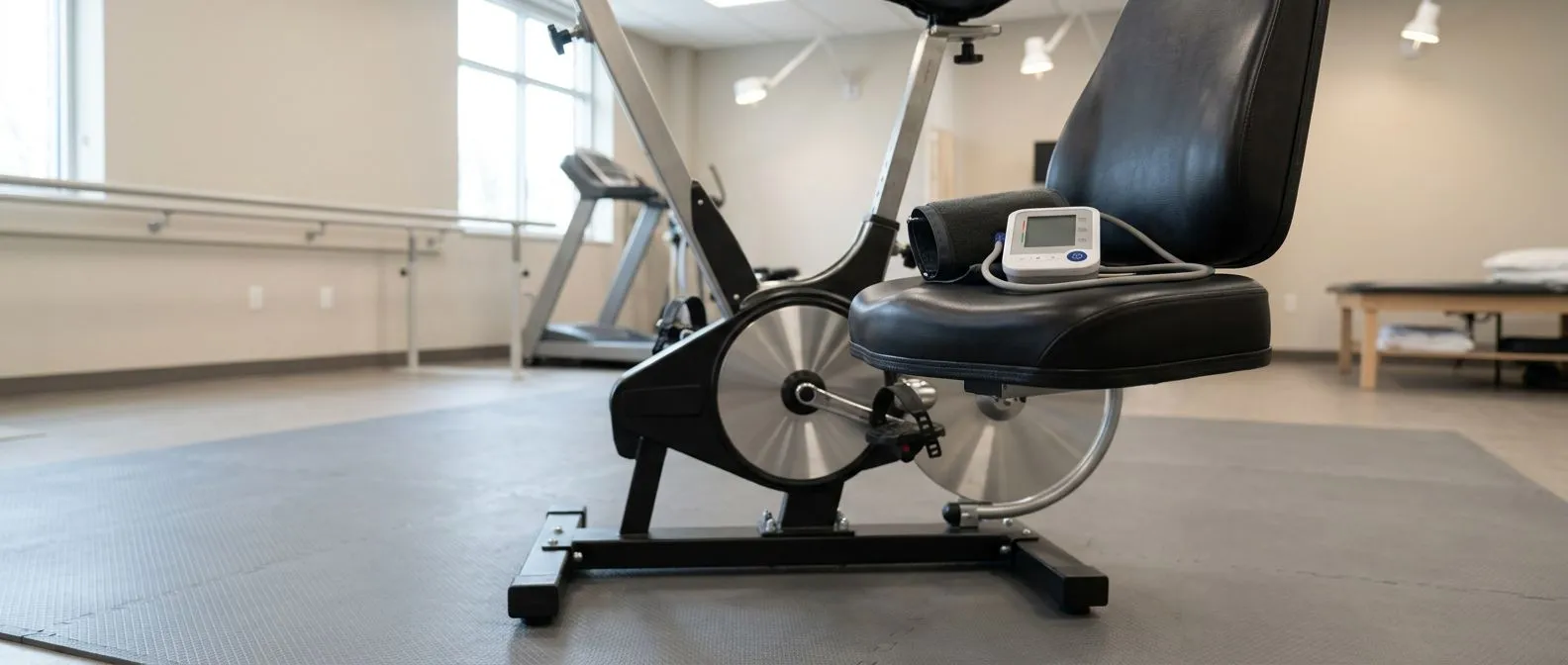
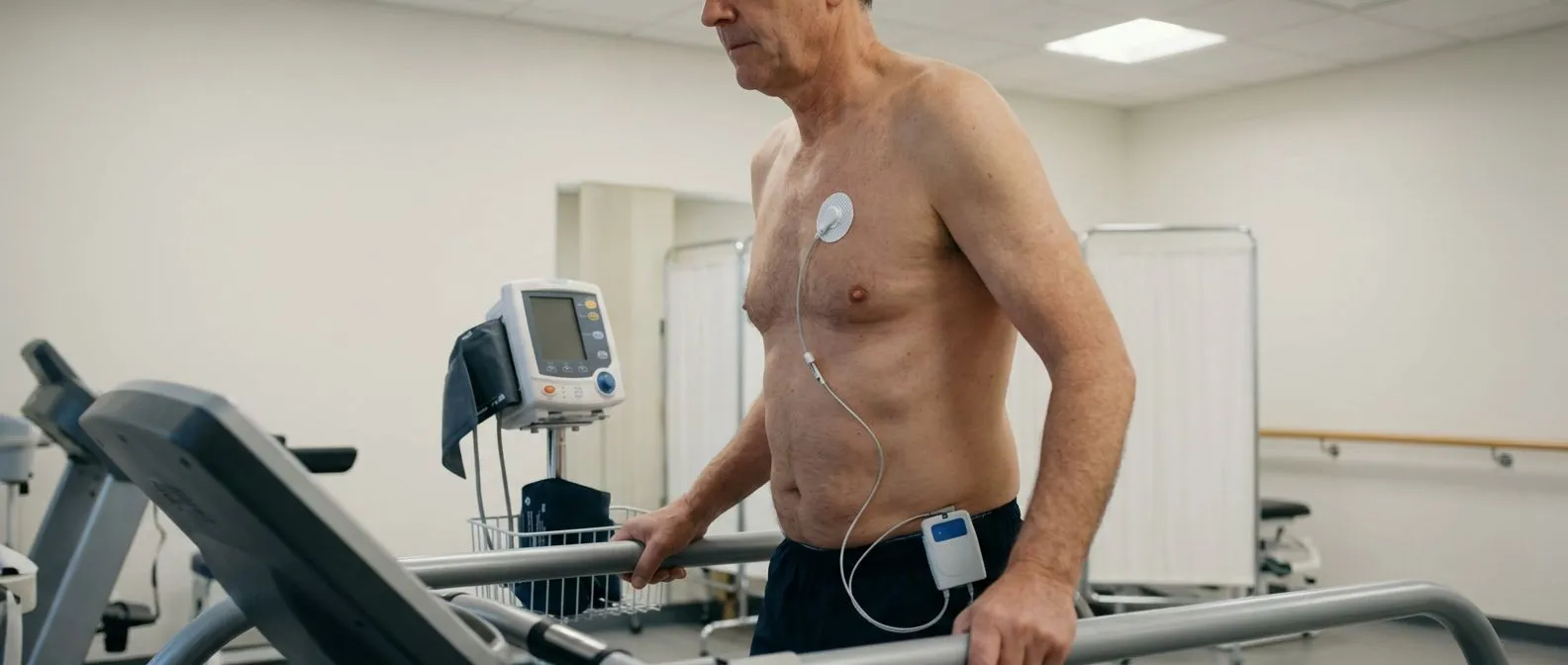
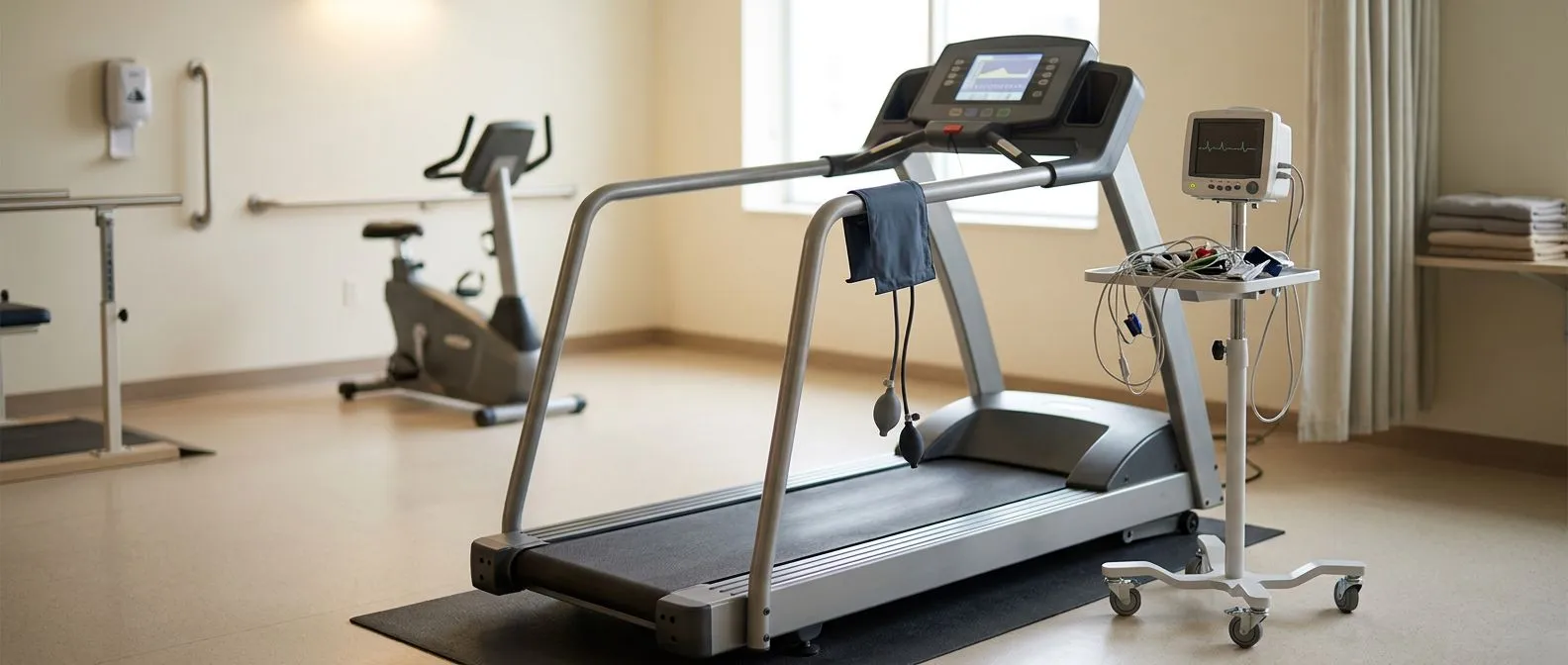
VO2 max testing: Some centers also measure VO2 max heart surgery recovery planning — the maximum amount of oxygen your body can use during escalating exercise on a treadmill or bicycle. This is the most precise postoperative functional capacity evaluation available before surgery, because it shows exactly where your reserve lies. A cardiopulmonary exercise test takes about 20 to 30 minutes, and the numbers help distinguish between fitness limited by the heart, the lungs, or general deconditioning.
Simple questions count too: Not every assessment needs equipment. Asking whether you can climb two flights of stairs, carry your own suitcase, or walk several blocks without chest pain or breathlessness is itself a validated way to estimate functional reserve — the extra capacity your heart keeps in reserve for stress. In our consultations we take the time to explain what each of these studies actually shows, in plain words, so that every patient understands what the numbers mean before any decision is made.
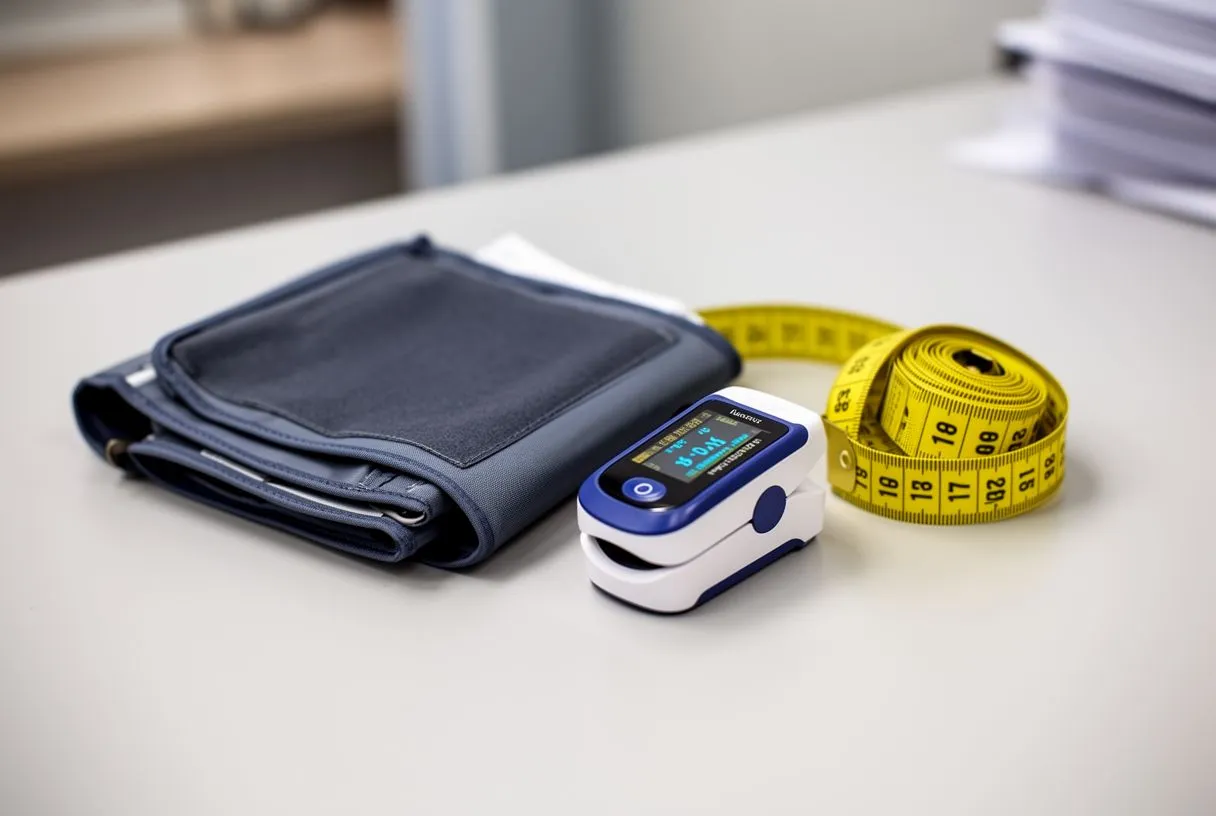
Why Preoperative Functional Capacity Predicts Your Recovery
Your fitness before surgery is one of the few things you and your team can genuinely influence in the weeks leading up to an operation. That is why it receives so much attention.
The concept of functional reserve: Surgery is a major physical stress. Your body needs spare capacity — a functional reserve — to heal the chest incision, fight infection, and gradually rebuild strength. Patients who arrive with more reserve tend to spend less time in the intensive care unit, walk sooner, and regain independence faster. Patients with very little reserve can still have successful surgery, but the recovery road is usually longer and needs closer planning.
Frailty and muscle loss: Over months or years, heart conditions quietly erode muscle. Shortness of breath makes people move less, and moving less weakens the very muscles needed for recovery — a cycle surgeons call Reduced Functional Capacity. This is why specialists now assess grip strength, walking speed, and weight loss alongside the echocardiogram. Recognizing the cycle early creates a chance to break it with nutrition and gentle, supervised movement before the operation.
What this means practically: If your assessment shows limited reserve, "prehabilitation" — preparing the body before surgery — may be recommended. Even a few weeks of guided activity, breathing exercises, and better nutrition can change the trajectory. A systematic review published through DOAJ, the Directory of Open Access Journals, supports the value of structured preoperative exercise in cardiac surgery candidates. We review every case as a multidisciplinary team against international practice guidelines, and where prehabilitation would genuinely help a particular patient, we say so — along with the alternatives, because the final decision always belongs to the patient.
What Does Poor Functional Capacity Mean for Surgery Risk?
Hearing that your functional capacity is low can be frightening. Here is what it actually means — and what it does not.
It is a planning tool, not a verdict: Poor functional capacity does not mean you cannot have surgery. It means your team will plan differently. Risk scores such as EuroSCORE II weigh age, kidney function, lung function, urgency, and general condition to estimate the risk of complications. Low fitness raises that estimate modestly, but it also tells the team where to focus: closer monitoring, earlier mobilization, more aggressive pain control so you can move, and often a longer, more gradual rehabilitation plan.
It can change the approach: Sometimes limited reserve shifts the conversation toward a less invasive option. For example, a patient with advanced heart failure and severe valve leakage may be better served by a transcatheter procedure than by open surgery — as research on repeat edge-to-edge repair in functional mitral regurgitation shows, catheter-based options can improve symptoms and quality of life in patients too fragile for repeat open surgery. TAVR (transcatheter aortic valve replacement), in which a new aortic valve is delivered through a catheter in the groin without opening the chest, exists precisely because some patients tolerate it far better than open valve surgery.
The honest picture: Our team performs conventional, minimally invasive, robotic, and transcatheter procedures, and we recommend the less invasive route only where the evidence genuinely supports it for that individual patient — never as a default and never as a sales pitch. Low fitness is information that shapes the plan; it is never a reason to give up on treatment.
How Does Heart Surgery Change Functional Capacity in the First Weeks?
It surprises many patients to learn that functional capacity after heart surgery typically drops before it rises. This is normal, expected physiology — not a setback.
The early dip: In the first days after an open operation, most people feel weaker than they expected. The chest has been opened and carefully closed, the heart-lung machine briefly took over circulation, anesthesia medications take days to fully clear, and lying in bed for even 48 hours causes measurable muscle loss. Walking to the end of the hospital corridor may feel like climbing a mountain. This dip is universal, and it is precisely why hospital teams get patients out of bed within the first day or two.
The sternum is the limiting factor: For conventional surgery through the breastbone (sternum), the bone itself needs six to eight weeks to knit back together — like any broken bone. During that window you must not lift, push, or pull more than a few kilograms, even though your heart may feel ready for more. Minimally invasive and robotic approaches use smaller incisions and avoid dividing the breastbone, which usually means a faster return of upper-body comfort, though the heart's internal healing timeline is similar.
What "better" looks like: By two to three weeks, most patients notice that walking short distances no longer leaves them exhausted. By six weeks, energy begins to return in noticeable steps. Progress is not a straight line — bad days follow good ones, and that pattern is entirely typical of heart surgery fitness recovery.

Cardiac Rehabilitation and Functional Capacity After Surgery
If there is one intervention that reliably rebuilds functional capacity after heart surgery, it is cardiac rehabilitation — a supervised program of progressive exercise, education, and support, usually started within a few weeks of the operation.
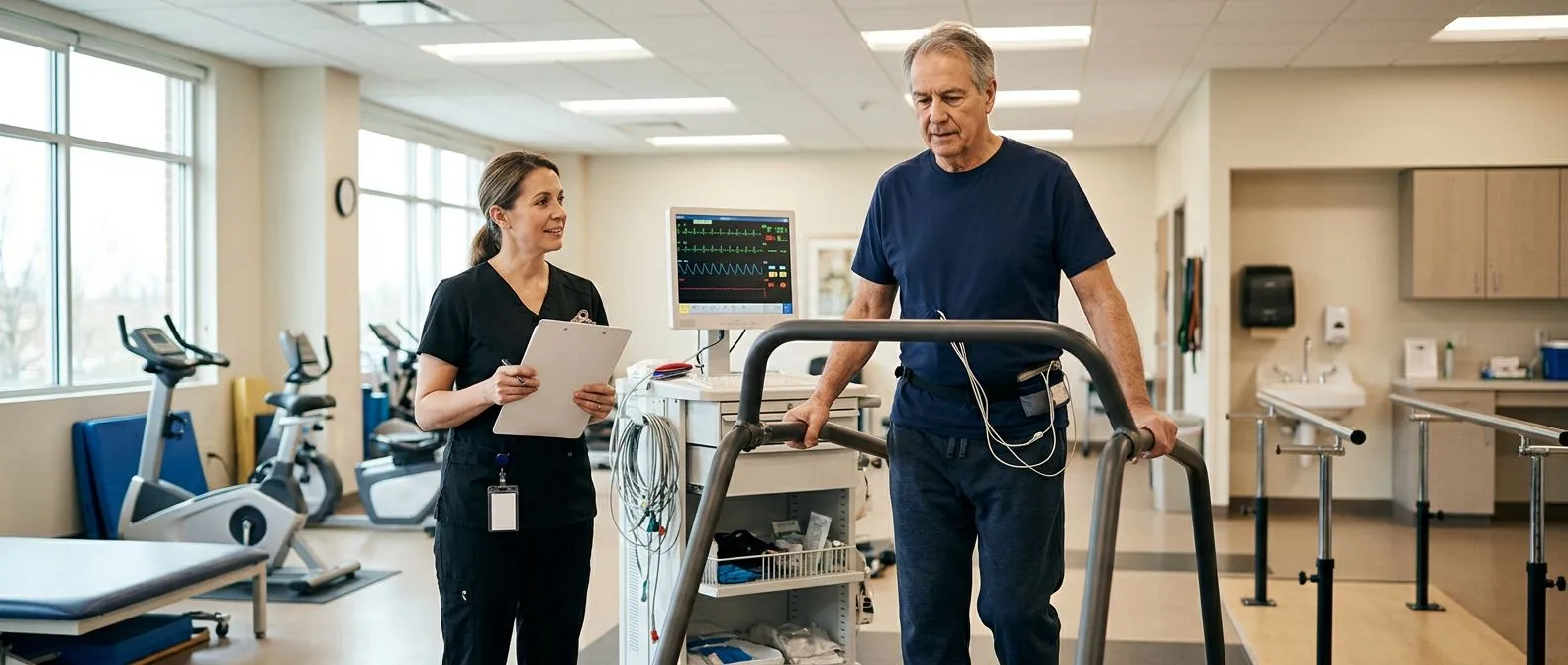
How the programs work: A typical program runs two to three sessions per week for about 12 weeks. Sessions are monitored with an ECG and a pulse oximeter, and the intensity is deliberately calibrated — hard enough to build fitness, gentle enough to stay safe. Alongside exercise, programs teach medication management, nutrition, stress management, and how to recognize warning signs. Trials of tele-cardiac rehabilitation, where patients exercise under remote supervision, have shown meaningful gains in grip strength and functional independence for bypass patients — good news for people who live far from a rehabilitation center.
Why it beats "just resting": Rest alone after heart surgery leads to deconditioning — the opposite of recovery. The heart, like any muscle, adapts to the demands placed on it. Cardiac rehabilitation functional capacity gains are well documented: patients finish programs walking farther, breathing easier, and reporting better quality of life after heart surgery than those who recover at home without structure. The exercise does not strain the healing heart; it retrains it.
A checklist for choosing a program:
- Medical supervision: staff trained in cardiac monitoring on site during every session.
- Individualized progression: your plan is built from your own assessment, not a generic schedule.
- Education component: sessions that explain your medications, diet, and warning signs.
- Psychological support: help with the anxiety and low mood that commonly follow cardiac surgery.
In our practice we consider cardiac rehabilitation part of the operation itself — the surgery opens the door, and rehabilitation walks the patient through it. When patients live far from a center, supervised home or remote options are worth discussing.
Exercise Tolerance After Heart Surgery: A Recovery Timeline
Every patient asks the same question: "When will I feel normal again?" The honest answer is that returning to activity after heart surgery follows a predictable pattern, with individual variation.
Weeks 1–2: Short, frequent walks — indoors at first, then outdoors. Aim for movement every hour while awake, building from five to twenty minutes at a time. Shower, dress yourself, prepare simple meals. No driving, no lifting.
Weeks 3–6: Walking distance extends steadily. Many patients reach 30 continuous minutes by week six. If your operation was conventional through the breastbone, lifting restrictions remain in force. Minimally invasive patients usually regain shoulder and upper-body comfort sooner. energy, not speed, is the goal in this phase.
Weeks 6–12: This is when cardiac rehabilitation really shows results. Walking pace rises, stairs feel easier, and patients typically regain the ability to climb two flights without stopping — the same benchmark used before surgery. Graduated return to driving, work, and light exercise happens here for most patients, with clearance from the surgical team.
Months 3–6: By this stage, many patients report exercise tolerance after heart surgery that equals or exceeds what they had in the months before the operation — because the surgery has fixed the problem that was limiting them, and rehabilitation has rebuilt the fitness that the illness drained. Patients with active jobs or hobbies such as swimming, cycling, or hillwalking usually get specific milestones from their team during this window rather than one blanket clearance.
How Can You Improve Functional Capacity After Surgery at Home?
Between hospital visits and rehabilitation sessions, most recovery happens at home — and small daily habits compound into large functional gains.
Walk first, everything else later: Walking is the safest, best-studied exercise after cardiac surgery. Start where you are — even if that is the length of your hallway — and add a few minutes every few days. A simple rule many teams teach: you should be able to talk while walking, but not sing. If you can sing, go a little farther; if you cannot talk, slow down.
Eat for muscle recovery: Healing demands protein. Aim for protein at every meal — eggs, fish, chicken, legumes, dairy — and do not skip meals, even when appetite is low. Patients who lose weight after surgery lose muscle, and muscle is the engine of functional capacity. If swallowing or appetite is a problem, mention it at your follow-up visit rather than waiting.
Practical daily habits that build capacity:
- Frequency over intensity: three short walks a day beat one long exhausting one in the early weeks.
- Protect sleep: healing tissue does its best work overnight; nap if nights are broken, but keep a regular rhythm.
- Walk with someone: company turns exercise into conversation and doubles the odds you keep going.
Breathing exercises matter: An incentive spirometer or slow deep breathing, ten repetitions several times a day, keeps the lungs open after chest surgery and prevents complications. It feels trivial; it is not.

Which Warning Signs Should You Watch During Recovery?
Recovery should feel like slow, uneven progress. Certain symptoms are not part of that pattern and need prompt medical attention.
Call your team urgently if you notice: new or worsening chest pain that does not settle with rest, breathlessness that appears at rest or wakes you at night, a fever above 38°C (100.4°F), new palpitations or a racing heartbeat, sudden swelling of the ankles or legs, or drainage, redness, or opening of the incision. Any sudden weakness, fainting, or slurred speech is an emergency — call emergency services, do not wait for a callback.
Normal versus concerning: Aching around the incision, a clicking or rubbing sensation near the breastbone, fatigue after activity that resolves with rest — these are common and expected. What distinguishes a warning sign is usually escalation: pain that grows rather than shrinks, breathlessness that appears with less and less activity, swelling that keeps increasing day over day. Keep a simple daily note of how far you walked and how you felt; that record makes problems visible early and makes follow-up visits far more productive.
Do not self-diagnose: When something feels wrong, the answer is a phone call to your surgical or cardiology team, not a search engine. Ask, even about things that may seem small — ten cautious calls are better than one missed complication.
How Do You Talk With Your Cardiac Team About Functional Capacity?
The single most useful thing you can bring to any heart surgery conversation is an honest account of what your body can do today — and a clear set of questions about what it will be able to do tomorrow.
Before surgery, ask: How will you measure my functional capacity, and what does my result mean? Would prehabilitation before the operation help me? What are all my treatment options — open, minimally invasive, robotic, and transcatheter — and which one fits my situation and my fitness? What does functional status in cardiac surgery outcomes research tell us about patients like me?
After surgery, ask: When can I start walking, driving, and returning to work? What should my six-minute walk distance be at each milestone? When and where do I start cardiac rehabilitation? What symptoms should make me call you immediately?
Get a second opinion — genuinely: We encourage second opinions and treat seeking one as a normal, sensible part of deciding about heart surgery, not a betrayal of the treating team. A major cardiac decision deserves the confidence that comes from understanding every option. Our first contact is a free video consultation: we get to know the patient, talk through the condition, and identify exactly which studies are still needed so no unnecessary tests are ordered — and a face-to-face visit follows only when the patient decides to move forward. Dr Molina trained in cardiothoracic surgery at the Universidad de Guadalajara, in cardiac, minimally invasive, robotic and structural surgery at the University of Montreal, and in structural cardiology and TAVR at CHU Bordeaux, and the team also trained at Jena, Bad Berka and Buffalo; experience matters, but so does a patient who understands the plan.
The takeaway: Functional capacity after heart surgery is not a fixed number — it is a curve, it dips early, and with the right rehabilitation it typically returns to or exceeds the pre-surgery baseline. Measure it, protect the sternum while it heals, walk daily, eat enough protein, join a rehabilitation program, and know the warning signs. Then discuss your own numbers and your own goals with a qualified cardiac team, and book a consultation rather than trying to interpret your fitness — or your future — alone.