

Incentive Spirometer
Discover how an incentive spirometer improves lung function after cardiac surgery.
What is an Incentive Spirometer?
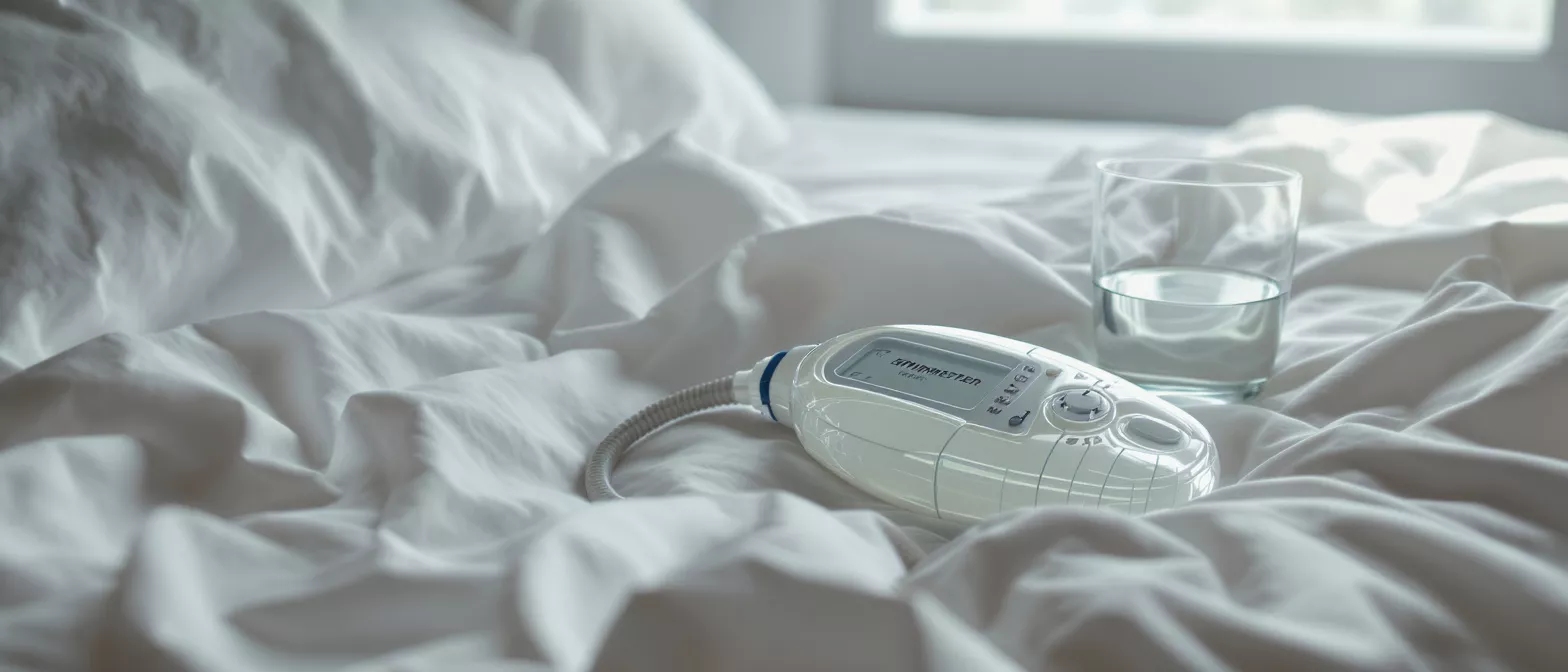
An incentive spirometer is a simple, handheld medical device designed to help patients take deep, controlled breaths. For patients preparing for or recovering from cardiac surgery, understanding this tool is a vital step in protecting respiratory health. The device typically consists of a clear plastic chamber containing a piston or a series of balls. As the patient inhales, the visual indicator rises, providing immediate feedback on the volume of air being drawn into the lungs.
Why does this matter for heart surgery patients? When you undergo surgery near the heart and lungs, your normal breathing pattern is temporarily altered. Anesthesia, pain medications, and the surgical incision itself can make you hesitant to take deep breaths. This device acts as a coach, encouraging you to expand your lungs fully and clear out stagnant air.
By providing a visual goal, the incentive spirometer turns an unconscious action into an active, measurable exercise. It is a foundational piece of respiratory therapy used in hospitals worldwide to prevent complications and speed up your return to normal daily activities.
How Does an Incentive Spirometer Work?
The mechanics of an incentive spirometer rely on basic respiratory physics. The device measures the volume of air you inhale and the speed at which you inhale it. When you place the mouthpiece in your mouth and create a seal, you must draw air through a connected tube. This suction lifts a marker inside the main chamber.
Understanding the flow rate and volume markers. The chamber features numerical markings that indicate the volume of air in milliliters or cubic centimeters (cc). Your respiratory therapist will set a target goal for you based on your age, sex, and physical condition. The goal is to inhale deeply enough to raise the marker to your prescribed line and hold it there for a few seconds.
Some devices use a flow gauge rather than a volume gauge, relying on small balls that must be kept suspended in the air stream. In either design, the purpose is the same: to provide instant visual feedback that ensures you are achieving a true, deep breath rather than a shallow sigh.
Why is an Incentive Spirometer Used After Surgery?
Preventing post-surgery breathing complications. Following cardiac surgery, patients often experience pain when expanding their chest, leading to shallow breathing. When the lungs are not fully expanded, the tiny air sacs at the very bottom of the lungs can collapse. This condition, known as atelectasis, can cause fever, shortness of breath, and increase the risk of pneumonia. Using an incentive spirometer keeps these air sacs open.
The body relies on a mechanism called the mucociliary escalator, where tiny hairs in the airways sweep mucus upward to be coughed out. Deep breathing keeps this system moving. When breathing is shallow, mucus pools in the lower lungs, creating an environment where bacteria can thrive. The deep breaths facilitated by the spirometer help loosen and mobilize these secretions.
Ultimately, this respiratory therapy device is used to maintain lung function and prevent infections. By actively engaging your lungs during the recovery period, you help your body maintain its oxygen exchange efficiency, which is critical for tissue healing and overall recovery.
How to Use an Incentive Spirometer
Proper technique is essential to get the full benefit from the device. Before beginning, sit upright in a chair or on the edge of your bed. If you cannot sit up, prop yourself up with pillows to achieve the most erect position possible, as lying flat restricts lung expansion. Hold the device upright, as holding it at an angle will give an inaccurate reading of your true lung volume.
Step-by-step deep breathing instructions. Place the mouthpiece in your mouth and close your lips tightly around it to form a complete seal. Exhale normally, then take a slow, deep breath in through your mouth. Focus on raising the marker to the target line set by your care team. Hold your breath for 2 to 3 seconds once the marker reaches the goal, keeping it suspended.
Remove the mouthpiece and exhale normally. Rest for a few seconds before taking another breath. Your nurse will show you how to record your highest volume in a logbook, allowing your medical team to track your lung recovery progress. a portable breathing exerciser is an excellent choice for maintaining this routine at home after discharge.
Incentive Spirometer Breathing Exercises
Building a daily routine with your incentive spirometer ensures consistent lung expansion. The exercises are not physically exhausting, but they require focus and commitment. You will typically be asked to perform a specific number of repetitions every hour while you are awake during your hospital stay.
Sustained Maximal Inspiration technique. This is the core exercise used with the device. It emphasizes a slow, deep inhalation followed by a breath hold. The goal is not to see how fast you can lift the marker, but rather how long you can keep it elevated at your target volume. This sustained hold allows the trapped air to push open any collapsed air sacs in the lower lobes of your lungs.
To complement the spirometer work, you will often be encouraged to practice diaphragmatic breathing. This involves placing a hand on your stomach and feeling it rise as you inhale. Combined, these exercises train your body to use its full lung capacity rather than relying on shallow chest breathing, which is common after thoracic surgery.
Incentive Spirometer Frequency and Goals
Consistency is the most important factor in postoperative respiratory recovery. Your medical team will set a specific schedule for using the device, which usually involves completing ten repetitions every waking hour. This frequent, structured approach prevents the lungs from resting in a collapsed or shallow state for too long.
Setting your lung capacity targets. Your target volume is not a static number; it will increase as you heal. The first day after surgery, your goal may be modest due to pain and fatigue. As your body heals and your confidence grows, you should aim to surpass your previous day's best effort. Tracking these numbers provides a clear, objective measure of your recovery progress.
- Hourly routine: 10 deep breaths every hour while awake.
- Daily progress: Aim to match or slightly exceed yesterday's best volume.
- Rest intervals: Take a short break between breaths to prevent dizziness from hyperventilation.
If you feel lightheaded while performing these exercises, stop and rest. It is normal to feel slightly dizzy initially as your body adjusts to the changes in oxygen and carbon dioxide levels, but pacing yourself will prevent discomfort and keep you on track.
Incentive Spirometer Benefits for Lungs
The primary benefit of using an incentive spirometer is the prevention of respiratory complications, but the advantages extend much further. By keeping the lungs fully expanded, the device helps maintain the natural elasticity of the lung tissue. This elasticity is crucial for efficient, effortless breathing long after the surgical incision has healed.
Improving oxygenation and heart recovery. When your lungs are functioning at their best, they deliver higher concentrations of oxygen to your bloodstream. This highly oxygenated blood is vital for wound healing, particularly after intensive heart surgery. The heart itself benefits from not having to work as hard to pump oxygen-depleted blood through the system.
Furthermore, the act of deep breathing exercises the muscles of the chest wall and the diaphragm. Post-surgery, these muscles can become stiff from inactivity or guarded posture. The deep, rhythmic stretching provided by the spirometer helps relieve this muscular tension, allowing for a more natural and comfortable breathing pattern. a postoperative lung expansion device directly supports this mechanical benefit.
Are Incentive Spirometers Safe?
Incentive spirometers are exceptionally safe and carry very few risks. The device is entirely external and relies on the patient's own respiratory effort to function. There are no electrical components or medications involved, making it a purely mechanical and natural way to support lung function during the healing process.
Risks and safety precautions. The most common issue patients face is temporary dizziness from breathing too quickly or forcefully. This is easily resolved by slowing down the breathing rate and taking adequate rests between repetitions. The device is designed for single-patient use to prevent cross-contamination, so keeping the mouthpiece clean and dry between uses is essential.
If you have recently had chest surgery, the act of deep breathing may cause some pulling or mild discomfort around the incision site. It is important to use a small pillow to splint your chest by hugging it tightly against your breastbone when you inhale. This provides physical support to the healing bone and tissue, making the exercises more comfortable and completely safe.
Incentive Spirometer Recovery Tips
To maximize the benefits of your respiratory therapy, integrate the device into your daily routine. Keep it on your bedside table or next to your favorite chair so it is always within reach. Setting an alarm or associating the exercises with regular daily activities, like finishing a meal or watching a television show, can help you remember your hourly schedule.
Managing pain to improve breathing. Pain is the biggest enemy of deep breathing. If you are in significant discomfort, you will naturally avoid taking deep breaths. Follow your pain management plan closely and take your medications as prescribed, as good pain control enables you to take the deep breaths required for lung recovery.
If you are having trouble producing a cough to clear secretions, ask your nurse about huff coughing techniques. This involves taking a moderately deep breath and forcefully exhaling the air with an open throat, rather than a violent cough. a respiratory therapy training tool used alongside these techniques ensures a safe, effective return to full respiratory health.
Best Lung Capacity Device for Post-Surgery Recovery
The standard volumetric incentive spirometer remains the gold standard for postoperative care in hospitals globally. Its straightforward design, featuring a clear visual marker and easy-to-read volume lines, makes it the most reliable tool for cardiac surgery patients. When you can see your progress, you are more likely to stay motivated and push for a full recovery.
- Visual feedback: Real-time tracking of inhaled volume keeps patients engaged and motivated.
- Adjustable goals: The sliding indicator allows medical staff to set precise targets tailored to your daily recovery status.
- Hygienic design: Single-use components prevent infections, a critical factor for immunocompromised or recovering surgical patients.
When choosing or utilizing a device, the most important factor is consistency rather than the specific brand. A simple, well-designed device used properly every waking hour is far more effective than a complex tool used sparingly. Trust your medical team's guidance on the specific model provided, as they have selected it to best meet your clinical needs and ensure your lungs heal perfectly.
In conclusion, an incentive spirometer is a powerful, simple ally in your recovery after heart surgery. By understanding how the device works and committing to a consistent routine, you actively prevent complications, improve your oxygen levels, and support your body's natural healing process. Your lungs, and your heart, will thank you for the effort.






