Supervised Exercise After Heart Surgery: Why It Matters
Supervised exercise after heart surgery rebuilds strength safely with a monitored cardiac rehab program.
Heart surgery is a major event, and the weeks afterward can feel uncertain. You may wonder when you will walk normally again, when you can climb stairs, and whether exercise will help or harm you. The answer, supported by decades of clinical experience and international guidelines, is that supervised exercise after heart surgery is one of the most reliable ways to rebuild strength safely. It is not a luxury or an optional extra; it is part of the treatment itself. In this guide we explain what it involves, how it is structured, and what you can realistically expect at each stage of recovery.
What Is Supervised Exercise After Heart Surgery?
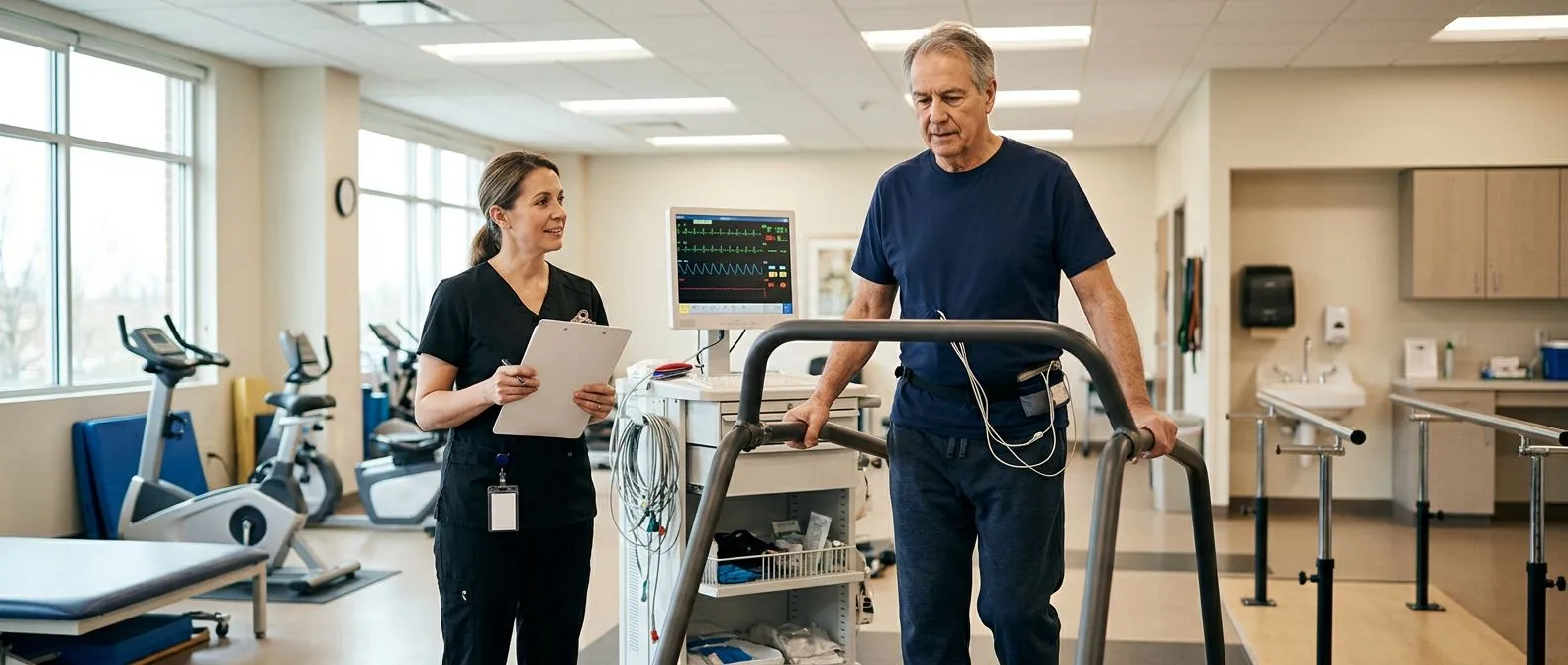
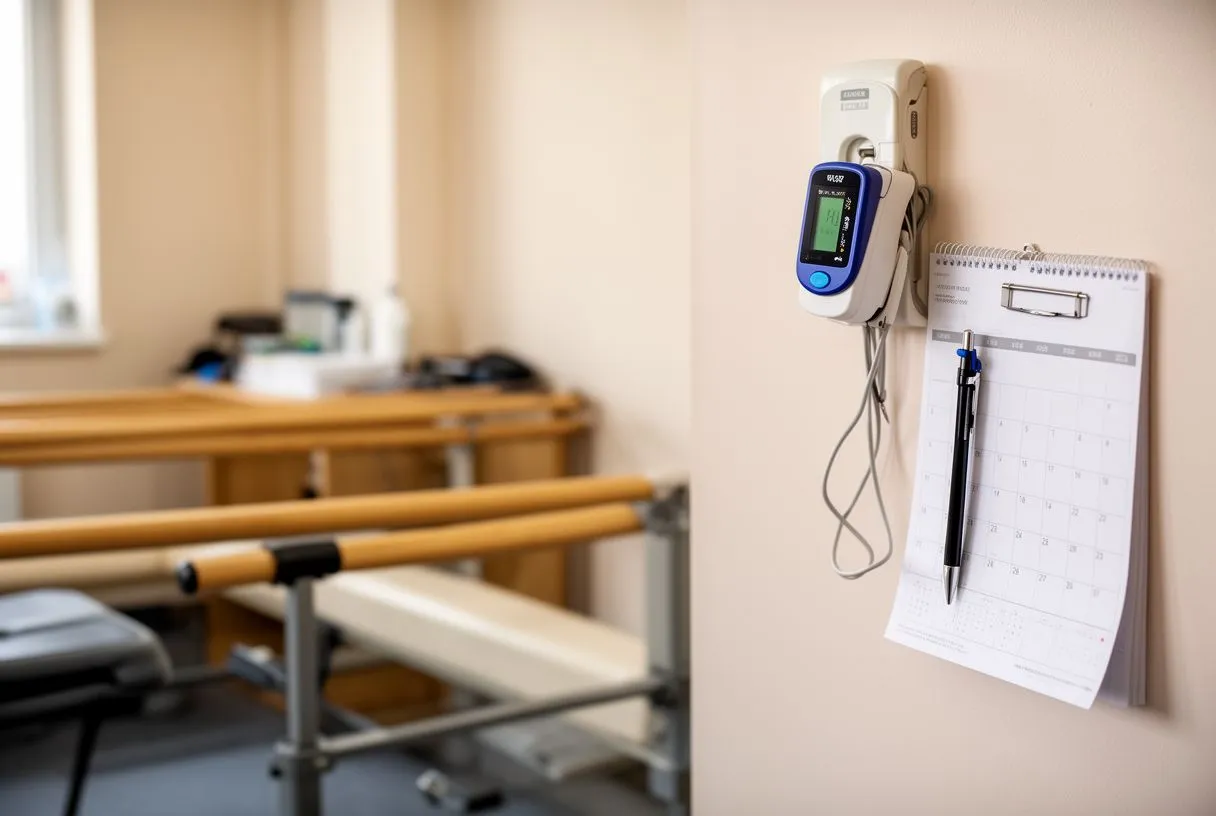
Supervised exercise after heart surgery means structured physical activity that is planned, monitored, and adjusted by a trained clinical team. It usually takes place in a rehabilitation setting where your heart rate, blood pressure, and symptoms are checked during and after each session. The program is sometimes called cardiac rehabilitation, and it typically combines exercise with education about diet, medications, and risk factors.
Why it is not the same as going to the gym: A regular gym workout does not account for your surgical history, your medications, or the way your heart responds to effort right now. Supervised exercise is prescribed in doses, like medication. The team knows how much activity your heart can tolerate this week and how to increase it safely next week.
Who benefits: Patients recovering from coronary artery bypass grafting, valve repair or replacement, and other cardiac procedures all benefit from structured exercise. Major cardiology bodies such as the European Society of Cardiology recommend cardiac rehabilitation as a core component of recovery after cardiac surgery and cardiovascular events. The evidence is consistent: patients who complete a supervised program recover function faster and return to daily life with more confidence.
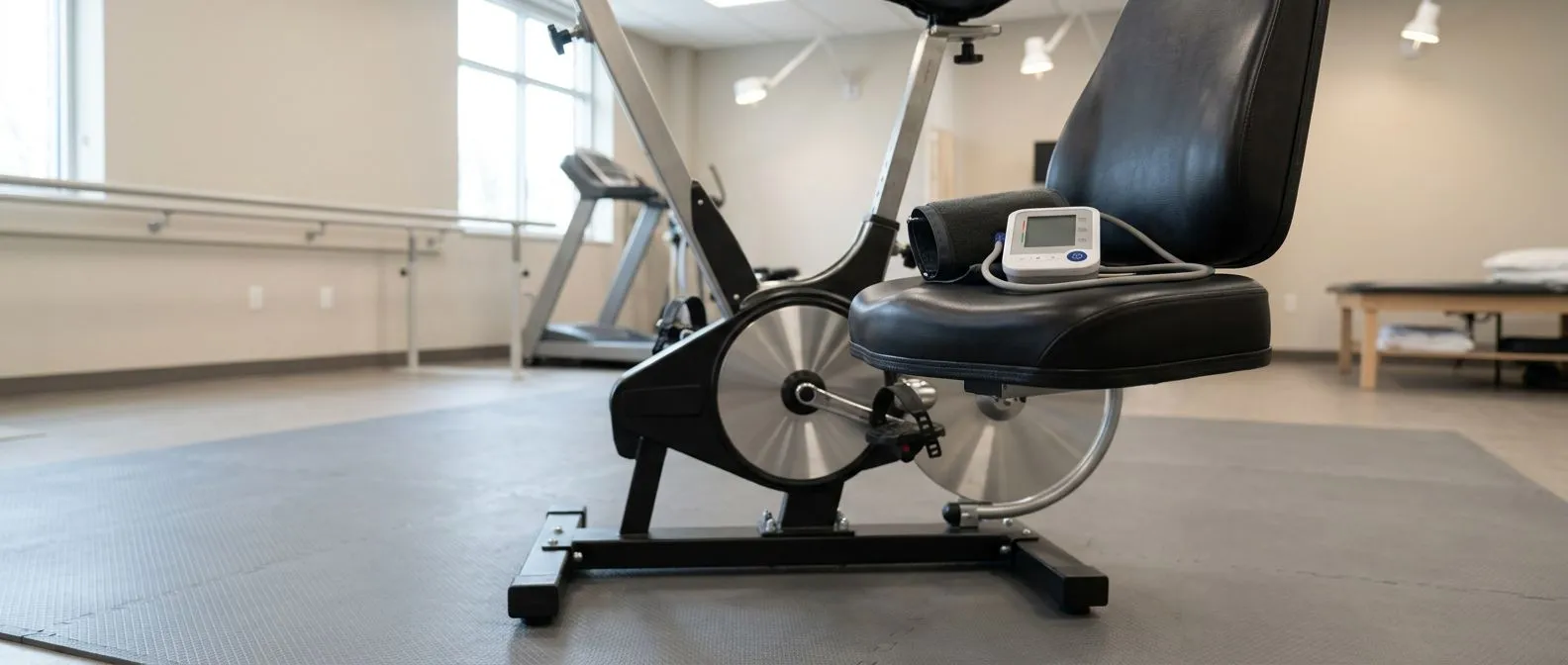
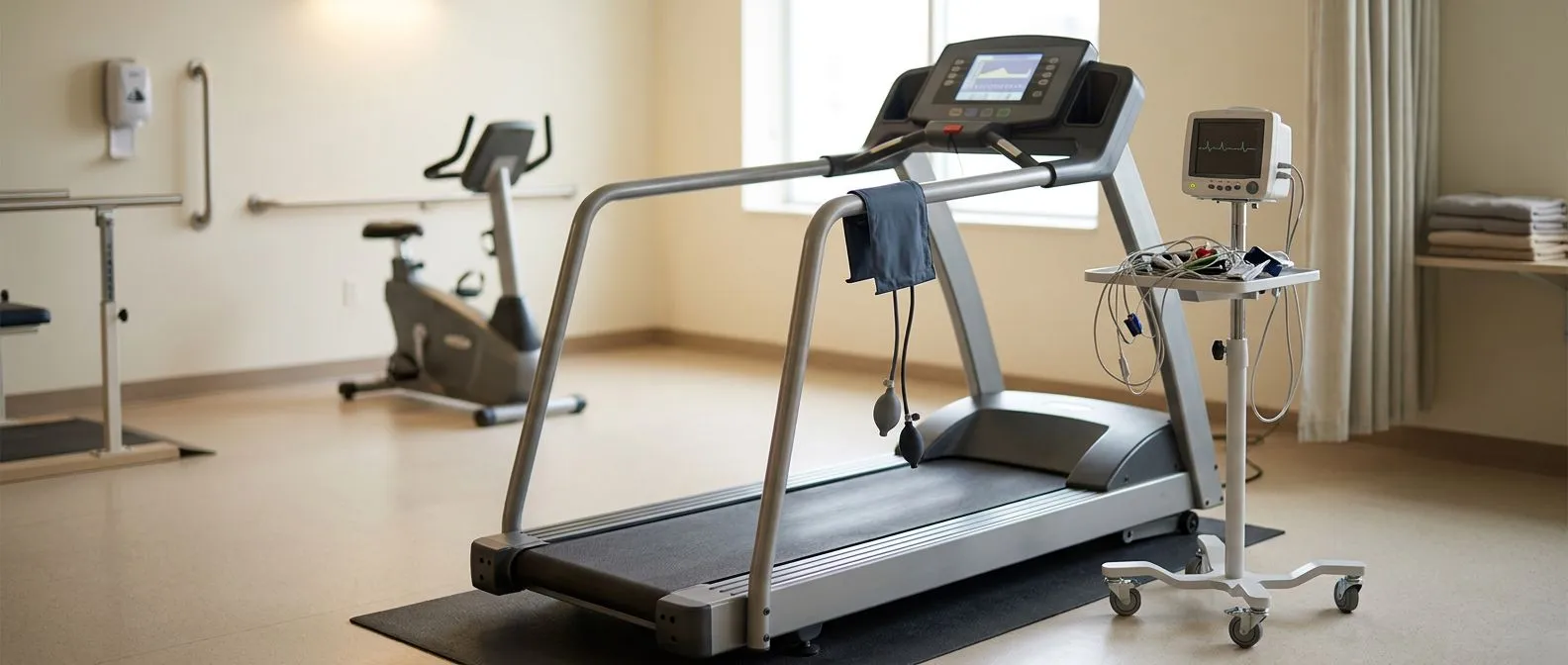
What it looks like in practice: Most programs begin with walking and gentle movement, then progress to stationary cycling or treadmill work, and eventually include light resistance training. Every session happens under observation until the team confirms your body is responding as expected.
How Supervised Exercise Works During Recovery
Surgery places a real physical stress on the body. Beyond the heart itself, the chest muscles, lungs, and legs often lose strength and mobility during hospitalization. Even a short stay in bed can cause noticeable muscle loss. Supervised exercise reverses this deconditioning in a controlled, gradual way.
The cardiovascular mechanism: Regular, correctly dosed exercise improves the efficiency of the heart muscle and the peripheral blood vessels. It helps the muscles extract oxygen more effectively, which means the same daily activity feels easier with each passing week. It also improves blood pressure control and insulin sensitivity, both of which matter for long-term heart health.
Why supervision matters: After surgery, your heart rate and blood pressure may respond differently to effort than they did before. Some medications, such as beta blockers, deliberately cap your heart rate. A supervised program uses these numbers to calculate the correct intensity for you, so you work hard enough to improve without ever pushing past a safe ceiling.
What our team does: We review every case as a multidisciplinary team, and we explain in plain words what the studies show and what the alternatives are, so the final decision always rests with you. We encourage second opinions and treat seeking one as a normal part of deciding about heart surgery.
When Does Supervised Exercise Start After Heart Surgery?
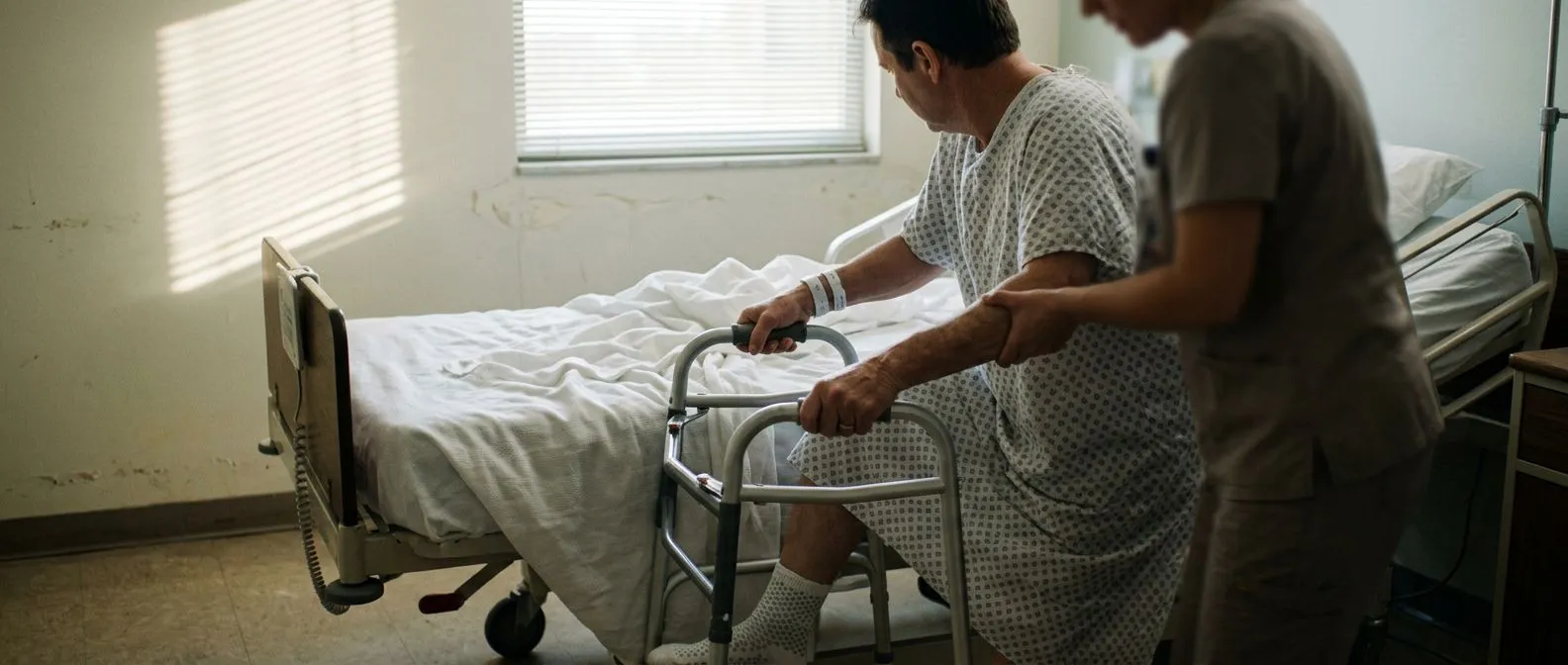
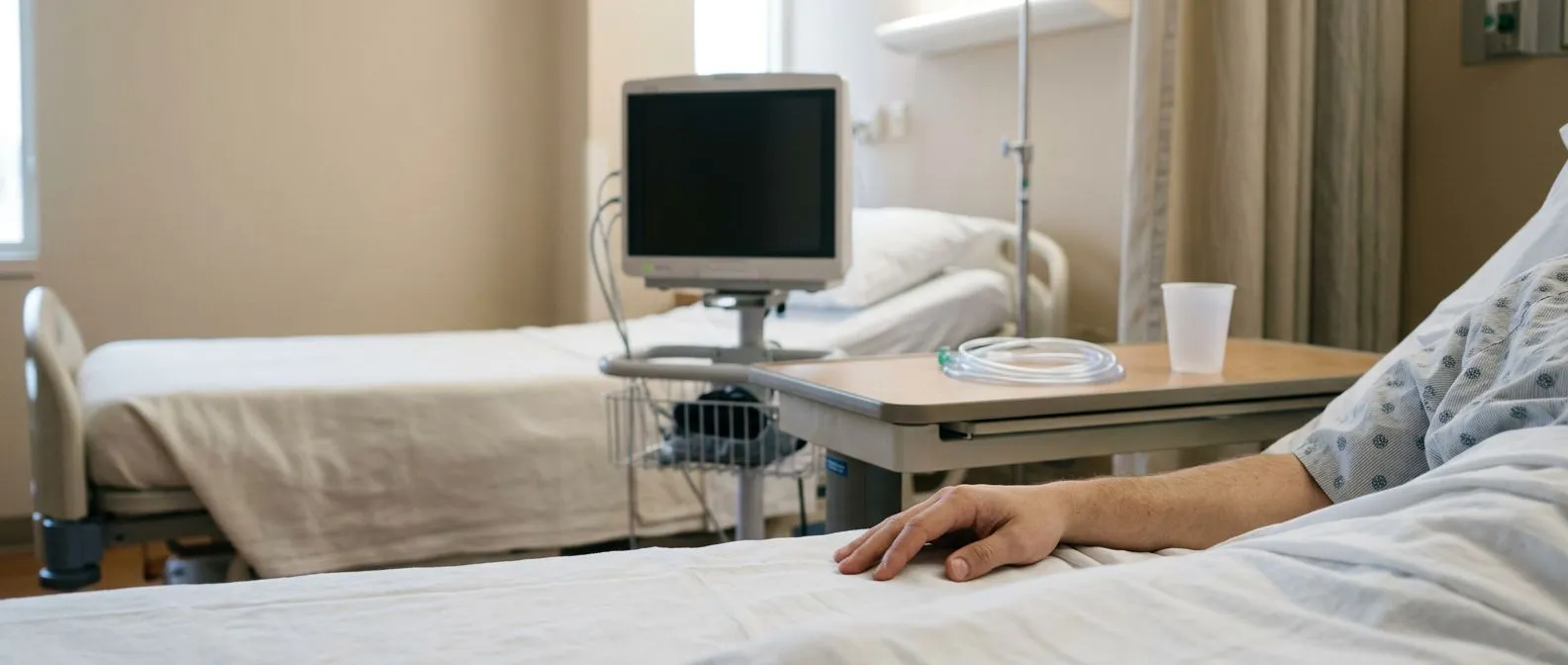
Recovery begins before you leave the hospital. In most cases, patients are encouraged to sit up and walk short distances within the first day or two after surgery. This early mobilization is the first phase of supervised exercise, and it is done under nursing observation to prevent complications such as blood clots and lung problems.
The first two weeks: After discharge, the focus is on gentle walking, typically a few minutes at a time, several times a day. The goal is consistency, not intensity. You should be able to talk while walking. If you feel chest pain, unusual breathlessness, or dizziness, the activity is too much for that stage.
Formal rehabilitation starts: A structured outpatient program usually begins a few weeks after surgery, once your surgical team has confirmed your incision is healing and your heart rhythm is stable. In our experience, patients in Guadalajara, Querétaro and Hermosillo who start a structured program on schedule recover confidence in daily activities noticeably sooner. The first contact is a free video consultation, where we get to know the patient, talk through the condition, and say which studies are still needed so no unnecessary ones are ordered.
What Are the Four Stages of Supervised Exercise?
Most cardiac rehabilitation programs are organized into four recognizable phases. Understanding them helps you know where you are and what comes next.
- Phase 1 — In-hospital mobilization: Sitting up, standing, and short walks in the hospital corridor, with monitoring of heart rate and oxygen levels.
- Phase 2 — Early supervised recovery: Shortly after discharge, structured but gentle walking, breathing exercises, and education about warning signs.
- Phase 3 — Supervised outpatient program: Regular monitored sessions on treadmills, cycles, and light resistance equipment, usually two to three times a week for several weeks.
- Phase 4 — Long-term maintenance: Independent exercise at home or in a community setting, with the habits and self-monitoring skills learned in phase 3.
Each phase has clear entry and exit criteria. The team confirms your heart rate response, blood pressure, and symptoms are appropriate before advancing you. This is the essential difference between a structured program and simply exercising on your own: the progression is earned by measured data, not by how you feel on a given day.
What Is a Progressive Exercise Program?
A progressive exercise program is one where the demands increase gradually over time, in planned steps. After heart surgery, progression is deliberately slow and always individualized. The principle is simple: challenge the body slightly more than it is used to, then let it adapt before increasing again.
How progression is measured: Teams often use a perceived exertion scale, where you rate how hard the effort feels from very light to very hard. Early sessions might target a level of 11 to 12 on a 20-point scale, while later sessions may reach 13 to 14. Heart rate targets and walking distance or cycle time are tracked in parallel.
What is a progressive exercise: In practice, it means starting with five minutes of slow walking and building, week by week, to thirty minutes of continuous moderate activity. Later, light resistance work with bands or small weights may be added, especially for the arms and trunk, which are weakened by the chest incision.
Why restraint is part of the plan: Patients often feel ready to do more before the tissue has healed. The sternum, the breastbone divided during open heart surgery, needs several weeks to knit back together. A supervised program protects you from the most common early mistake: doing too much, too soon.
Is Supervised Exercise Safe After Open Heart Surgery?
This is one of the questions patients and families ask most often, and the answer is reassuring: when properly dosed and monitored, exercise is safe and beneficial after open heart surgery. The risk of a serious event during supervised cardiac rehabilitation is very low, and the team is present and prepared precisely because of that history.
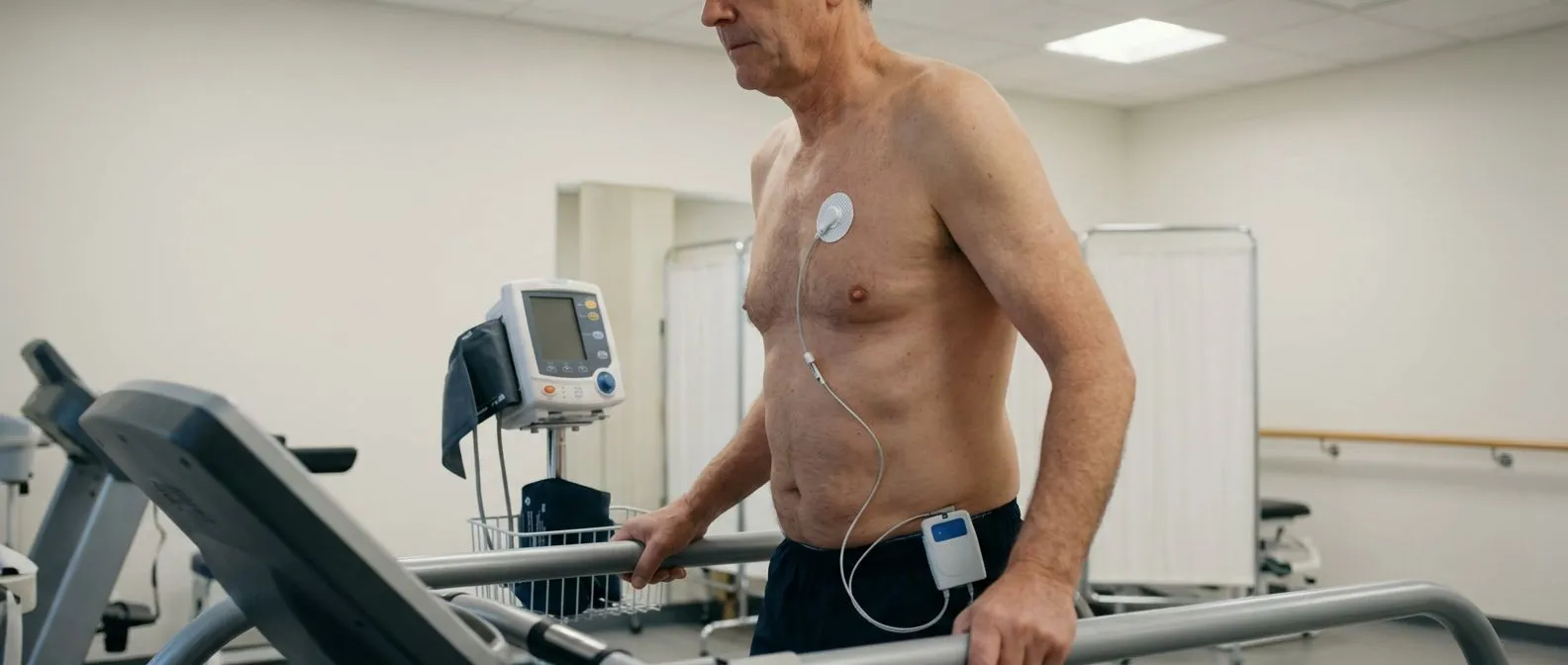
The safety checks in place: Before your first session, the team reviews your recent tests, including an exercise ergometry study when indicated, which measures how your heart responds to controlled effort on a treadmill or cycle. During each session, your heart rate and blood pressure are recorded, and staff are trained to recognize and respond to any abnormal rhythm or symptom immediately.
When complications appear: Rarely, exercise testing can reveal unexpected findings, such as signs of inflammation of the heart muscle after viral illness or an unusual response to stress. The published medical literature on using exercise testing to evaluate athletes for post-COVID myocarditis shows how carefully this is studied, and the same vigilance applies to post-surgical patients. The goal of supervision is not only to help you improve but to catch anything unusual before it becomes a problem.
What we watch for: In our practice, every case is reviewed against international practice guidelines before any recommendation is made, and the patient receives a clear proposal with the alternatives. We take the time to explain what the studies actually show, in plain words, and to answer every question before any decision.
Exercise Tolerance After Heart Surgery: How It Is Measured
Exercise tolerance after heart surgery is the medical term for how much physical activity your heart and body can handle before symptoms appear. It is one of the most useful numbers in your recovery, because it gives the team an objective picture of progress rather than relying on memory or impressions.
How it is measured: The most common method is an exercise ergometry test, sometimes called a stress test. You walk on a treadmill or pedal a cycle while the machine gradually increases the workload. Your heart rate, blood pressure, electrocardiogram, and symptoms are recorded throughout. The result tells the team both where you are and what your safe training range should be.
Why it matters for you: Knowing your tolerance lets you plan realistic goals. Instead of wondering whether climbing two flights of stairs is dangerous, you have data that says your heart can handle a certain level of effort. This is the difference between anxiety and confidence during recovery.
How it is used over time: Many programs repeat the test at several points during recovery, for example at the start of the outpatient program and again after a few months. Improvement in the measured distance or time is one of the clearest signals that the heart is recovering well.
Heart Surgery Recovery Timeline for Exercise
Every patient recovers at a different pace, but a general timeline helps you set expectations. The following is a broad pattern based on established clinical practice; your own team will adjust it to your case.
- Weeks 1–2: Short walks several times a day, breathing exercises, careful movement around the house. Stair climbing is allowed in moderation with support.
- Weeks 3–6: Walking distance increases steadily; a formal outpatient program often begins. Gentle shoulder and arm mobility work protects the healing incision.
- Weeks 6–12: Moderate continuous activity, stationary cycling or treadmill sessions under supervision, and light resistance training usually introduced.
- After 3 months: Most daily activities return to normal, and the sternum is typically well healed. Some patients begin returning to work or gentle recreational sport, guided by their surgeon's assessment.
Two practical notes: driving is generally resumed after the sternum has healed, and lifting anything heavier than a few kilograms with the arms is restricted for several weeks to protect the breastbone. Your surgeon will give you the exact dates for your case. Our team works across valve disease, coronary disease, the aorta and structural heart conditions, and we recommend the less invasive route only where the evidence supports it for that patient, because recovery timelines differ between conventional and minimally invasive approaches.
What Should You Do at Home Between Sessions?
Supervised exercise does not replace home activity; it prepares you for it. Between sessions, the daily walking program is where most of the improvement happens. The supervised sessions are the checkpoint, the moment where the team measures progress and adjusts the plan.
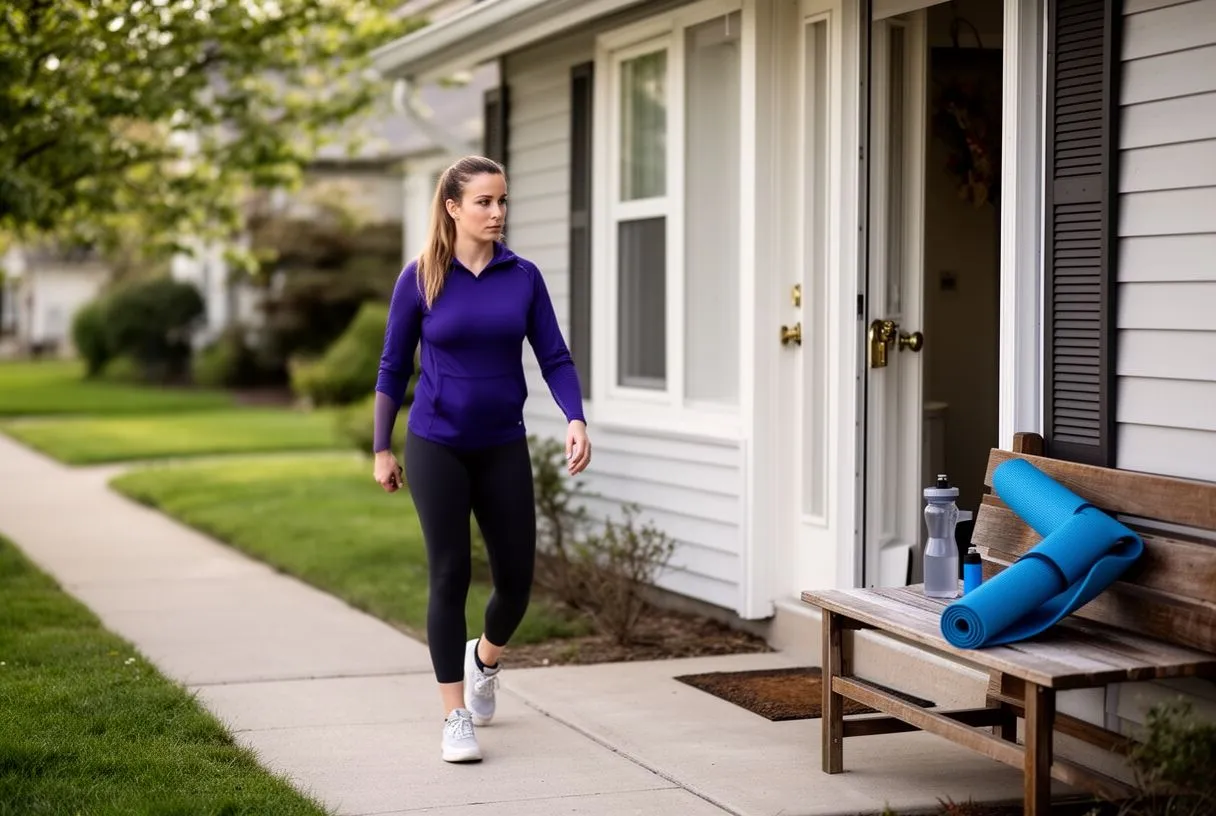
Building a daily walking habit: Most patients are prescribed a daily walk, starting with ten minutes and building gradually. The simple rule is to walk at a pace where you can still hold a conversation. Keeping a short log of duration and how you felt helps the rehabilitation team see your week at a glance.
Breathing and incision care: Deep breathing exercises, learned in hospital, remain important for several weeks. They help the lungs expand fully after surgery and reduce the risk of chest infections. Holding a pillow or cushion against the chest incision when you cough or sneeze reduces discomfort.
Warning signs to stop and report: Chest pain or pressure, breathlessness that does not settle with rest, dizziness, palpitations, or new swelling in the legs are all reasons to stop and contact your medical team. These are uncommon, but knowing them is part of your safety net.
How to Choose Supervised Exercise in Guadalajara
If you are looking for supervised exercise in Guadalajara, or elsewhere in Mexico, knowing what to look for will help you choose a program you can trust. The quality of a program depends far less on the equipment than on the people and the process behind it.
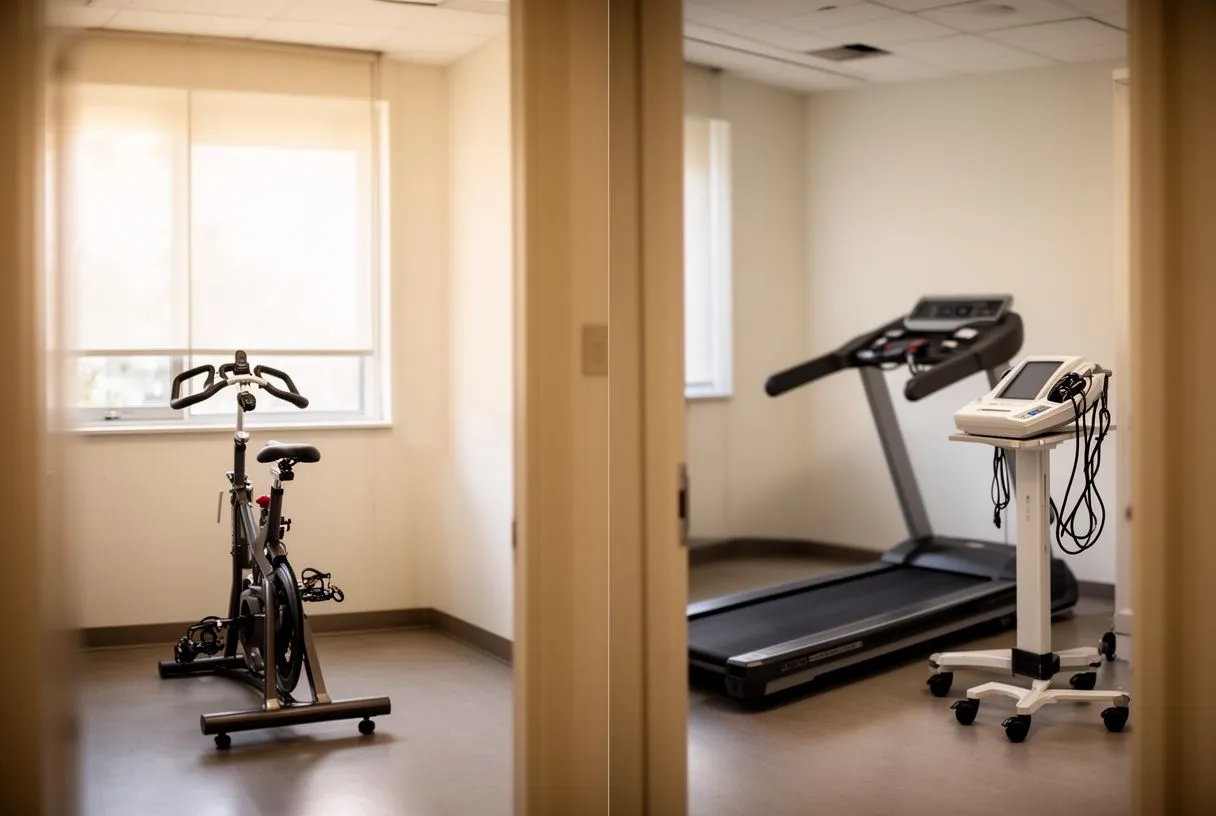
What to look for in a program: A credible program includes an initial assessment before the first session, individualized heart-rate targets, monitoring during exercise, and a defined plan for progression. It should be run by or with a medical team, not a commercial gym, and it should include education about diet, medications, and risk factors.
- Individualized assessment: Your program should start from your own test results, not from a generic template.
- Medical oversight: Sessions should be led by trained professionals who can interpret your numbers and respond to any warning sign.
- Clear communication: The team should explain what each session is for and what progress looks like, in words you understand.
- A team you can question: You should feel comfortable asking about the evidence behind any recommendation.
Our perspective on choosing care: In our practice, patients are seen by a multidisciplinary team of cardiac surgeons led by Dr Alejandro Molina, with consulting rooms in Guadalajara, Querétaro and Hermosillo. Dr Molina trained in cardiothoracic surgery at the Universidad de Guadalajara, in cardiac, minimally invasive, robotic and structural surgery at the University of Montreal, and in structural cardiology and TAVR at CHU Bordeaux, and the team has also trained at Jena, Bad Berka and Buffalo. We encourage every patient to compare options and seek a second opinion; we believe that a well-informed decision is always the better one.
Supervised exercise after heart surgery is not an optional add-on to your treatment. It is the bridge between leaving the operating room and returning to the life you had before: walking without fear, climbing stairs, playing with your grandchildren, and returning to work. The structure is simple, the phases are clear, and the safety checks are built in. The one thing that makes the difference is consistency, and the one thing that makes consistency possible is knowing you are doing it safely.
Here is a summary of the key points:
- Supervised exercise is treatment: Structured, monitored activity is a core part of recovery after heart surgery, not a lifestyle extra.
- Progression is gradual and measured: Your program advances based on objective data, not on how motivated you feel on a given day.
- Safety is engineered in: Heart rate targets, blood pressure monitoring, and trained staff make serious events rare.
- Home activity matters: Daily walking between supervised sessions is where most of the improvement happens.
If you or a family member is recovering from heart surgery, or you are planning an operation and want to understand what recovery will involve, the best next step is to talk to a qualified cardiac team about your specific situation. In our practice, the first contact is a free video consultation: we listen to your history, explain your condition in plain words, and tell you which studies are still needed before any recommendation is made. You are never asked to decide about surgery without understanding the alternatives first. Book a consultation and let a cardiac team review your case with you, so the decision about your heart is made calmly, with the right information.