Psychological Support Through Heart Surgery
Psychological support heart surgery patients need—learn coping strategies for anxiety, recovery, and emotional healing.
Psychological support heart surgery patients receive before, during and after an operation is not a luxury — it is part of the treatment itself. If you or someone in your family has been told that a valve needs repair or a bypass is on the table, the worry that follows is normal. This guide explains what emotional support actually looks like, who provides it, and how it changes outcomes at every stage of a cardiac journey.
Psychological Support Through Heart Surgery: What It Really Means
What is psychological support? In plain words, it is any structured help — counseling, education, reassurance, or therapy — that helps you manage fear, sadness and uncertainty while your heart condition is treated. It does not replace surgery or medication. It runs alongside them, so your mind is as prepared as your body.
For heart patients, this support matters because the heart and the mind are physically linked. Anxiety raises heart rate and blood pressure, and long-term stress can worsen cardiovascular disease over time — a relationship large population studies have explored using genetic data to test cause and effect, including work on the MR-Base platform, which supports systematic causal inference across the human phenome (Europe PMC). Feeling calm is not just comfort. It is physiology.
Good support is also practical. It means knowing what the operation involves, what recovery day three feels like, and who to call when a strange sensation appears at 2 a.m. Uncertainty feeds anxiety. Clear information starves it.
Why Does Heart Surgery Anxiety Happen?
Heart surgery anxiety help starts with understanding why the fear appears in the first place. The heart is the organ we feel — every flutter and racing beat is noticed. When doctors talk about opening the chest or replacing a valve, the imagination fills the gaps with worst-case scenes, and that imagination is often louder than the reality.
Coping with heart surgery fear becomes easier once you separate two kinds of worry. One is realistic concern: asking about risks, recovery time, and alternatives. That kind of worry deserves answers, not reassurance. The other is anticipatory anxiety — the mind rehearsing scenarios that, in most cases, never happen.
In our consultation rooms in Guadalajara, Querétaro and Hermosillo, we take the time to explain what the studies actually show, in plain words, and to answer every question before any decision is made — because a patient who understands the plan is almost always a calmer patient.
Four Types of Support: Who Helps You Cope?
Researchers often describe what are the four types of support as distinct layers that work together. Knowing which layer you are missing helps you ask for the right thing instead of hoping a single person covers everything.
- Emotional support: listening, empathy, and a safe place to say "I'm scared" without judgment — from family, friends, or a counselor.
- Informational support: clear explanations of your condition, the procedure, and recovery milestones from your medical team.
- Practical support: rides to appointments, meals during recovery, help with medications and wound care at home.
- Companionship support: the sense of belonging — someone walking beside you, even in silence, so you do not face it alone.
Most patients lean naturally on family for practical and emotional support, and on the medical team for information. The gap people most often forget is companionship — which is where support groups and peer communities fill in beautifully.
What Are the 7 Psychosocial Supports?
What are the 7 psychosocial supports? is a question that comes up often in patient forums, and the answer describes a full circle of care around a person facing a health crisis. These supports work best in combination, not one at a time.
- Family connection: stable, honest relationships that reduce isolation during recovery.
- Professional counseling: therapy or counseling from a psychologist trained in medical or health psychology.
- Medical team communication: a surgeon and cardiologist who explain, listen, and never rush your questions.
- Peer groups: other patients who have walked the same road and can describe it from the inside.
- Self-management skills: breathing techniques, mindfulness, pacing, and sleep habits you control yourself.
- Community resources: faith communities, patient associations, and cardiac rehabilitation programs.
- Reliable information: trustworthy educational material — not internet rabbit holes at midnight.
If your circle is missing one or two of these, that is the place to start. You do not need all seven perfectly in place before surgery — you need to know which ones are thin and strengthen them deliberately.

Pre Surgery Counseling for Heart Patients
Pre surgery counseling heart patients receive before an operation is one of the most underused tools in cardiac care. A session or two with a health psychologist before surgery can teach you breathing techniques, address catastrophic thinking, and give you a mental "script" for the hours before the operation — when nerves peak.
What happens in a counseling session? Nothing mysterious. You talk through your specific fears — being unconscious, the sternum, the ICU — and the counselor replaces vague dread with concrete expectations. Patients who know what the ICU beeping means sleep better in it. Patients who know chest soreness is normal panic less when it appears.
As a multidisciplinary team of cardiac surgeons led by Dr Alejandro Molina, we review every case together against international practice guidelines before recommending anything, and we encourage second opinions — we treat seeking one as a normal part of deciding about heart surgery, not as a betrayal of your surgeon.

Stress Management and Mindfulness Heart Surgery Recovery
Stress management heart surgery patients practice after the operation is just as important as before. Recovery is a strange period: the chest is healing, energy is low, and the mind asks "will I ever feel normal again?" Mindfulness — simply noticing the present moment without judging it — is a proven, drug-free way to soften that spiral.
Mindfulness heart surgery recovery in practice: ten minutes of slow breathing while lying down, a short guided meditation from an app, or a mindful walk where you only pay attention to your footsteps and breath. These are not spiritual claims; they are techniques studied extensively in cardiac populations and recommended in many recovery programs as part of cardiac rehabilitation mental health support.
Start small and start early. A technique practiced for the first time at 3 a.m. in a hospital bed rarely works. A technique practiced calmly for two weeks before surgery becomes a reflex you can actually use when it counts.
Sleep Problems After Heart Surgery
Sleep problems after heart surgery are nearly universal in the first weeks, and knowing that in advance is itself a form of psychological protection. Pain when rolling over, the residual effect of anesthesia and pain medication, an overactive mind, and a changed daily rhythm all conspire against rest.
What helps? Treat sleep as part of your medical recovery, not a personal failing. Take prescribed pain medication on schedule rather than waiting for pain to peak, keep naps short and before mid-afternoon, avoid screens late at night, and use the slow-breathing techniques from your counseling sessions as a bridge into sleep.
If sleeplessness persists beyond a few weeks, or you find yourself dreading nights, tell your cardiac team rather than a friend. Persistent insomnia can worsen both mood and blood pressure, and it usually responds well once someone takes it seriously.

Depression After Heart Surgery: When Is It More Than the Blues?
Depression after heart surgery deserves its own section because it is common, real, and treatable. Feeling flat or tearful in the first week is normal — you have been through a major physical event. But when low mood, loss of interest, and hopelessness persist for weeks and start to interfere with walking, eating, or attending rehabilitation, that crosses into clinical territory.
Why does it happen? Major surgery is a physical and inflammatory stress on the body, and cardiac patients as a group have higher rates of depression than the general population. For some people, surgery follows a frightening event — a heart attack, an emergency admission — and therapy for heart surgery patients in these cases sometimes needs to address trauma responses as well as low mood.
What are some common psychological disorders after cardiac events? The most frequent are adjustment difficulties, depression, anxiety disorders, and, after traumatic cardiac events, symptoms resembling post-traumatic stress. If you recognize yourself in any of these, cardiac surgery psychological care — ideally from a professional who works with heart patients — makes a genuine difference, and it should be raised with your team as openly as a chest symptom would be.
Patients who report their mood changes honestly during follow-up tend to recover more smoothly, so sleep, spirits and energy deserve attention at every review — not only the incision and the echocardiogram.
Heart Surgery Support Groups and Family Support
Heart surgery support groups put you in a room — physical or virtual — with people who have literally been where you are. Hearing someone describe their first week home, in their own words, often reassures more than any brochure, because the details are lived rather than written.
Family support heart surgery patients need is equally important, but families need support too. Watching a parent or partner go through open heart surgery is frightening, and caregivers frequently neglect their own sleep, meals and emotions. A well-supported caregiver is a better caregiver — that is not selfishness, it is logistics.
How to deal with a mentally unstable family member during this time? If someone close to you is reacting to the surgery with extreme anger, panic, or behavior that frightens you, keep responses calm and factual, avoid arguing mid-crisis, and encourage professional help — a brief conversation with their doctor or a counselor can redirect things before they escalate. You are not their therapist, and holding that boundary protects both of you.
Rebuilding Confidence After Cardiac Surgery
Confidence rebuilding after cardiac surgery happens in small, deliberate steps, not in a single leap. Walking to the mailbox, climbing one flight of stairs, returning to a hobby — each completed task tells your nervous system that your body is trustworthy again. Skipping stages, in either direction, tends to backfire.
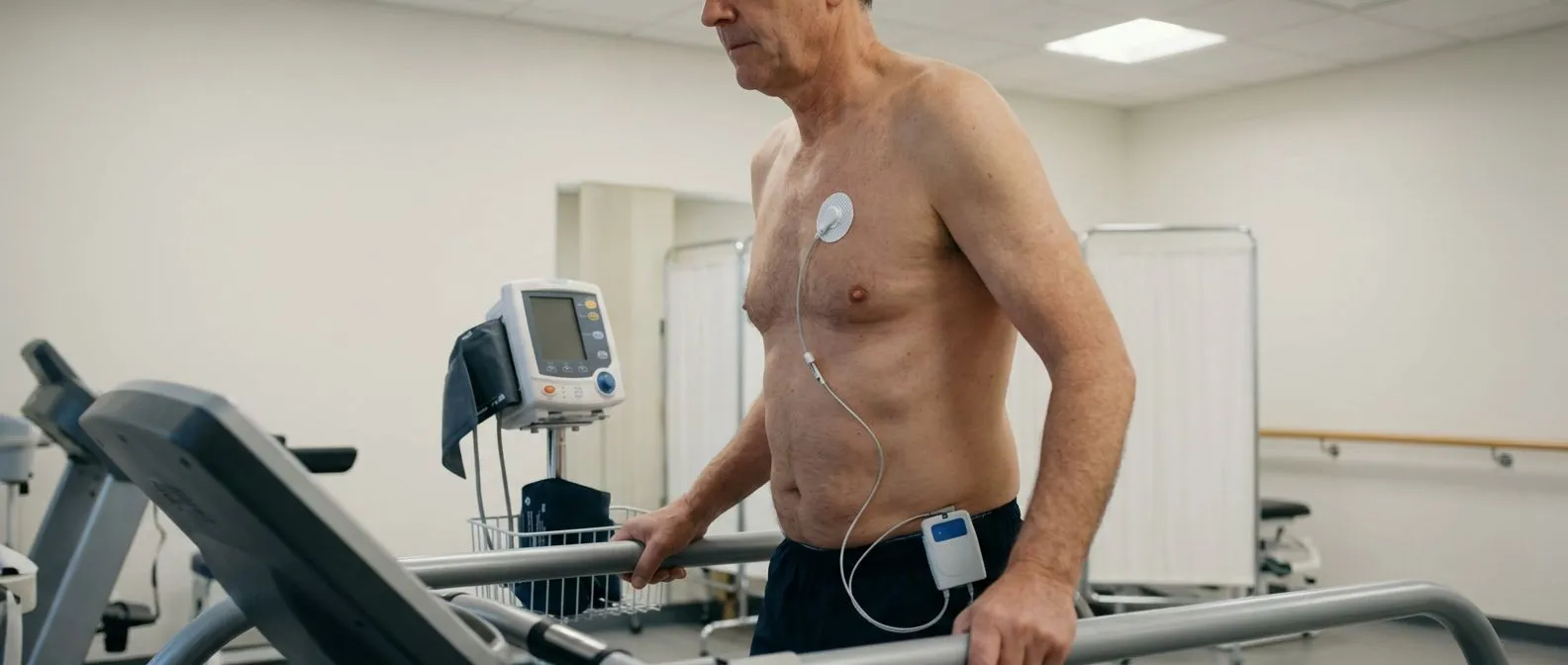
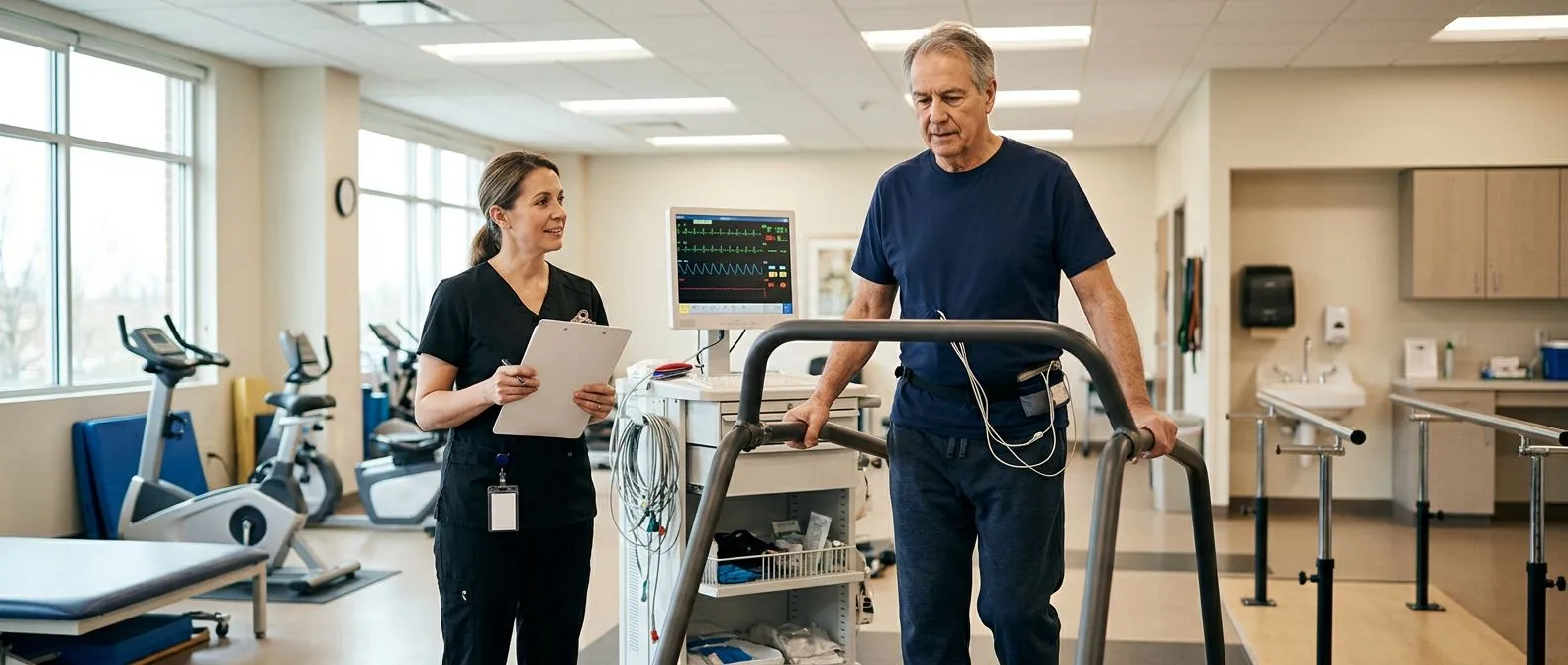
Emotional support cardiac surgery patients need at this stage often comes from cardiac rehabilitation programs, where supervised exercise is paired with education and, in good programs, psychological check-ins. Progress there is measured and visible, which converts vague fear into concrete evidence: your heart is recovering, and so are you.
Our team performs conventional, minimally invasive, robotic and transcatheter procedures — including TAVR for aortic stenosis, an approach studied in trials such as REPRISE II with the Lotus valve system (ClinicalTrials.gov) — and we recommend the less invasive route only where the evidence supports it for that specific patient.
The first step is simple: a free video consultation where we get to know you, talk through your condition, and tell you which studies are still needed — so no unnecessary tests are ordered — and a face-to-face visit follows only when you decide to go ahead.
Psychological support heart surgery teams provide — counseling, honest answers, family inclusion, and follow-up that asks about your mind as well as your chest — is not an extra. It is part of good cardiac care, and it is yours to ask for. Every fear named out loud is a fear that shrinks. Bring your questions, bring your family, and let a qualified cardiac team help you decide what is right for your own heart.