Phase II Cardiac Rehabilitation: The Outpatient Programme
Phase II cardiac rehabilitation is your outpatient recovery path after heart surgery.
If you or a loved one has just come through a heart attack, bypass surgery, a valve procedure or an angioplasty, you have probably heard the words phase ii cardiac rehabilitation and wondered what they actually mean. In simple terms, this is the supervised outpatient stage of recovery: you attend a structured programme at a clinic or hospital, usually a few times a week, where exercise, education and emotional support are combined to help your heart — and your confidence — rebuild safely. This guide walks you through what each phase involves, who qualifies, what the sessions look like, and how to judge whether a programme near you is right for your situation.
What Is Phase II Cardiac Rehabilitation?
Phase II is the first stage of recovery that happens outside the hospital. During your hospital stay, the care team helps you sit up, walk short distances and regain basic independence. Once you are discharged, the work of building real strength begins — and doing it alone, without guidance, can feel intimidating.
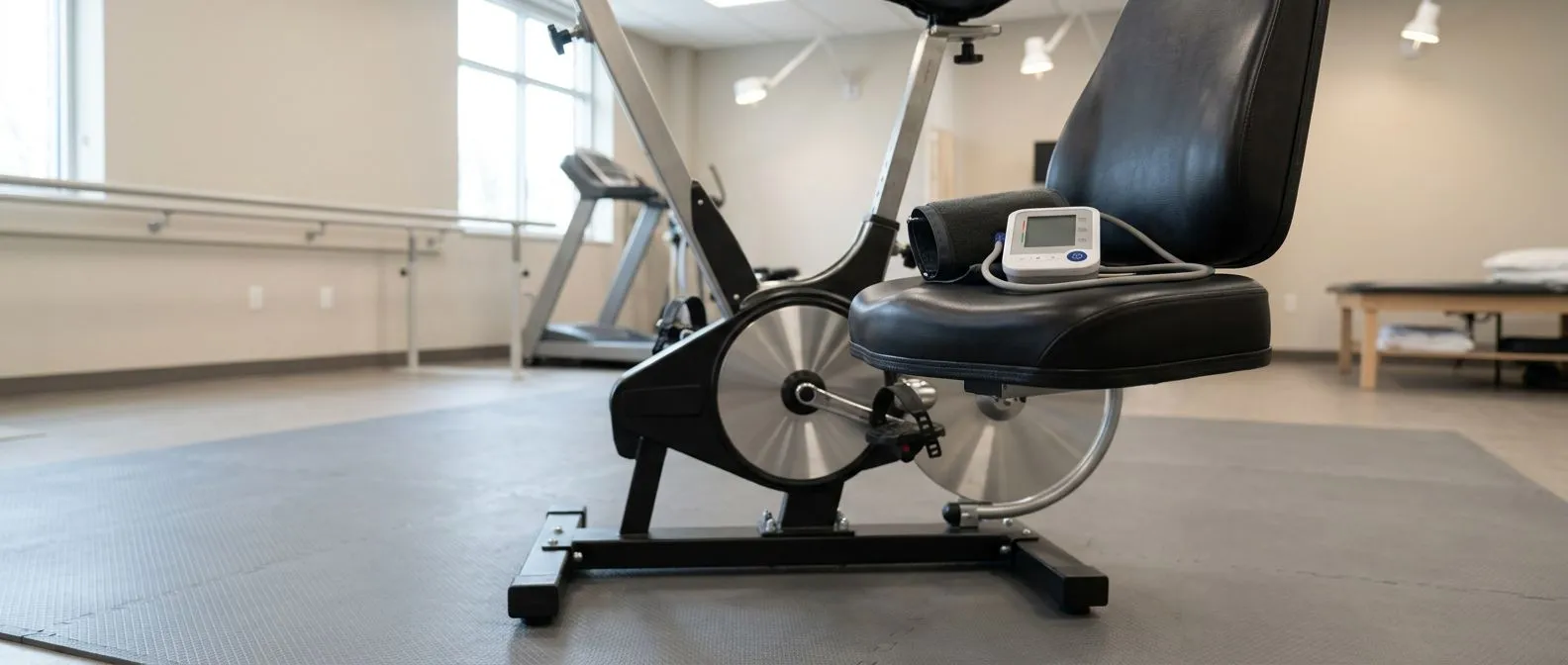
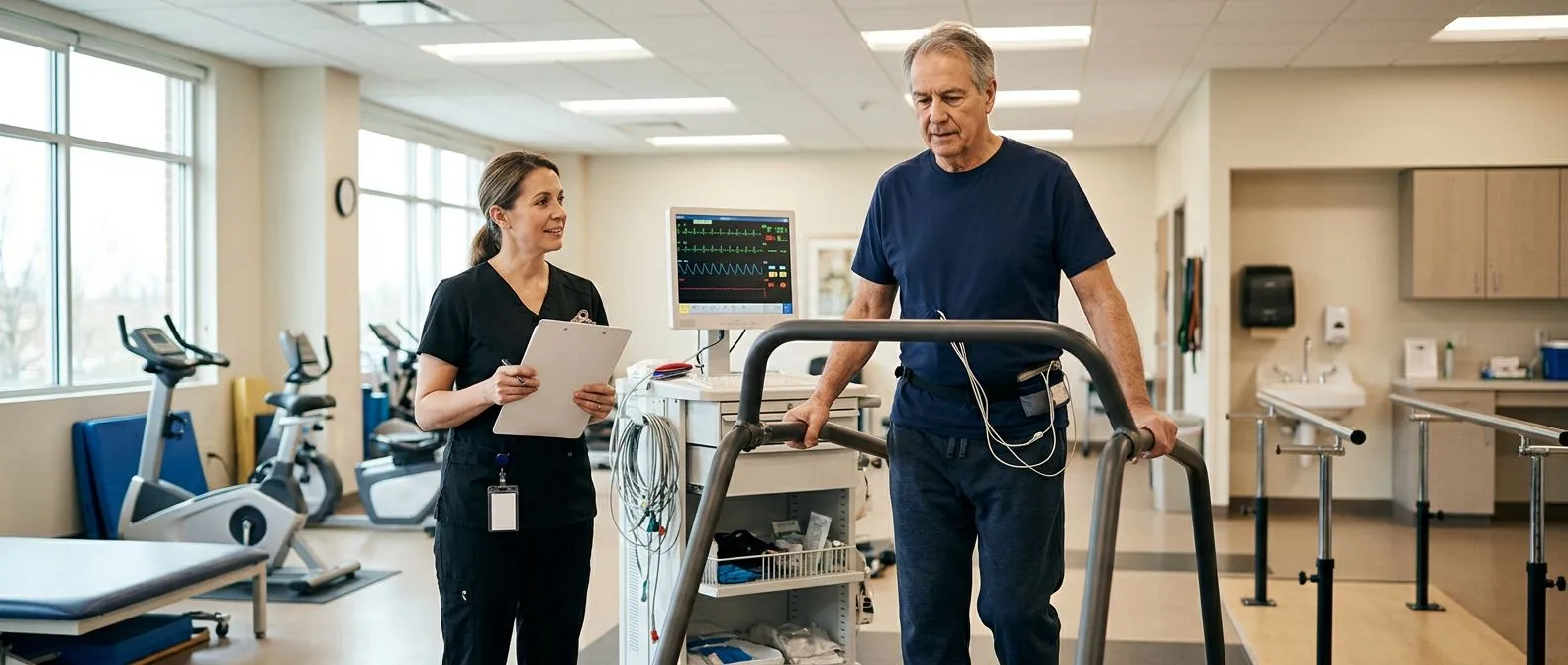
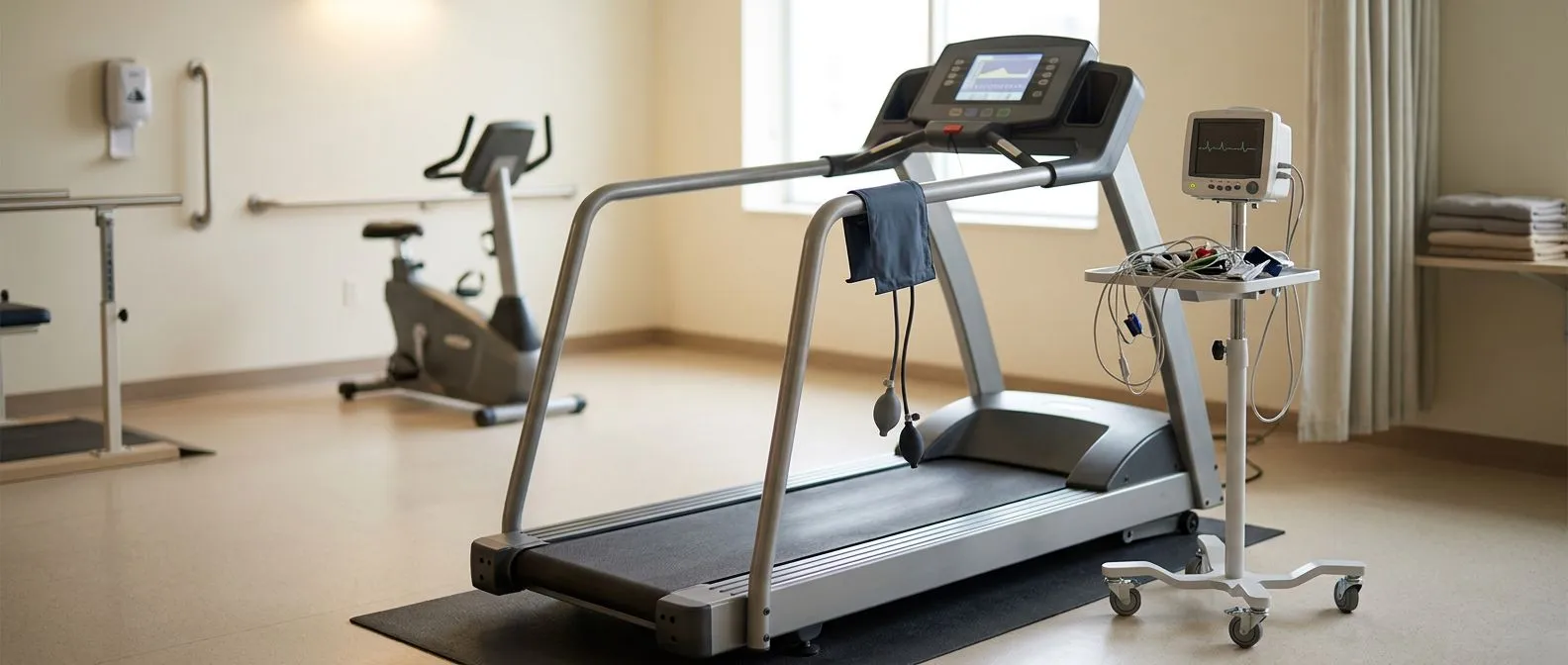
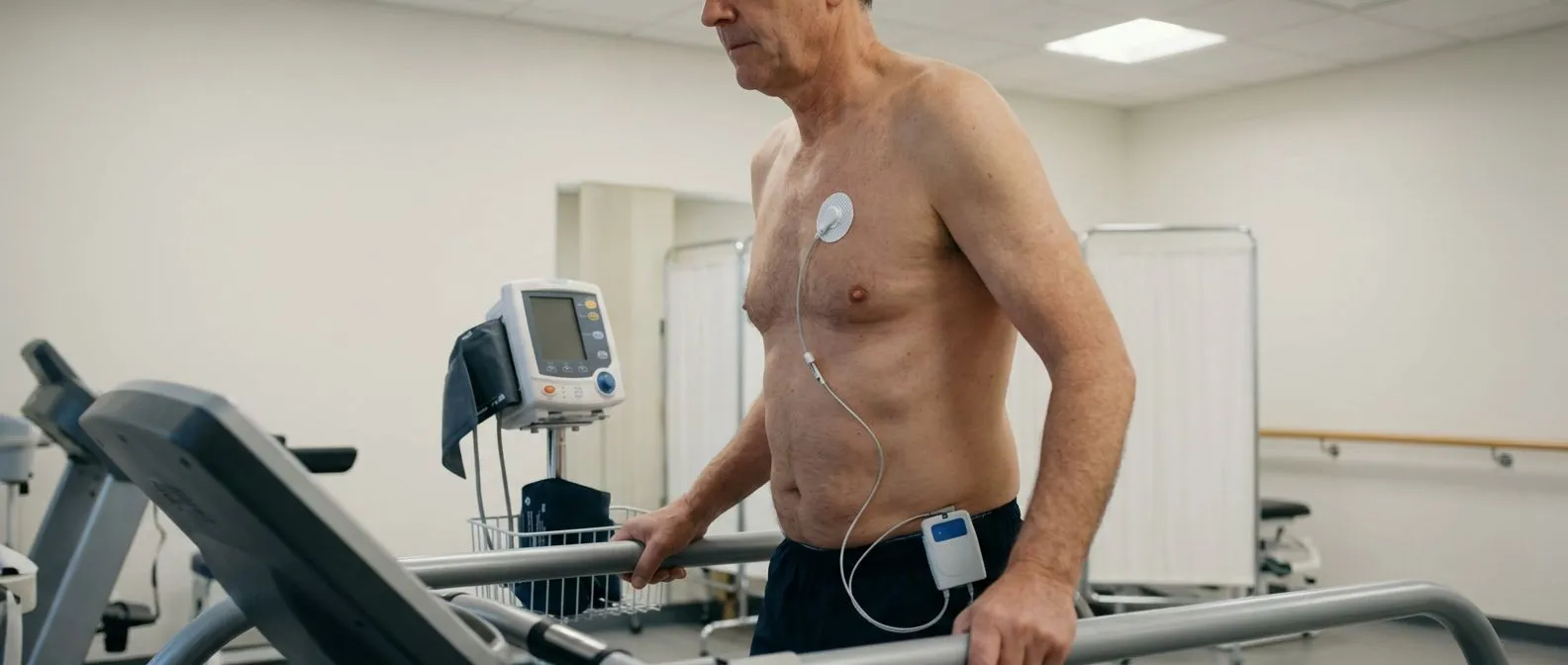
A supervised outpatient programme. In an outpatient cardiac rehabilitation setting, you attend supervised sessions where your heart rhythm, blood pressure and symptoms are monitored while you exercise on equipment such as treadmills, stationary bicycles and arm ergometers. Sessions typically run two to three times per week for several weeks, and each one is adjusted to what your body can handle that day.
More than exercise. A complete cardiovascular rehabilitation programme also includes education about your condition and medications, dietary guidance, stress management, and help with the emotional side of recovery. It is common to feel anxious after a cardiac event; a structured programme gives you a safe space to push yourself, because trained staff are watching every step.
Every patient should leave a procedure with a clear recovery plan.
What Do Phase 1 and Phase 2 Cardiac Rehab Mean?
The word "phase" in cardiac rehab simply means a stage of recovery with its own setting, goals and level of supervision. Understanding where you are in the sequence helps you know what to expect next.
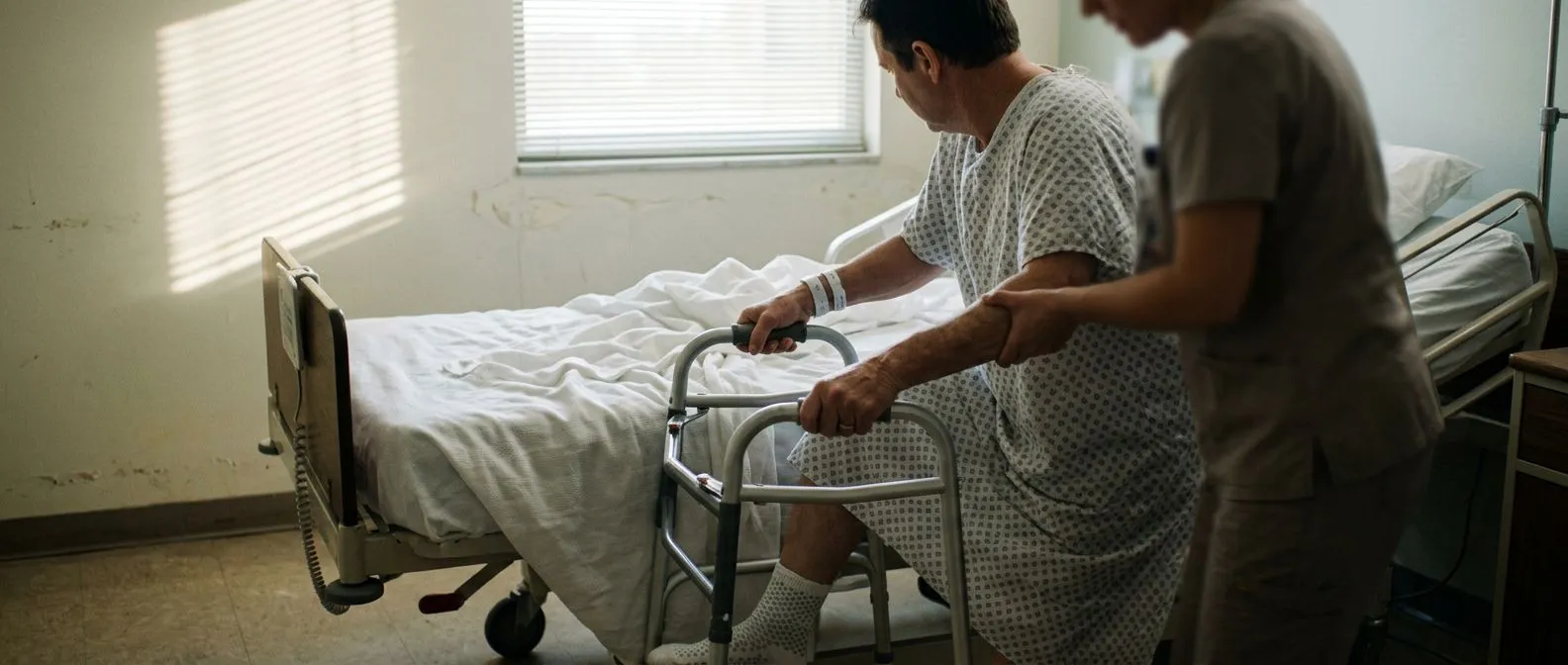
Phase I — in hospital. Phase I Rehabilitation begins the day after your procedure, often while you are still monitored in a cardiac unit. Physiotherapists guide you through gentle movements: sitting on the edge of the bed, standing, short walks down the corridor. The goal is to prevent complications, restore confidence in movement and prepare you for discharge.
Phase II — outpatient. Phase II Rehabilitation takes place after discharge, at a clinic or hospital outpatient department. This is where most structured progress happens, and it is the focus of this article. Sessions are supervised, gradual and individualised.
Phase III and beyond. Phase III Rehabilitation is typically a longer-term, often community-based maintenance stage, where you continue exercising with less intensive monitoring. The distinction between the phases matters mainly for safety and planning: each one assumes the stage before it has gone well. If any step of the sequence is skipped — going home with no outpatient plan at all — recovery becomes slower and riskier.
Who Is Eligible for Outpatient Cardiac Rehabilitation?
Heart surgery patients. Anyone recovering from coronary artery bypass graft surgery, heart valve repair or replacement, or other cardiac operations is a strong candidate for outpatient heart exercise therapy. In fact, international guidelines consider cardiac rehab after bypass surgery and valve procedures a standard part of care, not an optional extra — the European Association of Preventive Cardiology describes comprehensive cardiovascular rehabilitation as a core component of secondary prevention, meaning the work you do to prevent a second cardiac event.
Angioplasty and heart attack patients. Cardiac rehab for angioplasty patients — people who have had a stent placed to open a blocked coronary artery — is equally important. The same applies after a heart attack treated with medication alone.
Stable heart failure and other conditions. Many patients with stable heart failure also qualify for heart failure outpatient rehab, with programmes modified for their condition. Eligibility is always individual: your doctor considers your diagnosis, your surgical history, your current heart function and any complications before clearing you to start.
Eligibility for cardiac rehabilitation is worth settling before discharge, so the patient has a complete plan rather than having to assemble one.
What Does a Phase II Cardiac Rehab Exercise Plan Look Like?
Every cardiac rehab exercise plan is built around your starting point, not a fixed template. Still, most programmes share a predictable shape, and knowing it ahead of time removes much of the anxiety of the first session.
- Assessment first: before exercise begins, staff measure your resting heart rate, blood pressure, walking capacity and sometimes your heart rhythm response to light activity, so the programme starts at a safe intensity.
- Aerobic work: most of each session is moderate aerobic exercise — walking on a treadmill, pedalling a stationary bike or using an arm crank — at an intensity set from your assessment, not from a generic chart.
- Strength training: light resistance work with bands or small weights is added gradually, helping you regain the muscle needed for daily tasks like carrying groceries or climbing stairs.
- Warm-up, cool-down and education: every session opens and closes with gentle mobility work, and many programmes include a short talk on nutrition, medication or stress.
Sessions usually last between 45 minutes and an hour. The intensity target is typically moderate — you should be able to talk, but not sing. The programme progresses week by week as your capacity improves, and staff adjust the plan if you report chest discomfort, unusual breathlessness or dizziness.
What Type of Exercise Is Recommended After Open Heart Surgery?
Walking comes first. In the days and weeks after surgery — whether it was a bypass, a valve replacement or another open procedure — walking is the foundation of recovery. Short, frequent walks at home build endurance safely long before a gym programme makes sense.
Then structured aerobic exercise. Once cleared for phase ii cardiac rehab, patients move onto supervised equipment: treadmill walking, stationary cycling and arm ergometry. These activities raise the heart rate in a controlled way without jarring the chest, which matters if you have a healing sternum.
What to avoid early on. In the first weeks, patients are generally advised to avoid lifting anything heavy, pushing or pulling straining movements, and anything that loads the chest wall, because the breastbone needs time to knit back together. Swimming and driving are usually reintroduced only when your surgical team confirms healing. The right mix and timing vary from patient to patient, which is exactly why supervised programmes exist rather than printed handouts.
Is a Monitored Heart Exercise Programme Safe?
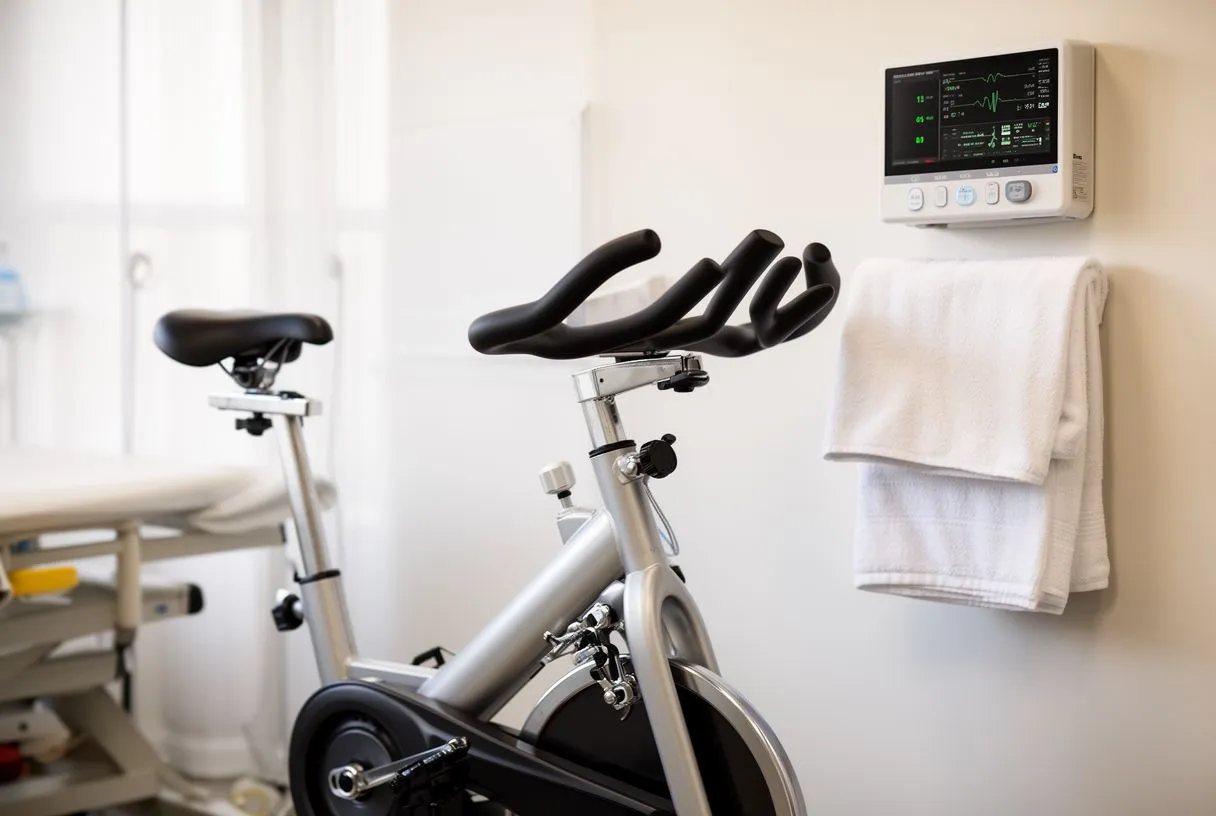
This is one of the most common worries we hear, and it deserves a direct answer. A properly run, monitored heart exercise programme is designed precisely to make exercise safer than exercising alone.
Continuous observation. During sessions, staff watch your heart rhythm, blood pressure and how you look and feel. If something looks off, the session stops and the plan changes. Nothing is left to guesswork.
Individualised limits. The programme is calibrated to your own test results. You are not pushed to a level borrowed from another patient. The intensity is deliberately conservative at first and only rises as your body proves it can handle more.
A warning about going it alone. The real risk is not the programme — it is the patient who, feeling better at week three, decides to resume everything at once and overdoes it. Supervision exists to protect you from that instinct. If your programme requires you to travel far or wait months for a place, ask your cardiology team about interim guidance for safe home walking in the meantime.
What Are the Benefits of Cardiac Rehabilitation?
Physical recovery you can measure. Patients in a structured cardiac recovery programme typically regain walking distance, stamina and strength faster than those recovering on their own. The improvement is gradual but real: stairs that felt impossible in week one feel ordinary by the end of the programme.
Confidence and emotional recovery. Fear of moving after a cardiac event is common and can become its own obstacle. Completing supervised sessions, with a professional confirming that your heart is responding well, rebuilds trust in your own body. Many patients find this confidence matters as much as the fitness itself.
Long-term habit change. Cardiac rehabilitation is really an education programme in disguise. It teaches you what your medications do, how to eat for your heart, how to spot warning symptoms, and how to keep exercising for life — which is how a second cardiac event is prevented. That preventive goal is exactly why international cardiology societies place rehabilitation at the centre of secondary prevention care.
How Long Is the Heart Surgery Recovery Timeline?
The first weeks. In the first two to four weeks after heart surgery, life is about gentle movement, wound care and rest. Fatigue is normal and often lasts longer than patients expect — the body is doing significant healing work.
Weeks four to twelve. This is the window when phase ii cardiac rehab usually runs. Walking distances increase, strength work begins, and most patients feel a clear upward trajectory. Breastbone healing for patients who had open surgery is generally expected over roughly the first six to eight weeks, with your surgical team confirming it at follow-up.
Three months and beyond. By around three months, most patients have returned to the bulk of normal daily activity. The heart surgery recovery timeline is not a race, though — a slower week here and there is part of a normal recovery, not a sign of failure. What matters is the overall direction of travel, and that is what your rehab team tracks.
Follow-up reviews at fixed points in the first year help a slow week get caught and discussed, rather than worried about alone at home.
When Can You Return to Work After Heart Surgery?
It depends on the job. Returning to work after heart surgery varies enormously between a desk job and a physically demanding one. Patients with sedentary work often return sooner than those whose work involves lifting, driving or machinery. Your rehab team and surgeon give guidance based on what your job actually involves, not on averages.
Use rehab as your bridge. The supervised programme is the perfect testing ground. When you can complete a full rehab session without unusual fatigue or symptoms, you have evidence — not just hope — that you are ready for similar demands at work. Some patients also arrange a phased return: shorter days or lighter duties at first.
Talk to your team early. Raise the work question in your first rehab weeks rather than at the end. That gives your team time to plan a return that fits your job, and it lets your employer make practical arrangements. If travel for work is part of your role, mention that too — long trips in the early recovery weeks deserve specific planning.

How Do You Choose a Heart Rehabilitation Centre?
Not every heart rehabilitation centre offers the same thing, and for patients in Mexico choosing between options in Guadalajara, Monterrey, or further afield, the differences matter. Here is what we suggest looking for:
- Cardiac-trained staff: physiotherapists and nurses with specific training in cardiac rehabilitation, who monitor heart rhythm and blood pressure during exercise — not a general gym with a cardiologist on call.
- Individual assessment before starting: your programme should be built from your own tests and surgical history, not a one-size-fits-all schedule.
- Clear communication: the team should explain what each session involves and why, in plain language, and answer questions patiently.
- Coordination with your surgical team: the rehab programme and the surgeons who operated on you should share information, especially about sternal healing and medication changes.
Ask about the full programme. A good centre covers exercise, education and emotional support — not just machines. Cost and travel are legitimate questions to ask as well: many patients in Mexico face long journeys, so a centre that can structure sessions efficiently around your circumstances is worth more than a marginally closer one. At our consulting rooms in Guadalajara, Querétaro and Hermosillo, the first contact is a free video consultation where we get to know the patient, talk through the condition and say which studies are still needed — so nothing unnecessary is ordered.
Recovering from a cardiac event or heart surgery is a process with a clear structure, and phase ii cardiac rehabilitation is where that structure does most of its work: supervised exercise, honest education and steady rebuilding of strength and confidence. The evidence base behind these programmes is substantial, and international guidelines now treat comprehensive rehabilitation as standard care after major cardiac events and procedures. If you are recovering from bypass surgery, a valve procedure, an angioplasty or a heart attack, ask your cardiac team about a supervised outpatient programme. The decision about your care always stays yours; our job is to make sure you make it with clear information.