

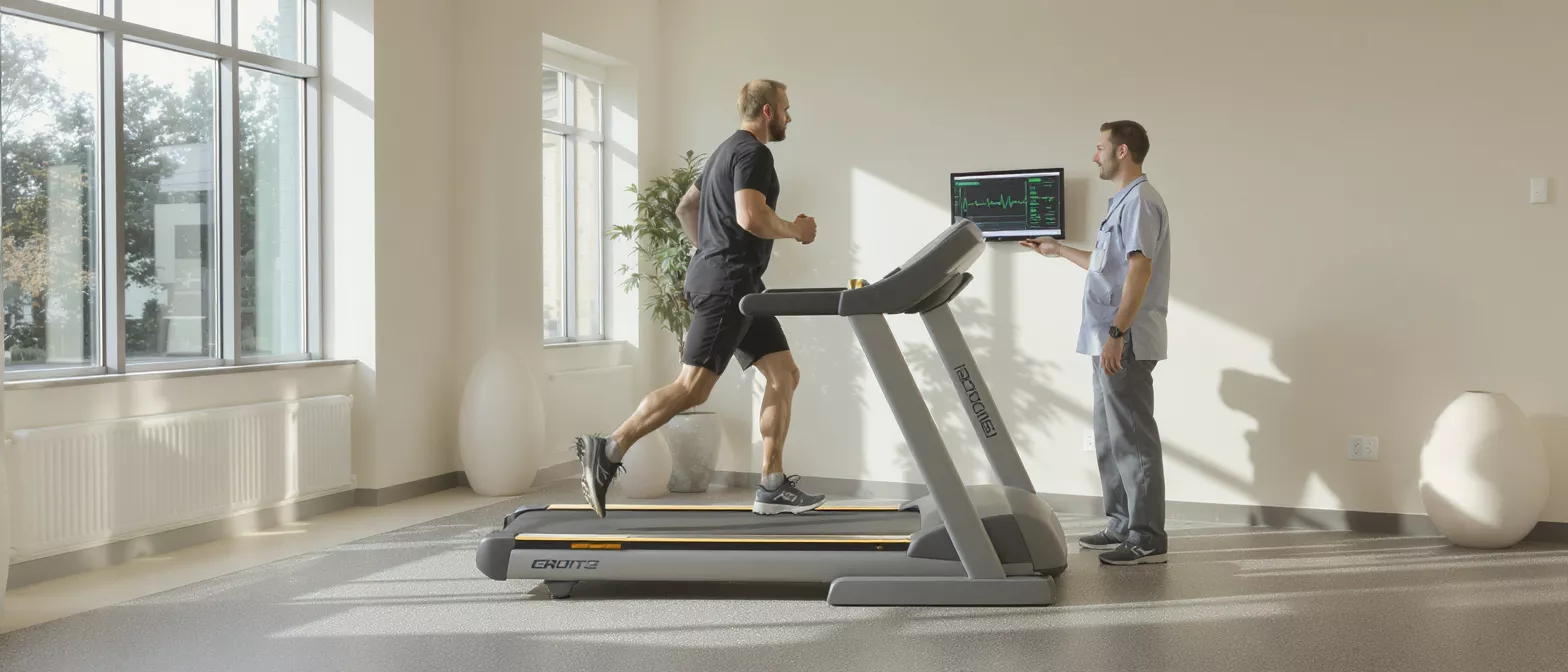
Supervised Exercise
Learn how supervised exercise helps heart patients recover safely after surgery, including its benefits, protocols, and what to expect.
What Is Supervised Exercise in Cardiac Rehab?
Supervised exercise refers to a structured physical activity program performed under the direct observation of medical professionals. For individuals recovering from cardiac surgery, this monitored approach provides a safety net during a highly vulnerable healing phase. Instead of navigating physical activity alone, patients work within a clinical environment where specialists tailor the workload to match their evolving cardiovascular capacity.
Why supervision matters during recovery: Open-heart procedures place immense stress on the body, temporarily altering how the heart manages exertion. Having trained clinicians present ensures that any physiological response—such as an abnormal heart rhythm or a sudden spike in blood pressure—is identified and managed immediately. This continuous oversight transforms exercise from a potentially risky activity into a controlled, therapeutic intervention.
The program typically occurs within a dedicated rehabilitation facility, where physiologists, nurses, and exercise specialists collaborate. The goal is not athletic performance, but rather a gradual, evidence-based return to functional strength and daily independence.
How Does Supervised Exercise After Surgery Work?
The initial clinical assessment: Before any physical activity begins, the medical team conducts a thorough evaluation. This baseline assessment reviews surgical healing, current medications, and cardiovascular stability. By understanding the patient's starting point, the clinical team can design a safe, highly individualized progression plan.
Building cardiovascular endurance: The core of the program focuses on aerobic conditioning. Patients engage in rhythmic, continuous movements designed to elevate the heart rate to a carefully calculated, safe target zone. This controlled stress encourages the heart muscle and surrounding vascular network to adapt gradually, improving overall circulation and reducing the effort required for daily tasks.
Progress is tracked meticulously across multiple sessions. As the body heals and adapts, the clinical team modifies the duration and intensity of the workload. This ensures the patient continues to improve without exceeding their physiological limits during the critical weeks of recovery.
What Are the Supervised Exercise Benefits for Heart Patients?
Restoring functional capacity: One of the primary benefits of a supervised exercise program is the gradual recovery of stamina. Surgery and prolonged bed rest can lead to significant deconditioning. Guided physical activity helps rebuild muscle strength and respiratory efficiency, allowing patients to return to their normal routines with greater confidence.
Psychological confidence and safety: The fear of overexerting the healing heart is a common and profound source of anxiety for surgical patients. Exercising in a monitored setting provides immense peace of mind. Knowing that professionals are actively tracking vital signs allows patients to push their physical boundaries safely, which is crucial for meaningful cardiovascular improvement.
From a physiological perspective, these guided workouts help optimize blood pressure, reduce systemic inflammation, and improve cholesterol profiles. The structured nature of the therapy ensures that the cardiovascular system receives the precise stimulus it needs to repair and strengthen.
Who Needs a Cardiac Supervised Exercise Program?
Supervised exercise rehabilitation is primarily recommended for patients who have recently undergone major cardiovascular interventions. This includes individuals recovering from coronary artery bypass grafting, heart valve repair or replacement, and heart transplantation. The guided therapy is also highly beneficial for those recovering from significant heart attacks or percutaneous coronary interventions like stent placement.
While the primary demographic consists of post-surgical patients, the program also serves individuals with stable chronic heart conditions who require a safe environment to improve their cardiovascular fitness. By participating in a structured cardiac rehab exercise routine, these patients can better manage their underlying disease and potentially slow its progression.
Ultimately, anyone whose cardiac function has been compromised by disease or surgical intervention is a strong candidate for this monitored approach. The clinical oversight ensures that the heart is neither under-stimulated nor dangerously overworked during the healing process.
What to Expect in a Monitored Exercise Program
Patients often feel apprehensive about their first rehabilitation session, but the process is highly structured and predictable. A typical session lasts between 30 and 60 minutes, depending on the individual's current fitness level and phase of recovery. The environment is clinical but encouraging, designed to foster gradual physical improvement.
Continuous vital sign tracking: Throughout the entire session, patients wear telemetry monitors that transmit their heart rhythm to a central display. Blood pressure and oxygen saturation are checked at regular intervals. This real-time data allows the clinical staff to ensure the cardiovascular system is responding appropriately to the physical stress.
Each appointment follows a familiar rhythm, which helps build patient confidence:
- Initial vital check: Baseline heart rate, blood pressure, and rhythm are recorded before movement begins.
- Warm-up phase: Slow, gentle movements prepare the joints and cardiovascular system for the upcoming workload.
- Aerobic conditioning: The main exercise block, targeting the specific heart rate zone calculated for the patient's safety.
- Cool-down period: Gradual reduction in intensity to safely return heart rate and blood pressure to resting levels.
How Do Clinicians Assess Exercise Intensity for Heart Patients?
Determining the correct workload is the most critical aspect of supervised exercise training. Clinicians rely on objective physiological data rather than patient perception alone, especially in the early stages of recovery when surgical pain or medication can mask fatigue. The team calculates a specific target heart rate zone, often based on the results of a low-level stress test performed before the program begins.
Borg Scale and perceived exertion: While objective data is paramount, subjective feedback also plays a crucial role. Clinicians frequently use the Borg Rating of Perceived Exertion scale, asking patients to rate how hard they feel they are working. This helps the medical team understand how the patient's body interprets the physical stress, allowing for highly nuanced adjustments to the workout plan.
By combining telemetry data, blood pressure responses, and perceived exertion scores, the clinical team creates a complete picture of cardiovascular tolerance. This multi-layered approach ensures the heart receives the exact therapeutic stimulus required for safe adaptation.
Are Supervised Exercise Workouts Safe After Cardiac Surgery?
When conducted in a clinical setting, supervised exercise is exceptionally safe and represents a standard of care for post-operative cardiac recovery. The inherent risks of physical exertion immediately following heart surgery are mitigated by the constant presence of specialized medical staff and emergency equipment. The environment is specifically engineered to respond instantly to any adverse cardiovascular event.
Immediate response capabilities: Rehabilitation centers are equipped with advanced monitoring technology and emergency resuscitation gear. The nurses and exercise physiologists present are trained in advanced cardiac life support, ensuring that any abnormal rhythm or sudden drop in blood pressure is addressed within seconds, long before it becomes a critical emergency.
The safety of the program is further enhanced by the strict adherence to surgical healing timelines. Patients are not permitted to engage in activities that could compromise surgical incisions or strain the sternum. Movements involving heavy pushing, pulling, or upper-body resistance are carefully restricted until the surgeon clears them for such activity.
Types of Equipment Used in Supervised Exercise Training
The tools utilized in cardiac rehabilitation are chosen specifically for their ability to provide smooth, controllable, and low-impact aerobic exercise. The equipment must allow for precise adjustments in workload so that the clinical team can match the intensity exactly to the patient's current capacity.
As patients progress and demonstrate greater cardiovascular stability, the variety of equipment expands. The focus shifts from purely seated, supported movements to those that require more balance and sustained upright posture.
- Treadmills: Used primarily for controlled walking, helping patients rebuild the stamina needed for daily ambulation.
- Stationary cycles: Excellent for improving lower-body circulation without placing impact stress on healing joints.
- Light resistance bands: Introduced later in the program to gently restore muscular tone and support metabolic health.
Transitioning From Clinic to Home-Based Supervised Fitness
The ultimate goal of clinical rehabilitation is to prepare patients for a lifetime of independent, safe physical activity. As the scheduled clinical sessions near their end, the clinical team focuses heavily on education. Patients learn how to interpret their own body's signals, how to warm up properly, and how to maintain their heart rate within a safe target zone without relying on telemetry monitors.
Developing an independent routine: The transition involves duplicating the clinic workout in a home environment. Patients are guided on how to map out safe walking routes and establish a weekly schedule that mirrors the frequency and duration of their clinical sessions. The emphasis is on consistency and long-term habit formation, ensuring the cardiovascular benefits achieved in the clinic are maintained indefinitely.
The medical staff provides clear guidelines on when to pause activity and seek medical advice, ensuring the patient remains safe even when exercising independently.
Long-Term Heart Health Exercise Habits
Sustaining the momentum gained during formal rehabilitation is vital for long-term cardiovascular health. The physiological adaptations triggered by supervised exercise require continued, consistent physical activity to be maintained. Without ongoing effort, the improvements in blood pressure, cholesterol management, and aerobic capacity can gradually diminish over time.
Maintaining clinical progress at home: Patients are encouraged to view their post-rehabilitation lifestyle as an extension of their therapy. Establishing a balanced weekly routine that includes continuous aerobic activity is essential for managing underlying heart disease and preventing future complications. The discipline and body awareness developed during the monitored sessions serve as a permanent foundation for this ongoing heart health journey.
By committing to a long-term heart health exercise routine, patients take an active role in protecting their surgical outcomes and overall longevity. The transition from a heavily monitored environment to independent, confident physical activity represents the successful culmination of the rehabilitation process, allowing individuals to reclaim their lives with renewed vitality.






