Exercise After Heart Surgery: A Safe Progression
Exercise after heart surgery starts the first day in hospital.
What Is Exercise After Heart Surgery?
Exercise after heart surgery is not a single workout plan but a staged progression: gentle movement in the first days, structured walking within weeks, and gradually harder activity over months. The goal is to rebuild exercise tolerance — your body's ability to do more work with less strain on the heart — while the breastbone (sternum) heals and the cardiovascular system adapts. Done properly, this progression lowers the risk of complications and helps you return to normal life sooner.
The key idea is graded loading. Your heart has just been operated on, and your chest has been opened or accessed through small incisions. Tissues, muscles, and the sternum need roughly six to eight weeks to knit back together, so the exercise you do must respect that healing clock. Too much too soon can cause wound problems; too little can leave you weak, stiff, and short of breath.
Every recovery plan should start from the operation you actually had — valve repair or replacement, bypass grafting, a TAVR (transcatheter aortic valve replacement), or another structural heart procedure — because the safe progression differs between them. We then agree the plan with the patient in plain words, so nothing in the schedule is a surprise.
How Soon Can I Exercise After Heart Surgery?
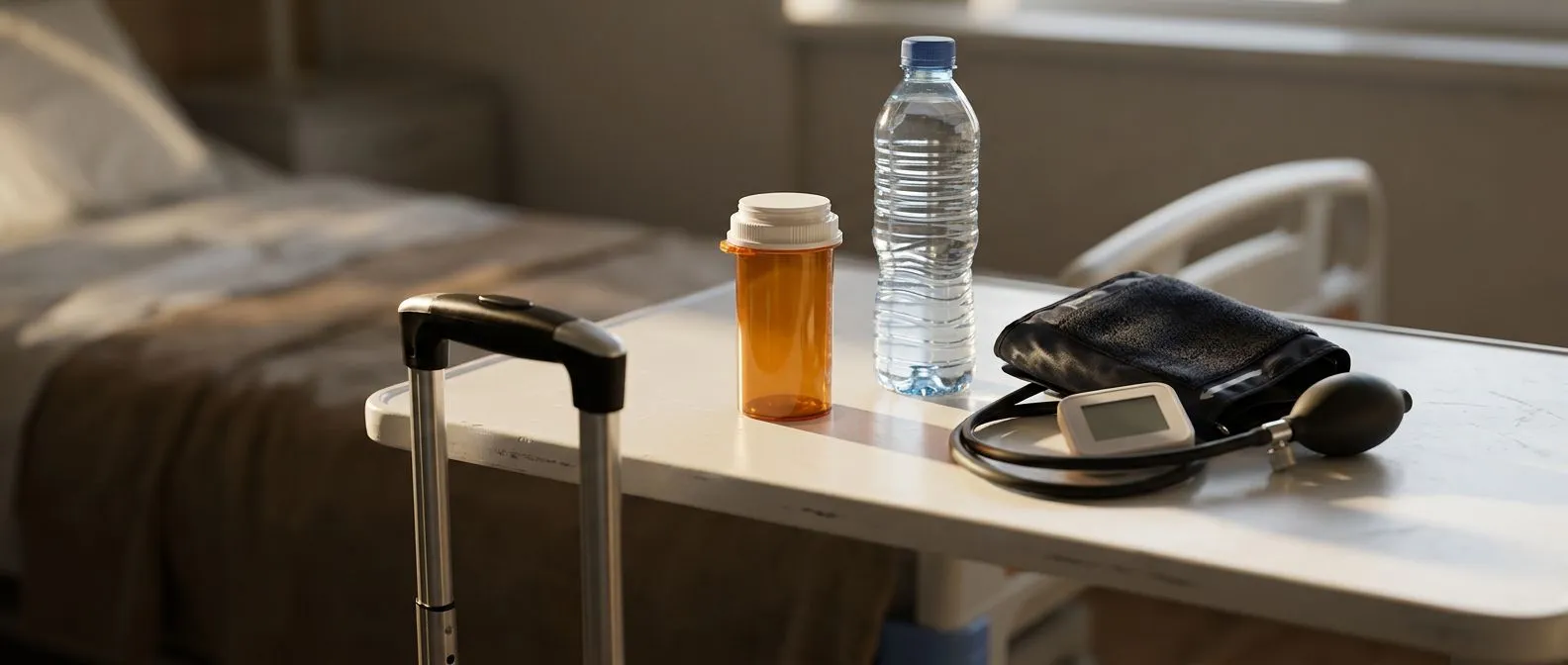
For most patients, movement begins far earlier than people expect — often within the first day or two after the operation, while still in hospital. That first "exercise" is simply sitting up, standing, and taking a few steps with a nurse beside you. Supervised exercise in those early days is standard practice because it prevents blood clots, keeps the lungs clear, and signals to the body that recovery has begun.
By the time you go home, the usual pattern is short, frequent walks — several times a day, a few minutes each — slowly building over the first two weeks. Heavier activity, such as lifting, pushing, or formal exercise sessions, generally waits until the sternum has healed, around the six-week mark. Your surgical team will confirm the timeline for your specific operation.
At the first consultation, we tell patients not to compare their calendar with anyone else's. Our team reviews every case against international practice guidelines before recommending a recovery timeline, and we explain the reasoning behind each milestone.
Why Is Day 3 the Hardest After Surgery?
Many patients describe day three as the lowest point, and there are real reasons for it. The anaesthesia and pain medications given during and after surgery have largely worn off by then, so pain, stiffness, and fatigue are felt more clearly. At the same time, the body is still in its most inflammatory phase of healing, and the emotional shock of major surgery often peaks — poor sleep, low mood, and a feeling of being weaker than before are all common.
Knowing this in advance helps. The fatigue on day three is not a sign that recovery is failing; it is a normal, expected part of the body's repair process. Patients who keep moving gently, take prescribed pain relief on schedule, and rest well usually notice improvement within a day or two.
We prepare patients for this dip before they even leave the hospital, so when it comes they recognise it as a milestone rather than a setback.
Walking After Heart Surgery: The First Steps
Walking is the foundation of exercise after cardiac surgery. It is low-impact, needs no equipment, and gently raises the heart rate without stressing the healing chest. Start indoors: flat corridors, comfortable shoes, and a pace you could hold a conversation at. A common early target is five minutes, two or three times a day, adding a few minutes each week.
A simple rule of thumb for safety is the talk test: you should be able to speak in full sentences while walking. If you cannot, slow down. Avoid hills, stairs in long flights, and outdoor heat or cold extremes in the early weeks, because they all raise the workload on your heart beyond what a flat walk does.
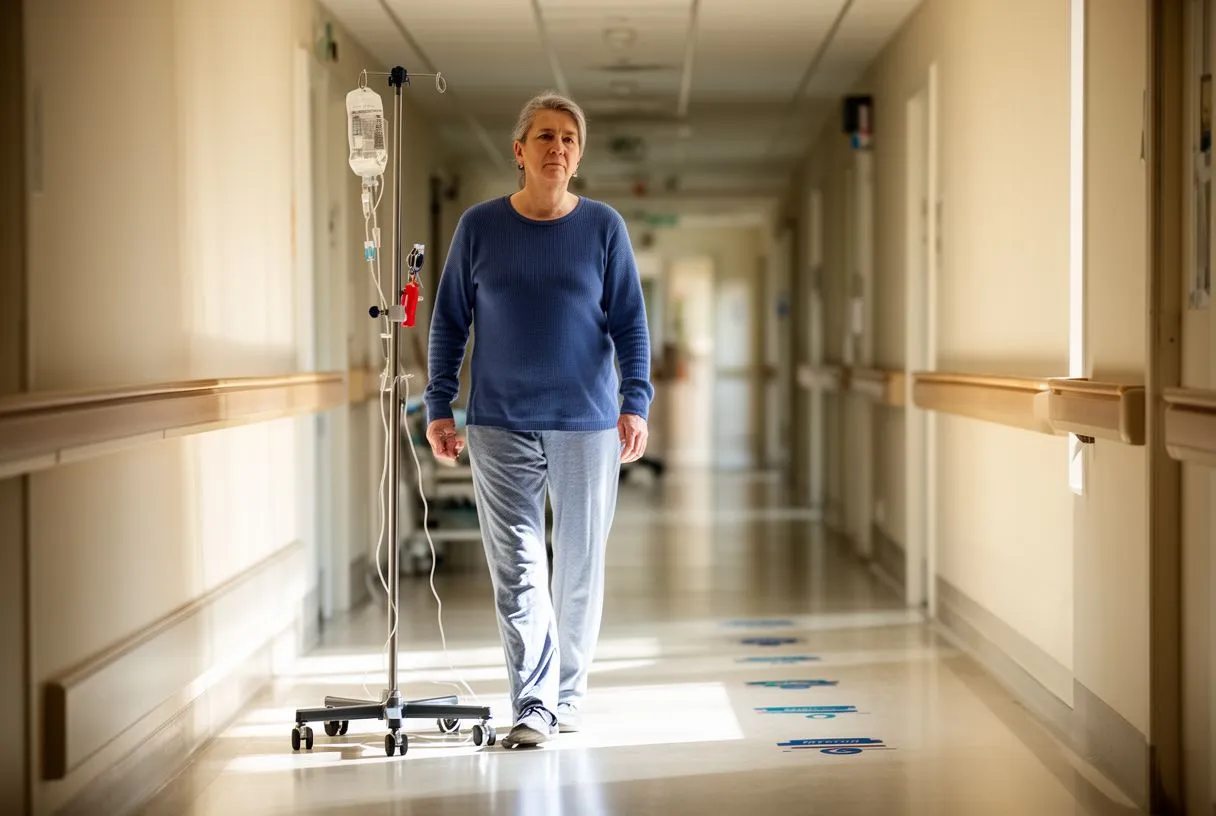
Most patients are surprised how quickly walking capacity returns. From a few steps in the corridor to walking thirty minutes continuously is often achievable within four to six weeks, at which point the discussion usually turns to more structured activity.
Breathing Exercises After Heart Surgery
Breathing work is one of the most underrated parts of heart surgery recovery exercises. After chest surgery, the diaphragm — the main breathing muscle — tends to move less, and patients unconsciously take shallow breaths to protect the wound. Shallow breathing lets small airways close, which raises the risk of chest infection and makes you feel more breathless than the heart itself explains.
Deep breathing exercises, ideally with an incentive spirometer (a small device that shows how deeply you can inhale), should be done several times a day in the first weeks. The pattern is simple: breathe in slowly and fully through the nose, hold briefly, then breathe out slowly through the mouth. Ten repetitions, several times a day, keeps the lungs open.
Coughing with support matters too. Hold a pillow firmly against the breastbone when you cough or sneeze — this steadies the sternum, makes the cough less painful, and clears secretions more effectively. This is standard advice in cardiac surgery units for good reason.
Leg and Arm Exercises After Heart Surgery
While walking rebuilds endurance, targeted leg exercises after heart surgery and arm exercises after heart surgery restore the strength lost from weeks of reduced activity. Simple seated movements — ankle circles, knee raises, heel slides — keep the circulation moving in the legs and are safe from the first days at home. Exercise intolerance, that heavy-legged feeling on minimal effort, fades as these small movements accumulate.
For the arms, the sternum dictates the rules. In the first six weeks, avoid pushing, pulling, lifting anything heavier than a few kilograms, and reaching overhead with force. Gentle range-of-motion movements — shoulder rolls, small pendulum swings, wrist and elbow bends — keep joints mobile without loading the breastbone.
- Early weeks (1–3): walking, breathing exercises, ankle and knee movements, no lifting.
- Middle weeks (4–6): longer walks, gentle resistance bands for legs only if your team approves.
- After six weeks: progressive light strength work, cleared by your cardiac team once the sternum has healed.
What Happens in a Cardiac Rehabilitation Exercise Program?
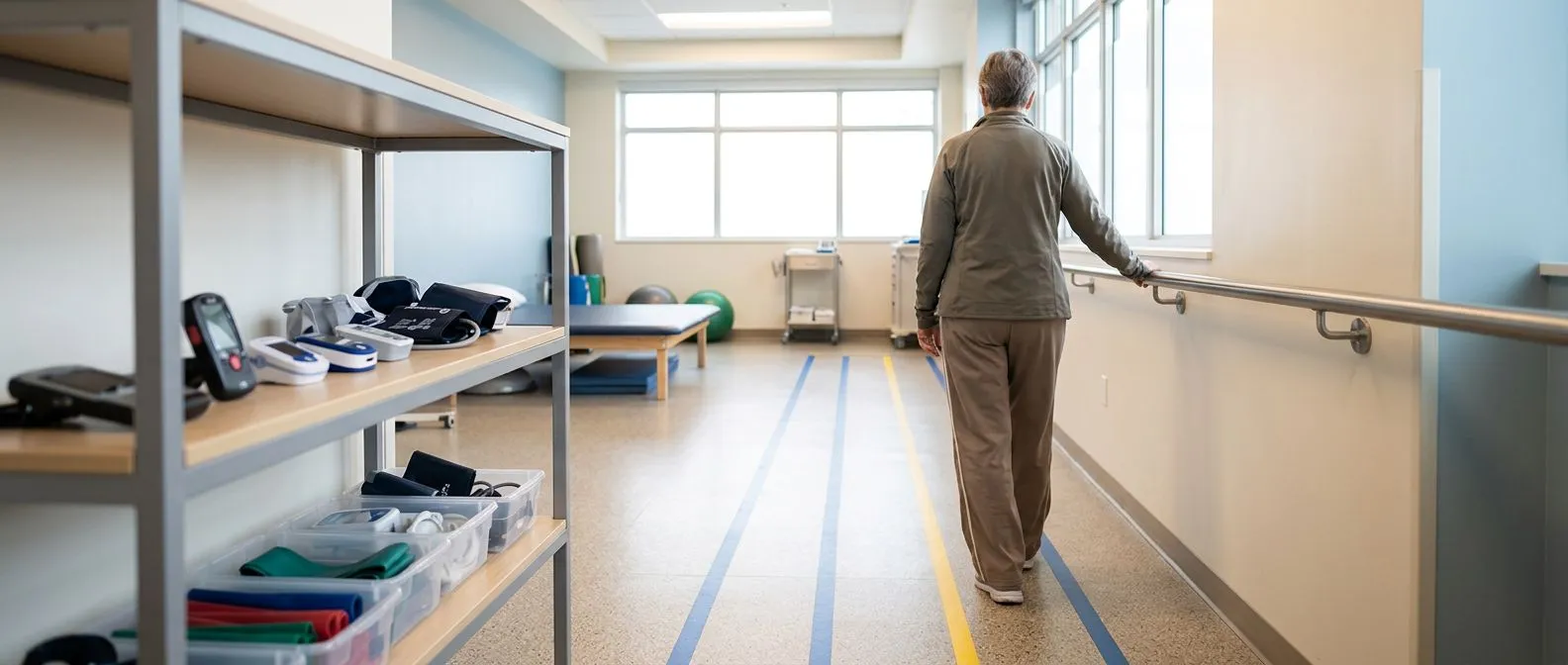
A cardiac rehabilitation exercise program is a supervised, medically designed course of exercise and education, usually running several weeks, for people recovering from heart surgery, a heart attack, or other cardiac events. Sessions are monitored — heart rate, sometimes ECG — so activity stays within safe limits while fitness is rebuilt progressively. It is one of the best-evidenced parts of cardiac recovery, associated with better long-term outcomes and quality of life.
Typical programs combine aerobic work on treadmills or stationary bikes, light resistance training as the weeks progress, and education on diet, medication, stress, and sleep. The intensity is individualised: your starting fitness, the operation you had, and any other conditions all shape the plan.
Ask whether you are a candidate for formal cardiac rehab; where local programs are not available or practical, which is common for international patients, the same principles can be built into a home plan. Our team in Guadalajara, Querétaro and Hermosillo reviews each recovery proposal against international guidelines before it is given to the patient, and the final decision always rests with them.
Cardiac Rehab Exercises at Home
Not everyone can attend a supervised program, and many patients from outside the region ask about cardiac rehab exercises at home. The same structure applies: warm up gently for five minutes, do the main activity at a moderate, talk-test pace, then cool down for five minutes. The warm-up and cool-down are not optional extras; they protect the heart from sudden changes in demand.
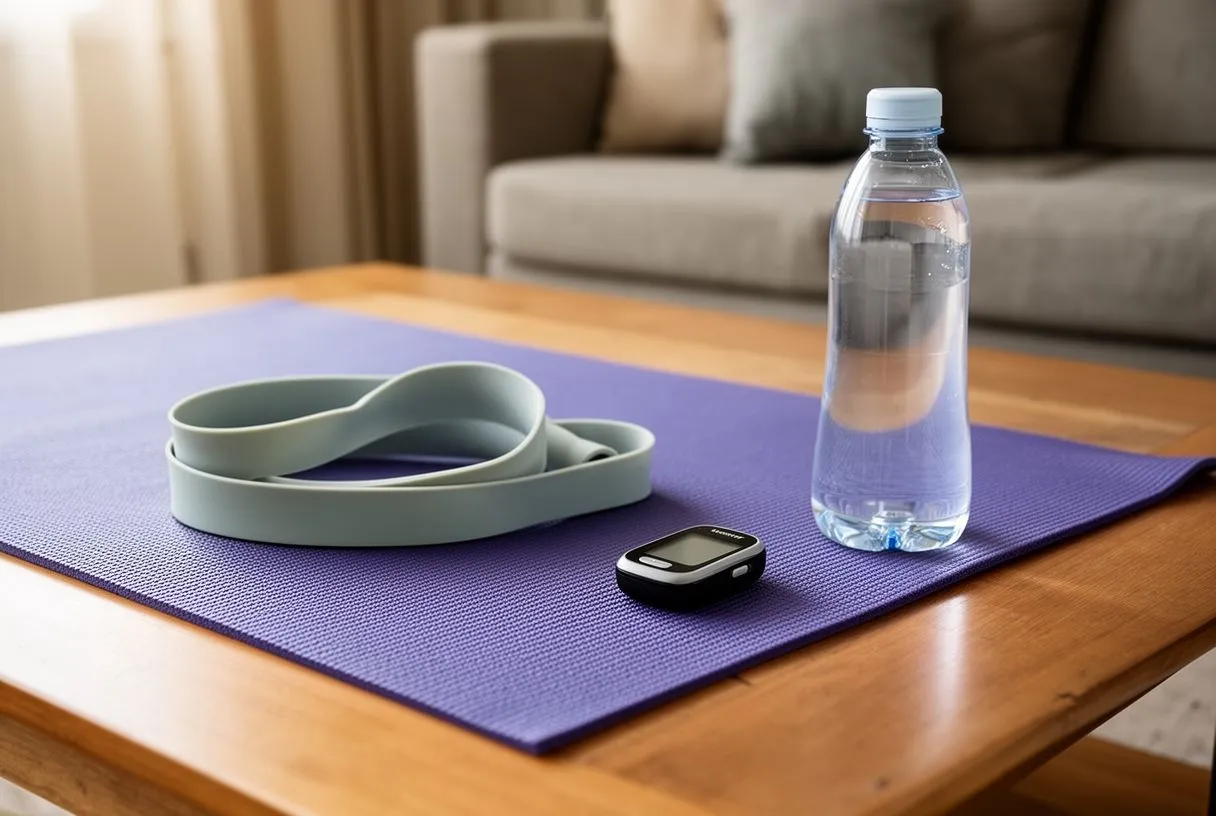
A sensible home week might look like this: walking on most days, breathing exercises daily, and gentle mobility work for shoulders, hips, and legs. Keep a simple log — duration, how you felt, any symptoms — because patterns in that log are exactly what your cardiac team wants to see at follow-up. When to exercise after heart surgery within the day matters less than consistency; many patients do best with a morning walk, when energy is highest and the chest is least stiff.
Heat, dehydration, and exercise on a full stomach all add load to the heart, so plan around them. If you had bypass surgery specifically, the same rules apply — exercise after bypass surgery follows the sternum-healing timeline, since the chest, not the grafts, is what limits early activity. Grafts typically function well from the moment they are placed; it is the wound and the deconditioned muscles that need time.
Returning to Gym After Heart Surgery
Returning to gym after heart surgery is one of the most common questions we hear, and the honest answer is: usually around six to twelve weeks, in stages, and with your team's clearance. The first gate is sternal healing — a sternum that is not solid cannot tolerate pushing, pulling, or loaded movements. The second gate is exercise tolerance: your fitness should be at a level where moderate effort feels comfortable before moderate weights are added.
The safest sequence is aerobic first (stationary bike, treadmill), then machine-based light resistance with higher repetitions and low weight, then — only if all is well — more demanding free-weight work. Machines are preferred over free weights early because they control the range of motion and remove the need to stabilise a load, which is exactly the kind of chest loading you want to avoid at first.
Patients returning to the gym benefit from a written, stage-by-stage plan to share with their gym instructor, so nothing is improvised on the gym floor. Competitive or heavy lifting should always be discussed specifically with your surgeon, because the loads involved can affect sternal healing even months later in some cases.
Safe Exercise After Heart Surgery: Warning Signs to Watch
Safe exercise after heart surgery always includes knowing when to stop. Some discomfort is expected — muscle soreness from renewed activity, mild fatigue, some stiffness around the incision. But certain symptoms are not part of normal recovery and need prompt medical attention.
- Chest pain or pressure during or after activity — not just incision soreness — that does not settle quickly.
- Breathlessness out of proportion to the effort, or breathlessness that appears at rest after a session.
- Palpitations — a racing, fluttering, or irregular heartbeat that is new or persistent.
- Wound changes — redness, swelling, discharge, or clicking at the breastbone after activity.
- Dizziness or fainting during exercise.
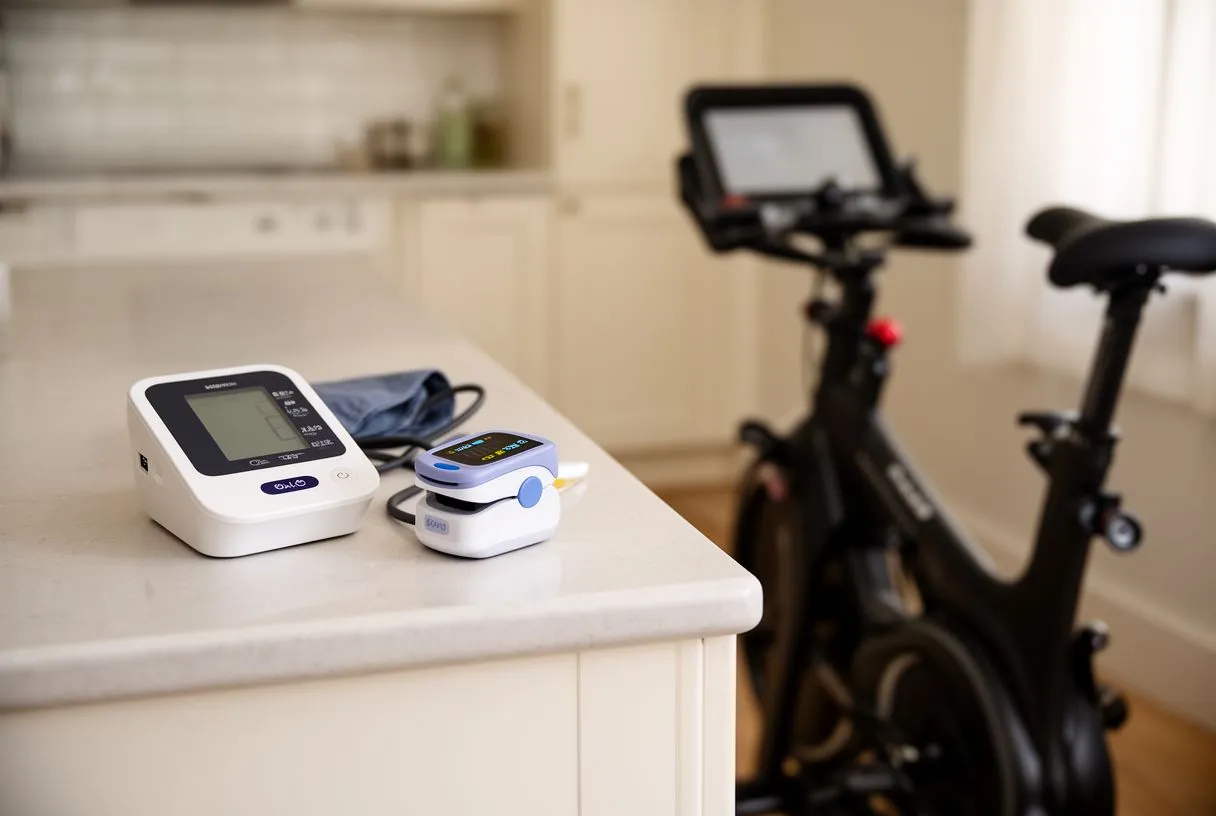
It is also worth knowing why some people feel anxious after working out during recovery — a racing heart during exercise can trigger real worry in the first months. The sensation itself is usually the normal heart-rate response to effort, but distinguishing it from a genuine arrhythmia is a job for your cardiac team, not for guesswork. Report any new or unusual rhythm, and bring your exercise log to follow-up appointments.
Recovery after heart surgery is a partnership between your body, your daily habits, and your medical team. The progression from a few corridor steps to a full gym routine is well-mapped, and thousands of patients make it every year — but the plan must fit the operation you actually had and the body you actually have. If you are preparing for surgery or recovering now, ask your care team for a clear, personalised plan for exercise after heart surgery. Our first contact is a free video consultation with our team, led by Dr Alejandro Molina, where we talk through your condition and exactly which studies are needed — no unnecessary ones ordered — and where a second opinion is always welcome.