

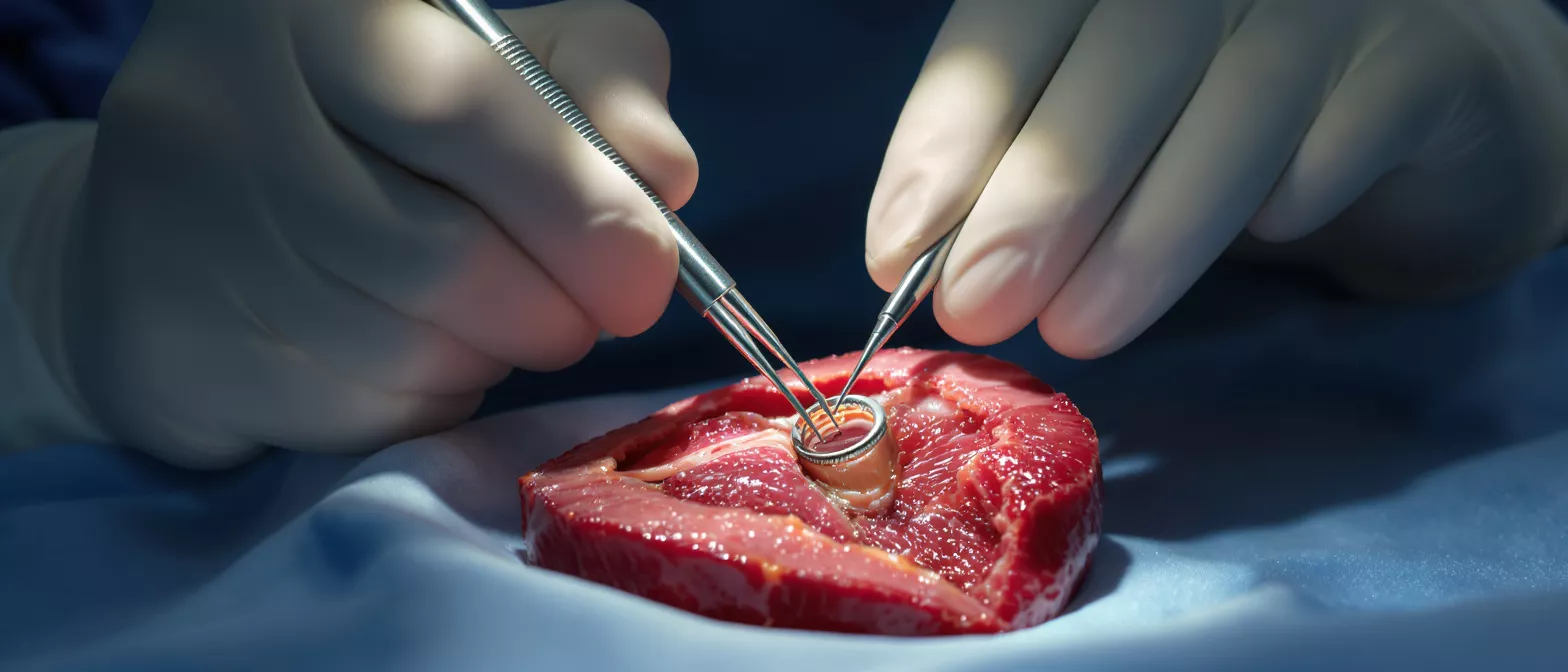
Valve Repair
Valve repair fixes damaged heart valves to restore blood flow without replacement.
What is valve repair?
When a heart valve is damaged, blood cannot flow through the heart smoothly, forcing the cardiac muscle to work significantly harder than it should. Valve repair is a precise surgical procedure designed to fix the structure of a damaged heart valve—such as the mitral, aortic, or tricuspid valve—so that it opens and closes properly. Unlike valve replacement, which removes the diseased valve entirely and substitutes it with a mechanical or biological implant, valve repair aims to preserve and restore your own living tissue. Preserving your natural tissue is highly beneficial because it helps maintain the heart's natural architecture, avoids the need for lifelong blood-thinning medications in most cases, and promotes better long-term heart function.
How the heart's valves function: Your heart contains four valves that act as one-way doors, ensuring that blood flows in a single direction through the chambers of the heart. When these valves become diseased due to wear and tear, infection, or congenital defects, they can either leak (regurgitation) or become stiff and narrowed (stenosis). A skilled surgeon can repair the damaged leaflets, tighten the supporting structures, or reinforce the valve's base to restore normal blood flow. This comprehensive approach is why valve repair has become the gold standard for treating certain types of structural heart disease.
For a frightened patient or family member, understanding the goal of the surgery can ease much of the anxiety associated with cardiac procedures. Repairing a valve rather than replacing it offers a deeply reassuring advantage: the procedure works with your body's own anatomy rather than introducing a foreign object. Because the heart's natural geometry remains intact, patients often experience a faster return to normal activities and enjoy an excellent quality of life after recovering from the operation.
Why heart valve surgery in Guadalajara matters
Access to specialized cardiac care is crucial, and heart valve surgery in Guadalajara provides patients with world-class treatments without the need to travel far from home. The region is home to highly trained cardiovascular specialists who use advanced diagnostic tools to determine the exact nature of a patient's valve disease. By utilizing echocardiograms, cardiac catheterization, and advanced imaging, surgeons can create a tailored surgical plan. This regional access means families can stay close to their loved ones during the critical recovery period, reducing the emotional and logistical stress that often accompanies major surgery.
The emotional impact on families: Waiting for a loved one to undergo cardiac surgery is an incredibly stressful experience for families. Knowing that comprehensive, state-of-the-art care is available locally provides immense peace of mind. Family support is a critical component of a patient's recovery, and being treated in a regional center of excellence allows that support system to remain intact. Patients who recover near home often show better emotional resilience and compliance with postoperative care instructions.
Furthermore, choosing to have valve repair surgery locally in Jalisco ensures continuity of care from the initial consultation through to postoperative rehabilitation. The medical teams here understand the unique health profiles of the local population and maintain strict adherence to international clinical guidelines. From the moment a heart murmur is detected to the final post-surgery checkup, patients receive consistent, compassionate, and technically precise medical attention every step of the way.
How valve repair surgery works
Understanding the mechanics of valve repair surgery can demystify the process for patients facing an upcoming operation. The primary goal of the surgeon is to restore the delicate balance between the valve's leaflets and the supporting cords that tether them. When a valve cannot close tightly, blood leaks backward, forcing the heart to pump the same volume of blood multiple times. By resizing the valve opening, reinforcing the structural tissues, or removing damaged segments, the surgeon effectively stops the backward flow and restores forward momentum to the circulatory system.
What happens during the valvuloplasty procedure? In certain cases of narrowed valves, a surgeon may perform a valvuloplasty procedure. This involves inserting a small balloon-tipped catheter into the narrowed valve and gently inflating it to widen the opening, which is sometimes performed alongside surgical repair techniques to ensure optimal blood flow. In more complex cases, the surgeon may place a special ring around the base of the valve to provide structural support. This annuloplasty ring acts like a supportive belt, ensuring that the valve leaflets meet perfectly in the center to prevent any leakage when the heart contracts.
During traditional open-heart surgery, the surgical team will temporarily stop the heart and use a heart-lung machine to maintain circulation and oxygenation throughout the body. This allows the surgeon to operate on a still, bloodless field, ensuring absolute precision. Once the repair is complete and verified, the heart is restarted, and the heart-lung machine is gradually withdrawn. The meticulous nature of this process is exactly why valve repair is performed by highly specialized cardiovascular surgeons who spend years perfecting these intricate techniques.
Types of heart valve repair techniques
The specific approach to repairing a heart valve depends entirely on which valve is damaged and the nature of the disease. Aortic valve repair typically focuses on reshaping the leaflets or stabilizing the root of the aorta to prevent leaking. Mitral valve repair often involves repairing or replacing the chordae tendineae—the tiny cord-like structures that anchor the valve leaflets—along with placing an annuloplasty ring to support the repair. Tricuspid valve repair is commonly performed to correct leakage caused by right-sided heart enlargement, ensuring that venous blood flows correctly to the lungs.
Tailoring the procedure to the patient: No two valves are exactly alike, and a successful repair requires a customized surgical plan. Surgeons evaluate the exact anatomy of the damaged valve using 3D transesophageal echocardiography before making any incisions. This level of detailed planning allows the surgical team to anticipate challenges and choose the most durable repair technique. The ultimate goal is always to restore native function so that the heart operates as efficiently as it did before the disease took hold.
- Annuloplasty: Placing a supportive ring around the valve base to restore its natural shape and prevent leakage.
- Chordal repair: Replacing or reattaching the broken cords that support the mitral valve leaflets.
- Leaflet resection: Removing stretched or damaged tissue so the remaining leaflets close securely.
- Commissurotomy: Separating fused valve leaflets to widen a narrowed opening caused by stenosis.
Each of these techniques is designed to work in harmony with your body's natural physiology. By leveraging the patient's own living tissue, these repairs tend to last longer and function better than artificial implants, provided the patient follows their prescribed postoperative care plan and maintains overall cardiovascular health.
Mitral valve repair vs replacement
One of the most common decisions in cardiac surgery is choosing between mitral valve repair vs replacement. For the vast majority of patients with mitral valve disease, repair is highly preferred over replacement. Repairing the mitral valve preserves the heart's natural structure and maintains the crucial connection between the valve and the heart muscle. This approach significantly reduces the risk of surgical complications and provides superior long-term survival rates compared to replacing the valve with a mechanical or biological substitute.
Why preserving your native valve matters: When a mechanical valve is used, patients must take blood thinners for the rest of their lives to prevent clots, which carries its own risks. Biological replacement valves eventually wear out and require another surgery down the line. Mitral valve repair avoids both of these pitfalls. By fixing the existing tissue, surgeons eliminate the need for lifelong blood thinners and provide a durable solution that often lasts the rest of the patient's life.
However, valve replacement is sometimes necessary if the valve is too severely damaged or calcified to support a functional repair. Your surgical team will conduct a thorough evaluation to determine which approach offers the safest and most effective outcome. In specialized centers, the success rate for mitral valve repair is exceptionally high, making it the standard of care for treatable mitral regurgitation and prolapse.
Are you a good candidate for valve repair?
Determining valve repair candidacy is a critical step that involves a comprehensive evaluation of your overall heart health and the specific characteristics of your valve disease. Not everyone with a heart murmur or valve disease requires immediate surgery, but when symptoms like shortness of breath, chest pain, or fatigue begin to interfere with daily life, intervention becomes necessary. A cardiologist will assess the severity of the valve leakage or narrowing, the size of the heart chambers, and the strength of the heart muscle to determine if repair is a viable option.
Evaluating your surgical risk: Candidates for valve repair must be healthy enough to undergo major surgery. The medical team will review your medical history, including any previous heart attacks, diabetes, or lung conditions, to ensure your body can tolerate the operation. Advanced age alone is not a barrier to valve repair, as long as the heart muscle is strong and the patient is physically active. The decision is always made collaboratively between the patient, the cardiologist, and the cardiac surgeon.
Early diagnosis plays a massive role in candidacy. If valve disease is caught early, before the heart muscle becomes irreversibly weakened, the chances of a successful repair are greatly increased. Regular checkups and prompt evaluation of any new heart murmurs are essential. If you have been diagnosed with a heart valve condition, consulting with a specialist can provide clarity on your specific treatment timeline and options.
Minimally invasive valve repair options
For many patients, the thought of open-heart surgery is daunting. Fortunately, minimally invasive valve repair options have become increasingly sophisticated and widely available. Instead of a large incision down the center of the chest, surgeons can perform the repair through smaller incisions between the ribs. This approach eliminates the need to cut through the breastbone, resulting in less trauma to the body, reduced bleeding, and a significantly shorter hospital stay. Patients who qualify for these approaches often experience a faster return to their daily routines.
Robotic-assisted and transcatheter approaches: In highly specialized centers, surgeons utilize robotic assistance to achieve unparalleled precision during the repair. These robotic tools translate the surgeon's hand movements into micro-movements inside the heart, allowing for repairs that would be incredibly difficult through traditional open surgery. For certain high-risk patients, transcatheter edge-to-edge repair offers a non-surgical alternative that clips the leaking valve leaflets together via a catheter threaded through a vein in the groin.
While minimally invasive techniques are not suitable for every patient—particularly those with complex, multi-valve disease or previous heart surgeries—they represent a major leap forward in cardiac care. The recovery experience is generally much more comfortable, and the cosmetic result is far less noticeable. Your surgical team will evaluate your imaging to determine if you are a candidate for these advanced, less invasive options.
Valve repair recovery time and postoperative care
Understanding valve repair recovery time and postoperative care helps patients set realistic expectations for their journey back to full health. Immediately after surgery, patients spend a few days in the intensive care unit for close monitoring before transferring to a standard hospital room. Most patients remain in the hospital for about a week. The total recovery period at home typically ranges from six to eight weeks, during which energy levels gradually improve and the breastbone heals, if traditional open surgery was performed.
Rehabilitation and long-term success: Postoperative care valve repair heavily emphasizes cardiac rehabilitation, a medically supervised exercise program that helps patients safely regain their strength. Rehabilitation also includes education on heart-healthy lifestyle changes, such as adopting a nutritious diet, quitting smoking, and managing stress. This program is a cornerstone of long-term success, ensuring the repaired valve continues to function perfectly and preventing the progression of further heart disease.
- First two weeks: Focus on walking around the house, managing pain, and allowing the initial surgical incisions to heal.
- Weeks three to six: Gradual increase in physical activity, returning to light daily tasks, and beginning supervised cardiac rehabilitation.
- Six weeks and beyond: Most patients return to work, resume normal exercise routines, and notice a significant improvement in their pre-surgery symptoms.
- Long-term care: Regular echocardiograms to monitor the repaired valve and ongoing management of cardiovascular risk factors.
Strict adherence to the postoperative care plan is essential. Patients must attend all follow-up appointments, take prescribed medications exactly as directed, and report any unusual symptoms—such as sudden shortness of breath or fever—to their medical team immediately. With proper care, the long-term outcomes for valve repair are excellent, allowing patients to return to their lives with renewed energy and a healthier heart.
Understanding valve repair success rates
When considering heart surgery, patients naturally want to know the likelihood of a positive outcome. Understanding valve repair success rates can provide immense reassurance. In experienced surgical centers, valve repair—particularly for the mitral valve—is often successful. These high success rates are attributed to improved surgical techniques, advanced imaging, and better patient selection. A successful repair immediately restores normal blood flow, taking the workload off the heart and relieving symptoms almost immediately.
Durability and long-term outcomes: The durability of a repaired valve is another major success metric. Studies show that the vast majority of patients who undergo a successful valve repair will never need another operation on that same valve. This durability is especially true for mitral valve repairs, which are known to last for decades without requiring any further intervention. By preserving the natural tissue, the repair remains resistant to infection and does not require the strict blood-thinning regimens associated with mechanical replacements.
Success also depends heavily on the patient's commitment to maintaining their overall cardiovascular health. While the structural repair fixes the immediate mechanical problem, underlying conditions like high blood pressure or coronary artery disease must be managed to ensure the long-term health of the heart. A collaborative approach between the patient and their medical team ensures that the success achieved in the operating room lasts a lifetime.
Finding a valve repair specialist in Jalisco
Choosing the right medical team is perhaps the most important decision you will make on your cardiac health journey. Finding a valve repair specialist in Jalisco ensures that you have access to top-tier medical expertise combined with the comfort of recovering close to home. A dedicated specialist will not only perform the surgery but will guide you through every step of the process, from the initial diagnostic tests to your final postoperative checkup. They will take the time to explain your options clearly, ensuring you feel confident and informed.
Why choose us for your care: Under the expert guidance of Dr Alejandro Molina, our team brings years of specialized experience in complex cardiac valve reconstruction to every patient we treat. We understand that facing heart surgery is a profoundly stressful experience for both the patient and their family. Our approach is rooted in clear communication, compassionate care, and clinical excellence. We ensure that every question is answered and every concern is addressed, building a foundation of trust that is essential for a successful surgical outcome.
If you or a loved one has been diagnosed with a heart valve condition, do not wait to seek expert advice. Early evaluation is the key to a successful repair and a smooth recovery. Contact us to schedule a free video consultation with the cardiac surgery team.






