

Private Nursing
Learn how private nursing supports recovery after heart surgery with one-on-one care, wound management, and tips for choosing the right nurse.
What is private nursing?
When a loved one undergoes heart surgery, the recovery process can feel overwhelming for the entire family. This is where private nursing steps in as a dedicated, one-on-one healthcare solution. Unlike standard hospital ward care where a nurse manages many patients simultaneously, a private nurse focuses solely on one individual, providing intensive, personalized attention during the most vulnerable phases of healing. This specialized support is often a crucial bridge between hospital discharge and full independence.
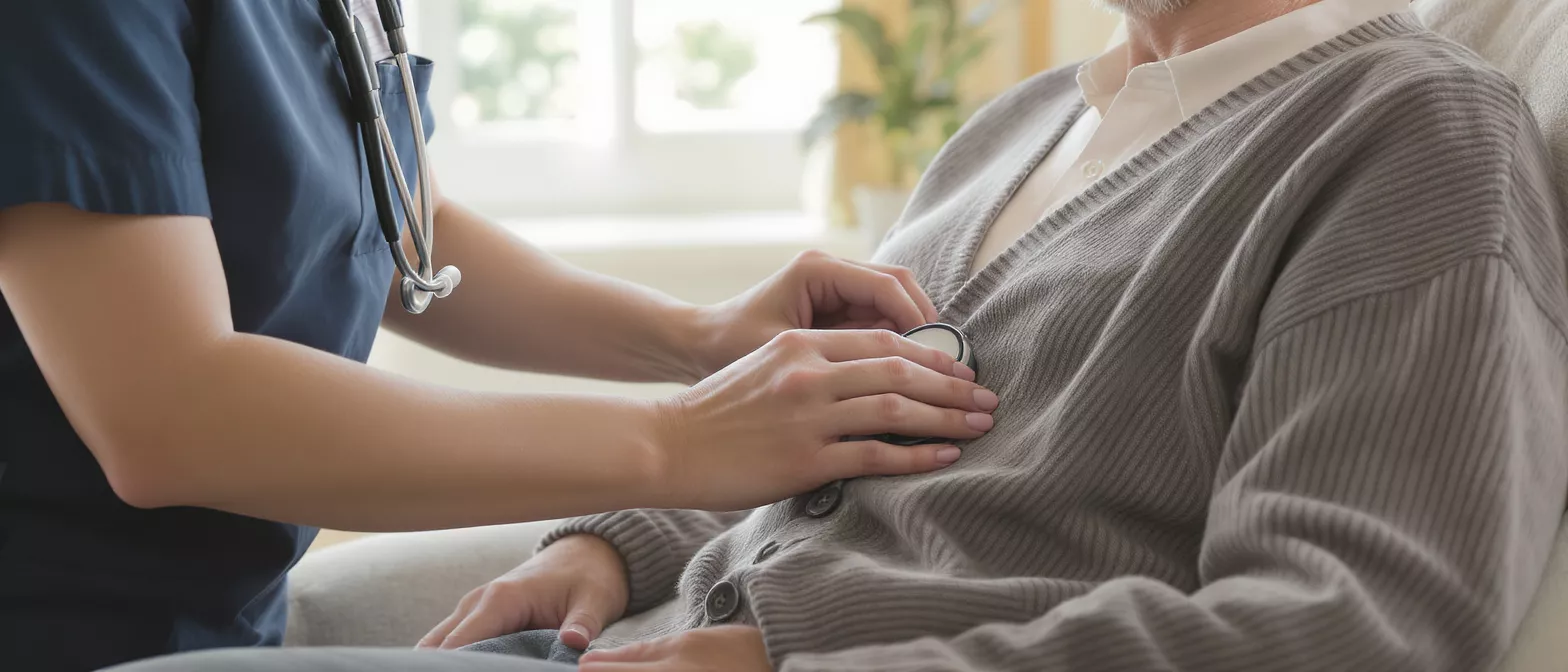
Defining one-on-one patient care: Private nursing involves hiring a registered nurse (RN) or a licensed practical nurse (LPN) to deliver medical care in a hospital setting, a rehabilitation facility, or directly in the patient's home. These professionals monitor vital signs, administer medications, manage surgical drains, and keep a watchful eye on any subtle changes in the patient's condition. Their continuous presence offers a level of clinical oversight that routine hospital check-ins cannot always match.
Why specialized cardiac nursing matters: Recovery from cardiac procedures—whether a coronary bypass, valve replacement, or another major heart intervention—requires careful hemodynamic monitoring and strict adherence to protocols. A nurse trained in cardiac care understands the nuances of heart rhythms, fluid balance, and the early warning signs of complications. Having this expertise at the bedside ensures that the heart is healing properly under continuous, expert observation.
How private nursing supports cardiac recovery
The transition from the intensive care unit to a regular hospital room, and eventually to home, is a critical period. Private nursing provides a seamless continuity of care that helps prevent setbacks and reduces the anxiety that families often feel when a patient is moved from one environment to another. Because heart surgery places immense stress on the body, having a dedicated clinical advocate ensures the patient does not navigate this complex recovery alone.
Monitoring early recovery milestones: A private nurse actively tracks the specific milestones required after cardiac surgery, such as the return of normal blood pressure, the absence of irregular heartbeats, and the gradual improvement of physical mobility. By keeping a detailed, real-time record of these metrics, the nurse can quickly identify if the recovery trajectory is stalling and communicate these clinical findings to the cardiologist.
Preventing post-operative complications: Complications after heart surgery often manifest as silent issues before they become severe. Deep vein thrombosis, fluid accumulation around the lungs, and minor wound infections are risks that require proactive management. A dedicated nurse encourages necessary mobility exercises, assists with deep breathing techniques to prevent pneumonia, and ensures the surgical site is kept immaculately clean, significantly lowering the risk of these adverse events.
What are the types of private nursing care?
Cardiac recovery is not a uniform process; it varies wildly based on the patient's age, the complexity of the surgery, and any pre-existing health conditions. Because of this, private nursing is not a one-size-fits-all service. Families can choose from several different levels of care, adapting the support as the patient regains strength and independence over the weeks and months following the operation.
Short-term acute post-op care: This intensive form of care is typically utilized immediately after the patient is discharged from the hospital, lasting for the first few weeks of recovery. The nurse may work overnight shifts or provide around-the-clock coverage to manage pain, monitor chest tubes, and assist with basic hygiene while the patient is entirely bedbound or severely restricted in their movement.
Transitioning to long-term home recovery: As the patient begins to walk independently and their surgical wounds start to close, the nursing care evolves. Long-term recovery nursing focuses more on education, cardiac rehabilitation exercises, and lifestyle adjustments. The nurse transitions from doing everything for the patient to empowering the patient to manage their own health, often reducing visits to a few hours a day for wellness checks.
Best private nursing services for post-op heart patients
Selecting the right level of support requires understanding what clinical and personal services will best serve the recovering patient. For families seeking dedicated post-operative support, securing specialized in-home cardiac nursing care ensures that clinical experts are present to handle the delicate recovery phase. The best services blend medical proficiency with genuine compassion, creating an environment where the patient feels safe and respected.
Specialized cardiac monitoring capabilities: The best private nurses for heart surgery patients possess advanced cardiac life support certifications and a deep understanding of telemetry. They are skilled at reading electrocardiograms, recognizing the signs of heart failure exacerbation, and understanding the complex medication regimens required to support cardiovascular healing. This specialized knowledge is indispensable for a safe recovery.
Holistic support for the whole person: Beyond clinical tasks, superior private nursing addresses the emotional and psychological toll of major surgery. Cardiac patients often experience depression, anxiety, or a temporary loss of autonomy. An exceptional private nurse provides conversational support, encourages mental engagement, and creates a calm atmosphere, recognizing that mental well-being is intrinsically linked to physical cardiac recovery.
What to expect from a private duty nurse at home
Bringing a private nurse into the home transforms the environment into a micro-clinic, blending professional medical care with the comfort of familiar surroundings. Families often worry about what this dynamic will look like and how it will affect their daily routines. Understanding the practical realities of in-home care helps alleviate these concerns and sets clear expectations for everyone involved in the patient's recovery journey.
Daily routine and bedside care: A typical shift for a private duty nurse involves a structured yet flexible routine tailored to the patient's needs. The day begins with a comprehensive assessment of vital signs and pain levels, followed by medication administration, wound dressing changes, and assistance with bathing. The nurse also coordinates meals around medication schedules to ensure optimal absorption of cardiac drugs.
Collaboration with your cardiac surgical team: The private nurse does not work in a vacuum; they act as a vital liaison between the patient and the surgeon's office. They are responsible for compiling detailed daily reports and reaching out to the cardiologist or surgeon if specific red flags arise. This continuous loop of communication ensures that the surgical team remains fully informed of the patient's progress without requiring the patient to travel to the clinic.
How private nursing helps with wound care and medication
Two of the most critical aspects of post-heart surgery recovery are the management of the surgical incision and the strict adherence to complex medication regimens. Errors in either of these areas can lead to severe setbacks, infections, or life-threatening complications. Private nursing provides the meticulous oversight required to navigate these high-stakes elements of recovery safely and effectively.
Surgical site maintenance: Chest incisions and leg graft sites from bypass surgery require diligent, aseptic care. A private nurse carefully inspects the wounds daily for signs of redness, excessive drainage, or separation of the edges. By using sterile techniques to clean and dress the area, they protect the patient from sternal infections and promote optimal, scar-minimizing healing.
Complex cardiac medication management: Post-operative heart patients are often prescribed a delicate balance of blood thinners, beta-blockers, and pain medications. A private nurse ensures these medications are taken at the exact right times and in the correct dosages. They also monitor for dangerous interactions and side effects, such as excessive bleeding or drops in blood pressure, making immediate adjustments in consultation with the prescribing physician.
Are private nursing services safe after surgery?
Patient safety is the paramount concern for any family considering outside help after a major operation. There is often hesitation about inviting a stranger into the home or worrying about whether a nurse's presence will disrupt the patient's rest. In reality, private nursing is specifically designed to enhance safety, providing a controlled, sterile, and highly monitored environment that significantly reduces the risks associated with post-operative care.
Rigorous infection control protocols: A core responsibility of a private nurse is maintaining a sanitary environment. They bring medical-grade sanitization practices into the home, ensuring that all equipment is properly sterilized and that the patient's immediate surroundings are free from harmful pathogens. This vigilance is crucial for heart patients, whose immune systems are often compromised following the physical trauma of surgery.
Ensuring emergency readiness: In the rare event of a sudden medical emergency, such as an arrhythmia or a sudden drop in cardiac output, having a trained professional present is invaluable. A private nurse is equipped to recognize the immediate signs of cardiac distress, initiate life-saving interventions, and contact emergency medical services without the dangerous delays that often occur when a family member is alone with the patient.
- Continuous monitoring: Immediate detection of arrhythmias or blood pressure instability prevents minor issues from escalating into emergencies.
- Strict hygiene standards: Reduces the risk of hospital-acquired or household infections entering the surgical site.
- Immediate response capability: On-site CPR and advanced life support skills ensure the patient is safe even if a sudden complication arises.
How to choose a private nurse for cardiac care
Finding the right healthcare professional to entrust with your own or a family member's cardiac recovery is a significant decision. The ideal candidate must possess not only the correct clinical credentials but also the right temperament to handle the high-stress environment of post-operative care. Knowing exactly what qualifications and traits to look for simplifies the selection process and helps the patient find a high standard of care.
Essential credentials and experience: When evaluating potential candidates, prioritize nurses who have recent experience in intensive care units (ICU) or cardiac step-down units. They should hold active, unencumbered nursing licenses and carry comprehensive liability insurance. Experience with specific procedures, such as coronary artery bypass grafting or valve replacements, is highly desirable as these patients have very specific recovery protocols.
Bedside manner and family communication: Clinical expertise must be matched with profound empathy and clear communication. The nurse will be spending long hours with the patient and family during a highly emotional time. Look for a professional who is patient, willing to answer questions without condescension, and capable of calmly explaining complex medical concepts in a way that anxious family members can easily understand.
Private nursing cost and insurance considerations
Understanding the financial aspect of private nursing is essential for families planning a comprehensive post-operative care strategy. The expense can vary widely based on the level of medical expertise required, the duration of the shifts, and the geographic region. While it represents a significant investment, families must weigh the cost against the profound benefits of avoiding complications and preventing hospital readmissions.
Factors that influence pricing: The cost of private care is typically calculated by the hour or by the shift. Rates are higher for registered nurses with specialized cardiac credentials compared to licensed practical nurses. Additionally, overnight shifts, holiday coverage, and highly specialized in-home intravenous therapy will command a premium. For families needing comprehensive assistance, evaluating the value of 24-hour private nursing care is an important step in calculating the total budget required for a safe recovery.
Navigating insurance and payment options: Standard health insurance policies often cover skilled nursing facilities but may not cover private in-home nursing unless it is explicitly prescribed by the surgeon as medically necessary. Families should consult their insurance provider to understand their exact coverage limits and pre-authorization requirements. Many private nursing agencies offer flexible payment structures, allowing families to scale the services up or down based on their immediate financial and clinical realities.
Private nursing benefits for long-term heart health
The impact of private nursing extends far beyond the immediate weeks following the operation. By establishing strong foundational habits and catching potential issues before they cause damage, a dedicated nurse helps set the trajectory for the patient's lifelong cardiac health. This long-term perspective is what elevates private care from a temporary luxury to a critical component of comprehensive heart disease management.
Building sustainable lifestyle habits: During the recovery period, the nurse acts as an educator, teaching the patient how to integrate heart-healthy practices into their daily routine. They provide practical guidance on sodium-restricted diets, the importance of prescribed cardiac rehabilitation exercises, and strategies for stress management. These daily lessons, reinforced by a medical professional, instill habits that protect the heart for years to come.
Peace of mind for the whole family: The emotional toll on spouses and children caring for a heart surgery patient is profound. Private nursing relieves the family of the burden of complex medical tasks, allowing them to return to their natural roles as supportive loved ones rather than stressed caregivers. Knowing that a clinical expert is managing the recovery allows the family to rest, ultimately creating a healthier, more positive environment for the patient. For those looking to ensure complete cardiovascular support, exploring options for private duty cardiac nursing is a vital step in the ongoing care plan.
- Lasting health education: Patients learn to manage their diet, exercise, and daily routines independently with professional guidance.
- Reduced caregiver burnout: Family members can focus on emotional support, leaving the complex clinical tasks to trained professionals.
- Improved long-term outcomes: Consistent monitoring and early intervention lead to better heart health and a higher quality of life post-surgery.
In summary, securing private nursing care after heart surgery provides an invaluable layer of protection, education, and emotional support. It bridges the gap between the sterile hospital environment and the home, ensuring that the vulnerable transition period is managed with clinical precision. For any family facing the complexities of cardiac surgery, investing in dedicated nursing care is a proactive step toward a smoother, safer, and more confident recovery.







Comments