Diet After Heart Surgery: What to Eat for Recovery
A diet after heart surgery recovery speeds healing and protects your heart for the long term.
If you or someone you love has just come through open heart surgery, food is probably not the first thing on your mind — but it should be one of the first things on your plan. A diet after heart surgery recovery does two jobs at once: it gives your body the raw materials to heal the breastbone, the incision and the heart itself, and it protects the treated arteries from the same disease that sent you to the operating room in the first place. This guide walks through what to eat after open heart surgery, week by week, in plain language, so you can shop, cook and plan with confidence instead of guessing.
Why Does a Diet After Heart Surgery Recovery Matter So Much?
Healing is expensive for the body. Your sternum — the breastbone that was divided during surgery — usually takes six to eight weeks to knit back together, and tissue repair everywhere depends on protein, vitamins and steady energy. Under-eating in the early weeks is one of the most common, and most avoidable, reasons recovery drags on.
The food is also the prevention. Whatever brought you to surgery — narrowed coronary arteries, a diseased valve, an aortic problem — the underlying process of cholesterol deposit and inflammation does not stop when the operation ends. Large analyses of global health data, such as the Global Burden of Disease Study, have consistently identified dietary risk as a leading contributor to cardiovascular death worldwide, which is why cardiac surgery diet guidelines treat nutrition as treatment, not as an afterthought.
Every case is reviewed by the multidisciplinary team before surgery, and nutrition is worth discussing from the first consultation. Patients who start thinking about their plate before the operation, not after, tend to settle into a diet after heart surgery recovery far more easily.
What Can You Eat in the First Days? Soft Foods After Heart Surgery
Appetite is normally the first casualty. Anesthesia, pain medication and the stress of the operation all blunt hunger for several days, and this is expected. In the first 24 to 72 hours most patients do best with small, frequent portions rather than three full meals: soups, yogurt, scrambled eggs, oatmeal, well-cooked vegetables, soft fruit.
Soft foods after heart surgery are not just about comfort. Some patients feel briefly bloated or queasy because anesthesia slows the gut, and because air can get trapped around the heart and chest during surgery. Light, low-fat meals pass through more easily and reduce that pressure on the chest, which matters when every deep breath already feels like work.
Constipation is the other early issue — pain medicines are notorious for it, and straining on the toilet in the first weeks is genuinely risky for a healing sternum. Prunes, pears, plenty of fluids and, if needed, a stool softener prescribed by your team solve most of it before it starts.
Heart Surgery Diet Week by Week: Your First Month
Weeks one and two are about repair and regularity. Aim for protein at every meal, five or six small meals a day, and fiber from oats, fruit and vegetables. Nothing needs to be perfect; the goal is simply to eat consistently while your body does heavy construction work.
Weeks three and four begin the real transition. Appetite usually returns with a vengeance around week three, and this is where habits form. This is the moment to start cooking the way you intend to eat for the rest of your life — the heart healthy diet post surgery is not a temporary regime but your new default.
- Weeks 1–2: soft, frequent meals, protein every time you eat, fluids and fiber for regularity.
- Weeks 3–4: normal appetite returns; begin structured meals — vegetables, whole grains, lean protein, very little salt.
- End of month one: your heart surgery recovery meal plan should look like the diet you want at month twelve, just with more snacks built in.
How Much Protein Do You Need After Heart Surgery?
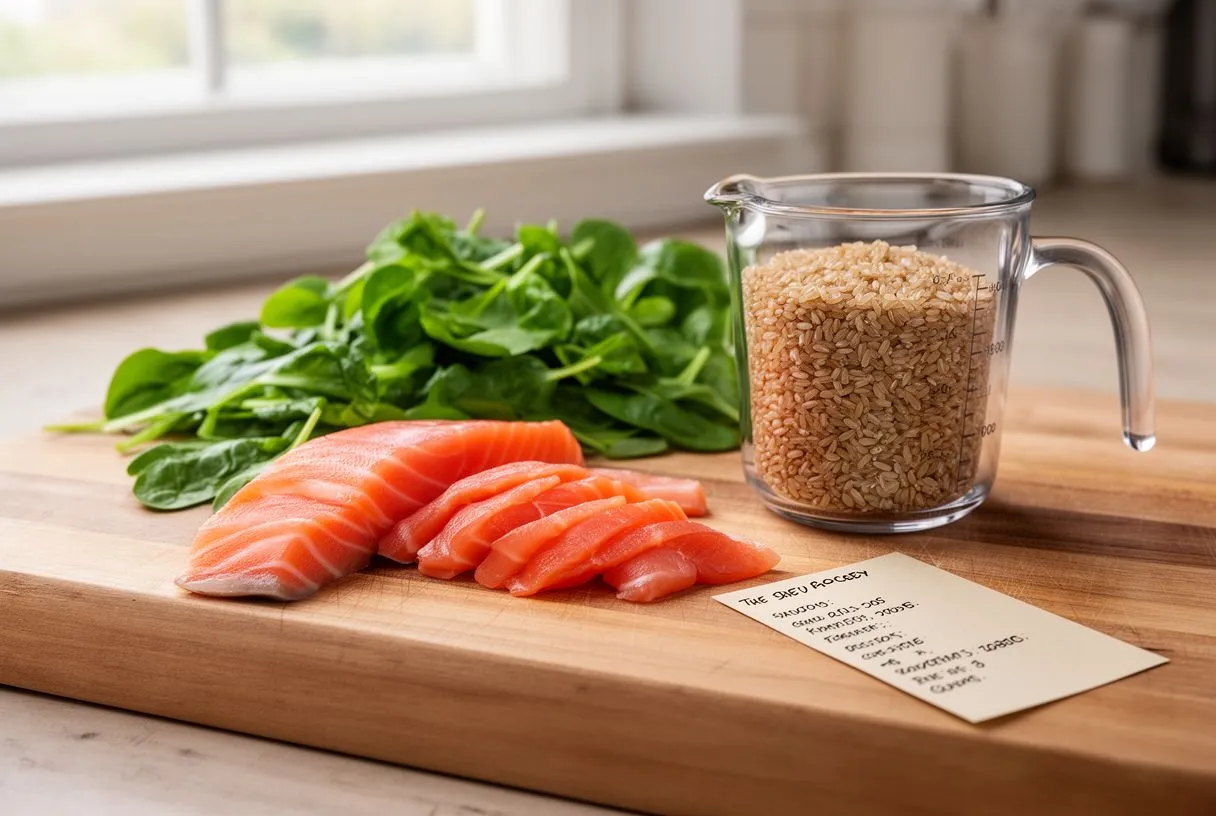
Protein needs after heart surgery are higher than most people assume. Wound healing, immune function and rebuilding muscle lost during hospitalization all demand amino acids. While exact targets should come from your own team — and a dietitian if one is available — a practical anchor is some source of protein at every single meal: eggs, fish, chicken, legumes, dairy, tofu.
Older patients need to be especially deliberate. Muscle mass declines faster with age, and recovery after cardiac surgery in someone over 70 can quietly consume muscle that is hard to replace. Weight loss during recovery is often celebrated, but unintentional muscle loss is not the kind of weight you want to lose.
If chewing or appetite is the barrier, liquid options count completely: soups with lentils or shredded chicken, milk, yogurt drinks, smoothies with protein powder if your team approves. During early recovery, it helps to track weight week by week, because a dropping scale is often the first visible sign that protein intake is falling short.
What Does a Low Sodium Diet After Heart Surgery Look Like?
Sodium controls fluid, and fluid is the issue. After cardiac surgery, the body holds onto salt and water, which the recovering heart then has to move. Excess sodium raises blood pressure and can contribute to fluid buildup in the lungs or legs. Most cardiac surgery diet guidelines suggest keeping daily sodium well below the general population target during the recovery period — often around 2,000 mg per day, though your own team may set a different number.
Reading labels is where the low sodium diet after heart surgery is won or lost. The salt shaker is rarely the villain; bread, deli meats, canned soups, sauces, cheese and restaurant meals carry most of the load. Compare labels, choose "no added salt" versions, and season with herbs, citrus, garlic and vinegar instead.
- Skip the top offenders: processed meats, instant soups, salty snacks, canned vegetables unless rinsed, most takeaway food.
- Flavor freely: lemon, lime, fresh herbs, pepper, smoked paprika, garlic and onion make low-salt food genuinely enjoyable.
Is the Mediterranean Diet the Best Long-Term Choice After Heart Surgery?
The Mediterranean diet heart surgery evidence is the strongest available. Decades of research — and the body of work summarized by the National Library of Medicine — support a pattern built on vegetables, fruit, legumes, whole grains, olive oil, nuts and fish, with red meat and sweets as occasional guests rather than regulars. This is the pattern most cardiologists and surgeons recommend as the long-term default.
It is a pattern, not a prescription. You do not need to eat like a Mediterranean village to benefit. The protective effects come from the overall direction of your eating — more plants, more fish, more olive oil, less processed food — applied consistently over years. An anti inflammatory diet heart recovery simply means emphasizing foods that calm inflammation: oily fish, colorful vegetables, berries, nuts, and limiting fried and ultra-processed items.
When our team explains what the studies actually show in consultation, this is the diet pattern we point to — not because it is fashionable, but because it is the one with the best evidence for protecting treated arteries over the long term.
When Is Fluid Restriction After Cardiac Surgery Necessary?
Fluid restriction after cardiac surgery is not automatic — it depends on your heart's condition. Some patients, particularly those who went into surgery with heart failure or reduced pumping function, are asked to limit fluids for a period after the operation. Others are actively encouraged to drink freely. This is a decision your surgical and cardiology team makes based on your own echocardiogram and fluid balance, not a general rule.
If you are on a restriction, count everything that pours. Soup, gelatin, milk in coffee and fruit with high water content all count toward a fluid limit. Your team will give you a daily number and a system for tracking it; weighing yourself at the same time every morning is the other half of the equation, because rapid weight gain over two or three days signals fluid retention that needs attention before symptoms appear.
Call your team if you notice swollen ankles, sudden weight gain, breathlessness lying flat, or a new nighttime cough. These are manageable findings — but only when someone knows about them early.
What Should You Never Eat Again After a Heart Bypass?
The honest answer: nothing is forbidden forever, but some foods earn their ban. Patients often ask what to eat after open heart surgery in terms of a blacklist, and the truthful framing is that a few foods are so reliably harmful to diseased arteries that "never again" is genuinely good advice — while most others are about frequency and portion, not prohibition.
The avoid after heart surgery diet shortlist looks like this:
- Trans fats and deep-fried food: these raise the cholesterol that re-narrows bypass grafts; commercial fried food and anything listing "partially hydrogenated oil" is the clearest permanent cut.
- Processed and cured meats: bacon, sausages, salami and deli slices combine high sodium with the saturated fats most linked to plaque progression.
- Sugary drinks and ultra-processed snacks: they add weight and triglycerides without feeding healing.
- Alcohol: worth a real conversation with your team; it interacts with medications and offers no cardiac benefit.
Everything else — red meat occasionally, cheese in sensible portions, an occasional dessert — fits into a long term diet after cardiac surgery without guilt, provided the overall pattern stays plant-forward.
Beyond the Plate: Recovery Nutrition After Bypass Surgery and Daily Habits
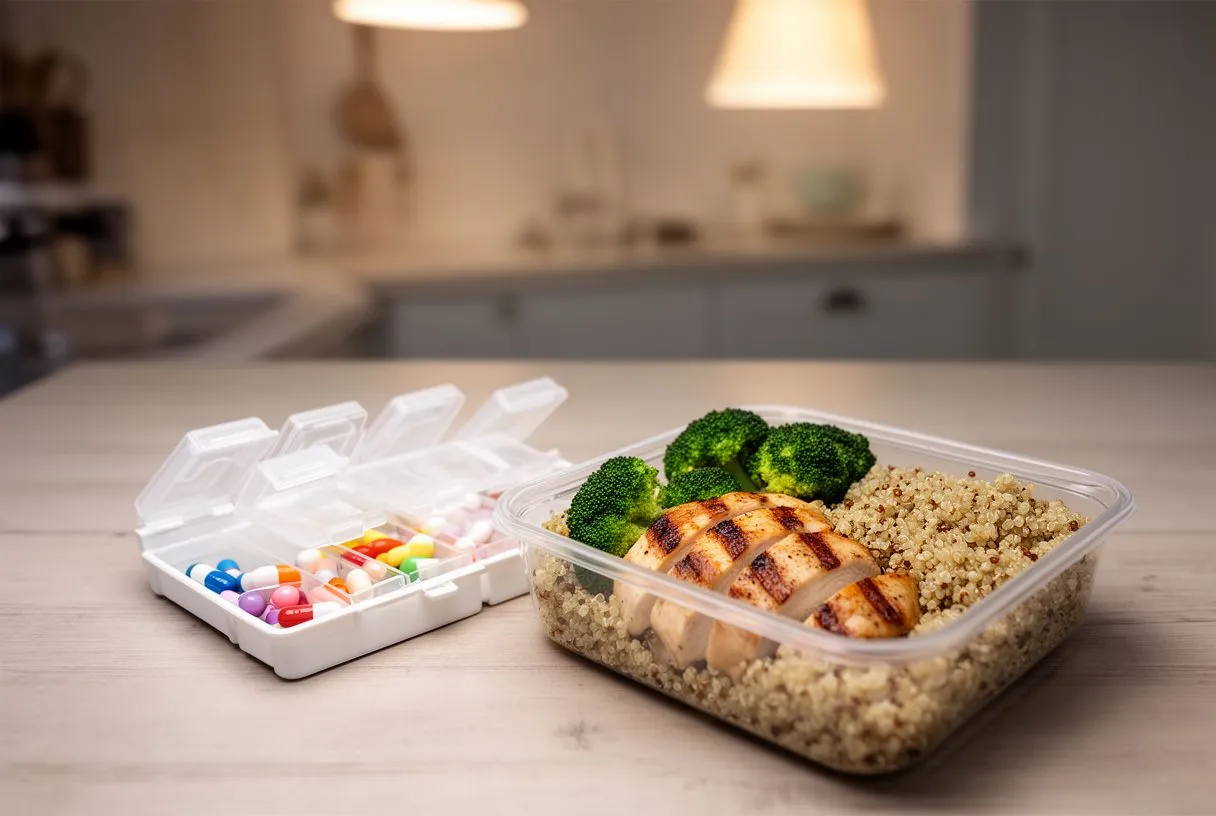
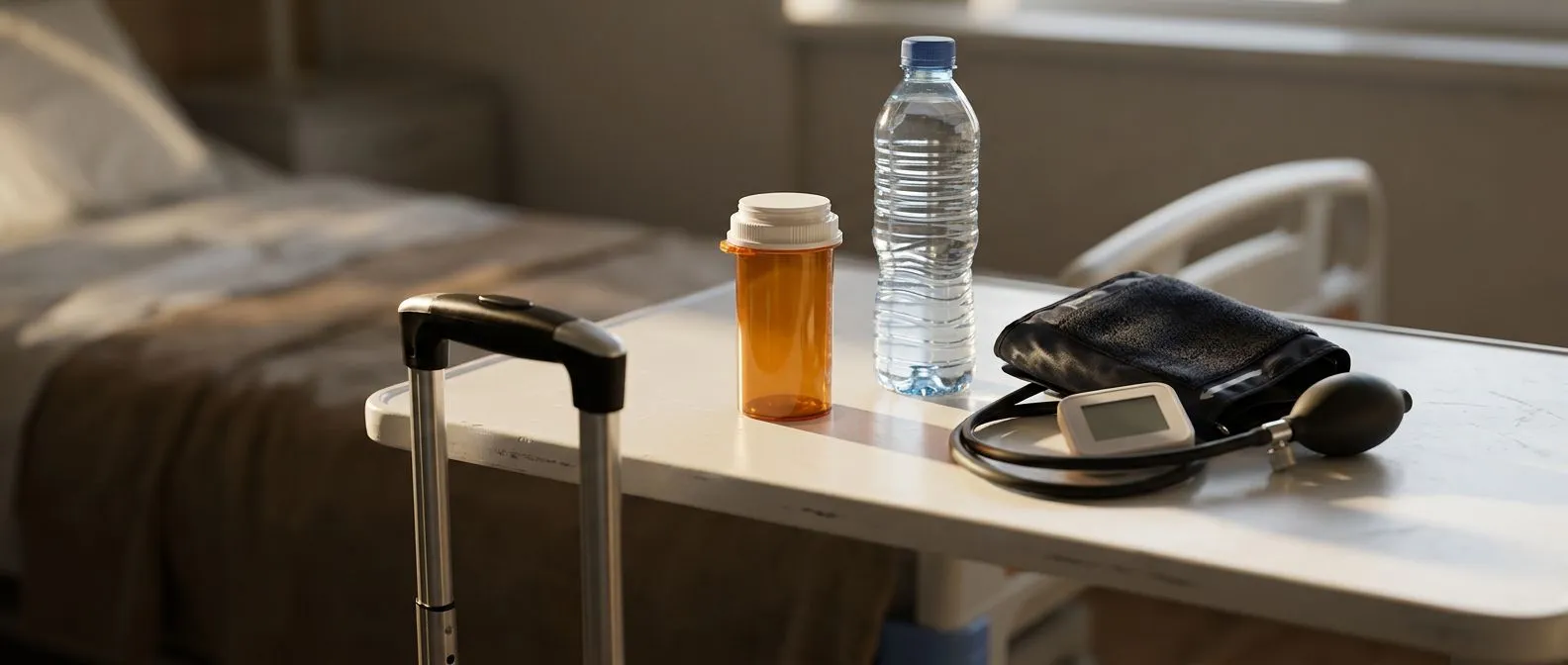
Coronary artery bypass surgery — often called CABG — uses a healthy vessel, usually taken from the leg or chest wall, to route blood around a blocked coronary artery. The graft solves the immediate blockage, but the lifestyle changes recommended after cardiac bypass surgery are what protect the graft: no smoking at all, daily walking that builds gradually into a cardiac rehab nutrition plan and exercise program, medication adherence, weight management and the diet described above.
A few practical questions patients always ask. Can you shower after open heart surgery? Yes — usually within a few days, with warm (not hot) water and no scrubbing the incision, following your team's specific instructions. How much weight can you lift six months after open heart surgery? By then, most patients have been cleared for normal lifting through a gradual strengthening progression; the first weeks cap lifting at a few kilos precisely because the healing sternum cannot tolerate strain. What are the signs of depression after open heart surgery? Persistent low mood, loss of appetite beyond the first week, poor sleep, tearfulness or feeling that recovery is pointless — these are common, real, and very treatable, and they deserve a mention to your team, not silent endurance.
Knowing what is normal at week one versus month six removes most of the anxiety that makes recovery feel harder than it is, so ask your team to walk you through this timeline before discharge.
How Do You Build a Heart Surgery Recovery Meal Plan and Grocery List?
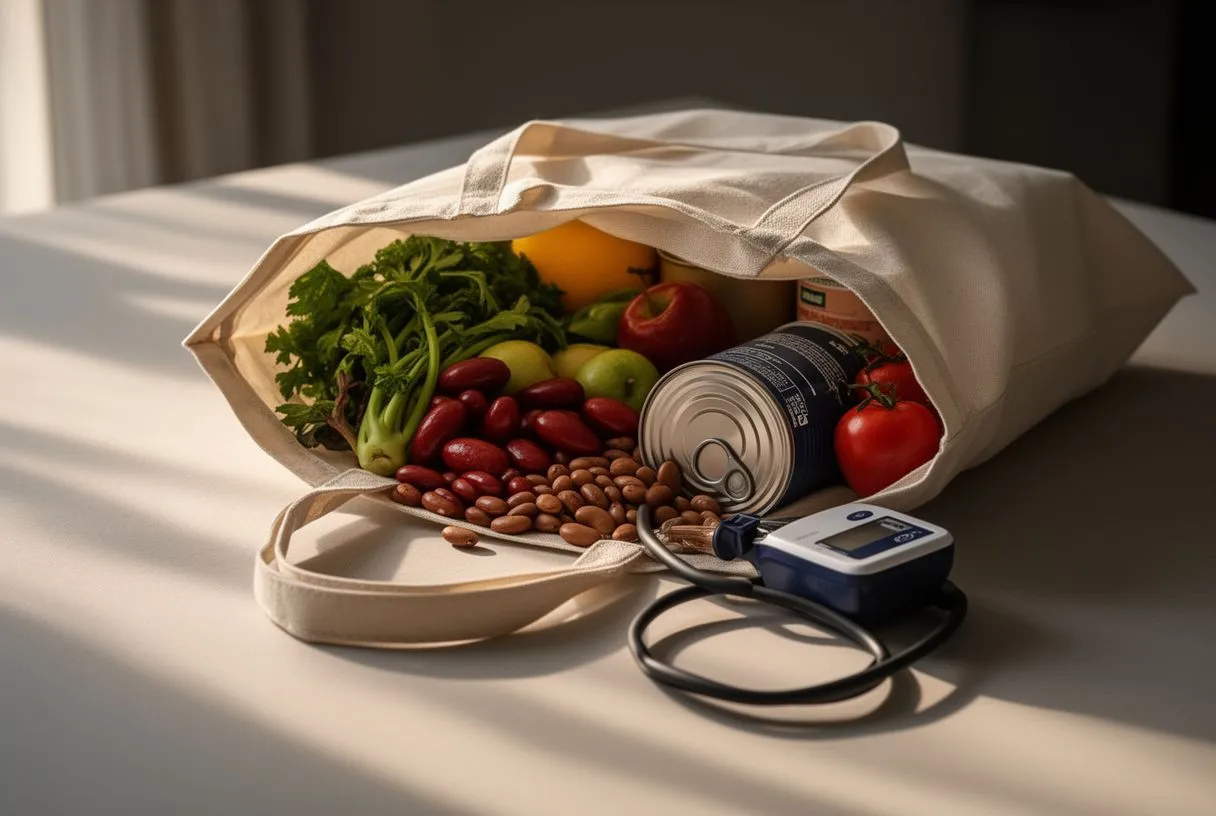
Shop the perimeter, build around the basics. A practical heart surgery recovery grocery list keeps decision-making to a minimum during the weeks when energy is limited — and having the right food at arm's reach is half the battle when cooking for yourself is still tiring.
Stock these, and most meals assemble themselves: oats, whole-grain bread, brown rice, lentils, canned beans (rinse them), eggs, fresh or frozen fish, skinless chicken, plain yogurt, milk or fortified plant milk, olive oil, nuts, plenty of frozen vegetables, and fresh fruit that needs no preparation — bananas, apples, pears, berries.
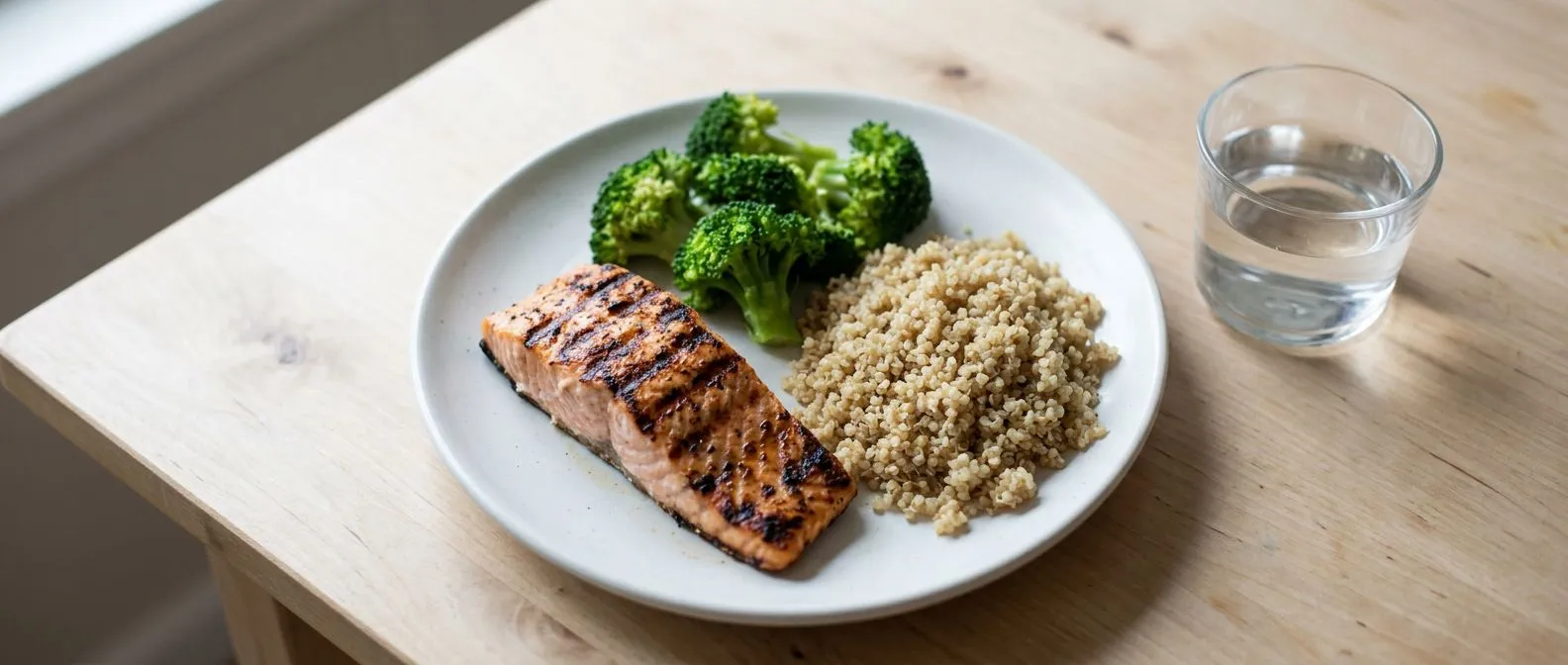
Foods that heal after heart surgery are ordinary foods, consistently eaten. Salmon with roasted vegetables, lentil soup with whole-grain bread, oatmeal with walnuts and berries, a bean and vegetable stew — nothing exotic, nothing expensive. Families tend to do best when one person owns the shopping and the plan for the first month, so the recovering patient only has to eat, walk and rest. Enlist yours early.
Recovery is a series of small, boring, brilliant decisions repeated daily — and food is the one you make three times a day, every day. Discuss your specific situation, your medications and any fluid or protein targets with your own cardiac team before changing your diet, and if you are weighing your options before or after surgery, we invite you to book a consultation with a qualified cardiac team — including ours, if you are considering care in Guadalajara, Querétaro or Hermosillo — rather than navigating recovery on your own. A clear plan, reviewed together, is always the lowest-risk path for your situation.