

CABG
Learn how CABG restores heart blood flow, including recovery, risks and benefits.
What is CABG Surgery?
Defining the acronym: CABG stands for Coronary Artery Bypass Grafting, a specialized surgical procedure designed to improve blood flow to the heart muscle. When the coronary arteries become narrowed or blocked by fatty deposits, the heart struggles to receive enough oxygen-rich blood. A coronary bypass graft creates a new route, bypassing the blocked area to restore healthy circulation.
For a patient facing heart surgery, hearing the term CABG can feel overwhelming, but the concept is straightforward and highly refined. Surgeons do not remove the blockage; instead, they reroute the blood supply using a healthy blood vessel taken from another part of the body, ensuring the heart gets the oxygen it critically needs.
This procedure has become one of the most common and successful major heart operations performed worldwide. It is a well-established treatment for severe coronary artery disease, offering relief from chest pain and a return to daily life.
How CABG Procedure Works
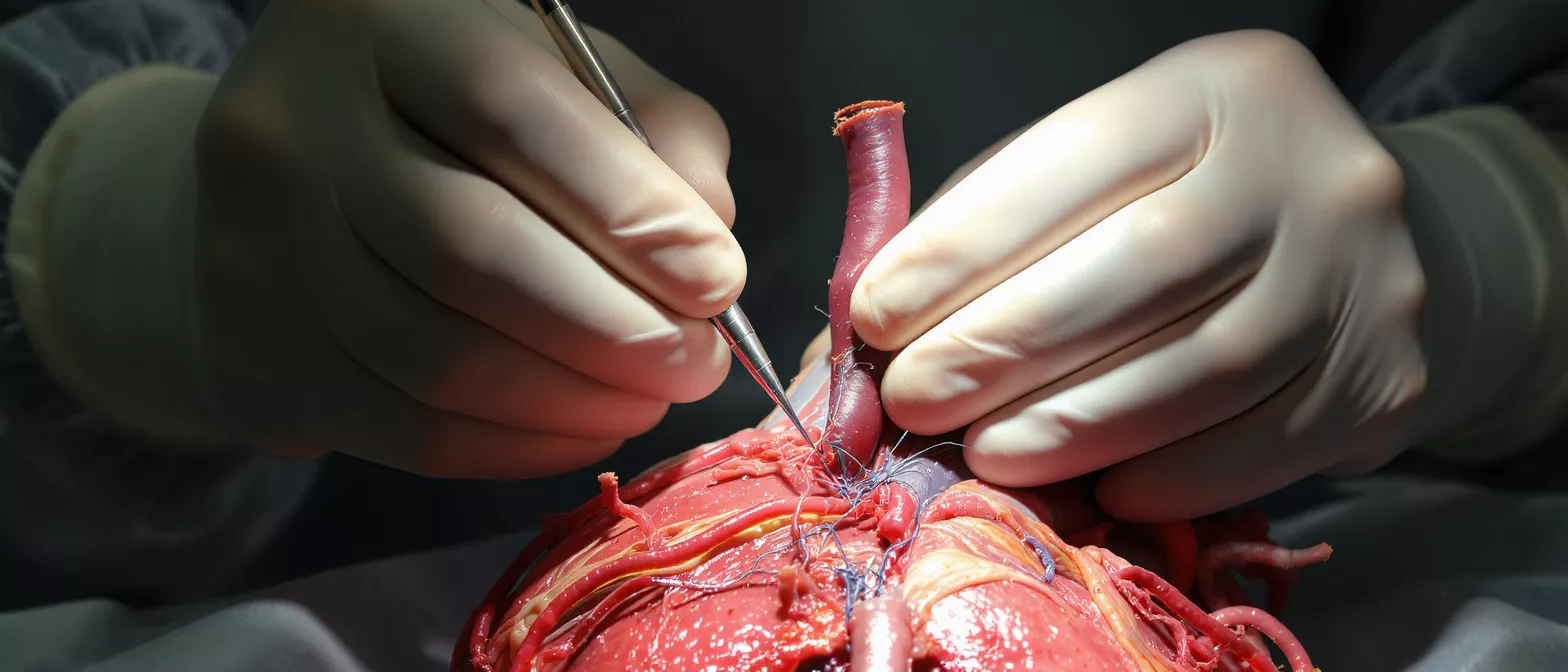
Harvesting the healthy vessel: The CABG procedure begins by taking a healthy blood vessel from the chest, leg, or arm. Surgeons often use the internal mammary artery from the chest, or the saphenous vein from the leg, to serve as the new detour for blood flow.
Once the healthy vessel is prepared, the surgeon attaches one end of it below the blockage in the coronary artery and the other end to the aorta. This precisely placed heart bypass surgery graft effectively shunts blood around the obstruction, delivering a fresh supply of oxygen to the heart muscle immediately.
Depending on the number of blocked arteries, a patient may need a single, double, triple, or quadruple bypass. The exact approach is tailored to the individual's specific anatomy and the extent of the blockages discovered during preoperative testing.
Why CABG Treats Coronary Artery Disease
Addressing the root cause of ischemia: Coronary artery disease develops when plaques build up inside the arteries, restricting blood flow and causing ischemia. When medications or minimally invasive stents are not enough, CABG surgery provides a definitive mechanical solution.
By bypassing the diseased segments, the surgery immediately relieves the heart's oxygen starvation. This helps eliminate symptoms like severe chest pain and shortness of breath, allowing the heart to pump efficiently without struggling against narrowed arteries.
Treating coronary artery disease with bypass surgery is about improving quality of life and preventing a major cardiac event. The new grafts act as durable highways for blood, protecting the heart from the progressive danger of severe blockages over time.
CABG vs Stent: Which is Better?
Understanding the differences in approach: A stent is a small mesh tube inserted via a catheter to prop a blocked artery open, whereas CABG involves a surgical bypass around the blockage. The choice between them depends on how many arteries are blocked and their exact location.
For patients with multiple blocked arteries or diabetes, CABG is generally preferred because it offers more complete and longer-lasting revascularization. A stent is often suitable for isolated, single-vessel blockages that can be easily reached and stabilized.
- Stents: Minimally invasive, faster initial recovery, ideal for single blockages.
- CABG: Surgical bypass, longer initial recovery, preferred for multiple blockages or complex diabetes cases.
Types of Coronary Bypass Surgery
On-pump versus off-pump techniques: Traditional CABG uses a cardiopulmonary bypass machine, which temporarily takes over the heart's pumping and breathing functions so the surgeon can operate on a still heart. Off-pump CABG, also known as beating heart surgery, is performed while the heart continues to beat naturally.
Surgeons may also perform minimally invasive direct coronary artery bypass (MIDCAB), which uses smaller incisions rather than opening the entire chest. The optimal technique depends on the patient's overall health, the complexity of the blockages, and the surgical team's expertise.
Regardless of the specific type of coronary bypass surgery chosen, the primary goal remains the same. Creating a reliable, lasting bypass around diseased arteries is the priority for restoring healthy cardiac function.
What to Expect During CABG Surgery
The day of surgery: Patients are placed under general anesthesia, ensuring complete sleep and absence of pain throughout the operation. The surgical team carefully monitors vital signs, including blood pressure and oxygen levels, using advanced equipment.
The surgeon makes an incision down the center of the chest to access the heart. Depending on the surgical plan, the heart-lung machine may be used to maintain circulation while the delicate grafts are sewn into place.
The procedure typically lasts three to six hours, depending on the number of bypasses required. Families are kept informed during the surgery, and patients wake up in a specialized intensive care unit for close observation as they begin to recover.
CABG Recovery Time and Hospital Stay
Immediate postoperative care: After waking up, patients spend one or two days in the intensive care unit before transferring to a regular hospital room. Nurses and therapists encourage gentle movement and breathing exercises almost immediately to prevent complications.
The standard hospital stay for CABG recovery is usually four to six days. During this time, the medical team manages pain, monitors the healing of the chest incision, and ensures the heart is functioning well before discharge.
Full CABG recovery time takes several weeks to a few months. While energy levels return gradually, patients are encouraged to enroll in a cardiac rehabilitation program to rebuild strength safely under medical supervision.
CABG Risks and Benefits
Weighing the safety profile: Like any major surgery, CABG carries risks, including bleeding, infection, and reactions to anesthesia. Because it involves the heart, there is also a small risk of arrhythmias or stroke, which is why surgical teams take extensive precautions.
The benefits, however, are often life-saving. CABG relieves severe chest pain, improves physical stamina, and significantly reduces the risk of a fatal heart attack in patients with advanced coronary artery disease.
Are CABG procedures safe? Yes, they are highly refined and carry a strong safety record in modern medicine. For many patients, the long-term health benefits heavily outweigh the surgical risks, especially when lifestyle changes are adopted post-surgery.
CABG Life Expectancy and Long-Term Outlook
Survival rates and durability: CABG life expectancy is generally very positive, with the procedure providing durable symptom relief for many years. The bypasses remain open and functional for a decade or more in most patients, effectively prolonging life and enhancing its quality.
Long-term success heavily depends on managing the underlying factors that caused the original blockages. Patients must control blood pressure, cholesterol, and diabetes, as the new grafts can become blocked if the disease is left unchecked.
Adopting a heart-healthy lifestyle is the most critical factor in extending the lifespan of the grafts. Eating a balanced diet, exercising regularly, and avoiding smoking ensure the coronary bypass continues to protect the heart well into the future.
Returning to Life After Heart Bypass Surgery
Reclaiming daily activities: Heart bypass surgery is a major physical event, and patients are often surprised by the gradual nature of their energy return. Walking daily, lifting light objects, and managing household tasks become possible within a few weeks, though heavy lifting must be avoided initially.
Emotional recovery is just as important as physical healing. Feeling anxious or experiencing mood swings after surgery is common, and discussing these feelings with family, doctors, or support groups helps ease the transition back to normal life.
Coronary bypass surgery offers a second chance at a healthy, active life. By following medical advice, attending cardiac rehab, and protecting the new grafts, patients return to their favorite activities with renewed energy and a stronger, more resilient heart.






