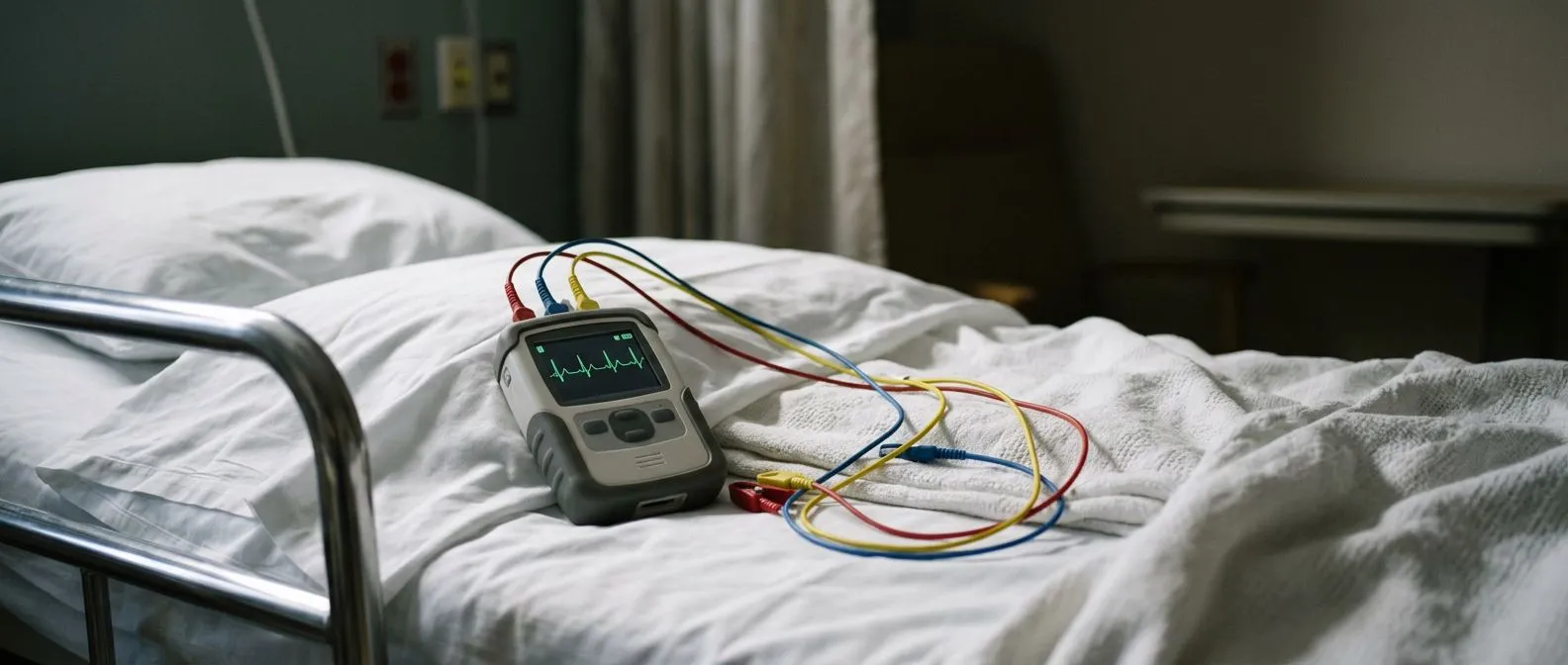
Cardiopulmonary Bypass: How the Heart-Lung Machine Works
A cardiopulmonary bypass machine temporarily takes over your heart and lungs during surgery.
What Is a Cardiopulmonary Bypass Machine?
Facing heart surgery brings a wave of questions, and understanding the tools involved can ease much of that anxiety. The cardiopulmonary bypass machine, often called the heart-lung machine, is one of the most vital pieces of equipment used in the operating room. It temporarily takes over the function of your heart and lungs, allowing the surgeon to operate on a still, blood-free heart. This technology makes complex cardiac repairs possible while ensuring your body continues to receive the oxygen it needs to survive.
Understanding the basic concept: Think of the cardiopulmonary bypass system as a sophisticated substitute for your natural circulation. When your heart is stopped during surgery, it cannot pump blood, and your lungs are not processing oxygen in the usual way. The machine steps in to drain venous blood, add oxygen, remove carbon dioxide, and pump the oxygenated blood back into your body. During this process, the machine may also utilize cell-saving techniques to recover and recycle your own blood, known as autologous blood, minimizing the need for donor transfusions.
Why it matters for your surgery: The primary goal of the heart-lung machine is to provide a motionless and bloodless surgical field. Beating heart muscle is difficult to repair precisely, especially when dealing with delicate structures like valves or coronary arteries. By diverting your circulation to the bypass machine, the surgical team can perform meticulous repairs with the highest degree of accuracy, ensuring the best possible outcome for your specific cardiac condition.
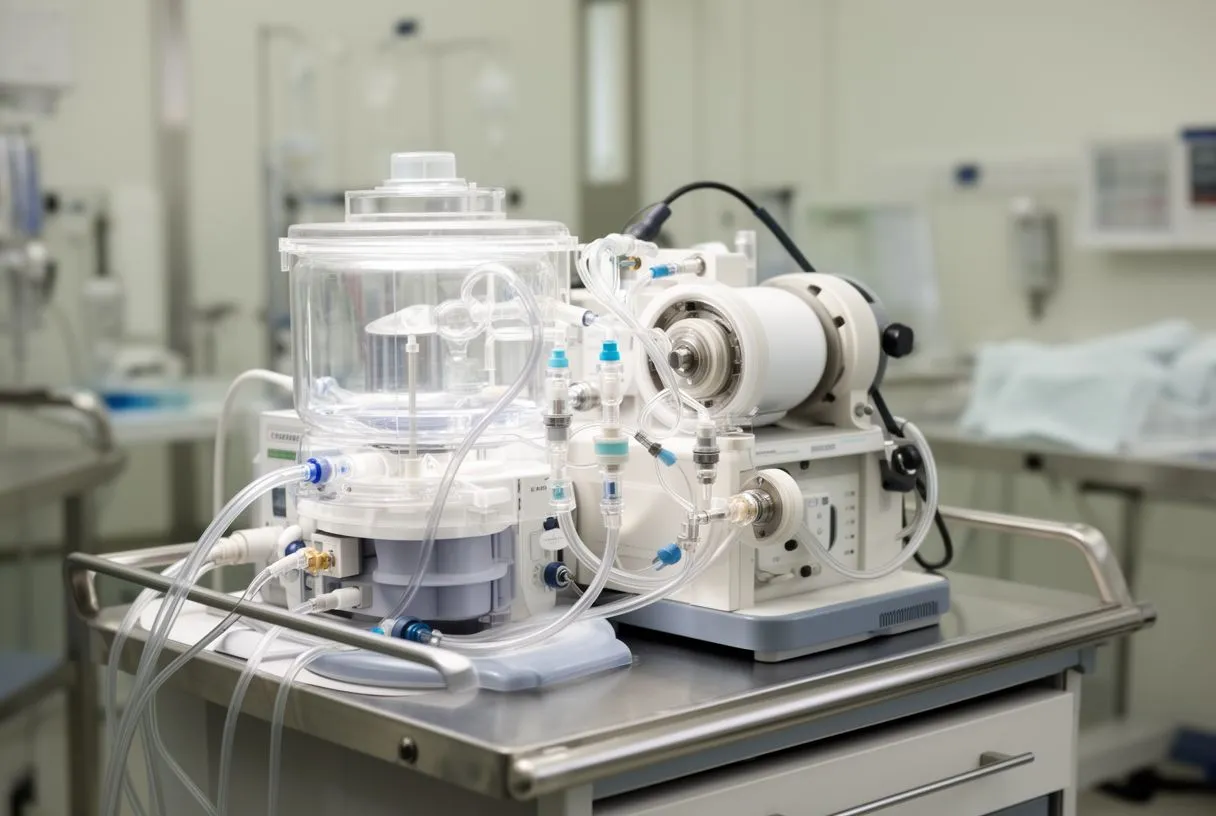
How Does the Heart-Lung Machine Work During Surgery?
The process of establishing cardiopulmonary bypass is highly coordinated and begins only after you are fully asleep under general anesthesia. The surgeon makes precise incisions to access the heart and major blood vessels. Once the anatomy is prepared, the team inserts specialized tubes called cannulas to connect your circulatory system to the bypass machine. An arterial cannula is usually placed in the aorta, the main artery leaving the heart, to return oxygenated blood to your body.
The path of your blood: Blood is drained from the right side of your heart, specifically from the right atrium or the major veins entering it. This dark, deoxygenated blood travels through tubes into the bypass machine. Inside the machine, the blood passes through an oxygenator, which functions like an artificial lung, exchanging carbon dioxide for oxygen. The freshly oxygenated blood is then gently pumped back through the arterial cannula into the ascending aorta, flowing downward to nourish your brain and other organs.
Throughout this process, the surgical team continuously monitors your vital signs and blood chemistry. Devices similar to those used in other medical research, like the ones registered on clinicaltrials.gov, help establish the safety parameters for these procedures. The machine's flow rate, pressure, and temperature are adjusted moment by moment to mimic your natural circulation perfectly. This ensures that your tissues remain healthy and oxygenated while the surgeon works on your heart.
Key Components of the Cardiopulmonary Bypass System
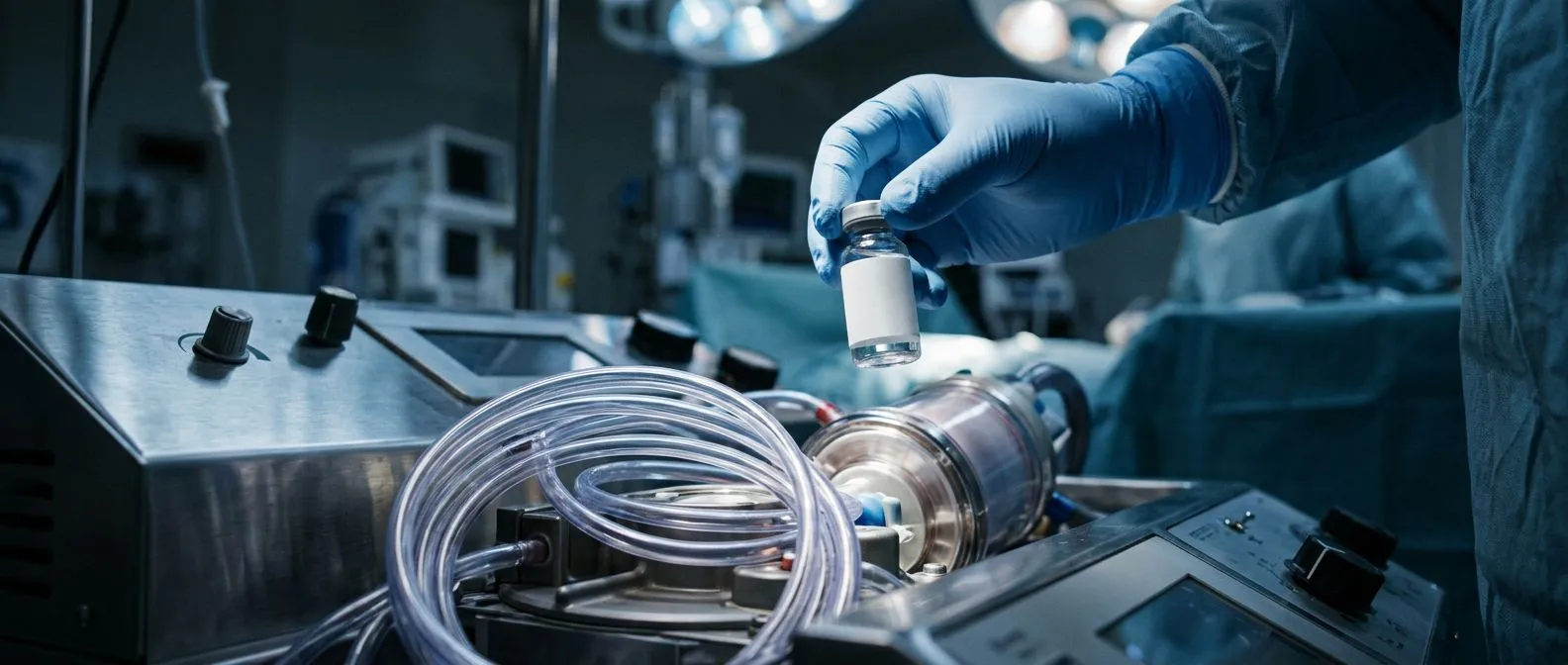
The cardiopulmonary bypass machine is not a single unit but a collection of specialized components working together in harmony. The most critical part is the oxygenator, which replaces the function of your lungs. Here, a membrane allows oxygen to pass into the blood and carbon dioxide to escape, exactly as it happens in the alveoli of healthy lungs. This component ensures the blood returning to your body is fully oxygenated and safe for your tissues.
The heart of the machine: The pump mechanism acts as an artificial heart. Modern bypass machines typically use roller pumps or centrifugal pumps. Centrifugal pumps are often preferred for complex cases because they cause less trauma to the blood cells and reduce the risk of introducing air bubbles into the circulation. The pump must maintain a steady, continuous flow that matches your body's metabolic demands, adjusting automatically as the surgical situation changes.
Another crucial component is the heat exchanger, which controls the temperature of your blood. During some procedures, the team may lower your body temperature to reduce the metabolic rate of your organs, protecting them while circulation is supported by the machine. As the surgery concludes, the heat exchanger gradually warms your blood back to normal body temperature, preparing your heart to resume its natural beating rhythm.
When Is Cardiopulmonary Bypass Used in Cardiac Surgery?
Cardiopulmonary bypass is utilized in a variety of open-heart procedures where a still and dry surgical field is absolutely necessary. The most common use is in coronary artery bypass grafting, where an arterial graft is used to bypass a blockage caused by atheromatous plaque. The precision required to sew these delicate grafts to the heart's surface would be nearly impossible if the heart were continuously beating and full of blood.
Valve repair and replacement: The machine is also essential for valve surgeries. Whether repairing a damaged valve or replacing it with a mechanical or biological option, the surgeon needs a clear view and stable tissue. In some cases, a balloon-expandable valve is used, particularly in transcatheter aortic valve replacement (TAVR), though these less invasive options sometimes avoid full bypass. For traditional open valve surgeries, bypass is standard. For patients who are not candidates for certain catheter-based interventions, such as those who might otherwise be considered for a balloon aortic valvuloplasty, open surgery with bypass may be the most reliable path to long-term correction.
Bypass is also required for more complex interventions, including surgeries to correct arrhythmias or repair congenital heart defects. Even in specialized pulmonary interventions where alternatives are explored, the medical literature often compares techniques, such as in the Comparison of Balloon Pulmonary Angioplasty and Pulmonary Vasodilators for Inoperable Chronic Thromboembolic Pulmonary Hypertension: A Systematic Review and Meta-Analysis. Understanding when bypass is required helps patients grasp the scale and intention of their upcoming surgery.
- Coronary Artery Bypass: Rerouting blood around blocked arteries using healthy grafts.
- Valve Surgery: Repairing or replacing narrowed or leaking heart valves.
- Complex Repairs: Fixing structural defects or addressing severe arrhythmias.
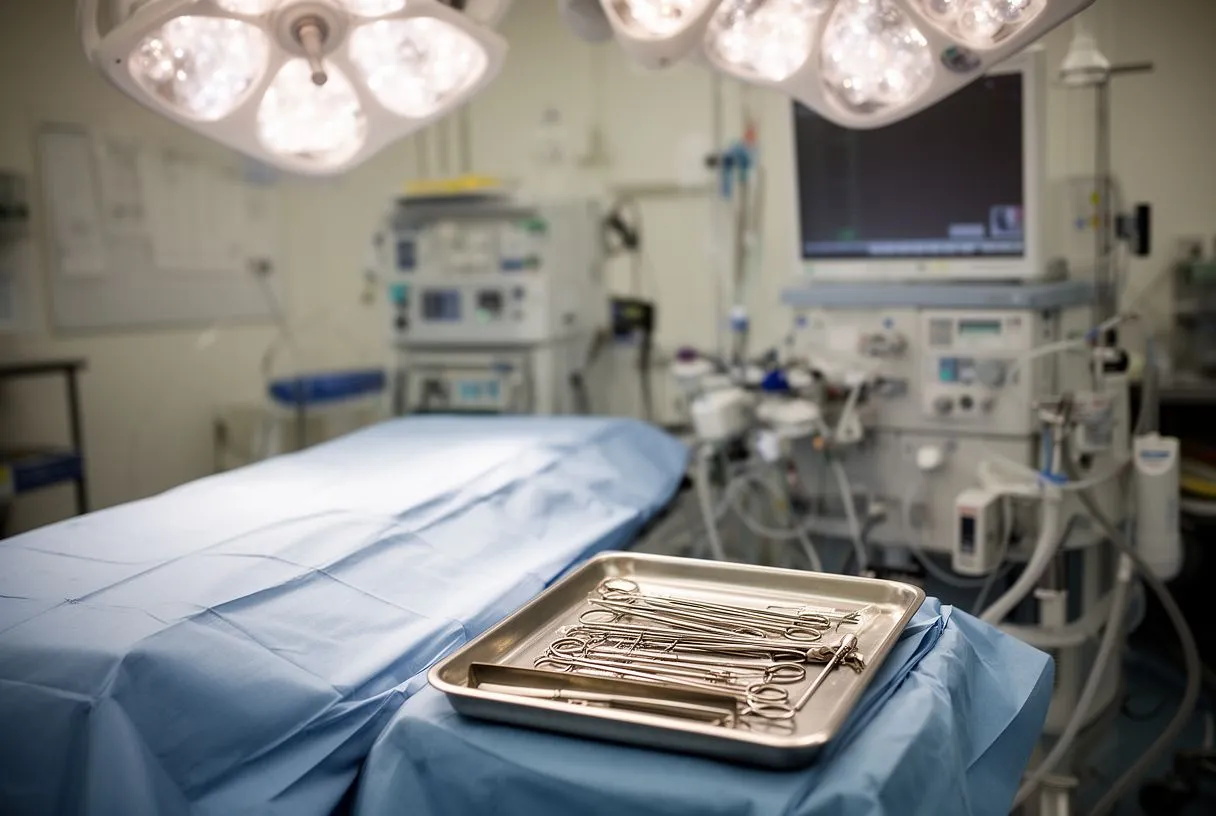
What to Expect During the Cardiopulmonary Bypass Procedure
From the patient's perspective, the experience of being on the bypass machine is entirely silent; you will be deeply anesthetized and unaware of the mechanical support sustaining you. Before the machine is activated, the anesthesiology team ensures you are completely asleep and free of pain. They use standard monitoring techniques, including auscultation with a stethoscope to confirm breath sounds and proper tube placement, before the chest is opened. Safety equipment like an automated external defibrillator is always on standby in the operating room, though the team relies on continuous, advanced monitoring throughout the surgery.
The transition to bypass: Once the cannulas are in place, the perfusionist gradually starts the bypass machine. This transition is a critical moment where the machine takes over the workload from your heart. Your heart will slowly stop beating as a specialized cold solution, called cardioplegia, is delivered to arrest it safely. The surgical team watches the monitors closely to confirm that blood pressure and oxygen levels remain stable across your entire body during this handover.
While the surgery proceeds, the machine quietly hums in the background, doing the work of your heart and lungs. The surgeon works efficiently to repair the damaged structures. Once the physical repair is complete, the team gradually weans you off the machine, allowing your heart to fill with warm blood and resume its natural rhythm. The entire time, the focus remains on maintaining your physiological stability and ensuring the repair is flawless before the chest is closed.
Cardiopulmonary Bypass Risks and Safety Considerations
While the heart-lung machine is a marvel of modern medicine, its use is not without risks. The physical act of pumping blood through artificial tubing can cause a systemic inflammatory response in the body. This inflammation is a natural reaction as blood cells come into contact with foreign surfaces. The severity of this response can be influenced by underlying patient factors; for instance, patient body mass index and metabolic health play a significant role, as explored in studies on Obesity and inflammation: the linking mechanism and the complications. Managing this inflammation is a key focus of the surgical team.
Neurological and bleeding risks: Because the machine manipulates blood, there is a small risk of creating micro-bubbles or tiny clots, which could theoretically affect brain function. Modern machines are equipped with intricate filters and air detectors to minimize this risk. Additionally, the use of the bypass machine can temporarily affect blood clotting, which is why the surgical team uses precise medications and monitoring to manage bleeding before, during, and after the procedure.
The decision to use the bypass machine is always made by weighing the absolute necessity of the surgical repair against these potential risks. For many critical heart conditions, the risk of not performing the surgery far outweighs the risks associated with the bypass machine. Your surgical team will review your specific risk profile, considering factors like age and previous medical history, to ensure the approach offers the lowest risk for your situation.
Recovery After Heart Surgery and Bypass Machine Use
Waking up after heart surgery can be disorienting, but understanding the recovery process helps you prepare for the days ahead. You will typically spend the first few hours in an intensive care unit, closely monitored as the anesthesia wears off. An arterial line will remain in place to provide second-by-second blood pressure readings. The team will carefully manage your fluid levels and ensure your heart is functioning well independently, without the support of the bypass machine.
Immediate postoperative care: Once you are stable, you will be transferred to a standard hospital room. Early mobility is encouraged; getting out of bed and taking short walks helps prevent blood clots and speeds up the healing process. You will likely start on a regimen of medications, including a daily dose of aspirin to prevent clotting in your newly repaired vessels or replaced valves. Pain management is a priority, and the nursing staff will help you stay comfortable so you can focus on your physical recovery.
The timeline for returning home usually ranges from four to seven days, depending on your individual progress. Once discharged, the real work of cardiac rehabilitation begins. You will be given detailed instructions on wound care, activity restrictions, and warning signs to watch for. Full recovery from a procedure involving cardiopulmonary bypass takes several weeks to a few months, requiring patience and a commitment to following your team's guidance.
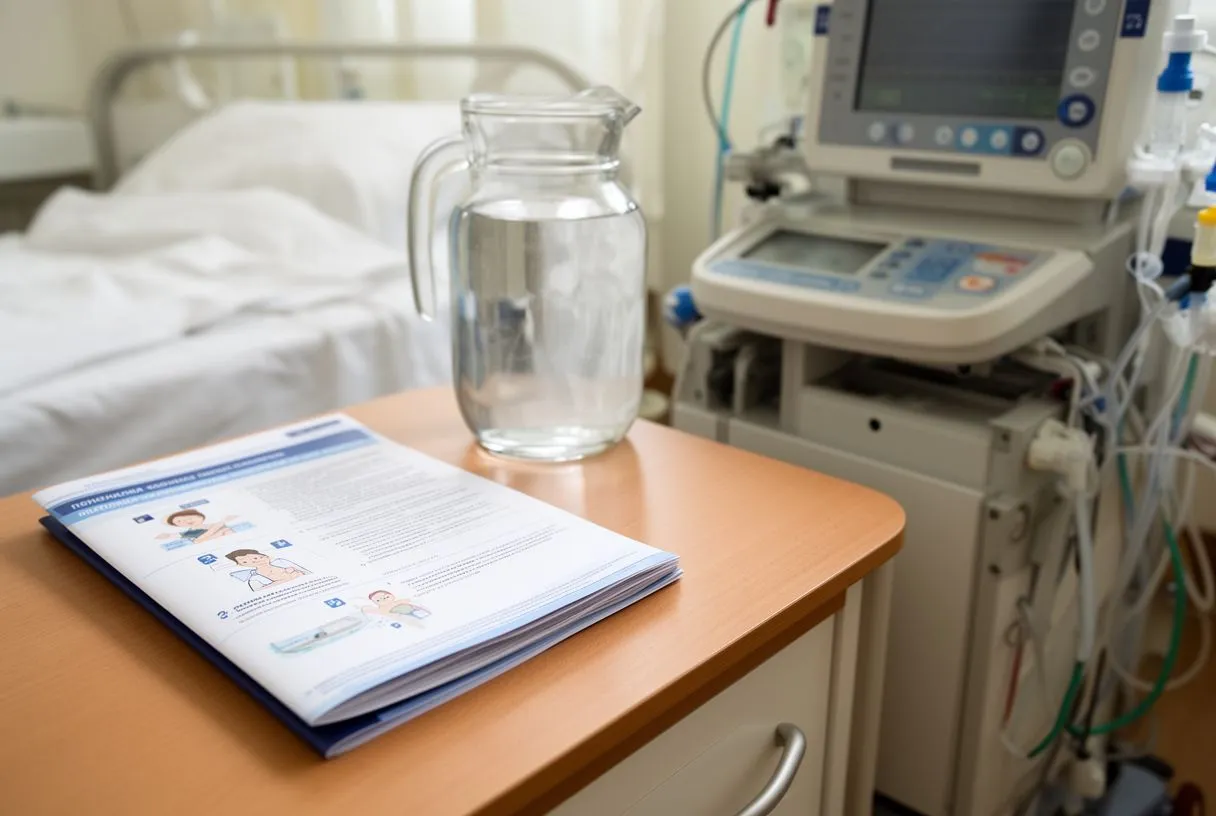
The Role of the Perfusionist During Open Heart Surgery
Behind every successful cardiopulmonary bypass run is a highly trained specialist called a perfusionist. This medical professional is solely responsible for operating the heart-lung machine. The perfusionist works in direct collaboration with the cardiac surgeon and anesthesiologist, continuously monitoring the machine's performance and the patient's physiological status. They adjust flow rates, manage blood gases, and ensure the machine responds instantly to the surgical team's needs.
Guardians of your circulation: The perfusionist's job begins long before the surgery starts. They prepare the complex circuitry of the bypass machine, priming it with a specialized fluid that is compatible with your blood. During the operation, they manage the delicate balance of anticoagulation, ensuring your blood does not clot inside the tubing, and then carefully reverse this process once the surgery concludes. Their vigilance is what makes the temporary halt of your natural circulation safe and feasible.
Even in cases involving complex tissue management, such as when a patient might require an autograft or specialized blood recovery, the perfusionist manages these elements. In extreme circumstances, perfusionists also manage more advanced life support systems like Awake ECMO (Extracorporeal Membrane Oxygenation), allowing patients to remain conscious while receiving critical circulatory support. Their expertise provides an essential layer of safety and precision throughout your time in the operating room.
Life Expectancy and Outcomes After Heart Bypass Surgery
One of the most pressing concerns patients have is how heart surgery will affect their long-term life. For many, repairing a severe coronary blockage or a failing valve provides a significant improvement in both the length and quality of life. Success depends not just on the technical success of the surgery, but on the ongoing management of the underlying disease process. Addressing root causes, such as high cholesterol measured by markers like apolipoprotein B, is critical to preserving the surgical results over the years.
Managing arrhythmias and medications: After surgery, it is not uncommon for patients to experience rhythm disturbances, such as an atrial flutter. These are usually temporary but require careful monitoring and, occasionally, medication. Blood thinners may also be prescribed depending on the specific procedure performed; clinical trials like the ARISTOTLE study have helped define the safest protocols for managing these medications post-surgery. Following your prescribed medical regimen exactly is one of the strongest predictors of a durable outcome.
Long-term success is a partnership between you and your medical team. The surgery fixes the immediate mechanical problem, but lifestyle changes—like diet, exercise, and smoking cessation—are what keep the disease from returning. With proper medical follow-up and a commitment to heart-healthy habits, many patients return to active, fulfilling lives. We encourage you to discuss your specific risk factors and long-term prognosis with your cardiologist to understand what to expect in your unique case.

Preparing for Your Consultation with a Cardiac Team
If you or a loved one are facing symptoms that might require cardiac intervention, the first step is a thorough evaluation by a qualified cardiac team. Symptoms like unexplained chest tightness, shortness of breath, or even atypical signs such as persistent arm pain should never be ignored. Sometimes, these symptoms indicate an atypical infarction or coronary blockage that requires prompt attention. A consultation will help determine if a minor intervention, like a balloon angioplasty, is sufficient, or if a more comprehensive open procedure utilizing the cardiopulmonary bypass machine is the safest route.
Asking the right questions: When you meet with your surgeon, bring a list of questions. Ask about their experience with your specific procedure, the expected hospital stay, and the recovery timeline. Do not hesitate to ask about the risks of the bypass machine and how they plan to mitigate them. A good surgical team will welcome these questions and provide clear, honest answers without using confusing medical jargon. Your comfort and understanding are essential parts of the preparation process.
At Cirugía de Corazón, our priority is to bridge complex cardiology with clear, calm explanation. We believe that informed patients make the best decisions for their health. We encourage you to discuss your own situation with a qualified cardiac team rather than self-diagnosing. Booking a consultation is the safest way to understand your specific anatomy and the treatment options available to you. We are here to provide the guidance and expertise you need to face your cardiac health with confidence.
- Gather your records: Bring recent EKGs, blood tests, and imaging results.
- List your symptoms: Note when symptoms occur, their severity, and how long they last.
- Ask about options: Inquire about minimally invasive alternatives versus traditional surgery.