

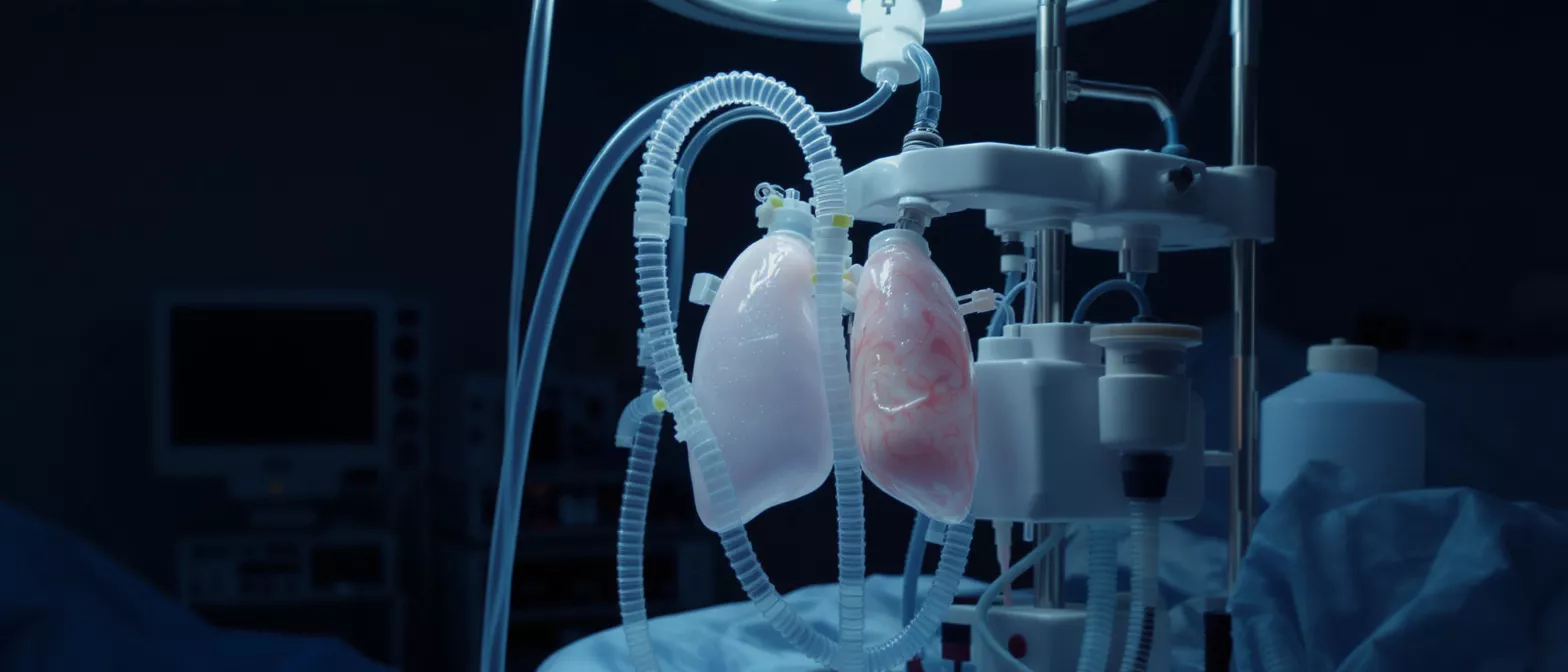
Cardiopulmonary Bypass
Learn how cardiopulmonary bypass works during heart surgery, from the circuit to recovery.
What is Cardiopulmonary Bypass?
Cardiopulmonary bypass is a medical technique used during heart surgery that temporarily takes over the function of the heart and lungs. When a patient undergoes a complex cardiac procedure, the surgical team needs a still and bloodless operating field. This specialized system makes that possible by diverting blood away from the heart, oxygenating it, and returning it to the body. Understanding this fundamental process helps families grasp exactly how surgeons can safely repair delicate cardiac structures.
Heart lung machine basics: The equipment used in this process is commonly known as the heart lung machine. It acts as an external circulatory system, continuously pumping blood through a series of tubes and filters, ensuring the rest of the body receives the oxygen and nutrients it needs while the heart is stopped.
By assuming the workload of these vital organs, the system allows the surgical team to focus entirely on the structural repair. It is a remarkable intersection of engineering and medicine that makes modern cardiac surgery possible.
How the Cardiopulmonary Bypass Machine Works
Cardiopulmonary bypass circuit mechanics: The process relies on a closed-loop circuit. Venous blood is drained from the patient through tubes, typically inserted into the right atrium or major veins. This blood is then guided into a reservoir, where it is prepared for oxygenation.
From the reservoir, the blood passes through an oxygenator, which mimics the function of the lungs by removing carbon dioxide and adding oxygen. Finally, a roller or centrifugal pump pushes the freshly oxygenated blood back into the patient's arterial system, maintaining continuous circulation throughout the procedure.
The entire machine is meticulously monitored to ensure blood flow, pressure, and temperature remain optimal. This constant vigilance ensures the patient's body experiences minimal physiological stress while the heart itself is under repair.
Who Operates the Cardiopulmonary Bypass Circuit?
The role of the cardiopulmonary bypass perfusionist: The operation of this complex equipment is managed by a specialized medical professional called a perfusionist. This expert works directly alongside the cardiac surgeon and anesthesiologist throughout the operation.
Perfusionists undergo extensive training to manage blood flow, monitor anticoagulation levels, and adjust systemic blood pressure. They are entirely responsible for the patient's circulatory stability while the heart is temporarily stopped, making them a vital pillar of the operating room team.
Their expertise extends to reacting instantly to any physiological changes, adjusting parameters to protect the patient's brain, kidneys, and other vital organs during the procedure. Knowing a dedicated specialist manages the machine brings immense peace of mind to anxious families.
Why Heart Surgery Requires Cardiopulmonary Bypass
Achieving a bloodless surgical field: Operating on a beating heart is extremely difficult. By utilizing CPB surgery techniques, the surgical team can intentionally and safely stop the heart, creating a still and bloodless environment that allows for pinpoint accuracy during delicate repairs.
When the heart is stopped, the surgeon can perform complex grafting, valve replacements, or congenital defect repairs with high precision. The cardiopulmonary bypass procedure ensures that while the heart is paused, the rest of the body's organs continue to receive the oxygen-rich blood they need to survive.
This capability revolutionized cardiac care, turning operations that were once deemed impossible into routine, highly successful procedures. It provides the time the surgeon needs without compromising overall patient safety.
Cardiopulmonary Bypass Anticoagulation and Safety
Preventing clotting in the circuit: When blood contacts artificial surfaces, it naturally wants to clot. To prevent dangerous clots from forming in the cardiopulmonary bypass circuit, patients are given a medication called heparin prior to the initiation of the bypass.
This anticoagulation ensures the blood remains fluid as it travels through the tubing and the pump. The perfusionist continuously monitors the level of anticoagulation, making adjustments as needed to maintain the delicate balance between preventing clots and avoiding bleeding.
At the conclusion of the operation, a medication called protamine is administered to reverse the heparin's effects. This allows the patient's blood to return to its normal clotting function so the chest can be safely closed.
Temperature Management During CPB Surgery
Cardiopulmonary bypass temperature management: During many cardiac procedures, the patient's body temperature is intentionally lowered. This technique, known as hypothermia, reduces the metabolic rate of the body's cells, decreasing their demand for oxygen while on the bypass machine.
Cooling the blood is achieved directly through the machine's heat exchanger. By carefully controlling the patient's temperature, the surgical team extends the safe window of time available to complete complex repairs without risking damage to the brain or other vital organs.
Once the surgical repair is finished, the machine gradually warms the blood back to normal body temperature. This controlled rewarming is critical to ensure cellular functions smoothly resume their normal metabolic processes as the heart is prepared to take over again.
Cardiopulmonary Bypass Weaning Process
The cardiopulmonary bypass weaning process: Weaning is the critical transition phase where the machine is slowly disconnected, and the heart resumes its natural pumping duties. This is a highly coordinated effort between the surgeon, perfusionist, and anesthesiologist.
As the heart begins to beat naturally, the perfusionist gradually reduces the machine's flow rate. This allows the heart to progressively take on more of the circulatory workload. The surgical team closely observes the heart's function using ultrasound to ensure it is pumping strongly and effectively before completely turning off the bypass machine.
Successful weaning signifies that the surgical repair is functioning properly and the heart is strong enough to sustain the body. It is a moment of profound relief and triumph in the operating room.
Off Pump vs Cardiopulmonary Bypass Procedures
Comparing off pump vs cardiopulmonary bypass: While the bypass machine is standard for many procedures, some surgeries, particularly certain coronary artery bypass grafts, can be performed "off-pump." This means the heart continues to beat, and the machine is not used.
Off-pump surgery avoids the systemic inflammation and blood manipulation associated with the machine. However, not all patients are candidates for this approach. Complex valve repairs or procedures requiring extensive access to the interior of the heart absolutely require the stillness provided by traditional bypass.
- On-Pump: Heart is stopped; machine provides total circulatory support for complex repairs.
- Off-Pump: Heart keeps beating; used for specific grafts to avoid machine circulation.
The choice depends entirely on the patient's anatomy, the complexity of the disease, and the surgeon's assessment of the safest route to a successful outcome.
Cardiopulmonary Bypass Risks and Complications
Understanding cardiopulmonary bypass complications: While this technology is incredibly safe and routinely used, it is not without risks. The artificial surfaces of the tubing and pump can trigger an inflammatory response in the body, which the care team actively manages with medications.
Other potential cardiopulmonary bypass risks include minor bleeding, fluid retention, or temporary changes in kidney function. The surgical team takes extensive precautions, including administering anti-inflammatory medications and carefully managing fluid balances, to mitigate these effects.
- Inflammation: The body's immune response to artificial surfaces.
- Neurological effects: Rare but possible minor cognitive changes post-surgery.
Rarely, patients may experience minor cognitive fog in the days following surgery. It is important to remember that the surgical team weighs these risks heavily against the absolute necessity of repairing life-threatening heart conditions.
Cardiopulmonary Bypass Outcomes and Recovery
Evaluating cardiopulmonary bypass outcomes: The long-term outcomes for patients undergoing heart surgery with this support are overwhelmingly positive. By allowing surgeons to perform precise, unhurried repairs, the bypass machine directly contributes to the extended lifespan and improved quality of life for countless patients.
Recovery involves allowing the body to naturally resolve the minor inflammation caused by the circuit. Patients typically spend a few days in the intensive care unit for close monitoring before transitioning to a regular ward for cardiac rehabilitation. The care team provides comprehensive support to ensure a smooth and steady return to daily activities.
Understanding the role of this incredible medical equipment removes much of the fear associated with heart surgery. Knowing that a dedicated team and advanced technology are supporting every heartbeat, even when your heart is briefly paused, provides the confidence needed to face the procedure successfully.






