

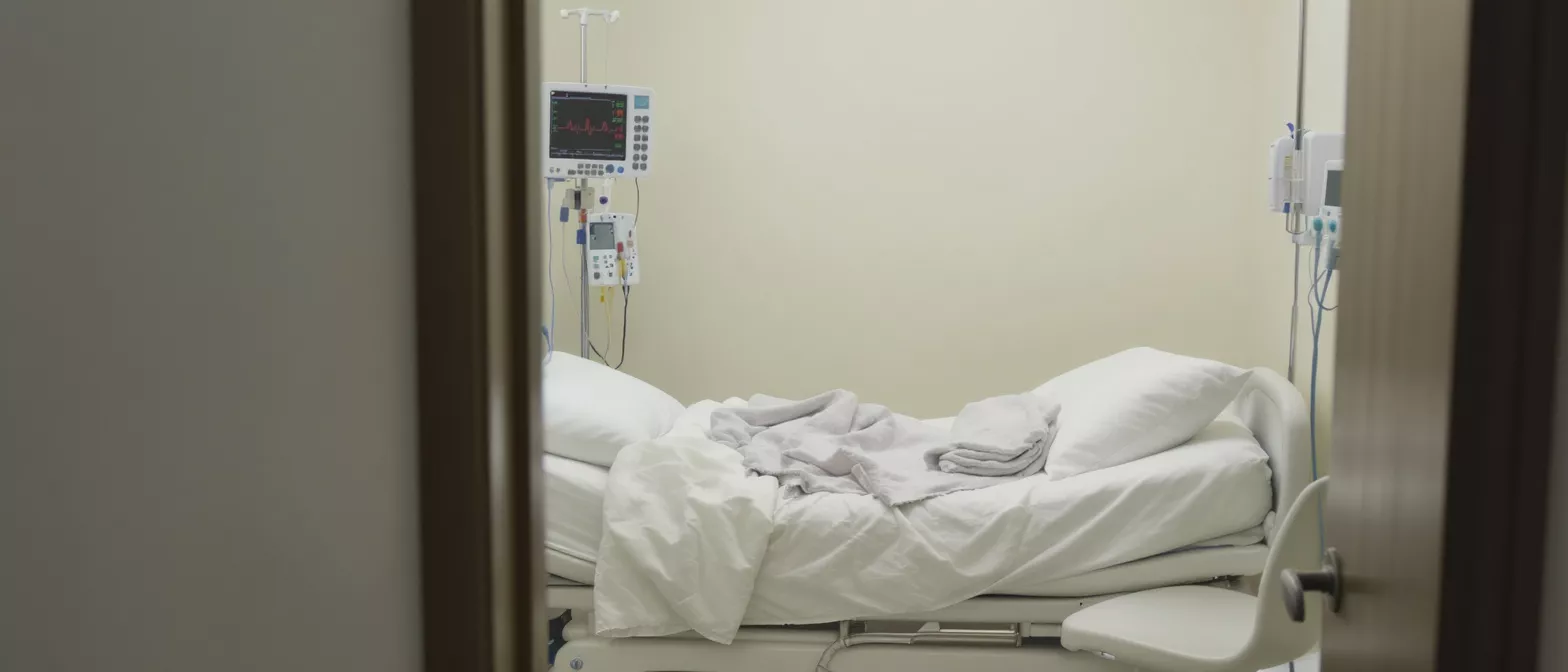
Intensive Care Unit
Learn what happens in the intensive care unit after heart surgery, including monitoring, treatments, and recovery protocols.
What Is the Intensive Care Unit in Cardiac Surgery?
When a patient undergoes a heart procedure, the immediate postoperative period is critical for ensuring a safe transition to normal bodily function. The intensive care unit is a specialized hospital ward designed to provide the highest level of medical vigilance and life-saving interventions. It is a highly controlled environment where specialized equipment and trained staff work together to stabilize patients, manage pain, and prevent complications immediately following complex medical procedures.
For families, the word intensive can sometimes sound alarming, but it simply refers to the depth of attention the patient receives. Rather than being left alone in a standard room, the patient is connected to continuous monitoring systems that track every heartbeat and breath. This concentrated medical focus is the safest way to bridge the gap between the operating room and a regular hospital bed.
Within the cardiac surgery context, this environment is specifically tailored to handle the delicate needs of a recovering heart. It is equipped to manage the unique physiological changes that occur after major cardiovascular procedures, ensuring that the heart muscle regains its strength efficiently and safely.
Why Do Heart Surgery Patients Go to the ICU?
Immediate Postoperative Stabilization: The body undergoes significant stress during any surgical intervention, particularly when it involves the heart and major blood vessels. Patients are transferred directly from the operating room to this specialized ward so that medical professionals can closely watch their vital signs as the anesthesia wears off. The first few hours are crucial for ensuring that blood pressure, heart rate, and oxygen levels remain perfectly stable.
Preventing and Managing Complications: Even routine procedures carry a small risk of postoperative issues such as bleeding, irregular heartbeats, or fluid buildup. By staying in a highly supervised environment, any subtle changes in a patient's condition can be detected and treated instantly, long before they become serious problems. This proactive vigilance is the cornerstone of postoperative care.
Ultimately, the goal is to provide a protective, supportive environment for the heart as it begins its healing process. The specialized protocols and dedicated staff ensure that the transition from surgical anesthesia to independent recovery is as smooth and safe as possible.
How Intensive Care Monitoring Works After Surgery
Continuous observation is the foundation of intensive care medicine. Patients are connected to a variety of non-invasive and minimally invasive sensors that feed real-time data to a central monitoring system. This allows nurses and doctors to see a constant, second-by-second picture of the patient's physiological state, making it possible to adjust medications or fluids with precision.
Typical parameters tracked include continuous electrocardiography for heart rhythm, arterial blood pressure, and oxygen saturation. Patients may also have specialized lines inserted to measure central venous pressure or cardiac output, giving the team a complete picture of how effectively the heart is pumping blood throughout the body.
- Cardiac Rhythm Tracking: Continuous monitoring detects any irregular heartbeats the moment they arise.
- Ventilation Support: Specialized machines track breath volume and oxygen levels, breathing for the patient until they can do so independently.
- Fluid Balance: Precise measurements ensure the body has the right amount of hydration without overworking the heart.
What to Expect During Your ICU Stay After Surgery
Waking up in the critical care unit can be disorienting, which is completely normal. The environment is often bright, busy, and filled with the beeping sounds of monitoring equipment. Patients usually wake up gradually as the sedation wears off, finding themselves surrounded by a highly coordinated team of medical professionals ready to assist them.
During the early phase of recovery, the medical team prioritizes pain management and respiratory support. The goal is always to keep the patient as comfortable as possible while maintaining necessary medical vigilance.
Family members are usually allowed brief visits to provide emotional support. The nursing staff will explain the various tubes and wires, reassuring loved ones that these are routine tools for delivering medications, fluids, and oxygen, and not necessarily signs of an emergency.
Intensive Care Unit Treatments and Life Support
Life support in this context does not always mean a dire emergency; it often simply refers to the temporary assistance the body needs to rest and heal. Treatments in the intensive care unit are highly individualized based on the patient's specific surgical procedure and overall health status.
Respiratory Assistance: Many patients remain on a ventilator for a few hours or overnight after heart surgery. This machine gently pushes oxygen-rich air into the lungs, allowing the patient to remain deeply rested while their body stabilizes. Once the patient is awake and breathing strongly, the tube is carefully and safely removed.
Medication Management: Patients receive a carefully calculated regimen of medications through intravenous lines. These typically include pain relievers, antibiotics to prevent infection, and specialized drugs to support healthy blood pressure and heart rhythm.
How Long Is ICU Recovery for Cardiac Patients?
The length of stay in the cardiac ICU varies greatly depending on the specific procedure, the patient's overall health before surgery, and their age. For standard, uncomplicated heart surgeries, patients typically stay in the intensive care unit for just one or two days. This provides enough time to ensure the heart is functioning well without mechanical support.
During this brief but critical window, the medical team focuses on waking the patient, removing the breathing tube, and starting early mobilization. Sitting up in a chair or taking a few steps with assistance is often encouraged to promote lung function and prevent blood clots. This early movement is a key part of modern recovery protocols.
If a patient has a more complex condition or experiences a minor setback, their stay may be extended. The medical team will only transfer the patient to a standard hospital room once they are completely confident that the heart is stable and the patient no longer requires continuous one-to-one nursing supervision.
Who Provides Care in the Cardiac Critical Care Unit?
The staff in a critical care unit are highly specialized professionals with years of training in managing severe medical conditions. The team is multidisciplinary, meaning it includes experts from various fields working together toward the single goal of patient recovery. This concentrated expertise is what makes the intensive care environment so effective.
- Attending Surgeons and Cardiologists: The primary doctors who performed the procedure and oversee the overarching medical plan.
- Intensive Care Nurses: Dedicated professionals who provide constant, bedside observation and immediate intervention.
- Respiratory Therapists: Specialists who manage the breathing machines and ensure the lungs are functioning properly.
Additional team members often include pharmacists, physical therapists, and dietitians. This comprehensive team approach ensures that every aspect of the patient's physiological recovery is expertly managed, providing peace of mind for both the patient and their family.
Visiting a Loved One in the Intensive Care Unit
Seeing a family member surrounded by medical equipment can be highly distressing. It is important to remember that the tubes, wires, and monitors are there to provide support and gather information, not necessarily to indicate a crisis. The nursing staff is always available to explain what each machine is doing and why it is helping your loved one.
Visiting hours in these wards are often restricted to allow the patient maximum rest and to give the medical team space to perform necessary procedures. When visiting, it is best to remain calm, speak softly, and offer gentle encouragement. Your presence is a powerful emotional support that can significantly aid the healing process.
Patients in the intensive care unit often experience confusion or heightened anxiety due to medications and an unfamiliar environment. Having a familiar face nearby can help ground them and reduce agitation. To support the cardiovascular system during high-stress visits, heart health calming aids are sometimes utilized by family members to manage their own anxiety.
Understanding ICU Protocols and Safety Routines
Strict protocols are the backbone of safe intensive care medicine. These routines are evidence-based practices designed to minimize human error and maximize patient safety. From hand hygiene to central line management, every procedure follows a detailed checklist to ensure the highest standard of care is delivered consistently.
One of the most important routines involves the regular changing of shifts for the nursing staff. During this handoff, the outgoing nurse gives the incoming nurse a detailed report on the patient's condition, medications, and surgical recovery progress. This seamless transfer of information ensures that there is never a lapse in patient observation.
Additionally, safety routines include the regular adjustment of alarms on monitoring equipment. While the sounds can be frequent, these alarms are highly sensitive and allow the staff to respond immediately to any physiological change. The structured environment ultimately exists to protect the patient during their most vulnerable moments.
Moving From Intensive Care to Cardiac Surgery Recovery
Graduation from the intensive care unit is a significant milestone in the healing journey. It signifies that the patient's heart and vital organs are stable enough to no longer require continuous, one-to-one medical supervision. The transfer to a step-down unit or standard hospital room marks the beginning of active rehabilitation.
While the level of monitoring decreases, the focus on healing remains strong. Nurses in the step-down unit continue to track vital signs, but the frequency is reduced, and the patient is encouraged to take a more active role in their own recovery. Walking, eating, and performing basic hygiene become the primary focuses of the day.
This transition can sometimes cause anxiety for patients who felt incredibly safe in the highly monitored environment. However, it is a carefully planned medical decision, indicating that the heart is healing as expected. The entire multidisciplinary team continues to support the patient as they build strength for a safe return home.






