

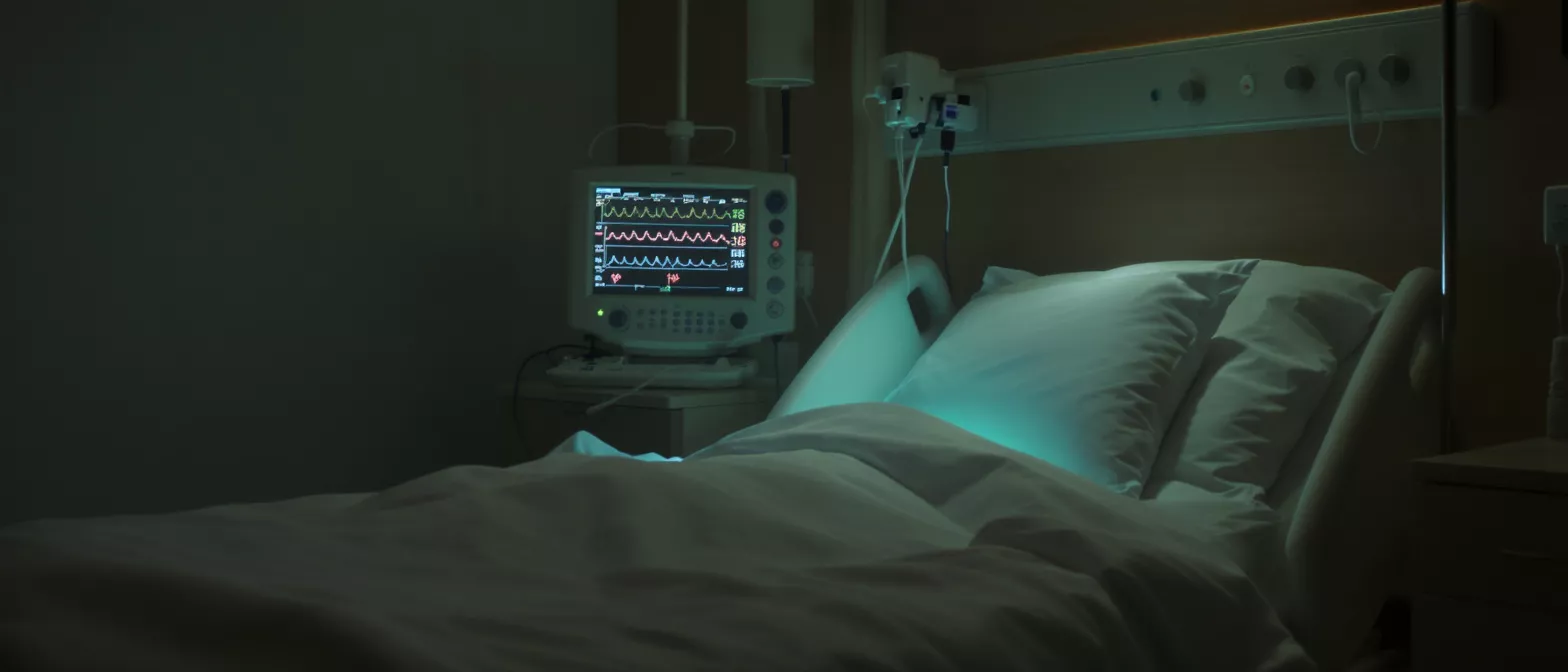
Step-down Unit
Learn how a step-down unit bridges ICU and recovery after heart surgery, with monitoring, nursing care, and discharge criteria.
What is a step-down unit
A step-down unit is a specialized hospital ward designed for patients who are stable enough to leave the intensive care unit (ICU) but still require closer observation than a regular hospital floor can provide. After a major heart procedure, this intermediate level of care acts as a bridge. It ensures that your heart and body continue to heal safely while your medical team gradually reduces the intensity of your medical interventions. You can think of it as a crucial halfway point in your recovery journey.
When you leave the ICU, you might feel anxious about losing the one-on-one attention you had just received. The transition to a step-down unit is carefully planned to prevent that abrupt shift. Here, the nursing ratios are lower than in a general ward, meaning nurses have fewer patients to monitor and can still respond rapidly to any subtle changes in your condition. This environment balances vigilant safety with increasing independence.
Understanding this intermediate phase helps alleviate the natural fears patients and families experience after cardiac surgery. Moving to this unit is a positive milestone. It indicates that your surgeon and critical care team believe your heart is healing well and that you are ready to begin the active rehabilitation phase of your recovery.
Step-down unit vs ICU
Different levels of monitoring: The most noticeable difference between the ICU and a step-down unit is the intensity of technological surveillance. In the ICU, you likely had a dedicated nurse constantly observing your vital signs, along with multiple invasive lines for arterial blood pressure and central venous access. In the step-down phase, continuous cardiac monitoring remains in place, but many of the invasive lines are removed as your physiology stabilizes. The clinical team relies more on non-invasive checks like regular blood pressure cuffs and standard electrocardiograms.
Atmosphere and environment: The ICU is typically a highly intense, brightly lit environment where alarms are frequent and staff interventions happen around the clock. A step-down unit aims to normalize the healing environment. The lighting is softer, the pacing is slower, and the focus shifts from keeping you alive to helping you heal and regain strength. It is specifically designed to promote rest, which is essential for tissue repair.
- Staffing ratios: Step-down nurses care for a few patients simultaneously, offering high responsiveness without the one-to-one critical care ratio.
- Rest and activity: The focus transitions from strict bed rest to guided, safe physical movement like sitting in a chair or taking short walks.
- Technology: Continuous telemetry tracking remains active, but invasive monitoring equipment is gradually minimized.
Step-down unit after heart surgery
Entering the step-down unit after heart surgery marks a significant shift in your daily routine. Instead of lying in bed while nurses manage every aspect of your care, you will be expected to participate actively in your healing. This includes sitting up at the edge of the bed, performing deep breathing exercises with a spirometer, and eventually taking brief, supervised walks in the hallway. These movements are vital for preventing complications like blood clots or pneumonia.
The staff will closely monitor how your heart responds to this new physical activity. A therapist or nurse will be by your side when you first stand, checking for dizziness or irregular rhythms. This supervised mobilization ensures your cardiovascular system can handle the increased demand. It also builds confidence as you realize your body is recovering its functional capacity.
Family visitation rules often become more flexible in this ward, which is a welcome relief for loved ones. Having family nearby provides emotional support that is deeply beneficial for cardiac recovery. However, it is important to remember that the primary goal remains medical stability and safe rehabilitation, so rest periods are strictly protected.
Cardiac step-down unit monitoring
Telemetry and rhythm tracking: Even though you are out of the ICU, your heart rhythm is still continuously monitored. You will wear a small portable box that transmits your heart's electrical activity to a central station. This ensures that any arrhythmias or irregular beats are detected instantly. The nursing staff can review these tracings in real-time, providing a safety net while giving you physical room to move.
Pain and vitals assessment: Your blood pressure, oxygen levels, and heart rate are checked regularly, though not as constantly as in intensive care. The medical team will also frequently assess your pain levels. Effective pain management is a priority here, as uncontrolled pain can hinder your willingness to walk and breathe deeply. Medications are transitioned from IV drips to oral tablets, preparing you for the routines you will follow at home.
The goal of this monitoring is to catch potential issues before they become emergencies. Sometimes, a patient's heart might develop an atrial arrhythmia days after surgery, which is a known transient complication. Being on a monitored ward means the team can identify and treat this immediately, often with medications or a short medical cardioversion, preventing a sudden return to the ICU.
Step-down unit nursing care
Nursing care in this progressive unit is highly specialized, blending critical care vigilance with rehabilitation support. The nurses here are experts in reading cardiac rhythms, managing post-surgical pain, and recognizing the subtle signs of clinical deterioration or wound infection. They act as your primary advocates, coordinating your care between surgeons, cardiologists, therapists, and dietitians.
Beyond clinical monitoring, a major component of their role is education. As you transition toward independence, nurses will teach you how to care for your incisions, recognize warning signs, and manage your new daily medication schedule. Understanding your post-surgical heart monitor data and discharge instructions is heavily emphasized during this phase. They ensure you and your family feel confident taking over these tasks at home.
They also focus heavily on your nutritional needs and digestive health. Anesthesia and pain medications can slow down normal bodily functions, and nurses will track your progress in resuming a normal diet. They encourage fluids, mobility, and proper intake to rebuild your strength, ensuring your body has the building blocks required to heal the surgical wounds.
Step-down unit recovery expectations
Setting realistic expectations is crucial when you arrive in this phase of care. Recovery from heart surgery is not linear; you will have days of great progress and days where you feel fatigued or frustrated. This is entirely normal. The step-down unit is designed to help you navigate these fluctuations safely, allowing your body to gradually regain endurance without overwhelming your cardiovascular system.
Physical milestones: Each day, the physical therapy team will ask a little more of you. You will progress from sitting on the edge of the bed, to walking a few steps, to navigating the hallway independently. These milestones are carefully documented. Reaching them proves to the medical team that your heart is tolerating exertion well and that you are physically preparing for discharge. Using a cardiac rehabilitation walking aid can provide extra stability during these early walks.
Emotional healing: The psychological impact of heart surgery often surfaces here. The initial adrenaline of surviving the operating room fades, leaving feelings of vulnerability or depression. Acknowledging these feelings is part of the holistic care provided. The team is trained to support your mental health, recognizing that a healthy mind is just as important for your long-term cardiac prognosis as a healthy body.
Intermediate care unit heart education
Education is the cornerstone of the intermediate care unit experience. The clinical staff begins preparing you for life outside the hospital walls. You will learn about the medications you are taking, many of which are new, such as blood thinners or beta-blockers. Understanding why each pill is necessary helps prevent medication errors once you are managing them alone. They will also explain the specific parameters for your heart rate and blood pressure.
You will receive detailed instructions on sternal precautions—strict guidelines to protect your healing breastbone. This includes rules about not lifting anything heavier than a few pounds, avoiding pushing up from a chair with your arms, and maintaining proper posture. These precautions are vital to prevent the wires holding your sternum from separating. Adhering to them ensures the bone heals correctly without complication.
The educational process involves your family as much as possible. They will learn how to assist you safely, recognize the symptoms of worsening heart failure or infection, and know exactly when to call the surgeon's office versus when to seek emergency help. This shared knowledge base creates a robust safety net for when you finally step out of the hospital.
Step-down unit criteria for admission
Patients are not moved to this level of care arbitrarily. There are strict clinical criteria that must be met to ensure a patient is stable enough to leave the ICU. Primarily, the patient must be free from active, life-threatening complications. This means no severe arrhythmias requiring continuous IV medication drips, stable blood pressure without heavy vasopressor support, and a respiratory status that does not require a ventilator.
Chest tube drainage must have decreased significantly, and the tubes are often ready to be removed or have already been pulled. The patient must be neurologically intact, able to follow commands, and maintain their airway safely. These benchmarks help ensure that the progressive care team can manage the patient effectively with their specific staffing model and available resources.
Meeting these criteria is a celebration of physiological stability. It means the immediate surgical trauma has been weathered and the intricate plumbing of the heart is functioning well enough to be observed rather than actively manipulated. It is the medical green light that you are officially on the mend.
Step-down unit discharge process
The discharge process begins the moment you arrive in the progressive care ward. The team works backward from the goal of sending you home safely. Case managers and social workers collaborate with your surgical team to ensure your home environment is ready, whether that means arranging for home health nurses, delivering specialized equipment, or organizing a short stay at a rehabilitation facility if your strength is not quite sufficient.
Before you leave, the nursing staff will conduct a final review of your medications, ensuring you have the correct prescriptions and understand the dosing schedule. They will review your follow-up appointments with the surgeon and cardiologist. A final check of your vital signs, an assessment of your surgical incisions for signs of infection, and a review of your physical therapy milestones will be completed to ensure nothing is overlooked.
This process is designed to be highly thorough to prevent readmission. Cardiac surgery is a massive physiological event, and sending a patient home prematurely can lead to setbacks. The team will not sign off on your discharge until they are confident in your ability to care for yourself or until they are certain you have adequate support at home to assist with your daily needs.
Returning home from the step-down unit
Leaving the step-down unit is a major victory, but it is not the end of the recovery journey. The habits and precautions you learned in the hospital must be carried into your home life. You will still need to enforce sternal precautions, manage your medications strictly, and monitor your weight daily for sudden fluid shifts. The first few weeks at home require patience and a willingness to let your body continue its slow healing process.
You will likely be enrolled in an outpatient cardiac rehabilitation program. This structured exercise and education program builds upon the early walking you did in the hospital, helping you safely regain full cardiovascular fitness under medical supervision. Attending these sessions is proven to improve long-term outcomes, reduce anxiety, and help you return to your normal activities with confidence.
Ultimately, the step-down unit serves as the critical training ground for the rest of your life. It is where you transition from being a passive surgical patient to an active participant in your cardiac health. By embracing the education, monitoring, and gradual physical conditioning provided in this unit, you set the foundation for a strong, resilient recovery and a healthier future.






