

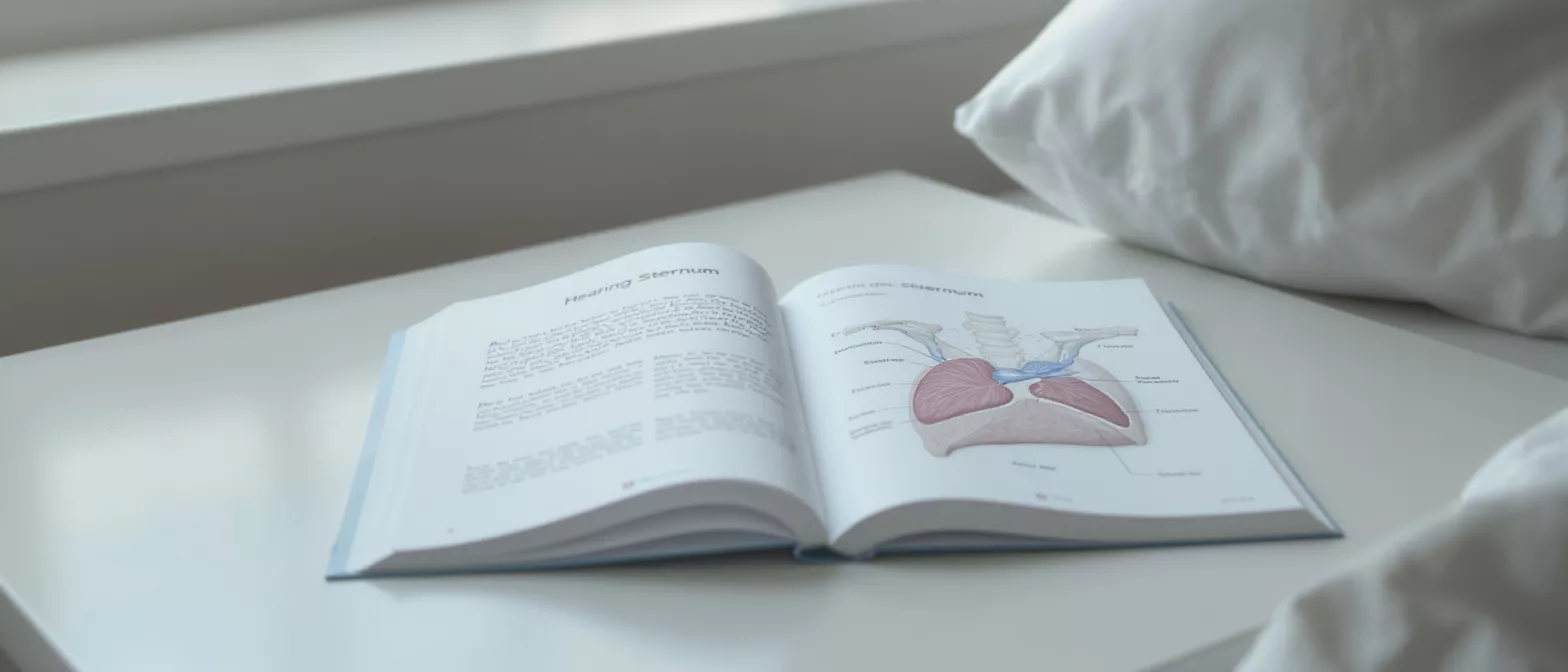
Sternal Precautions
Learn sternal precautions after heart surgery, including safe movements, lifting limits, and recovery tips to protect your breastbone.
What Are Sternal Precautions After Heart Surgery?
Understanding the purpose of sternal precautions: When a cardiac surgeon performs open-heart surgery, they must access the heart by carefully cutting through the sternum, or breastbone, in a procedure called a median sternotomy. After the operation is complete, the bone is wired back together to heal. Sternal precautions are a strict set of guidelines designed to protect this bone as it mends, preventing excessive stress that could disrupt the healing process or cause shifting.
Why these rules matter for your chest stability: The breastbone takes several weeks to fully knit back together, much like a broken arm in a cast. During this vulnerable period, any movement that places sudden weight, twisting force, or pressure on the chest can jeopardize the surgical repair. Following these rules ensures the bone fuses securely, preventing complications like sternal instability or deep wound infections.
While it can feel overwhelming to restrict your movements, these precautions are a temporary but essential part of your recovery. They act as an invisible shield for your chest, allowing your body to direct its energy toward healing the bone and the underlying heart tissue without interruption.
How Sternal Precautions Guidelines Protect Your Recovery
The science behind bone healing: Bone healing requires absolute stability. When you move your upper body forcefully, the muscles and cartilage attached to the sternum pull on the healing bone. By adhering to sternal precautions after heart surgery, you minimize this mechanical stress, allowing the natural bone remodeling process to occur uninterrupted.
Preventing complications before they start: The primary goal of these guidelines is to prevent the breastbone from separating or cracking, a condition known as sternal dehiscence. If the bone shifts, it not only causes severe pain but also creates a pathway for bacteria to enter the chest cavity, significantly increasing the risk of deep wound infections. Strict adherence keeps the surgical wires intact and the incision stable.
Your medical team tailors these guidelines to your specific surgical approach and physical condition. While the core principles remain the same for most patients, your surgeon may modify your restrictions based on your age, bone density, and the specific cardiac procedure performed.
Lifting Restrictions After Cardiac Surgery
Weight limits during the healing phase: One of the most critical post-operative sternal care rules involves weight limits. Patients are generally instructed not to push, pull, or lift anything heavier than five to ten pounds for the first six to eight weeks. This restriction applies to everyday objects like grocery bags, laundry baskets, and even small pets.
Why pushing and pulling is just as risky: Many people assume that as long as they do not lift something heavy, they are safe. However, pushing a heavy door, pulling a recliner lever, or dragging a vacuum cleaner creates exactly the kind of resistance that strains the healing sternum. The chest muscles must contract forcefully to perform these actions, pulling directly on the bone.
To navigate daily life safely, ask family members or friends to handle heavy household chores. If you must move an object, slide it across a surface rather than lifting it, and always keep objects close to your body to reduce leverage and strain on your chest.
Sternal Precautions Dos and Don'ts for Daily Activities
Movements to embrace safely: During the first few weeks, focus on gentle movements that promote circulation without stressing your chest. Walking on flat surfaces is highly encouraged, as it prevents blood clots and gently strengthens your cardiovascular system. Remember to practice good posture and avoid slouching forward, which can compress the healing bone.
Motions to avoid completely: It is crucial to avoid any activity that twists the spine or requires reaching overhead. Do not reach behind your back, twist to look over your shoulder suddenly, or raise your arms above shoulder level. These movements torque the sternum and can pull the surgical wires out of alignment.
- Don't twist: Keep your shoulders square to whatever you are facing to prevent rotation.
- Don't reach overhead: Keep items at waist-to-shoulder height; use a reaching tool if necessary.
- Don't push up from a chair: Use your leg muscles or slide forward, rather than bearing down on your arms to stand.
Sternal Incision Care and Showering Guidelines
Basic wound hygiene: Keeping the surgical site clean is a vital component of sternal precautions guidelines. You will be instructed to inspect the incision daily for signs of redness, unusual swelling, or drainage. Gently pat the area dry after washing, never rubbing the skin over the sternum.
Rules for showering safely: Most surgeons allow showering a few days after discharge, but you must follow strict sternal precautions showering rules. Let the water run gently over the incision; do not let the stream hit the wound directly with high pressure. Avoid submerging the incision in bathwater, hot tubs, or swimming pools until your surgeon explicitly clears you, as soaking softens the scab and invites infection.
When washing, use a mild, unscented soap and your bare hands. Avoid washcloths or loofahs near the incision site, as they can harbor bacteria and create unwanted friction. If the wound has steri-strips, let them fall off naturally rather than pulling them away.
Sternal Precautions Sleeping and Getting Out of Bed
Finding a safe sleeping position: Rest is when your body heals the most, but how you rest matters. For the first few weeks of sternotomy recovery timeline, you should sleep on your back. Some patients find comfort in sleeping in a recliner or propped up on multiple pillows to avoid lying completely flat, which can cause stiffness and discomfort.
The log-roll technique for bed mobility: Getting out of bed without using your arms is a learned skill. You must use the "log-roll" technique: bend your knees, roll onto your side as a single unit keeping your shoulders and hips aligned, and then gently swing your legs over the edge of the bed while using your legs to push yourself upright.
It is completely normal to feel nervous about moving in bed, but the log-roll method effectively protects your breastbone. If you need to cough or sneeze, hold a firm pillow firmly against your chest to splint the bone and reduce the painful shock of the sudden movement.
Sternal Instability Symptoms to Watch For
Recognizing the physical signs: Sternal bone healing after surgery requires close monitoring. The most prominent sign of sternal instability is a clicking, popping, or grinding sensation in the chest when you move or breathe deeply. You might also feel a shifting sensation beneath the skin if the bone edges are moving against each other.
Identifying infection warning signs: Because instability can lead to infection, you must be vigilant about changes at the incision site. Increased pain that does not respond to medication, spreading redness, warmth radiating from the wound, or thick, foul-smelling drainage are all reasons to contact your medical team immediately.
Some mild clicking is common in the very early days as swelling shifts, but persistent or worsening mechanical sounds are not normal. Never attempt to diagnose the issue yourself; if you suspect the bone is unstable, stop all upper body activity and call your surgeon's office right away.
Sternotomy Recovery Timeline and Physical Therapy
Weeks one through six: The initial phase of the sternotomy recovery timeline focuses entirely on gentle ambulation and strict adherence to sternal restrictions. During this period, you will likely participate in sternal precautions physical therapy, which primarily consists of monitored walking to rebuild stamina and prevent blood clots. Your heart and breastbone are doing the heavy lifting of healing internally.
Weeks six to twelve: Around the six-week mark, your surgeon will take an X-ray to evaluate bone fusion. If the bone is healing securely, your lifting limits may be increased, and you can begin a structured cardiac rehabilitation program. This marks the transition from strict rest to guided, progressive strengthening.
Cardiac rehab is essential for safely regaining your strength and confidence. Your therapists will guide you through monitored exercises while ensuring you maintain proper posture and breathing techniques to protect your fully healing sternum.
Sternal Precautions Driving and Returning to Normal Life
When is it safe to Drive? The standard rule for sternal precautions driving is to wait four to six weeks before getting behind the wheel. This restriction is not just about your reaction time; it is about the physical force required to turn the steering wheel. Sudden braking or twisting to check blind spots places immense strain on the sternum. Additionally, the seatbelt lies directly across the chest, and an impact could be catastrophic before the bone is fully healed.
Gradual reintegration into routines: Returning to work and normal life depends on the physical demands of your job. Those with desk jobs might return after a few weeks, while those in manual labor will need significantly more time. Using an adjustable ergonomic seating support can ease the transition if you are returning to an office environment.
- Clearance: Always wait for explicit medical clearance before lifting, driving, or returning to work.
- Pacing: Break tasks into smaller steps and rest between activities to avoid fatigue.
Patience is your greatest asset during this phase. Pushing too hard too soon can cause setbacks that extend your recovery, while a gradual approach ensures you return to full strength safely. Wearing medical-grade compression recovery socks during the day can also help maintain healthy circulation as your activity levels fluctuate.
Key Takeaways for Post-Operative Sternal Care
Summary of your healing journey: Sternal precautions are temporary boundaries that provide a safe environment for your breastbone to heal completely after cardiac surgery. By respecting weight limits, avoiding twisting, and using proper body mechanics to get out of bed, you actively participate in your own recovery and prevent severe complications.
Following these sternal precautions dos and don'ts allows the surgical wires to hold the bone firmly in place while new bone tissue forms. While the restrictions can be frustrating, they are the bridge between surgery and a fully restored, active life.
Your commitment to protecting your chest now will pay dividends in your long-term cardiovascular health. Keep communication open with your medical team, attend all follow-up appointments, and trust the process as your body heals.






