

Median Sternotomy
Learn about median sternotomy, a chest incision used in heart surgery, including the procedure, risks, recovery, and wound care.
What is a median sternotomy?
A median sternotomy is a precise surgical incision made along the midline of the chest to access the heart and surrounding major blood vessels. It involves carefully dividing the sternum, commonly known as the breastbone, allowing a cardiac surgeon to reach the heart to perform life-saving operations like coronary artery bypass grafting or valve repairs. Understanding this procedure helps alleviate the anxiety patients often feel before heart surgery.
For a patient preparing for cardiac surgery, knowing what happens to the chest wall is essential. The sternum acts as a sturdy, protective shield for the heart. By temporarily opening this bone, your surgical team gains the direct visualization and physical working space required to repair complex heart conditions safely. Once the cardiac procedure is complete, the bone is securely repaired.
This approach has been the gold standard in cardiac surgery for decades because it provides the safest and most reliable access to the heart. While minimally invasive techniques exist for certain procedures, a median sternotomy remains the most common and effective method for comprehensive open heart surgery, giving surgeons the room they need to achieve the best possible outcomes.
Why is a sternotomy incision used in heart surgery?
The primary reason surgeons use a sternotomy incision is the unparalleled access it provides to the heart and major vessels. The heart sits deep within the chest cavity, behind the sternum. Dividing the breastbone vertically allows the surgical team to lift the chest wall safely, exposing the entire heart for complex procedures that require stopping the heart and using a heart-lung bypass machine.
Direct surgical access: By opening the chest through the front, the surgeon can clearly see and reach all chambers of the heart. This direct line of sight is crucial for delicate procedures like attaching new bypass grafts or replacing diseased heart valves, ensuring precision that might be difficult through smaller, less invasive entry points.
Patient safety and stability: This technique allows the surgical team to securely manage the heart and control bleeding. The sternum is a thick, strong bone that heals reliably when properly repaired. This approach is chosen specifically to prioritize your long-term cardiac health and the overall success of the operation.
How does the median sternotomy technique work?
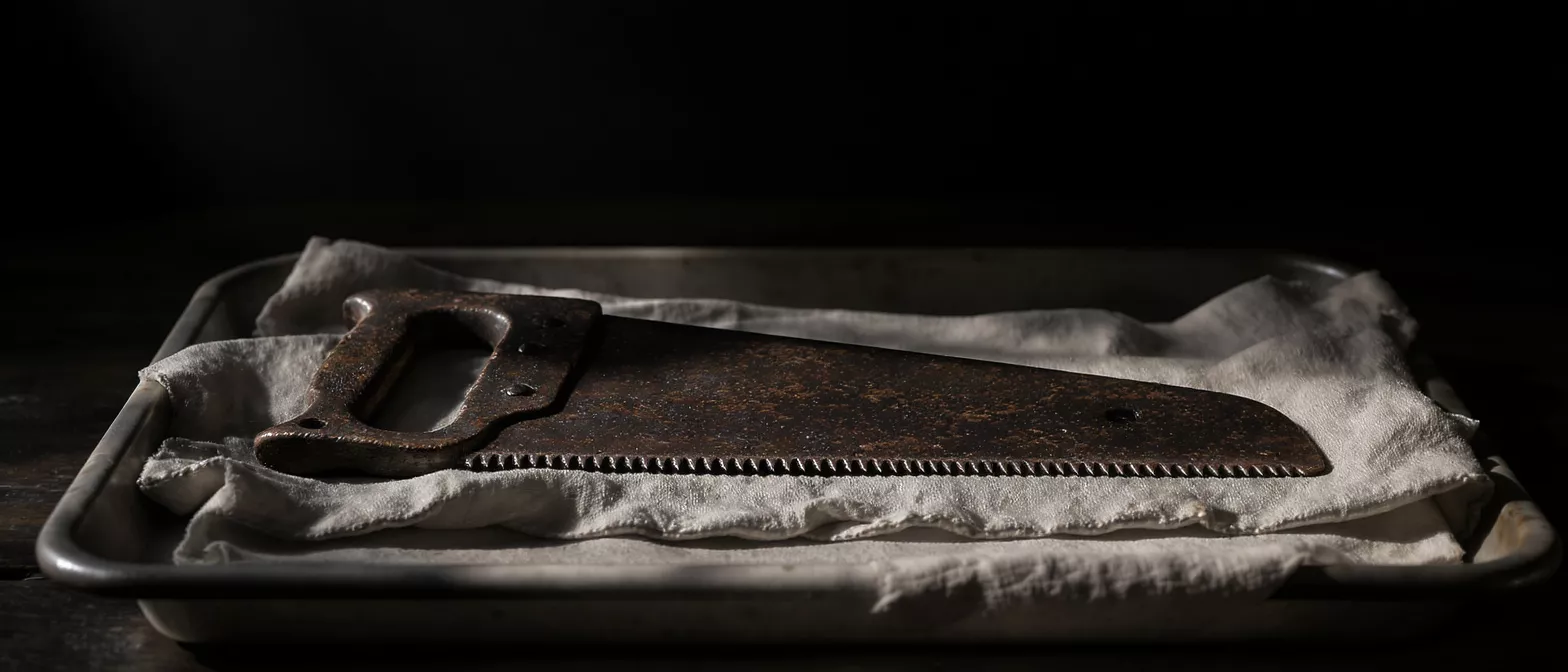
The median sternotomy technique begins after you are comfortably under general anesthesia. Your surgeon makes a straight vertical incision down the center of your chest, usually measuring about six to eight inches. The skin and underlying soft tissues are carefully separated to expose the sternum. Using a specialized surgical saw, the bone is divided precisely along its midline to create a clean, controlled opening.
Once the sternum is divided, a retractor is gently placed to hold the two halves of the bone apart. This opens the chest cavity and exposes the pericardium, the protective sac around the heart. With the heart fully accessible, the surgical team can proceed with the necessary cardiac repairs. Throughout the operation, the surgical team meticulously protects the surrounding tissues to ensure a clean working field.
At the conclusion of the heart surgery, the focus shifts to stabilizing the chest wall. The retractor is removed, and the two halves of the sternum are brought back together. Surgeons use heavy stainless steel wires to bind the bone securely, holding it in place while it heals naturally over the following weeks, much like a cast holds a broken arm.
What to expect during median sternotomy recovery?
Median sternotomy recovery is a gradual process that begins immediately after surgery. You will wake up in the intensive care unit, closely monitored by a specialized nursing team. You will likely have drainage tubes in your chest, an intravenous line for fluids and medication, and supplemental oxygen to help you breathe easily as the anesthesia wears off. This initial phase focuses on stabilizing your heart and managing your pain.
As you regain strength, you will transition to a standard hospital room. The medical team will encourage you to sit up, walk around your room, and practice deep breathing exercises. These movements are essential for preventing complications like pneumonia and for promoting healthy blood flow. While it may feel uncomfortable at first, gentle movement accelerates your healing process.
Before you go home, your care team will provide detailed instructions on how to care for your incision, manage your pain, and gradually return to normal activities. They will also explain the warning signs to watch for, such as increased redness or fever. Understanding your recovery timeline helps you feel more in control and less anxious about the weeks ahead.
How long is sternotomy healing time?
The overall sternotomy healing time varies from patient to patient, but the bone typically takes about six to eight weeks to heal completely. During the first few weeks, the bone is held together securely by the surgical wires, but the natural fusion process takes time. You will gradually notice a decrease in chest discomfort and an increase in your energy levels as the weeks progress.
While the bone itself takes two months to heal, full recovery from open heart surgery can take several months. Your stamina will return slowly, and it is completely normal to feel fatigued. Cardiac rehabilitation programs are designed to guide you safely through this phase, helping you rebuild your cardiovascular strength under professional supervision without over stressing your healing sternum.
It is crucial to respect the healing timeline and not rush the process. The surgical wires holding your sternum together are permanent and will not set off metal detectors, but the bone requires proper blood supply and stability to knit back together. Pushing yourself too hard too soon can jeopardize the integrity of the chest bone and delay your return to a normal life.
What are median sternotomy risks and complications?
While a median sternotomy is a highly routine and successful procedure, any major surgery carries inherent risks. Understanding these potential median sternotomy risks helps patients stay informed and proactive. Common risks include bleeding, infection, and adverse reactions to the anesthesia. Your surgical team takes extensive precautions to minimize these risks before, during, and after your time in the operating room.
Sternal wound infections: One specific complication is an infection of the chest incision. Signs include increasing redness, swelling, unusual warmth, or thick discharge from the wound. Prompt medical attention is required if you notice these symptoms, as early treatment with antibiotics is highly effective in resolving superficial infections before they reach the bone.
Sternal dehiscence: This is a rare complication where the sternum does not heal properly or the wires pull apart. It can present as a clicking or popping sensation in the chest. If you experience unusual movement in your chest wall, you must contact your surgeon immediately. Maintaining sternal stability by following activity restrictions is the best way to prevent this issue.
How to perform sternotomy wound care at home?
Proper sternotomy wound care at home is vital for preventing infections and promoting a clean, smooth healing environment. You will be instructed to keep the incision site clean and dry. Most patients can shower gently, letting mild soap and water run over the wound without scrubbing, but you should avoid soaking in bathtubs or swimming until your surgeon gives clearance.
Inspect your incision daily using a mirror or with the help of a family member. It is normal for the skin around the incision to look slightly bruised or red for the first couple of weeks. However, you should watch closely for any spreading redness, excessive swelling, or any fluid leaking from the wound. Keeping the area free from irritation is a key part of safe recovery.
Here are key reminders for daily wound management:
- Keep it clean: Gently wash the incision with mild soap and water, patting it dry with a clean towel.
- Avoid lotions and powders: Do not apply creams, ointments, or powders to the healing incision unless directed by your doctor.
- Wear loose clothing: Opt for soft, breathable shirts that do not rub against or put pressure on the chest incision.
Is sternotomy infection prevention necessary?
Sternotomy infection prevention is a critical focus for both the medical team and the patient. In the hospital, your surgical team uses sterile techniques and preventive antibiotics to ensure the operating environment is as clean as possible. Once you go home, the responsibility for keeping the wound clean and safe shifts to you and your caregivers.
Good hygiene is your primary defense against infection. Always wash your hands thoroughly before touching the area near your incision or changing any bandages. Avoid crowded places where you might be exposed to airborne illnesses or bacteria while your immune system is focused on healing your heart and chest bone.
If you notice any early signs of infection, such as a fever above 100.4°F, chills, or sudden changes in the appearance of your wound, contact your healthcare provider immediately. Early intervention prevents a minor skin issue from becoming a serious bone infection. Many patients find it helpful to keep antibacterial surgical site cleansing supplies on hand to strictly follow their discharge care instructions.
What activities to avoid after open heart surgery sternotomy?
Protecting your healing breastbone is the main reason for strict activity restrictions after open heart surgery sternotomy. For the first six to eight weeks, you must avoid any movements that place stress on your chest muscles or require sudden arm strength. This includes pushing, pulling, or lifting anything heavier than ten pounds, such as heavy groceries or small children.
You should also avoid using your arms to push yourself up from a chair or out of bed. Instead, use your legs and core to shift your weight, or use your hands on your thighs for support. This technique, often called splinting, prevents unnecessary strain on the chest, giving the bone the stability it needs to heal without shifting or separating.
Activities to avoid while your sternum heals include:
- No heavy lifting: Avoid lifting objects over ten pounds to prevent stress on the chest wires.
- No swinging or pulling: Skip activities like golf, tennis, or vacuuming that twist or strain the upper body.
- No driving: Wait until your surgeon clears you, usually four to six weeks, to ensure your reflexes are sharp and to protect your chest from a steering wheel impact.
When to call your surgeon during post sternotomy recovery?
Knowing when to call your surgeon during post sternotomy recovery is crucial for your safety. While many physical sensations are a normal part of the healing process, certain symptoms require immediate medical evaluation. Your discharge packet will include a list of emergency contacts, and you should never hesitate to use them if something feels wrong.
Normal healing may include mild chest discomfort, itching around the incision as nerve endings heal, and general fatigue. However, severe chest pain that does not respond to your prescribed medication is a red flag. Additionally, if you experience shortness of breath that worsens over time, palpitations, or sudden swelling in your legs, you should reach out to your medical team right away.
Your care team expects to hear from you if you have concerns. It is always better to ask a question and receive reassurance than to ignore a potential complication. For family members helping a loved one recover, recognizing these signs is equally important. Supporting a patient's emotional well-being is also vital, and cardiac recovery comfort items can make the resting period much more manageable for everyone at home.






