

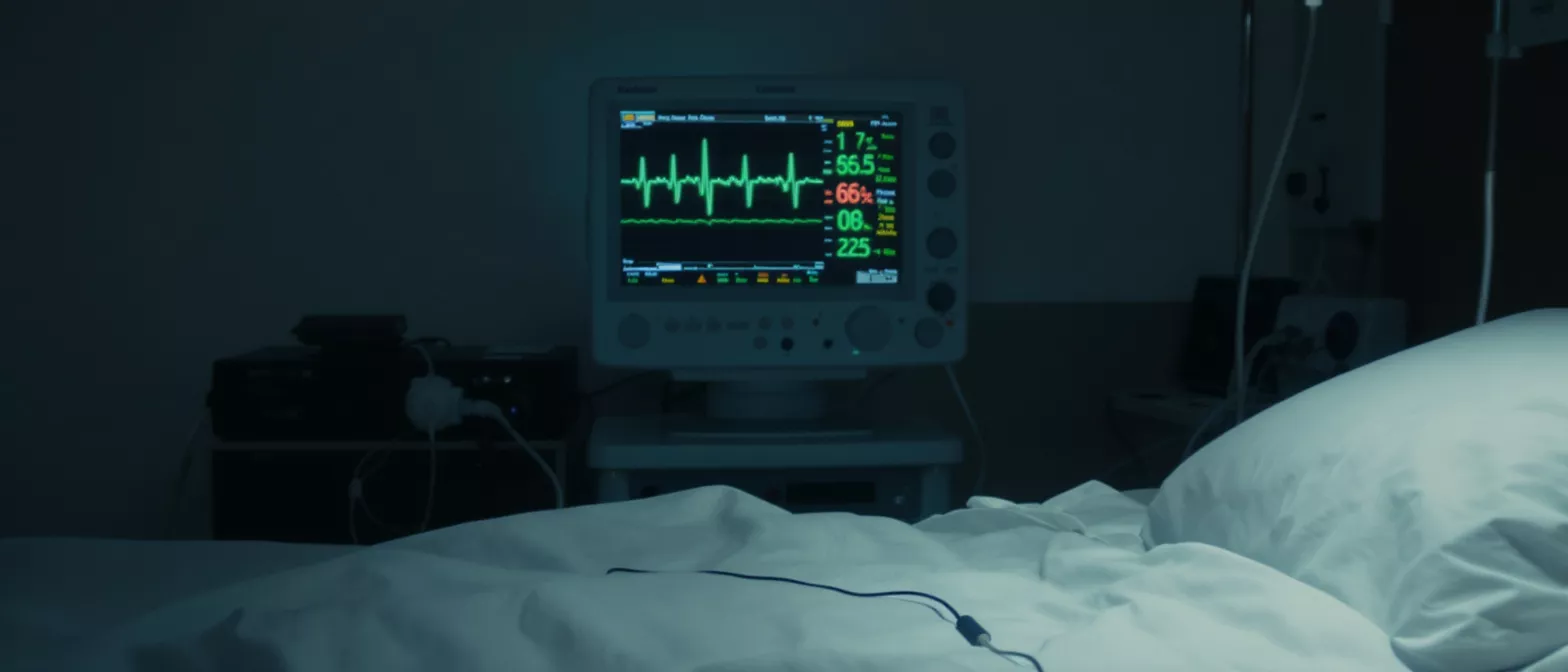
Cardioversion
Learn how cardioversion restores normal heart rhythm for arrhythmia patients.
What Is Cardioversion?
Cardioversion is a medical procedure designed to restore a normal heart rhythm in patients experiencing certain types of arrhythmias, specifically irregular or abnormally fast heartbeats. When the heart's electrical system misfires, the upper chambers may quiver or beat too rapidly, reducing the heart's ability to pump blood efficiently. This procedure intervenes by delivering a controlled electrical impulse or administering specific medications to reset the heart's natural pacemaker. For patients facing cardiac surgery or managing structural heart conditions, restoring a steady rhythm is a critical step in preventing complications like stroke or heart failure.
Why normal heart rhythm matters: A coordinated heartbeat ensures that blood is properly circulated to the brain, lungs, and vital organs. When the heartbeat remains irregular for extended periods, the heart muscle can weaken over time. Cardioversion acts as a reset button, halting the chaotic electrical signals and allowing the sinus node to resume its role as the heart's primary timekeeper. This restoration improves cardiac output and helps patients regain their stamina and breath.
It is entirely normal for patients facing a heart procedure to feel anxious about unfamiliar medical terms. Understanding that cardioversion is a well-established, routine intervention can provide significant peace of mind. It is typically performed in a monitored clinical setting, such as a hospital recovery room or an electrophysiology lab, where the medical team can closely observe the heart's response to treatment.
How Does Cardioversion Work?
The heart relies on a precise sequence of electrical signals to contract and relax in a coordinated rhythm. Arrhythmias such as atrial fibrillation occur when extra electrical circuits disrupt this sequence, causing the atria to quiver rapidly. Cardioversion works by flooding the heart muscle with a synchronized burst of electricity or by using antiarrhythmic drugs to suppress these rogue signals. This temporary interruption forces all electrical activity to pause for a fraction of a second, allowing the heart's natural pacemaker to step back in and establish a normal, steady beat.
Synchronized electrical impulses: The most crucial aspect of an electrical cardioversion is synchronization. The defibrillator machine analyzes the patient's electrocardiogram (ECG) to deliver the shock precisely at the peak of the R wave, which represents the heart's resting phase. This exact timing ensures the electrical impulse resets the rhythm without triggering ventricular fibrillation, a far more dangerous arrhythmia.
Whether using electricity or medication, the goal remains the same: to break the cycle of abnormal electrical conduction. Once the chaotic signals stop, the sinus node can take over. Patients often feel an immediate improvement in their symptoms, as the heart resumes pumping blood in a smooth, organized fashion rather than struggling against a rapid, erratic rhythm.
Types of Cardioversion for Heart Rhythm
Medical teams generally choose between two main approaches to reset the heart's rhythm, depending on the patient's specific condition, overall health, and how long the arrhythmia has been present. The two primary types are electrical cardioversion and pharmacological cardioversion. Both methods aim to achieve the same outcome, though they differ significantly in how the reset is delivered and how quickly the results manifest.
Electrical cardioversion: This method involves placing padded electrodes on the chest, or one on the chest and one on the back, to deliver a brief, synchronized shock to the heart. It is performed under light sedation so the patient does not feel the electrical discharge. Electrical cardioversion is highly effective and often preferred when an immediate return to normal rhythm is clinically necessary.
- Electrical approach: Uses synchronized shocks via external pads to instantly reset the heart's electrical pathways.
- Pharmacological approach: Administers antiarrhythmic medications intravenously or orally to gradually coax the heart back into a normal rhythm.
Pharmacological cardioversion relies on medications that alter the heart's electrical properties. This approach is generally gentler and avoids the use of shocks, making it suitable for patients who may not tolerate sedation well. However, it can take longer to work, sometimes requiring hours or days of observation to see if the medication successfully converts the rhythm.
When Is Cardioversion Recommended?
Cardioversion is typically recommended for patients who have persistent arrhythmias, particularly atrial fibrillation or atrial flutter, where the upper chambers of the heart beat inefficiently. A cardiologist may suggest this procedure when the irregular rhythm causes noticeable symptoms such as shortness of breath, extreme fatigue, chest discomfort, or palpitations that do not resolve on their own. It is also utilized when an arrhythmia threatens to worsen underlying structural heart disease, ensuring the heart muscle does not sustain long-term damage from overworking.
Emergency and scheduled scenarios: In some cases, cardioversion is performed urgently if the arrhythmia is causing severe hemodynamic instability, meaning the patient's blood pressure is dropping dangerously low. However, the majority of cardioversion procedures are scheduled electively. This allows the medical team to perform necessary pre-procedure checks, such as ensuring there are no blood clots in the heart, which could cause a stroke if dislodged during the reset.
Patients preparing for cardiac surgery may also undergo cardioversion to optimize their heart rhythm before an operation. A steady, normal rhythm makes the heart more resilient during surgical interventions and greatly aids in the postoperative recovery process. If you or a loved one are managing an arrhythmia alongside a surgical plan, specialized cardiac rhythm monitoring equipment is often utilized to determine the exact timing for the procedure.
Preparing for a Cardioversion Procedure
Preparation for cardioversion centers on safety, primarily focusing on stroke prevention. Because arrhythmias like atrial fibrillation allow blood to pool in the upper chambers of the heart, clots can form. If a clot is present when the heart is shocked back into rhythm, it can be pumped into the bloodstream and travel to the brain. To prevent this, doctors require a transesophageal echocardiogram (TEE) to visually inspect the heart for clots, or they ask the patient to take blood thinners for three to four weeks prior to the procedure.
Fasting and medication guidelines: Patients are usually instructed to avoid eating or drinking for six to eight hours before the procedure. The medical team will provide specific instructions regarding usual medications, particularly blood thinners and diabetes medications, to ensure they are managed safely on the day of the cardioversion. It is vital to follow these guidelines exactly to minimize any risk of complications during sedation.
On the day of the procedure, patients should wear comfortable clothing and leave valuables at home. A small intravenous (IV) line will be placed in the arm to administer sedation and any necessary emergency drugs. The nursing staff will attach adhesive monitoring pads to the chest to continuously watch the heart's electrical activity and vital signs throughout the process.
What to Expect During Electrical Cardioversion
Once the patient is comfortably resting on the procedure table, the anesthesia team administers a short-acting sedative through the IV. The patient will drift into a light sleep and will not feel the electrical impulse. The cardiologist then places the electrode pads on the chest and back, connects them to the defibrillator machine, and programs the device to deliver a synchronized shock at the precise moment of the heart cycle.
The delivery of the shock: The actual shock lasts only a fraction of a second. The machine ensures the energy is delivered safely, and the medical team immediately checks the ECG monitor to see if the heart has converted to a normal rhythm. If the first attempt is unsuccessful, the doctor may increase the energy level and deliver additional shocks, though this is done with careful consideration to avoid stressing the heart tissue.
Most patients wake up within minutes of the final shock, often unaware that the procedure has already taken place. The medical team continues to monitor blood pressure, heart rate, and oxygen levels as the sedation wears off.
Recovery After Cardioversion
Immediate recovery from electrical cardioversion is remarkably swift. Once the patient is fully awake and vital signs are stable, the IV is removed, and the patient can begin drinking fluids. Most patients are able to sit up and walk within an hour. Because the sedative can leave patients feeling drowsy, they are strictly advised not to drive for 24 hours and must have a family member or friend take them home.
Managing post-procedure sensations: It is common to feel mild chest soreness where the electrode pads were placed, similar to a superficial skin irritation. Some patients experience a slight flushing or fatigue for the remainder of the day. The medical team will provide instructions on applying soothing skin creams if the chest irritation is bothersome. A soothing skin recovery gel can be particularly helpful for alleviating the mild redness caused by the conductive pads.
Follow-up care is essential. Even if the cardioversion successfully restored a normal rhythm, the underlying electrical vulnerability remains. Patients are typically prescribed antiarrhythmic medications to help the heart maintain its steady beat. A follow-up appointment with the cardiologist is scheduled to review a heart monitor and adjust medications as needed.
Cardioversion vs Defibrillation Key Differences
Although both procedures use a defibrillator machine to deliver electrical energy to the heart, their purpose and timing differ critically. Cardioversion is a synchronized procedure, meaning the machine actively reads the ECG and delivers the shock precisely during the heart's resting phase to safely reset an abnormal rhythm. It is a planned intervention for conditions like atrial fibrillation, where the patient is stable but experiencing a problematic heartbeat.
Emergency defibrillation explained: Defibrillation, on the other hand, is an emergency, life-saving measure used when the heart is in ventricular fibrillation or pulseless ventricular tachycardia. In these states, the heart is quivering chaotically and cannot pump blood at all, leading to cardiac arrest. Because there is no organized heartbeat, the defibrillator delivers an unsynchronized shock immediately to try and restart the heart's system.
In summary, cardioversion is a calculated, timed reset for a stable but irregular heart, while defibrillation is an urgent, chaotic reset for a failing heart. Understanding this distinction helps patients realize that scheduled cardioversion is a highly controlled and safe medical procedure, not an emergency scramble.
Risks and Complications of Cardioversion
While cardioversion is a routine and generally safe procedure, it does carry some risks, primarily due to the nature of resetting the heart's electrical system. The most significant risk is the dislodgment of a blood clot, which is why rigorous pre-procedure screening is mandatory. If a clot travels to the brain, it can cause a stroke, but this complication is rare when patients properly take blood thinners beforehand.
Minor and temporary side effects: More commonly, patients experience transient side effects related to the sedation or the electrical pads. Skin burns on the chest are possible, though using proper conductive gel minimizes this. The heart muscle may also become irritated immediately after the shock, leading to a temporary slowing of the heart rate or minor rhythm fluctuations, which usually resolve without intervention.
In very rare cases, the electrical shock can trigger ventricular fibrillation, a dangerous emergency. However, because the procedure is performed in a fully equipped clinical setting, the medical team is prepared to manage this instantly by adjusting the defibrillator to deliver an unsynchronized shock to stabilize the rhythm. The constant presence of specialized cardiac care teams ensures that any complication is addressed immediately.
Long-Term Outlook After Cardioversion
For many patients, cardioversion successfully restores a normal sinus rhythm, providing immediate relief from the exhausting symptoms of atrial fibrillation. Energy levels increase, breathing becomes easier, and the heart pumps blood more efficiently. However, cardioversion is a treatment, not a permanent cure. The structural and electrical issues that caused the arrhythmia still exist, meaning the irregular rhythm may return days, months, or years after the procedure.
Maintaining heart health: To keep the heart in normal rhythm for as long as possible, patients must adhere strictly to their prescribed medication regimens. Managing lifestyle factors is equally important. Controlling blood pressure, maintaining a healthy weight, treating sleep apnea, and avoiding excessive alcohol or stimulant intake all play a vital role in reducing the frequency of arrhythmias.
Ultimately, cardioversion is a powerful tool in the broader strategy of cardiac care. Whether performed before heart surgery to optimize the heart or as a standalone treatment for chronic arrhythmia, it offers patients a chance to reclaim their quality of life. With ongoing medical supervision and a commitment to cardiovascular health, patients can look forward to a steady, strong heartbeat for years to come.






